Sand Temples in Nagaland
This collection documents 9 temple across nagaland, representing profound expressions of Hindu civilization's architectural and spiritual heritage. Each site reflects distinct regional traditions, with some maintaining unbroken traditions spanning millennia. Our comprehensive documentation, developed in collaboration with Archaeological Survey of India archaeologists, conservation specialists, and scholarly institutions, preserves not merely physical structures but the sacred geometry, cosmological symbolism, and ritual spaces central to Dharmic worship. acknowledging their universal significance to human civilization. Through royal patronage and community devotion, these structures embody the timeless principles of Hindu cultural heritage, connecting contemporary devotees to ancient traditions through stone, sculpture, and sacred spaces that continue to inspire reverence and wonder.
9 Sites Found
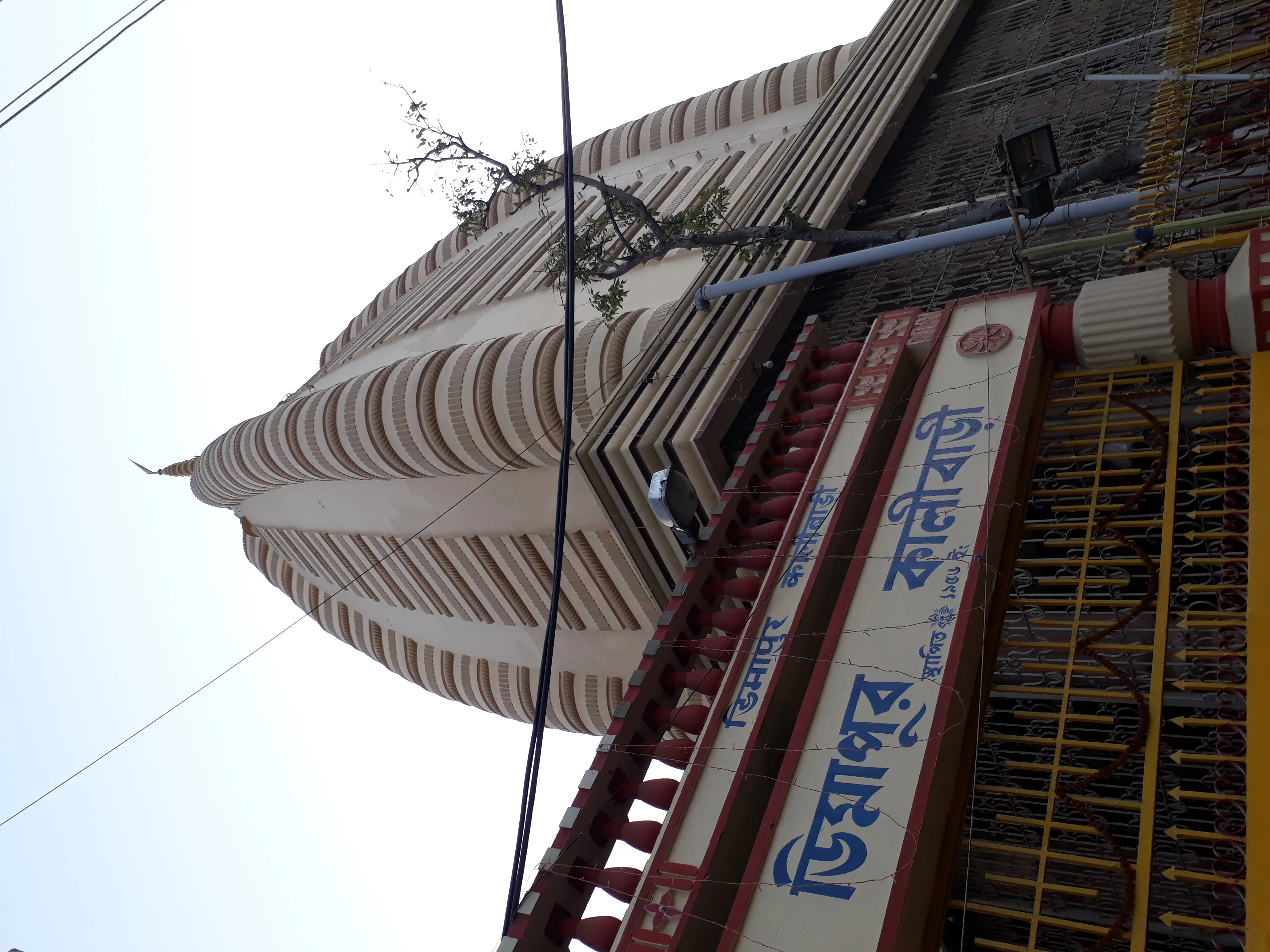
The air, thick with the scent of incense and marigold garlands, hung heavy as I stepped through the imposing gateway of the Dimapur Kalibari. This wasn't the Himalayas I was accustomed to, the familiar terrain of my North Indian explorations. This was Dimapur, Nagaland, and the vibrant colours, the unfamiliar lilt of the language, and the unique architecture of this temple instantly told me I was in a different world. The Kalibari, dedicated to the goddess Kali, stands as a striking testament to the Bengali community's presence in this northeastern state. It isn't tucked away in quiet contemplation; rather, it embraces the city's bustle, situated near the heart of Dimapur. The first thing that struck me was the sheer scale of the complex. The main temple, a two-storied structure, is painted a brilliant shade of orange, a hue that seems to amplify the tropical sun. Intricate white detailing adorns the façade, a delicate counterpoint to the bold colour. It’s a far cry from the muted sandstone and marble of North Indian temples, and yet, the reverence in the air felt instantly familiar. Climbing the steps to the main sanctum, I noticed the distinctive curved roof, reminiscent of traditional Bengali architecture, yet with a subtle Naga influence in the decorative motifs. The roofline is adorned with a series of miniature domes, or chhatris, each intricately carved and painted. These architectural flourishes speak to a cultural exchange, a blending of traditions that defines this unique place of worship. Inside, the atmosphere is charged with devotion. The scent of burning camphor and the rhythmic chanting of prayers filled the air. The idol of Kali, resplendent in her traditional garb, dominates the sanctum. Her fierce expression, usually interpreted as a symbol of destruction of evil, felt strangely comforting here, a powerful presence amidst the unfamiliar surroundings. Unlike the often hushed reverence of North Indian temples, here, the devotion is more expressive. Devotees offered prayers with a fervent energy, their voices rising and falling in unison. Stepping out onto the temple balcony, I was greeted by a panoramic view of Dimapur. The sprawling city, a mix of concrete buildings and lush greenery, stretched out before me. From this vantage point, the Kalibari felt like an anchor, a spiritual haven amidst the urban chaos. The temple complex also houses a smaller shrine dedicated to Lord Shiva. This shrine, while less elaborate than the main temple, possesses a quiet charm. The smooth, grey stone of the Shiva lingam offered a stark contrast to the vibrant colours of the Kali temple, creating a sense of balance within the complex. What truly sets the Dimapur Kalibari apart is its inclusive nature. While primarily a Hindu temple, it attracts visitors from various faiths and backgrounds. I saw local Naga families alongside Bengali devotees, all united in a shared sense of reverence. This intermingling of cultures, this quiet acceptance of different beliefs, is perhaps the most powerful testament to the spirit of this place. As I left the Kalibari, the scent of incense still clinging to my clothes, I felt a profound sense of connection. This wasn't just a temple; it was a microcosm of India's diverse cultural tapestry. It was a reminder that spirituality transcends geographical boundaries and architectural styles. It was a testament to the enduring power of faith, expressed in a myriad of ways, in a corner of India far removed from my familiar North.
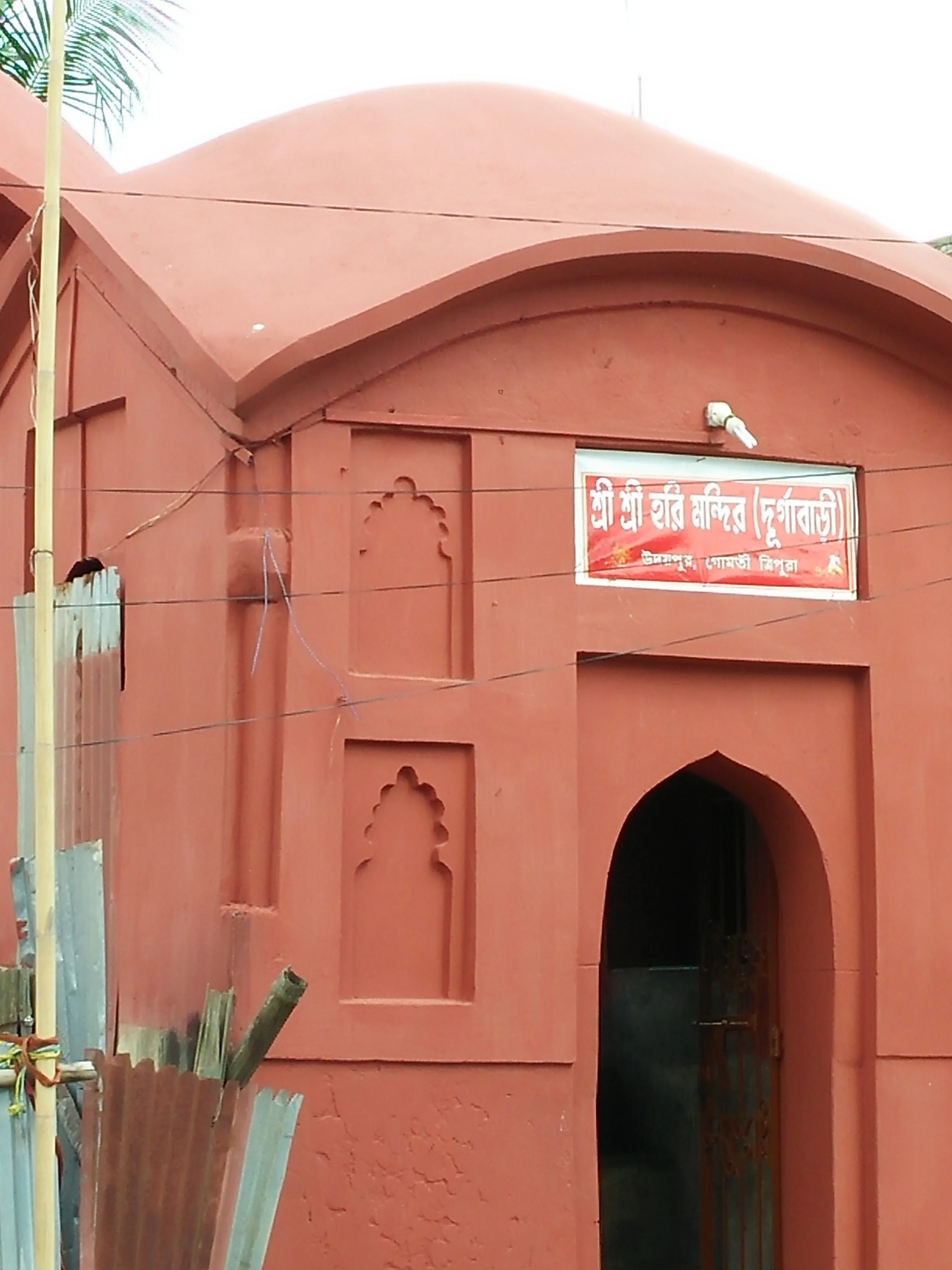
The dense, emerald embrace of Nagaland’s landscape held a surprise I hadn’t anticipated. Emerging from the verdant hills surrounding Dimapur, the Durga Temple stands as a vibrant splash of ochre against the green, a testament to a confluence of cultures I hadn’t expected to find so far east. As a Gujarati, deeply familiar with the reverence for Durga Mata, finding her shrine nestled amidst the tribal heartland of Nagaland was a powerful, almost dissonant experience. The temple itself isn’t ancient, unlike the many historical marvels I’ve documented back home. Built in the latter half of the 20th century by the sizeable Bengali community residing in Dimapur, it carries a distinct flavour of Bengal’s Durga Puja festivities. The structure, while not adhering to traditional Nagaland architecture, possesses a certain charm. It's a two-storied concrete edifice, the ground floor housing the sanctum sanctorum and the upper floor serving as a community hall, likely used during festivals. The façade is relatively simple, adorned with brightly painted depictions of deities and floral motifs, reminiscent of the vibrant pandals erected during Durga Puja in Kolkata. Climbing the few steps to the main entrance, I was greeted by the aroma of incense and the soft murmur of prayers. The sanctum sanctorum, though compact, held a palpable energy. The idol of Durga, resplendent in her red attire and ten arms, each wielding a divine weapon, commanded the space. Unlike the elaborately sculpted stone idols common in Gujarat, this one appeared to be made of a lighter material, possibly fiberglass, and adorned with intricate embellishments. The familiar iconography, the lion mount, the Mahishasura beneath her feet, resonated deeply, bridging the geographical and cultural gap. What struck me most was the syncretism evident in the temple's atmosphere. While the architecture and rituals were distinctly Bengali, there was a subtle undercurrent of the local Naga spirit. The temple courtyard, for instance, was dotted with small earthen lamps, reminiscent of traditional Naga practices. Observing the devotees, I noticed a mix of Bengali and Naga faces, all united in their reverence for the goddess. This quiet blending of traditions, this shared sacred space, spoke volumes about the harmonious co-existence of diverse cultures in this corner of India. Stepping out onto the upper floor, I was treated to a panoramic view of the surrounding hills. The temple, perched on a slight elevation, seemed to survey the landscape, a silent observer of the town's life unfolding below. The community hall, though bare at the time of my visit, hinted at the vibrant celebrations that must take place during Durga Puja. I could almost hear the rhythmic beat of the dhaak, the devotional chants, and the joyous clamour of the festivities. My visit to the Durga Temple in Dimapur was more than just an architectural exploration; it was a cultural immersion. It was a reminder that faith transcends geographical boundaries and cultural differences. It was a testament to the human ability to adapt, to embrace, and to create something beautiful from the confluence of diverse traditions. As I descended the steps, leaving the vibrant ochre sanctuary behind, I carried with me not just images of a temple, but a deeper understanding of the interwoven tapestry of India’s cultural landscape. It was a reminder that even in the most unexpected corners, one can find echoes of familiarity, threads of shared belief, and the enduring power of faith.
The Durgabari Temple, situated on Aradura Hill in Kohima, Nagaland, stands as a significant Hindu pilgrimage site dedicated primarily to Goddess Durga, embodying a continuous tradition of Indian civilization spanning millennia [1] [2] [3]. This sacred edifice also houses shrines for Ma Kali and Lord Shiva, reflecting the syncretic nature of Hindu worship practices [1] [2]. While the current structure dates to approximately 1940 CE, its architectural expression integrates elements of Naga Vernacular, Nagara, Kalinga, and Indo-Islamic styles, showcasing a layered cultural synthesis that is characteristic of India's enduring heritage [1] [2] [3]. The temple's design features intricate carvings and vibrant decorations, which are indicative of the rich artistic traditions prevalent in the region [3]. Although specific dimensions are not widely documented, the temple's layout is designed to facilitate devotional practices, including morning pooja and arati, which commence at 07:30 AM [1]. The structural integrity of the temple is maintained through regular upkeep by the Temple Trust, ensuring its continued role as a spiritual and cultural hub [1] [2]. The temple grounds are well-maintained, providing a serene environment for devotees and visitors, with operational hours from 06:00 AM to 09:00 PM daily [1] [2]. Accessibility is facilitated by its location in PWD Colony, Kohima, reachable via local transport options such as auto-rickshaws [3]. Conservation efforts are primarily managed by the Temple Trust, focusing on the preservation of its architectural and spiritual essence [1]. The site actively hosts major Hindu festivals such as Ganesha Puja, Durga Puja, Jagannath Snan, and Jagannath Rath Yatra, drawing numerous devotees and reinforcing its role in maintaining India's ancient cultural traditions [1]. Visitors are encouraged to observe a modest dress code, reflecting respect for the sacred space [1] [2]. The Durgabari Temple remains fully operational, serving as a vibrant center for Hindu religious and socio-cultural activities in Kohima, testament to India's deep historical roots and continuous cultural legacy [1] [3].
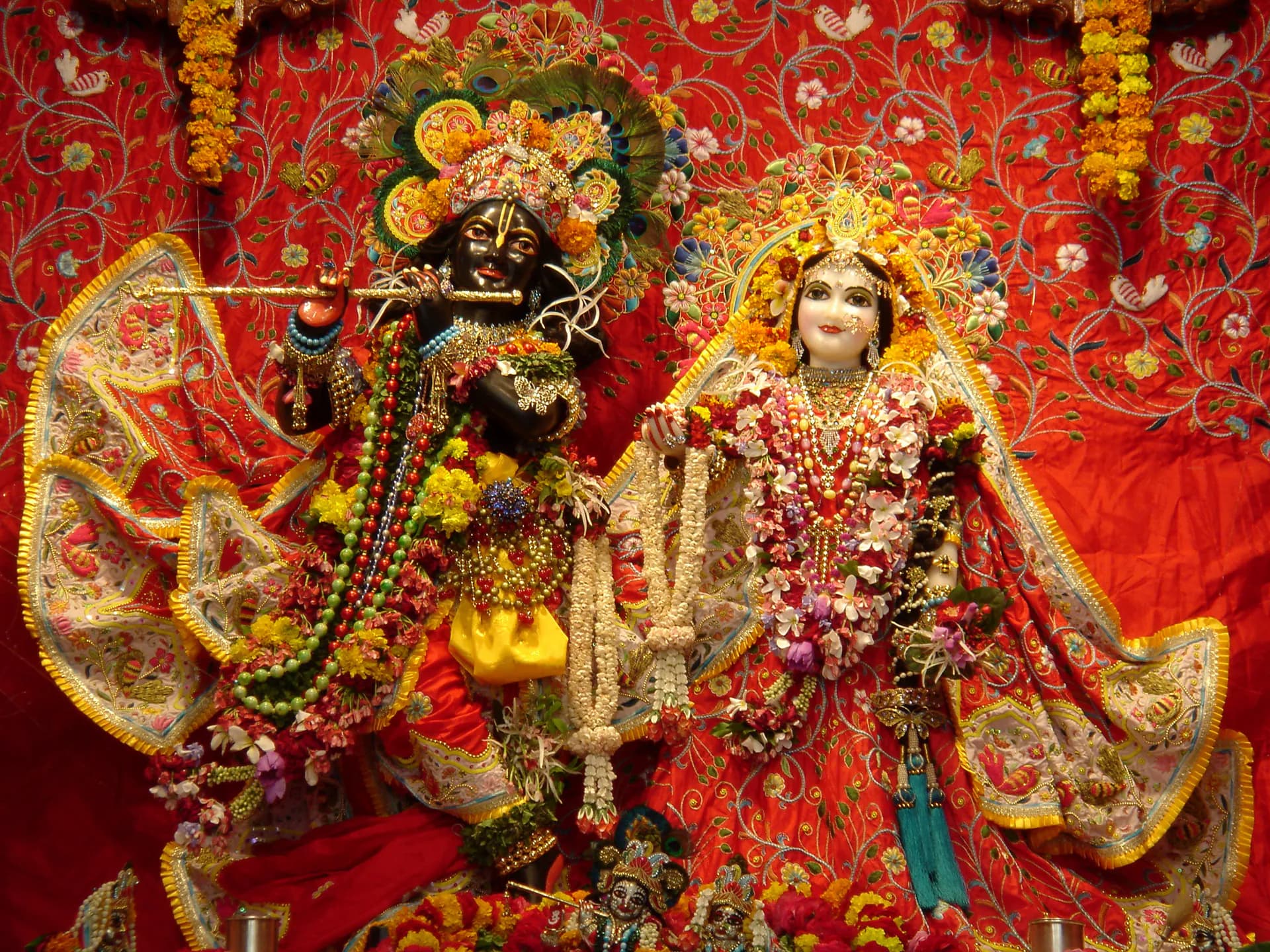
The ISKCON Temple Dimapur, dedicated to Lord Krishna, stands in Dimapur, Nagaland, as a testament to India's enduring spiritual and architectural traditions, which span millennia [1]. Consecrated in 1995 CE, this contemporary edifice draws deeply from indigenous Indian architectural styles, primarily Orissan Nagara and broader Nagara forms, while also incorporating elements reminiscent of Gupta and Neo-Classical aesthetics [2]. The temple's design reflects a continuous lineage of sacred architecture, emphasizing the profound cultural practices and spiritual devotion that have characterized Indian civilization for thousands of years [1] [2]. The architectural scheme of the ISKCON Temple Dimapur is a modern interpretation of the Nagara style, which is prevalent across North India and characterized by its towering, curvilinear shikhara [2]. Specifically, it incorporates features of the Orissan Nagara sub-school, where the shikhara, known as a 'Deul', rises almost vertically before curving sharply inwards towards the summit [5]. The temple typically features a 'garbhagriha' (sanctum sanctorum) housing the principal deity, preceded by one or more 'mandapas' (halls) [2] [5]. In Orissan style, a 'Jagamohan' (assembly hall) often precedes the 'Deul', and the main temple's ground plan is nearly invariably square, with a round 'Mastaka' (crowning element) at the apex of its superstructure [5]. The exterior walls of Nagara temples are often articulated with projections known as 'rathas', which create a dynamic interplay of light and shadow and enhance ornamentation [2]. The temple's construction utilizes reinforced cement concrete (RCC) for structural integrity, with concrete grades such as M30 employed to ensure high load-bearing capacity and durability [4]. The foundation typically involves pile foundations, designed to support the substantial weight of the superstructure [4]. Materials like sandstone, often used in traditional Nagara temples, are likely complemented by modern finishes and decorative elements, reflecting the blend of ancient aesthetics with contemporary construction methods [2] [4]. Decorative elements within ISKCON temples often include intricate carvings and sculptures that depict deities, celestial beings, and mythological narratives, reflecting the rich heritage of Vedic culture . The design principles are rooted in Vedic traditions, drawing from texts like the Shilpa Shastras and Vastu Shastra, which emphasize harmony with natural elements and cosmic energies . Towering 'shikharas' symbolize Mount Meru, the cosmic axis, guiding spiritual focus heavenward . The sanctum sanctorum, housing the deities, is meticulously aligned with cardinal directions, with east-facing entrances welcoming the sun's first rays, symbolizing enlightenment . The temple complex is designed to include community spaces such as kirtan halls for collective chanting, prasadam (sanctified food) dining areas, libraries, and classrooms, fostering a holistic spiritual ecosystem . Conservation efforts for ISKCON temples generally focus on maintaining the structural integrity of modern construction while preserving the traditional artistic and spiritual elements . The temple is actively programmed with daily rituals, festivals, and educational initiatives, serving as a vibrant center for spiritual gatherings and community service [1]. It is fully operational, accessible to devotees and visitors, and maintained by the ISKCON Foundation, ensuring its role as a continuous beacon of devotion and cultural preservation [1].
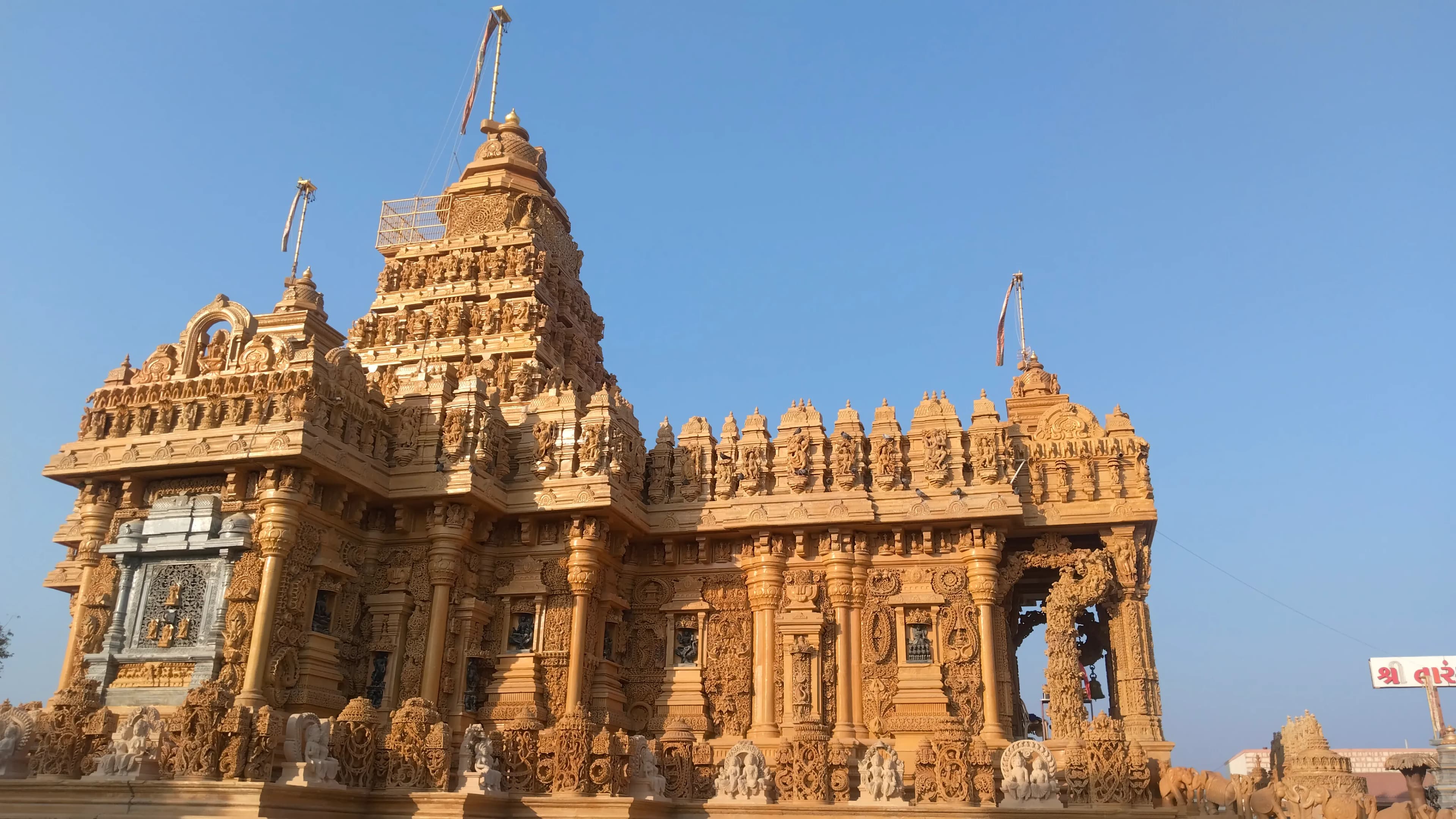
The humidity hung heavy, a stark contrast to the arid landscapes of Rajasthan I'm accustomed to. Here in Dimapur, Nagaland, nestled amidst lush greenery, stands the Jain Temple, a structure that whispers tales of a community far removed from the desert kingdoms I know so well. It isn't a grand edifice like the sprawling fortresses back home, but its simplicity holds a unique charm, a quiet dignity that immediately captivated me. The temple's exterior is a pristine white, a beacon against the vibrant green backdrop. The shikhar, the curvilinear tower, rises gracefully, though it lacks the intricate carvings and embellishments that adorn the Jain temples of Rajasthan. Instead, its surface is smooth, almost minimalist, crowned with a golden kalash, gleaming under the Nagaland sun. This architectural restraint, I realized, speaks volumes. It's a testament to the adaptability of Jain philosophy, its ability to flourish even in a land so different from its traditional heartland. Stepping inside, I was struck by the sense of peace. The main prayer hall is a large, airy space, devoid of the opulent ornamentation I’m used to seeing in Jain temples. Sunlight streamed in through large windows, illuminating the simple, yet elegant altar. At the center sits a serene white marble statue of the twenty-fourth Tirthankara, Mahavir Swami. His meditative posture, the downcast eyes, exuded an aura of tranquility that permeated the entire space. There were no elaborate frescoes, no intricate carvings on the pillars – just the quiet presence of the Tirthankara, a focal point for devotion. I spent some time observing the devotees. A mix of locals and visitors, they moved with a quiet reverence, their prayers whispered rather than chanted. It was a different atmosphere from the bustling Jain temples of Rajasthan, where the air often rings with devotional songs and the scent of incense. Here, the silence amplified the sense of spirituality, allowing for a deeper, more introspective experience. As I explored further, I discovered a small museum attached to the temple. It housed a collection of photographs and artifacts documenting the history of the Jain community in Dimapur. I learned that the temple was relatively recent, built in the latter half of the 20th century by a small but thriving Jain community that had migrated to Nagaland for business. The museum offered a fascinating glimpse into their journey, their challenges, and their contributions to the local community. It was a story of resilience and adaptation, a testament to the enduring spirit of Jainism. One particular exhibit caught my eye – a series of photographs showcasing the annual Mahavir Jayanti celebrations. The images depicted a vibrant procession, with devotees carrying the statue of Mahavir Swami through the streets of Dimapur. It was a striking image – the white-clad Jain devotees amidst the colorful Naga crowds, a beautiful representation of religious harmony and cultural exchange. Leaving the temple, I carried with me a sense of quiet admiration. This unassuming structure, tucked away in a corner of Nagaland, spoke volumes about the adaptability and universality of Jain philosophy. It was a reminder that spirituality transcends geographical boundaries and cultural differences. While the architecture and rituals might differ from the grand traditions I'm familiar with in Rajasthan, the core values of non-violence, compassion, and self-discipline remained the same, resonating powerfully in this tranquil corner of Northeast India. The Jain Temple of Dimapur may not boast the grandeur of its Rajasthani counterparts, but its quiet dignity and the story it tells are equally, if not more, compelling.
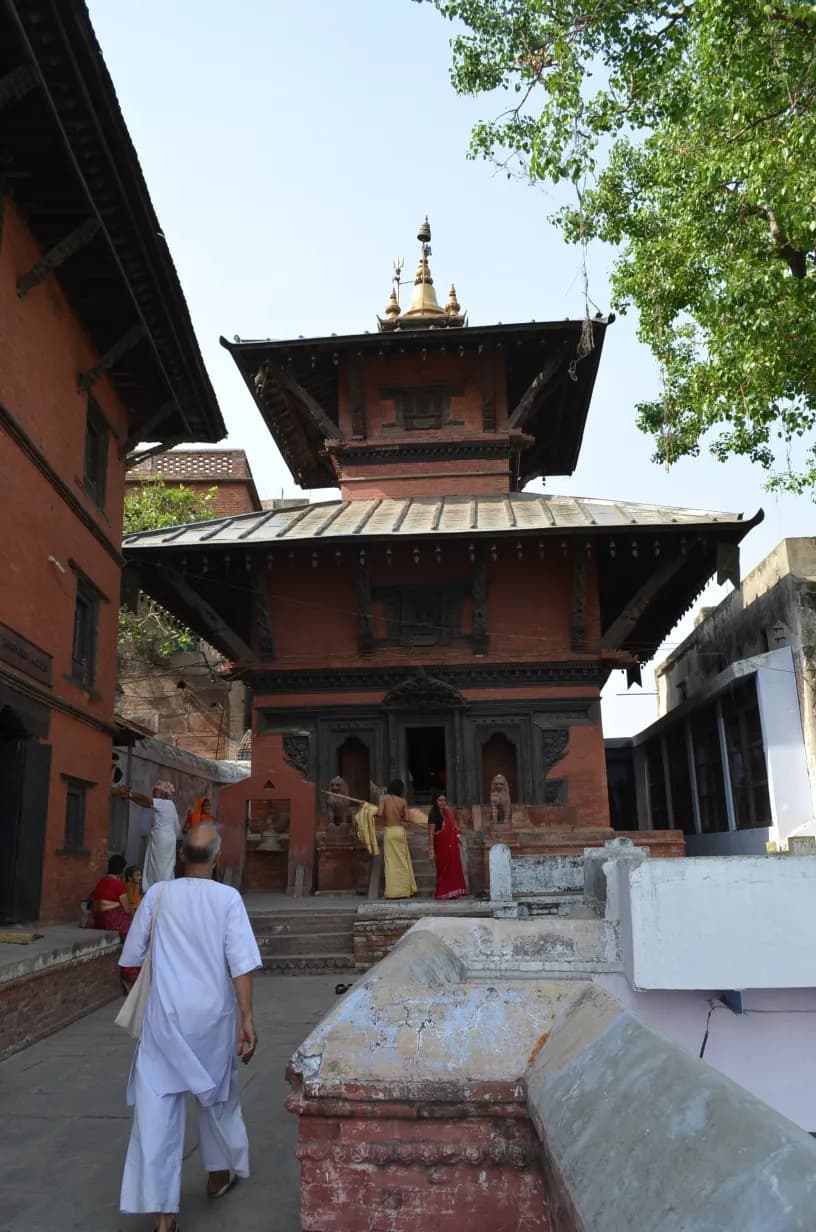
The Nepali Mandir, located on P.R. Hill in Kohima, Nagaland, stands as a significant Hindu temple dedicated to various deities, embodying a continuous tradition of Indian civilization that spans millennia. This sacred site, though formally established in the 20th century, draws upon ancient indigenous architectural styles and cultural practices, reflecting India's deep historical roots and enduring spiritual legacy [1]. The temple primarily showcases the Nepali Pagoda architecture style, characterized by its multi-tiered roofs and timber-framed construction, a style that has historically interacted with and influenced Indian architectural traditions [4] [5]. Additionally, elements of the Nagara architecture style, prevalent in Northern, Central, Western, and Eastern India, including the northeastern states, are subtly integrated, demonstrating a blend of regional influences within a broader Indian architectural continuum . The structure is predominantly crafted from wood, a material central to vernacular architecture in the Himalayan region, allowing for intricate carvings and detailed sculptural work [3]. These wooden elements contribute to the temple's distinctive aesthetic, with sculptures that have been noted for their resemblance to those found in the Khajuraho Group of Monuments, highlighting a shared artistic vocabulary within Indian temple art [3]. The temple's design incorporates pitched roofs, a characteristic feature of the Nepali Pagoda style, which are both aesthetically pleasing and functionally adapted to the local climate [2]. The intricate architecture and serene atmosphere provide a spiritual haven for devotees and visitors alike, fostering a sense of peace and reflection [1]. Beautifully carved idols and vibrant offerings adorn the temple, reflecting the profound devotion of the local community and the continuity of Hindu spiritual practices [1]. While specific dimensions are not widely documented, the temple's construction techniques emphasize traditional craftsmanship, utilizing timber framing for structural integrity [2]. The site is recognized as a National Heritage Site, underscoring its cultural importance within India [2]. Conservation efforts are ongoing, though detailed information on specific restoration projects or archaeological findings at this particular site is limited in public records [2]. The temple remains an active place of worship, with regular rituals and community engagement, ensuring its operational readiness and continued role as a vibrant cultural anchor in Kohima [1]. Visitors are encouraged to engage with local temple caretakers to gain deeper insights into the rituals and historical significance of the temple, further connecting with the rich cultural tapestry of Nagaland [1].

The air, thick with the scent of damp earth and unfamiliar blossoms, hung heavy as I climbed the steps leading to the Hindu temple in Dimapur. This wasn't the North India I knew, the one of Mughal forts and Rajput palaces. This was something altogether different, a splash of vibrant saffron and ochre against the backdrop of Nagaland's emerald hills, a testament to the intricate tapestry of faith that colours India. The temple, dedicated to Lord Shiva, stands as a surprising beacon of familiarity in this predominantly Christian state. It isn't ancient, unlike the weathered temples I've encountered across the Gangetic plains. Instead, it possesses a youthful energy, its brightly painted walls radiating a sense of renewal. The architecture, while adhering to traditional North Indian temple design, incorporates local Naga motifs. I noticed intricate wood carvings adorning the pillars flanking the entrance, depicting stylized floral patterns reminiscent of Naga textiles. These weren't the elaborate, almost baroque carvings of, say, a Khajuraho temple, but they possessed a charming simplicity, a quiet elegance that resonated with the surrounding landscape. Stepping inside the main sanctum, the air vibrated with the low hum of chanting. A priest, his forehead smeared with vibhuti, performed the evening aarti. The flickering flames of the diyas danced across the deity's serene face, casting an ethereal glow on the assembled devotees. The scent of incense, sandalwood and something uniquely local, perhaps a wildflower I couldn't identify, filled the air. It was a sensory overload, yet strangely calming. What struck me most was the diversity of the congregation. Alongside local Hindus, I saw Naga tribals, their faces etched with curiosity and reverence. This wasn't just a place of worship; it was a melting pot of cultures, a space where different faiths intersected and coexisted. I spoke to a young Naga woman who told me she often visited the temple, drawn by the sense of peace it offered. She wasn't a Hindu, but she found solace in the temple's tranquil atmosphere, a testament to the unifying power of spirituality. The temple complex also houses a smaller shrine dedicated to Lord Ganesha. Here, the Naga influence was even more pronounced. The Ganesha idol, typically depicted with a plump belly and elephant head, was adorned with traditional Naga jewellery, a striking fusion of iconography. The walls surrounding the shrine were covered in murals depicting scenes from Hindu mythology, but with a distinct Naga twist. The characters wore Naga attire, the landscapes resembled the rolling hills of Nagaland, creating a unique visual narrative that blended the familiar with the unfamiliar. As I descended the temple steps, the sun began to dip below the horizon, painting the sky in hues of orange and purple. Looking back at the temple, bathed in the soft glow of twilight, I realized it represented more than just a religious site. It was a symbol of resilience, a testament to the enduring power of faith in a land far removed from its traditional heartland. It was a reminder that India's spiritual tapestry is woven with threads from diverse cultures, creating a rich and vibrant mosaic that continues to evolve and surprise. My journey through North India had taken me to countless ancient temples, each with its own unique story to tell. But this temple in Dimapur, with its youthful energy and its blend of tradition and local influence, held a special significance. It was a microcosm of India itself, a land of contrasts, where ancient traditions coexist with modern influences, where different faiths intersect and create something beautiful and new.
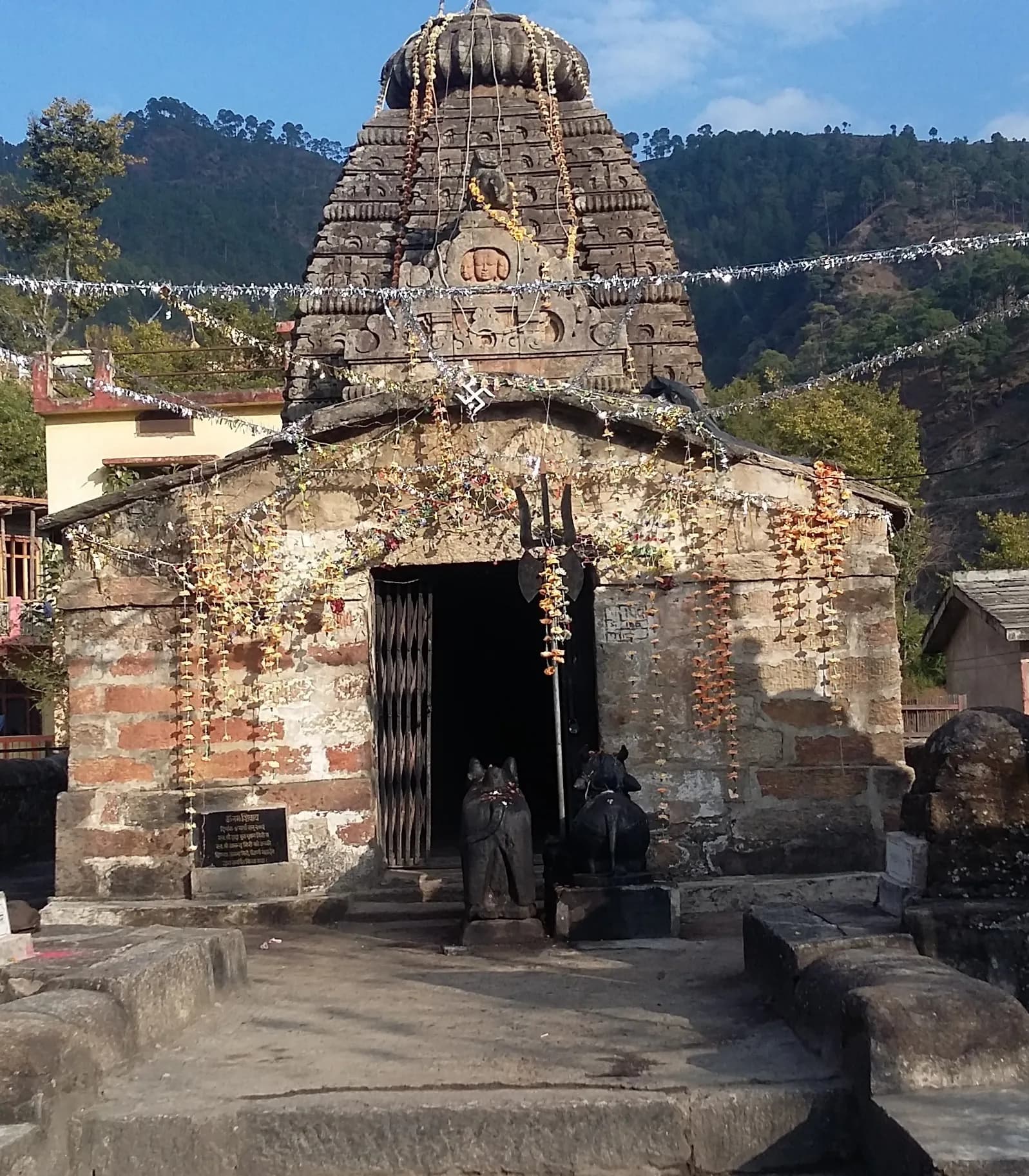
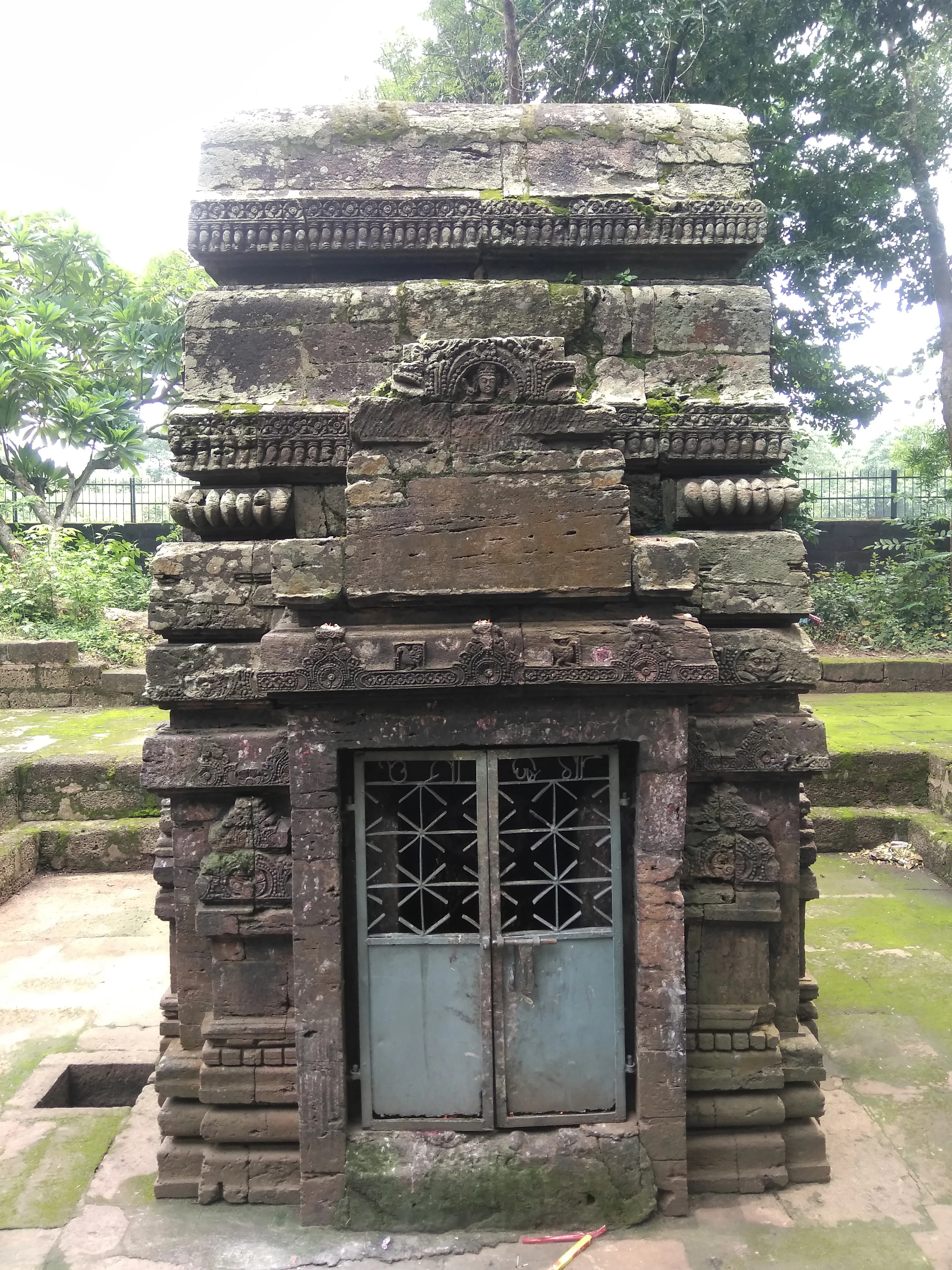
The humidity hung heavy, a stark contrast to the dry air of my Rajasthani homeland. Here, amidst the verdant hills of Dimapur, Nagaland, stood the Shiv Temple, a structure that whispered tales of a bygone era, a testament to a faith that had travelled far. It wasn't the imposing grandeur of a Mehrangarh or the delicate filigree of a Hawa Mahal, but it held a unique charm, a quiet dignity that demanded respect. Carved from a single massive rock, the temple is a monolithic marvel. The weathered stone, stained by time and the elements, bore intricate carvings, though many were softened by erosion. Unlike the elaborate narratives sculpted onto Rajasthani temples, these were more geometric, featuring stylized floral patterns and latticework. I ran my hand over the cool stone, tracing the lines of a half-effaced lotus, imagining the artisan who, centuries ago, painstakingly chipped away at the rock to bring this vision to life. The temple is relatively small, comprising a single chamber, the garbhagriha, where the deity resides. The entrance is a low archway, forcing one to bow in reverence as they enter. Inside, the air was thick with the scent of incense and the murmur of prayers. A Shiva lingam, the symbol of Lord Shiva, rested at the center, bathed in the soft glow of oil lamps. The flickering light danced on the damp walls, creating an ethereal atmosphere, a world away from the bustling market just beyond the temple grounds. What struck me most was the fusion of architectural styles. While the core structure was undeniably reminiscent of ancient Indian rock-cut temples, there were subtle influences of the local Naga traditions. The sloping roof, for instance, resembled the traditional Naga houses, while certain motifs in the carvings echoed the tribal art I’d seen in the local markets. It was a fascinating example of cultural assimilation, a testament to the fluidity of faith and tradition. I spent a considerable amount of time observing the devotees. Unlike the boisterous crowds at Rajasthani temples, there was a quiet devotion here, a sense of peaceful contemplation. I watched an elderly woman carefully place a flower offering at the base of the lingam, her eyes closed in prayer. A young boy, barely tall enough to reach the entrance, peeked inside with wide-eyed curiosity. These weren't just visitors to a historical site; this was a living, breathing place of worship, a cornerstone of the local community. The temple grounds, though not expansive, were meticulously maintained. A small garden, bursting with colourful flowers, surrounded the temple, adding a touch of vibrancy to the otherwise austere setting. Ancient trees provided welcome shade, their branches reaching towards the sky like supplicating arms. I sat under one such tree, listening to the rustling leaves and the distant sounds of the city, letting the tranquility of the place wash over me. Leaving the Shiv Temple, I felt a sense of quiet awe. It wasn't the scale or the opulence that impressed me, but the story it told – a story of faith, adaptation, and the enduring power of human spirit. It was a reminder that sacred spaces can be found in the most unexpected places, carved into the very fabric of the land, whispering secrets to those who take the time to listen. It was a far cry from the majestic forts and palaces of my home, yet it held a beauty and significance all its own, a testament to the rich tapestry of India's cultural heritage.
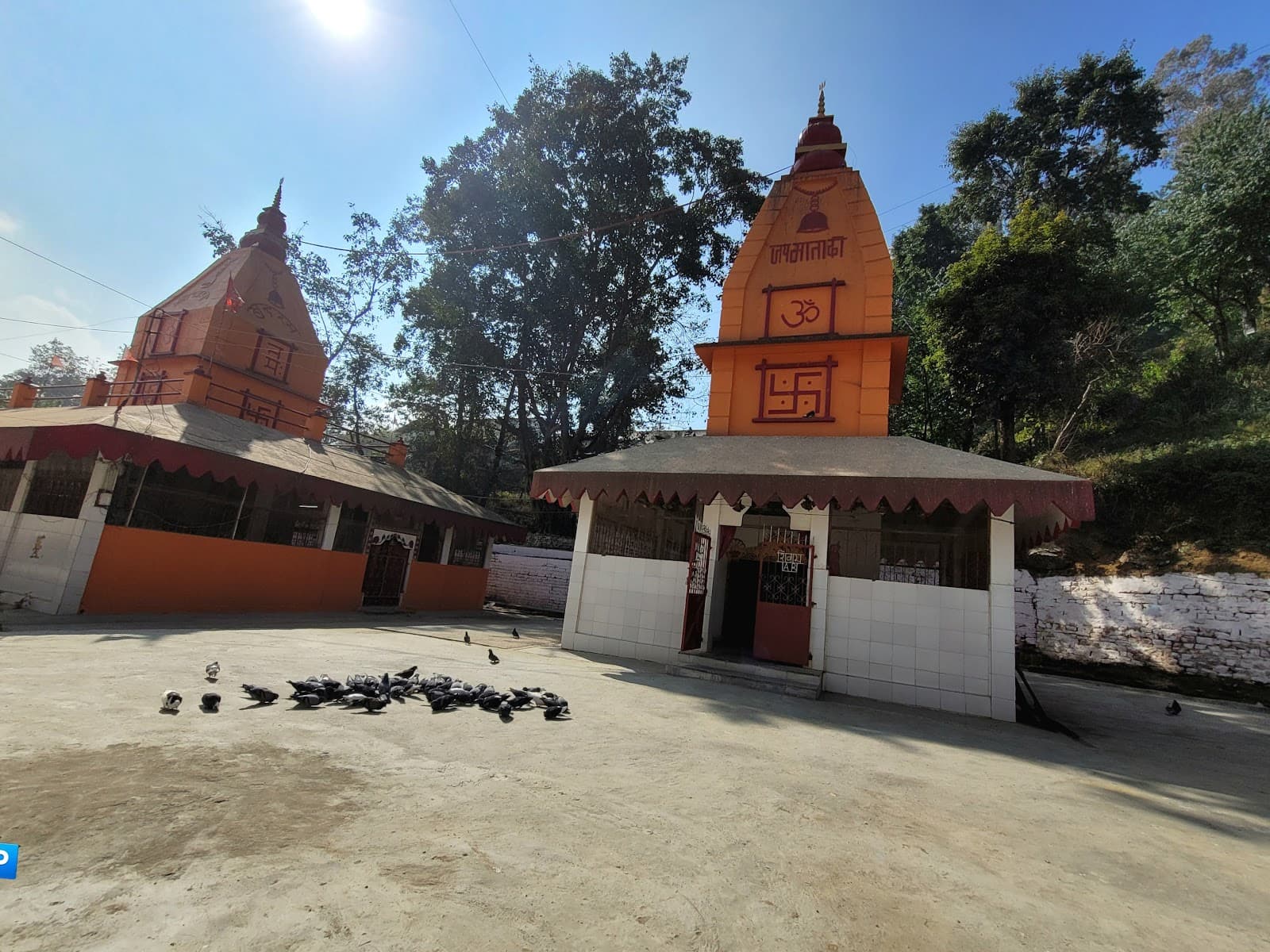
The Wokha Shiv Mandir, dedicated to Lord Shiva, stands prominently on DC Hill in Wokha, Nagaland, representing a continuous tradition of Hindu temple architecture within India's millennia-spanning cultural heritage. This sacred Hindu temple, built in 1975 CE by local Naga tribespeople, integrates elements of the Nagara, Kalinga Nagara, and Chalukya Nagara architectural styles, alongside traditional Naga architectural influences. The temple's most striking feature is its towering shikhara, a pyramidal spire characteristic of North Indian temple architecture, which rises above the garbhagriha, or sanctum sanctorum. Unlike traditional sandstone or granite, this shikhara is crafted from concrete and painted a vibrant saffron, reflecting the temple's modern construction and the resourcefulness of the local community. Nagara temples are typically built on a raised stone platform, often with steps leading up to them, and lack elaborate boundary walls or gateways. The Wokha Shiv Mandir, while adopting these stylistic principles, utilizes modern materials such as concrete, cement, and steel for its primary structure, with brick infill walls. The temple measures approximately 10 meters in height, 7.5 meters in width, and has an area of 450 square meters, with a length of 1795.88 meters, though this length figure might refer to the entire complex or property rather than the main temple structure itself. Intricate carvings adorn the concrete pillars flanking the main entrance, depicting a blend of traditional Naga motifs and Hindu iconography, such as a Naga warrior alongside Ganesha. This fusion of cultural influences is a recurring theme throughout the complex, extending to smaller shrines dedicated to various deities, including the Naga deity Dzükou positioned respectfully alongside Hanuman. The garbhagriha, the innermost sanctum, houses a Shiva lingam, bathed in the warm glow of oil lamps, emphasizing the deity's powerful presence. The construction technique involved significant excavation and leveling for a stable concrete foundation, likely a reinforced concrete raft or footing system, crucial for the hilly terrain of Wokha. Reinforced concrete columns support the superstructure, allowing for larger spans than traditional load-bearing masonry. The exterior finishing, possibly plaster or paint over concrete, provides aesthetic flexibility and weather protection. The temple complex is well-maintained with regular upkeep by the Temple Trust, ensuring its preservation and continued active programming for devotees. Visitors are expected to observe respectful attire and behavior, with photography restrictions potentially applying inside the sanctum. The site is operational and accessible, serving as a vibrant center for spiritual devotion and cultural exchange, a testament to India's enduring cultural legacy.
Related Collections
Discover more heritage sites with these related collections
Explore More Heritage
Explore our comprehensive archive of 9 temple with detailed documentation, 3D models, floor plans, and historical research. Each site page includes visitor information, conservation status, architectural analysis, and downloadable resources for students, researchers, and heritage enthusiasts.
Historical Context
The historical significance of these 9 temple reflects the profound integration of dharma, artha, and kama in Hindu civilization. Across successive eras, royal patrons and spiritual leaders commissioned these sacred edifices as acts of devotion, fulfilling dharmic obligations while creating eternal spaces for worship and community gathering. Various dynasties contributed unique architectural visions, establishing traditions that honored Vedic principles while incorporating regional characteristics. Master builders (sthapatis) applied knowledge from ancient shilpa shastras (architectural treatises) and vastu shastra (spatial science), creating structures embodying cosmic principles and sacred geometry. Epigraphic inscriptions and archaeological evidence reveal sophisticated networks of guilds, royal support, and community participation sustaining these massive undertakings across decades or centuries. These monuments served as centers of Vedic learning, Sanskrit scholarship, classical arts, and spiritual practice—roles many continue fulfilling today, maintaining unbroken traditions that connect contemporary Bharat to its glorious civilizational heritage.
Architectural Significance
The architectural magnificence of these 9 temple demonstrates the sophisticated application of shilpa shastra principles to create spaces embodying cosmic order and divine presence. Regional traditions employ diverse approaches to sacred architecture, each expressing universal principles through local idioms. Master craftsmen working with Sand achieved remarkable precision in structural engineering and decorative artistry. The corbelling techniques display extraordinary precision, achieving structural stability through geometric principles. Dome construction methodologies demonstrate sophisticated understanding of load distribution and compression forces, centuries before modern engineering formalized such knowledge. Beyond structural excellence, these monuments serve as three-dimensional textbooks of Puranic narratives, Vedic cosmology, and iconographic traditions. Sculptural programs transform stone into divine forms, teaching dharma through narrative reliefs and creating sacred atmospheres conducive to devotion and contemplation. Recent photogrammetric documentation and 3D laser scanning reveal original polychromy, construction sequences, and historical conservation interventions, enriching our understanding of traditional building practices and material technologies that sustained these magnificent creations.
Conservation & Preservation
Preserving these 9 sacred temple represents our collective responsibility to safeguard India's architectural and spiritual heritage for future generations. Varying protection statuses underscore the ongoing need for comprehensive heritage conservation programs. Conservation challenges include environmental degradation, biological colonization, structural deterioration, and pressures from increased visitation. Professional conservators address these through scientifically-grounded interventions: structural stabilization using compatible traditional materials, surface cleaning employing non-invasive techniques, vegetation management, and drainage improvements. Advanced documentation technologies—laser scanning, photogrammetry, ground-penetrating radar—create detailed baseline records enabling precise condition monitoring and informed conservation planning. When restoration becomes necessary, traditional building techniques and materials sourced from historical quarries ensure authenticity and compatibility. This comprehensive approach honors the devotion and craftsmanship of original builders while applying contemporary conservation science to ensure these monuments endure, continuing their roles as centers of worship, cultural identity, and civilizational pride.
Visitor Information
Experiencing these 9 sacred temple offers profound connection to India's spiritual and architectural heritage. nagaland maintains excellent connectivity, with accommodation options ranging from budget to premium near major heritage sites. The optimal visiting period extends October through March when comfortable conditions facilitate exploration. Entry fees typically range from ₹25-₹40 at protected monuments. Photography for personal use is generally permitted, though professional equipment may require advance permissions. Visiting these sacred spaces requires cultural sensitivity: modest attire covering shoulders and knees, shoe removal in temple sanctums, quiet respectful demeanor, and recognition that these remain active worship centers where devotees practice centuries-old traditions. Meaningful engagement comes through understanding basic Hindu iconography, mythological narratives, and ritual contexts that bring these monuments to life.
Key Facts & Statistics
Total documented heritage sites: 9
Temple: 9 sites
Naga Vernacular architecture style, Nagara architecture style, Kalinga architecture style, Indo-Islamic architecture style architectural style: 1 sites
Nagara-Bengali-Assamese-Orissan Hybrid architecture style, Nagara architecture style, Bengali Temple architecture style, Neoclassical architecture style architectural style: 1 sites
Nagara architecture style, Ahom-Nagara architecture style, Koch-Nagara architecture style, Hindu Temple architecture style architectural style: 1 sites
Nagara architecture style, Kalinga Nagara architecture style, Chalukya Nagara architecture style, Traditional Naga architecture style architectural style: 1 sites
Nagara architecture style, Orissan Nagara architecture style, Ahom architecture style, Koch architecture style architectural style: 1 sites
Bengal Renaissance Period period construction: 3 sites
Ahom Period period construction: 3 sites
Wodeyar Period period construction: 2 sites
Kachari Period period construction: 1 sites
Average documentation completion score: 79%
Featured flagship heritage sites: 9
Comprehensive digital archiving preserves heritage for future generations
Comprehensive digital archiving preserves heritage for future generations
Comprehensive digital archiving preserves heritage for future generations
Comprehensive digital archiving preserves heritage for future generations
Comprehensive digital archiving preserves heritage for future generations
Comprehensive digital archiving preserves heritage for future generations
Comprehensive digital archiving preserves heritage for future generations
Frequently Asked Questions
How many temple are documented in nagaland?
This collection includes 9 documented temple in nagaland. Each site has comprehensive documentation including photos, floor plans, and historical research.
What is the best time to visit temple in nagaland?
October through March is ideal for visiting temple in nagaland. Major festivals also offer unique cultural experiences. Check individual site pages for specific visiting hours and seasonal closures.
What are the entry fees for temple?
Protected monuments typically charge ₹25-₹40. State-protected sites often have lower or no entry fees. Many temples and religious sites are free. Children often enter free. Still photography is usually included; video may require additional permits.
Are photography and videography allowed at heritage sites?
Still photography for personal use is generally permitted at most heritage sites. Tripods, flash photography, and commercial filming usually require special permissions. Some sites restrict photography of murals, sculptures, or sanctums. Drones are prohibited without explicit authorization. Always respect signage and guidelines at individual monuments.
How do I reach temple in nagaland?
nagaland is well-connected via auto-rickshaw, Indian Railways, state buses. Major cities have airports with domestic and international flights. Public transport connects smaller towns. Most heritage sites are accessible by local transport or rental vehicles. Plan 2-3 hours per major monument.
Are these heritage sites wheelchair accessible?
Accessibility varies significantly. Major UNESCO sites and recently renovated monuments often have ramps and accessible facilities. However, many historical structures have steps, uneven surfaces, and narrow passages. Contact site authorities in advance for specific accessibility information. Our site pages indicate known accessibility features where available.
Are guided tours available at temple?
Licensed guides are available at most major heritage sites, typically charging ₹200-₹500 for 1-2 hour tours. ASI-approved guides provide historical and architectural insights. Audio guides are available at select UNESCO sites. Our platform offers virtual tours and detailed documentation for major monuments.
What is the conservation status of these temple?
Many sites are protected under heritage conservation laws. Active conservation includes structural stabilization, surface cleaning, vegetation control, and drainage management. Digital documentation helps monitor deterioration. Ongoing surveys track condition changes for evidence-based interventions.
What documentation is available for these heritage sites?
Each site includes high-resolution photography, architectural measurements, historical research, and expert annotations. Documentation averages 79% completion.
How much time should I allocate for visiting?
Plan 2-3 hours for major monuments to appreciate architectural details and explore grounds. Smaller sites may require 30-60 minutes. Multi-site itineraries should allocate travel time. Early morning or late afternoon visits offer better lighting for photography and fewer crowds. Check individual site pages for recommended visiting durations.
What is the cultural significance of these temple?
These monuments represent India's diverse cultural heritage, reflecting centuries of architectural innovation, religious traditions, and artistic excellence. They serve as living links to historical societies, preserving knowledge about construction techniques, social structures, and cultural values. Many sites remain active centers of worship and community gathering.
What other attractions are near these heritage sites?
nagaland offers diverse tourism experiences beyond heritage monuments. Explore local museums, craft villages, nature reserves, and cultural festivals. Many heritage sites are clustered in historic towns with traditional markets and cuisine. Our site pages include nearby attraction recommendations and multi-day itinerary suggestions.
How can I practice responsible heritage tourism?
Respect site rules including photography restrictions and designated pathways. Don't touch sculptures, murals, or walls. Dispose waste properly. Hire local guides to support communities. Avoid visiting during restoration work. Learn about cultural contexts before visiting. Report damage to authorities. Your responsible behavior helps preserve heritage for future generations.
References & Sources
Nagaland
This collection documents 9 temple across nagaland, representing profound expressions of Hindu civilization's architectural and spiritual heritage. Each site reflects distinct regional traditions, with some maintaining unbroken traditions spanning millennia. Our comprehensive documentation, developed in collaboration with Archaeological Survey of India archaeologists, conservation specialists, and scholarly institutions, preserves not merely physical structures but the sacred geometry, cosmological symbolism, and ritual spaces central to Dharmic worship. acknowledging their universal significance to human civilization. Through royal patronage and community devotion, these structures embody the timeless principles of Hindu cultural heritage, connecting contemporary devotees to ancient traditions through stone, sculpture, and sacred spaces that continue to inspire reverence and wonder.
- 1Sacred sanctum housing main deity
- 2Assembly halls for rituals and ceremonies
- 3Intricate stone carvings depicting mythology
- 4Orientation based on Vastu principles
- 5Integration with natural landscape
- 6Community gathering spaces
| 📍Nagaland | 9 sites |