North Indian Temple Style Historic City in India
This collection documents 260 north indian temple style historic city throughout India, representing profound expressions of Hindu civilization's architectural and spiritual heritage. Each site reflects distinct regional traditions, with some maintaining unbroken traditions spanning millennia. Our comprehensive documentation, developed in collaboration with Archaeological Survey of India archaeologists, conservation specialists, and scholarly institutions, preserves not merely physical structures but the sacred geometry, cosmological symbolism, and ritual spaces central to Dharmic worship. 7 hold UNESCO World Heritage recognition, acknowledging their universal significance to human civilization. Through royal patronage and community devotion, these structures embody the timeless principles of Hindu cultural heritage, connecting contemporary devotees to ancient traditions through stone, sculpture, and sacred spaces that continue to inspire reverence and wonder.
260 Sites Found
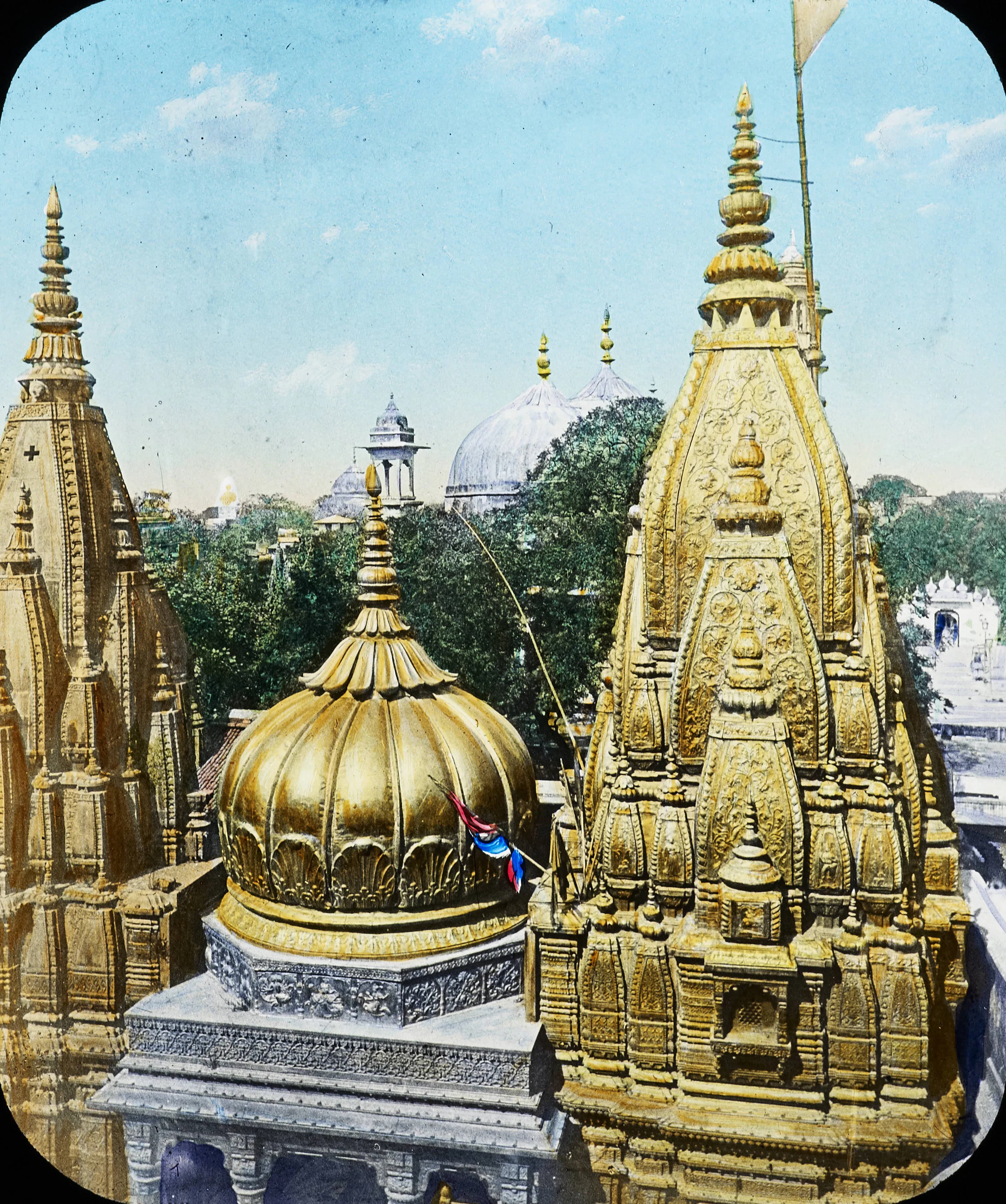
The narrow lanes of Vishwanath Gali, teeming with pilgrims and the scent of incense, felt worlds away from the bustling Varanasi ghats. This labyrinthine alley, barely wide enough for two people to pass comfortably, funnels devotees towards a single, incandescent point: the Kashi Vishwanath Temple, a structure whose very stones seem to vibrate with centuries of devotion. Having photographed over 500 monuments across India, I thought I was prepared for the intensity of this experience, but the sheer spiritual charge of the place was overwhelming. Emerging from the alley's dimness, the temple’s gold-plated shikhara, or spire, blazed under the afternoon sun. It’s a breathtaking sight, a beacon of faith that draws the eye and the spirit. The intricate carvings covering the spire, depicting scenes from Hindu mythology, are a testament to the skill of the artisans who crafted them. Even from a distance, the sheer density of the ornamentation is striking, each figure and motif telling its own silent story. Security is understandably tight, and the process of entering the temple involves multiple checkpoints and a necessary relinquishing of cameras and phones. This enforced digital detox, while initially frustrating for a photographer, ultimately enhanced the experience. Stripped of the impulse to document, I was forced to simply *be* present, to absorb the atmosphere through my senses rather than my lens. Inside, the courtyard is a vibrant tapestry of activity. Priests chant ancient mantras, the air thick with the aroma of burning camphor and marigold garlands. Devotees, their faces alight with fervor, offer prayers and perform rituals. The walls, though worn smooth by the touch of countless hands, still bear traces of their intricate carvings. I noticed the subtle variations in the stonework, from the finely detailed sculptures of deities to the geometric patterns that adorned the pillars. The architecture, a blend of several styles reflecting the temple's complex history of destruction and reconstruction, speaks volumes about the enduring power of faith. The main sanctum, housing the Jyotirlinga, is the epicenter of this spiritual vortex. While photography is prohibited, the image of the shimmering lingam, bathed in the soft glow of oil lamps, is etched in my memory. The palpable energy of the space, amplified by the fervent chanting and the sheer density of devotion, is unlike anything I’ve experienced. It's a sensory overload, a cacophony of sound and scent and emotion that leaves you breathless. Leaving the main temple, I explored the smaller shrines dedicated to various deities within the complex. Each shrine, though smaller in scale, possessed its own unique character and atmosphere. I was particularly drawn to the Nandi shrine, where the faithful offered their respects to Shiva's sacred bull. The worn smoothness of the Nandi statue, polished by centuries of touch, spoke to the enduring power of devotion. Even after exiting the temple complex and regaining the relative calm of the ghats, the reverberations of the experience stayed with me. The Kashi Vishwanath Temple is more than just a monument; it's a living, breathing entity, pulsating with the heartbeats of millions of devotees. It's a place where faith transcends the physical realm, where the mundane dissolves into the sacred. As a heritage photographer, I’ve documented countless sites of historical and cultural significance, but few have touched me as profoundly as this. The Kashi Vishwanath Temple is a testament to the enduring power of faith, a place where the divine feels tangibly present. It's an experience that transcends the visual, etching itself onto the soul.
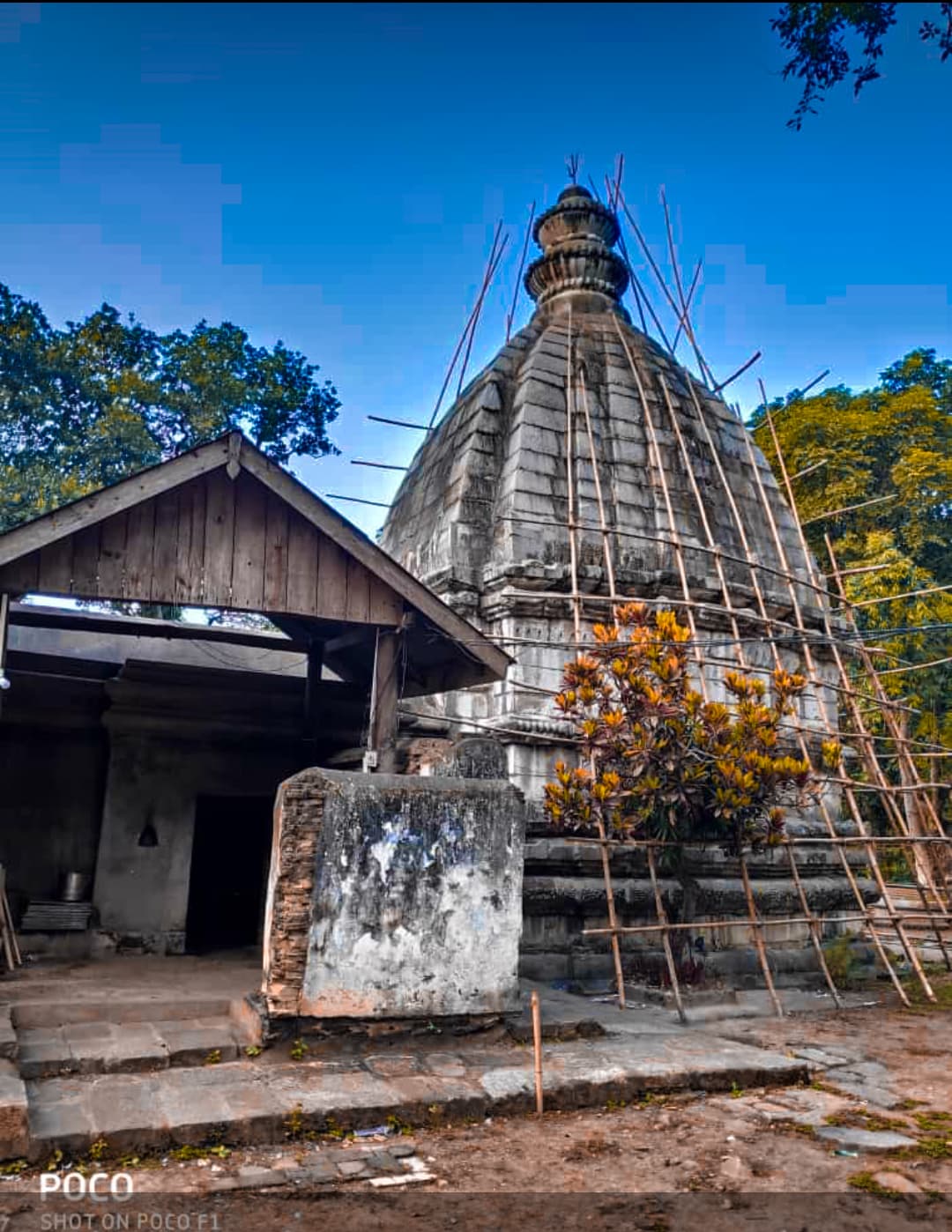
The Brahmaputra’s milky waters seemed to cradle the small hillock on which the Kedareswara Temple stood, a silent sentinel against the vast Assamese sky. Having spent years documenting the intricate stone carvings of Gujarat’s temples, I was eager to experience this architectural gem, so different from the sun-baked sandstone structures I was accustomed to. The journey from Guwahati, through verdant rice paddies and bustling villages, only heightened my anticipation. The first thing that struck me about Kedareswara was its stark simplicity. Unlike the ornate, almost flamboyant temples of my home state, this Shiva temple, built by the Ahom king Rajeswar Singha in 1752, exuded a quiet dignity. The pyramidal structure, reminiscent of the classic Nagara style prevalent in North India, rose in tiers towards the sky, its brick-and-mortar construction plastered and painted a pristine white. This stark white, against the vibrant green backdrop of the surrounding hills, created a visual harmony that was both striking and serene. Climbing the steep stone steps leading to the main entrance, I noticed the absence of elaborate sculptures that often adorn Gujarati temples. Here, the ornamentation was restrained, almost minimalist. A few stucco figures of deities, weathered by time and the elements, peered out from recessed niches, their features softened, almost blurred, lending them an air of ancient wisdom. The sanctum sanctorum, housing the Shiva lingam, was small and dimly lit, the air thick with the scent of incense and the murmur of prayers. The lingam itself, smooth and dark, seemed to absorb the ambient light, radiating a palpable sense of sacredness. I sat there for a while, absorbing the quiet energy of the space, the centuries of devotion that had imbued these walls with a palpable spirituality. Circumambulating the temple, I observed the subtle details that revealed the temple's unique character. The cornices, though simple, were adorned with delicate floral motifs, a testament to the local artisans' skill. Small, arched windows punctuated the thick walls, allowing slivers of light to penetrate the inner chambers, creating an interplay of light and shadow that added to the mystical atmosphere. What truly captivated me, however, was the syncretism evident in the temple's surroundings. Just a short distance away stood the Hayagriva Madhava Temple, a significant Vaishnavite shrine. This close proximity of Shaivite and Vaishnavite places of worship spoke volumes about the region's rich religious tapestry, a testament to the harmonious coexistence of different faiths. I learned from the local priest that Hajo is considered a pilgrimage site for Hindus, Buddhists, and Muslims alike, a rare example of interfaith harmony. As I descended the steps, the Brahmaputra shimmering in the afternoon sun, I reflected on the unique beauty of Kedareswara. It wasn't the grandeur or the opulence that moved me, but the quiet dignity, the understated elegance, and the palpable sense of history that permeated every stone, every corner of this ancient shrine. It was a powerful reminder that architectural marvels don't always need to shout to be heard; sometimes, a whisper can be just as profound. The Kedareswara Temple, in its serene simplicity, spoke volumes about the enduring power of faith and the rich cultural heritage of Assam. It was a journey into the heart of India’s spiritual landscape, a journey I won’t soon forget.
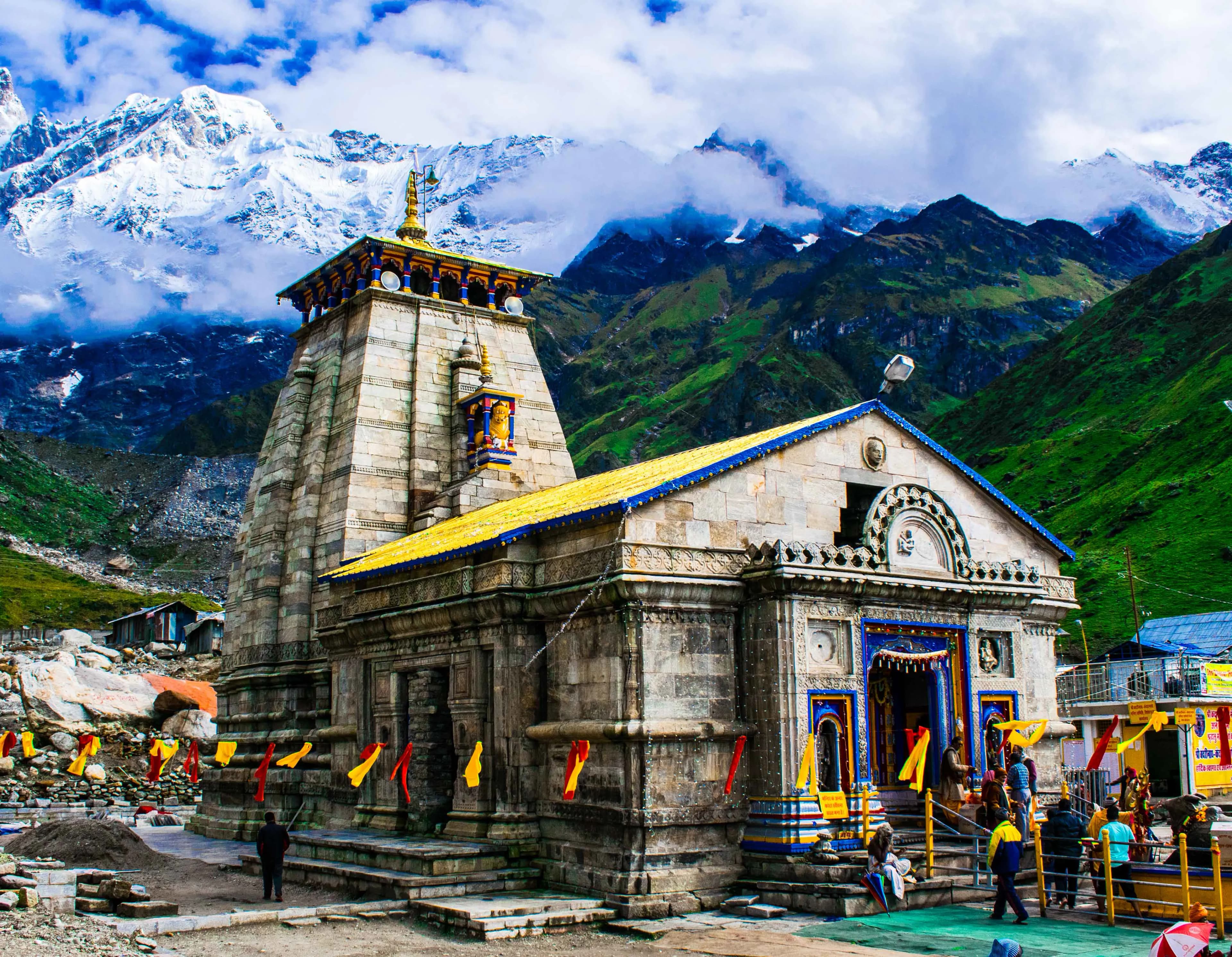
The biting Himalayan wind whipped prayer flags into a frenzy around me, their vibrant colours a stark contrast to the grey, imposing stone of the Kedarnath Temple. Standing at an altitude of over 11,755 feet, surrounded by snow-capped peaks, the sheer resilience of this ancient structure took my breath away, even more so than the thin mountain air. My journey from Uttar Pradesh, traversing the winding roads and steep inclines, felt like a pilgrimage through time, connecting me to the deep spiritual roots of my own region. The temple, dedicated to Lord Shiva in his Kedarnath form, exudes an aura of timeless devotion. Its architecture, typical of the North Indian Himalayan style, is a testament to the ingenuity of the craftsmen who built it centuries ago. The thick, grey stone walls, built to withstand the harsh weather, are adorned with intricate carvings, weathered by time but still retaining a remarkable clarity. I ran my hand over the cool stone, tracing the outlines of deities and mythical creatures, feeling a palpable connection to the generations of pilgrims who had done the same. The main entrance, a relatively small wooden door, almost feels understated given the grandeur of the temple itself. Stepping inside, the dimly lit sanctum sanctorum offers a stark contrast to the bright exterior. The air is thick with the scent of incense and the murmur of prayers. The conical-shaped lingam, the symbolic representation of Lord Shiva, dominates the space, its dark, smooth surface worn smooth by centuries of reverence. I watched as devotees offered flowers, whispered prayers, and performed rituals, their faces etched with a profound sense of devotion. The energy within the sanctum is palpable, a blend of reverence, hope, and the quiet hum of spiritual energy. Outside, the temple complex is a bustling hub of activity. Priests perform rituals, pilgrims circumambulate the temple, and vendors sell religious paraphernalia. Despite the commercial activity, the atmosphere remains deeply spiritual. The backdrop of the majestic Himalayas, the constant chime of temple bells, and the palpable faith of the devotees create an environment unlike any other. What struck me most about Kedarnath was not just its religious significance, but also its historical and cultural context. Having studied the history of Uttar Pradesh, I recognized the influence of the region's architectural styles and religious practices in the temple's design and rituals. The intricate carvings, the use of specific materials, and the reverence for Lord Shiva all echoed the cultural landscape of my own homeland. It highlighted the interconnectedness of the Himalayan region and the flow of cultural and spiritual influences across these mountainous terrains. The 2013 floods, which devastated the region, left their mark on Kedarnath. While the temple itself miraculously survived, the surrounding area suffered significant damage. Evidence of the disaster is still visible, a stark reminder of the power of nature and the fragility of human endeavors. However, the resilience of the local community and the unwavering faith of the pilgrims are equally evident. The rebuilding efforts, the renewed influx of devotees, and the unwavering spirit of the place speak volumes about the enduring power of faith and the human capacity for recovery. As I descended from Kedarnath, the image of the temple, silhouetted against the snow-capped peaks, remained etched in my mind. The journey had been more than just a reporting assignment; it was a deeply personal experience. It was a journey into the heart of the Himalayas, a journey into the heart of faith, and a journey into the rich cultural tapestry of my own heritage. The echoes of chants, the scent of incense, and the feel of the ancient stone beneath my fingertips – these are the sensory memories I carry with me, a testament to the enduring power of Kedarnath.
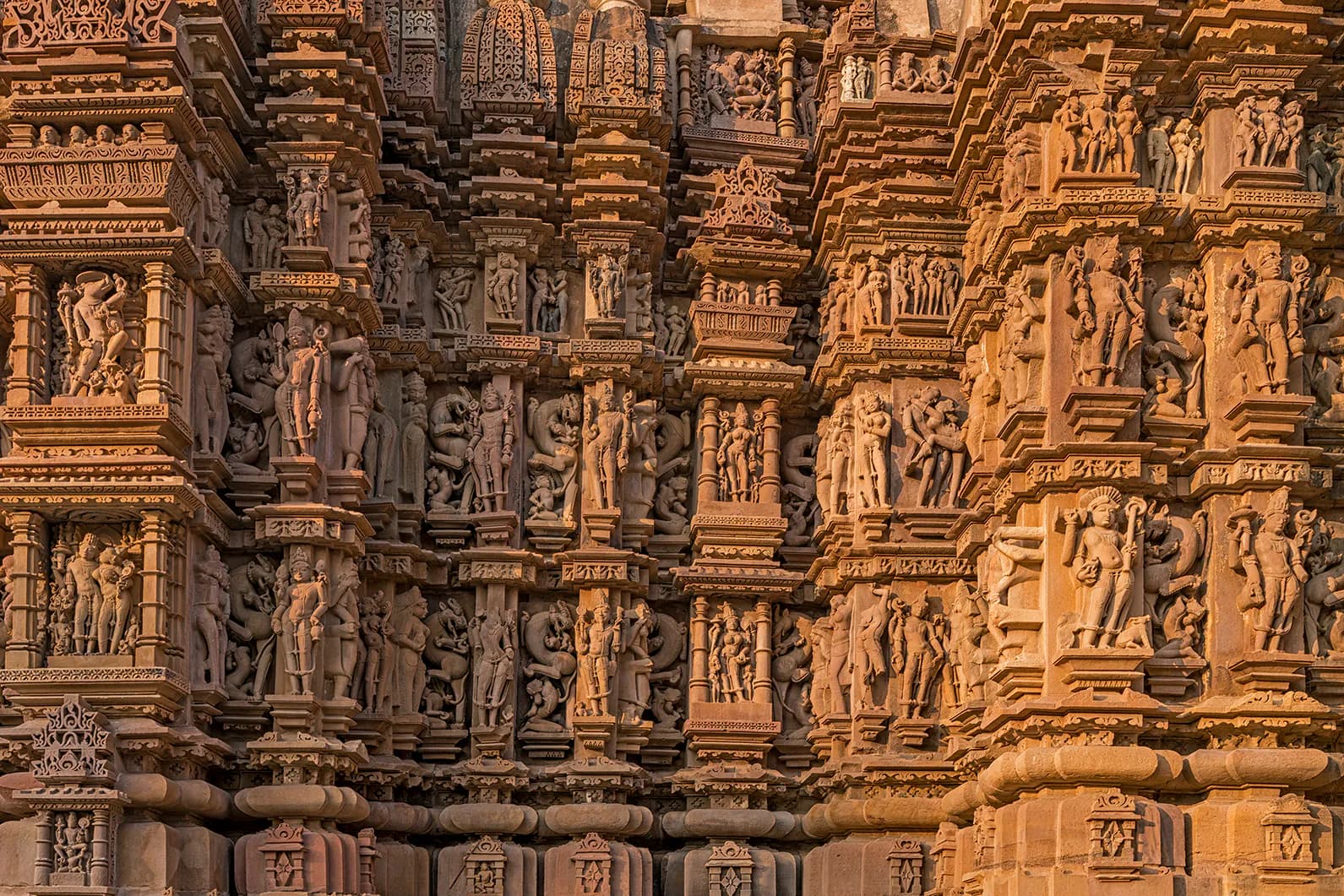
The first rays of dawn painted the sandstone a soft gold, illuminating the intricate carvings of the Kandariya Mahadeva Temple. Standing before this magnificent edifice, the largest of the Khajuraho group, I felt a palpable connection to the Chandela dynasty’s artistic zenith. Having explored countless temples across North India, from the snow-capped Himalayas to the plains of the Ganges, I can confidently say that Khajuraho holds a unique place, a testament to a time when art and spirituality were seamlessly interwoven. The sheer scale of the Kandariya Mahadeva is breathtaking. Its towering shikhara, a mountain of sculpted stone, reaches towards the heavens, a symbol of Mount Meru, the sacred abode of the gods. As I circumambulated the temple, my eyes traced the intricate friezes depicting celestial beings, mythical creatures, and scenes of everyday life. The level of detail is astonishing; every inch of the sandstone seems to pulsate with life. Noticeably, the erotic sculptures, often the focus of casual visitors, form only a small fraction of the overall artwork. They are integrated into the narrative, representing the cycle of creation and the celebration of life in all its forms. Moving beyond the Kandariya Mahadeva, I explored the western group of temples, each with its own distinct character. The Lakshmana Temple, dedicated to Vishnu, captivated me with its elegant proportions and the dynamic energy of its sculptures. I spent a considerable amount of time studying the narrative panels, deciphering the stories from the Ramayana and the Mahabharata etched into the stone. The sheer mastery of the Chandela sculptors is evident in the way they captured movement and emotion, breathing life into these ancient epics. The Chitragupta Temple, dedicated to Surya, the sun god, offered a different perspective. Its towering chariot, drawn by seven horses, is a powerful symbol of the sun’s journey across the sky. Inside, the sanctum houses a magnificent image of Surya, radiating an aura of divine power. The architectural style here subtly shifts, showcasing the evolution of the Chandela aesthetic over time. Venturing into the eastern group of temples, I found myself in a quieter, more intimate setting. The Parsvanatha Temple, a Jain temple, exudes a sense of serenity. Its polished sandstone surfaces gleam in the sunlight, reflecting the surrounding landscape. The intricate carvings here are more delicate, focusing on floral motifs and geometric patterns. The absence of the elaborate narratives found in the western group creates a different atmosphere, one of contemplation and inner peace. The Javari Temple, though smaller in scale, is a gem of architectural ingenuity. Its ornate doorway, adorned with celestial nymphs and intricate scrollwork, is a masterpiece of Chandela craftsmanship. I was particularly struck by the graceful curves and the delicate detailing of the sculptures, showcasing the artists' ability to manipulate the hard stone into forms of exquisite beauty. My exploration of Khajuraho wasn't just about admiring the architecture and sculptures. It was about experiencing the spirit of the place, imagining the artisans who toiled for decades to create these masterpieces, and the devotees who thronged these temples centuries ago. The air is thick with history, and as I walked through the temple grounds, I felt a profound sense of connection to India's rich cultural heritage. Khajuraho is more than just a collection of temples; it's a living testament to the artistic genius of a bygone era, a place that whispers stories of faith, devotion, and the celebration of life. It’s a must-see for anyone seeking to understand the depth and complexity of Indian art and history.
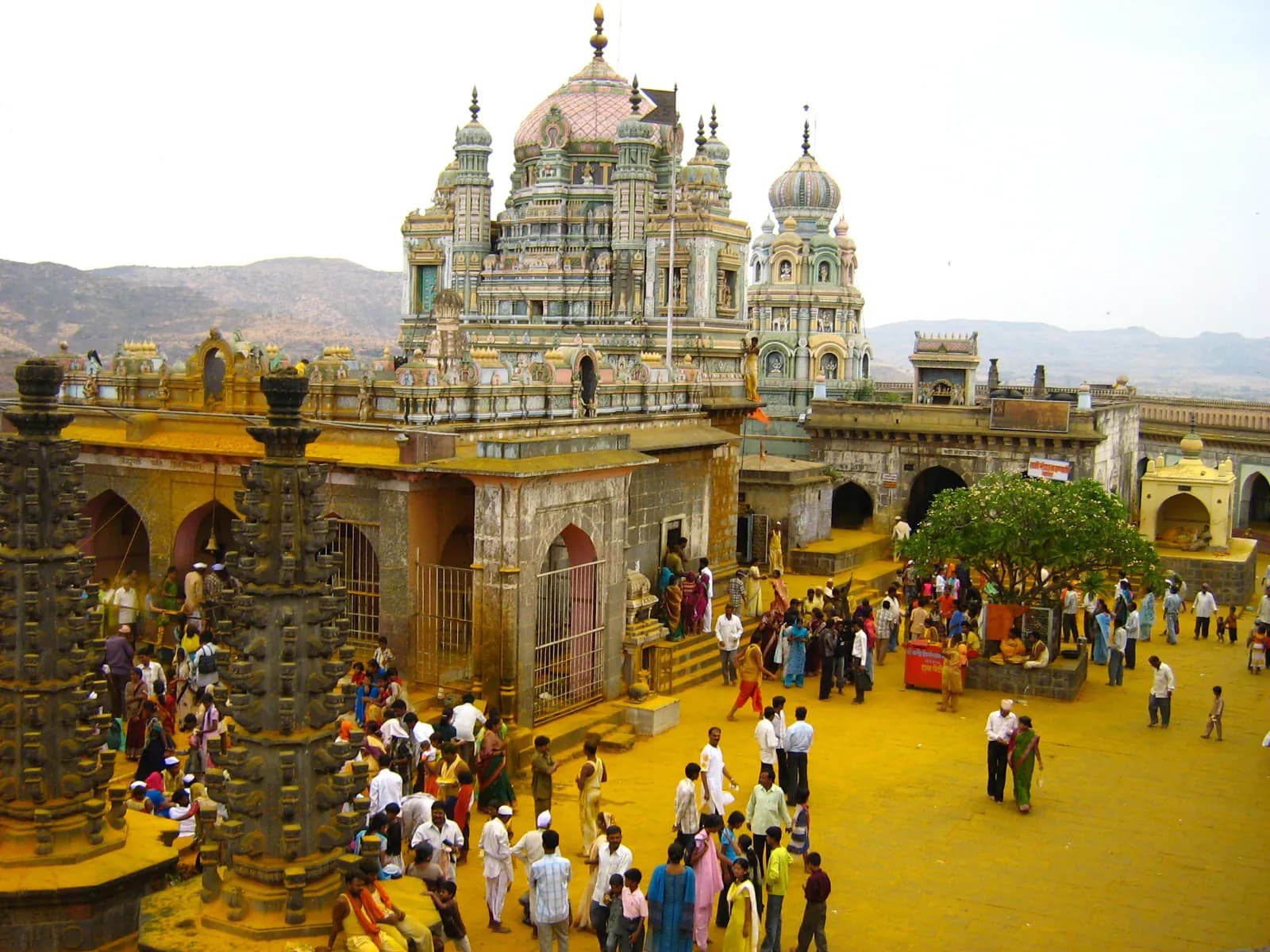
The air crackled with an energy I hadn’t anticipated. Not just the humid Maharashtra air, thick with the promise of monsoon, but a palpable buzz that vibrated through the very stones of the Khandoba Temple in Jejuri. Ascending the steep, worn steps, I felt the weight of centuries pressing down, the echoes of countless pilgrims who had trod this same path before me. This wasn't just a temple; it was a living, breathing testament to unwavering faith. The first thing that struck me, even from a distance, was the sheer dominance of the deep saffron that cloaked the structure. It wasn't a gentle hue, but a vibrant, almost aggressive orange that seemed to pulsate under the midday sun. This bold colour, so characteristic of the region's religious architecture, immediately set the tone for the experience. As I drew closer, the intricate details began to emerge from the saffron canvas: delicate carvings depicting scenes from mythology, sturdy pillars adorned with floral motifs, and the imposing brass-clad main gate, gleaming like a portal to another realm. The temple is a layered structure, built on a hill, creating a sense of ascension, both physically and spiritually. Each level offers a different perspective, a new vantage point from which to admire the surrounding landscape and the architectural marvel itself. The Yadava dynasty’s influence is evident in the robust construction and the use of locally sourced basalt stone, a material that has weathered the centuries with remarkable resilience. Unlike the intricate marble work I’m accustomed to seeing in Gujarati temples, the Khandoba Temple possesses a raw, almost primal beauty. The inner sanctum, where the deity Khandoba resides, is a relatively small chamber, but the energy within is intense. The air is thick with the scent of incense and the murmur of prayers. Devotees throng the space, their faces etched with devotion, offering turmeric, coconuts, and red powder to the deity. The rhythmic clang of bells and the fervent chanting create an atmosphere that is both chaotic and deeply spiritual. It’s a sensory overload, but one that I found strangely comforting. What truly captivated me, however, were the remnants of older structures within the complex. Peeking through the more recent additions, I could discern fragments of earlier temples, hinting at layers of history and architectural evolution. A worn stone lintel here, a weathered pillar base there – these whispers of the past spoke volumes about the enduring significance of this sacred site. It wasn’t merely a static monument, but a dynamic entity, constantly evolving and adapting while retaining its core spiritual essence. As I descended the steps, leaving the vibrant energy of the temple behind, I couldn’t help but reflect on the stark contrast between the architectural styles of Gujarat and Maharashtra. While the Gujarati temples often showcase intricate carvings and delicate filigree work, the Khandoba Temple exudes a powerful, almost austere beauty. It’s a testament to the diverse tapestry of Indian architecture, where each region has developed its own unique expression of faith and artistry. The experience was a powerful reminder that architectural marvels aren’t just about aesthetics; they are about the stories they tell, the history they embody, and the spiritual resonance they evoke. The Khandoba Temple, with its saffron-clad walls and vibrant energy, is a story etched in stone, a story that continues to unfold with each passing generation.
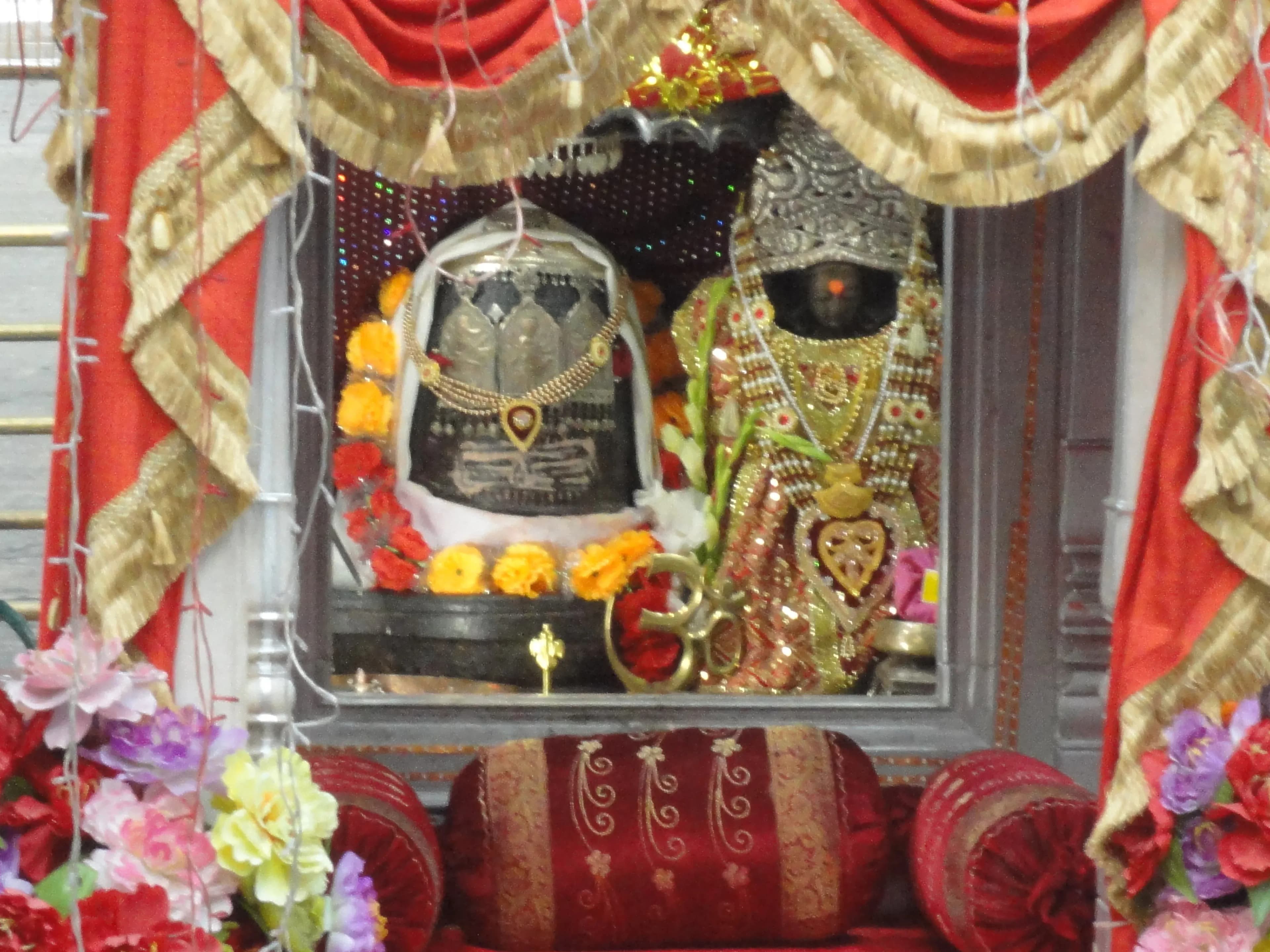
The air, crisp and carrying the scent of pine, vibrated with a quiet reverence as I stepped into the courtyard of the Kheer Bhawani temple in Tulmul. Nestled amidst chinar trees that seemed to touch the sky, the temple, dedicated to the goddess Ragnya Devi, exuded an aura of tranquility unlike any I'd encountered in my travels across India's UNESCO sites. This wasn't the grandeur of the Ajanta caves or the imposing scale of the Red Fort; this was something subtler, a peace that resonated deep within. The temple itself is a relatively small structure, an octagonal spring within a rectangular walled compound. The spring, the heart of the temple, is where the goddess resides. Its waters, famously known to change colour, were a milky emerald green on the day of my visit, a hue locals told me signified prosperity and peace. I watched as devotees, primarily Kashmiri Pandits, offered milk and kheer (rice pudding) to the sacred spring, their faces etched with devotion. The surface of the water, dotted with floating flower petals and flickering diyas, shimmered in the dappled sunlight filtering through the chinar leaves. The simplicity of the temple's architecture is striking. Unlike the ornate carvings and intricate details found in many South Indian temples I've documented, Kheer Bhawani is defined by its understated elegance. The spring is enclosed by a low stone wall, and the surrounding courtyard is paved with smooth stones. A small, unassuming shrine stands near the spring, its walls adorned with simple, colourful depictions of deities. This lack of ostentation, however, only amplifies the spiritual significance of the site. It's as if the natural beauty of the surrounding landscape and the palpable devotion of the pilgrims are the true ornamentation of this sacred space. I spent hours observing the rituals, captivated by the interplay of faith and nature. The chinar trees, their leaves rustling in the breeze, seemed to whisper ancient stories. The spring, reflecting the sky and the surrounding greenery, felt like a portal to another realm. I spoke with several devotees, their stories adding layers of meaning to my experience. One elderly woman, her eyes filled with a lifetime of devotion, recounted how her family had been making the pilgrimage to Kheer Bhawani for generations, their faith unwavering through times of both peace and turmoil. A young man, visiting the temple for the first time, spoke of the sense of connection he felt to his heritage and the profound peace he found in the temple's serene atmosphere. Beyond the immediate confines of the temple, the surrounding landscape adds to the site's allure. The snow-capped Himalayas, visible in the distance, provide a breathtaking backdrop. The village of Tulmul itself, with its traditional Kashmiri houses and warm hospitality, offers a glimpse into the local culture. I took a walk through the village, interacting with the locals, savouring the delicious Kashmiri cuisine, and absorbing the unique atmosphere of this region. My visit to Kheer Bhawani was more than just another stop on my journey through India's UNESCO sites. It was an immersion into a living tradition, a testament to the enduring power of faith. It was a reminder that sometimes, the most profound spiritual experiences are found not in grand monuments, but in quiet corners of the world, where nature and devotion intertwine to create a space of unparalleled serenity. The changing colours of the spring, the rustling chinar leaves, the whispered prayers of the devotees – these are the memories I carry with me from Kheer Bhawani, a testament to the enduring power of faith and the beauty of Kashmir's cultural heritage.
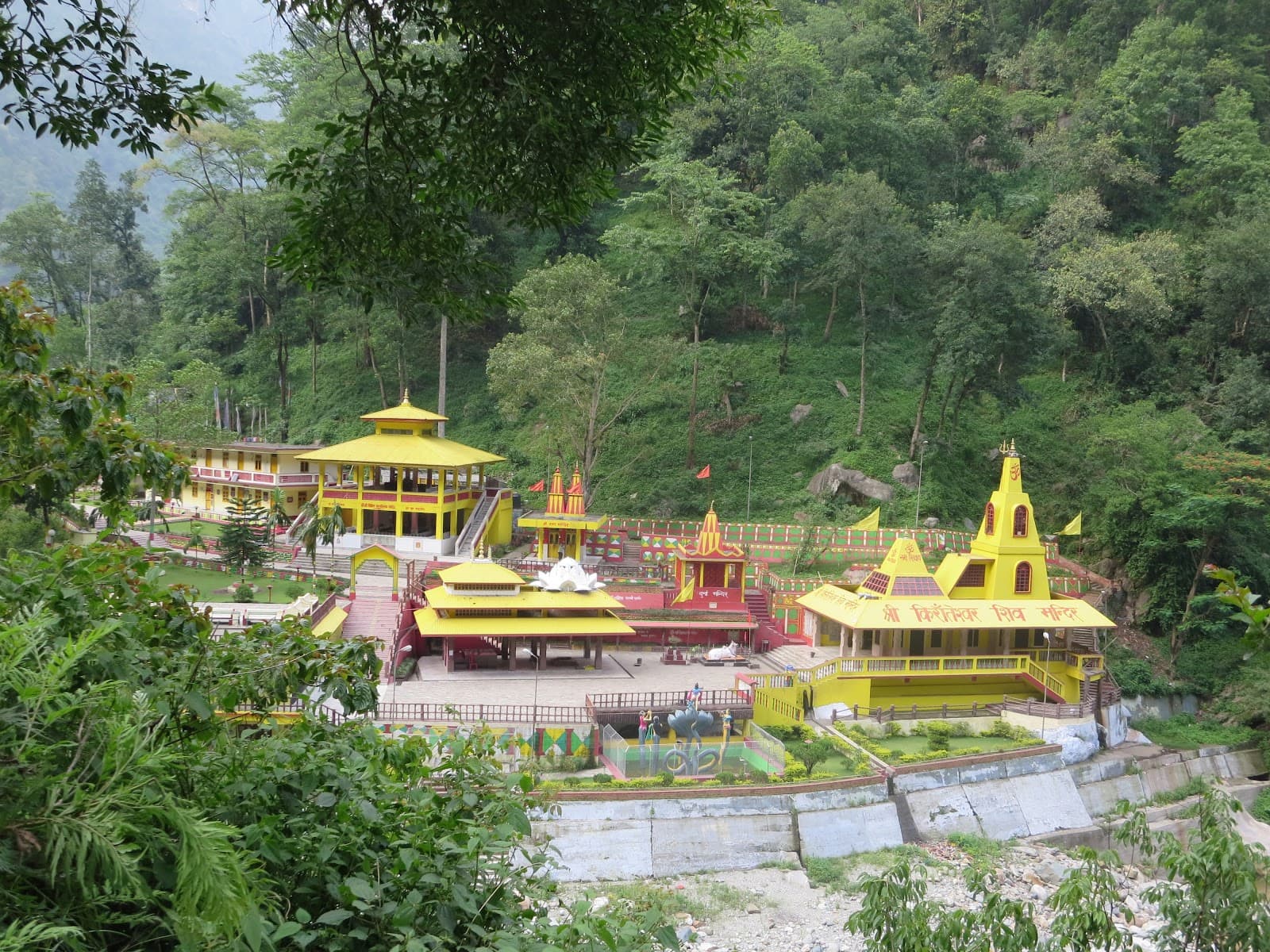
The air hung thick with the scent of pine and damp earth as I climbed the final steps to the Kirateshwar Mahadev Temple. Nestled in the verdant foothills of the Himalayas, near Legship in West Sikkim, this temple doesn't boast the grandeur of some of India's more famous UNESCO sites, but it holds a quiet power, a palpable sense of history that resonated deeply within me. Unlike the meticulously preserved monuments I'd encountered elsewhere, Kirateshwar felt lived-in, a place of active worship woven into the fabric of the local community. The temple is dedicated to Lord Shiva, manifested here as Kirateshwar, the "Lord of the Kiratas," an ancient tribe believed to be the earliest inhabitants of the region. This connection to the land and its people is immediately apparent. The temple complex is situated at the confluence of the Rangit and Ratong rivers, a location considered sacred in Hindu mythology. The constant rush of the glacial waters provides a natural soundtrack to the spiritual atmosphere, a soothing counterpoint to the chanting of prayers. Architecturally, the temple is a blend of traditional Nepali and Hindu styles. The main structure, a two-tiered pagoda, is constructed primarily of wood, with intricately carved details adorning the eaves and pillars. Unlike the vibrant colours often seen in South Indian temples, Kirateshwar is more subdued. The dark wood, weathered by time and the elements, lends it an air of ancient wisdom, a sense of having witnessed centuries of devotion. I was particularly struck by the intricate carvings depicting mythological scenes and figures, each panel a testament to the skill of the artisans who created them. The roof, layered with intricately carved wooden shingles, sweeps upwards towards the sky, culminating in a golden pinnacle that catches the light. Inside the main sanctum, the atmosphere is hushed and reverent. Photography is restricted within the inner chamber, a rule I respected, allowing myself to fully absorb the spiritual energy of the space. The deity, a Shiva lingam, is bathed in the soft glow of oil lamps, the air thick with the fragrance of incense. Devotees offered prayers, their whispered chants adding to the sacred ambiance. It was a privilege to witness this intimate act of faith, a reminder of the enduring power of belief. Beyond the main temple, the complex sprawls across a sizable area, encompassing smaller shrines dedicated to various deities. I spent some time exploring these, each offering a unique glimpse into the rich tapestry of Hindu mythology. One shrine, dedicated to Goddess Durga, was particularly striking, with its vibrant red and gold decorations. The presence of these subsidiary shrines underscores the inclusive nature of Hinduism, its ability to embrace a multitude of deities and beliefs. My visit to Kirateshwar coincided with the annual Bala Chaturdashi festival, a significant event in the local calendar. Thousands of pilgrims from across Sikkim and neighbouring Nepal gather at the temple to offer prayers and perform rituals. The atmosphere was electric, a vibrant mix of devotion and celebration. Witnessing this festival firsthand was an unforgettable experience, a testament to the living heritage of this remarkable site. Kirateshwar Mahadev Temple is more than just a collection of stones and wood; it's a living testament to the enduring power of faith and the rich cultural heritage of the region. It's a place where the past and present intertwine, where the whispers of ancient legends mingle with the chants of contemporary devotees. While it may not be as visually spectacular as some of India's more famous UNESCO sites, its quiet power and profound spiritual significance left an indelible mark on my journey. It's a place I won't soon forget, a hidden gem nestled in the heart of the Himalayas.
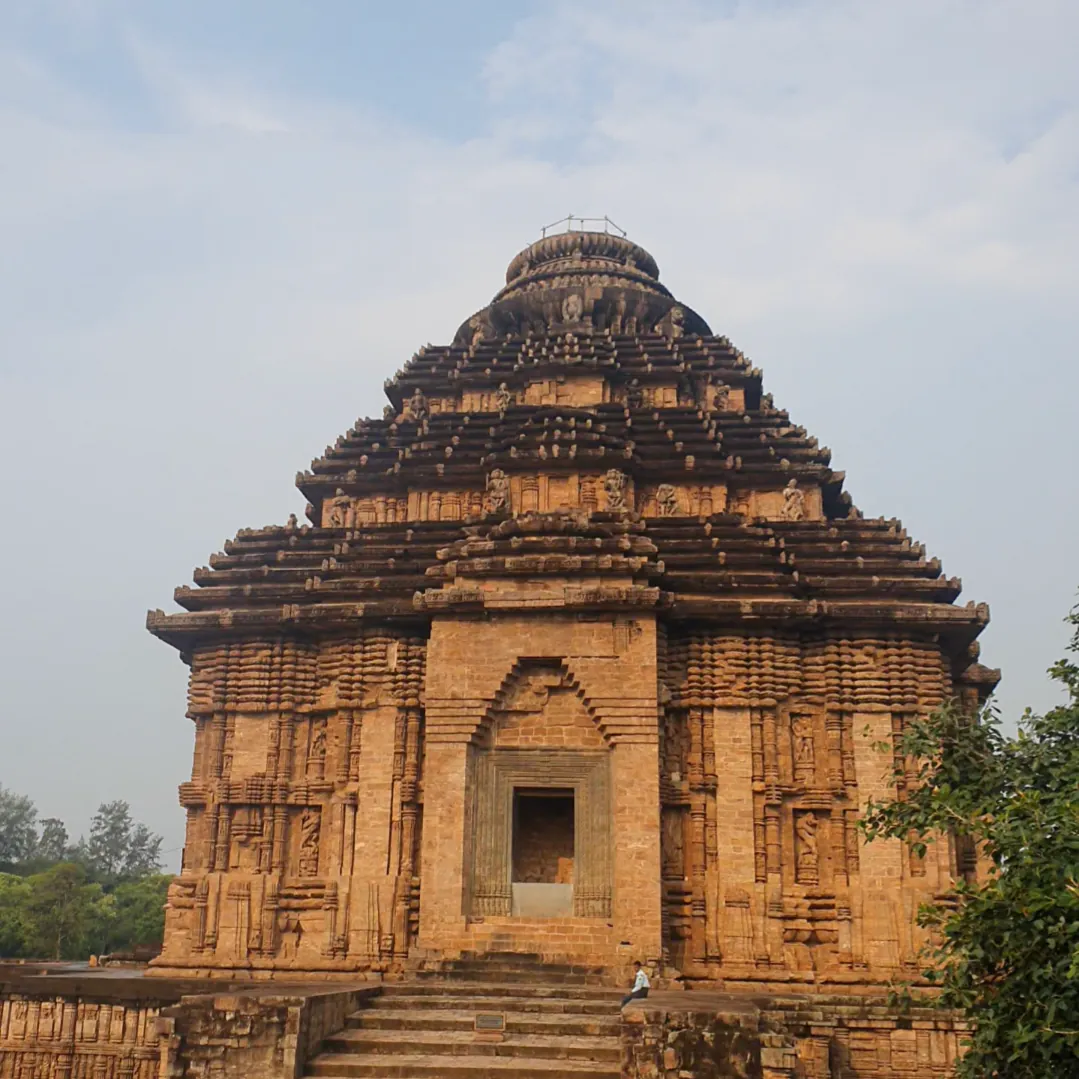
The colossal chariot of the Sun God, frozen in stone, dominates the landscape at Konark. Emerging from the morning mist, the temple, even in its fragmented state, exudes an aura of power and intricate artistry that is simply breathtaking. As a Chennai native steeped in the Dravidian architectural tradition, my visit to this Kalinga style marvel was an exercise in appreciating the diverse tapestry of Indian temple architecture. The sheer scale of the Konark Sun Temple is the first thing that strikes you. The temple, conceived as a gigantic chariot with twelve pairs of exquisitely carved wheels drawn by seven horses, speaks volumes about the ambition and skill of the 13th-century architects. While the main temple (vimana) has largely collapsed, the Jagamohan (assembly hall) remains remarkably intact, offering a glimpse into the temple's former glory. The pyramidal roof of the Jagamohan, rising in tiers adorned with intricate sculptures, is a testament to the Kalinga style's distinctive curvilinear silhouette, a stark contrast to the towering gopurams I'm accustomed to seeing in Dravidian temples. The wheels of the chariot are not mere decorative elements; they are sundials, accurately measuring time. The spokes are carved with intricate floral patterns and miniature figures, showcasing the artisans' mastery over detail. I spent a considerable amount of time examining these wheels, fascinated by their precision and artistic beauty. They serve as a reminder of the deep connection between architecture, astronomy, and spirituality in ancient India. The temple's outer walls are covered with a profusion of sculptures, depicting a vibrant panorama of life in 13th-century Odisha. From deities and celestial beings to courtly scenes, erotic sculptures, and depictions of everyday life, the carvings offer a fascinating window into the social and cultural fabric of the time. The erotic sculptures, while controversial to some, are an integral part of the temple's iconography, representing the cycle of creation and the celebration of life. Their presence, alongside depictions of spiritual and secular themes, highlights the holistic worldview that permeated ancient Indian art. One striking difference I observed compared to South Indian temples is the prominence of iron beams used in the Konark temple's construction. While the exact purpose of these iron beams is still debated, their presence suggests a sophisticated understanding of metallurgy and engineering. This contrasts with the predominantly stone-based construction techniques employed in Dravidian temples. The Natmandir (dance hall), though now in ruins, still echoes with the ghosts of dancers and musicians who once graced its platform. I could almost visualize the vibrant performances that would have taken place here, accompanied by the rhythmic beating of drums and the melodious strains of stringed instruments. The temple's architecture, with its open spaces and strategically placed platforms, seems designed to facilitate grand spectacles and processions, reinforcing the Sun God's role as a source of energy and life. Walking through the ruins of the Konark Sun Temple, I felt a profound sense of awe and melancholy. Awe at the sheer scale and artistic brilliance of the structure, and melancholy at the ravages of time and the forces of nature that have taken their toll. Yet, even in its fragmented state, the temple stands as a powerful testament to the ingenuity and artistic vision of its creators. It serves as a bridge across centuries, connecting us to a rich cultural heritage and reminding us of the enduring power of human creativity. My visit to Konark was not just a sightseeing trip; it was a pilgrimage, a journey into the heart of India's architectural and spiritual heritage. It reinforced my belief that the study of ancient architecture is not just an academic pursuit; it is a way to connect with the past, understand the present, and inspire the future.
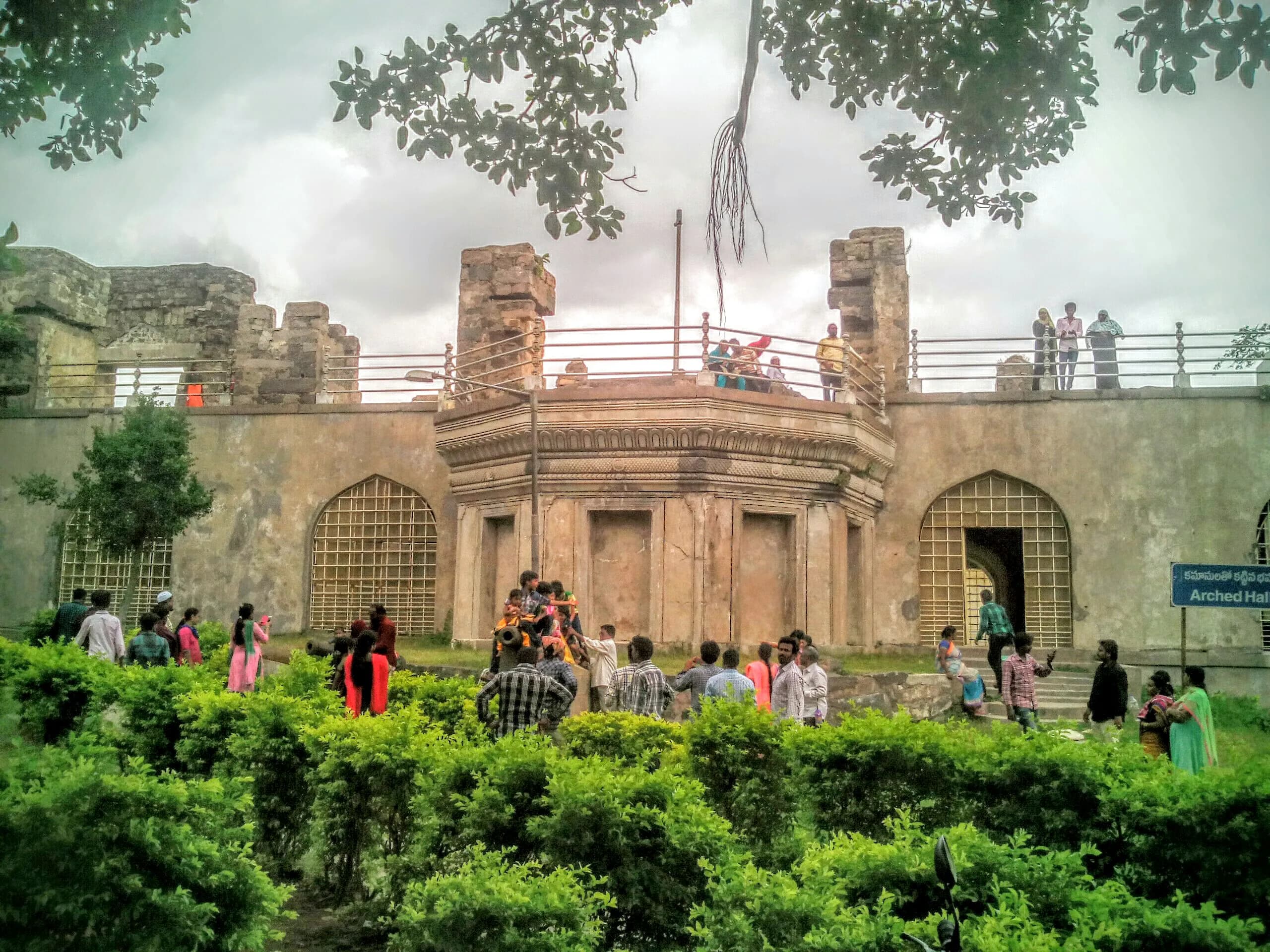
The wind whipped around me, carrying whispers of history as I stood atop Kondapalli Fort, gazing over the sprawling Krishna district. The panoramic view, a tapestry of green fields and distant villages, was a fitting reward for the climb. Coming from Gujarat, where forts often rise from arid landscapes, the lush setting of Kondapalli was a striking contrast, a testament to the diverse beauty of India's fortifications. My journey through the fort began with the imposing Dargah of Gulab Shah, a Sufi saint revered by both Hindus and Muslims. This syncretic element, so common in India, immediately piqued my interest. The Dargah, with its simple yet elegant architecture, served as a gentle prelude to the grandeur within. Passing through the colossal three-storied entrance, I was struck by the scale of the fort. Kondapalli is not just a single structure but a complex, a miniature city enclosed within its ramparts. The architecture displayed a fascinating blend of styles. While the robust construction and strategic layout bore the hallmarks of a formidable military stronghold, delicate carvings and intricate details hinted at a period of artistic flourishing. The influence of various dynasties – the Reddy Kings, the Vijayanagara Empire, and the Qutb Shahis – was evident in the eclectic mix of architectural elements. I noticed the distinct Vijayanagara style in the sturdy granite walls and the strategically placed bastions, while the later additions, like the Tanisha Mahal, showcased a more refined, almost palatial aesthetic. Exploring the ruins of the Tanisha Mahal was a particularly poignant experience. This "Queen's Palace," once a symbol of royal luxury, now stands in graceful decay. The remnants of ornate balconies, delicate arches, and intricately carved pillars spoke volumes about the fort's opulent past. I could almost picture the royal court in its heyday, the halls filled with music and laughter. The light filtering through the broken arches cast long shadows, adding to the melancholic beauty of the place. One of the most striking features of Kondapalli Fort is its ingenious water management system. Massive cisterns, carved into the rock, collected rainwater, ensuring a continuous supply for the inhabitants. This foresight, crucial in a region prone to dry spells, highlighted the architectural ingenuity of the builders. I was particularly impressed by the intricate network of channels and pipes that distributed the water throughout the fort, a testament to their advanced understanding of hydraulic engineering. As I walked along the ramparts, I noticed the strategically placed cannons, silent sentinels guarding the fort. The sheer size of these cannons, some of them impressively large, underscored the fort's military importance. The views from the ramparts were breathtaking, offering a 360-degree panorama of the surrounding countryside. I could see the winding Krishna River in the distance, its waters glinting in the sunlight. The Kondapalli Fort is more than just stones and mortar; it's a living testament to a rich and layered history. It's a place where architectural grandeur meets strategic brilliance, where whispers of royal splendor mingle with echoes of battles fought. As I descended from the fort, I carried with me not just photographs and notes, but a deeper appreciation for the architectural heritage of Andhra Pradesh. This fort, standing proud against the backdrop of time, is a must-see for anyone seeking to unravel the fascinating tapestry of Indian history. It's a place that stays with you long after you've left, its stories etched in your memory.
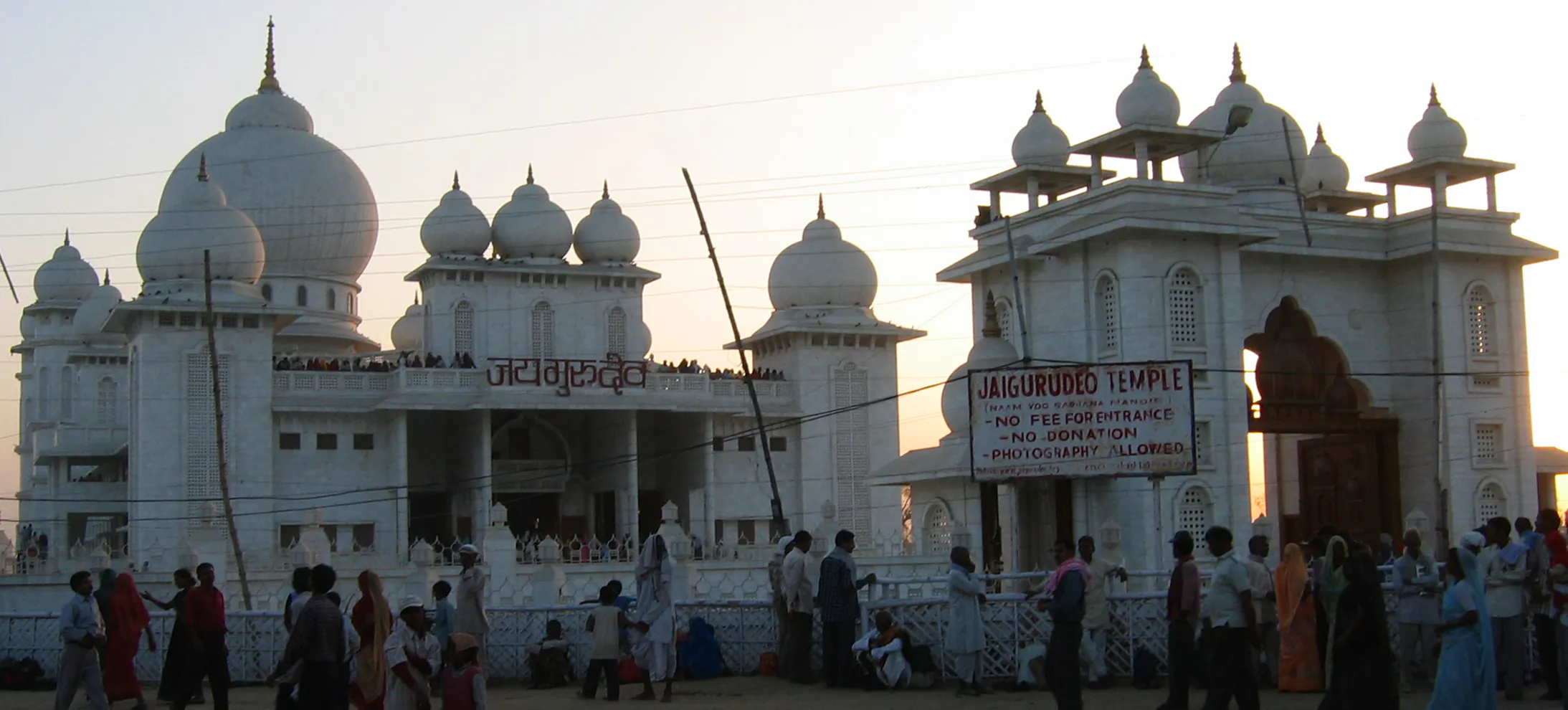
The air in Mathura vibrates with a palpable energy, a hum of devotion that seems to emanate from the very stones of the Krishna Janmasthan Temple Complex. Standing within its precincts, I felt an immediate connection to the layers of history embedded within this sacred ground. The complex, a tapestry woven with threads of different eras, stands as a testament to the enduring power of faith and the cyclical nature of destruction and reconstruction. My gaze was immediately drawn to the imposing Keshav Dev Temple, its towering shikhara a beacon against the Mathura sky. While the current structure dates back to the 18th century, thanks to the patronage of the Jat ruler Suraj Mal, the palpable antiquity of the site whispers of much older incarnations. The very stones seemed to hold the memory of the original temple, believed to have been built by Vajranabha, Krishna’s great-grandson, a structure mentioned in the ancient scriptures. The repeated destructions and subsequent rebuildings, a recurring motif in Indian history, have imbued the site with a unique resonance, a sense of resilience in the face of adversity. The architecture of the Keshav Dev Temple showcases a blend of styles, reflecting the various influences that have shaped it over centuries. The intricate carvings adorning the walls, depicting scenes from Krishna’s life, are a testament to the skill of the artisans. I noticed the distinctive use of red sandstone, a material common in the region, which lends the temple a warm, earthy hue. The interplay of light and shadow on the carved surfaces created a dynamic visual experience, enhancing the narrative power of the sculptures. While some sections displayed the robust features of Rajput architecture, others hinted at the Mughal influence that permeated the region during certain periods. Moving through the complex, I entered the Garbha Griha, the sanctum sanctorum, where the deity of Keshav Dev is enshrined. The atmosphere within was charged with devotion, the air thick with the scent of incense and the murmur of prayers. The dimly lit space, illuminated by flickering oil lamps, fostered a sense of profound reverence. I observed the devotees, their faces etched with faith, offering prayers and performing rituals that have likely been practiced for generations. Adjacent to the Keshav Dev Temple lies the smaller, yet equally significant, Bhagavata Bhavan. This structure, built around an ancient prison cell believed to be the very birthplace of Krishna, holds a special significance for pilgrims. The low-ceilinged, claustrophobic space, a stark contrast to the grandeur of the Keshav Dev Temple, evokes a sense of intimacy and raw emotion. The very thought of Lord Krishna being born in such humble surroundings adds another layer to the narrative of his divine leela, his earthly play. The Idgah mosque, situated within the complex, adds another layer of complexity to the site's historical narrative. Its presence serves as a tangible reminder of the Mughal period and the religious tensions that have, at times, marked the region's history. The juxtaposition of the mosque and the temple within the same complex creates a unique spatial dynamic, a physical manifestation of the interwoven narratives that shape India's cultural landscape. Leaving the Krishna Janmasthan Temple Complex, I carried with me not just images of intricate carvings and soaring shikharas, but a deeper understanding of the complex interplay of faith, history, and architecture. The site stands as a powerful symbol of continuity and resilience, a living testament to the enduring legacy of Lord Krishna and the unwavering devotion he inspires. It is a place where the past whispers to the present, offering a glimpse into the rich tapestry of Indian history and spirituality.
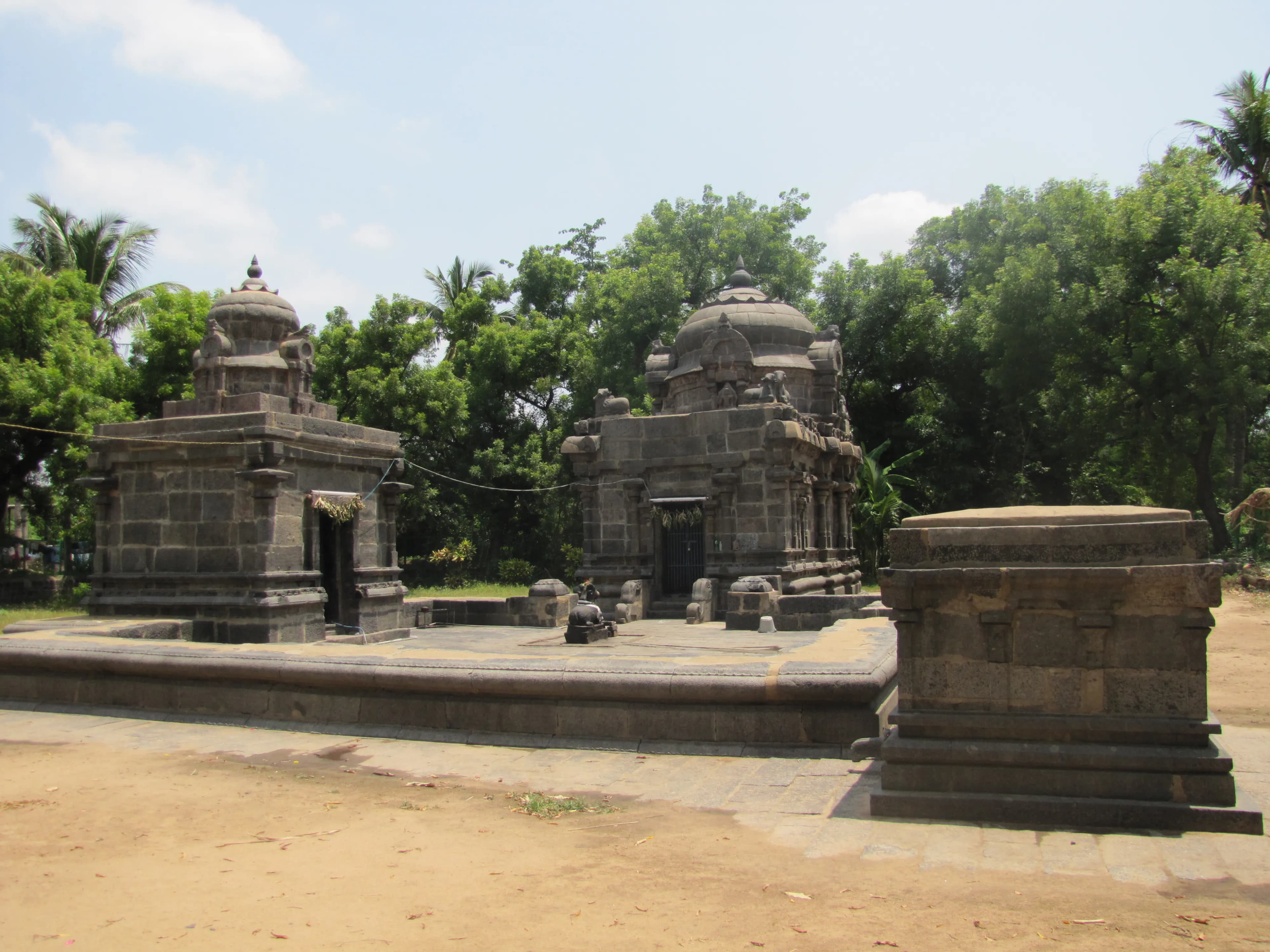
The humid Kanyakumari air hung heavy as I approached the Kundankuzhi Mahadevar Temple, tucked away in a quiet village near Nagercoil. The temple, dedicated to Lord Shiva, doesn't boast the towering gopurams of some of Tamil Nadu's more famous temples, but it possesses a quiet dignity and architectural nuances that captivated me from the first glance. The relatively modest size allows for an intimate exploration, a chance to truly connect with the structure and its history. The first thing that struck me was the distinct Kerala architectural influence, a testament to the region's historical fluidity and cultural exchange. The sloping tiled roofs, reminiscent of Kerala's traditional houses and temples, were a departure from the typical Dravidian style I'm accustomed to seeing in Chennai. The muted ochre walls, devoid of elaborate carvings on the exterior, further emphasized this unique blend. This simplicity, however, wasn't stark; it felt more like a conscious choice, directing the visitor's attention inwards, towards the spiritual heart of the temple. Stepping inside the main mandapam, I was greeted by a series of intricately carved pillars. While the exterior was understated, the interior showcased the artisans' skill. The pillars, though weathered by time, displayed a variety of motifs – stylized lotuses, mythical creatures, and intricate geometric patterns. I noticed a subtle difference in the carving styles on some pillars, suggesting additions or renovations over different periods. This layering of history, visible in the very fabric of the temple, added to its charm. The garbhagriha, the sanctum sanctorum, housed the lingam, the symbolic representation of Lord Shiva. The air within was thick with the scent of incense and the murmur of prayers. The dimly lit space, illuminated by oil lamps, created an atmosphere of reverence and tranquility. I spent some time observing the worn stone floor, polished smooth by centuries of devotees' feet, a tangible connection to the generations who had worshipped here before me. Moving towards the outer prakaram, I discovered a small shrine dedicated to the Goddess Parvati. The carvings here were noticeably different, featuring a more flowing, feminine aesthetic. The presence of both Shiva and Parvati, representing the complementary forces of creation and destruction, underscored the temple's adherence to traditional Shaivite principles. One of the most intriguing aspects of the Kundankuzhi Mahadevar Temple was its integration with the natural surroundings. Ancient trees shaded the temple grounds, their roots intertwining with the stone structures, creating a sense of harmony between the built and natural environments. A small pond, located to the west of the main temple, added to the serene atmosphere. It was easy to imagine how this tranquil setting would have provided a sanctuary for both spiritual contemplation and community gatherings over the centuries. My visit to the Kundankuzhi Mahadevar Temple wasn't just about observing architectural details; it was an immersive experience. The temple's unassuming exterior belied a rich history and a palpable spiritual energy. It offered a glimpse into the cultural exchange between Tamil Nadu and Kerala, showcasing a unique blend of architectural styles. Unlike the grand, often crowded temples of larger cities, Kundankuzhi allowed for a quiet, personal connection, a chance to appreciate the subtleties of craftsmanship and the enduring power of faith. It's a testament to the fact that architectural marvels don't always need to be grand in scale to be profoundly impactful. They can be found in quiet corners, whispering stories of history, faith, and artistic expression.

The air, thick with the scent of incense and marigold garlands, vibrated with a low hum of chanting as I descended the worn sandstone steps leading to Kusum Sarovar. This wasn’t just another monument on my North Indian itinerary; it was a palpable breath of history, nestled in the heart of Braj, near Govardhan Hill. Having explored countless ancient sites across the region, I thought I was immune to being awestruck, but Kusum Sarovar, with its serene beauty and spiritual weight, proved me wrong. The sarovar, or sacred pond, is rectangular, its still, dark water reflecting the surrounding architecture like a mirror. The banks are lined with intricately carved chhatris, small pavilions with delicate pillars and domed roofs, each a miniature masterpiece of Mughal-influenced Rajput architecture. I noticed the recurring motif of blossoming lotuses carved into the stone, a symbol of purity and rebirth, fitting for a place so steeped in religious significance. Unlike many historical sites that have succumbed to neglect, Kusum Sarovar is remarkably well-maintained. The sandstone, though weathered by centuries of sun and rain, retains its warm, honeyed hue, and the carvings, while softened by time, are still crisp and detailed. I spent a good hour just walking the perimeter, absorbing the details. The chhatris, I learned from a local priest, were built in the 18th century by the Jat rulers, commemorating various Radha-Krishna legends associated with this very spot. He pointed out one particular chhatri, slightly larger and more ornate than the others, said to mark the spot where Radha and her gopis would meet Krishna. Looking out at the placid water, I could almost imagine the scene unfolding centuries ago – the vibrant colours of their silks, the tinkling of their anklets, the air filled with laughter and the melody of flutes. The steps leading down to the water are broad and inviting, worn smooth by countless pilgrims who have come to bathe in the sacred waters. I watched as families performed rituals, offering flowers and prayers, their faces etched with devotion. The atmosphere was charged with a quiet reverence, a stark contrast to the bustling marketplaces I’d encountered elsewhere in Mathura. It was a reminder that this wasn’t just a tourist attraction; it was a living, breathing testament to faith. Beyond the immediate vicinity of the sarovar, the landscape unfolds into a panorama of green fields and the looming silhouette of Govardhan Hill. This proximity to nature adds another layer to the site’s charm. The gentle breeze rustling through the trees, the chirping of birds, the distant lowing of cattle – all contribute to a sense of tranquility that is hard to find in the urban chaos of Delhi. One architectural detail that particularly caught my eye was the use of jalis, intricately carved lattice screens, in some of the chhatris. These screens not only provided shade and ventilation but also created a play of light and shadow, adding a dynamic element to the otherwise static structures. I peered through one of the jalis, framing the sarovar and the distant hill in a perfect, naturally occurring picture frame. It was a moment of pure visual poetry. As the sun began to dip below the horizon, casting long shadows across the sarovar, I found a quiet corner to sit and reflect. Kusum Sarovar is more than just a beautiful monument; it's a portal to another time, a place where history, mythology, and spirituality intertwine. It’s a reminder of the enduring power of faith and the beauty that can be found in the simplest of things – the reflection of the sky on still water, the warmth of ancient stone, the whisper of a prayer carried on the wind. It's a place I won't soon forget, and one I highly recommend to anyone seeking a deeper connection with India's rich cultural heritage.

The Laban Namghar complex in Shillong, nestled amidst the rolling East Khasi Hills, presented a fascinating departure from the South Indian temple architecture I'm so accustomed to. Used primarily as a place of worship and community gathering by the Khasi people, it offered a unique glimpse into the indigenous religious practices of Meghalaya. The term "Namghar," meaning "prayer house," aptly describes its function, but it doesn't fully capture the complex's social and cultural significance. My first impression was one of understated elegance. Unlike the towering gopurams and intricately carved mandapas of Dravidian temples, the Namghar structures are characterized by simplicity and functionality. Built primarily from wood and bamboo, with corrugated iron sheet roofing, they blend seamlessly with the surrounding landscape. The absence of elaborate ornamentation allows the natural beauty of the materials to shine through. The main prayer hall, a large rectangular structure, sits at the heart of the complex. Its sloping roof, supported by sturdy wooden pillars, reminded me of traditional Khasi houses, highlighting the connection between domestic and sacred spaces. Inside the prayer hall, the atmosphere is serene and contemplative. Sunlight filters through the windows, illuminating the bare wooden floors and walls. There are no idols or deities, a stark contrast to the iconography-rich interiors of South Indian temples. Instead, a simple platform at the far end serves as a focal point for prayers and rituals. The absence of visual representations of the divine emphasizes the Khasi belief in a formless, omnipresent God. The complex also houses several smaller structures used for various community activities. I observed a group of elders gathered in one of these buildings, engaged in animated discussion, highlighting the Namghar's role as a social hub. This reminded me of the sabhas and mandapas found in South Indian temples, which historically served as spaces for community gatherings and intellectual discourse. One of the most striking features of the Laban Namghar is its integration with the natural environment. The complex is surrounded by lush greenery, and the sound of birdsong permeates the air. This connection with nature is central to Khasi beliefs, which emphasize the sanctity of the natural world. Unlike the often enclosed and heavily built-up temple complexes of South India, the Namghar embraces its surroundings, creating a harmonious blend of the built and natural environments. Observing the rituals performed within the Namghar was particularly insightful. The chanting of hymns, accompanied by the rhythmic beating of drums, created a mesmerizing soundscape. While the specific rituals and beliefs differed significantly from those I've witnessed in Hindu temples, the underlying sense of reverence and devotion felt remarkably familiar. This underscored the universality of human spiritual expression, regardless of cultural or religious differences. The architectural details, though simple, revealed a deep understanding of local materials and construction techniques. The use of bamboo and wood, readily available in the region, speaks to a sustainable approach to building. The sloping roofs, designed to withstand the heavy monsoon rains, demonstrate a practical adaptation to the local climate. The joinery techniques used in the construction of the wooden pillars and beams, while lacking the elaborate carvings of South Indian temples, showcased a distinct craftsmanship. My visit to the Laban Namghar complex was a humbling experience. It broadened my understanding of sacred architecture beyond the familiar confines of South Indian temples. It highlighted the diversity of religious expression within India and the importance of preserving these unique cultural traditions. The simplicity and functionality of the Namghar, its integration with nature, and its role as a community hub offered valuable lessons in sustainable architecture and community building. It served as a powerful reminder that sacred spaces can take many forms, each reflecting the unique beliefs and values of the community it serves.

The vibrant green hills of Mizoram cradle many surprises, and for a temple architecture enthusiast like myself, steeped in the Dravidian idiom of South India, the Lakshmi Narayan Mandir in Kolasib was a fascinating anomaly. Perched atop a hill overlooking the town, this temple, dedicated to Vishnu and Lakshmi, presents a unique blend of architectural styles, a testament to the cultural confluence in this northeastern state. The first thing that struck me was the temple's shikhara. While reminiscent of the Nagara style prevalent in North India, with its curvilinear tower rising towards the heavens, it lacked the intricate carvings and elaborate ornamentation I’m accustomed to seeing in temples like the Kandariya Mahadeva in Khajuraho. Instead, the shikhara here was relatively plain, its smooth sandstone surface punctuated by simple horizontal bands and a modest amalaka crowning the top. This simplicity, however, lent it a certain elegance, allowing the natural beauty of the sandstone to shine through. The mandapa, or pillared hall, leading to the sanctum sanctorum, displayed a different influence altogether. The pillars, while square in section, were devoid of the intricate sculptures and narrative friezes that adorn South Indian temple pillars. Instead, they were adorned with simple geometric patterns, painted in vibrant hues of red, blue, and yellow, reminiscent of Mizo traditional designs. This unexpected burst of colour against the muted sandstone created a visually arresting contrast. Inside the garbhagriha, the deities of Lakshmi and Narayan resided, their serene presence radiating a sense of peace. The iconography was familiar, yet subtly different. Lakshmi, usually depicted seated on a lotus, here stood beside Vishnu, a posture more commonly seen in North Indian depictions. This subtle shift in iconography further highlighted the temple's unique blend of regional influences. The temple's location itself added to its charm. The panoramic view of Kolasib town and the surrounding hills, visible from the temple courtyard, was breathtaking. The lush greenery and the crisp mountain air created a serene atmosphere, conducive to contemplation and reflection. Unlike the bustling temple complexes of South India, the Lakshmi Narayan Mandir offered a sense of quietude, a space for personal communion with the divine. What intrigued me most was the narrative behind this architectural hybrid. Built in the late 20th century, the temple reflects the migration of people and ideas across India. While the core architectural style is North Indian, the local Mizo artisans have clearly left their mark, incorporating their own artistic traditions into the temple's decorative elements. This fusion of styles is not merely an aesthetic choice; it’s a reflection of the cultural exchange and assimilation that has shaped the region's identity. The Lakshmi Narayan Mandir is not just a place of worship; it's a living testament to India's diverse cultural tapestry. It challenges preconceived notions of architectural purity and demonstrates how different styles can harmoniously coexist, creating something unique and beautiful. For me, this temple was a powerful reminder that heritage is not static; it's a dynamic process of evolution and adaptation, constantly being shaped by the people and the environment that surround it. My visit to the Lakshmi Narayan Mandir was more than just a sightseeing trip; it was a lesson in architectural syncretism, a testament to the enduring power of cultural exchange. The temple stands as a symbol of unity in diversity, showcasing how different traditions can intertwine to create something truly special.

The vibrant vermilion and white hues of the Lakshmi Narayan Temple in Agartala struck me the moment I stepped off the auto-rickshaw. Having explored the basalt-carved caves and ancient stone temples of Maharashtra extensively, this relatively modern structure, consecrated in 1999, presented a refreshing contrast. The temple, dedicated to Lakshmi, the goddess of wealth, and Narayan, a form of Vishnu, stands as a testament to Tripura's rich spiritual heritage, distinct from the architectural styles I was accustomed to. The temple complex is expansive, encompassing not just the main shrine but also smaller temples dedicated to other deities like Ganesha and Shiva. A large, serene pond flanks the main temple, its still waters reflecting the ornate structure, creating a picturesque scene. The architecture is a fascinating blend of traditional and contemporary elements. While the core structure adheres to the Nagara style common in North India, with its curvilinear shikhara (tower) rising above the sanctum, the intricate carvings and embellishments showcase a distinct regional influence. I noticed the extensive use of white marble, which lends the temple a luminous quality, especially striking under the Tripura sun. The vermilion accents, particularly on the shikhara, add a vibrant pop of colour, creating a visually arresting contrast. As I entered the main sanctum, the atmosphere shifted. The air was thick with the scent of incense and the murmur of prayers. The idols of Lakshmi and Narayan, resplendent in gold ornaments, commanded attention. Unlike the dimly lit interiors of many ancient temples, this space was bathed in soft light, allowing for a clear view of the deities and the intricate details of the sanctum. I observed the meticulous craftsmanship in the carvings adorning the walls and pillars, depicting scenes from Hindu mythology. The narrative panels, though newer, echoed the storytelling tradition seen in ancient temple art, albeit with a modern sensibility. Stepping out of the main shrine, I explored the surrounding smaller temples. Each had its own unique charm, showcasing different architectural nuances and dedicated to different deities. The Ganesha temple, with its playful depiction of the elephant-headed god, was particularly endearing. The Shiva temple, smaller and more austere, offered a quiet space for contemplation. The presence of these ancillary shrines created a sense of a vibrant spiritual ecosystem, a place where devotees could connect with various aspects of their faith. The large pond adjacent to the main temple added another layer to the experience. Devotees were performing rituals by the water's edge, while others simply sat by the pond, enjoying the tranquil atmosphere. The reflection of the temple in the still water created a mesmerizing visual, amplifying the sense of serenity. I spent some time observing the interplay of light and shadow on the water, the ripples created by the occasional breeze disrupting the mirrored image, only to reform moments later. My visit to the Lakshmi Narayan Temple was more than just a sightseeing experience; it was an immersion into a living, breathing spiritual hub. While vastly different from the ancient caves and temples I've explored in Maharashtra, it offered a unique perspective on how faith and architecture intertwine. The temple's modern construction, vibrant colours, and intricate carvings, combined with the palpable devotion of the worshippers, created a memorable experience. It served as a reminder that spirituality is not confined to ancient stones and weathered carvings; it can find expression in contemporary forms, resonating with the beliefs and aspirations of a modern community. The Lakshmi Narayan Temple stands as a testament to this enduring power of faith, expressed through the language of art and architecture.
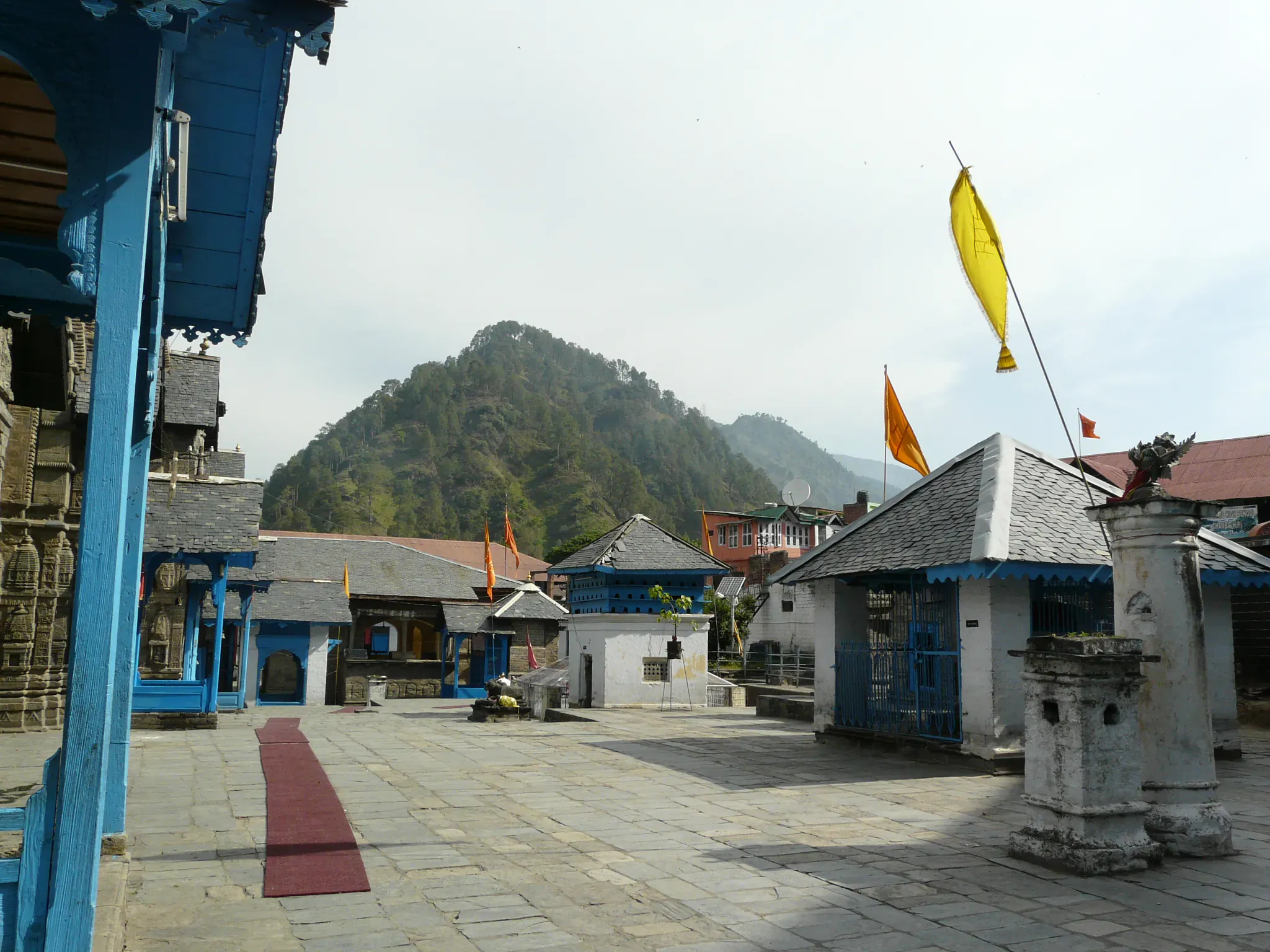
The crisp Himalayan air vibrated with the faint clang of temple bells as I stepped into the Lakshmi Narayan Temple complex in Chamba. Nestled against the dramatic backdrop of the Dhauladhar range, this cluster of intricately carved shrines, a testament to the artistic prowess of the Chamba rulers, felt both imposing and intimate. Having documented over 500 monuments across India, I’ve developed a keen eye for architectural nuances, and Chamba’s temple complex offered a feast for the senses. The first structure that captured my attention was the Lakshmi Narayan Temple, the oldest and largest within the complex. Built primarily of wood and stone in the Shikhara style, its towering conical roof, adorned with intricate carvings of deities and mythical creatures, reached towards the azure sky. The weathered wooden panels, darkened by time and the elements, spoke of centuries of devotion and whispered stories of bygone eras. I was particularly drawn to the ornate brass doorways, their intricate floral and geometric patterns gleaming in the afternoon sun. These weren't mere entrances; they were portals to a realm of spiritual significance. As I moved deeper into the complex, I encountered a series of smaller temples, each dedicated to a different deity within the Hindu pantheon. The Radha Krishna Temple, with its delicate carvings of Krishna playing the flute, exuded a sense of playful devotion. The Shiva Temple, its stone walls adorned with depictions of the fearsome yet benevolent deity, felt palpably different, radiating an aura of quiet power. The architectural styles varied subtly, showcasing the evolution of temple architecture in the region over several centuries. Some featured sloping slate roofs, a characteristic of the local vernacular, while others echoed the Shikhara style of the main temple, creating a harmonious blend of architectural influences. One aspect that truly captivated me was the intricate woodwork. The Chamba region is renowned for its skilled woodcarvers, and their artistry is on full display throughout the complex. From the elaborately carved pillars and beams to the delicate latticework screens, every surface seemed to tell a story. I spent hours photographing these details, trying to capture the essence of the craftsmanship and the devotion that inspired it. The wood, though aged, retained a warmth and richness that contrasted beautifully with the cool grey stone. Beyond the architectural marvels, the complex pulsed with a living spirituality. Devotees moved through the courtyards, offering prayers and performing rituals. The air was thick with the scent of incense and the murmur of chants, creating an atmosphere of profound reverence. I observed a group of women circumambulating the main temple, their faces etched with devotion, their colorful saris adding vibrant splashes of color against the muted tones of the stone and wood. These weren't mere tourists; they were active participants in a centuries-old tradition, their presence adding another layer of meaning to the already rich tapestry of the site. The Lakshmi Narayan Temple complex isn't just a collection of beautiful buildings; it’s a living testament to the enduring power of faith and the artistic brilliance of a bygone era. It's a place where history, spirituality, and architecture intertwine, creating an experience that resonates deep within the soul. As I packed my equipment, preparing to leave this haven of tranquility, I felt a sense of gratitude for having witnessed this remarkable confluence of art and devotion. The images I captured, I knew, would serve as a reminder of the rich cultural heritage of Chamba and the enduring spirit of India.
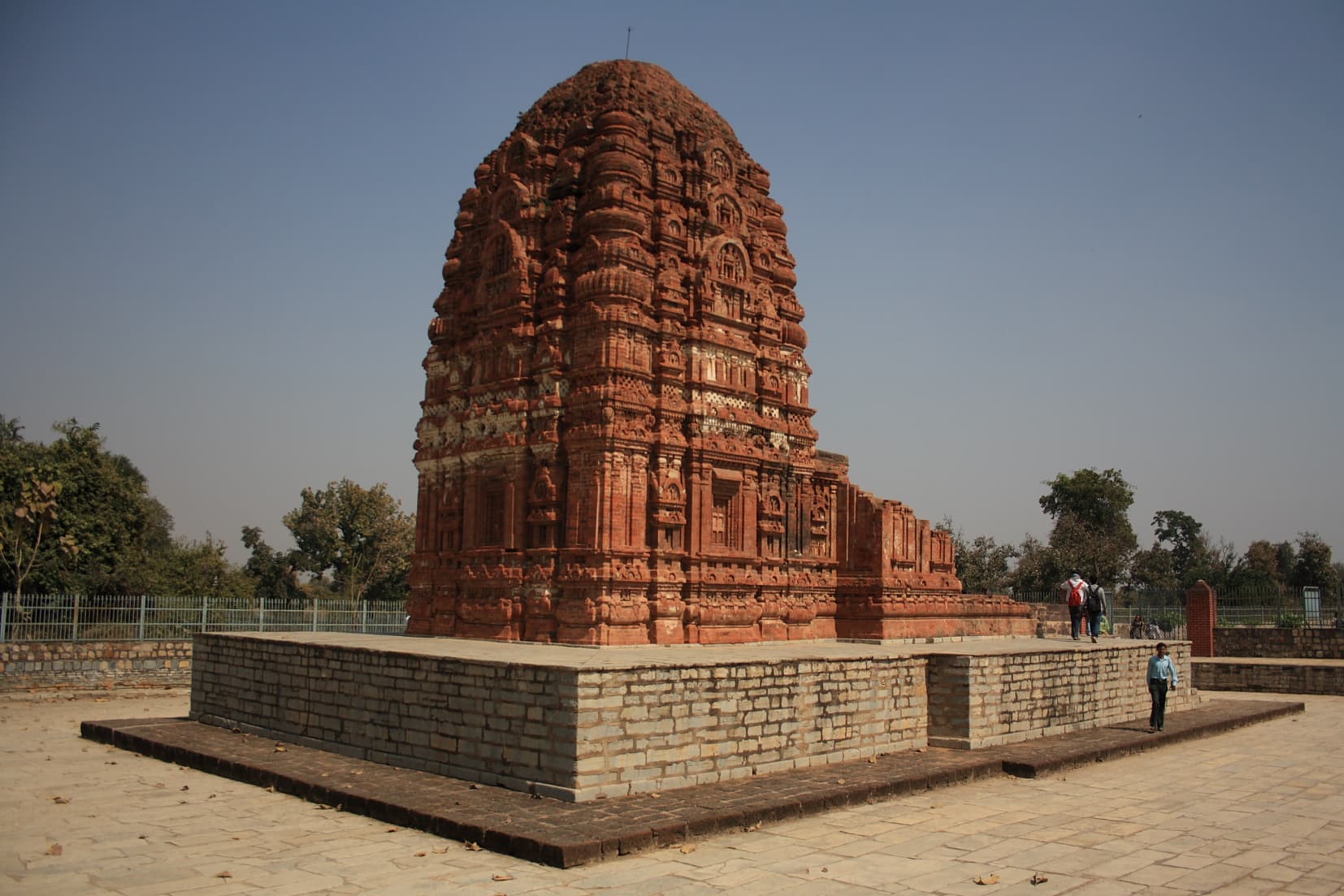
The late afternoon sun cast long shadows across the brick-strewn expanse, illuminating the Laxman Temple in Sirpur, Chhattisgarh, in a warm, ochre glow. Having crisscrossed North India, exploring countless ancient sites, I thought I’d become somewhat immune to the awe these structures inspire. Yet, standing before this 7th-century marvel, I felt a familiar thrill, a sense of connection to a past both glorious and enigmatic. Unlike the ornate sandstone structures common in Rajasthan or the intricate carvings of Khajuraho, the Laxman Temple, dedicated to Lord Vishnu, exudes a quiet strength. Built of brick, it stands as a testament to the architectural prowess of the Dakshin Kosala period. The sheer scale is impressive. The temple rises on a high plinth, its walls adorned with intricate terracotta panels depicting scenes from the Ramayana, the Puranas, and everyday life. These panels, though weathered by time, retain a remarkable clarity, offering glimpses into the artistic sensibilities and societal norms of a bygone era. I climbed the broad flight of steps leading to the main sanctum, noticing the subtle shift in the brickwork. The lower levels showcased larger, more robust bricks, while the upper sections transitioned to smaller, finer ones, almost creating a sense of visual lightness as the temple ascended. The sanctum, now empty, still resonated with a palpable sense of reverence. I could almost imagine the chanting of priests and the fragrance of incense filling the air, transporting me back centuries. Circling the temple, I examined the terracotta panels more closely. The narrative scenes were particularly captivating. One panel depicted a royal procession, complete with elephants, horses, and musicians. Another showcased a scene from the Ramayana, possibly the abduction of Sita. The details were astonishing – the expressions on the faces, the intricate headdresses, even the folds of the garments were rendered with remarkable skill. These weren't mere decorations; they were stories etched in clay, offering a window into the rich cultural tapestry of the time. The architectural style of the Laxman Temple is distinct. The pancharatha plan, with its projections on the walls, creates a dynamic interplay of light and shadow. The shikhara, though partially damaged, still retains its elegant curvilinear form, a hallmark of the Nagara style prevalent in North India. However, what truly sets this temple apart is the extensive use of brick. While brick temples are not uncommon, the Laxman Temple showcases a level of sophistication rarely seen in brick construction. The precision of the brickwork, the intricate carvings, and the sheer scale of the structure are a testament to the mastery of the artisans who built it. As I descended the steps, I noticed a group of local children playing near the temple ruins. Their laughter echoed across the ancient site, a poignant reminder that life continues, even amidst the remnants of a forgotten empire. Sirpur, once a bustling centre of art, culture, and religion, now stands as a quiet testament to the ebb and flow of time. My visit to the Laxman Temple was more than just a sightseeing trip; it was a journey through time. It was a reminder of the rich cultural heritage of India, a heritage that often lies hidden in plain sight, waiting to be discovered and appreciated. As I left Sirpur, the image of the temple bathed in the golden light of the setting sun remained etched in my mind, a symbol of resilience, artistry, and the enduring power of the past.
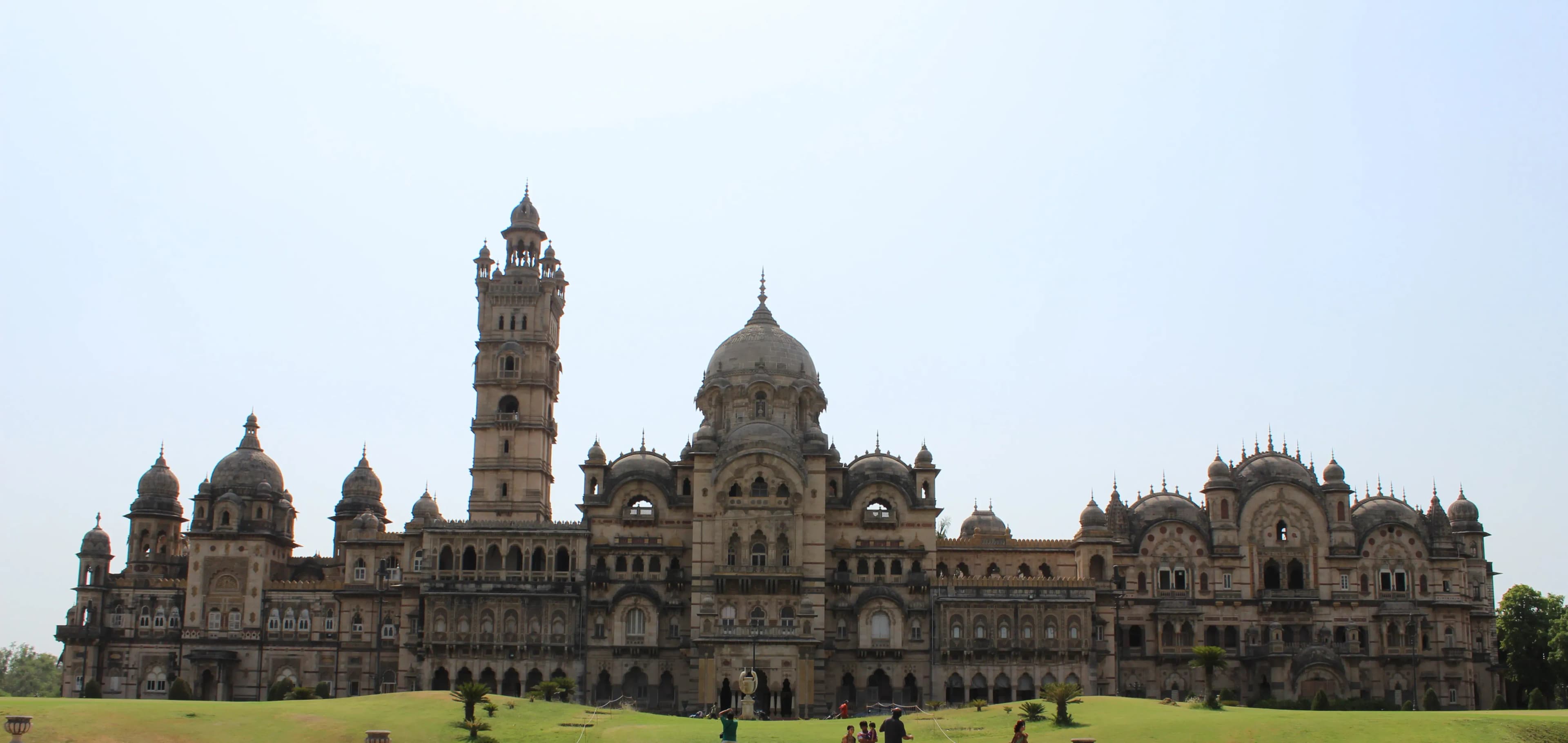
The wrought iron gates of Laxmi Vilas Palace, embellished with the Gaekwad coat of arms, seemed to whisper tales of a bygone era as I stepped onto the sprawling grounds. This wasn't merely a palace; it was a statement – a testament to the grandeur and vision of Maharaja Sayajirao Gaekwad III. The sheer scale of the Indo-Saracenic structure, dwarfing even the impressive structures I’m accustomed to in Kolkata, left me momentarily speechless. Built in 1890, it remains the largest private dwelling in India, four times the size of Buckingham Palace, a fact that continually echoed in my mind as I explored its vast expanse. The first thing that struck me was the seamless blend of architectural styles. While the domes and arches spoke of Mughal influence, the intricate carvings and jalis (perforated stone screens) were distinctly Gujarati. The use of European architectural elements, such as the Italian marble columns and stained-glass windows, added another layer of complexity, showcasing the Maharaja's cosmopolitan outlook. It wasn't just a fusion of styles, but a conversation between them, each element complementing the other in a harmonious symphony of stone and artistry. Inside, the Durbar Hall, with its Venetian mosaic floors and Belgian stained-glass windows depicting scenes from the Mahabharata, was breathtaking. The sheer opulence was almost overwhelming, yet there was a sense of restraint, a refusal to descend into gaudiness. The delicate floral motifs carved into the sandstone walls, the intricate chandeliers hanging from the high ceilings, and the portraits of the Gaekwad dynasty lining the walls all spoke of a refined aesthetic sensibility. I was particularly fascinated by the Navlakhi stepwell, tucked away in a corner of the vast gardens. Descending into its cool depths, I felt transported back in time. The intricate carvings on the stepwell walls, depicting deities and celestial beings, were remarkably well-preserved, a testament to the quality of the craftsmanship. It was a space of quiet contemplation, a stark contrast to the grandeur of the palace itself. The palace museum, housed within a section of the main building, provided a fascinating glimpse into the lives of the Gaekwad rulers. The collection of weaponry, including swords, guns, and armor, was impressive, but it was the personal artifacts – the Maharaja's vintage cars, his collection of clocks, and the portraits of his family – that truly captured my attention. These objects humanized the Maharaja, transforming him from a historical figure into a man with passions and interests. As I wandered through the manicured gardens, past fountains and sculptures, I couldn't help but reflect on the legacy of Maharaja Sayajirao Gaekwad III. He was not just a builder of palaces, but a visionary ruler who invested heavily in education, infrastructure, and social reforms. Laxmi Vilas Palace, therefore, is not just a symbol of his wealth, but a reflection of his progressive ideals. The palace continues to be the residence of the royal family, a living testament to a dynasty that shaped the history of Vadodara. Leaving the palace grounds, I felt a sense of awe and gratitude. Awe at the sheer magnificence of the structure and the artistry of its creators, and gratitude for the opportunity to witness a piece of history firsthand. Laxmi Vilas Palace is not just a building; it is a story etched in stone, a story of ambition, vision, and a deep appreciation for beauty. It is a must-see for anyone interested in Indian architecture and history, a place where the past comes alive in all its splendor.
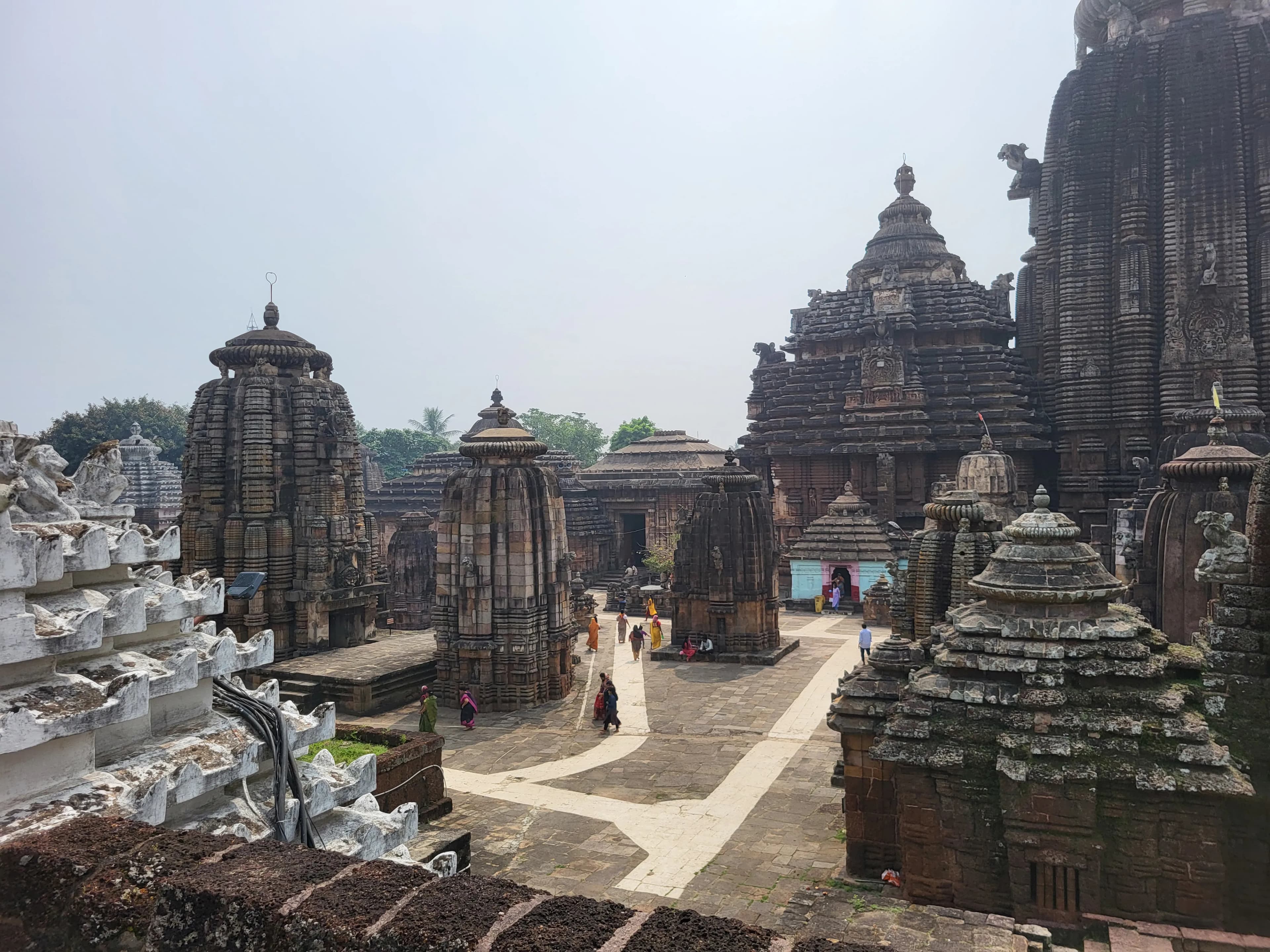
The sun beat down on my neck, the Odisha heat a stark contrast to the Delhi winters I was accustomed to. But the discomfort melted away as I stood before the Lingaraj Temple in Bhubaneswar, a monument that whispered tales of a thousand years. Having explored countless temples across North India, I thought I had a grasp on the nuances of Kalinga architecture, but Lingaraj proved to be in a league of its own. The sheer scale of the complex, enclosed within a high compound wall, was the first thing that struck me. The main temple, dedicated to Harihara, a combined form of Shiva and Vishnu, soared upwards, its deul (tower) a masterpiece of intricate carvings. Unlike the sandstone and marble I was familiar with in the north, this temple was constructed of laterite, a locally available reddish-brown stone, which lent it a unique earthy hue. The deul, reaching a height of 55 meters, was covered in a dense tapestry of sculptures – deities, mythical creatures, and intricate floral patterns, each vying for attention. I spent hours circumambulating the temple, my gaze constantly drawn upwards. The vertical lines of the deul, punctuated by horizontal bands of carvings, created a powerful sense of upward movement, as if the entire structure was striving to reach the heavens. The jagamohan (assembly hall) and natamandir (dance hall), though smaller than the main deul, were equally impressive, their surfaces adorned with elaborate friezes depicting scenes from Hindu mythology. One of the most striking features of the temple was the sheer number of subsidiary shrines scattered within the complex. Each shrine, though smaller in scale, echoed the architectural style of the main temple, creating a sense of harmonious unity. I noticed that many of these shrines were dedicated to various forms of Shakti, the divine feminine, highlighting the importance of goddess worship in this region. As I moved closer to the main entrance, the air grew thick with the scent of incense and the murmur of chanting. Though non-Hindus are not allowed inside the sanctum sanctorum, I could feel the palpable sense of devotion emanating from within. I observed the devotees, their faces etched with reverence, offering flowers and coconuts to the deity. It was a powerful reminder of the living faith that animates these ancient stones. The intricate carvings on the temple walls deserved closer inspection. I noticed a recurring motif of the naga, the serpent deity, often depicted with multiple heads and coiled around various deities. The presence of the naga, a symbol of fertility and protection, underscored the temple's connection to the natural world. I also observed depictions of erotic sculptures, a common feature of Kalinga temples, which are believed to represent the cycle of creation and regeneration. The experience of visiting Lingaraj was not just about admiring the architecture; it was about immersing myself in the cultural tapestry of Odisha. The temple, with its rich history and vibrant present, served as a window into the religious and artistic traditions of this fascinating region. It was a humbling reminder of the enduring power of faith and the remarkable artistry of our ancestors. As I left the temple complex, the setting sun casting long shadows across the laterite walls, I felt a deep sense of gratitude for having witnessed this architectural marvel. Lingaraj was not just a temple; it was a testament to the enduring spirit of India.
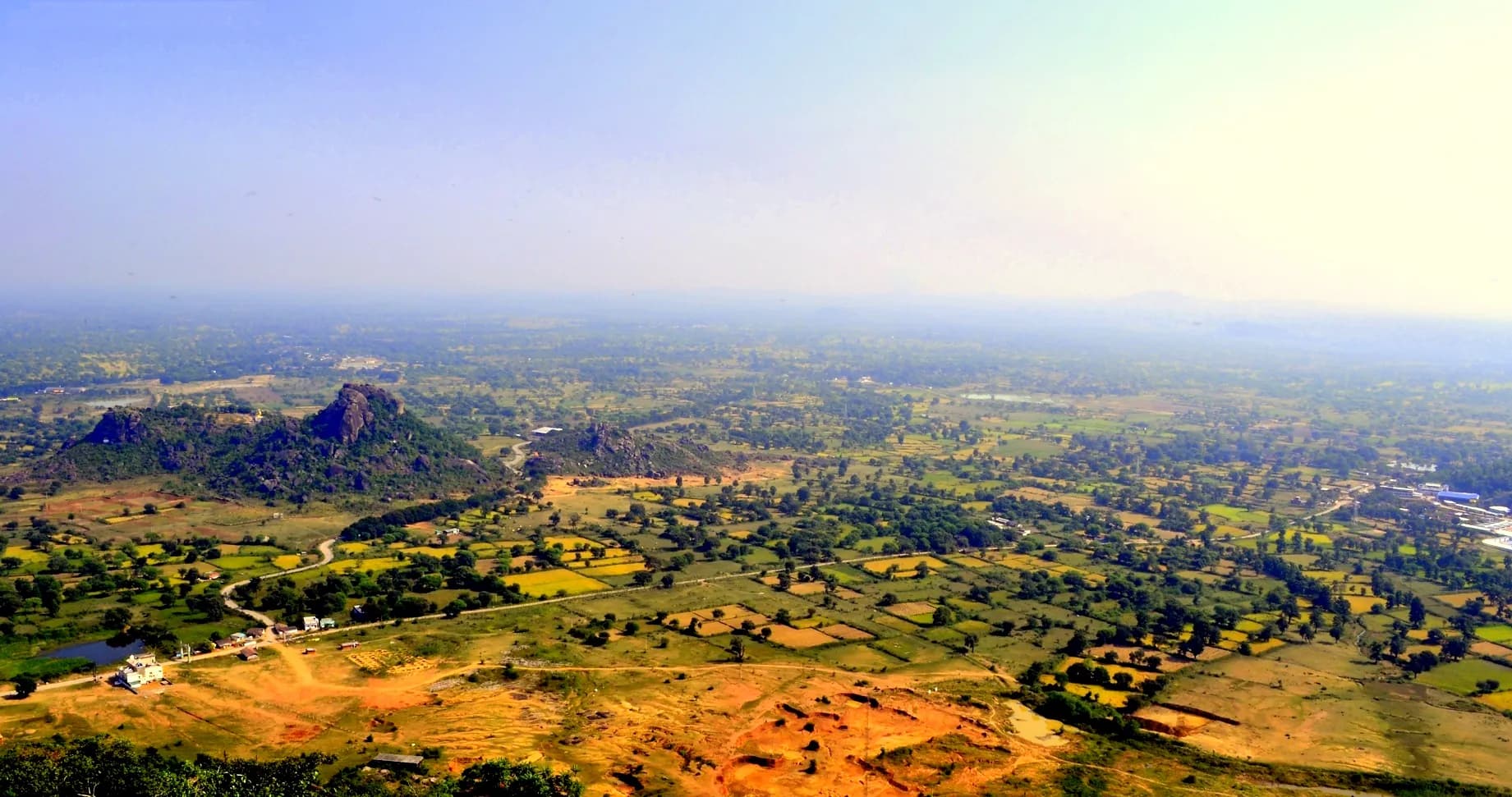
The cable car ascended, revealing Dongargarh, a verdant hill crowned by the sprawling complex of the Maa Bamleshwari Temple. From the valley floor, the temple seemed a distant, shimmering mirage, but as we climbed, its scale and grandeur became increasingly apparent. The air thrummed with anticipation, a palpable energy radiating from the devotees around me, their faces alight with devotion. This wasn't just a temple; it was a pilgrimage, a journey of faith etched onto the very landscape. Stepping off the cable car, I was immediately struck by the vibrant tapestry of activity. Vendors hawked garlands of marigolds and coconuts, their calls mingling with the rhythmic chanting of pilgrims and the clang of temple bells. The architecture, a blend of traditional Nagara style and regional influences, was captivating. The main temple, dedicated to Maa Bamleshwari, is a multi-tiered structure, its whitewashed walls adorned with intricate carvings of deities and mythical creatures. The shikhara, the towering spire that dominates the skyline, is a testament to the skill of the artisans who crafted it centuries ago. I noticed the subtle integration of the natural landscape into the temple complex. The rocky outcrops of the hill have been incorporated into the design, forming natural walls and platforms. This harmonious blend of the built and natural environment creates a unique atmosphere, a sense of sacredness that permeates the entire site. The panoramic views from the hilltop are breathtaking, stretching across the plains of Chhattisgarh, a patchwork of fields and forests. It's easy to see why this location was chosen as a place of worship, a point of connection between the earthly and the divine. Inside the main temple, the atmosphere was charged with devotion. The air was thick with the scent of incense, and the flickering lamps cast dancing shadows on the walls. Devotees offered prayers to the goddess, their faces etched with reverence. I observed the intricate details of the garbhagriha, the inner sanctum where the deity resides. The ornate carvings and the rich embellishments spoke of a deep artistic tradition, a legacy passed down through generations. Beyond the main temple, the complex houses several smaller shrines dedicated to various deities. Each shrine has its own distinct character, reflecting the diverse pantheon of Hindu gods and goddesses. I was particularly drawn to the shrine of Lord Shiva, its stark simplicity a contrast to the opulent grandeur of the main temple. The smooth, black lingam, the symbol of Shiva, radiated a sense of quiet power. As I explored the complex, I noticed the distinct Gujarati influence in some of the architectural elements. The intricate jali work, the delicate lattice screens carved from stone, reminded me of the ornate havelis of Ahmedabad and the stepwells of Patan. This cross-pollination of architectural styles, a testament to the historical connections between Gujarat and Chhattisgarh, added another layer of fascination to the site. My visit to the Maa Bamleshwari Temple was more than just a sightseeing trip; it was an immersive cultural experience. It was a journey into the heart of devotion, a glimpse into the rich tapestry of Indian spirituality. The architectural marvels of the temple, the vibrant energy of the pilgrims, and the breathtaking natural beauty of Dongargarh combined to create an unforgettable experience. As I descended the hill, the temple bells echoing in the distance, I carried with me a profound sense of peace and a renewed appreciation for the power of faith and the enduring legacy of Indian architecture.
The wind whipped my dupatta around me as I climbed the final steps to the Maa Tara Tarini temple, perched high on a hill overlooking the Rushikulya River. Having explored countless forts and palaces in Rajasthan, I’m always eager to experience new forms of heritage, and this Shakti Peetha in Odisha held a particular allure. The climb itself, though steep, was punctuated by the vibrant energy of devotees, their chants and the clang of bells creating a palpable buzz in the air. The temple complex is relatively small, a stark contrast to the sprawling citadels I’m accustomed to. Two brightly painted terracotta idols of the twin goddesses, Tara and Tarini, reside within the sanctum sanctorum. Unlike the elaborate marble carvings and sandstone latticework of Rajasthani architecture, the temple here embraces a simpler aesthetic. The main structure, while recently renovated, retains its traditional essence. The use of laterite stone and the distinctive sloping roof, reminiscent of the region's vernacular architecture, grounded the sacred space in its local context. What struck me most was the panoramic view from the hilltop. The Rushikulya River snaked its way through the verdant landscape below, glinting silver under the afternoon sun. The Bay of Bengal shimmered in the distance, a vast expanse of blue merging with the sky. This vantage point, I realized, was integral to the temple's significance. It felt as though the goddesses were watching over the land, their protective gaze extending to the horizon. I spent some time observing the rituals. Unlike the structured puja ceremonies I’ve witnessed in Rajasthan, the practices here felt more organic, driven by fervent devotion. Animal sacrifice, a practice largely absent in my home state, is still prevalent here, a stark reminder of the diverse tapestry of Indian religious traditions. While personally unsettling, it offered a glimpse into the deep-rooted beliefs and practices of the region. The temple walls are adorned with vibrant murals depicting scenes from Hindu mythology, particularly those related to the goddesses Tara and Tarini. The colours, though faded in places, still held a vibrancy that spoke to the enduring power of these narratives. I noticed that the artistic style differed significantly from the miniature paintings and frescoes I’ve seen in Rajasthan. The lines were bolder, the figures more stylized, reflecting a distinct regional artistic vocabulary. One of the priests, noticing my keen interest, explained the significance of the twin goddesses. They are considered manifestations of Shakti, the divine feminine energy, and are revered as protectors, particularly by seafarers and fishermen. He pointed out the numerous small terracotta horses offered by devotees, symbols of their wishes fulfilled. This resonated with me; the practice of offering votive objects is common across India, a tangible expression of faith and hope. As I descended the hill, the rhythmic chanting of the devotees still echoed in my ears. My visit to the Maa Tara Tarini temple was a departure from the grandeur of Rajasthan's palaces, yet it offered a different kind of richness. It was a journey into the heart of a vibrant, living tradition, a testament to the diverse expressions of faith that weave together the fabric of India. The simplicity of the architecture, the raw energy of the rituals, and the breathtaking natural setting combined to create a truly unique and unforgettable experience. It reinforced the understanding that heritage isn't just about magnificent structures, but also about the intangible cultural practices that give them meaning.
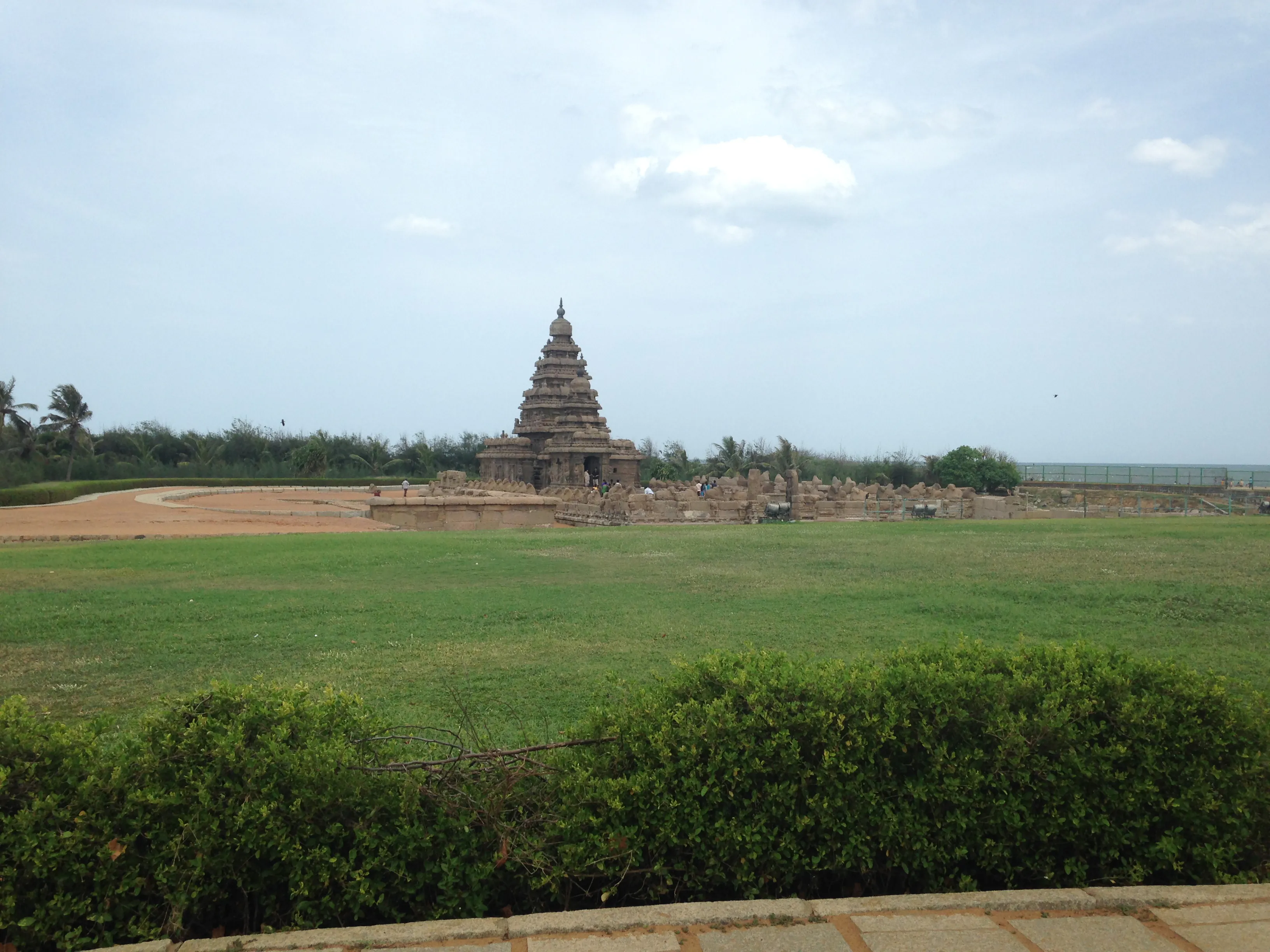
The air hung heavy with the scent of incense and damp earth as I stepped onto the grounds of the Mahabali Temple in Imphal. The temple, dedicated to the ancient pre-Vaishnavite deity Mahabali, exuded an aura of quiet power, a palpable sense of history clinging to its weathered stones. Unlike the ornate, towering structures I’m accustomed to photographing in Madhya Pradesh, this temple possessed a grounded, almost elemental presence. Its pyramidal roof, constructed of corrugated iron sheets now rusted with age, seemed an incongruous addition to the ancient brick foundation. This juxtaposition, however, spoke volumes about the temple's enduring journey through time, adapting and evolving while retaining its core spiritual significance. The temple's brickwork, the primary focus of my lens, was a marvel. The bricks, uneven in size and texture, were laid without mortar, a testament to the ingenuity of the ancient Meitei builders. Centuries of weathering had eroded some, leaving intriguing patterns and textures that caught the light in fascinating ways. I spent a considerable amount of time circling the structure, observing how the sunlight interacted with these imperfections, highlighting the subtle variations in the brick’s hues, from deep terracotta to a faded, almost pinkish orange. The lack of mortar allowed for a certain flexibility, a give-and-take with the elements that perhaps contributed to the temple's longevity. It felt as if the structure was breathing, subtly shifting and settling with the earth beneath it. A small, unassuming entrance led into the inner sanctum. The interior was dimly lit, the air thick with the scent of offerings and the murmur of prayers. Photography wasn't permitted inside, which, in a way, amplified the sacredness of the space. It forced me to engage with the temple on a different level, to absorb the atmosphere, the energy, and the palpable devotion of the worshippers. I sat quietly for a while, observing the flickering oil lamps and listening to the rhythmic chanting, letting the weight of history and tradition settle upon me. Outside, the temple grounds were a hive of activity. Devotees moved with a quiet reverence, offering flowers, fruits, and incense at the base of the structure. I noticed several small shrines scattered around the main temple, each dedicated to a different deity, creating a complex tapestry of spiritual beliefs. This intermingling of faiths, the layering of traditions, is something I find particularly captivating about the Northeast. It speaks to a cultural fluidity, an acceptance of diverse spiritual paths that is both refreshing and inspiring. As I photographed the devotees, I was struck by the vibrant colours of their traditional attire, a stark contrast to the muted tones of the temple itself. The women, draped in intricately woven phanek (sarongs) and innaphi (shawls), moved with grace and dignity, their presence adding another layer of richness to the scene. I made a conscious effort to capture these moments respectfully, aiming to convey the spirit of devotion without intruding on the sanctity of their rituals. The Mahabali Temple is more than just an architectural marvel; it's a living testament to the enduring power of faith and tradition. It’s a place where the past and present intertwine, where ancient rituals are performed alongside modern-day life. My time at the temple was a humbling experience, a reminder of the deep spiritual connections that bind communities together and the importance of preserving these cultural treasures for generations to come. The photographs I captured, I hope, will serve as a visual echo of this experience, conveying not just the physical beauty of the temple, but also the intangible spirit that resides within its ancient walls.
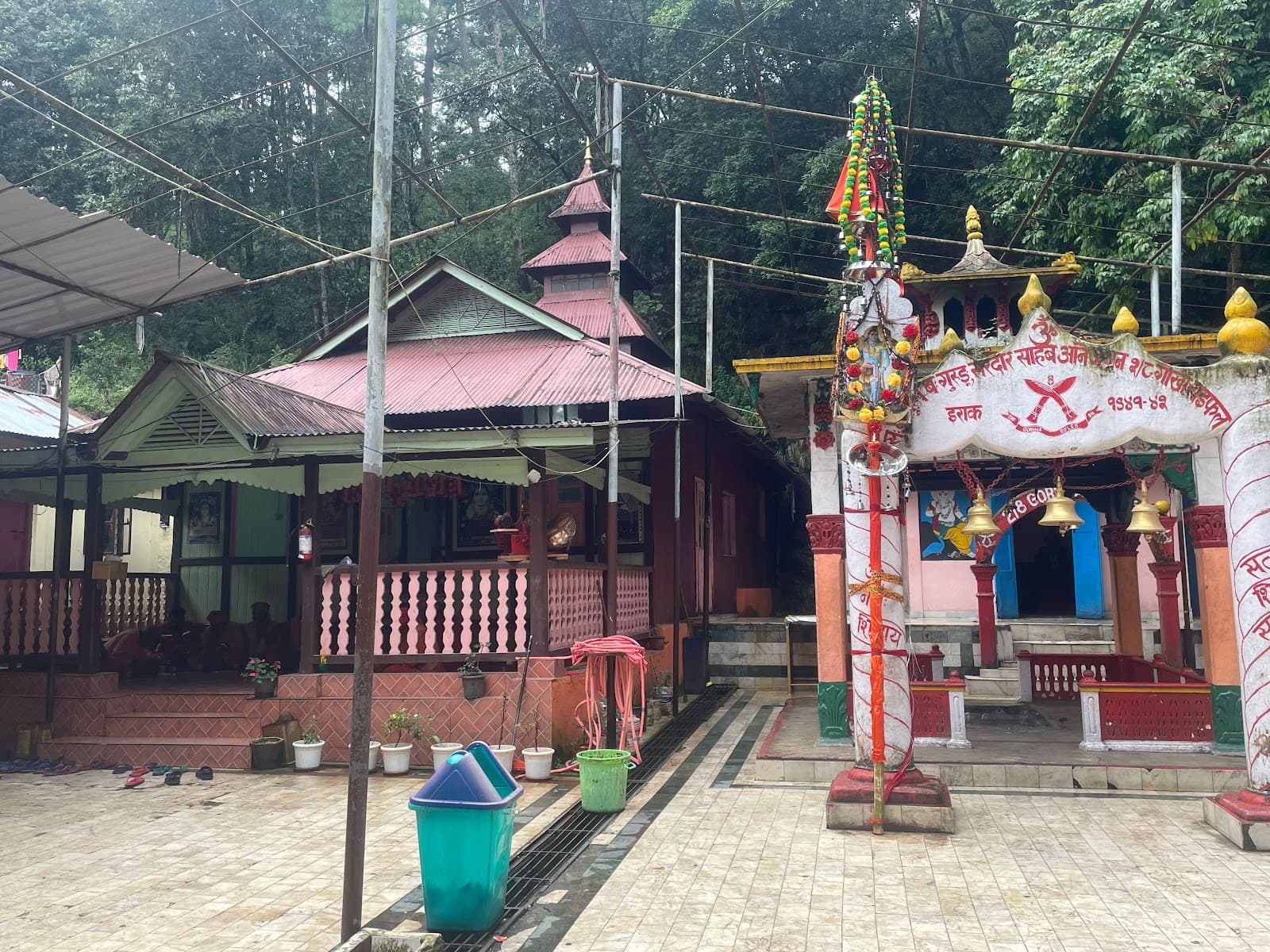
The air, thick with the scent of pine and damp earth, vibrated with a low hum as I descended the steep steps leading to Mahadev Khola Dham. Nestled in a verdant gorge just outside Shillong, this temple dedicated to Lord Shiva felt worlds away from the bustling city. Sunlight, filtered through the dense canopy, dappled the moss-covered stones, creating an ethereal atmosphere. This wasn't just a temple; it was a sanctuary woven into the very fabric of the landscape. My initial impression was one of awe at the sheer scale of the natural amphitheater surrounding the temple. Towering cliffs, draped in emerald green vegetation, embraced the site, creating a sense of intimacy and seclusion. A small stream, the namesake 'Khola,' gurgled its way through the gorge, its music adding to the symphony of the forest. The temple itself, while not imposing in size, possessed a quiet dignity. Built from locally sourced stone, its architecture blended seamlessly with the natural surroundings. The shikhara, unlike the towering structures of North Indian temples, was relatively modest, almost merging with the rocky backdrop. As I approached the main shrine, I noticed intricate carvings adorning the stone façade. While weathered by time and the elements, these depictions of deities and mythological scenes spoke volumes about the craftsmanship of the artisans who built this sacred space. The carvings, though distinctly Hindu in their iconography, also seemed to incorporate elements of local Khasi symbolism, a testament to the syncretic nature of faith in this region. A Nandi statue, typically found guarding Shiva temples, was present, but its form seemed subtly different, perhaps reflecting a local interpretation of the divine bull. Inside the garbhagriha, the sanctum sanctorum, the atmosphere was charged with a palpable sense of devotion. The lingam, the symbolic representation of Lord Shiva, was bathed in the soft glow of oil lamps, casting flickering shadows on the damp walls. The air was heavy with the fragrance of incense and the murmur of prayers. Devotees, a mix of locals and tourists, offered flowers and whispered their supplications, their faces reflecting a quiet reverence. What struck me most about Mahadev Khola Dham was the harmonious coexistence of nature and spirituality. The temple wasn't merely built *in* the landscape; it felt like an integral *part* of it. The natural elements – the flowing water, the towering trees, the whispering wind – were not just backdrop but active participants in the sacred narrative of the place. This was a stark contrast to many urban temples I’ve documented, where the sacred space often feels divorced from the surrounding environment. Climbing back up the steps, I paused to take one last look at the temple nestled in its verdant embrace. The experience transcended mere documentation; it was a visceral encounter with a place where faith and nature intertwined. Mahadev Khola Dham wasn't just a temple; it was a testament to the human capacity to find the sacred in the heart of the natural world. It was a reminder that sometimes, the most profound expressions of spirituality are found not in grand structures, but in the quiet whispers of a stream, the rustling of leaves, and the stillness of ancient stones. This was a story my lens was privileged to capture, a story etched not just in stone, but in the very soul of Meghalaya.
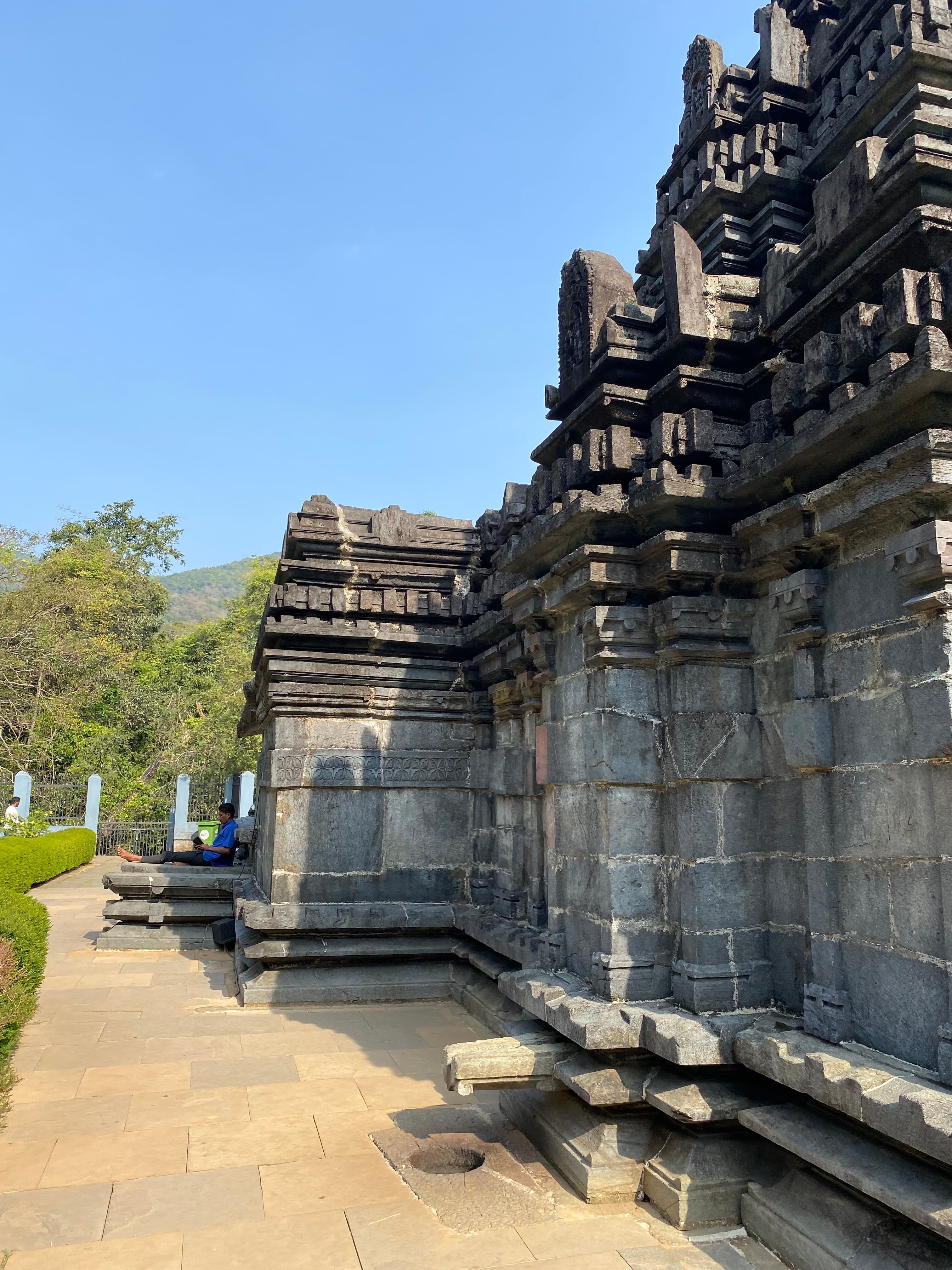
The humid Goan air hung heavy, a stark contrast to the dry Deccan plateau I was accustomed to. Yet, nestled deep within Bhagwan Mahaveer Sanctuary, a slice of Maharashtra's architectural heritage stubbornly clung to its roots. The Mahadeva Temple at Tambdi Surla, though geographically in Goa, whispers tales of the Yadava dynasty, a powerful force that once ruled my home state. Carved from basalt, this 12th-century marvel stands as a testament to their enduring legacy and the skill of their artisans. The approach itself was an adventure. A bumpy, unpaved road led through dense jungle, the air thick with the calls of unseen creatures. The temple, finally emerging from the emerald embrace, felt like a hidden treasure, a secret whispered by the rustling leaves. The Kadamba architecture, so familiar from my explorations of the Yadava temples back in Maharashtra, was immediately recognizable. The shikhara, though slightly eroded by time and the elements, still retained its elegant proportions, a beacon of intricate craftsmanship amidst the untamed wilderness. Stepping inside the dimly lit garbhagriha, I was struck by the palpable sense of history. The black basalt walls, cool to the touch, seemed to absorb and radiate the centuries of devotion that had unfolded within these sacred confines. The linga, the central object of worship, stood proudly, bathed in the soft light filtering through the doorway. Unlike many temples I've visited, this one felt remarkably untouched, almost pristine. The absence of the usual bustling crowds and commercial activity added to the aura of tranquility, allowing for a deeper connection with the space and its history. The intricate carvings adorning the outer walls captivated me. While some panels depicted scenes from the epics, others showcased intricate geometric patterns, a hallmark of the Yadava style. I noticed the distinct absence of figurative sculptures of deities on the outer walls, a feature that sets it apart from many other temples of the period. The Nandi pavilion, though partially ruined, still hinted at its former grandeur. The weathered stone spoke volumes about the temple's resilience, its ability to withstand the relentless march of time and the vagaries of nature. One of the most striking features of the Tambdi Surla temple is its location. Tucked away in this remote valley, it survived the iconoclastic zeal that destroyed many other temples in the region. Its isolation, ironically, became its savior. As I explored the surrounding area, I discovered a small stream gurgling nearby, its waters adding to the sense of serenity. It's easy to see why this spot was chosen – a place of natural beauty, conducive to contemplation and spiritual practice. My exploration of the Mahadeva Temple at Tambdi Surla was more than just a visit; it was a pilgrimage of sorts. It was a powerful reminder of the interconnectedness of history, architecture, and nature. Standing there, amidst the whispering trees and the ancient stones, I felt a deep connection to the artisans who had poured their heart and soul into creating this masterpiece. It reinforced my belief that these ancient structures are not just relics of the past, but living testaments to human ingenuity and devotion, waiting to share their stories with those who take the time to listen. And as a chronicler of Maharashtra's heritage, I felt a profound sense of gratitude for having witnessed this hidden gem, a piece of my home state's history thriving in the heart of Goa.
Related Collections
Discover more heritage sites with these related collections
Explore More Heritage
Explore our comprehensive archive of 260 north indian temple style historic city with detailed documentation, 3D models, floor plans, and historical research. Each site page includes visitor information, conservation status, architectural analysis, and downloadable resources for students, researchers, and heritage enthusiasts.
Historical Context
The historical significance of these 260 north indian temple style historic city reflects the profound integration of dharma, artha, and kama in Hindu civilization. Across successive eras, royal patrons and spiritual leaders commissioned these sacred edifices as acts of devotion, fulfilling dharmic obligations while creating eternal spaces for worship and community gathering. Various dynasties contributed unique architectural visions, establishing traditions that honored Vedic principles while incorporating regional characteristics. Master builders (sthapatis) applied knowledge from ancient shilpa shastras (architectural treatises) and vastu shastra (spatial science), creating structures embodying cosmic principles and sacred geometry. Epigraphic inscriptions and archaeological evidence reveal sophisticated networks of guilds, royal support, and community participation sustaining these massive undertakings across decades or centuries. These monuments served as centers of Vedic learning, Sanskrit scholarship, classical arts, and spiritual practice—roles many continue fulfilling today, maintaining unbroken traditions that connect contemporary Bharat to its glorious civilizational heritage.
Architectural Significance
The architectural magnificence of these 260 north indian temple style historic city demonstrates the sophisticated application of shilpa shastra principles to create spaces embodying cosmic order and divine presence. Regional traditions employ diverse approaches to sacred architecture, each expressing universal principles through local idioms. Employing indigenous materials—locally sourced stone, traditional lime mortars, and time-honored construction techniques—sthapatis created structures demonstrating advanced engineering knowledge. The corbelling techniques display extraordinary precision, achieving structural stability through geometric principles. Dome construction methodologies demonstrate sophisticated understanding of load distribution and compression forces, centuries before modern engineering formalized such knowledge. Beyond structural excellence, these monuments serve as three-dimensional textbooks of Puranic narratives, Vedic cosmology, and iconographic traditions. Sculptural programs transform stone into divine forms, teaching dharma through narrative reliefs and creating sacred atmospheres conducive to devotion and contemplation. Recent photogrammetric documentation and 3D laser scanning reveal original polychromy, construction sequences, and historical conservation interventions, enriching our understanding of traditional building practices and material technologies that sustained these magnificent creations.
Conservation & Preservation
Preserving these 260 sacred north indian temple style historic city represents our collective responsibility to safeguard India's architectural and spiritual heritage for future generations. 20 benefit from Archaeological Survey of India protection, ensuring systematic conservation approaches. Conservation challenges include environmental degradation, biological colonization, structural deterioration, and pressures from increased visitation. Professional conservators address these through scientifically-grounded interventions: structural stabilization using compatible traditional materials, surface cleaning employing non-invasive techniques, vegetation management, and drainage improvements. Advanced documentation technologies—laser scanning, photogrammetry, ground-penetrating radar—create detailed baseline records enabling precise condition monitoring and informed conservation planning. When restoration becomes necessary, traditional building techniques and materials sourced from historical quarries ensure authenticity and compatibility. This comprehensive approach honors the devotion and craftsmanship of original builders while applying contemporary conservation science to ensure these monuments endure, continuing their roles as centers of worship, cultural identity, and civilizational pride.
Visitor Information
Experiencing these 260 sacred north indian temple style historic city offers profound connection to India's spiritual and architectural heritage. India offers well-developed infrastructure including auto-rickshaw, Indian Railways, state buses, facilitating travel between heritage sites. The optimal visiting period extends October through March when comfortable conditions facilitate exploration. Entry fees typically range from ₹25-₹40 at protected monuments. Photography for personal use is generally permitted, though professional equipment may require advance permissions. 2 sites offer immersive virtual tours for preliminary exploration or remote access. Visiting these sacred spaces requires cultural sensitivity: modest attire covering shoulders and knees, shoe removal in temple sanctums, quiet respectful demeanor, and recognition that these remain active worship centers where devotees practice centuries-old traditions. Meaningful engagement comes through understanding basic Hindu iconography, mythological narratives, and ritual contexts that bring these monuments to life.
Key Facts & Statistics
Total documented heritage sites: 260
UNESCO World Heritage Sites: 7
Source: UNESCO World Heritage Centre
Archaeological Survey of India protected monuments: 20
Source: Archaeological Survey of India
Sites with 3D laser scan documentation: 2
Sites with 360° virtual tours: 2
Temple: 245 sites
Historic City: 15 sites
Pahari architecture style, Nagara architecture style, Shikhara architecture style, Hindu Temple architecture style architectural style: 3 sites
Kerala architecture style, Dravidian architecture style, Kalinga architecture style, Hindu Temple architecture style architectural style: 2 sites
Kerala architecture style, Dravidian architecture style, Koothambalam architecture style, Traditional Hindu Temple architecture style architectural style: 2 sites
Sikh architecture style, Indo-Islamic architecture style, Mughal architecture style, Rajput architecture style architectural style: 2 sites
Indo-Saracenic Revival architecture style, Nagara architecture style, Rajput architecture style, Mughal architecture style architectural style: 2 sites
Ahom Period period construction: 33 sites
Bengal Renaissance Period period construction: 29 sites
Rajput Period period construction: 20 sites
Maratha Period period construction: 19 sites
Vijayanagara Period period construction: 16 sites
Average documentation completion score: 79%
Featured flagship heritage sites: 260
Comprehensive digital archiving preserves heritage for future generations
Frequently Asked Questions
How many north indian temple style historic city are documented in India?
This collection includes 260 documented north indian temple style historic city across India. Of these, 7 are UNESCO World Heritage Sites. 20 sites are centrally protected by Archaeological Survey of India. Each site has comprehensive documentation including photos, floor plans, and historical research.
What is the best time to visit north indian temple style historic city in India?
October through March is ideal for visiting north indian temple style historic city in India. Major festivals also offer unique cultural experiences. Check individual site pages for specific visiting hours and seasonal closures.
What are the entry fees for north indian temple style historic city?
Protected monuments typically charge ₹25-₹40. State-protected sites often have lower or no entry fees. Many temples and religious sites are free. Children often enter free. Still photography is usually included; video may require additional permits.
Are photography and videography allowed at heritage sites?
Still photography for personal use is generally permitted at most heritage sites. Tripods, flash photography, and commercial filming usually require special permissions. Some sites restrict photography of murals, sculptures, or sanctums. Drones are prohibited without explicit authorization. Always respect signage and guidelines at individual monuments.
Are these heritage sites wheelchair accessible?
Accessibility varies significantly. Major UNESCO sites and recently renovated monuments often have ramps and accessible facilities. However, many historical structures have steps, uneven surfaces, and narrow passages. Contact site authorities in advance for specific accessibility information. Our site pages indicate known accessibility features where available.
Are guided tours available at north indian temple style historic city?
Licensed guides are available at most major heritage sites, typically charging ₹200-₹500 for 1-2 hour tours. ASI-approved guides provide historical and architectural insights. Audio guides are available at select UNESCO sites. Our platform offers virtual tours and detailed documentation for 2 sites.
What is the conservation status of these north indian temple style historic city?
20 sites are legally protected by ASI. Active conservation includes structural stabilization, surface cleaning, vegetation control, and drainage management. Digital documentation helps monitor deterioration. 2 sites have 3D scan records for evidence-based interventions.
What documentation is available for these heritage sites?
Each site includes high-resolution photography, architectural measurements, historical research, and expert annotations. 2 sites have 3D laser scans. 2 offer virtual tours. Documentation averages 79% completion.
How much time should I allocate for visiting?
Plan 2-3 hours for major monuments to appreciate architectural details and explore grounds. Smaller sites may require 30-60 minutes. Multi-site itineraries should allocate travel time. Early morning or late afternoon visits offer better lighting for photography and fewer crowds. Check individual site pages for recommended visiting durations.
What is the cultural significance of these north indian temple style historic city?
These monuments represent India's diverse cultural heritage, reflecting centuries of architectural innovation, religious traditions, and artistic excellence. They serve as living links to historical societies, preserving knowledge about construction techniques, social structures, and cultural values. Many sites remain active centers of worship and community gathering.
How can I practice responsible heritage tourism?
Respect site rules including photography restrictions and designated pathways. Don't touch sculptures, murals, or walls. Dispose waste properly. Hire local guides to support communities. Avoid visiting during restoration work. Learn about cultural contexts before visiting. Report damage to authorities. Your responsible behavior helps preserve heritage for future generations.
References & Sources
This collection documents 260 north indian temple style historic city throughout India, representing profound expressions of Hindu civilization's architectural and spiritual heritage. Each site reflects distinct regional traditions, with some maintaining unbroken traditions spanning millennia. Our comprehensive documentation, developed in collaboration with Archaeological Survey of India archaeologists, conservation specialists, and scholarly institutions, preserves not merely physical structures but the sacred geometry, cosmological symbolism, and ritual spaces central to Dharmic worship. 7 hold UNESCO World Heritage recognition, acknowledging their universal significance to human civilization. Through royal patronage and community devotion, these structures embody the timeless principles of Hindu cultural heritage, connecting contemporary devotees to ancient traditions through stone, sculpture, and sacred spaces that continue to inspire reverence and wonder.
- 1Diverse architectural styles from various periods
- 2Intricate craftsmanship and artistic excellence
- 3Historical and cultural significance
- 4Well-documented heritage value
- 5Protected under heritage conservation acts
- 6Tourist and educational significance
| 📍Rajasthan | 12 sites |
| 📍Madhya Pradesh | 12 sites |
| 📍Tamil Nadu | 12 sites |
| 📍Kerala | 11 sites |
| 📍Jharkhand | 11 sites |
| 📍Gujarat | 11 sites |
| 📍Karnataka | 10 sites |
| 📍Assam | 10 sites |
| 📍Haryana | 10 sites |
| 📍Andhra Pradesh | 10 sites |