Nagara Style Architecture in India
This curated collection presents 278 architecturally significant heritage sites across India, each offering authentic experiences of Hindu cultural and spiritual heritage. These monuments exemplify the Nagara Style Architecture architectural tradition, these sites spanning multiple historical periods continue serving as active centers of worship and cultural transmission. 6 hold UNESCO World Heritage designation, recognizing exceptional universal value. Our comprehensive documentation provides detailed visitor information, architectural insights, and cultural context, enabling meaningful engagement with India's living heritage traditions while respecting the sacred nature of these spaces.
278 Sites Found
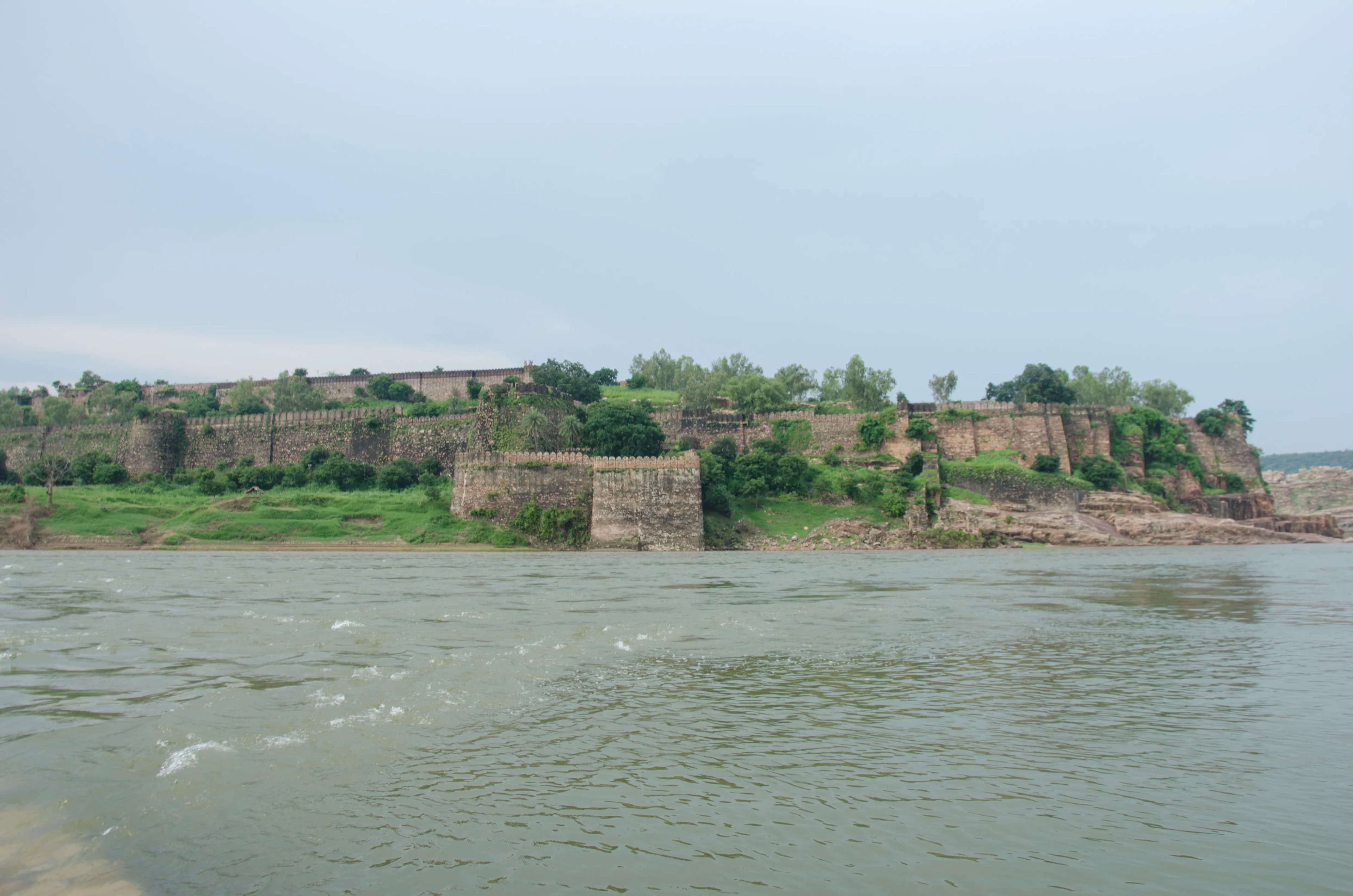
The imposing silhouette of Gagron Fort, rising from the confluence of the Ahu and Kali Sindh rivers, was a sight that resonated with a power far beyond its physical scale. Having spent years immersed in the Dravidian architecture of South India, I arrived at this Rajput fortress with a keen eye for comparison and a thirst to understand a different architectural idiom. The stark contrast between the granite behemoths of my homeland and this sandstone sentinel was immediately apparent, yet the underlying principles of fortification and strategic placement felt strangely familiar. Gagron, a UNESCO World Heritage Site, is one of the few hill and water forts in Rajasthan. The unique 'jal durg' classification, meaning water fort, is immediately justified by its position. Unlike the moat-encircled forts I’m accustomed to seeing in the South, Gagron is virtually embraced by the rivers on three sides, creating a natural, formidable barrier. This inherent strength is further enhanced by massive sandstone walls that rise directly from the water, their warm hues glowing in the afternoon sun. Entering through the imposing Nahar Pol gate, I was struck by the intricate carvings adorning the archway. While less ornate than the Gopurams of South Indian temples, the detailed depictions of deities and floral motifs spoke volumes about the Rajput patronage of the arts. The fort's layout, a labyrinthine network of narrow lanes, palaces, temples, and reservoirs, unfolded before me like a medieval urban plan. The steep inclines and strategically placed gates clearly demonstrated a focus on defense, reminding me of the intricate fortifications of Gingee Fort back home. The architecture within the fort displayed a fascinating blend of Rajput military architecture and subtle Mughal influences. The Kirttistambh, a victory tower, stood tall, its intricate carvings a testament to Rajput craftsmanship. It reminded me of the Vijayanagara period pillars, though the stylistic differences were pronounced. The Rani Mahal palace, overlooking the confluence of the rivers, offered breathtaking views and a glimpse into the lives of the royalty who once inhabited this fortress. The delicate jali work, allowing for ventilation and veiled views, was a feature I found echoed in many South Indian palaces, though the geometric patterns here were distinctly Rajasthani. One of the most striking features of Gagron Fort is its water management system. The numerous baoris, or stepwells, within the fort complex are marvels of engineering. These deep, multi-storied structures, designed to collect and store rainwater, showcase an understanding of water conservation that was crucial in this arid region. The sophistication of these systems resonated deeply with me, having witnessed similar ingenuity in the ancient tank irrigation systems of Tamil Nadu. Exploring the fort, I came across several temples dedicated to various Hindu deities. The architecture of these temples, while smaller in scale, bore the hallmarks of Rajput temple design, with their shikharas and mandapas. The coexistence of these religious structures within the fort highlighted the integral role of faith in the lives of the Rajput rulers. This integration of secular and religious architecture is a feature I've often observed in South Indian temple complexes as well. My visit to Gagron Fort was more than just a sightseeing trip; it was a cross-cultural architectural dialogue. It was a testament to the ingenuity and artistry of two distinct yet interconnected building traditions. While the materials, styles, and ornamentation differed significantly, the underlying principles of fortification, water management, and the integration of faith into architecture resonated deeply with my understanding of South Indian heritage. Gagron Fort stands not just as a monument to Rajput valor, but as a powerful reminder of the shared architectural heritage of India.
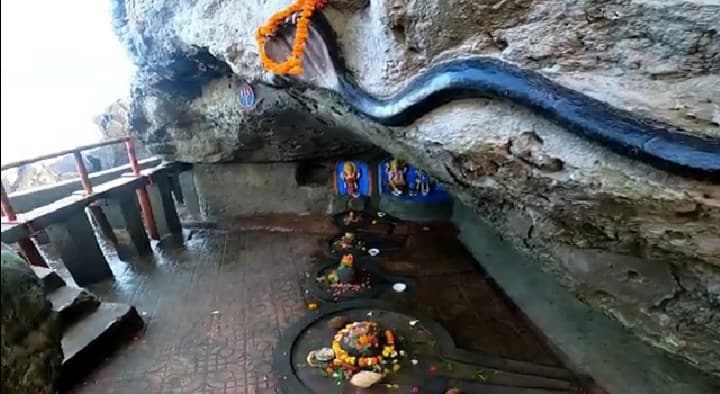
The roar of the Arabian Sea was a constant, rhythmic backdrop to the serenity I found at the Gangeshwar Mahadev Temple. Tucked away near the fishing village of Fudam in Diu, this cluster of five ancient Shiva shrines isn't your typical grand temple complex. Carved directly into a cliff face overlooking the churning ocean, they feel intrinsically linked to the raw power of nature. Having explored countless temples across North India, from the towering peaks of the Himalayas to the plains of the Gangetic belt, I can confidently say this one holds a unique charm. The path down to the temples is a gentle descent, winding through weathered rocks smoothed by centuries of sea spray and wind. As I approached, the first thing that struck me was the seamless integration of the shrines with the natural landscape. It's as if the rock itself had yielded to the devotion of the artisans, revealing the deities within. Each of the five shrines is dedicated to Lord Shiva, represented by intricately carved Shiva lingams housed within these rock-cut chambers. Unlike the polished marble and ornate carvings I've seen in many North Indian temples, these lingams are more rugged, almost primal in their presentation. They are perpetually bathed in the cool, salty spray of the ocean waves that crash against the rocks just meters away, creating a truly mesmerizing spectacle. The architecture is simple yet striking. The shrines are not enclosed by elaborate structures, but rather open to the elements, protected only by the overhanging cliff face. This minimalist approach allows the natural beauty of the location to take center stage. The rock face itself forms the walls and ceiling of each shrine, and the constant interplay of light and shadow adds a dramatic dimension to the experience. I noticed intricate carvings adorning the entrances to some of the shrines, depicting various deities and mythological figures. While weathered by time and the elements, these carvings still bear testament to the skill and devotion of the artisans who created them centuries ago. The air at Gangeshwar Mahadev is thick with the scent of the sea and the murmur of prayers. Local fishermen, their faces etched with the wisdom of the ocean, often stop by to offer their respects before heading out to sea. This tangible connection between the temple and the local community is something I find deeply moving. It's a reminder that these sacred spaces are not just relics of the past, but living, breathing entities that continue to play a vital role in the lives of the people. I spent hours exploring the nooks and crannies of the temple complex, captivated by the interplay of nature and spirituality. The rhythmic crashing of the waves against the rocks, the salty breeze on my face, and the hushed reverence of the devotees created an atmosphere unlike any I've experienced before. I sat for a while, simply observing the waves and contemplating the enduring power of faith. One particular detail that caught my eye was the presence of small, naturally formed pools of seawater within the rock formations near the shrines. Locals believe that these pools hold sacred water and often use it for ritual cleansing. This intimate connection with the natural elements further reinforces the unique character of this temple. As the sun began to set, casting a warm golden glow over the Arabian Sea, I reluctantly made my way back up the path, leaving the roar of the ocean and the serenity of Gangeshwar Mahadev behind. The experience was more than just a visit to a temple; it was a profound encounter with the raw power of nature and the enduring spirit of devotion. It’s a testament to the fact that sometimes, the most powerful spiritual experiences are found not in grand structures, but in the quiet embrace of nature itself. This is a place I will undoubtedly revisit, drawn back by the unique blend of natural beauty and spiritual significance that sets it apart from any other temple I've encountered in my travels across North India.
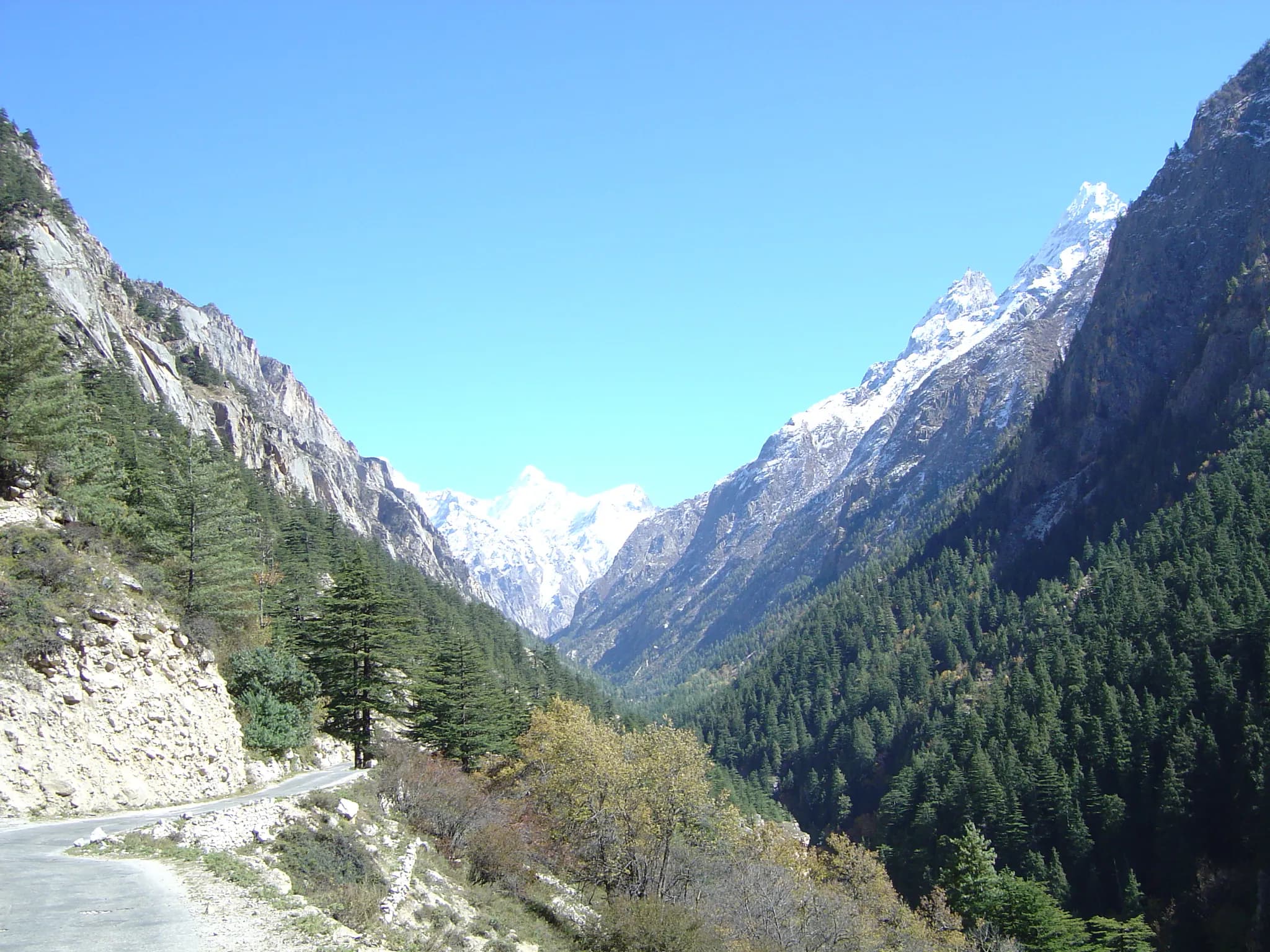
The glacial chill of the Bhagirathi River, roaring just a few meters away, seemed to permeate the very stones of the Gangotri Temple. Standing before this pristine white structure, nestled amidst the towering Himalayas, I felt a palpable shift from the Dravidian temple architecture I'm so accustomed to in Chennai. Here, the simplicity and almost austere elegance of the Gangotri Temple spoke a different architectural language, a testament to the resilience of faith in this harsh, yet breathtaking landscape. Built in the 18th century by the Gorkha General Amar Singh Thapa, the temple lacks the elaborate ornamentation and towering gopurams that characterize South Indian temples. Its two-story structure, constructed primarily of granite, is relatively small in scale, yet its presence is magnified by the sheer grandeur of its surroundings. The sloping roof, clad in sheets of copper, is a distinct feature, a practical adaptation to the heavy snowfall this region experiences. This contrasts sharply with the granite and sandstone vimanas of the south, designed to withstand torrential monsoons. Entering the sanctum sanctorum, I was struck by the reverence that permeated the air. The deity, Goddess Ganga, is depicted in a silver palanquin, a stark departure from the intricately carved stone idols I'm familiar with. The simplicity of the iconography, however, seemed to amplify the spiritual energy within the temple. The lack of elaborate carvings within the sanctum allowed the focus to remain solely on the goddess, fostering a sense of direct connection with the divine. Stepping back outside, I began to appreciate the subtle nuances of the temple's design. The lack of extensive sculptural programs, common in Dravidian architecture, allows the natural beauty of the surrounding landscape to become an integral part of the temple experience. The snow-capped peaks, the roaring river, and the crisp mountain air all contribute to a sense of awe and reverence. This integration of the natural world with the built environment is a hallmark of Himalayan temple architecture, a stark contrast to the often self-contained temple complexes of the south. I observed a few pilgrims performing parikrama around the temple. The circumambulatory path, unlike the wide prakarams of Southern temples, was a simple, paved walkway. This again highlighted the emphasis on functionality and adaptation to the environment. The temple's design prioritizes accessibility and practicality, reflecting the challenging terrain and weather conditions. The use of granite for the temple's construction is also noteworthy. While granite is used in South Indian temples, particularly for the base and pillars, the extensive use of this material at Gangotri speaks to its local availability and durability in this mountainous region. The gleaming white granite, set against the backdrop of the grey mountains and the turquoise river, creates a visually stunning contrast. One aspect that particularly intrigued me was the absence of a dedicated mandapam or pillared hall, a ubiquitous feature in South Indian temples. This absence, I believe, stems from the climatic conditions. A large open hall would be impractical in a region that experiences heavy snowfall. The temple's design, therefore, prioritizes enclosed spaces for warmth and protection from the elements. My visit to the Gangotri Temple was a profound experience, offering a fresh perspective on sacred architecture. It underscored the fact that architectural styles are not merely aesthetic choices but are deeply intertwined with the environment, the local culture, and the practical needs of the community. While the Dravidian temples of my homeland celebrate ornamentation and intricate detail, the Gangotri Temple, in its elegant simplicity, embodies a different kind of beauty, a beauty born of resilience, adaptation, and a deep reverence for the natural world. It stands as a testament to the enduring power of faith, expressed through architecture that harmonizes with its surroundings, creating a sacred space that resonates with the very soul of the Himalayas.

The imposing red sandstone walls of Gobindgarh Fort rose before me, a stark contrast to the bustling, vibrant city of Amritsar that lay just beyond its gates. Having explored numerous Mughal and Rajput forts across Uttar Pradesh, I was eager to experience this Sikh stronghold, a testament to a different era and a distinct architectural style. The sheer scale of the fort, spread across 43 acres, was immediately impressive. It felt less like a single structure and more like a fortified city, a self-contained world within Amritsar. Entering through the Nalwa Gate, named after the legendary Sikh general Hari Singh Nalwa, I was struck by the blend of robustness and elegance. The fortifications, clearly designed with defense in mind, were not devoid of aesthetic considerations. The arched gateway, the intricate carvings around the wooden doors, and the strategically placed bastions all spoke of a meticulous approach to construction. Unlike the ornate embellishments I've seen in Rajasthani forts, Gobindgarh displayed a more restrained grandeur. The focus here seemed to be on strength and functionality, reflecting the martial ethos of the Sikh empire. The Toshakhana, the royal treasury, was my next stop. The sheer thickness of its walls, almost 12 feet in some places, underscored its importance. Inside, the cool air and dimly lit interiors created an atmosphere of hushed reverence. Imagining the wealth that once filled these vaults, from gold coins to precious jewels, gave me a tangible connection to the fort's opulent past. The displays of ancient weaponry, including swords, shields, and even a replica of the legendary Zamzama cannon (the original resides in Lahore), further emphasized the fort's military significance. Walking along the ramparts, I could see the city of Amritsar spread out like a tapestry below. The Golden Temple, gleaming in the distance, served as a poignant reminder of the spiritual heart of Sikhism, so closely intertwined with the fort's history. It was from this very fort that Maharaja Ranjit Singh, the Lion of Punjab, ruled his vast empire. Standing there, I could almost feel the weight of history, the echoes of marching soldiers and the whispers of courtly intrigues. The Darbar Hall, the seat of Maharaja Ranjit Singh's court, was particularly captivating. While the original structure was destroyed during the British occupation, the restored hall attempts to recapture its former glory. The ornate chandeliers, the vibrant frescoes depicting scenes from Sikh history, and the imposing throne all contribute to a sense of regal splendor. However, I couldn't help but feel a tinge of sadness, knowing that this was a recreation, a pale imitation of the original. One of the most engaging aspects of Gobindgarh Fort is its use of technology to bring history to life. The 7D show, projected onto a water screen, vividly portrays the story of the Koh-i-Noor diamond and its connection to the fort. While some might consider it a bit theatrical, I found it to be an effective way to engage visitors, especially younger generations, with the fort's rich past. The Whispering Walls light and sound show, projected onto the fort walls after sunset, is another example of this innovative approach. As I left the fort, passing once again through the Nalwa Gate, I felt a sense of awe and respect for the legacy of Maharaja Ranjit Singh and the Sikh empire. Gobindgarh Fort is not just a collection of buildings; it is a living testament to a vibrant culture, a symbol of resilience and a powerful reminder of a bygone era. It stands as a proud sentinel, guarding the memories of a glorious past while embracing the promise of a dynamic future. It offers a unique perspective, distinct from the Mughal grandeur I'm accustomed to in Uttar Pradesh, and provides valuable insights into the architectural and cultural landscape of Punjab.
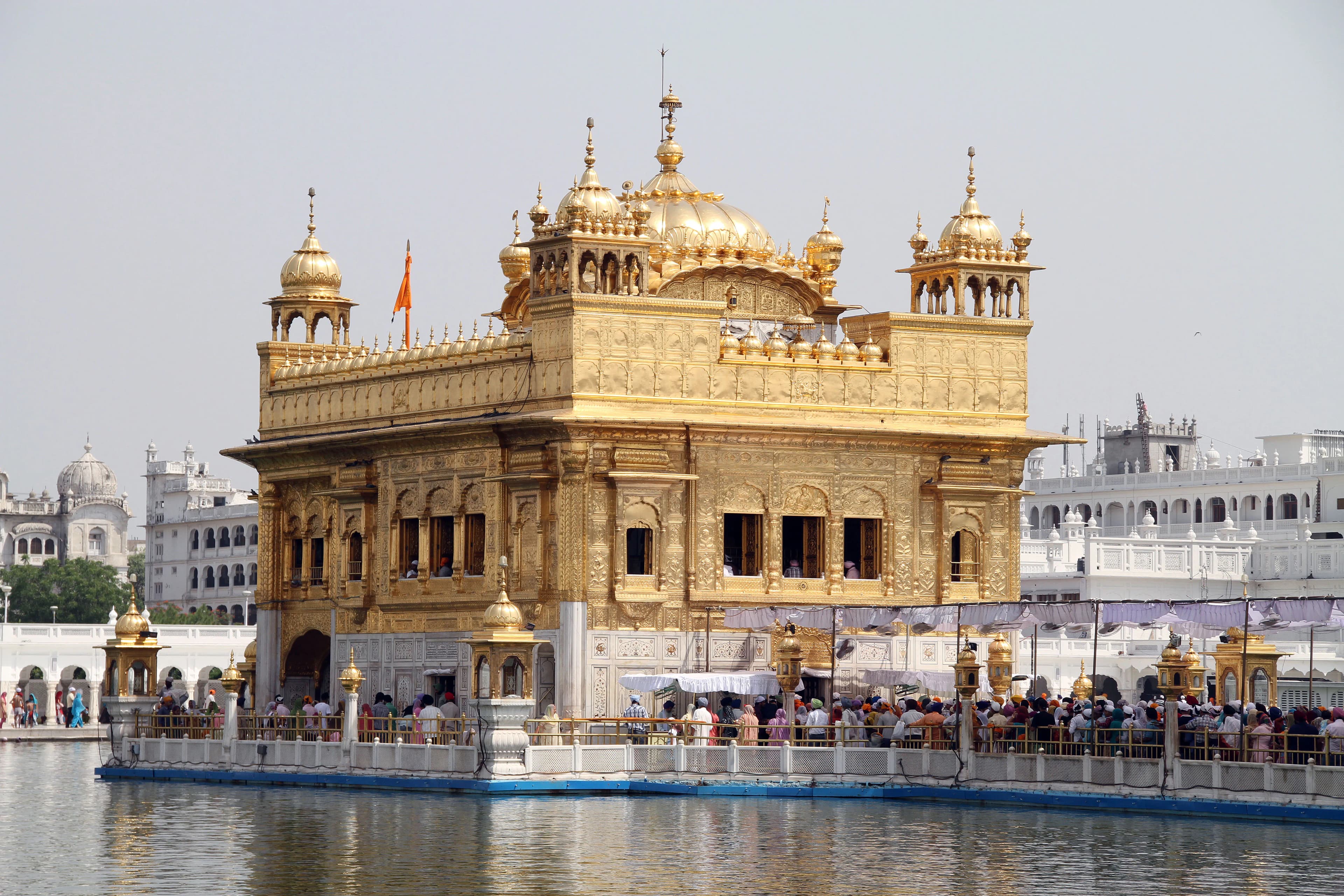
The shimmering reflection of the Golden Temple, or Sri Harmandir Sahib as it’s reverently called, in the Amrit Sarovar (Pool of Nectar) is an image that sears itself onto your soul. As a cultural journalist from Uttar Pradesh, I’ve witnessed countless expressions of faith across North India, but the serene spirituality of this Sikh gurudwara is unlike anything I’ve encountered. Stepping onto the marble parikrama, the circumambulatory path that encircles the temple, felt like entering a realm detached from the bustling city of Amritsar just beyond its walls. The architecture is a breathtaking blend of Mughal and Rajput influences, a testament to the syncretic nature of the region's history. The white marble platform, intricately inlaid with pietra dura work featuring floral motifs and geometric patterns, provides a stark yet harmonious contrast to the gilded superstructure. The gold plating, added later by Maharaja Ranjit Singh, shimmers brilliantly, especially as the sun begins its descent, casting a warm glow across the complex. The central dome, reminiscent of a lotus flower, is crowned with a chhatri, a small, ornate pavilion, a common feature in Rajput architecture. This fusion of styles speaks volumes about the cultural exchange and artistic patronage that flourished in Punjab. The constant chanting of hymns, the Gurbani, emanating from within the temple, creates an atmosphere of meditative tranquility. I observed devotees from all walks of life, Sikhs and non-Sikhs alike, circumambulating the holy tank with folded hands, their faces etched with devotion. The air hummed with a palpable sense of reverence, a collective energy of faith that transcended language and background. It was fascinating to witness the seva, the selfless service, performed by volunteers. From cleaning the floors to serving langar, the free community kitchen, everyone contributed, reinforcing the Sikh principles of equality and community. The langar itself is a remarkable experience. Thousands are fed daily, regardless of caste, creed, or social status. Sitting cross-legged on the floor alongside strangers, sharing a simple yet delicious meal, fostered a sense of unity and shared humanity. The sheer scale of the operation and the seamless efficiency with which it’s managed are truly impressive. It’s a powerful embodiment of the Sikh philosophy of Vand Chhako, sharing with others and consuming together. Inside the Harmandir Sahib, the atmosphere is even more charged with spirituality. The Guru Granth Sahib, the holy scripture of Sikhism, is placed on a raised platform under a richly embroidered canopy. The Granthi, the ceremonial reader, recites the verses with a melodic resonance that fills the sanctum. The air is thick with the scent of incense and the murmur of prayers. It’s a space that invites introspection and contemplation, a sanctuary for the soul. As I exited the complex, crossing the threshold back into the vibrant city life, I carried with me a profound sense of peace and a renewed appreciation for the power of faith. The Golden Temple isn't just a stunning architectural marvel; it’s a living testament to the enduring principles of equality, service, and devotion. It’s a place where the divine and the human intersect, creating an experience that is both deeply personal and universally resonant. The memory of the golden reflection shimmering in the holy waters, a beacon of hope and spirituality, will undoubtedly stay with me for years to come. It's a testament to the rich tapestry of India’s spiritual heritage, a story I, as a cultural journalist, feel privileged to have witnessed and shared.
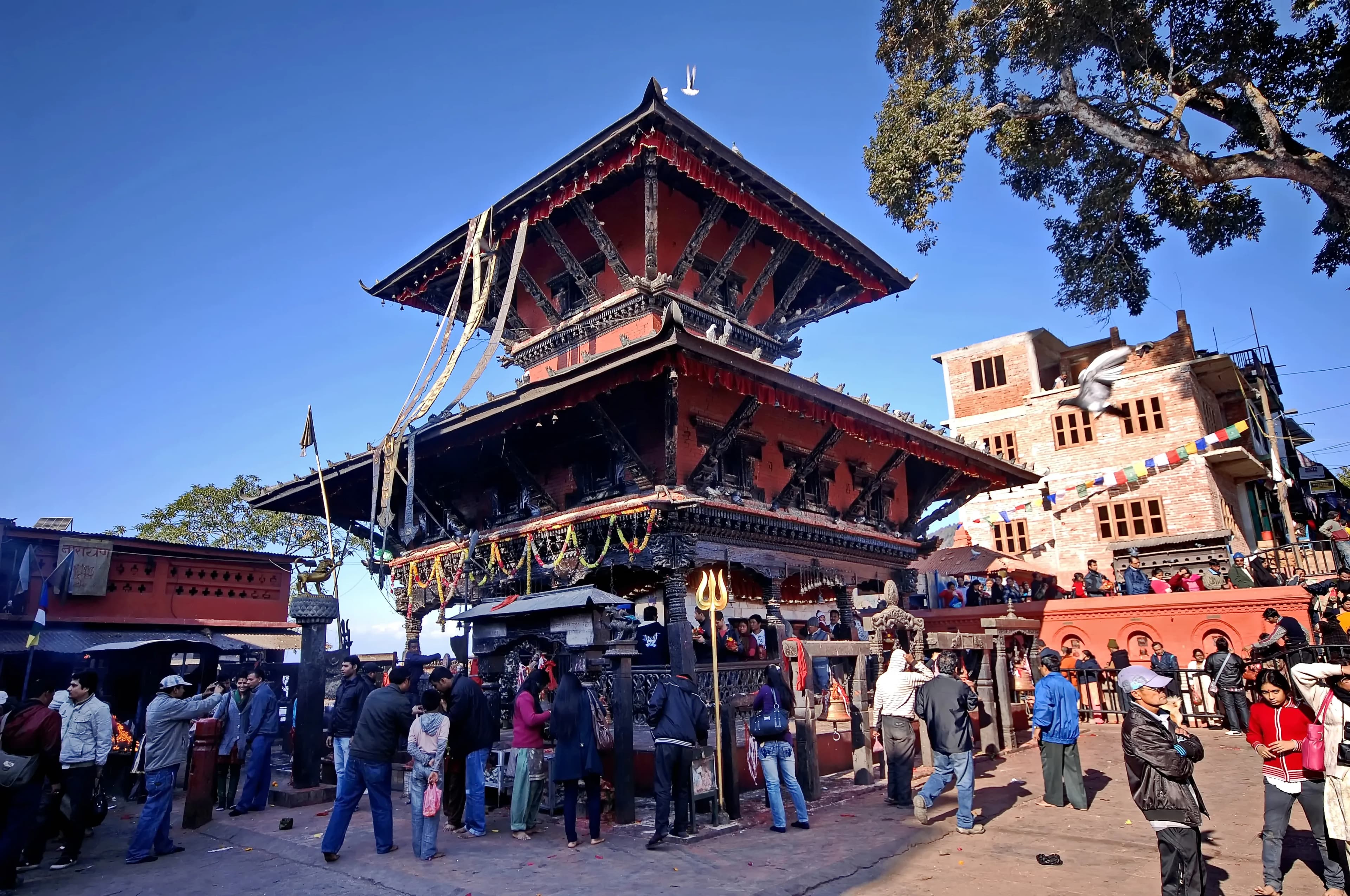
The crisp Shillong air, tinged with the scent of pine, carried a faint echo of drums as I approached the Gorkha Durga Temple. Nestled amidst the undulating hills, the temple, painted a vibrant shade of saffron, presented a striking contrast against the verdant backdrop. It wasn't the towering grandeur of some of the ancient temples I've documented that captivated me, but rather its unique blend of Nepali and indigenous Khasi influences, a testament to the cultural confluence of this region. The temple's two-tiered structure, reminiscent of traditional Nepali pagoda architecture, immediately caught my eye. The sloping roofs, adorned with intricate wooden carvings, cascaded downwards, culminating in ornate finials. Unlike the elaborate stonework I'm accustomed to seeing in temples across India, here, wood was the primary medium. The richly carved panels depicting scenes from Hindu mythology, particularly those of Durga in her various forms, showcased a distinct artistic style. The figures, though stylized, possessed a dynamic energy, their expressions vividly conveying stories of power and devotion. As I ascended the steps leading to the main sanctum, I noticed the subtle integration of Khasi elements. The use of locally sourced stone for the foundation and the steps, and the incorporation of motifs inspired by Khasi traditional patterns into the woodwork, spoke volumes about the cultural exchange that shaped this sacred space. It wasn't merely a transplantation of Nepali architecture but a conscious adaptation, a harmonious blending of two distinct artistic traditions. Inside the sanctum, the atmosphere was charged with a palpable sense of reverence. The deity, Durga, was represented in her Mahishasuramardini avatar, the slayer of the buffalo demon. The idol, though smaller than those found in grander temples, radiated an aura of strength and tranquility. The rhythmic chanting of mantras by the priest, punctuated by the clang of bells, created an immersive spiritual experience. What struck me most was the temple's intimate scale. Unlike the sprawling complexes I've encountered elsewhere, the Gorkha Durga Temple felt personal, almost like a community shrine. The courtyard, though modest in size, was meticulously maintained, with colourful prayer flags fluttering in the breeze, adding a touch of vibrancy to the serene setting. I observed devotees, both Nepali and Khasi, offering prayers, their faces reflecting a shared sense of devotion, a testament to the unifying power of faith. The temple's location itself added another layer of significance. Perched atop a hill, it offered panoramic views of the surrounding landscape. The rolling hills, dotted with pine trees, stretched out as far as the eye could see, creating a sense of tranquility and connection with nature. It was easy to see why this spot was chosen as a sacred site. The natural beauty of the surroundings seemed to amplify the spiritual energy of the temple, creating a space where the earthly and the divine converged. My visit to the Gorkha Durga Temple was more than just an architectural exploration; it was a cultural immersion. It offered a glimpse into the complex tapestry of traditions that make up the social fabric of Meghalaya. The temple stands as a powerful symbol of cultural exchange, a testament to the ability of different communities to not only coexist but to create something beautiful and unique through their interactions. It is a reminder that architecture can be more than just bricks and mortar; it can be a living embodiment of shared history, faith, and artistic expression.
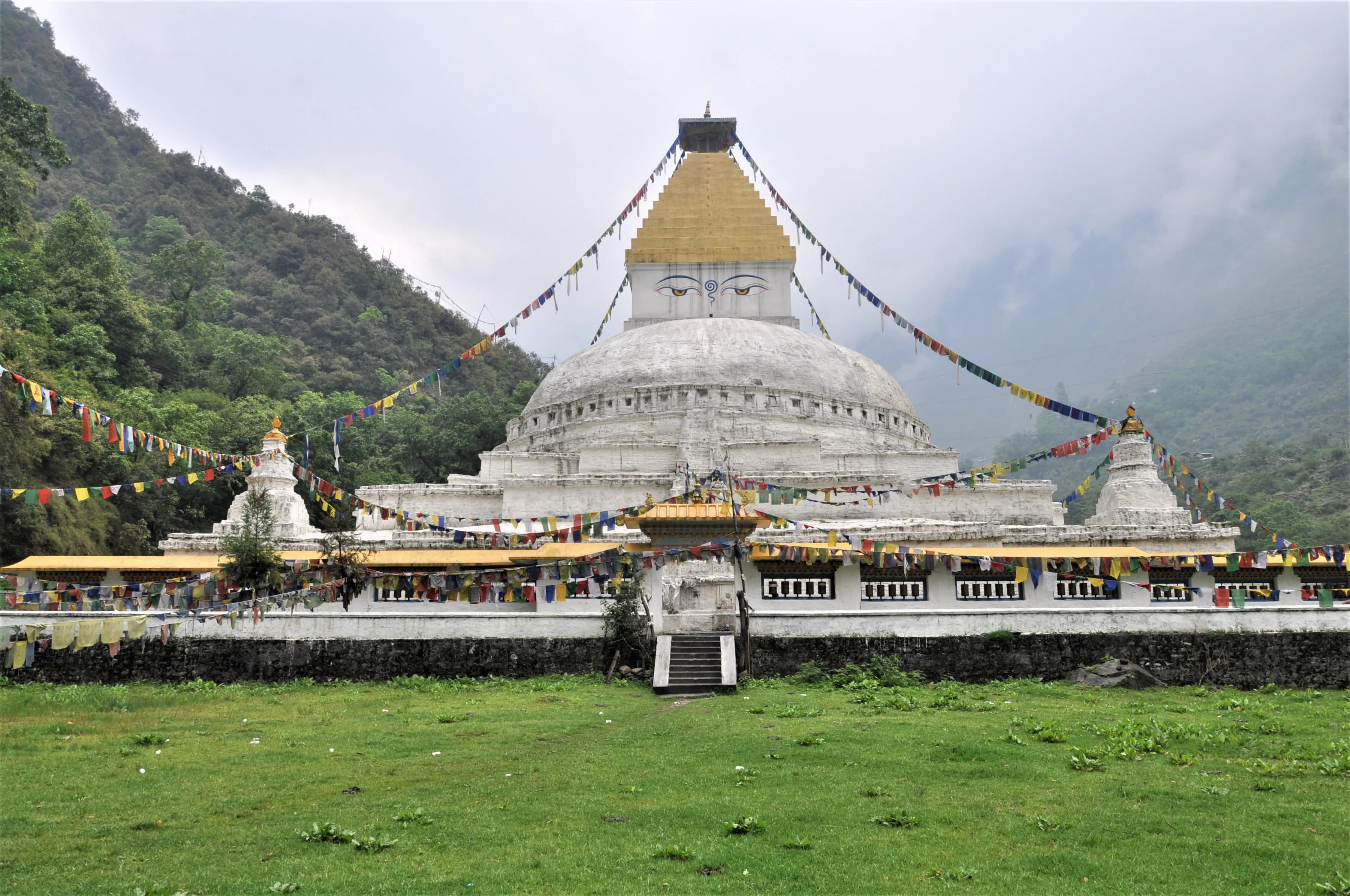
Gorsam Chorten, a revered Indo-Tibetan Buddhist stupa, stands as a profound testament to India's millennia-spanning cultural heritage in Cona, West Kameng, Bomdila, Arunachal Pradesh. This monumental structure, deeply rooted in the continuous tradition of Indian civilization, embodies indigenous architectural styles and cultural practices that reflect the region's deep historical connections. The chorten, a large white stupa, features a massive hemispherical dome resting upon a three-tiered square base, culminating in a pyramidal spire adorned with the 'all-seeing eyes' of the Buddha, a design reminiscent of the Boudhanath Stupa in Kathmandu. Four miniature stupas are strategically erected at the corners of the plinth, enhancing its sacred geometry. The structure reaches an approximate height of 28.28 meters, with a width of 10.2 meters and a length of 21.64 meters, encompassing an area of 161.874 square meters. Its construction primarily utilizes locally sourced materials such as stone, wood, and clay, bound together with mud mortar, showcasing traditional Monpa craftsmanship and dry stone masonry techniques. This method, adapted to the Himalayan environment, involves meticulously layered stones fitted with precision to minimize voids and maximize interlocking, providing inherent flexibility against seismic activity. The mud mortar, likely incorporating local clay and natural fibers, enhances stability and weather resistance. The exterior is whitewashed, with golden embellishments and a golden finial that gleams in the sunlight. Around the base, a series of prayer wheels, painted in vibrant hues of red, blue, and gold, invite circumambulation. The interior of the chorten houses a dimly lit chamber containing several statues of Buddha, radiating profound peace. The walls are adorned with intricate murals depicting scenes from the Buddha's life, showcasing a unique regional artistic style with bolder lines and intense colors. Recurring motifs of the eight auspicious symbols of Buddhism—the parasol, golden fish, treasure vase, lotus flower, conch shell, endless knot, victory banner, and Dharma wheel—are intricately woven into the murals and carved into the woodwork. The site is well-maintained, with ongoing conservation efforts focusing on structural repairs, mending cracks in masonry, and repainting surfaces, often employing traditional techniques to preserve its historical and religious integrity. Archaeological excavations have revealed a hidden chamber beneath the stupa, unearthing relics such as miniature clay stupas, a bronze image of Vajrasattva, and ancient scriptures, confirming its significance as a major Buddhist pilgrimage site. The Gorsam Chorten remains an active spiritual sanctuary, drawing thousands of pilgrims, particularly during the annual Gorsam Kora festival. It is accessible to visitors from sunrise to sunset daily, with free entry, though accessibility for wheelchairs is limited due to hilly terrain and steps. Modest dress is required, and photography may be restricted in certain areas to maintain the sanctity of the active monastery. The site is operationally ready, serving as a living embodiment of faith and tradition within India's enduring cultural legacy.
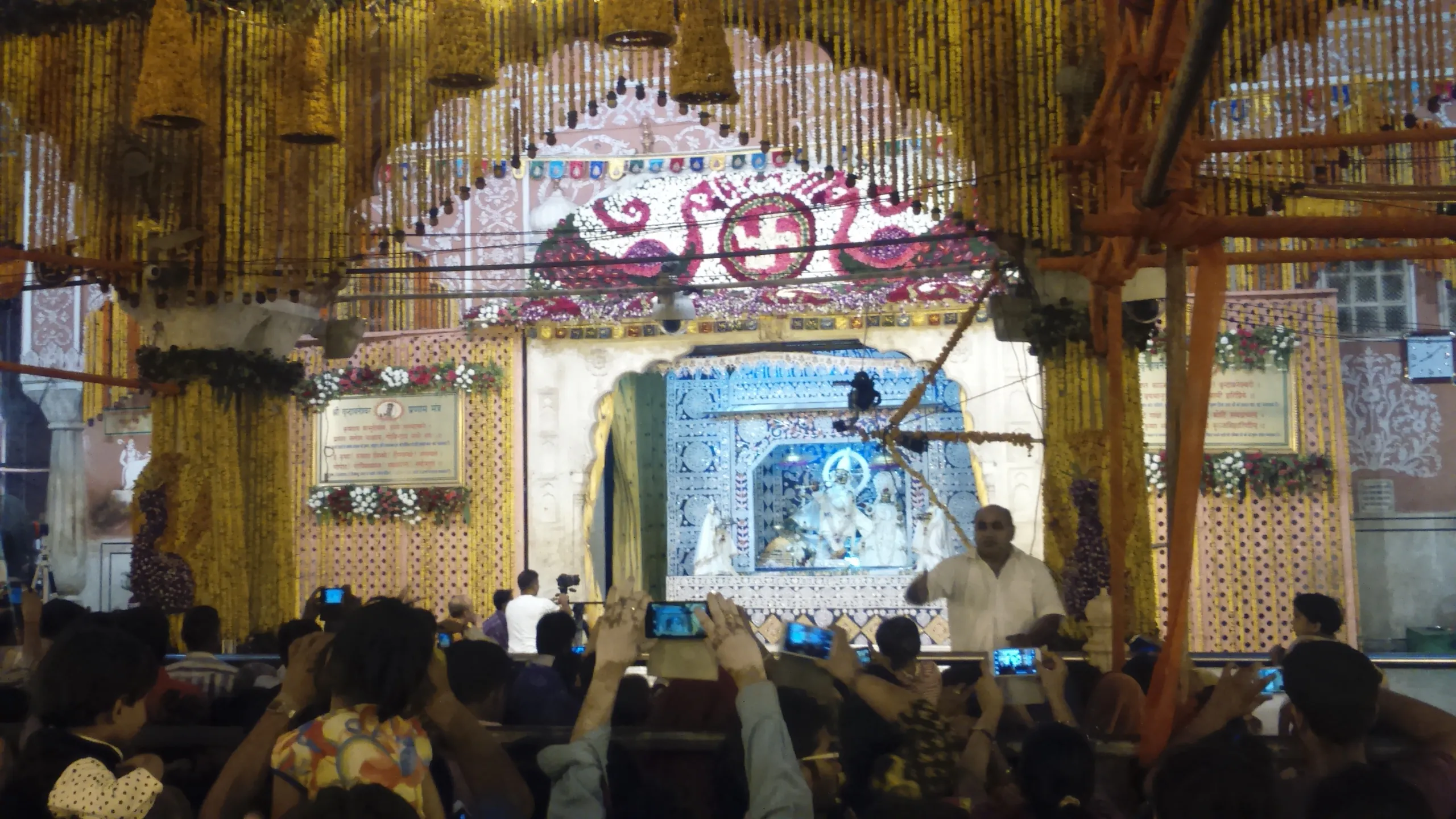
The Govind Dev Ji Temple in Jaipur isn't just a place of worship; it's a living testament to a unique blend of architectural styles that captivated me from the moment I stepped within its precincts. Having spent years studying the Dravidian architecture of South Indian temples, I was eager to experience the distinct architectural vocabulary of this North Indian shrine, and I wasn't disappointed. Located within the City Palace complex, the temple almost feels like a private sanctuary for the royal family, a feeling amplified by its relatively modest exterior compared to the grandeur of the surrounding palace buildings. The first thing that struck me was the absence of the towering gopurams that define South Indian temple gateways. Instead, the entrance is marked by a series of chhatris, elevated, dome-shaped pavilions supported by ornate pillars. These chhatris, with their delicate carvings and graceful curves, speak to the Rajput influence, a stark contrast to the pyramidal vimanas of the South. The use of red sandstone, a hallmark of Rajasthani architecture, lends the temple a warm, earthy hue, quite different from the granite and sandstone palettes I'm accustomed to seeing in Tamil Nadu. As I moved through the courtyard, I observed the seven-storied structure housing the main shrine. While not a gopuram in the traditional sense, it does serve a similar function, drawing the eye upwards towards the heavens. The multiple stories, each adorned with arched openings and intricate jali work, create a sense of verticality and lightness, a departure from the solid mass of South Indian temple towers. The jalis, or perforated stone screens, not only serve as decorative elements but also allow for natural ventilation, a practical consideration in the arid climate of Rajasthan. The main sanctum, where the image of Govind Dev Ji (Krishna) resides, is a relatively simple chamber, its focus squarely on the deity. The absence of elaborate sculptures on the walls within the sanctum surprised me. South Indian temples often feature intricate carvings depicting mythological scenes and deities on every available surface. Here, the emphasis is on the devotional experience, a direct connection with the divine, unmediated by elaborate ornamentation. The silver-plated doors of the sanctum, however, are exquisitely crafted, showcasing the artistry of the region's metalworkers. The courtyard itself is a marvel of spatial planning. The open space allows for the free flow of devotees, while the surrounding colonnades provide shade and a sense of enclosure. The pillars supporting these colonnades are slender and elegant, adorned with intricate floral motifs and geometric patterns. I noticed a distinct Mughal influence in some of these decorative elements, a testament to the cultural exchange that shaped the region's artistic traditions. The use of marble for flooring, another Mughal influence, adds a touch of opulence to the space. One of the most captivating aspects of the Govind Dev Ji Temple is its integration with the City Palace. The temple's location within the palace complex blurs the lines between the sacred and the secular, reflecting the close relationship between the royal family and the deity. This integration is a departure from the South Indian tradition where temples, while often patronized by royalty, maintain a distinct identity as separate entities. My visit to the Govind Dev Ji Temple was a fascinating cross-cultural experience. It highlighted the diversity of India's architectural heritage and underscored the power of architecture to reflect regional identities and religious beliefs. While the temple's architectural vocabulary differed significantly from the Dravidian style I'm familiar with, the underlying spirit of devotion and the artistic skill evident in its construction resonated deeply with my understanding of sacred architecture.
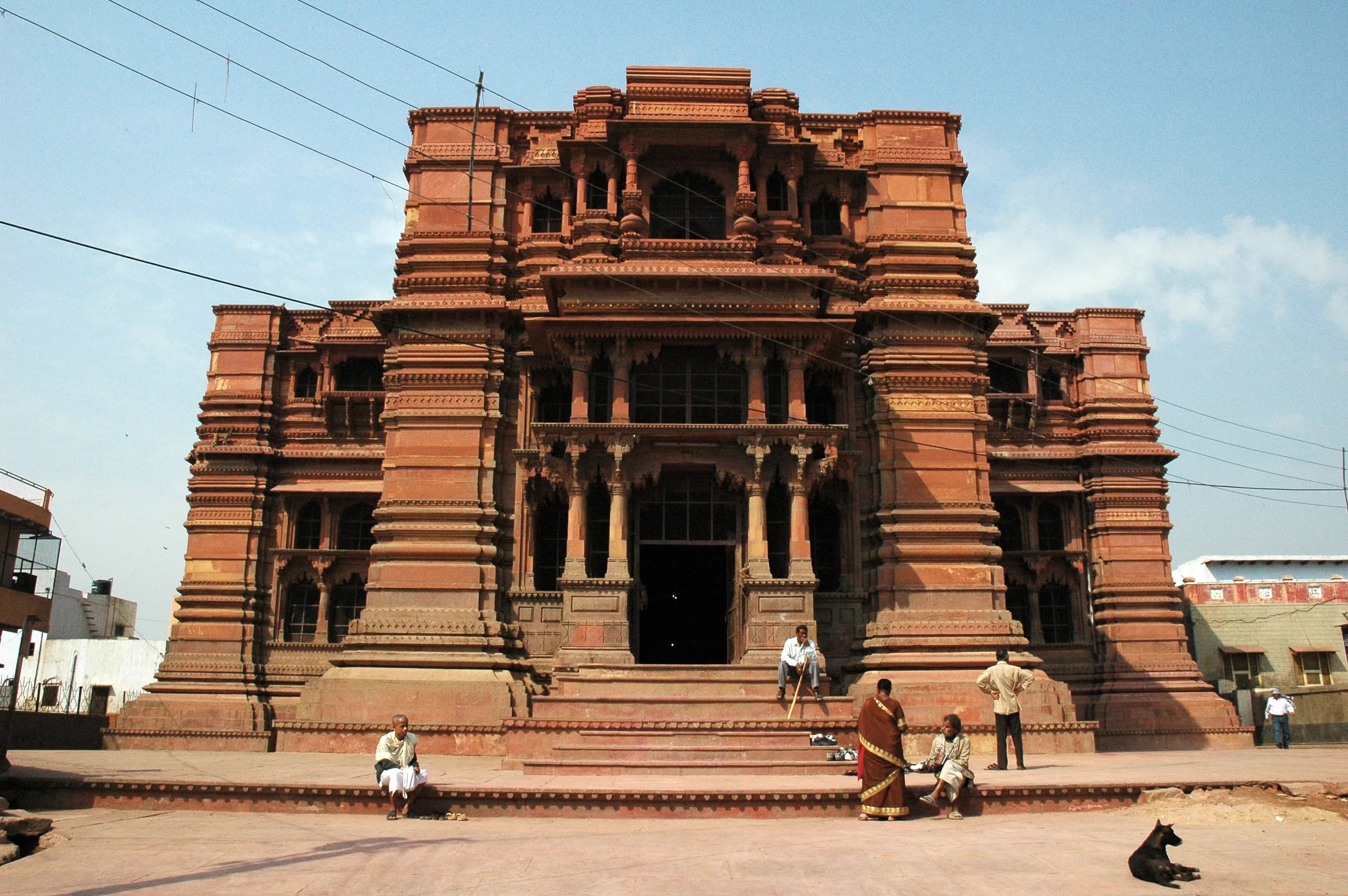
The red sandstone glowed, almost humming with a palpable energy under the late afternoon sun. Govind Dev Temple in Vrindavan, though no longer in its complete glory, still exudes a majestic aura that transported me back to a Vrindavan of centuries past. Having documented Gujarat's intricate temples for years, I was eager to experience the architectural nuances of this Braj marvel, and I wasn't disappointed. The first thing that struck me was the unique blend of architectural styles. While the temple’s core exhibits a distinctly Rajput influence, reminiscent of some of the grand structures I’ve seen in Rajasthan, the seven-storied structure (now sadly reduced to three) bore a striking resemblance to European architecture, particularly reminiscent of a cathedral. This fusion, I learned, was a result of the Mughal emperor Akbar's relatively tolerant religious policies during the late 16th century, a period that allowed for such cross-cultural architectural experimentation. Stepping inside the pillared hall, which now serves as the main prayer area, I was immediately drawn upwards. The soaring ceilings, even in their truncated state, evoked a sense of grandeur. The intricate carvings on the remaining pillars, depicting scenes from Krishna's life, were a testament to the skill of the artisans. Each carving told a story, each curve and line imbued with devotion. I spent a considerable amount of time tracing these narratives with my fingers, imagining the temple in its original seven-storied splendor. The absence of the upper four stories, destroyed by Aurangzeb in the 17th century, is a poignant reminder of the tumultuous history this temple has witnessed. Yet, the resilience of the structure and the continued devotion of the pilgrims who throng its courtyard speak volumes about its enduring spiritual significance. The air vibrated with chants and the fragrance of incense, creating an atmosphere thick with reverence. The temple complex is built around a rectangular courtyard, and while the main shrine is dedicated to Govind Dev (Krishna), smaller shrines dedicated to Radha and other deities dot the periphery. I observed the local devotees engaging in various rituals, their faces reflecting a deep connection to the divine. The rhythmic clang of bells and the melodic chanting of hymns further intensified the spiritual ambiance. The use of red sandstone, a material I'm intimately familiar with from Gujarat's architectural heritage, lends the temple a warm, earthy hue. However, unlike the intricate, almost lace-like carvings often seen in Gujarati temples, the carvings here are bolder, more pronounced, reflecting a different aesthetic sensibility. The interplay of light and shadow on the sandstone surfaces created a dynamic visual experience, constantly shifting throughout the day. One particular detail that captivated me was the remnants of the original staircase that once led to the upper floors. Though now inaccessible, the sheer scale and craftsmanship of the remaining steps hinted at the lost magnificence of the complete structure. I could almost visualize the devotees ascending those stairs, their hearts filled with anticipation, to reach the inner sanctum. Leaving the temple complex, I carried with me a profound sense of awe and a touch of melancholy. Awe at the architectural brilliance and spiritual energy that permeated the space, and melancholy for the lost grandeur of a structure that once touched the sky. Govind Dev Temple stands as a testament to the enduring power of faith and a poignant reminder of the fragility of our heritage. It is a site that deserves to be experienced, not just seen, and its story, etched in stone and whispered in chants, continues to resonate through the ages.
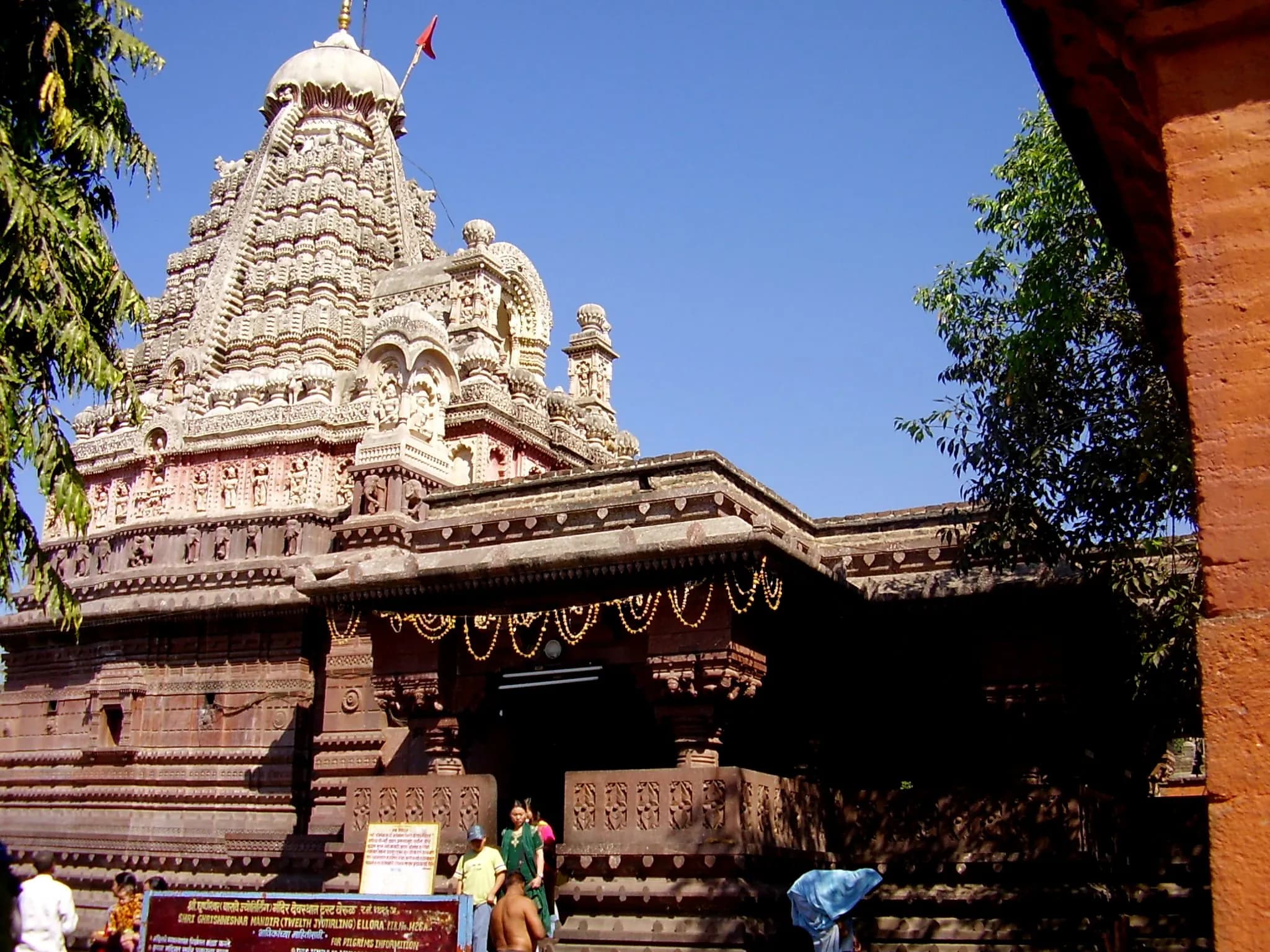
The late afternoon sun cast long shadows across the basalt courtyard of the Grishneshwar Temple, illuminating the intricate carvings that covered every inch of its surface. Standing before this resurrected marvel, the twelfth Jyotirlinga, I felt a palpable connection to the centuries of devotion that have imbued this site with a quiet power. Unlike some of the grander, more imposing temples I’ve encountered, Grishneshwar possesses a subtle elegance, a whispered grandeur that speaks volumes about the enduring spirit of its builders. Reconstructed in the 18th century by Ahilyabai Holkar, the temple stands as a testament to her dedication to preserving India's sacred heritage. While the current structure is relatively recent, the site itself is ancient, with its roots tracing back to the Yadava period. This layering of history, the palimpsest of architectural styles, is what makes Grishneshwar so fascinating. One can discern the influence of the earlier Hemadpanti style in the simple, yet robust, forms of the mandapa and the shikhara, while the later Maratha additions bring a flourish of ornamentation, a riot of sculpted figures and decorative motifs. The red stone shikhara, rising towards the cerulean sky, is a masterpiece of proportion and detail. Each tier, adorned with miniature shrines and celestial beings, tells a story, a fragment of the rich tapestry of Hindu mythology. I spent a considerable amount of time simply circling the temple, my gaze tracing the lines of the carvings, trying to decipher the narratives etched in stone. From depictions of Shiva’s various forms to scenes from the epics, the shikhara is a visual encyclopedia of Hindu iconography. Stepping inside the dimly lit garbhagriha, the sanctum sanctorum, the atmosphere shifted dramatically. The air was thick with the scent of incense and the murmur of prayers. The lingam, the symbolic representation of Shiva, rested in a simple depression, its smooth, dark stone absorbing the reverence of the devotees. Despite the constant flow of worshippers, a sense of tranquility pervaded the space, a stillness that allowed for a moment of introspection, a connection with the divine. The mandapa, the pillared hall leading to the sanctum, is equally captivating. The massive pillars, each carved with intricate designs, support a richly decorated ceiling. I was particularly struck by the depictions of the Ashtadikpalakas, the eight guardian deities, each occupying a cardinal direction, their presence adding a sense of cosmic order to the space. The play of light and shadow within the mandapa created a mesmerizing effect, highlighting the depth and detail of the carvings. Beyond the architectural marvels, it was the palpable devotion of the pilgrims that truly resonated with me. Their quiet reverence, their whispered prayers, their offerings of flowers and fruits, all contributed to the sacred ambiance of the site. Witnessing their faith, their connection to this ancient place of worship, reinforced the enduring power of these sacred spaces. Leaving the cool confines of the temple, I paused at the entrance to look back. The setting sun bathed the stone in a warm, golden light, accentuating its timeless beauty. Grishneshwar is more than just a temple; it is a living testament to India’s rich cultural and spiritual heritage, a place where history, art, and faith converge to create an experience that is both humbling and inspiring. It is a place I will long remember, not just for its architectural splendor, but for the profound sense of connection it evoked.

The terracotta friezes of the Gunabati Group of Temples shimmered under the Tripura sun, a muted orange against the backdrop of lush green. Located a short distance from Udaipur, the former capital of the Tripura kingdom, this cluster of brick temples, though smaller in scale compared to some of Gujarat's colossal structures, held a unique charm. My journey from the arid landscapes of Kutch to the humid embrace of Tripura had already been a study in contrasts, and Gunabati proved to be yet another fascinating chapter. The complex, dedicated to various deities, is dominated by two main temples. The larger one, dedicated to Lord Shiva, immediately drew my attention. Its square base, typical of the region's architecture, rose in a gently curving pyramidal shikhara, culminating in a rounded finial. The surface was richly adorned with terracotta panels depicting scenes from Hindu mythology – Krishna leela, episodes from the Ramayana, and processions of celestial beings. Unlike the intricately carved stonework I'm accustomed to in Gujarat, these terracotta reliefs possessed a rustic, almost primal quality. The figures, though stylized, were expressive, their narratives unfolding across the temple walls like an ancient storybook. I circled the temple, my fingers tracing the weathered surfaces of the terracotta panels. The dampness in the air, a stark contrast to the dry heat of my homeland, seemed to cling to the brickwork, imbuing the temple with a sense of age and mystery. The smaller temple, dedicated to Chaturmukha Shiva (four-faced Shiva), stood nearby. Its unique feature was the four identical doorways, each facing a cardinal direction, leading to a central chamber housing the deity. The terracotta ornamentation here was sparser, but the architectural symmetry was striking. As I stepped inside the main temple, the air grew heavy with the scent of incense and marigold garlands. The inner sanctum, though dimly lit, revealed a simple Shiva lingam, the object of reverence for generations of devotees. The cool, dark interior offered respite from the midday sun, and I spent a few moments absorbing the quiet spirituality of the space. The echoes of ancient chants seemed to resonate within the thick walls, whispering tales of devotion and faith. What struck me most about Gunabati was its intimate scale. Unlike the sprawling temple complexes of Gujarat, this cluster felt more personal, more connected to the local community. I observed families performing pujas, their whispered prayers mingling with the rustling of leaves in the surrounding trees. Children played in the courtyard, their laughter echoing against the ancient brickwork. This vibrant tapestry of faith and everyday life woven into the fabric of the temple complex was truly captivating. The preservation efforts, however, seemed somewhat lacking. While the structural integrity of the temples appeared sound, the terracotta panels showed signs of weathering and erosion. Some panels were damaged, their intricate details lost to the ravages of time and neglect. It saddened me to see this rich artistic heritage slowly fading away. I compared this to the meticulous preservation efforts undertaken at sites like Rani ki Vav in Gujarat, and felt a pang of concern for the future of Gunabati. Leaving the temple complex, I carried with me a sense of quiet admiration for the artistry and devotion that had shaped this unique site. Gunabati stands as a testament to the rich cultural heritage of Tripura, a hidden gem waiting to be discovered and cherished. It is a reminder that architectural marvels don't always have to be grand in scale to be profound in their impact. And it is a plea, whispered in the rustle of the leaves and the crumbling terracotta, for greater attention to the preservation of these invaluable treasures.
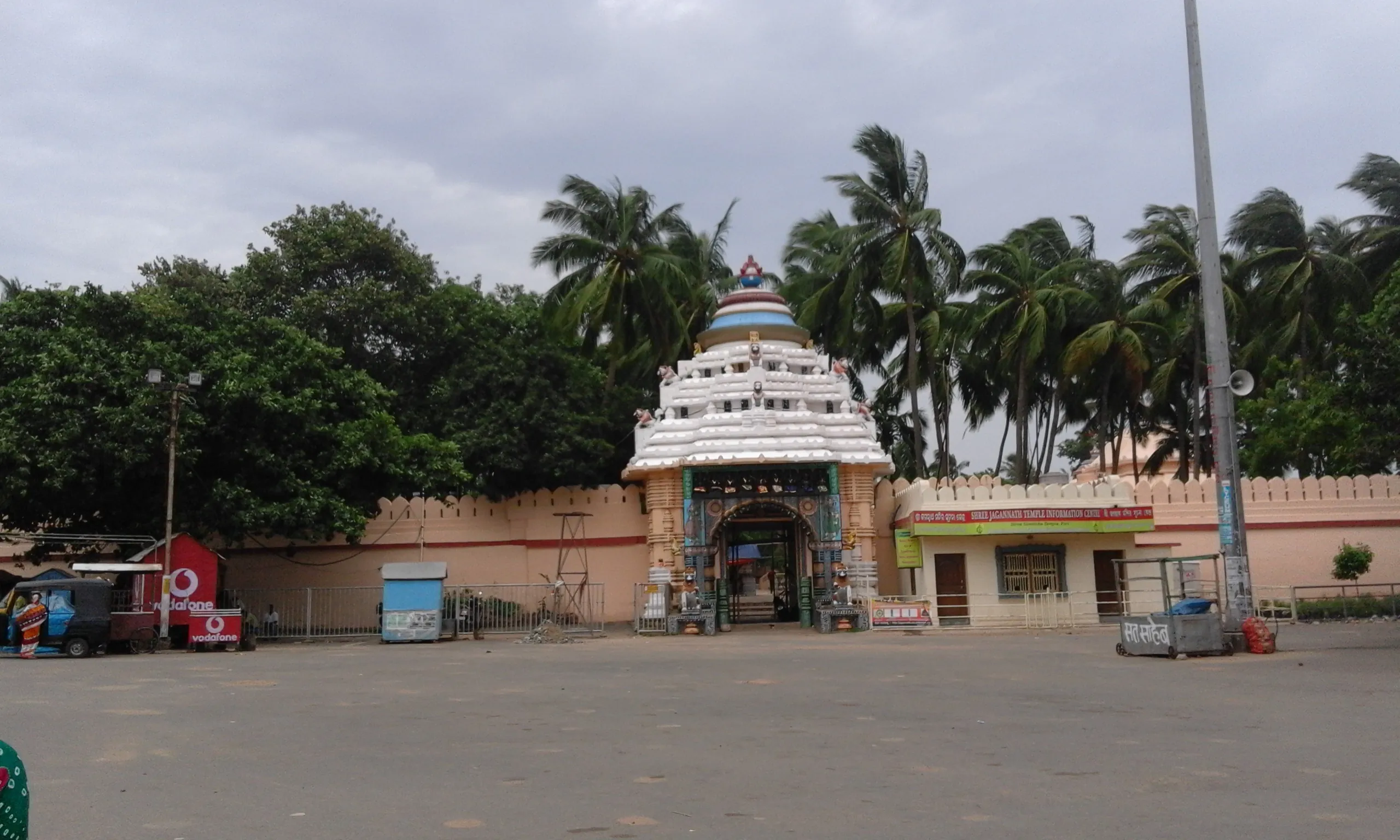
The midday sun beat down on the sand-coloured walls of the Gundicha Temple, lending a warm glow to the laterite stone. Standing within its precincts, I felt a palpable shift in atmosphere from the bustling Jagannath Temple a few kilometres away. While Jagannath’s abode vibrates with constant activity, Gundicha, known as the Garden House of Jagannath, exuded a serene, almost pastoral tranquility. This, I learned, is where the deities – Jagannath, Balabhadra, and Subhadra – spend their annual nine-day vacation during the Rath Yatra. My Chennai-trained eyes, accustomed to the granite grandeur of Dravidian architecture, were immediately struck by the Kalinga style’s unique characteristics. The temple, though smaller than Jagannath’s, shares a similar plan, with a deul (sanctum tower), jagamohan (assembly hall), and nata-mandir (festival hall). However, the deul’s curvilinear tower, a hallmark of Kalinga architecture, differed significantly from the pyramidal vimanas I was familiar with. The tower’s gentle upward sweep, culminating in a rounded amalaka and kalasa finial, created a sense of flowing movement, almost as if reaching towards the heavens. The absence of elaborate sculptural ornamentation, so characteristic of South Indian temples, further emphasized the temple's elegant simplicity. The jagamohan, with its pyramidal roof, provided a cool respite from the Odisha sun. Its plain walls, devoid of the intricate carvings seen in Dravidian mandapas, allowed the eye to focus on the overall proportions and the play of light and shadow. I noticed the use of iron beams in the construction of the roof, a feature rarely seen in South Indian temples of a similar period. This hinted at the region's historical expertise in metallurgy and its incorporation into temple architecture. The nata-mandir, a later addition to the complex, stood apart with its rectangular plan and sloping roof. Its open sides allowed for a free flow of air and provided a perfect vantage point for witnessing the rituals and festivities associated with the Rath Yatra. I could almost picture the deities being seated here, enjoying the devotional performances and the adulation of their devotees. As I walked around the temple, I observed the unique decorative elements that distinguished the Kalinga style. The pidha mundis, miniature replicas of the main tower, adorning the roofline, added a rhythmic visual interest. The khura, a decorative horse-shoe shaped element above the doorway, and the alasakanyas, celestial nymphs gracing the walls, provided subtle yet significant embellishments. While less profuse than the sculptural programs of South Indian temples, these elements possessed a distinct charm and conveyed a sense of refined elegance. The temple's connection to the Rath Yatra is palpable. The wide open space in front of the temple, known as the Bada Danda, serves as the main thoroughfare for the colossal chariots. Standing there, I imagined the electrifying atmosphere during the festival, the air thick with incense and the chants of devotees pulling the chariots. The Gundicha Temple, during those nine days, transforms from a tranquil retreat into the epicentre of a vibrant spiritual celebration. My visit to the Gundicha Temple was more than just an architectural exploration; it was an immersion into a different cultural and spiritual landscape. While the architectural vocabulary differed significantly from what I was accustomed to, the underlying devotion and the sanctity of the space resonated deeply. The temple’s simplicity, its connection to nature, and its role in the grand spectacle of the Rath Yatra offered a unique perspective on temple architecture and its role in shaping religious and cultural practices. It reinforced the idea that architectural styles, while diverse, ultimately serve as conduits for human spirituality and cultural expression.
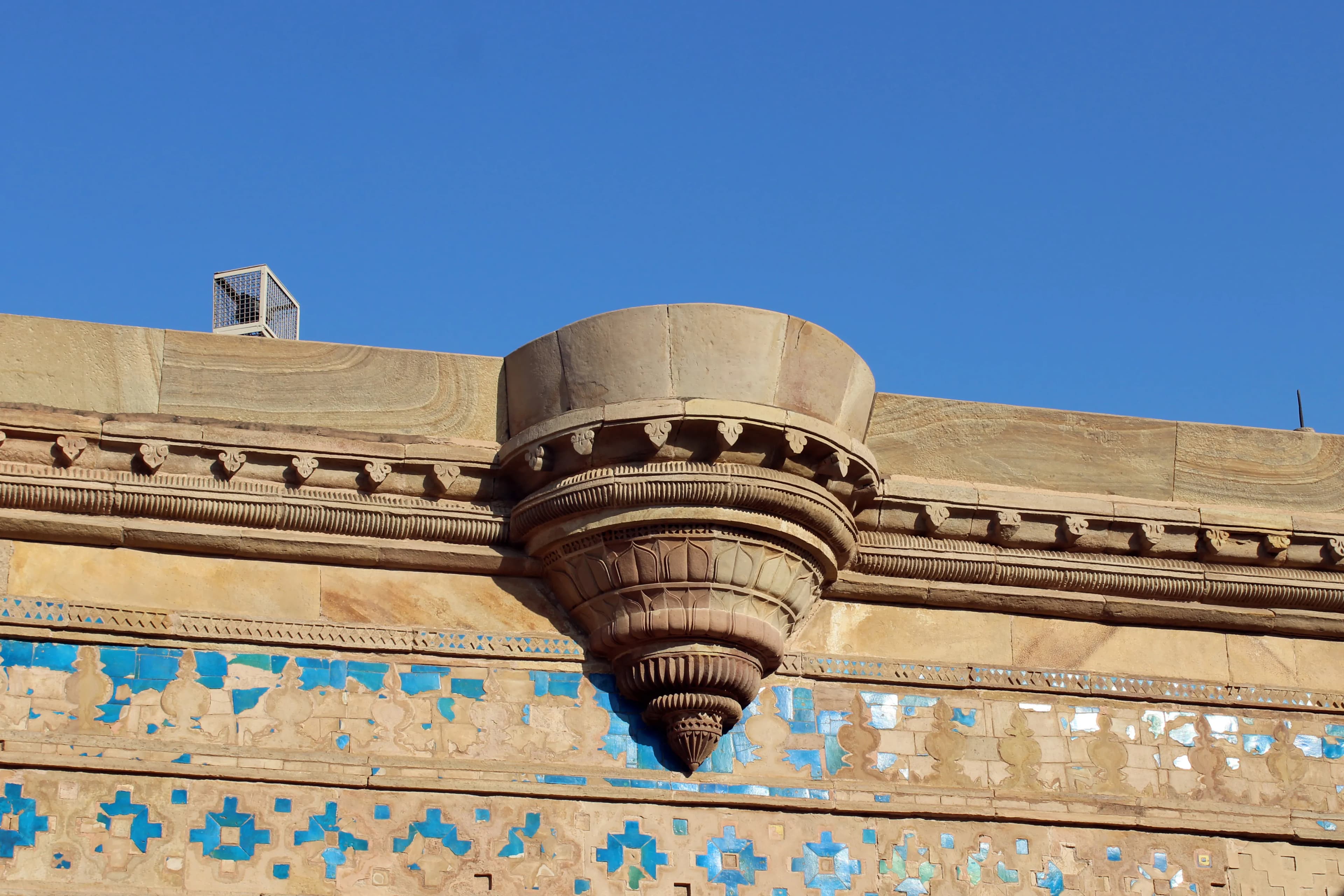
The sun, a molten orb in the Gwalior sky, cast long shadows across the sandstone ramparts of the fort, painting the scene in hues of ochre and gold. My ascent, via the winding, fortified road, felt like a journey back in time, each turn revealing another layer of history etched into the very stone. Gwalior Fort, perched atop its isolated plateau, isn't just a structure; it’s a palimpsest of centuries, a testament to the rise and fall of empires. The sheer scale of the fort is initially overwhelming. Stretching almost 3 kilometers in length and rising 100 meters above the plains, it commands the landscape. My initial exploration focused on the Man Mandir Palace, the earliest and perhaps most striking of the fort's structures. Built by Raja Man Singh Tomar in the late 15th century, it’s a riot of colour and intricate detail. The turquoise, yellow, and green glazed tiles, though faded in places, still retain a vibrancy that belies their age. I was particularly captivated by the rounded chhatris crowning the palace, their delicate forms a stark contrast to the robust fortifications surrounding them. The intricate latticework screens, or jalis, within the palace offered glimpses of the courtyard below, allowing the royal women to observe courtly life while remaining secluded. These jalis, a recurring motif in Indian architecture, are not merely decorative; they are a testament to the ingenuity of the craftsmen, allowing for ventilation and light while maintaining privacy. Moving beyond the Man Mandir, I encountered the Sas Bahu (Saas-Bahu) Temples, two intricately carved structures dedicated to Vishnu. The larger temple, originally dedicated to Vishnu as Padmanabha, showcases a stunning fusion of architectural styles. The shikhara, or tower, displays a blend of the North Indian Nagara style and the South Indian Dravida style, a subtle reminder of the cultural exchange that characterized this region. The smaller temple, dedicated to Shiva, is simpler in design but equally captivating. The erosion on the sandstone carvings, a result of centuries of exposure to the elements, adds a poignant touch, whispering tales of time's relentless march. The Teli Ka Mandir, with its soaring 30-meter high shikhara, presented another architectural marvel. Its unusual height and the Dravidian influences in its design, particularly the pyramidal roof, make it stand out from the other structures within the fort. Scholars debate its origins and purpose, adding another layer of intrigue to this already fascinating site. Standing at its base, I felt a sense of awe, imagining the skilled artisans who painstakingly carved the intricate sculptures adorning its walls. As I walked along the ramparts, the city of Gwalior sprawled beneath me, a tapestry of modern life juxtaposed against the ancient backdrop of the fort. The strategic importance of this location became immediately apparent. From this vantage point, the rulers of Gwalior could control the surrounding plains, ensuring their dominance over the region. The numerous gateways, each with its own unique character, further emphasized the fort's defensive capabilities. The Jauhar Kund, a deep well within the fort, carries a somber history. It is said that Rajput women committed Jauhar, a self-immolation ritual, here to avoid capture by invading armies. Standing at its edge, I felt a pang of sadness, reflecting on the sacrifices made within these very walls. My visit to Gwalior Fort was more than just a sightseeing trip; it was an immersive experience. It was a journey through time, a dialogue with the past. The fort stands as a silent witness to the ebb and flow of history, a repository of stories etched in stone, waiting to be discovered and interpreted. As I descended, leaving the imposing structure behind, I carried with me not just photographs and memories, but a deeper appreciation for the rich tapestry of Indian history and the architectural brilliance that shaped it.
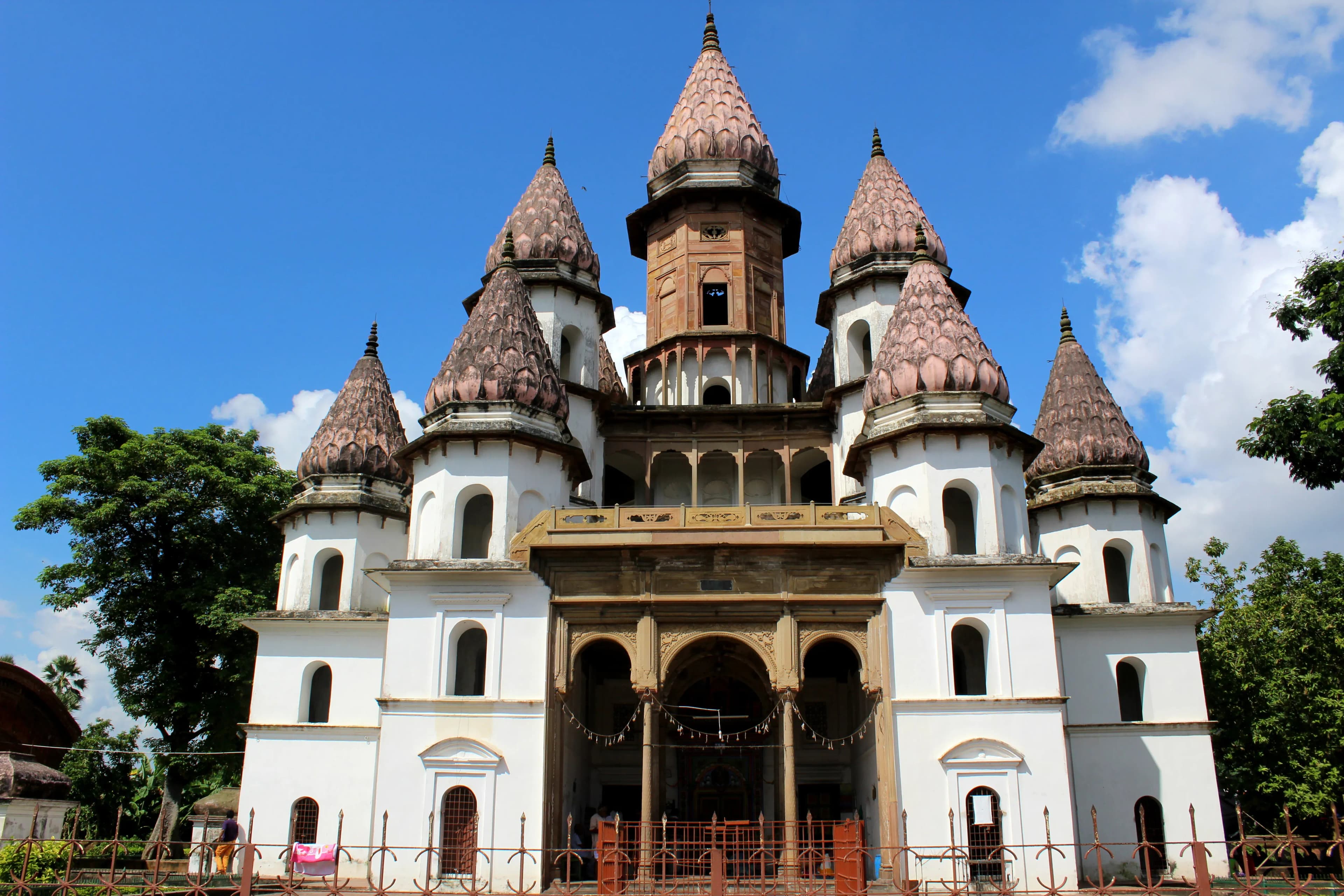
The terracotta-red spires of the Hangseshwari Temple, rising like a cluster of budding lotuses against the muted Bengal sky, were a sight I'd anticipated for months. As a Gujarati, steeped in the architectural traditions of my own land, I was eager to experience this unique 19th-century marvel in Bansberia, a town whispering stories of Bengal's rich past. The Hooghly River, flowing serenely nearby, seemed to amplify the temple's tranquil aura. Approaching the temple, the sheer audacity of its design became apparent. Unlike the traditional shikharas of North Indian temples or the gopurams of South India, Hangseshwari presented a novel form – a cluster of thirteen towers, arranged in an elliptical shape around a central, larger spire. Each of these miniature shikharas, or rather, ratnas, as they are locally known, is adorned with intricate terracotta panels depicting scenes from Hindu mythology. The deep red of the baked clay, now softened by time and weather, contrasted beautifully with the verdant green of the surrounding foliage. Stepping inside the elliptical ambulatory, I was immediately struck by the play of light and shadow. The narrow openings between the ratnas allowed slivers of sunlight to penetrate the inner sanctum, creating an ethereal atmosphere. The central chamber, housing the deity Hangseshwari (literally, "swan-riding goddess"), was relatively dark, adding to the sense of mystery and reverence. The goddess, however, was not in the traditional iconographic form. Instead, a symbolic representation, a lotus bud, takes her place, further adding to the temple's unique character. The terracotta work, undeniably the highlight of Hangseshwari, deserves special mention. The panels, though weathered, retain a remarkable level of detail. I spent a considerable amount of time examining the intricate depictions of deities, celestial beings, and scenes from epics like the Ramayana and the Mahabharata. The craftsmanship is exquisite, showcasing the skill of the Bengali artisans of the time. The narrative quality of these panels is particularly striking, transforming the temple walls into a visual chronicle of Hindu mythology. One aspect that intrigued me was the fusion of architectural styles evident in the temple's design. While the ratnas bear a resemblance to North Indian shikharas, the overall elliptical layout and the use of terracotta are distinctly Bengali. This blending of influences speaks to the region's history as a cultural crossroads, absorbing and adapting elements from various traditions. However, the temple isn't without its scars. Years of neglect and exposure to the elements have taken their toll. Some of the terracotta panels are damaged, and the once vibrant colours have faded. Restoration efforts are underway, but the sheer scale of the work makes it a slow and painstaking process. It's a poignant reminder of the fragility of our heritage and the importance of continuous preservation efforts. As I walked around the temple, absorbing its unique atmosphere, I couldn't help but draw parallels with the stepwells of Gujarat, particularly the intricate carvings and the play of light and shadow. While the architectural styles are vastly different, the underlying artistic principles seemed to resonate. It reinforced the idea that despite the diversity of India's architectural landscape, there's a common thread of artistic ingenuity and spiritual expression that binds them together. Leaving Hangseshwari, I carried with me not just photographs and notes, but a deeper appreciation for the architectural ingenuity of Bengal. This temple, a testament to the region's rich artistic heritage, stands as a unique blend of tradition and innovation, a must-see for anyone seeking to explore the architectural tapestry of India.
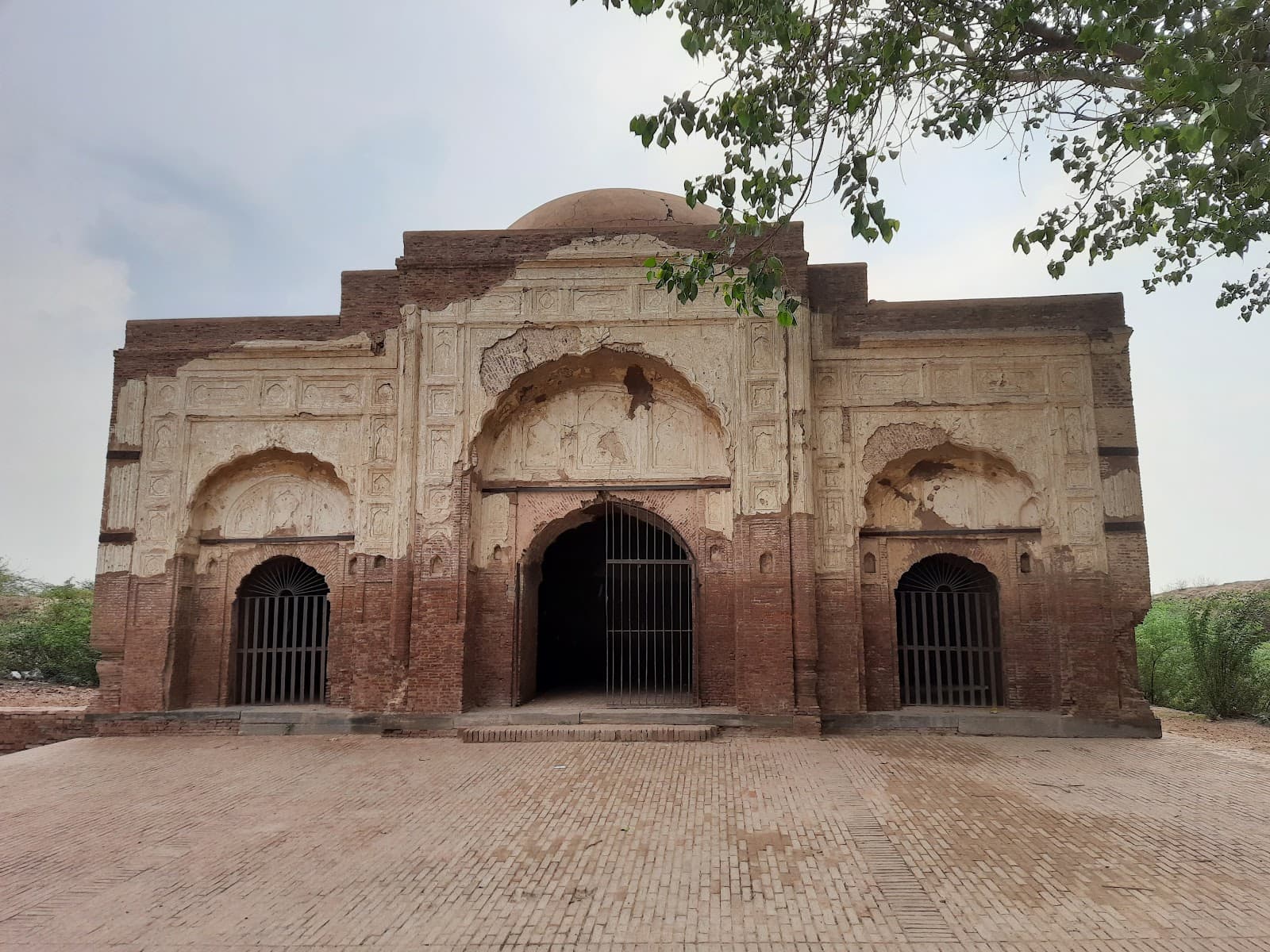
Asigarh Fort, also known as Hansi Fort or Prithviraj Chauhan Fort, stands as a protected monument managed by the Archaeological Survey of India in Hansi, Hisar district. The fort complex spans approximately 30 acres in a square configuration with security posts at four corners. Current visitor access operates daily from 8:00 AM to 6:00 PM, with closures on Mondays. Entry remains free for all visitors. The site lacks formal visitor infrastructure: no wheelchair access, restrooms, guides, souvenir shops, or food stalls are available. Informal parking exists near the entrance. The fort's weathered gateways, bastions, and ramparts present an exposed environment requiring morning or evening visits to avoid harsh sunlight. Archaeological excavations in 1982 recovered 58 Jain bronze images from the 8th–9th century CE, establishing the site's pre-medieval significance. The monument requires extensive restoration to address structural deterioration and unauthorized occupancy issues documented in recent ASI assessments.
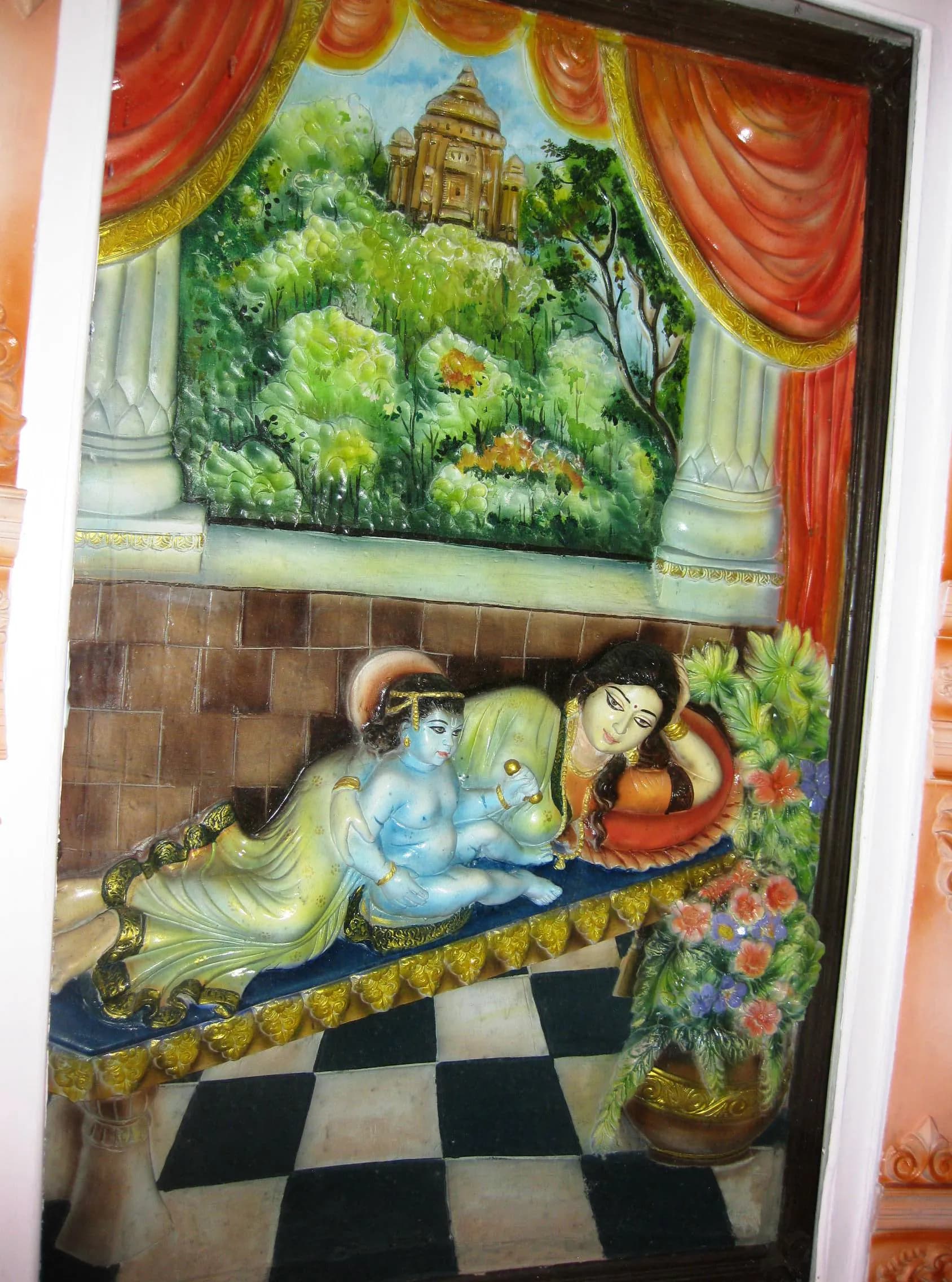
The crisp mountain air, tinged with the scent of juniper and rhododendron, whipped around me as I stepped onto the platform of Hanuman Tok, a Hindu temple perched 3,500 feet above Gangtok. The panoramic vista that unfolded before me was simply breathtaking. The Kanchenjunga massif, its snow-capped peaks gleaming under the midday sun, dominated the horizon, a majestic backdrop to the vibrant prayer flags fluttering in the wind. This wasn't just a temple; it was a sanctuary woven into the very fabric of the Himalayan landscape. Hanuman Tok, meaning "Hanuman's shoulder," derives its name from a local legend. It is believed that Lord Hanuman, the revered monkey god of Hindu mythology, rested here momentarily while carrying the Sanjeevani herb from the Himalayas to Lanka to revive Lakshmana, as recounted in the epic Ramayana. This narrative imbues the site with a palpable sense of sacredness, a feeling amplified by the constant hum of chanting emanating from the temple. The temple itself is a relatively modern structure, built by the Indian Army, who also maintain the site. Its architecture, while not particularly ancient, reflects a blend of traditional Sikkimese and typical Hindu temple design. The vibrant colours – reds, yellows, and greens – stand out against the muted greens and browns of the surrounding hills. The sloping roof, reminiscent of Sikkimese architecture, is adorned with intricate carvings and colourful prayer flags. Inside, the main deity is Lord Hanuman, depicted in his familiar pose, a mace in hand, radiating strength and devotion. Unlike the elaborate ornamentation found in many temples of Uttar Pradesh, the interior here is relatively simple, the focus remaining firmly on the deity and the breathtaking views it commands. As I circumambulated the temple, turning the prayer wheels inscribed with mantras, I observed the diverse group of devotees. Sikkim, with its unique blend of Hinduism and Buddhism, fosters a spirit of religious harmony that is truly inspiring. I saw local Sikkimese families alongside tourists from mainland India, all united in their reverence for this sacred spot. Conversations in Nepali, Hindi, and English mingled with the rhythmic chanting, creating a vibrant tapestry of sound and faith. My upbringing in Uttar Pradesh, a land steeped in Hindu mythology and tradition, allowed me to connect with Hanuman Tok on a deeper level. While the architectural style differed from the grand temples of Varanasi or Ayodhya, the underlying devotion and reverence felt familiar. The stories of Lord Hanuman, ingrained in my consciousness from childhood, resonated even more powerfully against this majestic Himalayan backdrop. The experience wasn't just about the temple itself, but also about the journey to reach it. The winding road leading up to Hanuman Tok offered glimpses of the verdant valleys and terraced farms below, showcasing the harmonious co-existence of nature and human life. The vibrant prayer flags strung along the route, each one carrying a silent prayer to the wind, added to the spiritual ambience. Leaving Hanuman Tok, I carried with me more than just photographs and memories. I carried a sense of peace, a renewed appreciation for the power of faith, and a deeper understanding of how religious narratives intertwine with the landscape to create places of profound significance. The echoes of chanting, the crisp mountain air, and the majestic view of Kanchenjunga will forever remain etched in my mind, a testament to the spiritual richness of this Himalayan sanctuary.
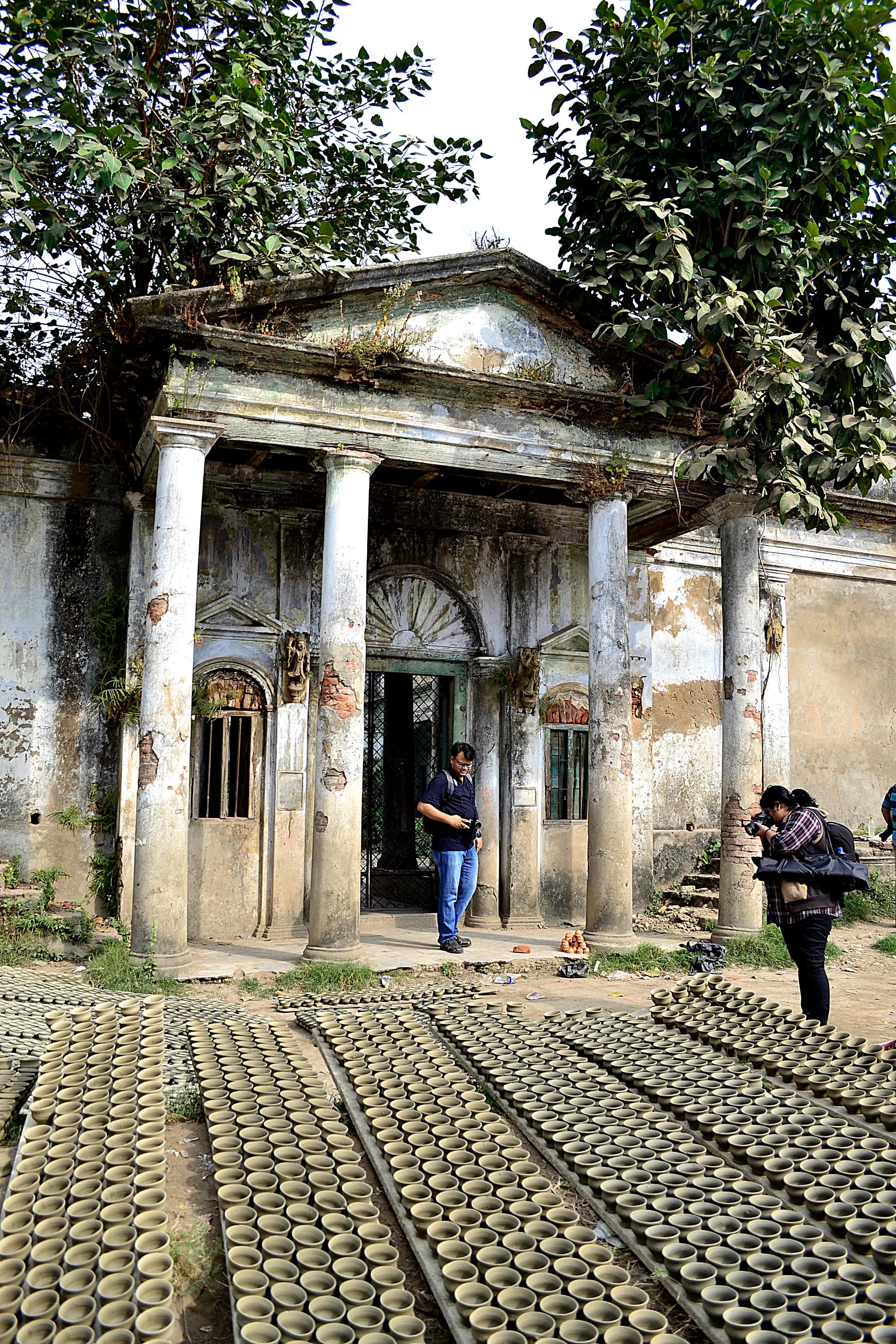
The air hung heavy with the scent of incense and marigold garlands as I approached Harihar Dham, a sprawling temple complex nestled amidst the rolling hills of Giridih, Jharkhand. The sheer scale of the site was immediately striking. Towering shikharas, reminiscent of the Nagara style prevalent in my home state of Madhya Pradesh, pierced the sky, their sandstone surfaces gleaming a warm ochre under the late afternoon sun. Unlike the intricate carvings that adorn many Madhya Pradesh temples, these shikharas possessed a certain stark elegance, their smooth surfaces punctuated only by rhythmic projections and a simple amalaka crowning each spire. My lens immediately gravitated towards the main temple dedicated to Harihar, the combined form of Vishnu (Hari) and Shiva (Har). The structure, a blend of North and South Indian architectural styles, showcased a fascinating interplay of influences. The curvilinear shikhara, a hallmark of the Nagara style, dominated the skyline, while the square mandapa, with its sturdy pillars and pyramidal roof, hinted at a Dravidian influence. This fusion, rarely seen in such a pronounced manner, spoke volumes about the region's rich cultural crossroads. As I circled the main temple, I noticed intricate carvings adorning the doorway. Depictions of deities, celestial beings, and scenes from Hindu mythology unfolded in meticulous detail. The sandstone, weathered by time and the elements, lent these carvings a unique patina, a testament to the temple's enduring presence. I spent a considerable amount of time documenting these narrative panels, each one a window into the rich tapestry of Hindu beliefs. Beyond the main temple, the complex sprawled across a vast area, encompassing smaller shrines dedicated to various deities. A particularly captivating structure was the temple dedicated to Radha-Krishna. Its smaller scale and ornate carvings provided a stark contrast to the imposing grandeur of the Harihar temple. The delicate latticework screens, known as jalis, allowed for a play of light and shadow within the sanctum, creating an ethereal atmosphere. I captured the interplay of light filtering through these jalis, highlighting the intricate carvings of the divine couple. One aspect that truly captivated me was the presence of numerous smaller shrines scattered throughout the complex, almost like miniature echoes of the main temple. Each shrine, though smaller in scale, possessed its own unique architectural character, showcasing variations in shikhara design and decorative elements. This decentralized approach to temple architecture created a sense of exploration and discovery, inviting visitors to wander through the complex and uncover hidden gems. The presence of a large water tank, or kunda, added another layer to the site's spiritual significance. Devotees were performing ritual ablutions in the kunda, their chants and prayers resonating through the air. The reflection of the towering shikharas in the still water of the kunda created a mesmerizing visual, a perfect blend of the built and natural environment. I captured this scene, aiming to convey the serene atmosphere and the deep spiritual connection that permeated the site. My experience at Harihar Dham was more than just a photographic documentation; it was an immersion into a vibrant spiritual landscape. The architectural nuances, the intricate carvings, and the palpable devotion of the pilgrims all contributed to a profound sense of place. As I packed my equipment, I felt a deep sense of gratitude for the opportunity to witness and document this remarkable testament to India's rich cultural heritage. The images I captured, I hope, will serve as a window into this sacred space, allowing others to glimpse the beauty and spiritual significance of Harihar Dham.
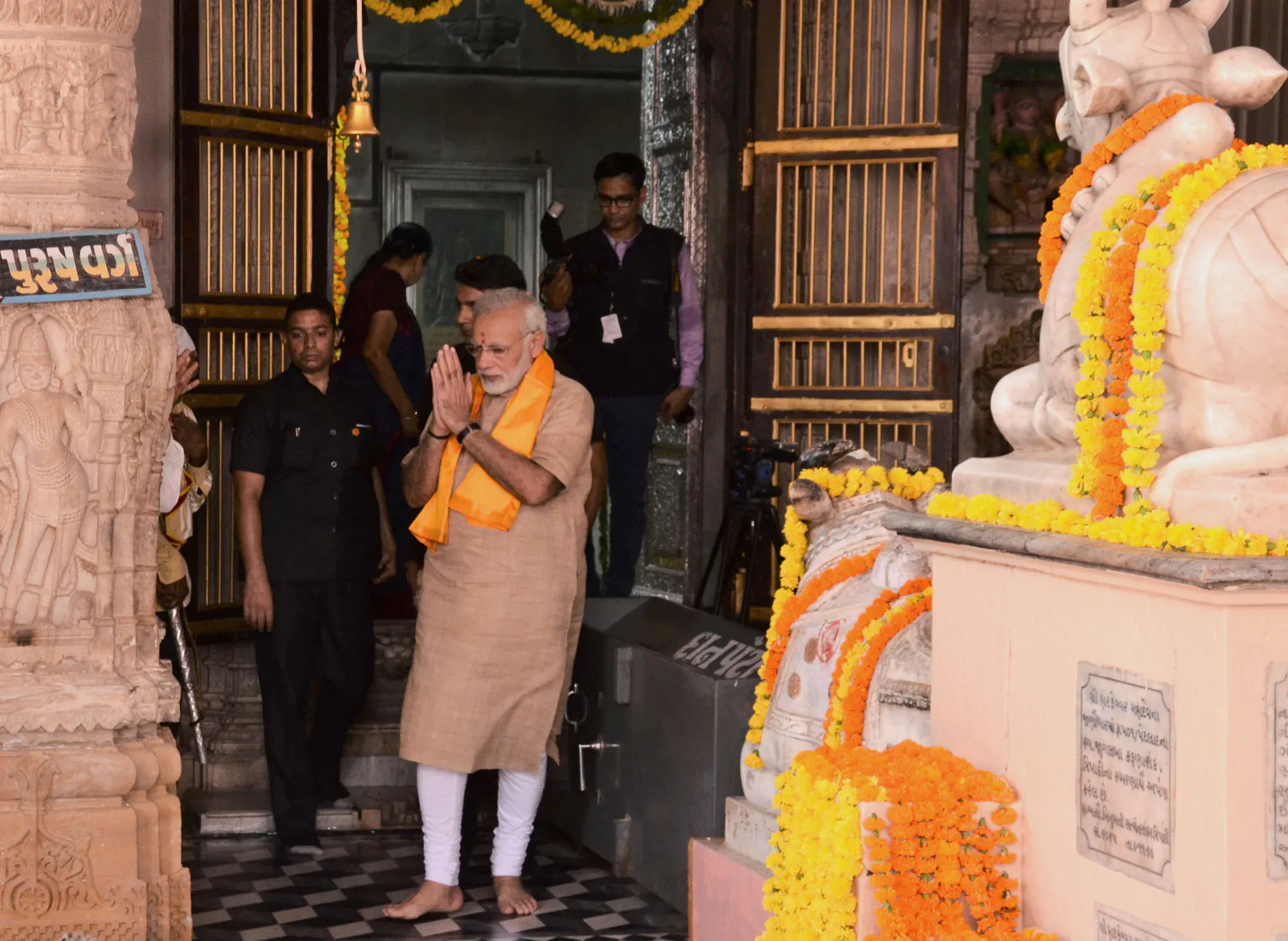
The late afternoon sun cast long shadows across the courtyard of the Hatkeshwar Mahadev Temple in Raipur, illuminating the weathered sandstone in hues of gold and amber. A palpable sense of history hung in the air, a quiet hum that resonated with the centuries of devotion that have unfolded within these walls. My visit here, as a cultural writer specializing in ancient Indian architecture, was not merely a stop on an itinerary; it was a pilgrimage into the heart of Chhattisgarh’s architectural heritage. The temple, dedicated to Lord Shiva, stands as a testament to the architectural prowess of the Kalchuri dynasty, who ruled this region between the 10th and 12th centuries CE. Unlike the towering, elaborately sculpted temples of South India, Hatkeshwar Mahadev exhibits a more restrained elegance. Its sandstone structure, though weathered by time and the elements, retains a dignified simplicity. The main shikhara, or tower, rises above the sanctum sanctorum, its curvilinear form a classic example of the Nagara style prevalent in North India. However, what struck me most was the subtle integration of regional influences. The shikhara, while undeniably Nagara, possesses a certain robustness, a groundedness that felt distinctly Chhattisgarhi. Stepping inside the dimly lit garbhagriha, the sanctum sanctorum, I was met with the cool, earthy scent of incense and the hushed whispers of devotees. The presiding deity, a Shiva lingam, is bathed in the soft glow of oil lamps, creating an atmosphere of profound reverence. The walls of the garbhagriha, though plain in comparison to later temple architecture, are not devoid of artistry. Close inspection revealed intricate carvings of floral motifs and geometric patterns, subtly etched into the sandstone. These understated embellishments spoke volumes about the aesthetic sensibilities of the Kalchuri artisans, who prioritized elegance over ostentation. Moving through the temple complex, I observed the mandap, or pillared hall, which precedes the garbhagriha. The pillars, though weathered, still bear traces of intricate carvings depicting scenes from Hindu mythology. I was particularly drawn to a panel depicting the marriage of Shiva and Parvati, its narrative vividly brought to life through the skilled hands of the sculptors. The mandap, open on three sides, allows for a seamless flow of air and light, creating a space that is both contemplative and connected to the surrounding environment. One of the most intriguing aspects of Hatkeshwar Mahadev is its layered history. While the core structure dates back to the Kalchuri period, subsequent additions and renovations, spanning several centuries, have left their mark on the temple. This palimpsest of architectural styles, rather than detracting from the temple’s beauty, adds a layer of complexity and intrigue. For instance, a small shrine dedicated to Goddess Durga, built in a later period, stands adjacent to the main temple, showcasing a slightly different architectural idiom. This juxtaposition of styles offers a fascinating glimpse into the evolution of religious and artistic practices in the region. My time at Hatkeshwar Mahadev was more than just an architectural study; it was an immersive experience that connected me to the spiritual and cultural fabric of Chhattisgarh. The temple, in its weathered grandeur, stands as a silent witness to the passage of time, a repository of stories whispered across generations. It is a place where the past and the present converge, where the echoes of ancient chants mingle with the murmurings of contemporary devotees. As I left the temple grounds, the setting sun casting a final, golden glow on the sandstone walls, I carried with me not just photographs and notes, but a profound sense of awe and a deeper understanding of the rich architectural heritage of this often-overlooked region of India.
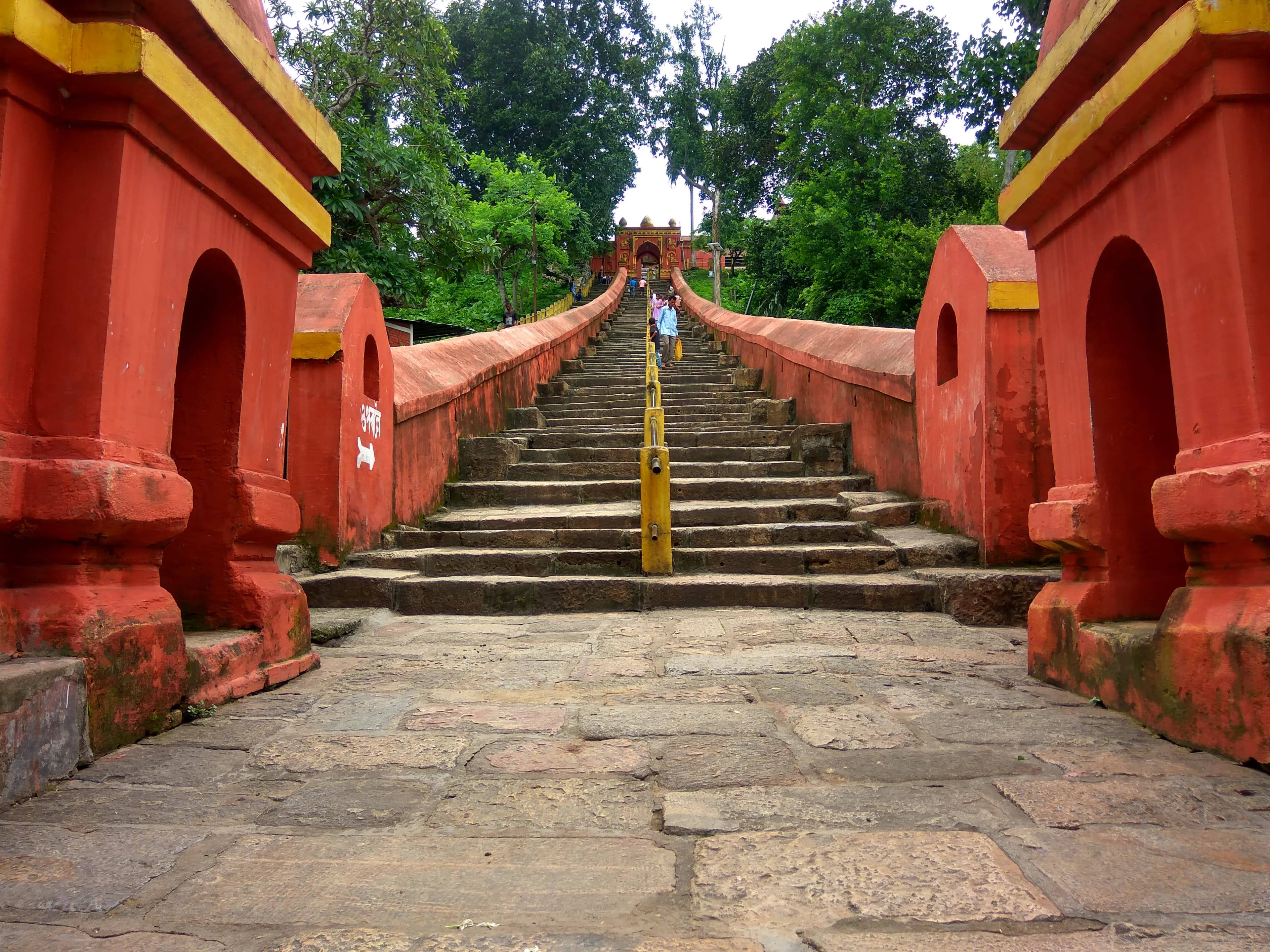
The Hayagriva Madhava Temple, perched atop Monikut Hill in Hajo, Assam, exudes a serenity that belies its complex history. The climb itself, a gentle ascent through lush greenery, prepares one for the spiritual journey that awaits. As I reached the plateau, the temple, a simple yet elegant structure, emerged from the foliage, its ochre walls glowing warmly in the afternoon sun. This isn’t the soaring grandeur of Khajuraho or the intricate carvings of Konark, but a quiet dignity permeates the space, a testament to centuries of devotion. The temple, dedicated to Hayagriva Madhava, a form of Vishnu with a horse's head, is a fascinating blend of architectural styles. While predominantly Assamese in character, whispers of other influences are evident. The pyramidal roof, constructed of brick and covered with plaster, is a hallmark of the region, echoing the sloping hills that surround it. However, the use of stone in the base and the doorway, along with certain decorative motifs, hints at a possible influence from the Koch dynasty, known for their patronage of temple architecture. The absence of elaborate sculptures, so common in other parts of India, further underscores the temple's unique character. It’s a style that prioritizes form and proportion over ornamentation, creating a sense of peaceful contemplation. Inside the garbhagriha, the sanctum sanctorum, resides the main deity. Photography is prohibited within, but the mental image remains vivid. The dimly lit space, the scent of incense, and the hushed reverence of the devotees created an atmosphere of profound spirituality. The deity itself, though small and unassuming, radiated a palpable energy, a testament to the deep faith it inspires. Stepping out of the sanctum, I was struck by the panoramic view from the temple courtyard. The Brahmaputra River, a shimmering ribbon in the distance, snaked its way through the verdant landscape. Local legend connects this temple to the Hayagriva Madhava Temple in Tibet, claiming that the head of the deity in Hajo was taken there. Standing there, overlooking the vast expanse, I could almost believe the tale, imagining a time when these two distant lands were connected by threads of faith and pilgrimage. The temple complex also houses smaller shrines dedicated to other deities, each with its own unique story to tell. The Kedareswara Temple, situated nearby, is believed to have been built by the Pandavas during their exile. The architectural similarities between the two temples suggest a shared lineage, further enriching the historical tapestry of the site. I spent hours exploring these smaller shrines, each a microcosm of the region's rich cultural heritage. What struck me most about Hayagriva Madhava Temple was its unpretentious beauty. It’s not a monument that overwhelms with its scale or intricacy, but rather invites quiet reflection. The simplicity of the architecture, the serene surroundings, and the palpable devotion of the pilgrims create an atmosphere of profound peace. It’s a place where one can connect with something larger than oneself, a feeling that lingers long after leaving the hallowed grounds. As I descended the hill, the temple receding into the green embrace of Monikut, I carried with me not just images of its unique architecture, but a renewed appreciation for the enduring power of faith and the quiet beauty of simplicity.
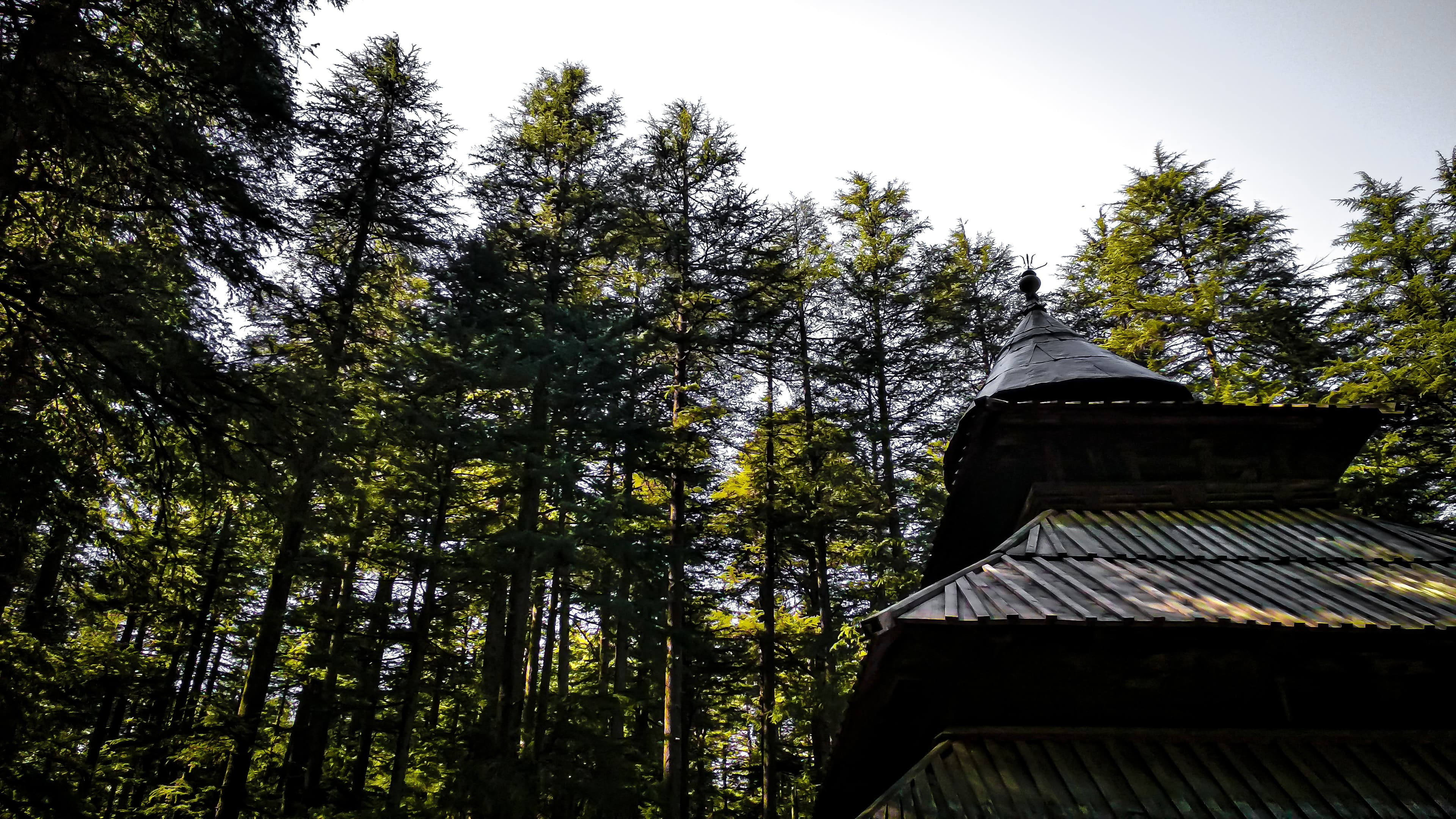
The crisp mountain air of Manali carried the scent of pine as I approached the Hidimba Devi Temple, a structure that seemed to rise organically from the dense cedar forest surrounding it. Unlike the ornate stone temples I'm accustomed to in Gujarat, this one was strikingly different, a testament to the unique architectural traditions of the Himalayas. The four-tiered pagoda-style roof, crafted entirely of wood, commanded attention. Each tier, diminishing in size as it ascended, was covered with intricately carved wooden shingles, creating a textured, almost woven effect. The broad eaves, also wooden, projected outwards, offering a sense of shelter and echoing the protective embrace of the surrounding forest. Circling the temple, I observed the intricate carvings that adorned the wooden panels. Depictions of animals, deities, and floral motifs were etched with remarkable detail, narrating stories that I longed to decipher. The deep brown wood, darkened by time and weather, lent an air of ancient wisdom to these narratives. A particularly striking panel portrayed the goddess Durga riding a lion, a powerful image that resonated with the raw, untamed beauty of the landscape. These carvings, unlike the precise and polished stonework I’ve seen in Gujarat’s temples, possessed a rustic charm, a direct connection to the natural world. The foundation of the temple, constructed of stone, provided a sturdy base for the towering wooden structure. This marriage of stone and wood, a blend of the earthbound and the ethereal, felt deeply symbolic. The stone represented the enduring strength of the mountains, while the wood spoke to the transient nature of life, a constant cycle of growth and decay. This duality, so evident in the temple's architecture, seemed to reflect the very essence of the Himalayan landscape. Entering the small, dimly lit sanctum, I was struck by the absence of a traditional idol. Instead, a large rock, believed to be the imprint of the goddess Hidimba Devi, served as the focal point of worship. This reverence for a natural formation, rather than a sculpted image, further emphasized the temple's connection to the surrounding environment. The air within the sanctum was thick with the scent of incense and the murmur of prayers, creating an atmosphere of quiet contemplation. Outside, the temple grounds were alive with activity. Local vendors sold colorful trinkets and offerings, while families gathered to offer prayers and seek blessings. The vibrant energy of the present contrasted beautifully with the ancient stillness of the temple itself, creating a dynamic interplay between the past and the present. I observed a young girl carefully placing a flower at the base of a cedar tree, a simple act of devotion that spoke volumes about the deep-rooted reverence for nature in this region. As I descended the stone steps, leaving the temple behind, I couldn’t help but reflect on the profound impact of the experience. The Hidimba Devi Temple was more than just a structure; it was a living testament to the harmonious coexistence of human creativity and the natural world. It was a reminder that architecture can be a powerful expression of cultural identity, a tangible link to the past, and a source of inspiration for the future. The temple’s unique wooden architecture, its intricate carvings, and its reverence for nature offered a refreshing contrast to the architectural traditions I was familiar with, broadening my understanding of the diverse cultural landscape of India. The image of the towering wooden pagoda, nestled amidst the towering cedars, remained etched in my mind, a symbol of the enduring power of faith and the timeless beauty of the Himalayas.
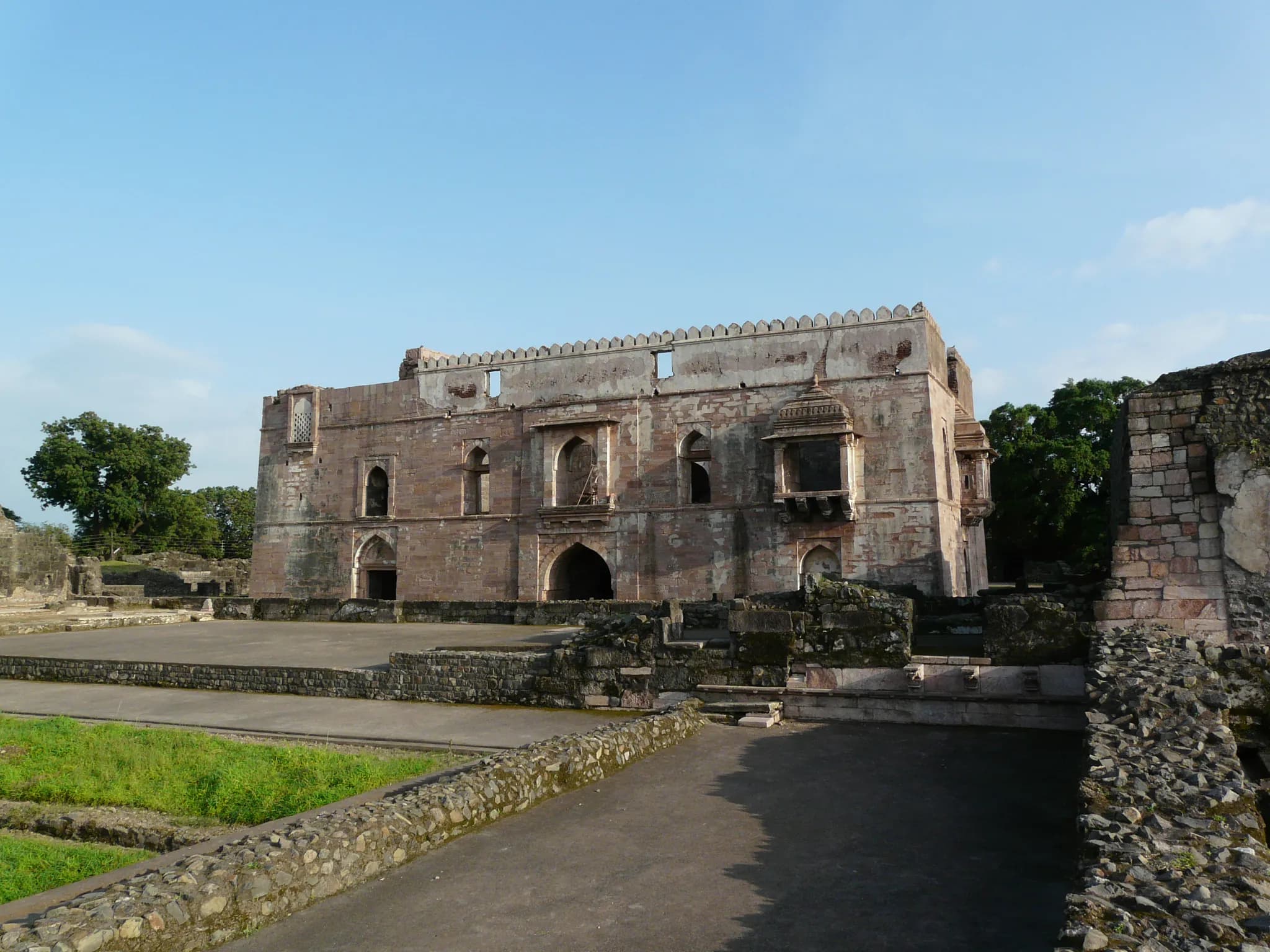
The sloping walls of the Hindola Mahal rose before me, an arresting sight against the clear Mandu sky. Its peculiar incline, giving the structure its name – Swinging Palace – felt almost precarious, as if a strong gust of wind could set the whole edifice swaying. Standing at its base, I craned my neck, my gaze tracing the lines of the T-shaped structure, divided into two distinct halls. The larger hall, presumably the Darbar Hall, exuded an air of grandeur, even in its current state of ruin. The battered stone walls, devoid of their original plaster, whispered tales of bygone eras. I ran my hand over the rough surface, imagining the vibrant court life that once thrived within these walls. The absence of elaborate ornamentation, so common in other Mandu palaces, struck me. The beauty of the Hindola Mahal lay in its stark simplicity, its strength, and its unusual architectural design. The massive sloping walls, reinforced by arched buttresses, were a testament to the ingenuity of the Afghan architects who conceived this marvel. Entering the Darbar Hall, I was immediately struck by its sheer scale. The high ceiling, supported by pointed arches springing from massive piers, created a sense of awe. The light filtering through the arched openings cast dramatic shadows, accentuating the texture of the weathered stone. I could almost hear the echoes of royal pronouncements and the murmur of courtly conversations. The hall, despite its emptiness, resonated with a palpable sense of history. A narrow passage led me to the smaller hall, believed to have been the royal chambers. Here, the inclination of the walls was even more pronounced, adding to the palace's unique character. I peered out of the arched windows, framing the panoramic views of the Mandu plateau. It was easy to imagine the royalty enjoying the cool breeze and the breathtaking vistas from these very windows. The architectural style of the Hindola Mahal, a blend of Afghan and indigenous influences, intrigued me. The robust structure, with its sloping walls and pointed arches, bore a distinct resemblance to the architectural traditions of the Tughlaq dynasty of Delhi. Yet, the use of locally sourced sandstone and the integration of certain indigenous elements gave it a unique regional character. It was a fascinating example of architectural fusion, a testament to the cultural exchange that shaped the region's history. Walking around the exterior, I observed the series of arched openings that punctuated the sloping walls. These arches, besides their aesthetic appeal, served a crucial structural purpose. They acted as buttresses, supporting the inclined walls and preventing them from collapsing inwards. This ingenious design was a marvel of engineering, allowing the architects to create a structure that was both visually striking and structurally sound. As I moved further away from the palace, I paused to take in the full view. The Hindola Mahal, with its sloping walls and imposing presence, stood as a silent witness to the rise and fall of empires. It was a poignant reminder of the impermanence of power and the enduring legacy of architecture. The experience left me with a deep appreciation for the ingenuity of the past and a renewed sense of wonder for the architectural treasures that dot the landscape of my home state, Gujarat, and its neighboring regions. The Hindola Mahal, with its unique charm and historical significance, deserves to be recognized as one of India's architectural gems.

The air hung heavy with the scent of incense and marigold as I approached the Hiyangthang Lairembi Temple. Situated on the banks of the Loktak Lake in Manipur, this sacred site dedicated to the goddess Lairembi, the protector of the Meitei community, immediately captivated me. Unlike the towering granite structures of my native Tamil Nadu, this temple presented a different architectural vocabulary, a testament to the unique traditions of the Meitei people. The temple complex, enclosed within a low brick wall, felt intimate and inviting. The main shrine, a rectangular structure raised on a platform, was constructed primarily of wood, a material rarely used for major temples in South India. The sloping roof, covered with thatch, extended outwards, creating deep eaves that provided shelter from the elements. This reminded me of the Kerala style of temple architecture, though the overall aesthetic was distinctly Manipuri. Intricate wood carvings adorned the eaves and the supporting pillars, depicting mythical creatures and floral motifs. The absence of the elaborate gopurams and vimanas so characteristic of Dravidian architecture allowed the intricate woodwork to take center stage. Ascending the steps to the main shrine, I noticed the absence of a traditional doorway. Instead, a richly embroidered cloth hung as a curtain, partially obscuring the inner sanctum. This created a sense of mystery and reverence, heightening the anticipation of encountering the deity within. The interior, dimly lit by oil lamps, housed the image of Lairembi. Unlike the stone or metal idols common in South Indian temples, the goddess here was represented by a symbolic form wrapped in cloth, a practice that resonated with certain tribal traditions. Surrounding the main shrine were smaller structures dedicated to other deities of the Meitei pantheon. These smaller shrines, also built of wood and thatch, echoed the architectural style of the main temple, creating a harmonious ensemble. The entire complex was arranged around a central courtyard, which served as a space for rituals and community gatherings. I observed several devotees performing traditional dances and offering prayers, their movements fluid and graceful, accompanied by the rhythmic beating of drums. The temple's location on the edge of Loktak Lake added another layer of significance. The lake, a vital part of the Meitei ecosystem and mythology, is considered sacred. This connection between the temple and the natural world was palpable. The gentle lapping of the waves against the shore created a soothing backdrop to the religious activities, reinforcing the sense of tranquility and spiritual connection. As I explored the temple complex, I noticed several elements that reflected the syncretic nature of Meitei culture. While the architecture and rituals were distinctly indigenous, there were subtle influences from Hinduism, particularly in the iconography and some of the religious practices. This blending of traditions spoke to the region's rich history and its position as a cultural crossroads. My visit to the Hiyangthang Lairembi Temple was a powerful reminder of the diversity of India's sacred architecture. It challenged my preconceived notions, shaped by my familiarity with South Indian temples, and broadened my understanding of the ways in which different communities express their faith and connect with the divine. The temple's unique blend of wood and thatch, its intimate scale, and its profound connection to the natural world created an atmosphere of reverence and tranquility that I will long remember. It was a privilege to witness this living testament to the rich cultural heritage of Manipur.

The vibrant ochre and saffron hues of the ISKCON Temple in Aizawl cut a striking figure against Mizoram's verdant hills. Perched atop a hill, the temple commands a panoramic view of the city, a vista that immediately instilled a sense of tranquility. Unlike the bustling, often chaotic atmosphere surrounding many Indian temples, a palpable sense of peace permeates this space. My visit here, as part of my project to document all of India's UNESCO World Heritage sites, offered a unique perspective on the interplay of faith and architecture in the Northeast. The temple’s architecture is a fascinating blend of traditional Nagara style with subtle Mizo influences. The towering shikharas, adorned with intricate carvings, reach towards the sky, a testament to the devotion that fueled their construction. While the core architectural elements are distinctly North Indian, the use of local materials, particularly in the construction of the surrounding walls and the landscaping, creates a sense of harmony with the environment. I noticed the extensive use of locally sourced timber, lending a warm, earthy tone to the complex. The sloping roofs, reminiscent of traditional Mizo houses, further enhance this integration. Stepping inside the main prayer hall, I was struck by the serene atmosphere. The soft chanting of Hare Krishna filled the air, punctuated by the rhythmic clanging of cymbals. The deity of Radha Krishna, resplendent in vibrant attire and adorned with flowers, held court at the center. The devotees, a mix of locals and visitors, engaged in prayer with an air of quiet devotion. I observed that the temple served as a focal point not just for religious practice, but also as a community gathering space. Families sat together, sharing stories and Prasad, creating a warm and inclusive environment. The temple complex extends beyond the main prayer hall, encompassing a guesthouse, a library, and a vegetarian restaurant. The guesthouse, designed with simple elegance, offers comfortable accommodation for visitors. The library, stocked with a vast collection of religious texts and philosophical treatises, provides a space for contemplation and learning. I spent a fascinating hour browsing through ancient scriptures, gaining a deeper understanding of the Vaishnava tradition. The Govinda’s restaurant, serving delicious and affordable vegetarian meals, is a popular spot for both devotees and locals. I savored a simple thali, appreciating the fresh, local ingredients and the peaceful ambiance. One of the most memorable aspects of my visit was witnessing the evening aarti. As the sun dipped below the horizon, casting a golden glow over the city, the temple came alive with the sounds of devotional music and chanting. The rhythmic clapping and the fervent prayers created an electrifying atmosphere. The sight of hundreds of devotees, their faces illuminated by the flickering lamps, was truly moving. It was a powerful reminder of the unifying power of faith. My visit to the ISKCON Temple in Aizawl was more than just a stop on my UNESCO journey; it was an immersive cultural experience. It offered a glimpse into the vibrant religious landscape of Mizoram and the harmonious coexistence of different traditions. The temple's architectural beauty, the serene atmosphere, and the warm hospitality of the devotees left a lasting impression. It underscored the importance of these spiritual sanctuaries not just as places of worship, but as vital community hubs, fostering a sense of belonging and shared identity. This experience further solidified my belief that exploring these sites offers a profound understanding of India's rich cultural tapestry.
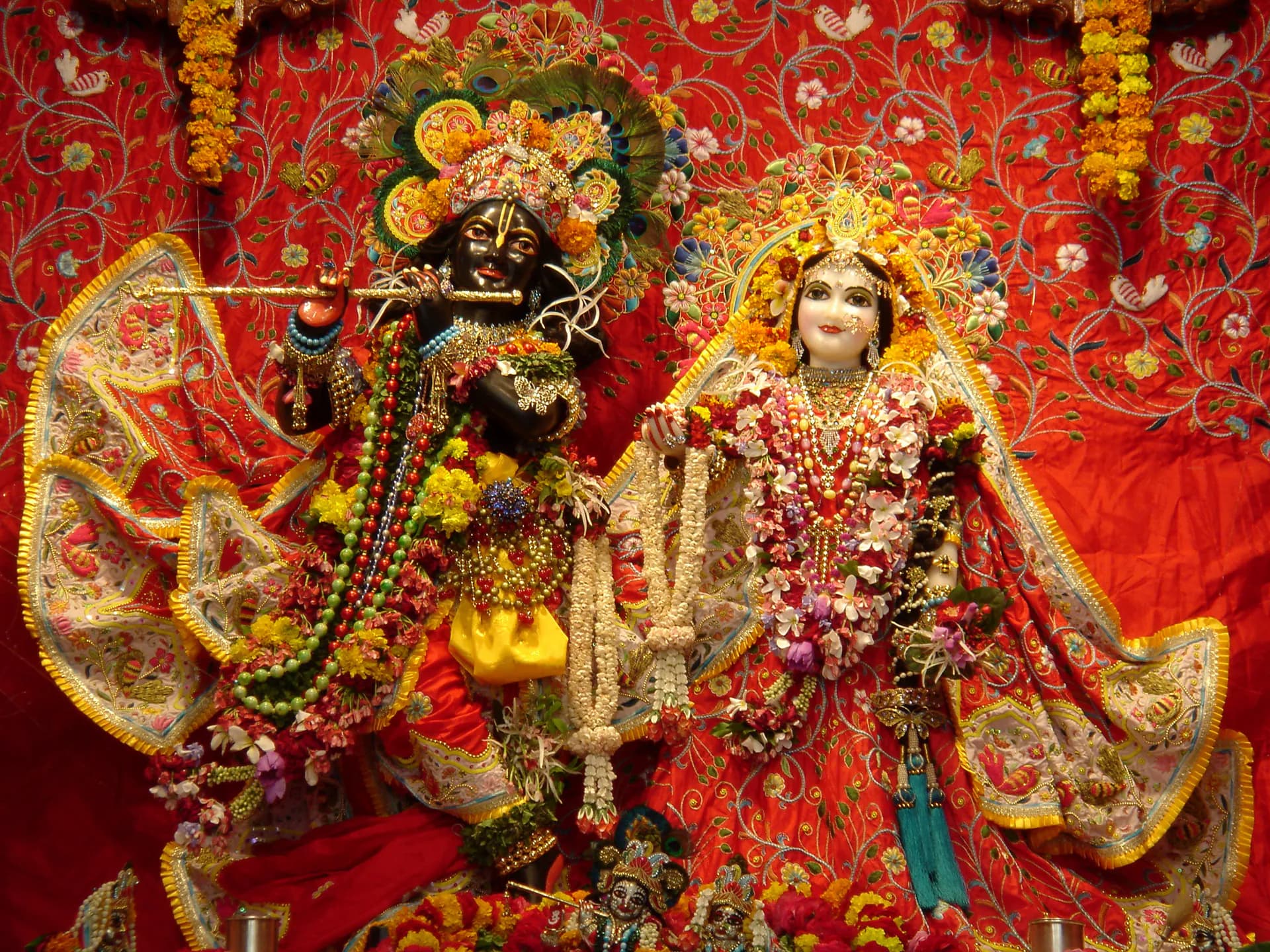
The ISKCON Temple Dimapur, dedicated to Lord Krishna, stands in Dimapur, Nagaland, as a testament to India's enduring spiritual and architectural traditions, which span millennia [1]. Consecrated in 1995 CE, this contemporary edifice draws deeply from indigenous Indian architectural styles, primarily Orissan Nagara and broader Nagara forms, while also incorporating elements reminiscent of Gupta and Neo-Classical aesthetics [2]. The temple's design reflects a continuous lineage of sacred architecture, emphasizing the profound cultural practices and spiritual devotion that have characterized Indian civilization for thousands of years [1] [2]. The architectural scheme of the ISKCON Temple Dimapur is a modern interpretation of the Nagara style, which is prevalent across North India and characterized by its towering, curvilinear shikhara [2]. Specifically, it incorporates features of the Orissan Nagara sub-school, where the shikhara, known as a 'Deul', rises almost vertically before curving sharply inwards towards the summit [5]. The temple typically features a 'garbhagriha' (sanctum sanctorum) housing the principal deity, preceded by one or more 'mandapas' (halls) [2] [5]. In Orissan style, a 'Jagamohan' (assembly hall) often precedes the 'Deul', and the main temple's ground plan is nearly invariably square, with a round 'Mastaka' (crowning element) at the apex of its superstructure [5]. The exterior walls of Nagara temples are often articulated with projections known as 'rathas', which create a dynamic interplay of light and shadow and enhance ornamentation [2]. The temple's construction utilizes reinforced cement concrete (RCC) for structural integrity, with concrete grades such as M30 employed to ensure high load-bearing capacity and durability [4]. The foundation typically involves pile foundations, designed to support the substantial weight of the superstructure [4]. Materials like sandstone, often used in traditional Nagara temples, are likely complemented by modern finishes and decorative elements, reflecting the blend of ancient aesthetics with contemporary construction methods [2] [4]. Decorative elements within ISKCON temples often include intricate carvings and sculptures that depict deities, celestial beings, and mythological narratives, reflecting the rich heritage of Vedic culture . The design principles are rooted in Vedic traditions, drawing from texts like the Shilpa Shastras and Vastu Shastra, which emphasize harmony with natural elements and cosmic energies . Towering 'shikharas' symbolize Mount Meru, the cosmic axis, guiding spiritual focus heavenward . The sanctum sanctorum, housing the deities, is meticulously aligned with cardinal directions, with east-facing entrances welcoming the sun's first rays, symbolizing enlightenment . The temple complex is designed to include community spaces such as kirtan halls for collective chanting, prasadam (sanctified food) dining areas, libraries, and classrooms, fostering a holistic spiritual ecosystem . Conservation efforts for ISKCON temples generally focus on maintaining the structural integrity of modern construction while preserving the traditional artistic and spiritual elements . The temple is actively programmed with daily rituals, festivals, and educational initiatives, serving as a vibrant center for spiritual gatherings and community service [1]. It is fully operational, accessible to devotees and visitors, and maintained by the ISKCON Foundation, ensuring its role as a continuous beacon of devotion and cultural preservation [1].
Related Collections
Discover more heritage sites with these related collections
Explore More Heritage
Explore our comprehensive documentation of these 278 heritage sites, featuring architectural analysis, historical context, visitor information, conservation status, and detailed site-specific resources supporting meaningful engagement with India's living heritage traditions.
Historical Context
Understanding the historical context of these 278 heritage sites illuminates centuries of Hindu architectural achievement and spiritual devotion. Across successive dynasties, royal patrons and spiritual communities collaborated to create these magnificent monuments as expressions of dharmic duty and devotional fervor. Multiple dynasties contributed distinctive architectural visions, engaging master architects (sthapatis), skilled sculptors (shilpis), and specialized craft guilds who transmitted knowledge through generations. These collaborations produced monuments reflecting both royal vision and artisan mastery, incorporating ancient Vedic principles with regional innovations. Archaeological and epigraphic research continues revealing fascinating details about construction processes, guild organization, material sourcing, and patronage networks. Foundation inscriptions, donor records, and architectural evidence illuminate the devotion, resources, and expertise invested in creating these sacred spaces that honor the divine while demonstrating human achievement at its finest.
Architectural Significance
The architectural elements visible across these 278 heritage sites demonstrate the sophisticated synthesis of aesthetic beauty, structural engineering, and spiritual symbolism characteristic of Hindu temple architecture. The Nagara Style Architecture tradition expresses itself through distinctive features: distinctive regional architectural elements, spatial planning principles, and decorative vocabularies. Indigenous building materials—locally sourced stone, traditional lime mortars, timber where appropriate—shaped architectural possibilities and aesthetic expressions. Monumental scale creates appropriate awe, preparing visitors psychologically for divine encounter. Intricate sculptural programs covering every surface teach Puranic narratives and iconographic conventions, transforming architecture into pedagogical instruments. Structural innovations—corbelling achieving remarkable cantilevers, domed ceilings distributing forces through hidden interlocking systems—demonstrate engineering knowledge refined through centuries of practical experience. Lighting conditions dramatically affect sculptural perception; morning and evening illumination reveals details obscured during harsh midday sun. Advanced documentation through photogrammetry and laser scanning continues discovering previously unrecorded architectural elements, enriching scholarly understanding of these magnificent achievements.
Conservation & Preservation
The preservation status of these 278 heritage sites reflects ongoing commitment to safeguarding India's irreplaceable heritage. 13 receive Archaeological Survey of India protection, ensuring legal safeguards and systematic conservation programs. Challenges include environmental factors, material degradation, and visitor management. Professional conservation employs traditional techniques alongside modern technology: structural monitoring, condition assessments, and preventive measures addressing deterioration before critical failures occur. Advanced documentation—aerial surveys, laser scanning, material analysis—creates comprehensive records supporting evidence-based interventions. Visitor participation in heritage preservation includes respectful site conduct, reporting observed damage, and supporting conservation initiatives financially. The investment in documentation and monitoring ensures that when intervention becomes necessary, restoration maintains historical authenticity and technical compatibility with original construction methods.
Visitor Information
Planning visits to these 278 heritage sites benefits from understanding access logistics and appropriate conduct. India offers well-developed infrastructure with accommodation options available near major heritage sites. The optimal visiting season extends October through March. Entry fees at protected sites typically range ₹25-₹40. Photography for personal use is generally permitted, though tripods and professional equipment may require advance authorization. Virtual tours of 3 sites enable preliminary exploration and research. Respectful conduct honors both the monuments and continuing worship traditions: modest attire with covered shoulders and legs, shoe removal in temple sanctums, quiet demeanor, and abstaining from touching sculptural surfaces. Knowledgeable local guides enhance understanding of architectural features, iconographic programs, and ritual contexts, transforming visits into meaningful cultural experiences.
Key Facts & Statistics
Total documented heritage sites: 278
UNESCO World Heritage Sites: 6
Source: UNESCO World Heritage Centre
Archaeological Survey of India protected monuments: 13
Source: Archaeological Survey of India
Sites with 3D laser scan documentation: 4
Sites with 360° virtual tours: 3
Sites with detailed architectural floor plans: 1
Temple: 195 sites
Fort: 38 sites
Monument: 29 sites
Palace: 6 sites
Museum: 4 sites
Indo-Islamic architecture style, Mughal architecture style, Rajput architecture style, Nagara architecture style architectural style: 3 sites
Pahari architecture style, Nagara architecture style, Shikhara architecture style, Hindu Temple architecture style architectural style: 3 sites
Indo-Saracenic Revival architecture style, Nagara architecture style, Rajput architecture style, Mughal architecture style architectural style: 2 sites
Bengal Temple architecture style, Nagara architecture style, Kalinga architecture style, Hindu Temple architecture style architectural style: 2 sites
Maru-Gurjara architecture style, Nagara architecture style, Chalukya architecture style, Hindu Temple architecture style architectural style: 2 sites
Bengal Renaissance Period period construction: 35 sites
Ahom Period period construction: 35 sites
Rajput Period period construction: 34 sites
Maratha Period period construction: 22 sites
Gurjara-Pratihara Period period construction: 17 sites
Average documentation completion score: 79%
Featured flagship heritage sites: 278
Frequently Asked Questions
How many heritage sites are documented in India?
This collection includes 278 documented heritage sites across India. Of these, 6 are UNESCO World Heritage Sites. 13 sites are centrally protected by Archaeological Survey of India. Each site has comprehensive documentation including photos, floor plans, and historical research.
What is the best time to visit heritage sites in India?
October through March is ideal for visiting heritage sites in India. Major festivals also offer unique cultural experiences. Check individual site pages for specific visiting hours and seasonal closures.
What are the entry fees for heritage sites?
Protected monuments typically charge ₹25-₹40. State-protected sites often have lower or no entry fees. Many temples and religious sites are free. Children often enter free. Still photography is usually included; video may require additional permits.
Are photography and videography allowed at heritage sites?
Still photography for personal use is generally permitted at most heritage sites. Tripods, flash photography, and commercial filming usually require special permissions. Some sites restrict photography of murals, sculptures, or sanctums. Drones are prohibited without explicit authorization. Always respect signage and guidelines at individual monuments.
Are these heritage sites wheelchair accessible?
Accessibility varies significantly. Major UNESCO sites and recently renovated monuments often have ramps and accessible facilities. However, many historical structures have steps, uneven surfaces, and narrow passages. Contact site authorities in advance for specific accessibility information. Our site pages indicate known accessibility features where available.
Are guided tours available at heritage sites?
Licensed guides are available at most major heritage sites, typically charging ₹200-₹500 for 1-2 hour tours. ASI-approved guides provide historical and architectural insights. Audio guides are available at select UNESCO sites. Our platform offers virtual tours and detailed documentation for 3 sites.
What is the conservation status of these heritage sites?
13 sites are legally protected by ASI. Active conservation includes structural stabilization, surface cleaning, vegetation control, and drainage management. Digital documentation helps monitor deterioration. 4 sites have 3D scan records for evidence-based interventions.
What are the key features of Nagara Style Architecture?
Nagara Style Architecture features distinctive regional architectural elements, spatial planning principles, and decorative vocabularies. These elements evolved over centuries, reflecting regional climate, available materials, construction techniques, and cultural preferences. Each monument demonstrates unique variations within the broader architectural tradition.
What documentation is available for these heritage sites?
Each site includes high-resolution photography, architectural measurements, historical research, and expert annotations. 4 sites have 3D laser scans. 3 offer virtual tours. Floor plans show spatial organization. Documentation averages 79% completion.
How much time should I allocate for visiting?
Plan 2-3 hours for major monuments to appreciate architectural details and explore grounds. Smaller sites may require 30-60 minutes. Multi-site itineraries should allocate travel time. Early morning or late afternoon visits offer better lighting for photography and fewer crowds. Check individual site pages for recommended visiting durations.
What is the cultural significance of these heritage sites?
These monuments represent India's diverse cultural heritage, reflecting centuries of architectural innovation, religious traditions, and artistic excellence. They serve as living links to historical societies, preserving knowledge about construction techniques, social structures, and cultural values. Many sites remain active centers of worship and community gathering.
How can I practice responsible heritage tourism?
Respect site rules including photography restrictions and designated pathways. Don't touch sculptures, murals, or walls. Dispose waste properly. Hire local guides to support communities. Avoid visiting during restoration work. Learn about cultural contexts before visiting. Report damage to authorities. Your responsible behavior helps preserve heritage for future generations.
References & Sources
Nagara Style
Nagara Style architecture is a distinctive style of Indian temple architecture characterized by its unique design elements and construction techniques. This architectural tradition flourished in India and represents a significant period in Indian cultural heritage. Features include intricate carvings, precise proportions, and integration with religious symbolism.
- 1Diverse architectural styles from various periods
- 2Intricate craftsmanship and artistic excellence
- 3Historical and cultural significance
- 4Well-documented heritage value
- 5Protected under heritage conservation acts
- 6Tourist and educational significance
| 📍Rajasthan | 18 sites |
| 📍Gujarat | 16 sites |
| 📍Uttar Pradesh | 16 sites |
| 📍Haryana | 14 sites |
| 📍Madhya Pradesh | 14 sites |
| 📍Assam | 14 sites |
| 📍Himachal Pradesh | 13 sites |
| 📍Maharashtra | 13 sites |
| 📍Odisha | 13 sites |
| 📍Jharkhand | 13 sites |