Nagara Style Architecture in India
This curated collection presents 278 architecturally significant heritage sites across India, each offering authentic experiences of Hindu cultural and spiritual heritage. These monuments exemplify the Nagara Style Architecture architectural tradition, these sites spanning multiple historical periods continue serving as active centers of worship and cultural transmission. 6 hold UNESCO World Heritage designation, recognizing exceptional universal value. Our comprehensive documentation provides detailed visitor information, architectural insights, and cultural context, enabling meaningful engagement with India's living heritage traditions while respecting the sacred nature of these spaces.
278 Sites Found
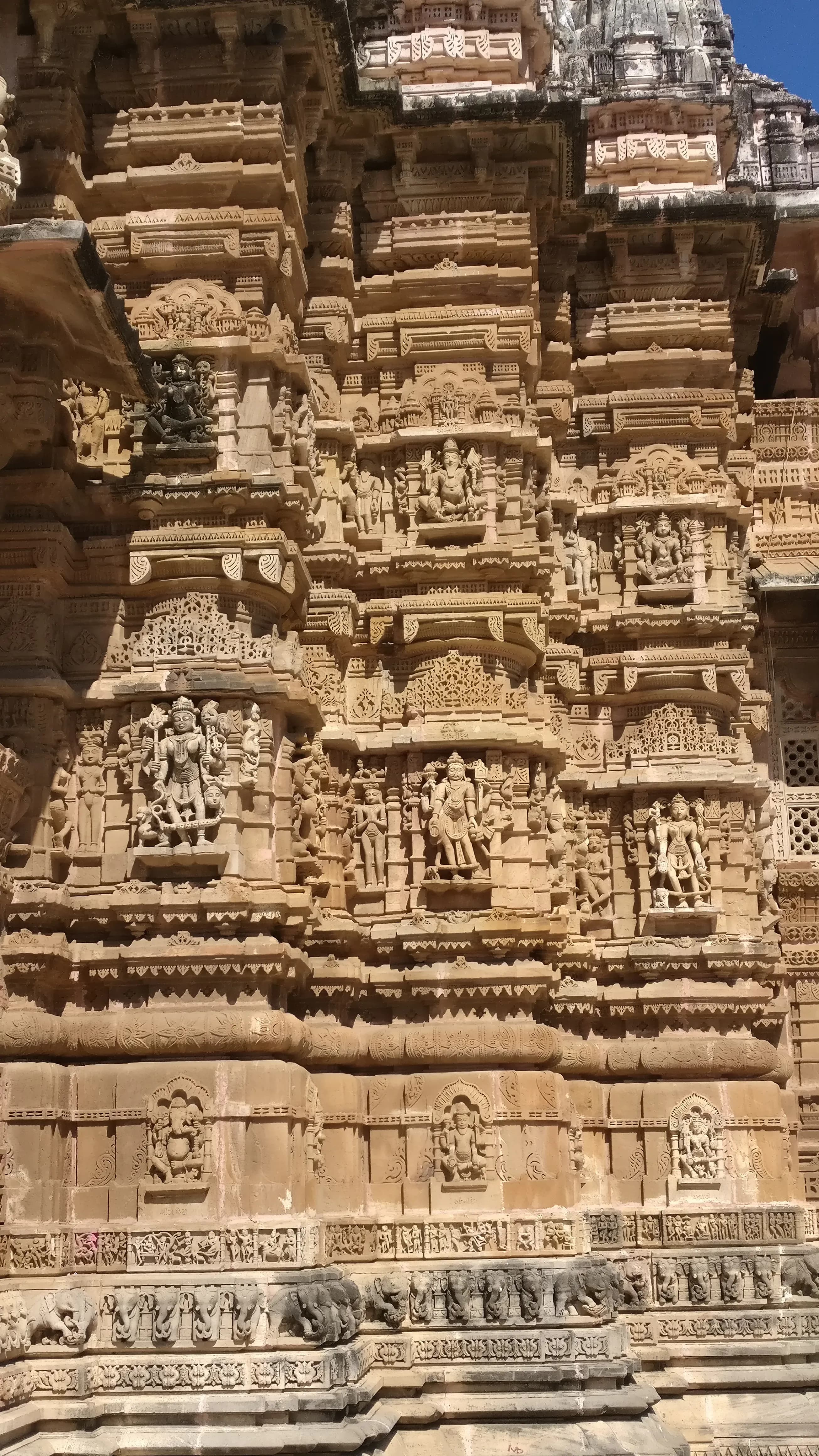
The crisp Gujarat air, scented with incense and marigold, welcomed me as I approached the Shamlaji temple. Nestled amidst the Aravalli hills, near the banks of the Meshwo river, this ancient shrine dedicated to Lord Vishnu, or more specifically, his Krishna avatar, felt instantly different from the cave temples of Maharashtra I'm so accustomed to. Here, sandstone replaces basalt, and the intricate carvings speak a different dialect of devotion. The temple complex, enclosed within a high fortified wall, immediately conveyed a sense of history and sanctity. Unlike the rock-cut architecture of my home state, Shamlaji showcases a stunning example of Maru-Gurjara architecture. The shikhara, the towering structure above the sanctum, is a masterpiece of intricate carvings. Its layered, ascending form, adorned with miniature shrines and celestial figures, draws the eye heavenward. I spent a good hour simply circling the temple, absorbing the sheer detail. Every inch seemed to narrate a story – episodes from the epics, celestial musicians, and intricate floral motifs, all carved with an astonishing precision. Stepping inside the main mandapa, or hall, I was struck by the play of light and shadow. The intricately carved pillars, each unique in its design, created a mesmerizing pattern as sunlight filtered through the jaalis, or perforated stone screens. The air was thick with the murmur of prayers and the scent of sandalwood. Devotees offered flowers and whispered their devotions to the deity, their faces illuminated by the flickering lamps. It was a scene that resonated with a deep sense of spirituality, a palpable connection to centuries of worship. The garbhagriha, the inner sanctum, houses the main deity, Shamlaji, a form of Krishna. While photography isn't permitted inside, the mental image I carry is vivid. The deity, bathed in the soft glow of oil lamps, exuded an aura of tranquility and power. The reverence of the devotees, the chanting of mantras, and the fragrance of incense created an atmosphere charged with devotion. What truly captivated me at Shamlaji was the confluence of influences. While the core architectural style is Maru-Gurjara, I noticed subtle hints of influences from other regions. Some of the sculptural elements reminded me of the Hoysala temples of Karnataka, while certain decorative motifs echoed the art of the Solankis of Gujarat. This fusion of styles speaks volumes about the historical and cultural exchanges that have shaped this region. Beyond the main temple, the complex houses several smaller shrines dedicated to other deities. I explored these with equal fascination, noting the variations in architectural style and the unique stories associated with each shrine. One particularly intriguing shrine was dedicated to Devi, the consort of Vishnu. The carvings here were more dynamic, depicting the goddess in her various forms, from the gentle Parvati to the fierce Durga. My exploration extended beyond the temple walls. The surrounding landscape, with its rolling hills and the meandering Meshwo river, added another layer to the experience. I learned that the river is considered sacred, and pilgrims often take a dip in its waters before entering the temple. This connection between the natural environment and the spiritual realm is something I’ve often observed in sacred sites across India, and it always resonates deeply with me. Leaving Shamlaji, I carried with me not just photographs and memories, but a deeper understanding of the rich tapestry of Indian art and spirituality. This temple, with its stunning architecture, its palpable sense of devotion, and its unique blend of cultural influences, stands as a testament to the enduring power of faith and the artistic brilliance of our ancestors. It’s a place I would urge anyone exploring the heritage of Western India to experience firsthand. It's a world away from the caves of Maharashtra, yet equally captivating, a testament to the diverse beauty of our nation's sacred spaces.

The humid Goan air, thick with the scent of incense and marigolds, clung to me as I ascended the sweeping laterite steps leading to the Shri Shantadurga Temple in Kavlem. Having spent years immersed in the sandstone grandeur of Rajasthan's forts and palaces, I was curious to see how this Goan temple, dedicated to the Goddess of Peace, would compare. The difference was immediate and striking – a shift from the arid, imposing structures of my home state to a serene, almost ethereal white edifice nestled amidst lush greenery. The temple complex, a sprawling expanse enclosed by high walls, felt like a world apart from the bustling activity just beyond its gates. A large, rectangular water tank, or *pushkarini*, lay before the main temple, its still surface reflecting the temple’s pristine facade. This element, so rare in Rajasthan’s desert landscape, immediately established a sense of tranquility. The temple itself, a harmonious blend of Indo-Portuguese architectural styles, stood as a testament to Goa's rich and layered history. The whitewashed walls, a stark contrast to the vibrant colours I’m accustomed to, exuded a sense of calm purity. The pyramidal roof, tiled in the distinctive terracotta style common in Goa, was crowned with a simple yet elegant golden *kalash*. Stepping inside the main prayer hall, or *sabhamandap*, I was struck by the relative simplicity of the interior. Unlike the ornately carved interiors of Rajasthan's temples, the focus here was on the deity. The silver palanquin of Shri Shantadurga, adorned with fresh flowers, held centre stage. The air was thick with the murmur of prayers and the rhythmic clang of bells, creating an atmosphere of quiet devotion. Intriguingly, the temple's pillars, while lacking the intricate carvings of Rajasthani structures, displayed a unique blend of styles. I noticed subtle European influences in the form of decorative motifs, a testament to the Portuguese presence in Goa. These details, though understated, spoke volumes about the cultural exchange that shaped this region. Moving beyond the main temple, I explored the surrounding complex. The smaller shrines dedicated to other deities, the sprawling gardens, and the old *deepstambha* (lamp tower) all added to the temple's serene atmosphere. The *deepstambha*, in particular, caught my attention. While Rajasthan boasts towering *deepstambhas* adorned with intricate sculptures, this one was more modest in size, yet equally evocative. Its simple, elegant design, illuminated by flickering oil lamps, created a captivating play of light and shadow. One aspect that truly fascinated me was the temple’s location. Unlike many Rajasthani temples perched atop hills or nestled within fortified cities, Shri Shantadurga Temple is situated on a plateau surrounded by verdant rice paddies. This setting, so different from the rugged landscapes I’m familiar with, contributed to the temple’s peaceful aura. The gentle rustling of palm trees and the distant calls of birds replaced the desert winds, creating a symphony of nature that enhanced the spiritual experience. As I descended the steps, leaving the temple complex behind, I couldn't help but reflect on the contrasts I had witnessed. The Shri Shantadurga Temple, with its serene white facade, tranquil setting, and subtle blend of architectural styles, offered a unique perspective on temple architecture and worship. It was a refreshing departure from the grandeur and opulence of Rajasthan's temples, a testament to the diversity and richness of India's cultural tapestry. The experience underscored the fact that spirituality can find expression in myriad forms, each beautiful and profound in its own way.
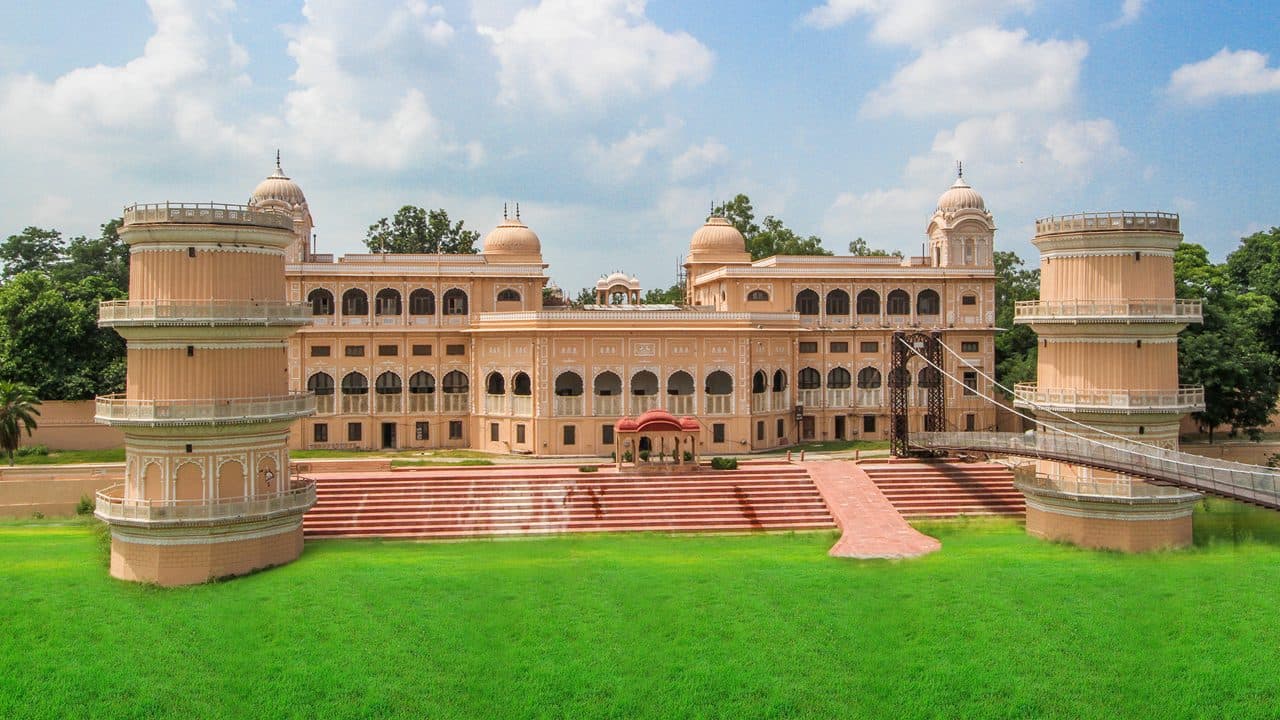
The midday sun beat down on the courtyard of the Qila Mubarak complex, but within the Sheesh Mahal, a cool, dim tranquility reigned. Stepping through the unassuming archway, I was immediately transported from the bustling Punjabi city to a realm of intricate artistry. As a heritage enthusiast specializing in South Indian temple architecture, I was eager to experience this northern architectural gem and compare its nuances with the Dravidian styles I knew so well. The Sheesh Mahal, or “Palace of Mirrors,” truly lives up to its name. Inlaid with countless tiny pieces of mirror, the walls and ceilings shimmer and reflect the ambient light, creating an ethereal, almost magical atmosphere. Unlike the large, strategically placed mirrors of European palaces, these fragments are meticulously arranged in floral patterns, geometric designs, and depictions of mythological scenes, reminiscent of the intricate inlay work found in South Indian temple doorways. The effect is less of grand reflection and more of a diffused, sparkling brilliance, akin to the shimmering silk sarees worn in the south. The central hall, where the Maharaja of Patiala once held court, is the most impressive. The ceiling, a marvel of craftsmanship, is covered in a dense tapestry of mirror work interspersed with colored glass and gilt. The patterns are complex and varied, showcasing a blend of Mughal and Rajput influences. I noticed a distinct Persian influence in the floral motifs, a testament to the historical exchanges and artistic cross-pollination that shaped this region. This syncretism reminded me of the Vijayanagara period in South India, where Islamic architectural elements were subtly incorporated into temple designs. While the mirror work is undoubtedly the star attraction, the Sheesh Mahal offers more than just glittering surfaces. The frescoes adorning the walls depict scenes from Hindu epics like the Ramayana and the Mahabharata, as well as secular themes of courtly life and hunting expeditions. The vibrant colors, though faded in places, still retain their richness, narrating stories that resonate across centuries. The detailing in the figures, particularly the costumes and ornamentation, provided a fascinating glimpse into the fashion and aesthetics of the era. I found myself comparing the depiction of deities here with the sculpted figures on the gopurams of South Indian temples, noting the differences in iconography and artistic style. Moving through the various chambers of the palace, I observed the use of different architectural elements. The arches, while pointed like those found in Islamic architecture, lacked the elaborate calligraphy and geometric patterns I'd seen in mosques. Instead, they were often adorned with floral motifs, creating a softer, more decorative effect. The jharokhas, or overhanging balconies, offered a commanding view of the courtyard below and were reminiscent of similar structures found in Rajput palaces. However, unlike the heavy stone jharokhas of Rajasthan, these were lighter and more ornate, perhaps reflecting the Punjabi preference for intricate woodwork. One aspect that particularly intrigued me was the use of water within the palace complex. A small, rectangular pool, lined with marble and surrounded by mirrored walls, created a mesmerizing play of light and reflection. This reminded me of the stepped tanks and water features integral to South Indian temple architecture, serving both practical and symbolic purposes. While the scale and function differed, the underlying principle of incorporating water as a cooling and aesthetically pleasing element remained consistent. My visit to the Sheesh Mahal was a journey of discovery, highlighting the rich diversity of Indian architectural traditions. While distinct from the Dravidian architecture I was familiar with, the palace shared a similar spirit of artistic innovation and meticulous craftsmanship. The experience underscored the power of architecture to transcend regional boundaries and tell stories of cultural exchange, artistic brilliance, and the enduring legacy of a bygone era.

The midday sun beat down on Gurugram, a stark contrast to the cool, shadowed interior of the Sheetla Mata Mandir. This wasn't a UNESCO World Heritage Site, a fact that surprised many given its historical and cultural significance. My journey across India to document every UNESCO site had brought me here, to this vital pilgrimage center, driven by curiosity and a desire to understand its enduring appeal. The temple, dedicated to Sheetla Mata, the goddess of smallpox, stands as a testament to a time when disease held a powerful sway over human life. Unlike the ornate and vibrant temples of South India I'd grown accustomed to, Sheetla Mata Mandir presented a different aesthetic. The structure, primarily built from brick and stone, exuded a sense of aged resilience. The lack of elaborate carvings or bright colours initially struck me, but as I spent more time within the complex, I began to appreciate the understated elegance. The simplicity felt purposeful, almost reverential, focusing the attention on the spiritual aspect rather than visual grandeur. The main entrance, a relatively unassuming archway, led into a large courtyard. Devotees, many carrying offerings of cooked food – a unique tradition of this temple – moved with a quiet determination. The air hummed with a low murmur of prayers and the clanging of bells. I observed families sharing meals on the temple grounds, the food having been offered to the goddess and then consumed as 'prasad', a blessed offering. This communal act of eating, blurring the lines between the sacred and the everyday, was a powerful display of faith and community. Inside the sanctum sanctorum, the atmosphere was palpably different. The dimly lit space, illuminated by flickering oil lamps, held an air of mystery and ancient power. The idol of Sheetla Mata, adorned with simple garments and jewellery, was a focal point for intense devotion. I watched as devotees whispered their prayers, their faces etched with hope and reverence. The absence of opulent decoration within the sanctum further amplified the sense of raw, unfiltered faith. The architecture of the temple, while not as visually striking as some of the UNESCO sites I've visited, held its own unique charm. The use of local materials, the simple lines, and the open courtyard all contributed to a sense of groundedness, a connection to the earth. I noticed intricate brickwork in certain sections, showcasing the skill of the original builders. The temple's design seemed to prioritize functionality and accessibility over elaborate ornamentation, reflecting its role as a place of pilgrimage for people from all walks of life. One of the most striking aspects of my visit was the palpable sense of continuity, a bridge between the past and the present. While the temple has undoubtedly undergone renovations over the centuries, the core beliefs and practices seemed to have remained unchanged. This resilience, this unwavering faith in the face of modern advancements in medicine, was a testament to the deep-rooted cultural significance of Sheetla Mata. Leaving the Sheetla Mata Mandir, I carried with me a deeper understanding of faith and its diverse expressions. While not a UNESCO site, this temple offered a unique glimpse into the living history and cultural fabric of India. It served as a reminder that heritage isn't just about grand monuments and breathtaking architecture, but also about the intangible threads of belief, tradition, and community that bind a people together. The experience underscored the importance of exploring beyond the designated lists and discovering the hidden gems that offer a richer, more nuanced understanding of a place and its people.

The Shiv Mandir, located in Zarkawt, Aizawl, Mizoram, stands as a significant testament to India's millennia-spanning cultural heritage, embodying the continuous tradition of Hindu worship and architectural expression in the northeastern region [2] [3]. Dedicated to Lord Shiva, this sacred Hindu temple, established by the local Hindu community in 1980 CE, integrates elements from diverse indigenous architectural styles, reflecting India's deep historical roots and enduring cultural practices [2] [4]. The temple's design draws upon the Nagara architecture style, characterized by its curvilinear shikhara (spire) and a raised platform, a hallmark of North Indian temple building traditions that have evolved over centuries [5]. Additionally, it incorporates features reminiscent of Indo-Kerala architecture, which often includes sloping roofs and a more restrained ornamentation, adapted to the local climate and materials . The influence of Mizo Vernacular architecture is also discernible, potentially in the use of local materials or structural adaptations that harmonize with the regional landscape and building practices . This eclectic blend creates a unique architectural identity, celebrating the adaptability and continuity of Indian temple design [2]. The Shiv Mandir features a modest yet spiritually resonant structure, with a central sanctum (garbhagriha) housing a revered Shivalinga, the aniconic representation of Lord Shiva [2] [4]. While specific dimensions are not widely documented, the temple's layout adheres to traditional Hindu temple planning principles, often guided by Vastu Shastra, which dictates spatial arrangements for optimal cosmic energy flow and structural stability . The exterior is adorned with intricate carvings and vibrant colors, reflecting the rich iconographic traditions of Hindu art [3] [4]. These decorative elements, though contemporary in execution, echo ancient motifs and narratives found in temples across India, reinforcing the site's connection to a long unbroken cultural continuum [2]. The construction primarily utilizes durable materials such as stone and brick, ensuring longevity and structural integrity, a practice consistent with traditional Indian temple building techniques [2]. The temple is actively maintained by a dedicated Temple Trust, ensuring its preservation and operational readiness for devotees [2]. Regular rituals and ceremonies are conducted by temple priests, maintaining a vibrant spiritual atmosphere [3]. The site serves as a vital gathering point for the local Hindu community, hosting various cultural events and festivals, most notably Mahashivratri, which draws numerous devotees [3] [4]. Its elevated position in Aizawl offers panoramic views of the surrounding hills, enhancing the serene and sacred ambiance for visitors and worshippers [4]. The temple is accessible to the public, facilitating a steady flow of visitors seeking spiritual solace and cultural engagement, thereby continuing its role as a living heritage site within India's diverse religious landscape [2]. The Shiv Mandir stands as a vibrant, operational center of Hindu faith, continuously serving its community and exemplifying the enduring legacy of Indian architectural and cultural traditions [3].

The air hung thick and humid, a stark contrast to the arid landscapes of Rajasthan I’m accustomed to. Here in Hnahthial, Mizoram, nestled amidst verdant hills, the Shiv-Parvati Mandir stands as a testament to the surprising religious diversity of this northeastern state. The temple, a relatively recent construction compared to the ancient forts and palaces I’ve explored back home, possesses a unique charm, blending traditional North Indian temple architecture with local Mizo influences. The first thing that struck me was the vibrant colours. Unlike the sandstone hues of Rajasthan’s temples, this one is painted in bright shades of orange, yellow, and red, creating a cheerful, almost festive atmosphere. The main structure rises in a series of tiered roofs, reminiscent of a classic Nagara style shikhara, yet the curvature is gentler, less pronounced. Instead of intricate carvings, the exterior walls are adorned with simpler, bolder motifs – geometric patterns and stylized floral designs that hint at Mizo artistic traditions. Ascending the steps to the main entrance, I noticed the absence of the elaborate gateways and towering gopurams common in South Indian temples. The entrance is relatively modest, framed by two pillars decorated with colourful depictions of deities. Stepping inside, I was greeted by the cool, dimly lit interior. The main sanctum houses the idols of Shiva and Parvati, adorned with vibrant clothing and garlands. The atmosphere was serene, filled with the murmur of prayers and the scent of incense. What truly captivated me was the seamless integration of local elements within the predominantly North Indian architectural framework. The use of locally sourced materials, like bamboo and wood, in the construction of the ancillary structures surrounding the main temple, is a clear example. I observed a small pavilion, crafted entirely from bamboo, serving as a resting place for devotees. The intricate weaving patterns on the bamboo walls showcased the remarkable craftsmanship of the local artisans. The temple complex also houses a small garden, a welcome splash of green amidst the concrete structures. Unlike the meticulously manicured gardens of Rajasthan’s palaces, this one felt more natural, with flowering plants and fruit trees growing in abundance. The gentle rustling of leaves in the breeze added to the tranquil atmosphere. Interacting with the local priest, I learned about the history of the temple. It was fascinating to hear how the local community, predominantly Christian, embraced the construction of this Hindu temple, reflecting the spirit of religious tolerance that permeates Mizoram. He explained how the temple serves as a focal point not just for religious ceremonies but also for social gatherings and cultural events, further strengthening the bonds within the community. As I walked around the temple complex, observing the devotees offering prayers, I couldn't help but draw parallels between the religious practices here and those back home. Despite the geographical distance and cultural differences, the underlying devotion and reverence remained the same. The ringing of bells, the chanting of mantras, the offering of flowers – these rituals transcended regional boundaries, reminding me of the unifying power of faith. Leaving the Shiv-Parvati Mandir, I carried with me a sense of quiet admiration. This temple, a unique blend of architectural styles and cultural influences, stands as a symbol of harmony and acceptance. It’s a testament to the fact that even in the most unexpected corners of India, one can find expressions of faith that resonate deeply with the human spirit. It’s a far cry from the majestic forts and palaces of Rajasthan, yet it holds its own unique charm, offering a glimpse into the rich tapestry of India’s cultural and religious landscape.

The air hung thick and humid, a stark contrast to the arid landscapes of my native Rajasthan. Here, nestled amidst the dense Sal forests of Kanker, Chhattisgarh, the Shivani Maa Temple rose, a beacon of white against the emerald green. Having explored countless forts and palaces back home, I was eager to experience a different flavour of heritage, and this temple, dedicated to the goddess Shivani, a form of Durga, promised a unique perspective. The approach to the temple was a gentle climb up a paved pathway, flanked by smaller shrines and vendors selling offerings. The fragrance of incense mingled with the earthy scent of the forest, creating an atmosphere of quiet reverence. The temple itself is relatively modern, lacking the centuries-old patina of the structures I’m accustomed to in Rajasthan. However, its pristine white facade, punctuated by vibrant splashes of colour from the flags and decorative elements, held a distinct charm. The main entrance, a towering archway, was adorned with intricate carvings depicting scenes from Hindu mythology. I paused, captivated by the detail – the expressive faces of the deities, the dynamic portrayal of battles, and the delicate floral motifs. While the architectural style wasn't as elaborate as the ornate carvings of Rajasthani temples, it possessed a simple elegance, a quiet strength that resonated with the surrounding natural beauty. Stepping inside the main sanctum, I was greeted by the serene presence of the goddess Shivani. The idol, crafted from marble, radiated a powerful aura. Unlike the elaborate ornamentation of Rajput deities, Shivani Maa’s depiction was relatively simple, yet her expression conveyed a sense of profound peace and strength. The air within the sanctum was thick with the murmur of prayers and the scent of fresh flowers. I observed the local devotees, their faces etched with devotion, as they offered prayers and performed rituals. It was a poignant reminder of the deep-rooted faith that permeates the cultural fabric of India, regardless of regional variations. The temple complex also houses several smaller shrines dedicated to other deities, each with its own unique character. I was particularly drawn to a small shrine dedicated to Lord Hanuman, tucked away in a quiet corner. The vibrant orange hue of the idol and the surrounding decorations stood out against the white backdrop of the temple. Exploring further, I discovered a large open courtyard behind the main temple. It offered a panoramic view of the surrounding hills, blanketed in lush greenery. The gentle breeze rustling through the trees carried the distant sounds of birdsong, creating a sense of tranquility that was truly captivating. This space, I realized, was not just a part of the temple complex, but an integral part of the experience. It provided a moment of quiet contemplation, a chance to connect with the natural world, and to reflect on the spiritual significance of the site. As I descended the steps, leaving the temple behind, I carried with me a sense of quiet awe. The Shivani Maa Temple, while different from the grand forts and palaces I’m familiar with, offered a unique glimpse into the rich tapestry of Indian spirituality. It wasn't just a place of worship; it was a testament to the enduring power of faith, a sanctuary nestled within the heart of nature, and a reminder that beauty can be found in simplicity. The experience underscored the fact that heritage isn't just about grand structures and intricate carvings; it's about the stories they tell, the faith they embody, and the connection they forge between humanity and the divine.
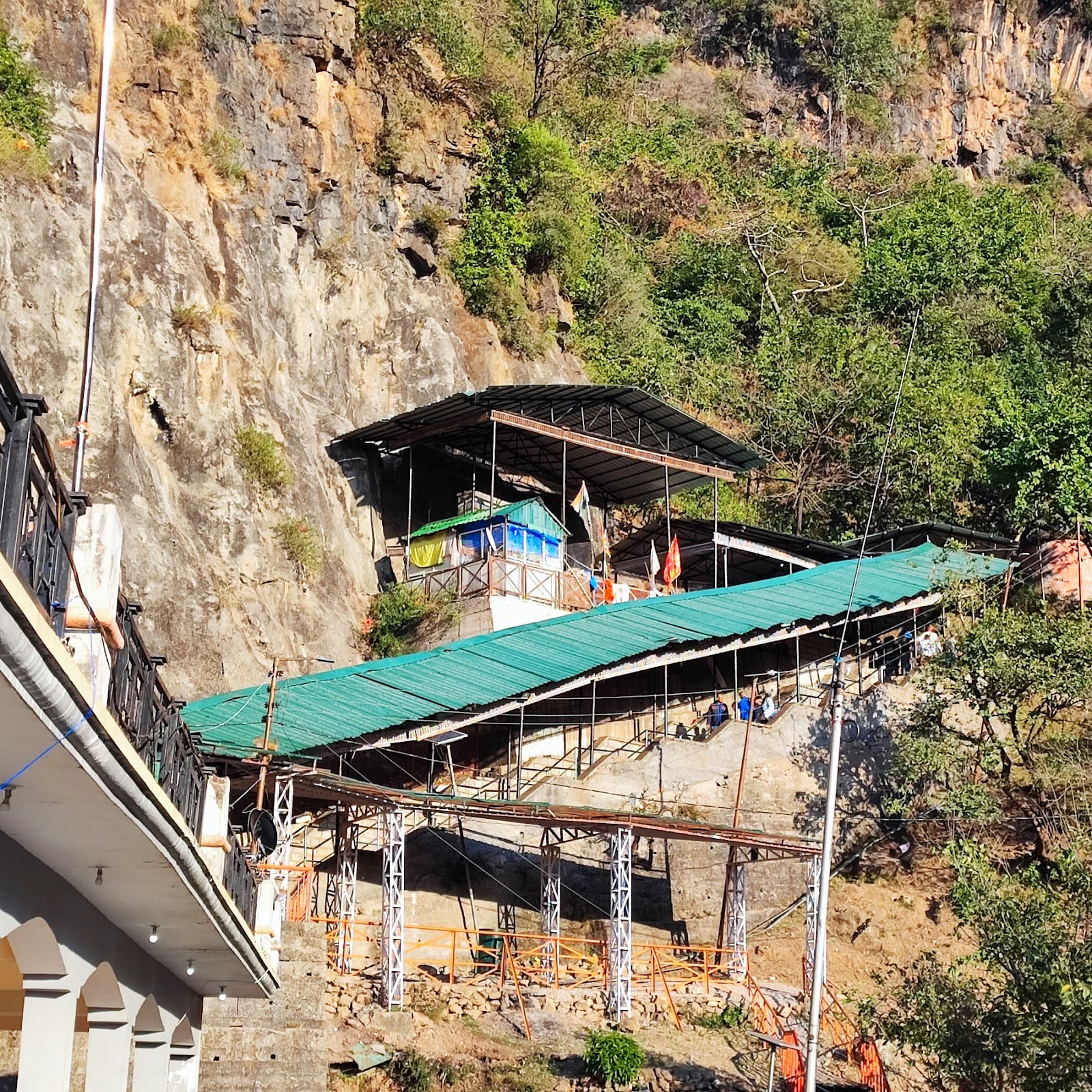
The air hung heavy with the scent of pine and incense as I began the 2.5 km trek to Shivkhori, a cave shrine nestled in the Trikuta hills of Jammu's Reasi district. The path, though paved, was steep in places, winding through a landscape punctuated by vendors selling prasad and trinkets. The rhythmic chants of "Bum Bum Bhole" echoing from portable speakers carried on the breeze, creating an atmosphere of anticipation. Having explored countless ancient sites across North India, I was eager to experience this revered natural wonder. The entrance to the Shivkhori cave itself is unassuming, a narrow fissure in the rock face. Ducking low, I entered a world dramatically different from the sun-drenched landscape outside. The cool, damp air within the cave offered a welcome respite from the heat. As my eyes adjusted to the dimness, the sheer scale of the cavern began to unfold. The cave, a natural formation, stretches nearly 150 meters deep, its ceiling soaring high above. The path underfoot, now smoothly paved and well-lit, led deeper into the earth's embrace. The first thing that struck me was the remarkable natural architecture of the cave. Stalactites, formed over millennia by dripping water, hung like ornate chandeliers from the ceiling, their surfaces glistening under the strategically placed lights. The walls, sculpted by the relentless forces of nature, displayed a fascinating array of textures and patterns. At certain points, the cave narrowed, creating a sense of intimacy, while in other areas, it opened into vast chambers, evoking a sense of awe. The cave's main chamber houses the naturally formed Shiva lingam, the central object of worship. It's a remarkable sight – a cylindrical stalagmite, continuously bathed by a steady drip of water from the cave ceiling. The water, considered sacred, collects in a small pool at the base of the lingam. The air here was thick with the fragrance of incense and the murmur of prayers. Devotees, their faces illuminated by the soft glow of lamps, offered their respects with a palpable sense of reverence. I observed the intricate silver ornamentation adorning the lingam, a testament to the shrine's significance. Beyond the main chamber, the cave continues to twist and turn, revealing further wonders. I noticed several smaller formations, each bearing a resemblance to various deities in the Hindu pantheon, pointed out by the local guides. While some might dismiss these as mere coincidences, the unwavering faith of the pilgrims imbues them with profound meaning. My experience at Shivkhori was more than just a visit to a geological marvel. It was an immersion into a living, breathing tradition. The journey through the cave, from the bright sunlight outside to the hushed sanctity within, felt like a symbolic pilgrimage, a shedding of the mundane to connect with something larger than oneself. The natural beauty of the cave, combined with the deep-rooted faith of the devotees, creates an atmosphere that is both captivating and deeply moving. Leaving the cool darkness of the cave and emerging back into the sunlight, I carried with me not just photographs and memories, but a profound sense of the power of nature and faith. Shivkhori is more than just a cave; it's a testament to the enduring human need for connection, both with the natural world and the divine. It’s a place I would recommend to anyone seeking a unique spiritual experience amidst the breathtaking landscapes of Jammu and Kashmir.
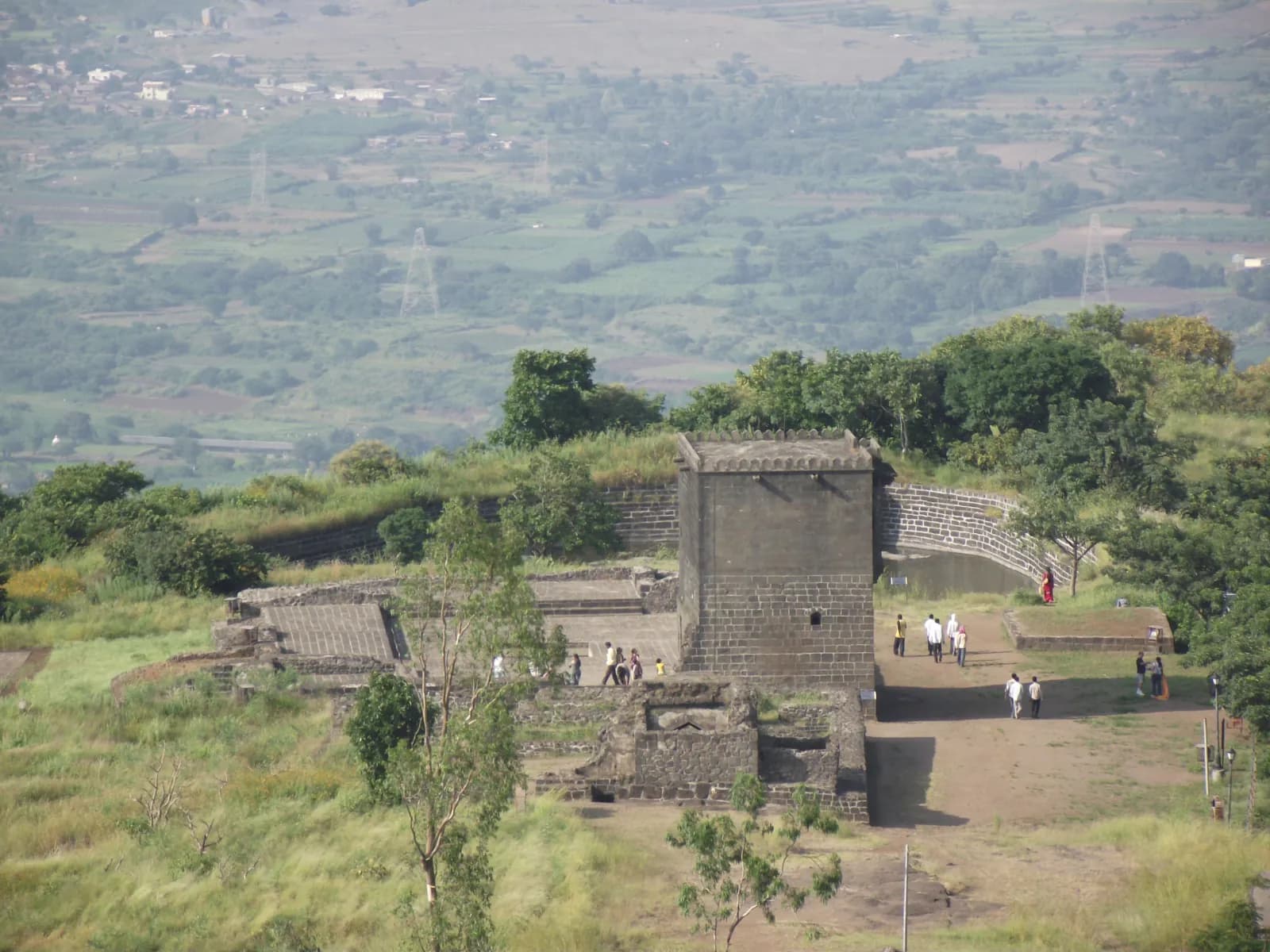
The imposing basalt ramparts of Shivneri Fort, rising dramatically from the Deccan plateau, held me captivated from the moment I arrived in Junnar. Having spent years immersed in the granite wonders of South Indian temple architecture, I was eager to experience this different, yet equally compelling, facet of India's heritage. The fort, a formidable military stronghold for centuries, offered a fascinating glimpse into a world shaped by strategic necessities rather than the spiritual aspirations that drove the Dravidian temple builders. The ascent to the fort itself was an experience. The winding path, carved into the rock, felt like a journey back in time. Unlike the elaborate gopurams and mandapas I was accustomed to, the entrance to Shivneri was a study in practicality. The fortifications, though lacking the ornate carvings of southern temples, possessed a raw beauty, their strength evident in the sheer thickness of the walls and the clever placement of bastions. The strategically positioned 'Shivai Devi' and 'Maha Darwaja' gates, with their sturdy wooden doors reinforced with iron, spoke volumes about the fort's defensive history. Within the fort walls, a different world unfolded. The rugged terrain enclosed a surprisingly self-sufficient community. Water tanks, carved meticulously into the rock, showcased impressive water management techniques, a stark contrast to the temple tanks of the south, which often served ritualistic purposes as well. The 'Badami Talav,' with its intricate stepped sides, was a particularly striking example. The granaries, built to withstand sieges, were another testament to the fort's pragmatic design. The architectural style within the fort was a blend of various influences. While the overall structure was dictated by military needs, glimpses of later architectural embellishments were visible, particularly in the residential areas. The 'Shivai Mata Mandir,' where Chhatrapati Shivaji Maharaj was born, held a special significance. While simpler than the grand temples of the south, it possessed a quiet dignity, its stone construction echoing the fort's overall aesthetic. The carvings on the pillars and lintels, though less intricate than the temple sculptures I was familiar with, displayed a distinct local style. One of the most striking features of Shivneri Fort was its integration with the natural landscape. The architects had skillfully utilized the natural contours of the hill, incorporating the rock formations into the fort's defenses. This symbiotic relationship between architecture and nature was a recurring theme, reminding me of the hilltop temples of South India, where the natural surroundings often played a crucial role in the temple's design and symbolism. Exploring the 'Ambarkhana,' the grain storage, and the 'Kalyan Buruj,' I couldn't help but compare the ingenuity of the Maratha military architects with the temple builders of the south. While the latter focused on creating spaces that inspired awe and devotion, the former prioritized functionality and defense. The lack of elaborate ornamentation at Shivneri, however, did not diminish its architectural merit. The fort's strength lay in its simplicity and its seamless integration with the landscape. My visit to Shivneri Fort was a powerful reminder that architectural brilliance can manifest in diverse forms. While my heart remains deeply connected to the ornate temples of South India, the stark beauty and strategic ingenuity of Shivneri Fort offered a valuable new perspective on India's rich architectural heritage. The echoes of history resonated within those basalt walls, narrating tales of resilience, strategy, and a deep connection to the land. It was an experience that broadened my understanding of Indian architecture and left me with a profound appreciation for the diverse expressions of human ingenuity.

The air in Champhai, Mizoram, hung heavy with the scent of pine and a palpable sense of serenity. Perched atop a hillock overlooking the sprawling valley, the Shree Ganesh Mandir commands attention, not through towering grandeur, but through a quiet, understated presence. Unlike the ornate, bustling temples I've encountered across India on my UNESCO World Heritage journey, this one exuded a different kind of energy – a peaceful contemplation that resonated with the surrounding landscape. The first thing that struck me was the unusual architecture. This wasn't the typical Dravidian or Nagara style I’d grown accustomed to. The temple, dedicated to Lord Ganesha, incorporates elements of indigenous Mizo architecture, creating a unique hybrid. The sloping roof, reminiscent of traditional Mizo houses, is clad in corrugated iron sheets, a practical adaptation to the region's heavy rainfall. This pragmatic approach extends to the walls, constructed from locally sourced stone, lending the structure an organic, earthy feel. The entrance is framed by a simple archway, devoid of elaborate carvings, leading into a single, modest prayer hall. Inside, the atmosphere is hushed and reverent. The idol of Lord Ganesha, carved from a single block of white marble, occupies the central space. It's a relatively small statue, but its simplicity amplifies its spiritual weight. The absence of opulent decorations and the muted natural light filtering through the windows create an environment conducive to introspection. I sat there for a while, absorbing the quiet energy, the only sound the gentle rustling of prayer flags outside. What truly sets this temple apart, however, is its story. My conversations with the local priest and residents revealed a fascinating narrative of religious harmony. Champhai, predominantly Christian, embraced the construction of this Hindu temple, demonstrating a remarkable level of interfaith acceptance. The land for the temple was donated by a local Mizo family, a testament to the community's inclusive spirit. This narrative of coexistence, woven into the very fabric of the temple, resonated deeply with me. It was a powerful reminder that spirituality transcends religious boundaries. The panoramic view from the temple grounds adds another layer to the experience. The rolling hills, carpeted in vibrant green, stretch as far as the eye can see, punctuated by the occasional cluster of houses. The Myanmar border, a mere stone's throw away, is visible on a clear day, adding a geopolitical dimension to the vista. I spent a considerable amount of time simply gazing at the landscape, lost in the tranquility of the moment. Visiting the Shree Ganesh Mandir wasn't just about ticking off another UNESCO site on my list. It was an immersive cultural experience, a lesson in religious tolerance, and a moment of quiet reflection amidst the breathtaking beauty of Mizoram. The temple, in its unassuming simplicity, speaks volumes about the spirit of Champhai – a community that embraces diversity and finds harmony in its differences. This experience, more than the grandeur of some of the more famous sites, underscored the true essence of my journey – to discover the heart and soul of India, one temple, one monument, one story at a time. The lack of readily available information about this particular UNESCO site adds to its mystique. It's not a place overrun by tourists, which allows for a more intimate and authentic connection with the space and its significance. This, for me, is the true reward of exploring the lesser-known corners of our incredible heritage. The Shree Ganesh Mandir in Champhai is not just a temple; it's a testament to the power of faith, community, and the quiet beauty of coexistence.
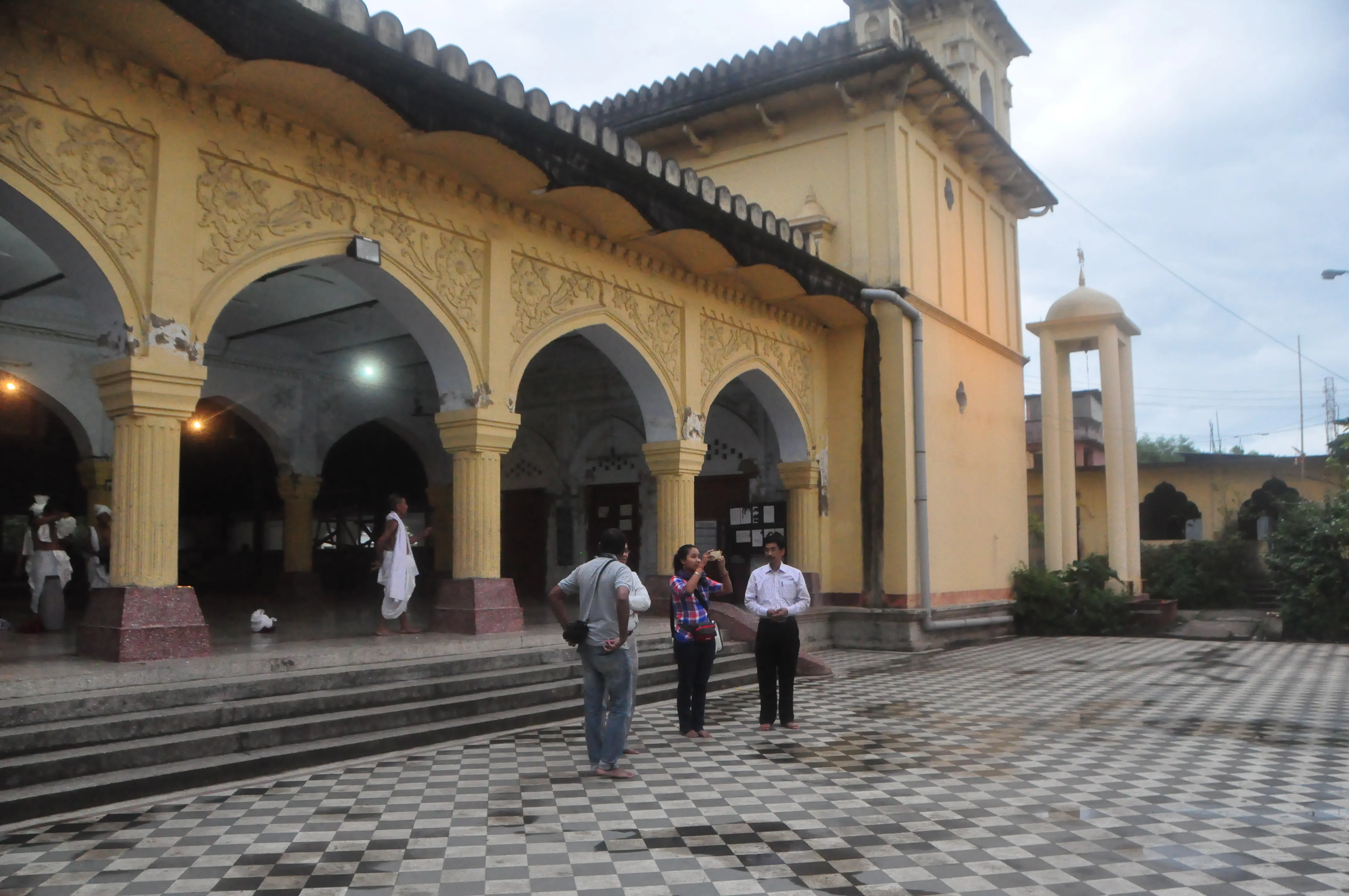
The shimmering gold roof of the Shree Govindajee Temple, rising above the sprawling complex within Imphal’s palace grounds, immediately captured my attention. Coming from Uttar Pradesh, a land steeped in its own vibrant temple architecture, I was eager to experience this Manipuri gem, a testament to the region’s unique cultural tapestry. The temple, dedicated to Lord Krishna in his Govindajee form, stands as a powerful symbol of Vaishnavism in this northeastern state. Entering the complex, I was struck by the spacious courtyard, a serene expanse that provided a buffer from the bustling city outside. The main temple structure, built in a traditional Manipuri architectural style, is flanked by two smaller shrines dedicated to Radha and Balarama. Unlike the towering stone edifices common in my home state, this temple showcased a different aesthetic. The structure is primarily built of brick, plastered and painted a pristine white, creating a stark contrast against the vibrant gold roof. The roof itself is a marvel, a multi-tiered, curved structure, reminiscent of the traditional Manipuri houses I’d seen dotted across the landscape. This architectural synchronicity, blending religious symbolism with local vernacular, resonated deeply. The temple’s interior, while relatively simple, exudes a palpable sense of devotion. Photography is strictly prohibited inside, a rule I respected, allowing myself to fully immerse in the atmosphere. The absence of visual documentation heightened my other senses. The scent of incense hung heavy in the air, mingling with the soft murmur of prayers. The rhythmic chanting of Sanskrit verses, though different in pronunciation from what I was accustomed to, carried the same spiritual weight, a testament to the universality of religious devotion. I spent some time observing the devotees. Their attire, a blend of traditional Manipuri phanek (sarong) and shawl for women, and dhoti-kurta for men, added another layer of cultural richness to the experience. The reverence in their eyes, the gentle clinking of bells, and the offering of flowers and fruits created a tapestry of faith that transcended geographical boundaries. It was fascinating to witness how Vaishnavism, a faith so deeply rooted in the Gangetic plains, had taken root and flourished in this distant land, adapting and integrating with local traditions. Beyond the main temple, the complex houses several smaller structures, including a dedicated kitchen where prasad is prepared. I was fortunate enough to partake in the noontime offering, a simple yet delicious meal of rice and lentils. Sharing this communal meal with the local devotees further solidified my sense of connection to this sacred space. The Shree Govindajee Temple is more than just a religious structure; it's a living testament to the cultural exchange and adaptation that has shaped Manipur’s identity. The temple’s architecture, rituals, and the very presence of Vaishnavism in this predominantly tribal region speak volumes about the historical and cultural influences that have converged here. As someone deeply interested in the interplay of culture and faith, my visit to the Shree Govindajee Temple was an enriching experience. It offered a glimpse into a unique expression of Hinduism, shaped by the geographical and cultural landscape of Manipur, a world away from the familiar temples of my homeland, yet connected by the same thread of devotion. The temple stands as a symbol of resilience, a beacon of faith that continues to illuminate the lives of the Manipuri people, and a testament to the enduring power of cultural exchange.

The biting wind whipped prayer flags into a frenzy against the backdrop of a cerulean sky, a stark contrast to the sweltering Delhi summers I'm accustomed to. Here, perched atop a hill overlooking Aizawl, Mizoram's capital, stands the Shree Hanuman Mandir, a beacon of vibrant orange amidst the verdant landscape. Having explored countless temples across North India, from the ancient stones of Khajuraho to the gilded shrines of Amritsar, I was curious to see how this northeastern iteration would differ. The climb to the temple was a pilgrimage in itself. A winding road, carved into the hillside, led me past small houses clinging precariously to the slopes, each with a panoramic view that stole my breath. The air, crisp and clean, carried the scent of pine and a faint echo of chanting, growing louder with each upward step. The temple itself is a striking structure. Unlike the intricate carvings and towering shikharas of North Indian temples, this one possesses a simpler, more modern aesthetic. The dominant colour is a vibrant saffron, radiating warmth against the cool mountain air. The main entrance is framed by a large arch, adorned with depictions of Lord Hanuman in various poses, each radiating strength and devotion. The architecture, while contemporary, incorporates elements of traditional Mizo design, evident in the sloping roof and the use of local wood in certain sections. It's a fascinating blend of the familiar and the unexpected. Stepping inside, I was greeted by the resonant chanting of "Jai Shree Ram," a familiar sound that instantly transported me back to the bustling temples of my homeland. Yet, the atmosphere here was distinctly different. A sense of quiet reverence permeated the air, a palpable stillness that encouraged introspection. The main deity, a towering statue of Lord Hanuman, dominates the inner sanctum. His expression, a blend of strength and serenity, captivated me. Unlike the often ornate idols I've encountered elsewhere, this one felt remarkably grounded, almost human. The temple complex also houses a smaller shrine dedicated to Lord Rama, Sita, and Lakshmana. The intricate details of their attire and the delicate expressions on their faces were a testament to the artistry of the sculptors. I spent a considerable amount of time observing the devotees, a mix of locals and visitors, each offering their prayers with quiet devotion. The absence of the usual cacophony found in many North Indian temples was striking. Here, faith was expressed in hushed whispers and heartfelt gestures. From the temple grounds, the view of Aizawl is breathtaking. The city sprawls across the hills, a tapestry of colourful houses punctuated by the spires of churches, a testament to the region's diverse religious landscape. The distant mountains, shrouded in mist, added an ethereal touch to the panorama. It was a view that invited contemplation, a moment of quiet reflection amidst the grandeur of nature. My visit to the Shree Hanuman Mandir was more than just a journalistic assignment; it was a cultural immersion. It offered a glimpse into the unique blend of faith and tradition that defines this corner of India. The temple, a symbol of devotion and resilience, stands as a testament to the unifying power of faith, bridging geographical and cultural divides. Leaving the temple, I carried with me not just photographs and notes, but a deeper understanding of the diverse tapestry of Indian spirituality, a tapestry that extends far beyond the plains and into the heart of the northeastern hills.
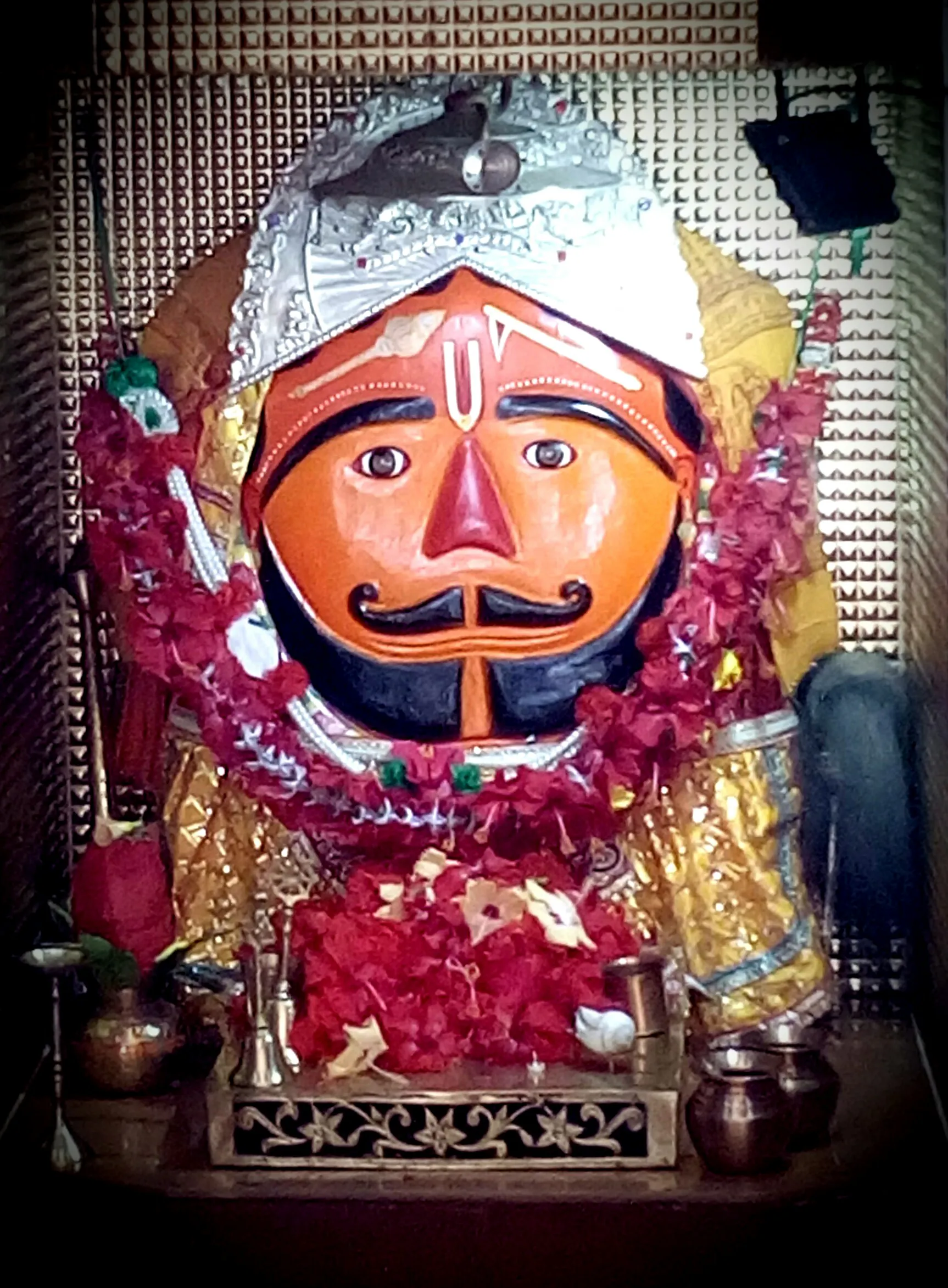
The vibrant hues of prayer flags snapped in the wind, a stark contrast against the deep green pines surrounding the Shree Shree Hanuman Mandir in Shillong. Having explored the basalt-carved caves and ancient temples of Maharashtra extensively, I was curious to see how this northeastern temple, dedicated to the monkey god, would compare. The air, crisp and cool even in the afternoon sun, held a different kind of reverence, a quiet hum of devotion that resonated differently from the fervent energy of Maharashtra's religious sites. The temple, perched atop a hill, commands a breathtaking view of Shillong. The climb itself is a pilgrimage of sorts, winding through a path lined with smaller shrines and stalls selling offerings. Unlike the intricate carvings and towering gopurams I'm accustomed to seeing back home, this temple possesses a simpler, more understated elegance. The main structure is predominantly white, with splashes of vibrant red and orange – colours synonymous with Hanuman. The architecture, while incorporating elements of traditional North Indian temple design, also displays a distinct local influence, perhaps in the sloping roof designed to withstand the region's heavy rainfall. Stepping inside, I was struck by the palpable sense of peace. The main deity, a towering statue of Lord Hanuman, dominates the sanctum. His vibrant orange form, chest puffed out in a display of strength and devotion, exudes an aura of powerful tranquility. Unlike the often dimly lit interiors of Maharashtra's ancient caves, this temple is bathed in natural light, filtering through large windows that offer panoramic views of the surrounding hills. The chanting of hymns, though present, was softer, more melodic, almost blending with the rustling of the pines outside. What truly captivated me was the syncretism evident in the temple's atmosphere. While dedicated to a Hindu deity, the temple attracts devotees from various faiths and backgrounds, reflecting the diverse tapestry of Meghalaya's population. I observed Khasi locals alongside devotees from other parts of India, all offering prayers and seeking blessings in their own unique ways. This intermingling of cultures and faiths, a beautiful testament to the region's inclusive spirit, was a refreshing change from the often more homogenous religious landscapes I've encountered elsewhere. The temple complex also houses a smaller shrine dedicated to Lord Shiva, further highlighting this blend of traditions. The lingam, bathed in the soft glow of oil lamps, offered a stark contrast to the vibrant Hanuman statue, yet both deities seemed to coexist harmoniously within the same sacred space. This subtle interplay of different energies, a quiet conversation between different forms of devotion, added another layer of depth to the temple's spiritual ambiance. Outside, the temple grounds offer ample space for reflection and contemplation. I spent some time wandering around, taking in the panoramic views and observing the interactions between devotees. Children played amongst the prayer flags, their laughter echoing through the crisp mountain air, while elders sat quietly, lost in prayer or simply enjoying the serene atmosphere. This sense of community, of shared devotion and peaceful coexistence, was perhaps the most striking aspect of my visit. Leaving the Shree Shree Hanuman Mandir, I felt a sense of quiet rejuvenation. While different from the ancient, rock-cut marvels of my home state, this temple offered a unique spiritual experience, a testament to the power of faith to transcend geographical and cultural boundaries. The vibrant colours, the tranquil atmosphere, and the inclusive spirit of the place left an indelible mark, a reminder that devotion can find expression in myriad forms, each as powerful and moving as the next.
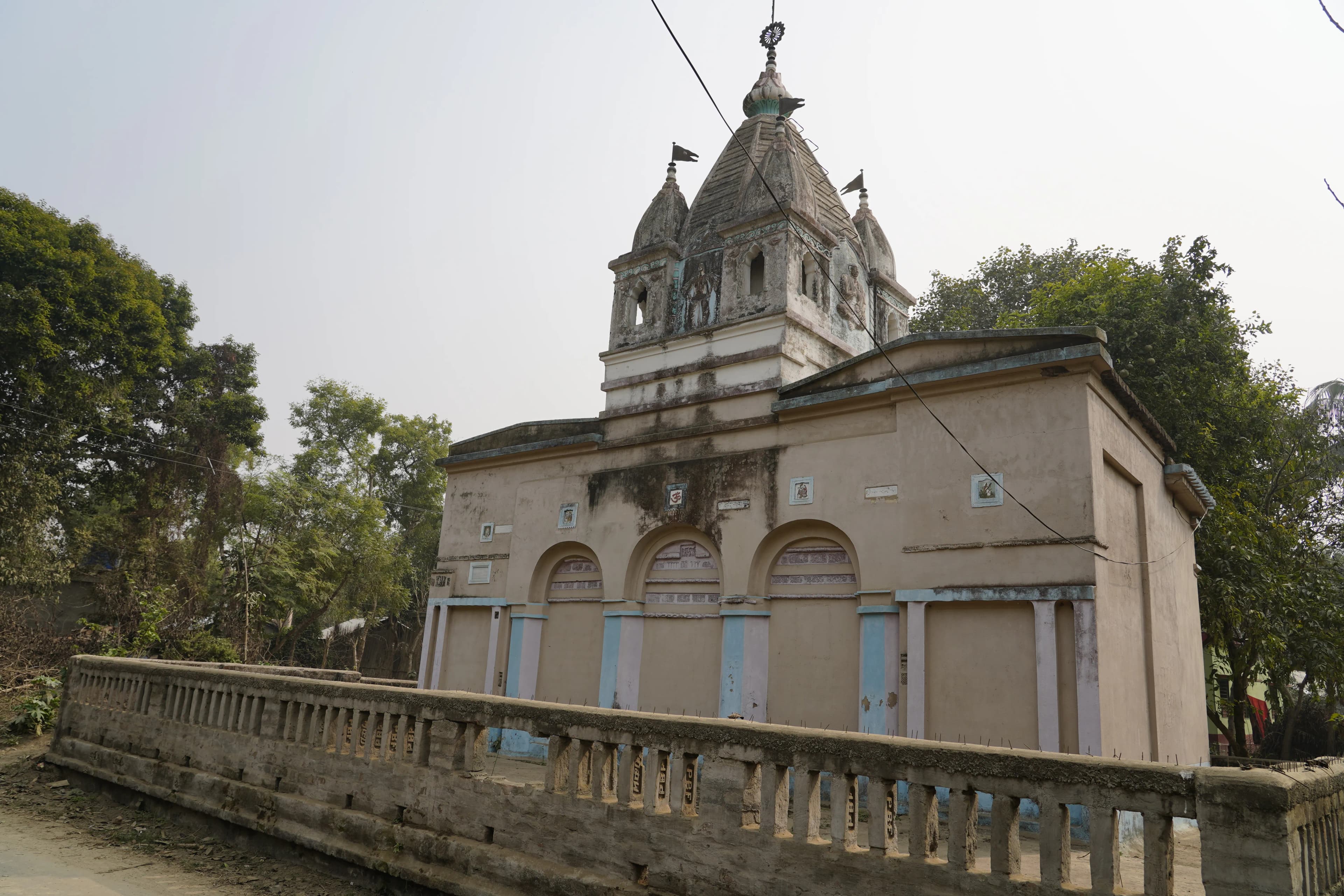
The air, thick with the scent of incense and champak flowers, hung heavy as I stepped onto the grounds of the Shree Govindajee Temple complex in Imphal. Coming from Uttar Pradesh, a land steeped in its own unique architectural heritage, I was eager to experience the distinct flavour of Manipuri religious architecture. The Shyam Rai Temple, dedicated to Lord Krishna, immediately caught my eye. Unlike the towering stone edifices I was accustomed to back home, this temple, nestled within the larger complex, presented a different aesthetic altogether. The structure, built primarily of brick and wood, showcased a distinctly Manipuri style. Its curved roof, reminiscent of the traditional thatched huts of the region, rose in tiers, culminating in a pointed finial. The vibrant colours – deep reds, ochre yellows, and bright golds – adorned the wooden carvings that embellished the facade. These weren't the intricate, narrative carvings of Khajuraho or the bold geometric patterns of Mughal architecture. These were simpler, yet equally expressive, depicting floral motifs, stylized dragons, and mythical creatures that spoke of a different artistic vocabulary. As I approached the main entrance, I noticed the absence of the towering gateways or gopurams that characterize South Indian temples. Instead, a modest arched entrance led into a courtyard. The courtyard itself was a hub of activity. Devotees, clad in traditional Manipuri attire, moved with quiet reverence. The women, in their phanek (sarong) and innaphi (shawl), added splashes of colour to the scene. The rhythmic chanting of hymns and the clang of cymbals created an atmosphere of serene devotion, a stark contrast to the bustling city just beyond the temple walls. Inside the sanctum sanctorum, the atmosphere was palpably different. The air was thick with the scent of sandalwood, and a single oil lamp cast flickering shadows on the deity. The image of Lord Krishna, adorned with vibrant silks and garlands, radiated a sense of profound tranquility. Unlike the elaborate rituals and crowded darshan queues I’d experienced in Uttar Pradesh temples, here, the worship felt more intimate, more personal. There was a quiet dignity in the way devotees offered their prayers, a sense of deep connection with the divine. What struck me most about the Shyam Rai Temple was its integration with the surrounding landscape. Unlike the monumental temples of the north, which often dominate their surroundings, this temple seemed to blend seamlessly with the natural environment. The surrounding gardens, filled with flowering trees and shrubs, added to the sense of peace and tranquility. I could see the influence of the surrounding hills and valleys in the curved lines of the roof and the natural materials used in its construction. The temple's architecture also reflected the unique cultural blend of Manipur. While the core structure adhered to traditional Manipuri styles, I could discern subtle influences from other regions. The use of brick, for instance, reminded me of the Mughal architecture prevalent in parts of India. This fusion of styles, this subtle intermingling of influences, spoke volumes about Manipur's history as a crossroads of cultures. Leaving the Shyam Rai Temple, I felt a sense of quiet contemplation. The experience had been a powerful reminder of the diversity of India's architectural and spiritual heritage. While the temples of Uttar Pradesh, with their grandeur and intricate carvings, held a special place in my heart, the Shyam Rai Temple, with its understated elegance and serene atmosphere, had offered a glimpse into a different, equally compelling, expression of faith and artistry. It reinforced the idea that sacred spaces, regardless of their architectural style or regional context, serve as powerful conduits for human connection with the divine.
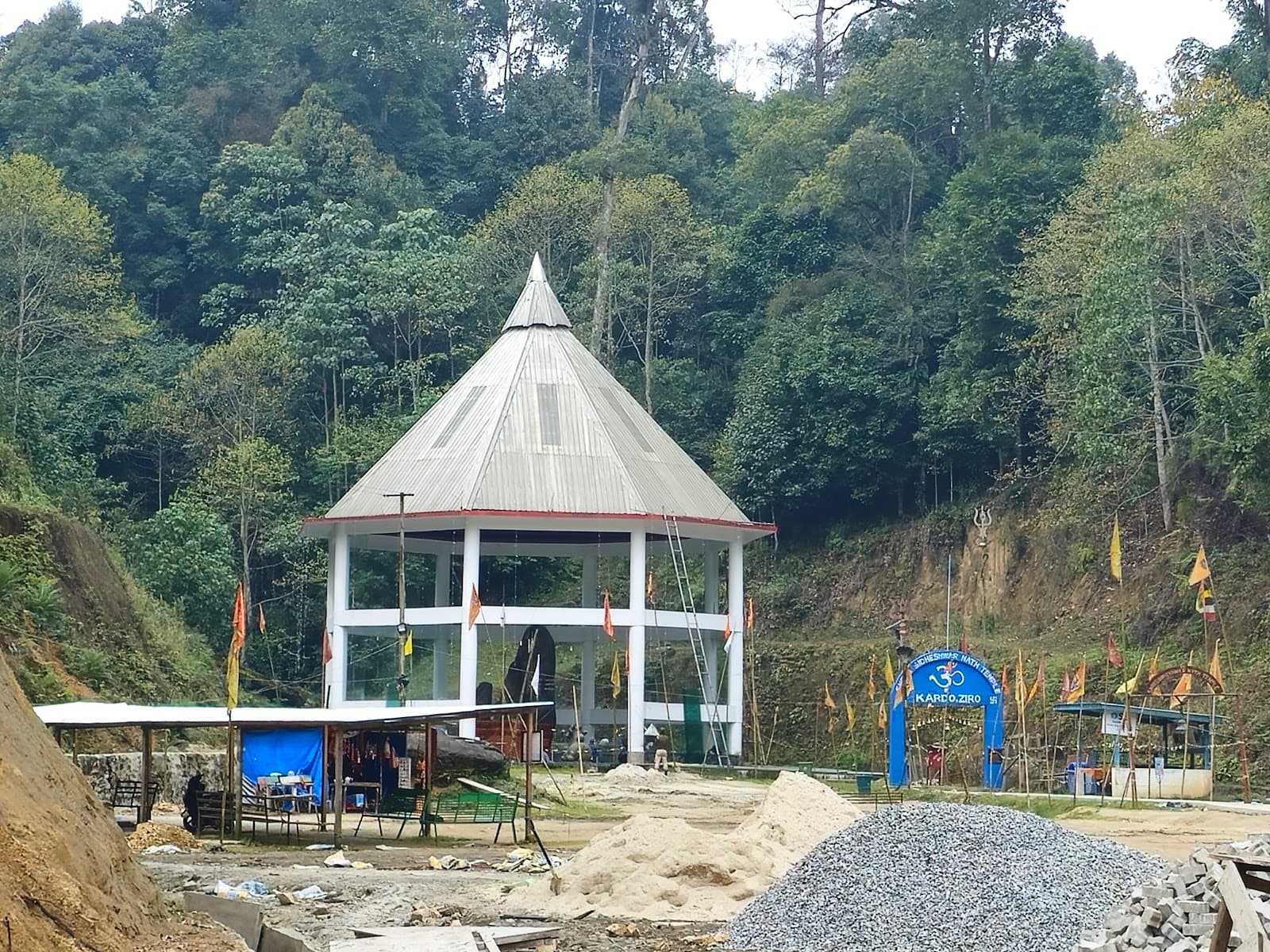
The emerald embrace of Arunachal Pradesh holds many secrets, and nestled within the East Siang district lies one such marvel – the Shree Siddheshwar Nath Temple. My journey as a heritage enthusiast, steeped in the architectural nuances of South Indian temples, took an unexpected but enriching turn when I encountered this unique structure. The temple, dedicated to Lord Shiva, stands as a testament to a confluence of architectural styles, a fascinating departure from the Dravidian idioms I'm so familiar with. The first striking feature is the temple's location. Unlike the grand temple complexes of Tamil Nadu often situated amidst bustling towns, the Siddheshwar Nath Temple enjoys a serene setting. Perched atop a small hillock overlooking the Siang River, it commands a breathtaking view of the surrounding valley. The climb to the temple itself is a mini-pilgrimage, winding through lush greenery, enhancing the sense of anticipation. The temple's architecture presents a captivating blend of styles. While the core structure echoes the Nagara style prevalent in North India, distinct regional influences are evident. The shikhara, the towering superstructure above the sanctum sanctorum, exhibits a curvilinear profile reminiscent of the rekha-deul style found in Odisha, yet it possesses a unique local flavour. The absence of elaborate sculptural ornamentation, so characteristic of South Indian temples, was initially surprising. Instead, the emphasis is on the elegant proportions of the shikhara and the interplay of light and shadow on its smooth surfaces. The temple's construction materials also differ significantly from the granite commonly used in South India. Here, locally sourced stone and bricks form the primary building blocks, lending the structure an earthy, organic feel. This choice of material, while dictated by local availability, contributes to the temple's harmonious integration with its natural surroundings. Entering the sanctum sanctorum, I was greeted by the serene presence of the Shiva lingam. The interior space is relatively simple, devoid of the intricate carvings and vibrant frescoes that adorn South Indian temples. This simplicity, however, amplified the spiritual aura of the space, allowing for a more focused and introspective experience. One of the most intriguing aspects of the Siddheshwar Nath Temple is its historical narrative. Local legends suggest a connection to the Mahabharata, with some believing the Pandavas sought refuge in this region during their exile. While concrete historical evidence remains elusive, these narratives add a layer of mystique to the temple and underscore its cultural significance within the local community. Observing the rituals and practices within the temple revealed further cultural nuances. While the core Hindu beliefs and practices are evident, the specific rituals and ceremonies reflect local traditions, highlighting the dynamic nature of faith and its adaptation to specific cultural contexts. The reverence with which the local Adi community regards the temple speaks volumes about its importance as a spiritual and cultural anchor. My visit to the Shree Siddheshwar Nath Temple was a powerful reminder that architectural heritage is not a monolithic entity. It is a vibrant tapestry woven from diverse threads of regional influences, local materials, and cultural narratives. While my background in South Indian temple architecture provided a framework for understanding, it was the temple's unique character that truly captivated me. The Siddheshwar Nath Temple stands as a testament to the architectural ingenuity of the region and the enduring power of faith, offering a glimpse into a rich cultural heritage that deserves greater recognition and preservation.
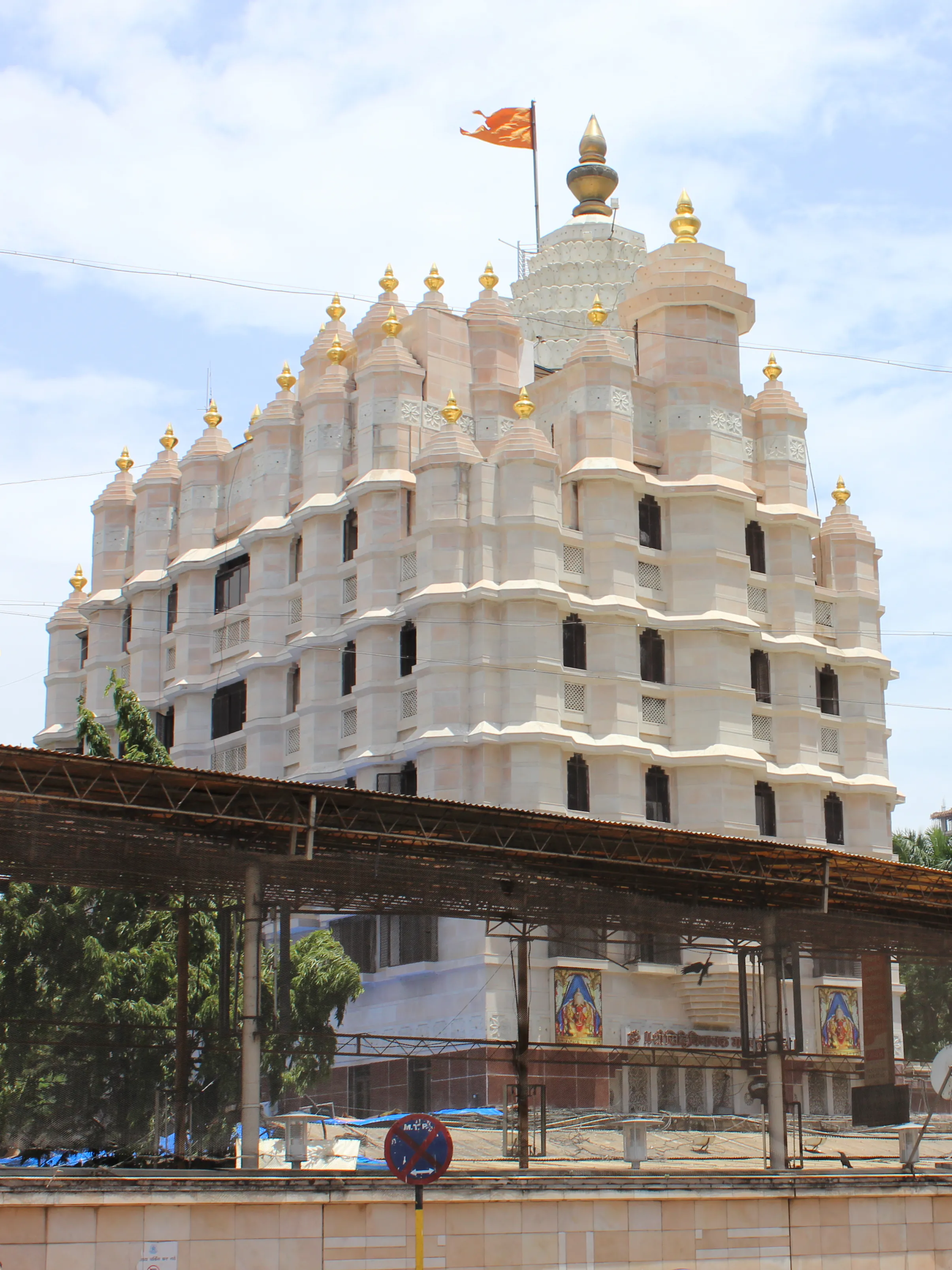
The air crackles with a palpable energy, a blend of devotion and anticipation, as I step through the towering gateway of the Shree Siddhivinayak Ganapati Mandir. This isn't just another temple on my list of 500+ documented sites; it’s a living, breathing entity, pulsating with the heartbeats of thousands of devotees who flock here daily. Located in Prabhadevi, Mumbai, this sacred space dedicated to Lord Ganesha transcends its physical form and becomes a conduit to faith. The first thing that strikes me, even amidst the throngs of people, is the relatively modest scale of the main structure. Unlike some of the sprawling temple complexes I’ve encountered across India, Siddhivinayak retains a sense of intimacy. The main wooden doors, intricately carved with images of Ashtavinayak (eight manifestations of Ganesha), serve as a portal to the inner sanctum. The carvings, though weathered by time and touch, retain a remarkable clarity, a testament to the craftsmanship of a bygone era. Inside, the atmosphere shifts. The cacophony of the city fades, replaced by the rhythmic chanting of mantras and the clang of bells. The sanctum sanctorum, a small chamber bathed in soft light, houses the revered black stone idol of Lord Ganesha. It’s a surprisingly small idol, barely two feet tall, adorned with vibrant silks and garlands. Yet, the power it emanates is undeniable. I’ve photographed countless deities across India, but the aura surrounding this particular idol is unique; it’s a tangible energy that seems to resonate with the collective faith of the devotees. The temple’s architecture is a fascinating blend of traditional Maharashtrian and colonial influences. The main structure is built of black stone, a stark contrast to the vibrant colours of the surrounding decorations. The shikhara, the towering structure above the sanctum, is relatively recent, added in the early 20th century. It’s adorned with intricate carvings and gold plating, a testament to the temple’s growing prosperity over the years. I noticed the subtle integration of wooden elements within the predominantly stone structure, particularly in the mandap (prayer hall), which lends a warmth and earthiness to the space. Beyond the main shrine, the temple complex houses smaller shrines dedicated to other deities, including Hanuman and Annapurna. These spaces, though less crowded, offer a quiet respite from the intensity of the main sanctum. I spent some time observing the intricate tile work on the floors, depicting various mythological scenes. These details, often overlooked in the rush of devotion, speak volumes about the artistic sensibilities of the artisans who contributed to the temple’s construction. What truly sets Siddhivinayak apart, however, is not just its architecture or the revered idol, but the sheer diversity of its devotees. I witnessed a microcosm of Indian society within these walls – people from all walks of life, different castes, creeds, and economic backgrounds, united by their shared faith. I saw a businessman in a crisp suit standing next to a labourer in worn clothes, both offering their prayers with equal fervour. This melting pot of humanity, bound together by a common thread of devotion, is a powerful testament to the unifying power of faith. As I prepared to leave, I paused to capture one last image – the setting sun casting a golden glow on the temple’s façade, silhouetting the devotees against the darkening sky. It was a moment of quiet reflection, a reminder that beyond the tangible beauty of the architecture and the palpable energy of faith, Siddhivinayak represents something far greater – a timeless connection between humanity and the divine. It's a connection I’ve witnessed in countless sacred spaces across India, but one that resonates with particular intensity within the hallowed walls of this Mumbai landmark.
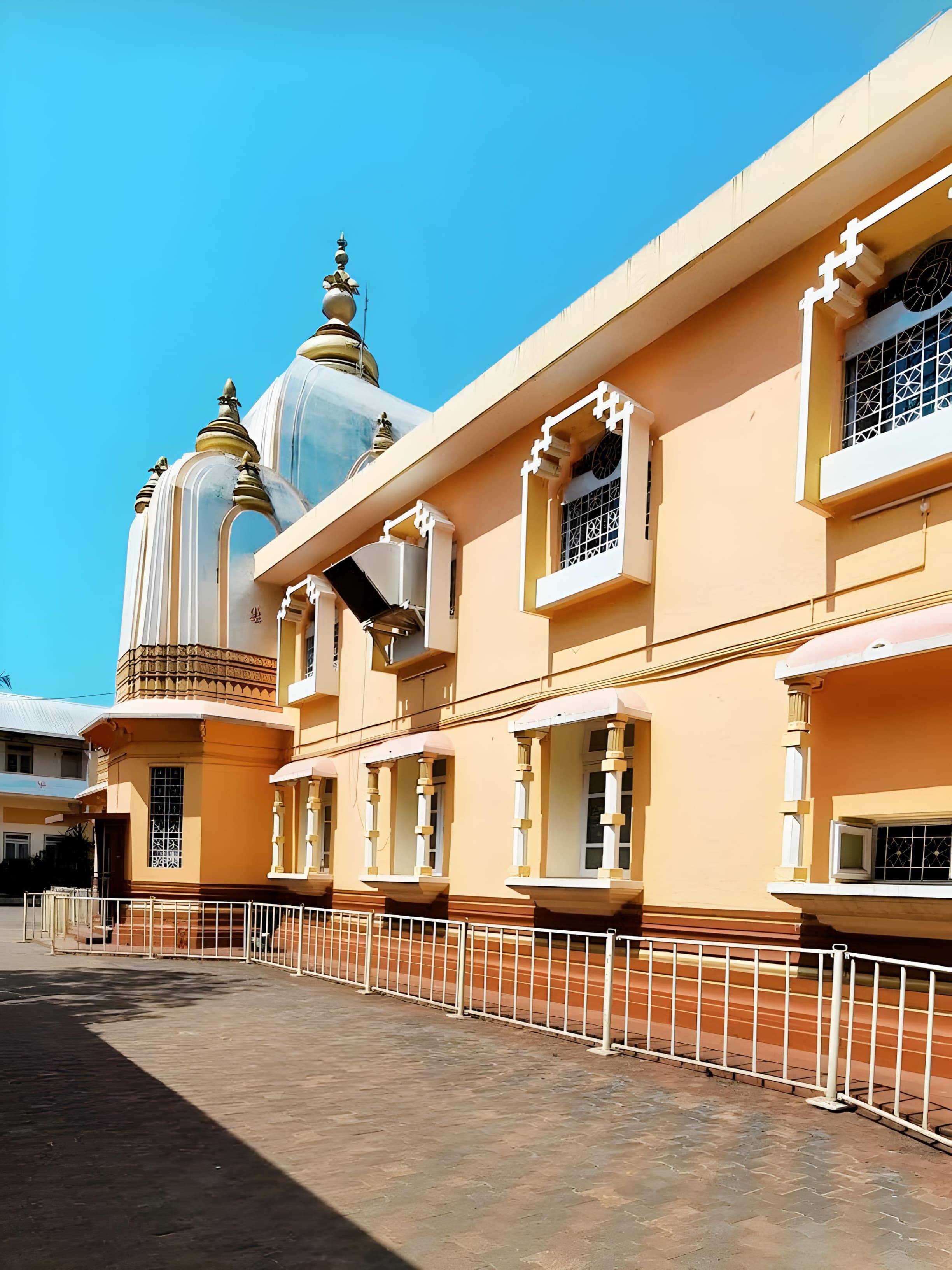
The humid Goan air hung heavy, thick with the scent of incense and marigolds, as I stepped into the serene courtyard of the Shri Damodar Temple in Zambaulim. This wasn't the Goa of sun-drenched beaches and bustling markets; this was a glimpse into the state's quieter, more spiritual heart. Having documented the intricate stone carvings and soaring temples of Gujarat for years, I was eager to see how this temple, dedicated to Lord Damodar, a form of Lord Krishna, resonated with the architectural traditions I knew so well. The first thing that struck me was the temple's stark white facade, a refreshing contrast to the vibrant colours typically associated with Goan architecture. The simplicity, however, was deceptive. Closer inspection revealed intricate carvings adorning the pillars and lintels. While the overall style was distinctly Goan, with its characteristic sloping tiled roof, I noticed subtle influences of the Chalukyan style prevalent in parts of Gujarat and Karnataka. The deep-set doorways, framed by ornate carvings of deities and mythical creatures, seemed to whisper tales of ancient craftsmanship. The main entrance led me into a pillared mandapa, or hall. Sunlight streamed through the latticework windows, casting intricate patterns on the cool stone floor. The pillars, each a testament to the sculptor's skill, were adorned with carvings of floral motifs, gods, and goddesses. Unlike the elaborate, almost overwhelming detail I’ve encountered in some Gujarati temples, the carvings here possessed a certain restraint, a quiet elegance that spoke volumes. The inner sanctum, where the deity of Lord Damodar resides, was smaller than I anticipated, creating an intimate atmosphere. The air was thick with the aroma of burning camphor and the murmur of devotees chanting prayers. Photography wasn't permitted inside, which, in a way, enhanced the experience. It allowed me to fully immerse myself in the spiritual energy of the place, to absorb the devotion that permeated the very stones. As I stepped back out into the courtyard, I noticed a large, ancient deepstambh, or lamp pillar, standing tall near the entrance. Its weathered surface bore witness to centuries of rituals and prayers. These lamp pillars are a common feature in Gujarati temples, and seeing one here, so far from home, created a sense of unexpected connection. It underscored the shared cultural threads that weave their way across India, transcending geographical boundaries. The temple tank, or 'pushkarni,' located to the side of the main structure, was another element that resonated with my Gujarati experiences. While smaller than the stepped tanks found in many Gujarat temples, it served the same purpose – a place for ritual cleansing and purification. The stillness of the water reflected the serene atmosphere of the temple, creating a sense of tranquility. What truly set the Shri Damodar Temple apart, however, was the palpable sense of community it fostered. I observed locals interacting with the priests, sharing stories, and participating in the daily rituals. This sense of belonging, of shared faith and tradition, was something I’d witnessed time and again in Gujarat’s ancient temples. It reinforced the idea that these sacred spaces are not merely architectural marvels; they are living, breathing entities, integral to the social fabric of the communities they serve. Leaving the Shri Damodar Temple, I carried with me not just images of its architectural beauty, but also a deeper understanding of the cultural exchange and shared heritage that connect different regions of India. It was a reminder that while architectural styles may vary, the underlying spirit of devotion and the importance of community remain constant.
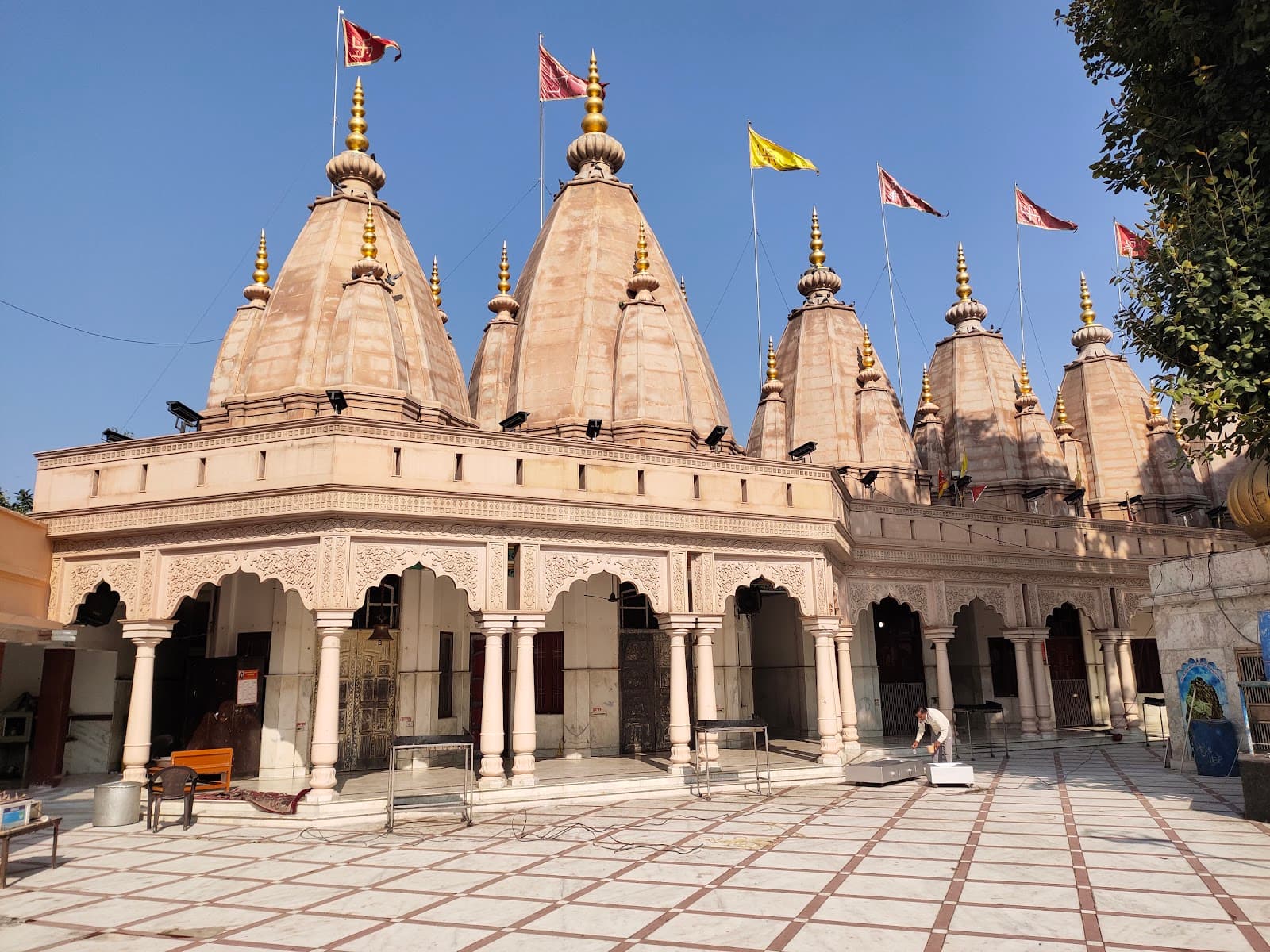
The midday sun beat down on Panipat, casting long shadows across the dusty plains, but within the cool confines of the Shri Devi Mandir, a different kind of energy pulsed. Having explored the basalt-carved wonders of Maharashtra’s caves and the intricate details of its countless temples, I arrived at this North Indian shrine with a keen eye for comparison, and I wasn't disappointed. The Shri Devi Mandir, dedicated to the goddess Bhadrakali, offers a distinct experience, a testament to a different architectural idiom and a unique spiritual resonance. The temple complex is surprisingly expansive, a sprawling network of courtyards, shrines, and halls. Unlike the often vertically oriented temples of the Deccan plateau, this structure embraces horizontality. Low-slung buildings, painted in vibrant shades of saffron, ochre, and white, surround the central sanctum. The main entrance, a towering gateway adorned with intricate carvings of deities and floral motifs, immediately sets the tone. The carvings, though weathered by time, retain a remarkable clarity, showcasing a blend of Mughal and Rajput influences – a testament to the region's rich history. Stepping through the gateway felt like crossing a threshold into another world. The clamor of the city faded, replaced by the soft murmur of chants and the clanging of bells. The courtyard, paved with smooth, cool stone, offered a welcome respite from the heat. Devotees moved with a quiet reverence, their faces etched with devotion. I observed the subtle differences in their rituals compared to those I’d witnessed back home – the way they offered flowers, the specific mantras they chanted, the distinct aroma of incense that hung heavy in the air. The main shrine, housing the idol of Shri Devi, is a relatively small structure, but its simplicity is its strength. The deity, depicted in a fierce yet benevolent form, is adorned with vibrant garments and elaborate jewelry. The air within the sanctum vibrated with a palpable energy, a feeling of concentrated devotion that transcended the physical space. I spent a few moments simply observing the interplay of light and shadow on the idol, the flickering flames of the oil lamps, and the expressions of quiet contemplation on the faces of the devotees. What struck me most about the Shri Devi Mandir was its accessibility. Unlike some of the more ancient temples I've visited, where a certain formality and distance are maintained, this temple felt remarkably inclusive. People from all walks of life, young and old, rich and poor, mingled freely, united in their reverence for the goddess. I saw families sharing prasad, children playing in the courtyards, and elderly devotees lost in quiet prayer. This sense of community, of shared faith, was truly heartwarming. Beyond the main shrine, the complex houses several smaller shrines dedicated to other deities, each with its own unique character. I explored these smaller spaces, noting the variations in architectural style and the different iconography. One shrine, dedicated to Lord Shiva, featured a striking lingam carved from black stone, while another, dedicated to Lord Hanuman, was adorned with vibrant murals depicting scenes from the Ramayana. As I wandered through the complex, I couldn't help but reflect on the power of faith and the diverse ways in which it manifests itself across India. From the rock-cut caves of Ajanta and Ellora to the towering gopurams of Tamil Nadu, and now to the humble yet vibrant Shri Devi Mandir in Panipat, each sacred space offers a unique window into the rich tapestry of Indian spirituality. This temple, with its blend of architectural styles, its palpable sense of devotion, and its inclusive atmosphere, left a lasting impression, reminding me that the essence of faith transcends geographical boundaries and architectural forms.
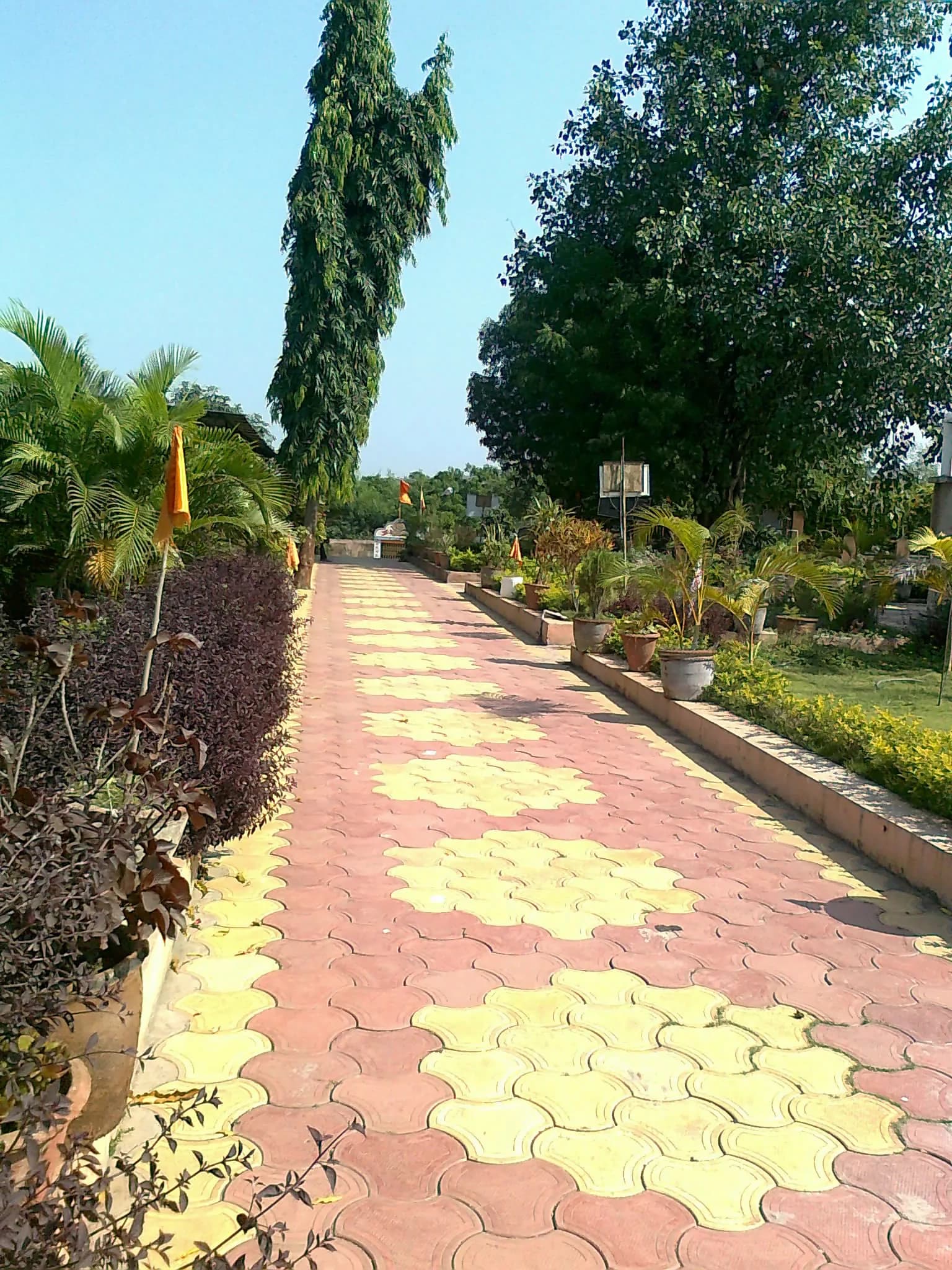
The midday sun cast long shadows across the sprawling courtyard of Shri Krishna Mandir in Ludhiana, the light catching the intricate carvings that adorned its facade. The temple, a relatively recent construction compared to the ancient wonders I typically study, still exuded a palpable sense of devotion and architectural richness. Its gleaming white marble exterior, punctuated by vibrant splashes of colour, stood in stark contrast to the bustling urban landscape that surrounded it. My initial impression was one of harmonious fusion. The temple’s design cleverly blends elements of traditional North Indian Nagara architecture with a touch of contemporary flair. The shikhara, the towering structure above the sanctum sanctorum, while not reaching the dizzying heights of some ancient temples, still commanded attention with its graceful curves and ornate detailing. Small, delicately carved miniature shikharas clustered around the main one, creating a sense of rhythmic ascension. Stepping inside, the cool marble floor offered respite from the Punjab heat. The main prayer hall, a vast and airy space, was filled with the murmur of chanting and the scent of incense. The pillars supporting the high ceiling were far from simple structural elements; each was a canvas for intricate carvings depicting scenes from the Krishna Leela, the divine plays of Lord Krishna. I was particularly struck by the dynamic portrayal of Krishna’s Rasa Leela, the dance with the gopis, which captured the fluidity and energy of the divine dance. The sculptor’s skill was evident in the expressive faces and flowing garments of the figures, bringing the mythological narrative to life. Unlike the dimly lit interiors of many ancient temples, Shri Krishna Mandir was bathed in natural light, which streamed in through large windows adorned with stained glass depicting various deities. This modern touch, while a departure from traditional temple architecture, enhanced the vibrancy of the space and allowed for a clearer appreciation of the artistry within. The temple complex extends beyond the main prayer hall, encompassing smaller shrines dedicated to other deities, including Radha, Shiva, and Hanuman. Each shrine, while smaller in scale, maintained the same level of artistic detail and devotional fervour. I noticed a distinct shift in architectural style in the Hanuman shrine, which incorporated elements reminiscent of Dravidian architecture, particularly in the gopuram-like structure above the entrance. This subtle incorporation of different architectural styles within a single complex spoke to the inclusive nature of the temple and its embrace of diverse traditions. One of the most captivating aspects of Shri Krishna Mandir was its extensive use of coloured marble inlay work. Floral motifs, geometric patterns, and depictions of divine symbols adorned the walls, pillars, and even the ceiling, creating a visual feast. The vibrant hues of red, green, blue, and yellow contrasted beautifully with the pristine white marble, adding a layer of opulence and grandeur to the space. This inlay work, reminiscent of the pietra dura technique, demonstrated a high level of craftsmanship and meticulous attention to detail. As I wandered through the temple complex, I observed the seamless integration of the sacred and the secular. Devotees engaged in prayer and ritual, while families strolled through the gardens, children playing in the designated areas. This harmonious coexistence underscored the temple's role as not just a place of worship, but also a community hub, a space for social interaction and cultural expression. My visit to Shri Krishna Mandir offered a fascinating glimpse into the evolution of temple architecture in India. While rooted in tradition, the temple embraces modern elements and diverse influences, creating a unique architectural vocabulary that reflects the dynamic nature of faith and cultural expression in contemporary India. It served as a potent reminder that architecture, even in its sacred manifestations, is not static but continues to adapt and evolve, reflecting the changing needs and aspirations of the communities it serves.

The ochre walls of Shri Ramnath Temple, nestled amidst the emerald embrace of Bandora's foliage, exuded a tranquility that instantly captivated me. This wasn't the imposing grandeur of some of the larger Goan temples, but a quiet dignity, a whispered history etched into the laterite stone and whitewashed plaster. The temple, dedicated to Lord Rama, felt deeply rooted in the land, a testament to the enduring syncretism of Goan culture. My first impression was one of intimate enclosure. A modest courtyard, paved with uneven stones worn smooth by centuries of footsteps, welcomed me. The main entrance, a relatively unadorned gateway, didn't prepare me for the burst of colour within. The deep red of the main temple structure, contrasted against the white of the surrounding buildings, created a vibrant visual harmony. The architecture, while predominantly influenced by the regional Goan style, hinted at subtle elements borrowed from other traditions. The sloping tiled roof, a hallmark of Goan temple architecture, was present, but the detailing around the windows and doorways showcased a delicate intricacy reminiscent of some of the older temples I've encountered in Karnataka. Stepping inside the main sanctum, I was struck by the palpable sense of devotion. The air, thick with the fragrance of incense and flowers, hummed with a quiet energy. The deity of Lord Ramnath, flanked by Sita and Lakshman, held a serene presence. Unlike the ornate, heavily embellished idols found in some temples, these felt more grounded, more accessible. The simple adornments, the soft lighting, and the intimate scale of the sanctum fostered a sense of personal connection, a direct line to the divine. What truly fascinated me, however, were the intricate carvings that adorned the wooden pillars supporting the mandap, or the covered pavilion. These weren't mere decorative flourishes; they narrated stories. Episodes from the Ramayana unfolded in intricate detail, each panel a miniature masterpiece. The battle scenes were particularly captivating, the dynamism of the figures captured with remarkable skill. I spent a considerable amount of time studying these panels, tracing the narrative flow with my fingers, marveling at the artistry and the devotion that had gone into their creation. The temple complex also houses smaller shrines dedicated to other deities, including Lord Ganesha and Lord Hanuman. Each shrine, while distinct, maintained a stylistic coherence with the main temple. This architectural unity, this seamless blending of different elements, spoke volumes about the community that had built and maintained this sacred space. As I wandered through the courtyard, I noticed a small, almost hidden, well. The priest, noticing my interest, explained that the well was considered sacred and its water used for ritual purposes. This integration of natural elements into the temple complex, this reverence for water as a life-giving force, resonated deeply with me. It reminded me of the ancient Indian architectural principles that emphasized the harmonious coexistence of the built environment and the natural world. Leaving the Shri Ramnath Temple, I carried with me not just images of intricate carvings and vibrant colours, but a sense of having touched a living history. This wasn't just a monument; it was a vibrant hub of faith, a testament to the enduring power of belief, and a beautiful example of how architectural traditions can evolve and adapt while retaining their core essence. The quiet dignity of the temple, its intimate scale, and the palpable devotion within its walls left an indelible mark on my mind, a reminder of the rich tapestry of cultural narratives woven into the fabric of India.
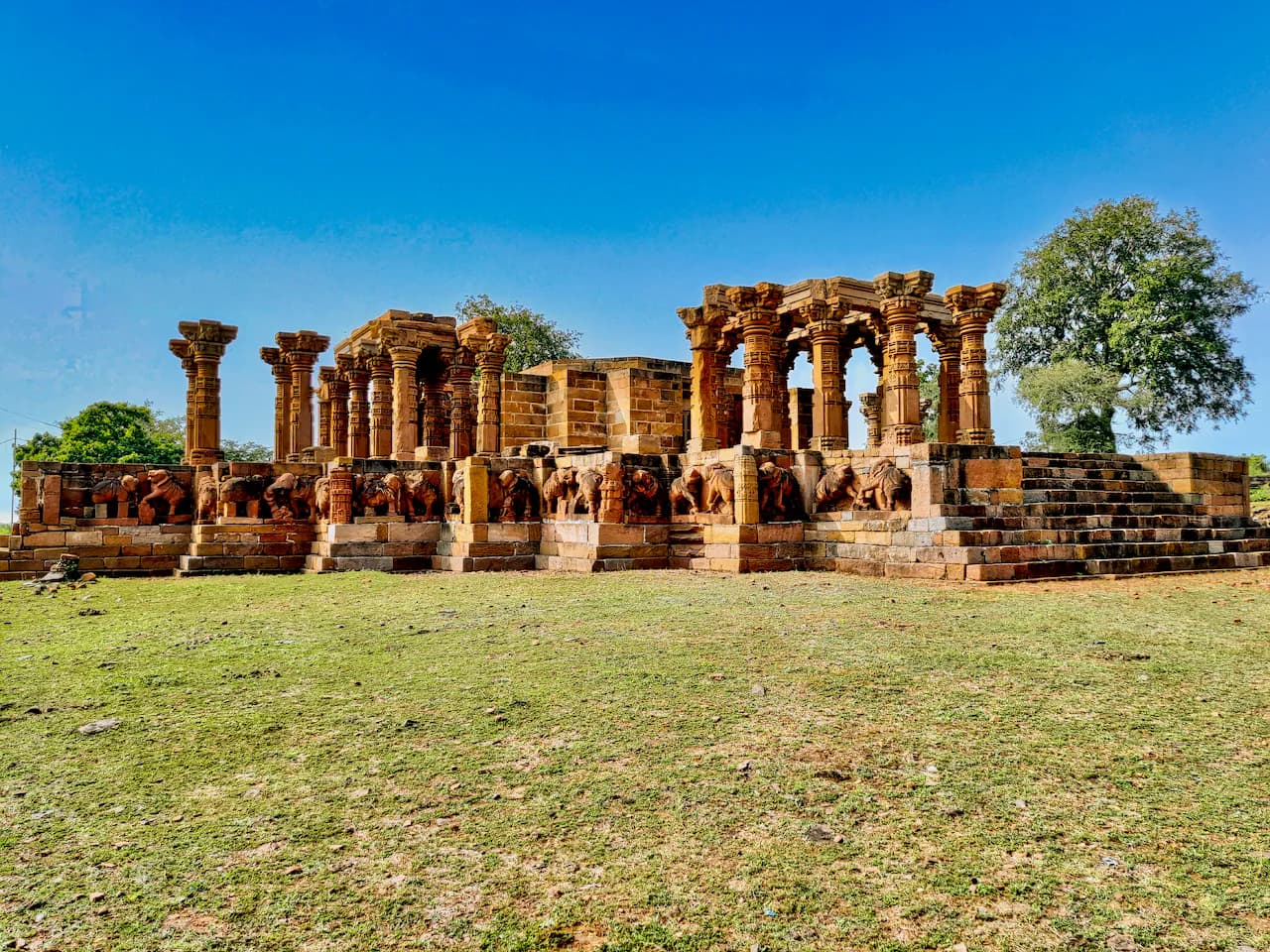
The midday sun beat down on Solapur, the heat radiating off the dusty streets as I made my way to the Siddheshwar Temple. Having explored countless sandstone marvels of Rajasthan, I was curious to see how this Hemadpanti style temple, a distinct architectural tradition of Maharashtra, would compare. And I wasn't disappointed. The temple, dedicated to Lord Shiva, stands nestled within a bustling marketplace, its imposing grey basalt structure a stark contrast to the vibrant colours of the surrounding shops. It felt like stepping into an oasis of calm amidst the city's energetic pulse. The first thing that struck me was the temple's robust, almost fortress-like exterior. Unlike the ornate carvings and delicate filigree work I'm accustomed to seeing in Rajasthani architecture, the Siddheshwar Temple exudes a sense of grounded strength. The walls are thick, the lines clean and geometric, and the overall impression is one of powerful simplicity. The Hemadpanti style, characterized by its use of black basalt stone and intricate interlocking joinery, is evident everywhere. I ran my hand over the smooth, cool stone, marveling at the precision with which each block was fitted together, no mortar visible, a testament to the architectural ingenuity of the era. Stepping through the main entrance, I found myself in a large open courtyard. A Nandi mandapa, housing the sacred bull Nandi, faces the main shrine. This mandapa, like the rest of the temple, is built entirely of basalt, its sturdy pillars supporting a pyramidal roof. The courtyard itself is paved with stone slabs, worn smooth by centuries of devotees. Despite the midday heat, the air within the temple felt cooler, the thick basalt walls providing a welcome respite from the sun. The main shrine, dedicated to Siddheshwar (Lord Shiva), is a masterpiece of Hemadpanti architecture. The shikhara, the towering structure above the sanctum sanctorum, is particularly striking. Its layered, pyramidal form, again built without any mortar, rises towards the sky, a beacon of faith amidst the urban sprawl. While simpler than the curvilinear shikharas of North Indian temples, it possesses a unique beauty, its stark geometry softened by the play of light and shadow. Inside the sanctum, a lingam, the symbolic representation of Lord Shiva, is the focal point of worship. The atmosphere here is hushed and reverent. I watched as devotees offered prayers, their faith palpable in the air. Even as a journalist, accustomed to observing and documenting, I couldn't help but feel a sense of peace and tranquility within the sacred space. As I explored further, I discovered intricate carvings adorning various parts of the temple. While not as profuse as the ornamentation found in Rajasthani temples, the carvings here are exquisite, depicting deities, mythical creatures, and floral motifs. I noticed a recurring motif of the lotus flower, a symbol of purity and enlightenment, carved into the pillars and ceilings. These subtle details, often overlooked in the grandeur of the overall structure, speak volumes about the artistry and devotion that went into the temple's construction. Leaving the cool confines of the Siddheshwar Temple and stepping back into the bustling marketplace, I felt a sense of having travelled through time. The temple, a silent witness to centuries of history, stands as a testament to the enduring power of faith and the architectural brilliance of the Hemadpanti tradition. It's a place where the weight of history is palpable, where the past and the present converge, and where the quiet strength of basalt speaks volumes. My experience with the sandstone forts and palaces of Rajasthan provided a valuable lens through which to appreciate the unique beauty and architectural ingenuity of this remarkable temple.
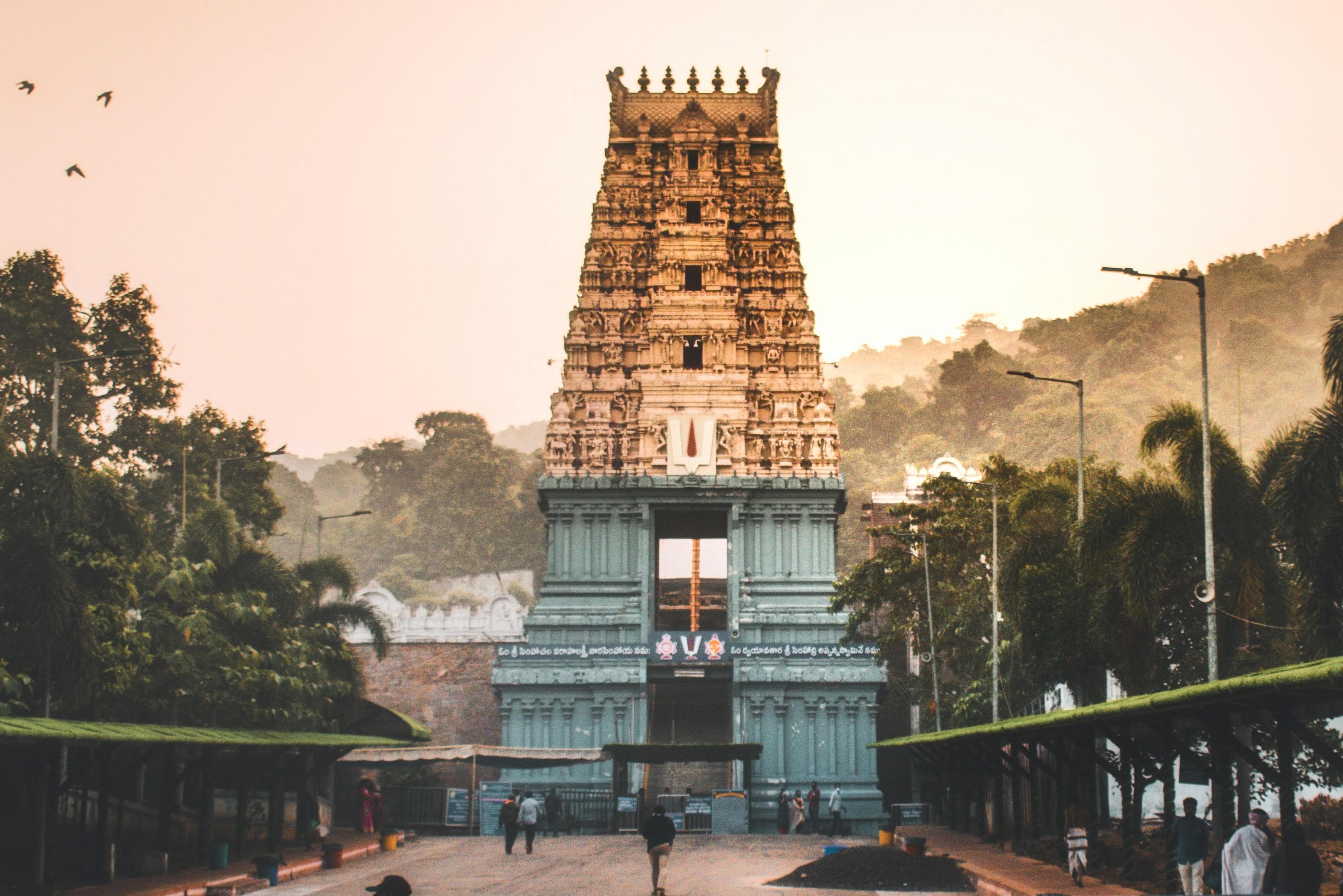
The salty tang of the Bay of Bengal hung in the air as I climbed the steps leading to the Varaha Lakshmi Narasimha Temple at Simhachalam. Having explored the basalt-carved wonders of Maharashtra’s caves and temples, I was eager to experience the distinct architectural flavour of Andhra Pradesh. And Simhachalam, perched atop a hill overlooking Visakhapatnam, promised something unique. The temple complex, enclosed within high walls, exudes an aura of quiet power. Unlike the open courtyards I’m accustomed to in Maharashtra, here, the structures are tightly knit, creating a sense of intimacy and concentrated devotion. The main gopuram, though not as towering as some I’ve seen, possesses a distinct Dravidian elegance, its intricate carvings narrating tales from the Puranas. The use of light-coloured stone, possibly Khondalite, gives the temple a luminous quality, contrasting sharply with the dark, weathered basalt of my home state. As I approached the sanctum sanctorum, the air grew thick with the scent of sandalwood and incense. The presiding deity, Varaha Lakshmi Narasimha, is unique – a manifestation of Vishnu as Narasimha, the man-lion, covered in sandalwood paste throughout the year, except for one day, 'Chandanayatra Utsavam'. This practice, I learned, stems from a legend where the deity’s fiery rage was cooled by the application of sandalwood. The anticipation of seeing this unique form, shrouded in mystery, heightened my excitement. Finally, I stood before the sanctum. The dimly lit space, filled with chanting, allowed only a glimpse of the sandalwood-covered deity. While I couldn’t discern the actual features of the idol, the palpable energy within the sanctum was undeniable. It was a powerful, almost visceral experience, different from the serene contemplation I often feel in Maharashtra’s cave temples. Here, the atmosphere was charged with a raw, vibrant devotion. Stepping out of the sanctum, I took time to appreciate the intricate carvings adorning the temple walls. The depictions of gods, goddesses, and mythical creatures showcased a distinct regional style, different from the Chalukyan and Yadava influences I’m familiar with. The narrative panels, though weathered by time and the coastal climate, still spoke volumes about the rich mythology associated with the deity. I noticed the recurring motif of the Varaha avatar, the boar incarnation of Vishnu, highlighting the temple’s dedication to this particular form. The temple complex also houses several smaller shrines dedicated to other deities, each with its own unique character. I was particularly drawn to the shrine of Andal, a female Alvar saint, whose devotion to Lord Vishnu is legendary. The presence of this shrine within the complex spoke to the inclusive nature of the temple’s spiritual embrace. As I descended the hill, the city of Visakhapatnam sprawled before me, a vibrant tapestry of modern life against the backdrop of the ancient Eastern Ghats. The visit to Simhachalam had been a journey not just to a different state, but to a different spiritual landscape. The temple’s unique rituals, distinct architecture, and the palpable devotion of the pilgrims offered a fresh perspective on the diverse tapestry of Hindu worship. It reinforced the idea that while the essence of faith remains constant, its expressions can be wonderfully varied and regionally specific. The Varaha Lakshmi Narasimha Temple, with its sandalwood-clad deity and vibrant energy, stands as a testament to this rich diversity. It's a must-see for anyone seeking to explore the architectural and spiritual wonders of Andhra Pradesh, and a stark, fascinating contrast to the cave temples of Maharashtra I know so well.
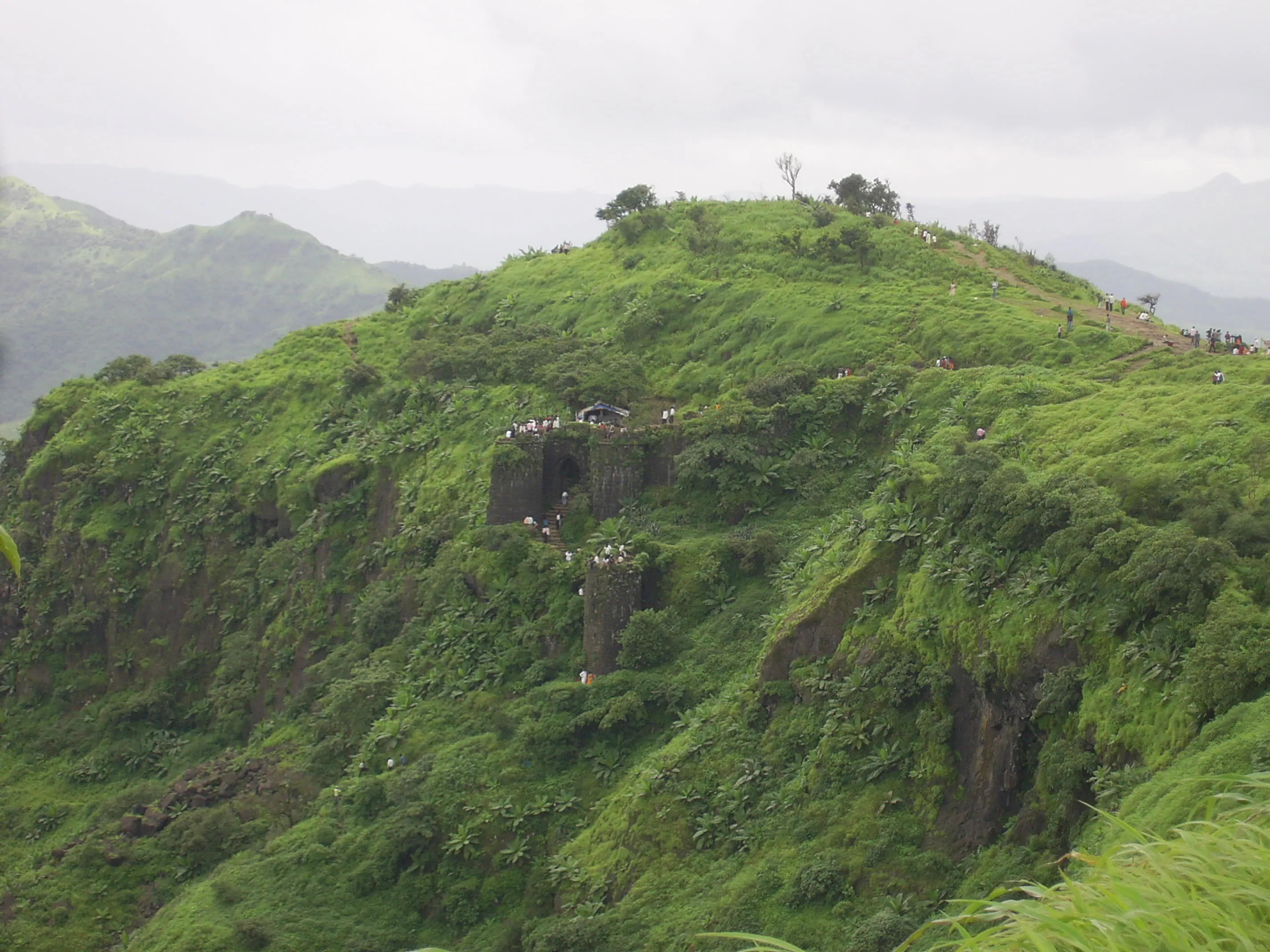
The wind whipped around me, carrying whispers of history as I stood atop Sinhagad Fort, a formidable sentinel overlooking the sprawling landscape below. The ascent itself, a winding road clinging to the Sahyadri hills, had been a prelude to the grandeur that awaited. Having spent years documenting the ancient sites of Madhya Pradesh, I've developed a keen eye for the nuances of historical architecture, and Sinhagad, with its rugged charm and strategic brilliance, immediately captivated me. The fort, originally known as Kondhana, has witnessed centuries of power struggles, its stones absorbing the echoes of Maratha resilience. Standing at the very spot where pivotal battles were fought, I felt a palpable connection to the past. The panoramic view from the ramparts stretched across undulating hills, punctuated by the occasional glint of a distant village. It's easy to see why this location was so fiercely contested – control of Sinhagad meant command over the surrounding valleys and trade routes. The architecture of Sinhagad is a testament to its military purpose. Unlike the ornate palaces I've documented in Mandu, Sinhagad's structures prioritize function over embellishment. The massive walls, built from locally quarried stone, are punctuated by strategically placed bastions and fortified gates. The Kalyan Darwaza and Pune Darwaza, the two main entrances, still bear the scars of past sieges, their thick wooden doors reinforced with iron bands. I spent considerable time photographing these gates, trying to capture the weight of history etched into their weathered surfaces. Within the fort walls, the remnants of various structures paint a picture of life within this military stronghold. The Amruteshwar Temple, a modest stone structure dedicated to Lord Shiva, stands in stark contrast to the surrounding fortifications. Its simple elegance offered a moment of quiet contemplation amidst the echoes of war. I was particularly struck by the intricate carvings on the temple's doorway, a testament to the enduring artistry of the region. The Dev Take, a steep precipice on the eastern side of the fort, offers a breathtaking, if somewhat dizzying, view. Local legend claims that Tanaji Malusare, a celebrated Maratha warrior, scaled this cliff face with the help of a monitor lizard during a daring nighttime raid. Standing at the edge, feeling the wind buffet me, I could almost visualize the scene unfolding centuries ago. One of the most intriguing aspects of Sinhagad is its water management system. Several strategically placed tanks and cisterns, carved into the rock, collected rainwater, ensuring a continuous supply for the fort's inhabitants. This foresight, crucial for withstanding prolonged sieges, speaks volumes about the ingenuity of the fort's builders. I was fascinated by the intricate network of channels and sluices that regulated the flow of water, a testament to the sophisticated engineering of the time. My visit to Sinhagad wasn't just about documenting the physical structures; it was about absorbing the spirit of the place. The fort isn't just a collection of stones and mortar; it's a living testament to human resilience, strategic brilliance, and the enduring power of history. As I descended the winding path, leaving the fort behind, I carried with me not just photographs, but a deeper understanding of the rich tapestry of India's past. The whispers of history, carried on the wind, had found a new echo in my own heart.
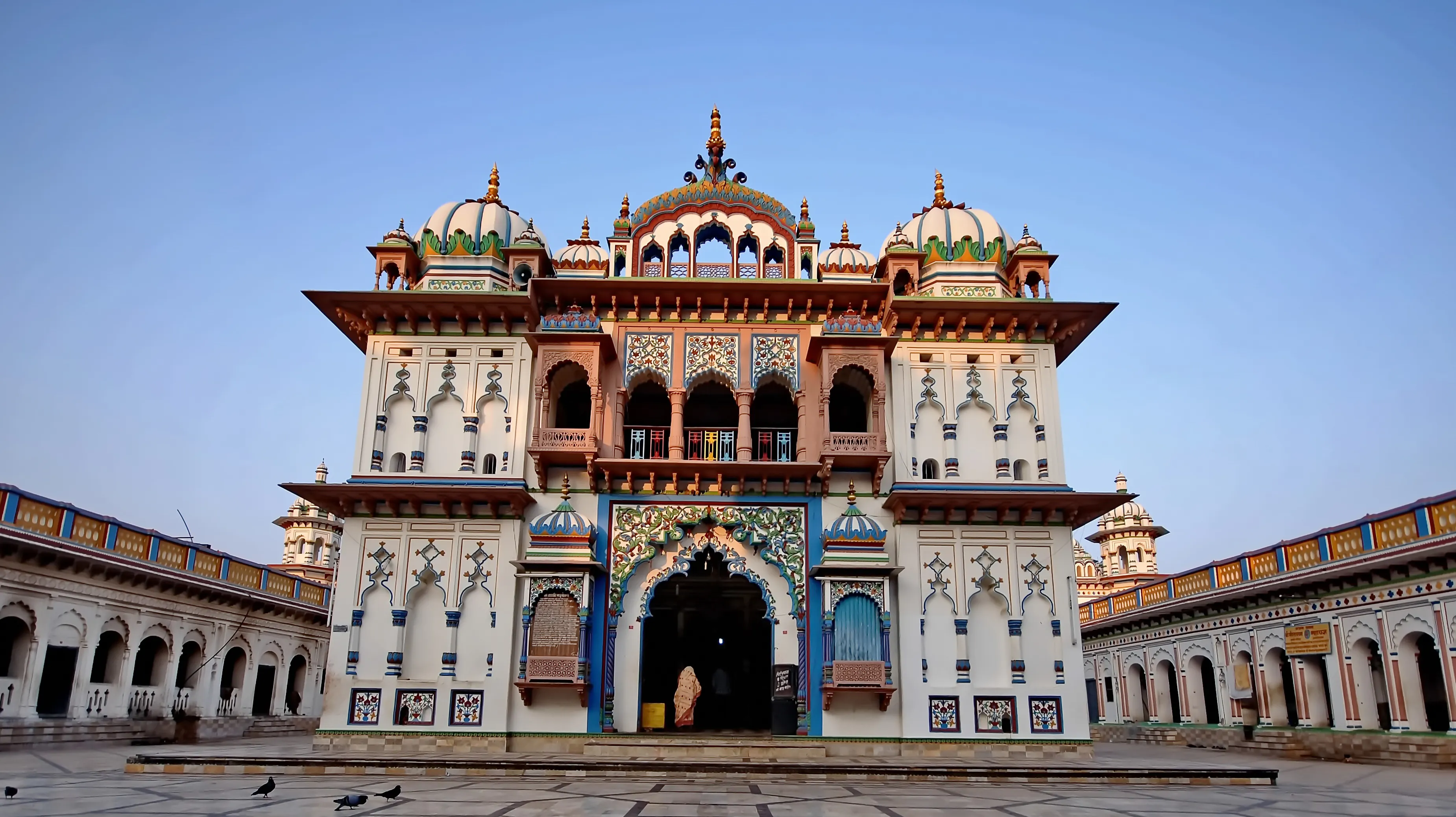
The midday sun beat down on Munger, casting long shadows that danced across the ancient stones of Sita Kund. Having explored the labyrinthine caves and soaring temples of Maharashtra, I arrived at this Bihar pilgrimage site with a sense of anticipation, eager to experience a different flavour of sacred India. Sita Kund, nestled amidst the bustling city, is a compact temple complex radiating a quiet, unassuming spirituality. It doesn't boast the grandeur of Ellora or the intricate carvings of Ajanta, but its simplicity holds a unique charm. The main attraction, the Kund itself, is a rectangular water tank enclosed within a modest structure. The water, believed to be sacred, is surprisingly clear despite the constant flow of devotees taking a holy dip. Local legend claims Sita, the exiled queen from the epic Ramayana, bathed here, lending the site its name and sanctity. While I couldn't verify the mythological claims, the palpable reverence of the pilgrims was undeniable. Women in vibrant sarees offered prayers, the scent of incense mingling with the humid air, creating an atmosphere thick with devotion. The architecture of the temple surrounding the Kund is a blend of simple practicality and subtle artistry. Unlike the elaborate rock-cut marvels I'm accustomed to in Maharashtra, Sita Kund showcases a more straightforward brick and mortar construction. The walls are adorned with faded frescoes depicting scenes from the Ramayana, their muted colours whispering tales of ancient devotion. While time and weather have taken their toll, these remnants offer glimpses into the artistic sensibilities of a bygone era. I noticed the recurring motif of the lotus flower, a symbol of purity and divinity, subtly incorporated into the pillars and archways. The architectural style, while not overtly ornate, reflects a quiet elegance, a testament to the enduring power of faith. Climbing the narrow staircase to the rooftop offered a panoramic view of Munger. The sprawling cityscape contrasted sharply with the serene atmosphere of the Kund below. From this vantage point, I could appreciate the temple's strategic location, a spiritual oasis amidst the urban hustle. The rooftop also houses a small shrine dedicated to Lord Rama, Sita's husband. The simple idol, adorned with fresh flowers, seemed to gaze serenely over the city, a silent guardian of its inhabitants. What struck me most about Sita Kund wasn't its architectural magnificence or historical significance, but the genuine devotion of the people. I witnessed families sharing quiet moments of prayer, elderly women chanting mantras with closed eyes, and young children offering flowers with innocent enthusiasm. This unpretentious display of faith, devoid of any ostentation, was deeply moving. It reminded me that spirituality isn't confined to grand temples and elaborate rituals; it can be found in the simplest of acts, in the quiet corners of a bustling city. As I left Sita Kund, the chants of the devotees still resonated in my ears. The experience was a refreshing departure from the grandeur I'm used to in Maharashtra's caves and temples. It was a reminder that the essence of faith lies not in the size or splendor of a structure, but in the sincerity of the hearts that seek solace within its walls. Sita Kund, in its unassuming simplicity, offers a powerful testament to the enduring human need for connection with the divine. It's a place where mythology and reality intertwine, where the whispers of ancient legends blend with the fervent prayers of modern devotees, creating a tapestry of faith that transcends time.
Related Collections
Discover more heritage sites with these related collections
Explore More Heritage
Explore our comprehensive documentation of these 278 heritage sites, featuring architectural analysis, historical context, visitor information, conservation status, and detailed site-specific resources supporting meaningful engagement with India's living heritage traditions.
Historical Context
Understanding the historical context of these 278 heritage sites illuminates centuries of Hindu architectural achievement and spiritual devotion. Across successive dynasties, royal patrons and spiritual communities collaborated to create these magnificent monuments as expressions of dharmic duty and devotional fervor. Multiple dynasties contributed distinctive architectural visions, engaging master architects (sthapatis), skilled sculptors (shilpis), and specialized craft guilds who transmitted knowledge through generations. These collaborations produced monuments reflecting both royal vision and artisan mastery, incorporating ancient Vedic principles with regional innovations. Archaeological and epigraphic research continues revealing fascinating details about construction processes, guild organization, material sourcing, and patronage networks. Foundation inscriptions, donor records, and architectural evidence illuminate the devotion, resources, and expertise invested in creating these sacred spaces that honor the divine while demonstrating human achievement at its finest.
Architectural Significance
The architectural elements visible across these 278 heritage sites demonstrate the sophisticated synthesis of aesthetic beauty, structural engineering, and spiritual symbolism characteristic of Hindu temple architecture. The Nagara Style Architecture tradition expresses itself through distinctive features: distinctive regional architectural elements, spatial planning principles, and decorative vocabularies. Indigenous building materials—locally sourced stone, traditional lime mortars, timber where appropriate—shaped architectural possibilities and aesthetic expressions. Monumental scale creates appropriate awe, preparing visitors psychologically for divine encounter. Intricate sculptural programs covering every surface teach Puranic narratives and iconographic conventions, transforming architecture into pedagogical instruments. Structural innovations—corbelling achieving remarkable cantilevers, domed ceilings distributing forces through hidden interlocking systems—demonstrate engineering knowledge refined through centuries of practical experience. Lighting conditions dramatically affect sculptural perception; morning and evening illumination reveals details obscured during harsh midday sun. Advanced documentation through photogrammetry and laser scanning continues discovering previously unrecorded architectural elements, enriching scholarly understanding of these magnificent achievements.
Conservation & Preservation
The preservation status of these 278 heritage sites reflects ongoing commitment to safeguarding India's irreplaceable heritage. 13 receive Archaeological Survey of India protection, ensuring legal safeguards and systematic conservation programs. Challenges include environmental factors, material degradation, and visitor management. Professional conservation employs traditional techniques alongside modern technology: structural monitoring, condition assessments, and preventive measures addressing deterioration before critical failures occur. Advanced documentation—aerial surveys, laser scanning, material analysis—creates comprehensive records supporting evidence-based interventions. Visitor participation in heritage preservation includes respectful site conduct, reporting observed damage, and supporting conservation initiatives financially. The investment in documentation and monitoring ensures that when intervention becomes necessary, restoration maintains historical authenticity and technical compatibility with original construction methods.
Visitor Information
Planning visits to these 278 heritage sites benefits from understanding access logistics and appropriate conduct. India offers well-developed infrastructure with accommodation options available near major heritage sites. The optimal visiting season extends October through March. Entry fees at protected sites typically range ₹25-₹40. Photography for personal use is generally permitted, though tripods and professional equipment may require advance authorization. Virtual tours of 3 sites enable preliminary exploration and research. Respectful conduct honors both the monuments and continuing worship traditions: modest attire with covered shoulders and legs, shoe removal in temple sanctums, quiet demeanor, and abstaining from touching sculptural surfaces. Knowledgeable local guides enhance understanding of architectural features, iconographic programs, and ritual contexts, transforming visits into meaningful cultural experiences.
Key Facts & Statistics
Total documented heritage sites: 278
UNESCO World Heritage Sites: 6
Source: UNESCO World Heritage Centre
Archaeological Survey of India protected monuments: 13
Source: Archaeological Survey of India
Sites with 3D laser scan documentation: 4
Sites with 360° virtual tours: 3
Sites with detailed architectural floor plans: 1
Temple: 195 sites
Fort: 38 sites
Monument: 29 sites
Palace: 6 sites
Museum: 4 sites
Indo-Islamic architecture style, Mughal architecture style, Rajput architecture style, Nagara architecture style architectural style: 3 sites
Pahari architecture style, Nagara architecture style, Shikhara architecture style, Hindu Temple architecture style architectural style: 3 sites
Indo-Saracenic Revival architecture style, Nagara architecture style, Rajput architecture style, Mughal architecture style architectural style: 2 sites
Bengal Temple architecture style, Nagara architecture style, Kalinga architecture style, Hindu Temple architecture style architectural style: 2 sites
Maru-Gurjara architecture style, Nagara architecture style, Chalukya architecture style, Hindu Temple architecture style architectural style: 2 sites
Bengal Renaissance Period period construction: 35 sites
Ahom Period period construction: 35 sites
Rajput Period period construction: 34 sites
Maratha Period period construction: 22 sites
Gurjara-Pratihara Period period construction: 17 sites
Average documentation completion score: 79%
Featured flagship heritage sites: 278
Frequently Asked Questions
How many heritage sites are documented in India?
This collection includes 278 documented heritage sites across India. Of these, 6 are UNESCO World Heritage Sites. 13 sites are centrally protected by Archaeological Survey of India. Each site has comprehensive documentation including photos, floor plans, and historical research.
What is the best time to visit heritage sites in India?
October through March is ideal for visiting heritage sites in India. Major festivals also offer unique cultural experiences. Check individual site pages for specific visiting hours and seasonal closures.
What are the entry fees for heritage sites?
Protected monuments typically charge ₹25-₹40. State-protected sites often have lower or no entry fees. Many temples and religious sites are free. Children often enter free. Still photography is usually included; video may require additional permits.
Are photography and videography allowed at heritage sites?
Still photography for personal use is generally permitted at most heritage sites. Tripods, flash photography, and commercial filming usually require special permissions. Some sites restrict photography of murals, sculptures, or sanctums. Drones are prohibited without explicit authorization. Always respect signage and guidelines at individual monuments.
Are these heritage sites wheelchair accessible?
Accessibility varies significantly. Major UNESCO sites and recently renovated monuments often have ramps and accessible facilities. However, many historical structures have steps, uneven surfaces, and narrow passages. Contact site authorities in advance for specific accessibility information. Our site pages indicate known accessibility features where available.
Are guided tours available at heritage sites?
Licensed guides are available at most major heritage sites, typically charging ₹200-₹500 for 1-2 hour tours. ASI-approved guides provide historical and architectural insights. Audio guides are available at select UNESCO sites. Our platform offers virtual tours and detailed documentation for 3 sites.
What is the conservation status of these heritage sites?
13 sites are legally protected by ASI. Active conservation includes structural stabilization, surface cleaning, vegetation control, and drainage management. Digital documentation helps monitor deterioration. 4 sites have 3D scan records for evidence-based interventions.
What are the key features of Nagara Style Architecture?
Nagara Style Architecture features distinctive regional architectural elements, spatial planning principles, and decorative vocabularies. These elements evolved over centuries, reflecting regional climate, available materials, construction techniques, and cultural preferences. Each monument demonstrates unique variations within the broader architectural tradition.
What documentation is available for these heritage sites?
Each site includes high-resolution photography, architectural measurements, historical research, and expert annotations. 4 sites have 3D laser scans. 3 offer virtual tours. Floor plans show spatial organization. Documentation averages 79% completion.
How much time should I allocate for visiting?
Plan 2-3 hours for major monuments to appreciate architectural details and explore grounds. Smaller sites may require 30-60 minutes. Multi-site itineraries should allocate travel time. Early morning or late afternoon visits offer better lighting for photography and fewer crowds. Check individual site pages for recommended visiting durations.
What is the cultural significance of these heritage sites?
These monuments represent India's diverse cultural heritage, reflecting centuries of architectural innovation, religious traditions, and artistic excellence. They serve as living links to historical societies, preserving knowledge about construction techniques, social structures, and cultural values. Many sites remain active centers of worship and community gathering.
How can I practice responsible heritage tourism?
Respect site rules including photography restrictions and designated pathways. Don't touch sculptures, murals, or walls. Dispose waste properly. Hire local guides to support communities. Avoid visiting during restoration work. Learn about cultural contexts before visiting. Report damage to authorities. Your responsible behavior helps preserve heritage for future generations.
References & Sources
Nagara Style
Nagara Style architecture is a distinctive style of Indian temple architecture characterized by its unique design elements and construction techniques. This architectural tradition flourished in India and represents a significant period in Indian cultural heritage. Features include intricate carvings, precise proportions, and integration with religious symbolism.
- 1Diverse architectural styles from various periods
- 2Intricate craftsmanship and artistic excellence
- 3Historical and cultural significance
- 4Well-documented heritage value
- 5Protected under heritage conservation acts
- 6Tourist and educational significance
| 📍Rajasthan | 18 sites |
| 📍Gujarat | 16 sites |
| 📍Uttar Pradesh | 16 sites |
| 📍Haryana | 14 sites |
| 📍Madhya Pradesh | 14 sites |
| 📍Assam | 14 sites |
| 📍Himachal Pradesh | 13 sites |
| 📍Maharashtra | 13 sites |
| 📍Odisha | 13 sites |
| 📍Jharkhand | 13 sites |