Best Documented Heritage Sites
This curated collection presents 384 architecturally significant heritage sites across India, each offering authentic experiences of Hindu cultural and spiritual heritage. Representing diverse regional traditions, these sites spanning multiple historical periods continue serving as active centers of worship and cultural transmission. 8 hold UNESCO World Heritage designation, recognizing exceptional universal value. Our comprehensive documentation provides detailed visitor information, architectural insights, and cultural context, enabling meaningful engagement with India's living heritage traditions while respecting the sacred nature of these spaces.
384 Sites Found
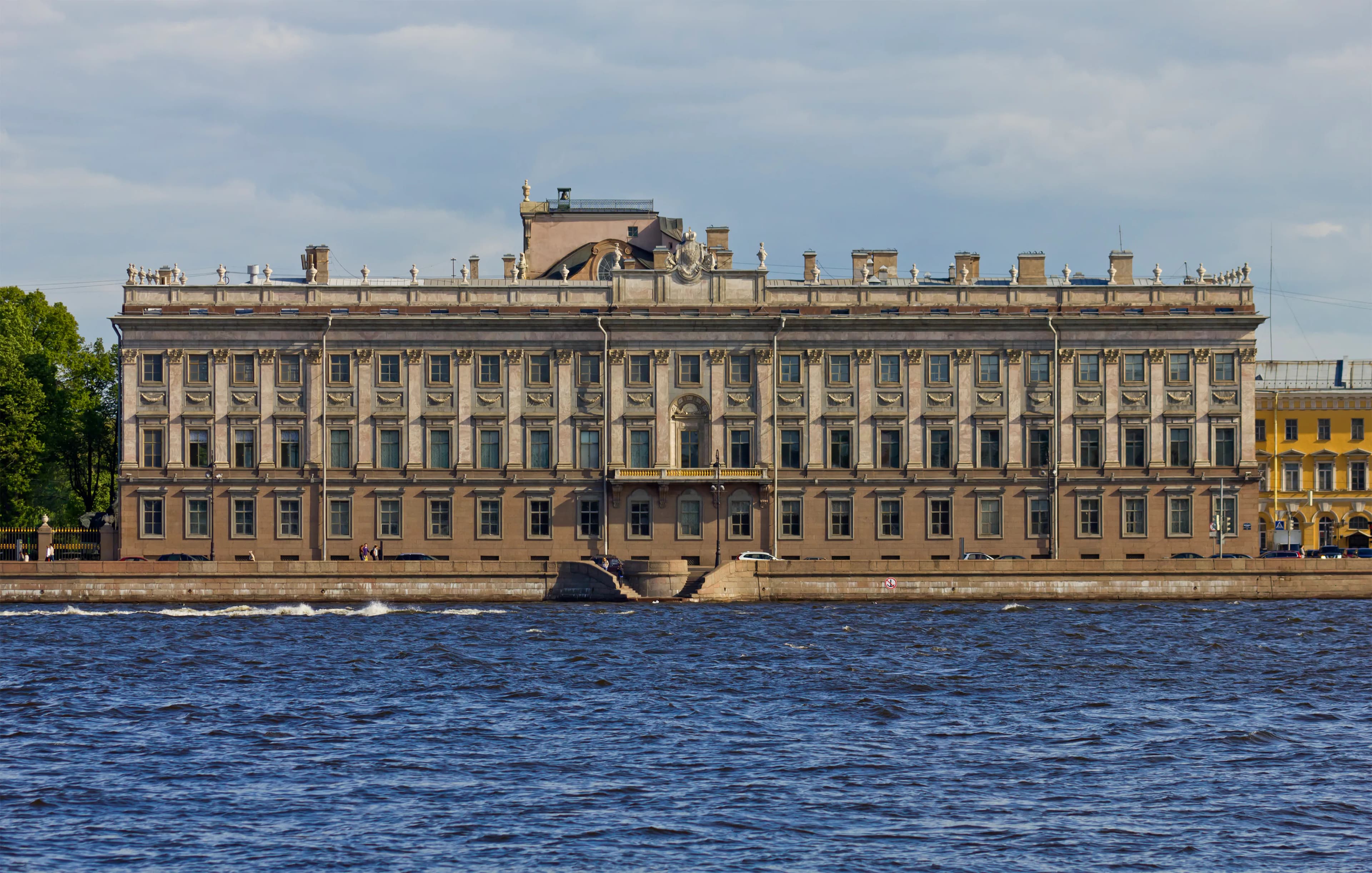
The humid Kolkata air hung heavy, a stark contrast to the crisp winter mornings I’m accustomed to in Uttar Pradesh. But the oppressive heat couldn’t diminish the anticipation I felt as I approached the Marble Palace, a structure whispered about in hushed tones for its exquisite beauty and enigmatic history. Tucked away on Muktaram Babu Street, its neoclassical façade, surprisingly understated, offered a mere glimpse of the treasures within. Stepping through the imposing iron gates felt like crossing a threshold into another era. The courtyard, a surprising oasis of calm amidst the city’s cacophony, was dominated by a magnificent marble statue of Queen Victoria, a stark reminder of the Raj's enduring influence. The palace itself, a blend of neoclassical and traditional Bengali styles, was a testament to the eclectic tastes of its 19th-century founder, Raja Rajendra Mullick, a wealthy Bengali merchant. The sheer abundance of marble, sourced from across the globe, was breathtaking. The floors, the columns, even some of the furniture, gleamed with a cool, polished elegance. I ran my hand over a balustrade, the smooth, cool surface a welcome respite from the muggy air. The intricate carvings, depicting everything from floral motifs to mythological scenes, spoke of the skilled artisans who had poured their hearts into this architectural marvel. As I moved through the labyrinthine interiors, I was struck by the sheer diversity of the collection housed within. It wasn't just the expected European sculptures and Victorian furniture; the palace was a veritable microcosm of global art and culture. I gazed at Belgian stained-glass windows, admired Chinese porcelain vases, and examined Roman busts, all coexisting in a harmonious, if somewhat bewildering, display. It was a testament to Mullick's passion for collecting, a passion that bordered on obsession. One room, the Thakur-Dalan, or the place of worship, particularly resonated with me. Here, amidst the European grandeur, was a dedicated space for traditional Hindu deities. This juxtaposition, this seamless blending of Eastern and Western traditions, felt uniquely Indian. It reminded me of the syncretic nature of our own culture in Uttar Pradesh, where Mughal influences have intertwined with ancient Hindu traditions. The palace, however, was not without its shadows. As I wandered through the dimly lit corridors, I couldn't shake off a sense of melancholy. The sheer opulence felt almost overwhelming, a stark contrast to the poverty that existed just beyond the palace walls. I learned that photography was strictly prohibited inside, a rule I respected, but which also added to the air of mystery and seclusion. It felt as though the palace was guarding its secrets, unwilling to fully reveal itself to the outside world. The extensive collection of paintings, including works by European masters and renowned Indian artists, further fueled this sense of intrigue. I stood before a painting attributed to Rubens, its vibrant colours seemingly untouched by time, and pondered the stories these walls could tell. The palace wasn't just a repository of art; it was a living archive, a silent witness to the changing tides of history. Leaving the Marble Palace, I stepped back into the vibrant chaos of Kolkata, the city's sounds and smells assaulting my senses after the hushed stillness within. The experience, however, lingered. The palace, with its marble grandeur and its enigmatic aura, had left an indelible mark. It was a place of contradictions, a testament to both the opulence and the complexities of a bygone era, a place that continued to whisper its secrets long after I had left its cool embrace. It was a reminder that even amidst the relentless march of progress, pockets of the past remain, waiting to be discovered, explored, and understood.
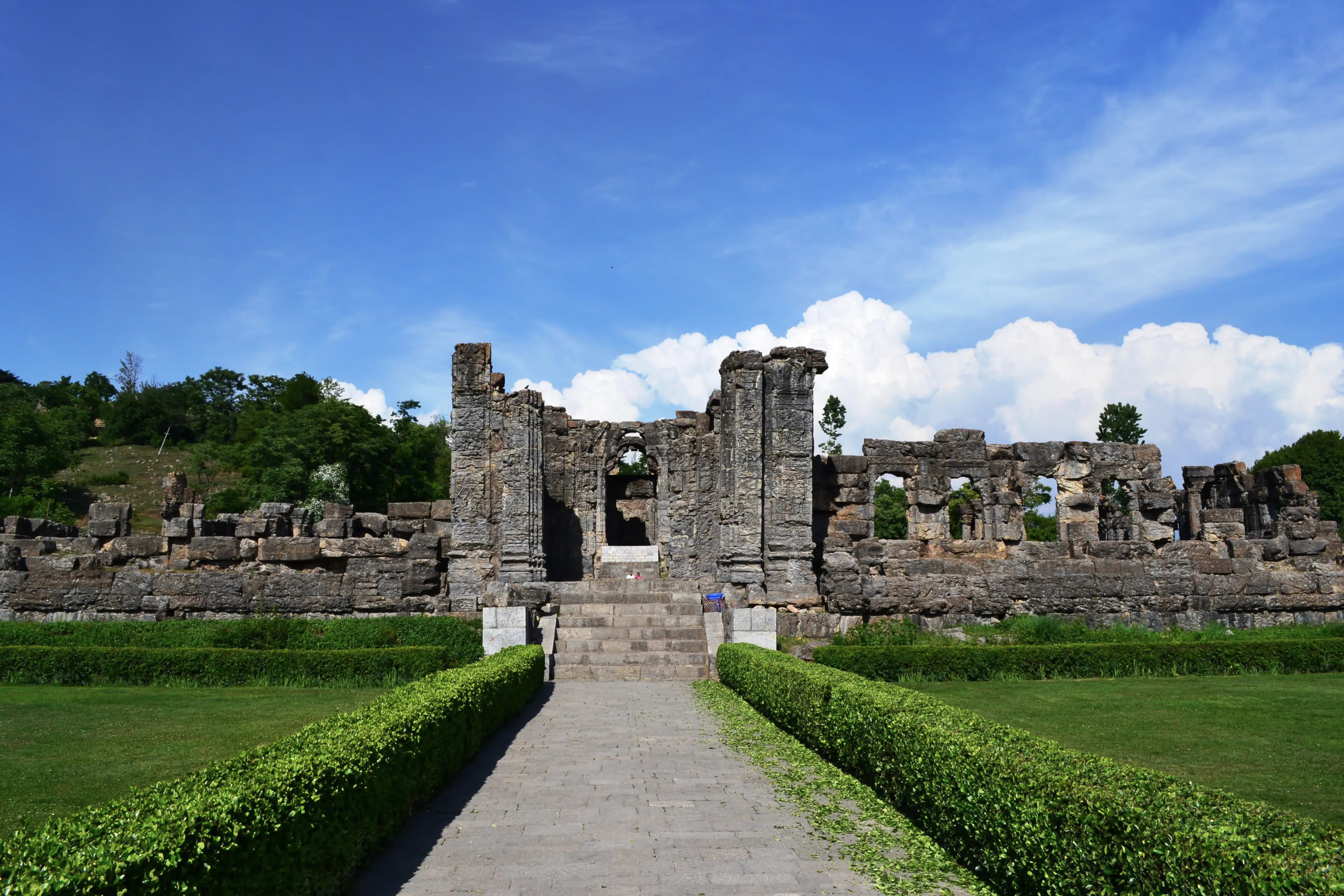
The wind whispered tales of forgotten empires as I stood before the Martand Sun Temple, a skeletal monument reaching for the sky amidst the breathtaking panorama of the Kashmir Valley. Located near Mattan in Anantnag district, this 8th-century marvel, dedicated to Surya, the Sun God, is more ruin than temple, yet its grandeur remains undiminished. Having explored countless ancient sites across North India, I can confidently say that few possess the raw, evocative power of Martand. The first thing that struck me was the sheer scale of the complex. The main shrine, though roofless and ravaged by time and conflict, still commands attention. Built on a raised platform, it’s surrounded by a peristyle of 84 fluted columns, a testament to the architectural prowess of the Kashmiri Karkota dynasty. I walked through the colonnaded courtyard, tracing the outlines of chambers and imagining the vibrant life that once filled these spaces. The intricate carvings on the remaining pillars, depicting celestial beings and floral motifs, hinted at the temple's former glory. The stone, a local grey limestone, has weathered to a soft, almost melancholic hue, adding to the site's poignant beauty. The influence of Greco-Roman architecture is unmistakable, particularly in the use of arches and the overall layout. This fusion of styles, unique to Kashmiri temples of this period, speaks to a rich cultural exchange that once flourished in the region. I noticed the distinct Gandharan influence in the sculptural fragments scattered around the site, further evidence of the confluence of artistic traditions. One particularly striking piece, a partially damaged relief, seemed to depict Surya himself, radiating power and serenity. Climbing the platform to the central shrine, I felt a palpable shift in energy. Even in ruins, the sanctum sanctorum retains a sense of sacredness. I could almost visualize the priests performing ancient rituals, the air thick with incense and chanting. The panoramic view from this vantage point was simply stunning. The snow-capped Pir Panjal range formed a dramatic backdrop to the rolling green valley, a vista that must have inspired awe in the hearts of ancient worshippers. The temple's destruction, attributed to the iconoclastic zeal of Sikandar Butshikan in the 14th century, is a tragic chapter in Kashmir's history. Yet, the ruins themselves tell a story of resilience. They stand as a silent witness to the passage of time, a reminder of the rise and fall of empires. I spent hours exploring the site, absorbing the atmosphere, and trying to piece together the fragments of its past. Beyond the main shrine, I discovered remnants of smaller structures, possibly dedicated to other deities. The entire complex is spread over a large area, suggesting a significant religious and social hub. I noticed a small spring near the temple, its water crystal clear and icy cold. Locals believe the spring has healing properties, a belief likely rooted in ancient traditions associated with the temple. My visit to Martand Sun Temple was more than just a sightseeing trip; it was a journey through time. It was a humbling experience to stand before this magnificent ruin, a testament to human ingenuity and the enduring power of faith. As the sun began to set, casting long shadows across the valley, I left Martand with a sense of awe and a renewed appreciation for the rich tapestry of India's heritage. This is a site that deserves to be cherished and protected, not just for its architectural significance but for the stories it whispers to those who listen closely.
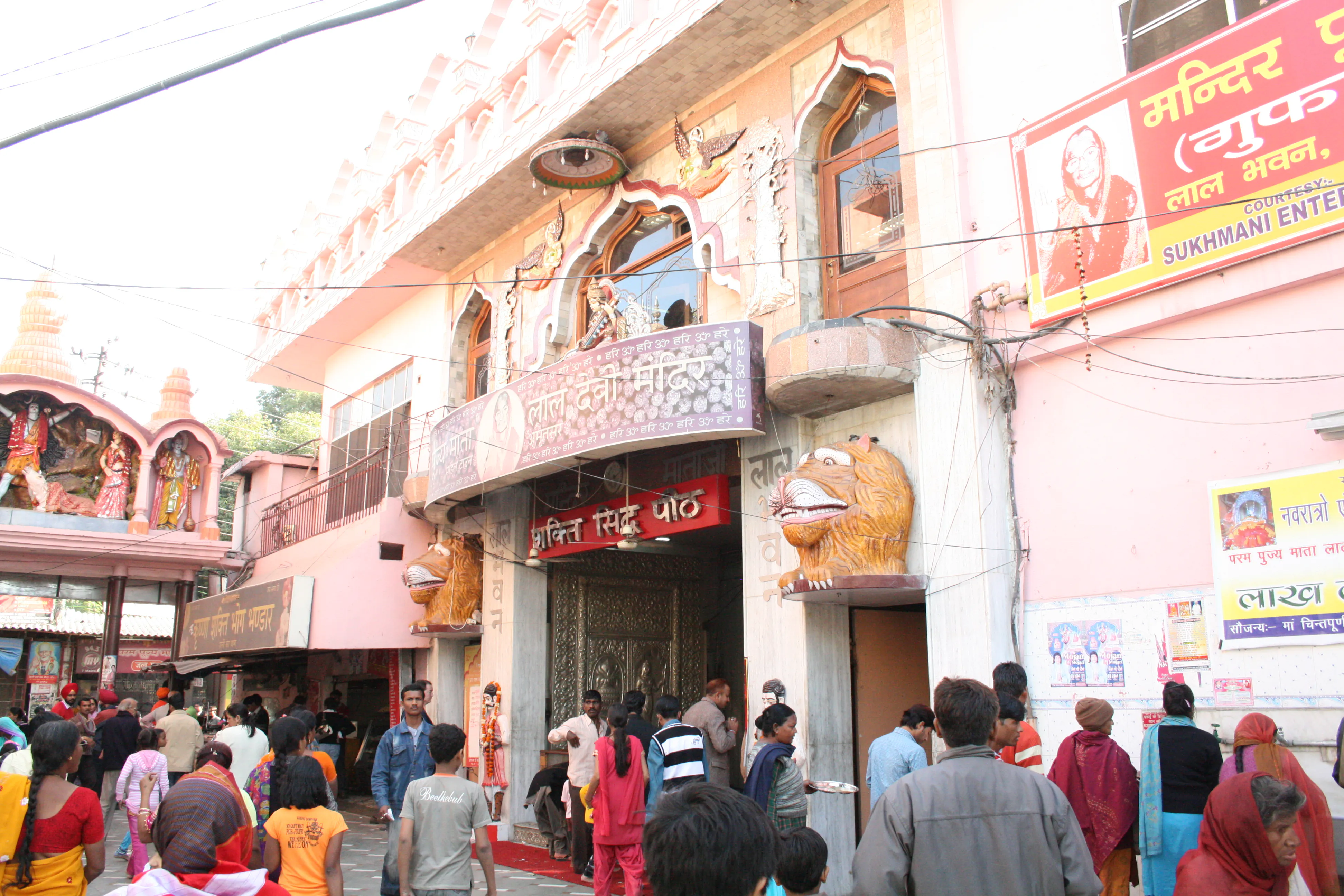
The narrow lanes of Amritsar, vibrant with the scent of spices and the echo of devotional chants, led me to a place quite unlike the Golden Temple’s grandeur, yet equally captivating: the Mata Lal Devi Mandir. This temple, dedicated to the 20th-century female saint Lal Devi, isn't a UNESCO World Heritage Site. It's a labyrinthine marvel, a kaleidoscope of mirrors, narrow passages, and unexpected chambers, often described as a "funhouse" for the devout. Having explored every UNESCO site in India, I can confidently say this temple offers a unique spiritual experience, blending traditional faith with an almost surreal, dreamlike atmosphere. Stepping inside felt like entering another dimension. The low-ceilinged passages, twisting and turning unpredictably, were lined with countless mirrors. These weren't placed for vanity, but to symbolize the illusions and distractions of the material world. Navigating through them, I felt a sense of disorientation, a deliberate unsettling meant to encourage introspection. The mirrored walls also amplified the sounds of chanting and the shuffling of feet, creating an immersive, almost hypnotic effect. The architecture defies easy categorization. It’s a fascinating blend of traditional Hindu motifs with elements seemingly borrowed from fairytales and fantasy. Elaborate murals depicting scenes from Hindu mythology adorned the walls, interspersed with quirky, almost kitsch, depictions of caves, tunnels, and celestial realms. One moment I was gazing at a vibrant depiction of Krishna, the next I was squeezing through a narrow passage meant to simulate a symbolic rebirth. This playful, almost theatrical quality sets Mata Lal Devi Mandir apart from the more austere temples I've visited. The temple’s heart lies in the sanctum dedicated to Mata Lal Devi. Here, devotees offer prayers and seek blessings, the atmosphere thick with faith and devotion. While photography is generally discouraged within the inner sanctum, the visual memory of the ornate shrine, adorned with flowers and flickering lamps, remains vivid. The energy within this space is palpable, a testament to the enduring power of belief. What struck me most about Mata Lal Devi Mandir was its accessibility. Unlike some temples with strict hierarchical structures, this space felt open to everyone. I observed people from all walks of life, young and old, rich and poor, navigating the maze-like passages, their faces reflecting a mix of curiosity, devotion, and amusement. Children, in particular, seemed to revel in the temple's playful design, their laughter echoing through the mirrored corridors. Beyond the main shrine, the temple complex houses several smaller shrines dedicated to various deities. I discovered a small pond, its surface covered with lotus flowers, and a miniature replica of the Vaishno Devi shrine, a popular pilgrimage site in Jammu and Kashmir. These additions further enhance the sense of wonder and discovery that permeates the entire complex. My visit to Mata Lal Devi Mandir was a journey into a world where faith and fantasy intertwine. It’s a place that challenges conventional notions of religious architecture and offers a unique, deeply personal experience. While not a UNESCO site, its cultural significance and the sheer ingenuity of its design make it a must-visit for anyone traveling to Amritsar. It’s a reminder that spirituality can manifest in unexpected ways, and that sometimes, the most profound experiences are found in the most unlikely of places. Leaving the temple, I carried with me not just the scent of incense and the echo of chants, but a renewed appreciation for the diverse and often surprising expressions of faith found across India.
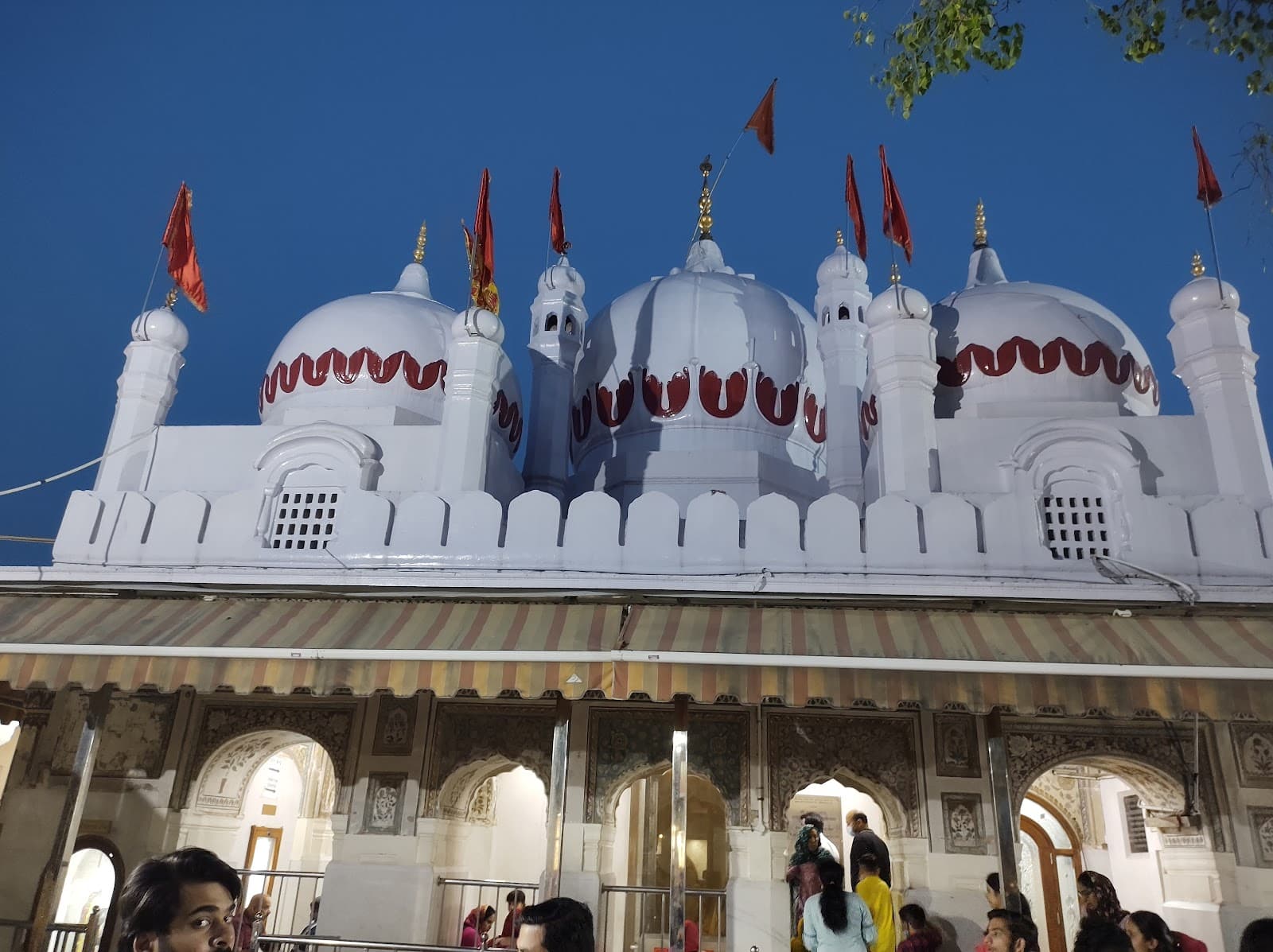
The cable car ascent to Mata Mansa Devi Mandir offered a breathtaking panorama of the Shivalik foothills. The sprawling complex, nestled amidst verdant slopes in Panchkula, Haryana, unfolded below, a tapestry of ochre and saffron against the green. Even from afar, the vibrant energy of the place was palpable, a hum of devotion that resonated across the landscape. Stepping off the cable car, I was immediately immersed in a sea of humanity. Pilgrims from all walks of life thronged the courtyard, their faces etched with a mixture of hope and reverence. The air was thick with the scent of incense and marigolds, punctuated by the rhythmic clang of temple bells. My camera, a constant companion, felt almost inadequate to capture the sheer scale of the scene, the raw emotion that hung heavy in the air. The main temple, dedicated to Mata Mansa Devi, an incarnation of Shakti, is a study in North Indian temple architecture. The shikhara, the towering curvilinear spire, dominates the skyline, its surface intricately carved with depictions of deities and celestial beings. The vibrant hues of saffron and red, traditionally associated with Shakti, lend the temple a powerful, almost regal presence. I spent a considerable amount of time documenting the intricate carvings, noticing the subtle variations in style and the remarkable preservation despite the passage of time. The stone, worn smooth in places by the touch of countless devotees, seemed to whisper stories of centuries of faith. Inside the temple, the atmosphere was electric. Devotees pressed forward, eager to offer their prayers and receive the blessings of the goddess. The walls were adorned with vibrant murals depicting scenes from Hindu mythology, adding another layer of visual richness to the space. The low, chanting prayers created a hypnotic backdrop, a rhythmic pulse that seemed to synchronize with the beating of my own heart. While photography was restricted within the sanctum sanctorum, I managed to capture the essence of the devotion, the quiet moments of reflection on the faces of the pilgrims. Beyond the main temple, the complex sprawls across the hillside, encompassing smaller shrines, shaded courtyards, and even a small museum. I was particularly drawn to the ancient peepal tree, its branches laden with sacred threads tied by devotees as symbols of their wishes and prayers. The tree, a silent witness to generations of faith, exuded a palpable sense of tranquility. Its gnarled roots, exposed in places, seemed to grip the earth with an almost primal force. One aspect that struck me was the seamless blend of the old and the new. While the temple itself is steeped in history, the complex also incorporates modern amenities like the cable car and well-maintained facilities for pilgrims. This delicate balance between preserving heritage and catering to contemporary needs is commendable. As the sun began to dip below the horizon, casting long shadows across the hillside, I found myself drawn back to the main courtyard. The evening aarti, a Hindu ritual of worship, was about to commence. The air crackled with anticipation as the priests prepared the offerings. The chanting intensified, accompanied by the rhythmic beat of drums and the melodic strains of devotional songs. The flickering flames of the lamps illuminated the faces of the devotees, creating a mesmerizing tableau of faith and devotion. Leaving Mata Mansa Devi Mandir, I felt a profound sense of peace and connection. The experience transcended mere documentation; it was a journey into the heart of faith, a testament to the enduring power of belief. The images I captured, I knew, were more than just photographs; they were fragments of a living, breathing tradition, a glimpse into the spiritual tapestry of India.

The Matri Mandir, nestled amidst the pine-clad Khasi Hills of Shillong, isn't a fort or palace like those I'm accustomed to in Rajasthan, but it holds a grandeur of a different kind. It's a temple, yes, but the word feels inadequate. "Sanctuary" or "spiritual powerhouse" comes closer to capturing the essence of this place. Forget ornate carvings and vibrant frescoes; the Matri Mandir's beauty lies in its stark simplicity and the palpable sense of tranquility that permeates the air. The approach itself is a journey. After registering at the reception centre, you're shuttled to the base of the hill where the Mandir resides. The climb is gentle, facilitated by a paved pathway winding through meticulously manicured gardens. The scent of pine needles and damp earth fills the air, a welcome change from the dry, desert air of my homeland. The gardens themselves are a testament to human dedication, a symphony of vibrant blossoms and meticulously pruned hedges, all contributing to the sense of serenity. The Matri Mandir is a striking structure, a massive golden globe that seems to rise organically from the earth. Its surface is composed of interlocking golden discs, reflecting the sunlight and creating an almost ethereal glow. There are no imposing gates or towering walls, just this singular, spherical edifice that invites contemplation. The architecture is strikingly modern, a stark contrast to the traditional temples I'm familiar with. It's a testament to the universality of spiritual seeking, a modern interpretation of a timeless quest. Entering the inner sanctum is an experience in itself. Shoes are left outside, and silence descends like a soft blanket. The central chamber is dominated by a massive crystal globe, illuminated by a single ray of sunlight that filters through an opening in the dome above. The effect is mesmerizing, the crystal radiating a soft, otherworldly light. There are no idols, no chanting priests, just the quiet hum of the air conditioning and the gentle breathing of fellow visitors. It's a space designed for introspection, for connecting with something larger than oneself. I spent a considerable amount of time simply sitting in the inner chamber, absorbing the silence and the unique energy of the place. It's a far cry from the bustling, vibrant temples of Rajasthan, with their throngs of devotees and the clang of bells. Here, the silence speaks volumes. It allows for a different kind of connection, a more personal and introspective one. Outside the inner sanctum, a spiralling ramp leads down to the ground level. As I descended, I noticed small meditation rooms tucked away along the pathway, offering private spaces for contemplation. The attention to detail is remarkable, every aspect of the Mandir designed to facilitate inner peace. The Matri Mandir is more than just a building; it's an experience. It's a place where the cacophony of the outside world fades away, replaced by a profound sense of stillness. It’s a testament to the power of architecture to shape not just our physical environment, but our inner landscape as well. As someone steeped in the rich architectural heritage of Rajasthan, I was struck by the unique beauty and spiritual potency of this modern temple in the heart of Meghalaya. It’s a place I won't soon forget, a reminder that spirituality can find expression in diverse and unexpected forms.
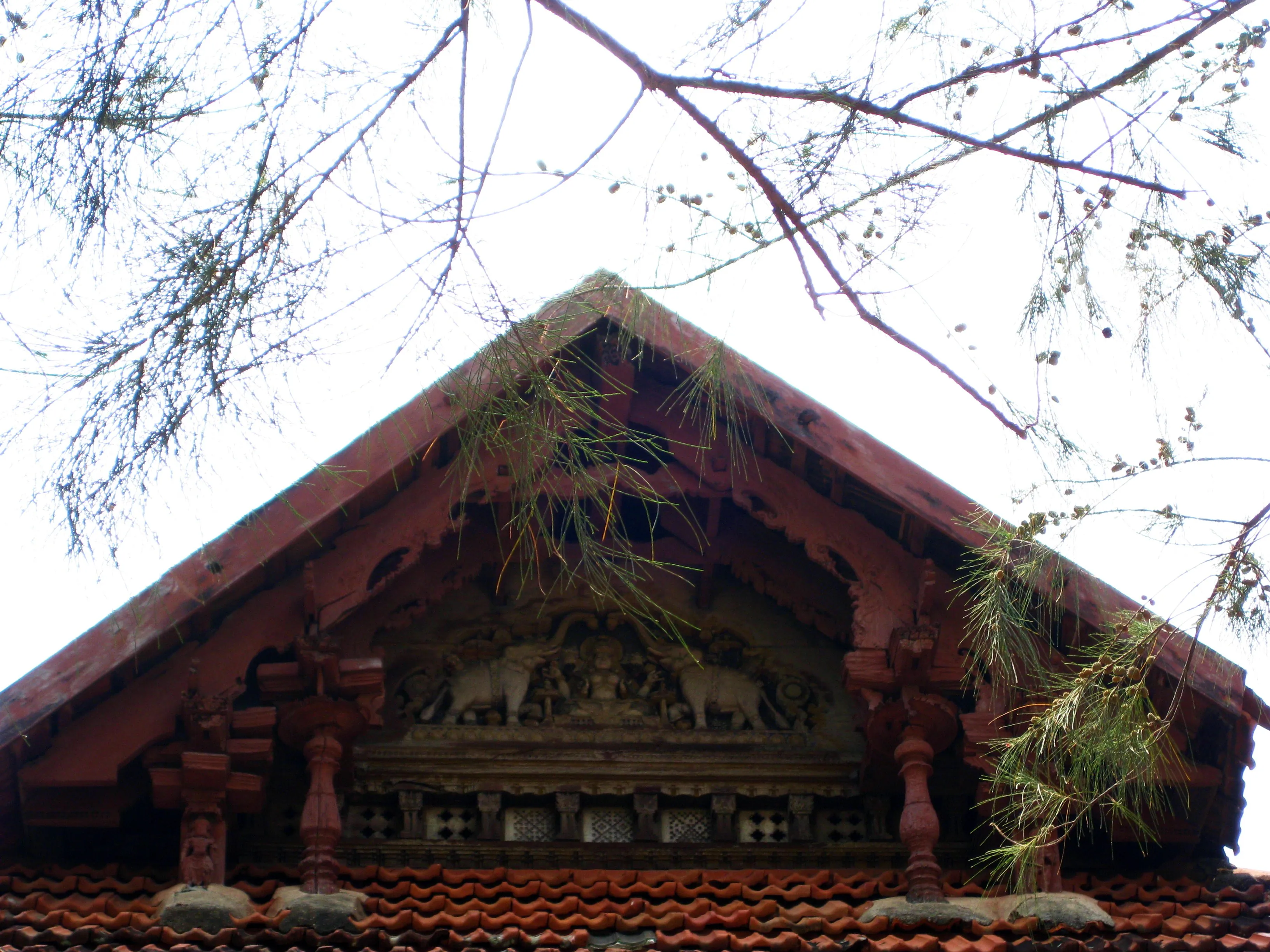
The Mattancherry Palace, also known as the Dutch Palace, stands as a testament to the layered history of Kochi, a city where the whispers of Portuguese, Dutch, and Indian influences intertwine. Having explored every UNESCO site in India, I can confidently say that this palace offers a unique glimpse into this cultural confluence, a narrative etched onto its walls and woven into its very fabric. Stepping through the unassuming entrance, I was immediately struck by the contrast between the simple exterior and the vibrant world within. The palace, gifted to the Raja of Kochi by the Portuguese in 1557 and later renovated by the Dutch, is a fascinating blend of Kerala architecture and European aesthetics. The sloping roof, typical of the region, is adorned with terracotta tiles, while the interiors showcase a stunning collection of murals, arguably the most captivating feature of the palace. These murals, primarily depicting scenes from the Ramayana, Mahabharata, and Puranic legends, are a visual feast. The vibrant colours, predominantly red, green, and yellow, retain a surprising freshness despite the passage of time. I spent hours captivated by the intricate details – the expressive eyes of the characters, the elaborate costumes, and the dynamic portrayal of the stories. The sheer scale of some of these murals, covering entire walls and ceilings, is breathtaking. One particular panel depicting the coronation of Rama left a lasting impression, its sheer grandeur and the meticulous detailing of the royal court showcasing the skill of the artists. Beyond the murals, the palace houses a fascinating collection of royal portraits, showcasing the lineage of the Kochi Rajas. These portraits, while not as visually striking as the murals, offer a valuable historical perspective, documenting the changing styles and influences over centuries. I found myself drawn to the portraits of the later Rajas, where the subtle incorporation of European elements in their attire and posture hinted at the growing Western influence. The palace architecture itself is a study in adaptation and fusion. The central courtyard, open to the sky, is a classic Kerala architectural element, providing natural ventilation and light. Surrounding this courtyard are four wings, each housing different sections of the palace. The influence of the Dutch renovations is evident in the long, airy corridors and the large windows, a departure from the more enclosed spaces typically found in traditional Kerala homes. I noticed the use of European-style tiles in certain sections, further highlighting the interplay of architectural styles. One of the more intriguing aspects of the palace is the presence of Hindu temples within the complex. Dedicated to Pazhayannur Bhagavathi, the tutelary deity of the Kochi royal family, these temples demonstrate the seamless integration of religious practices within the royal household. The contrast between the opulent palace interiors and the serene atmosphere of the temples added another layer to the overall experience. My visit to the Mattancherry Palace wasn't just a tour; it was a journey through time, a tangible experience of history unfolding. It's a place where the stories of kings and deities, of Portuguese traders and Dutch merchants, are interwoven into the very fabric of the building. For anyone seeking to understand the rich tapestry of Kerala's history and culture, the Mattancherry Palace is an essential stop, a place where the past comes alive in vibrant colour and intricate detail. It's a reminder that history isn't just about dates and events; it's about the stories etched onto walls, whispered through generations, and waiting to be discovered.
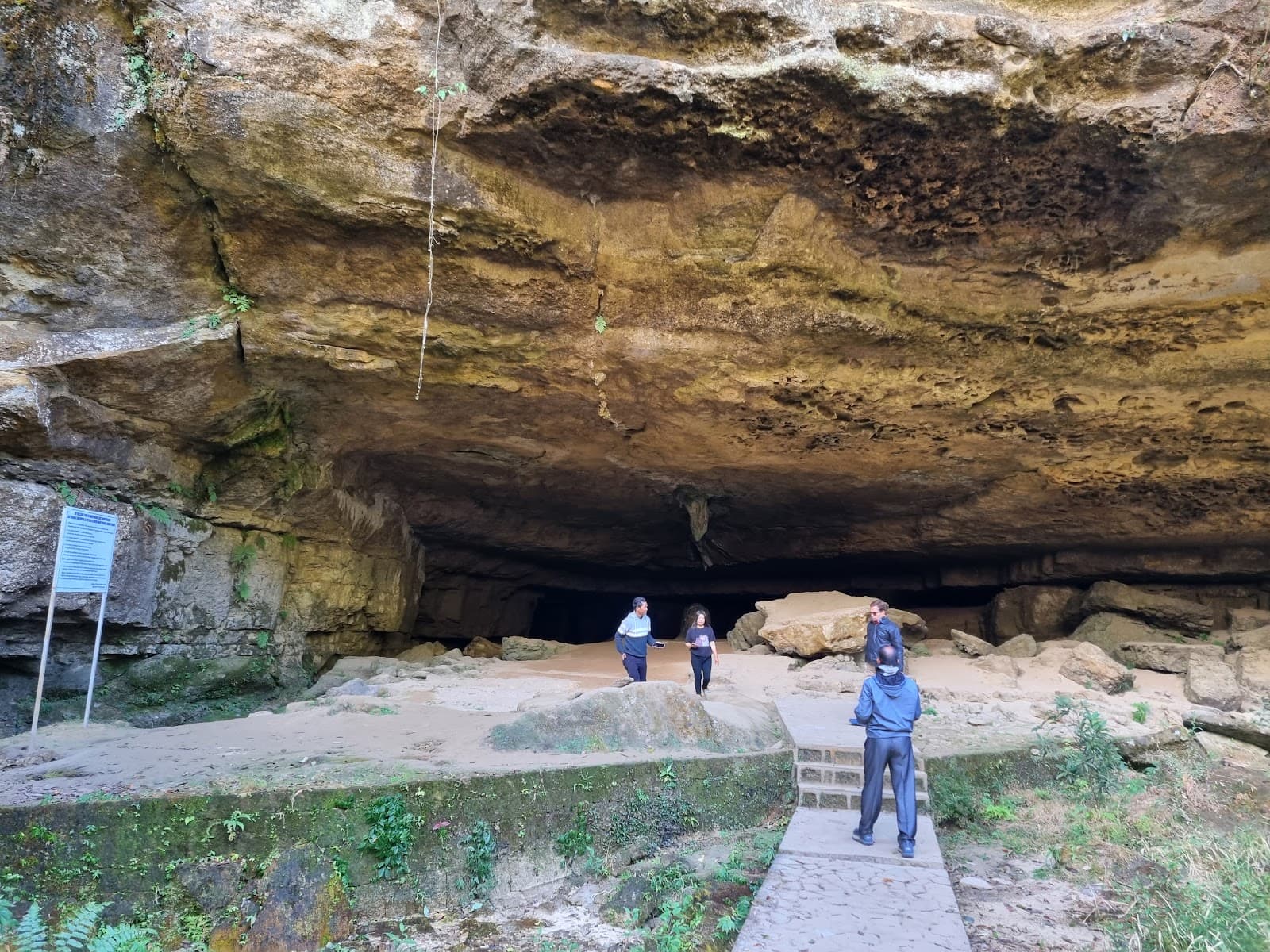
The air hung heavy, thick with the scent of petrichor and pine as I ascended the steps leading to the Mawsynram Shiva Temple. Nestled amidst the verdant embrace of Meghalaya's East Khasi Hills, the temple, though relatively new, exuded an aura of quiet power, a stark contrast to the dramatic, rain-lashed landscape that surrounded it. Having documented countless ancient temples across Gujarat, I was intrigued to see how this particular shrine, dedicated to Lord Shiva in a predominantly Christian state, would interpret and express Hindu architectural traditions. The first thing that struck me was the vibrant colour palette. Unlike the muted sandstone hues and intricate carvings of Gujarat's temples, the Mawsynram Shiva Temple was a riot of colour. The main structure, a multi-tiered shikhara, was painted a brilliant saffron, offset by intricate detailing in bright blue, green, and gold. This departure from traditional temple architecture, I later learned, was a conscious decision, reflecting the local Khasi artistic sensibilities while still adhering to the basic principles of North Indian temple design. The shikhara itself was a fascinating blend of styles. While its upward-sweeping form clearly echoed the Nagara style prevalent in North India, the proportions and decorative elements felt distinctly different. The tiers were less pronounced, giving the structure a more compact, almost pyramidal appearance. Instead of the elaborate figurative sculptures that adorn Gujarati temples, the surfaces here were decorated with geometric patterns and stylized floral motifs, reminiscent of the wood carvings found in traditional Khasi houses. Inside the sanctum sanctorum, the atmosphere shifted. The vibrant colours gave way to a more subdued palette of white and grey. A large Shiva lingam, the symbol of divine energy, dominated the space, bathed in the soft glow of oil lamps. The air was thick with the scent of incense and the murmur of prayers. Despite the temple's relatively recent construction, a palpable sense of reverence permeated the space, a testament to the devotion of the local Hindu community. Stepping out of the sanctum, I noticed a small shrine dedicated to the Goddess Durga, tucked away in a corner of the temple complex. This, I realized, was another interesting aspect of this temple – the incorporation of multiple deities within the same precinct, a practice less common in the more orthodox temples of Gujarat. The Durga shrine, though smaller, was equally vibrant, its walls adorned with depictions of the goddess in her various forms. The temple courtyard offered breathtaking panoramic views of the surrounding hills, shrouded in mist and punctuated by the occasional flash of lightning. The constant drizzle, a defining feature of Mawsynram, seemed to amplify the serenity of the place, creating an atmosphere of quiet contemplation. As I descended the steps, I reflected on the unique character of the Mawsynram Shiva Temple. It was not merely a replica of North Indian temple architecture transplanted to a new location, but rather a fascinating example of cultural fusion, a testament to the adaptability of religious traditions and their ability to absorb and reflect local influences. The vibrant colours, the stylized motifs, the incorporation of local deities – all these elements spoke to a dynamic interplay of cultures, creating a space that was both familiar and distinctly unique. It served as a powerful reminder that architecture, at its best, is not just about bricks and mortar, but about the stories it tells, the cultures it reflects, and the connections it forges. My journey through the architectural marvels of Gujarat had led me to this unexpected gem in the heart of Meghalaya, enriching my understanding of how faith and artistry can intertwine to create something truly special.
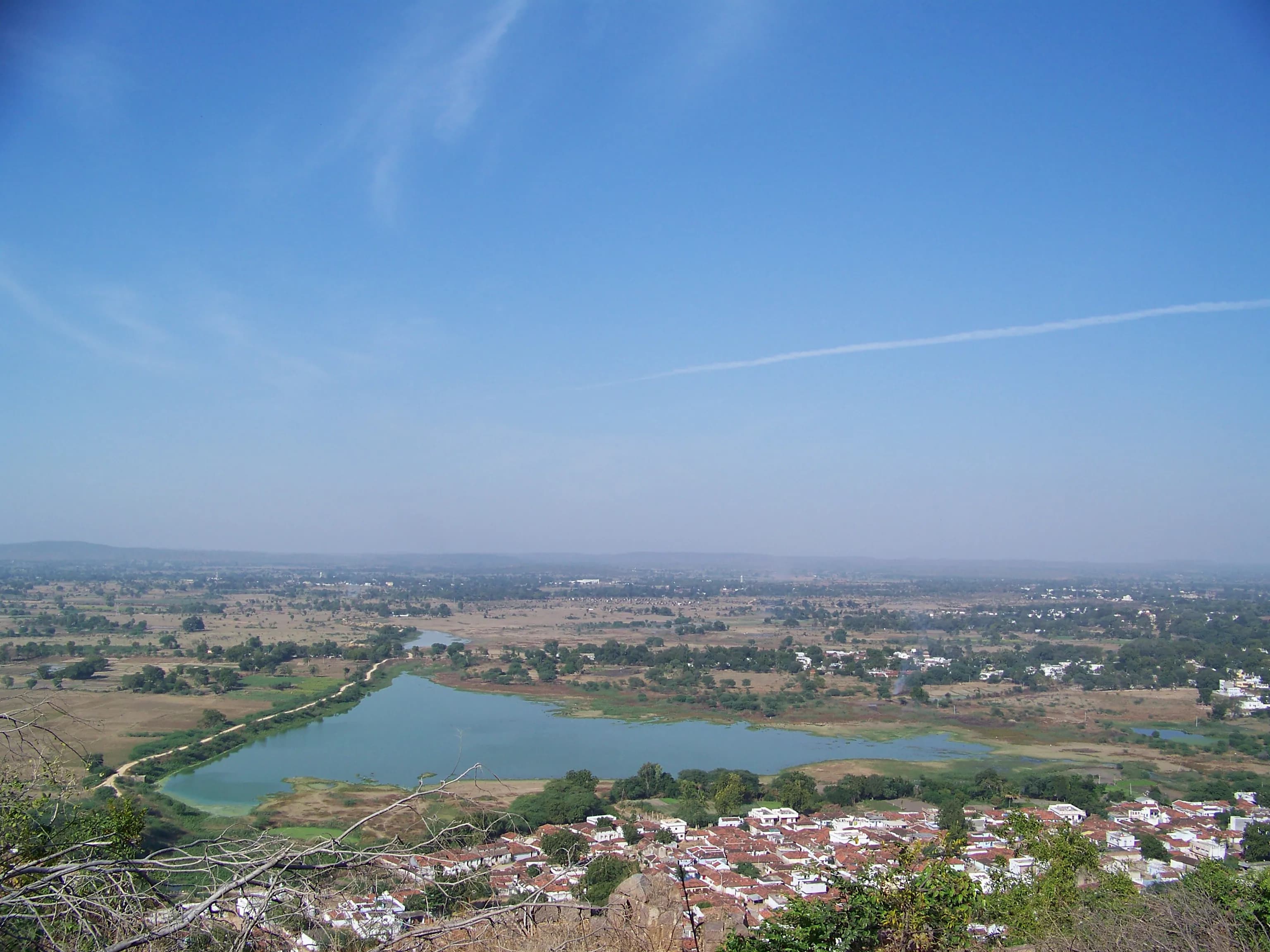
The imposing granite edifice of Medak Fort, perched atop a hillock overlooking the town of Medak in Telangana, exudes a quiet strength. Having explored every UNESCO site in India, I can confidently say that this fort, though not on the World Heritage list, possesses a unique charm that sets it apart. The drive from Bangalore was long but the anticipation made it worthwhile. As I approached, the sheer scale of the fort, its walls stretching across a vast expanse, was truly impressive. The fort's history is palpable in its very stones. Originally built in the 12th century by the Kakatiya dynasty, it later fell under the rule of the Qutb Shahi dynasty and subsequently the Asaf Jahi rulers. This layered history is reflected in the fort's architecture, a fascinating blend of Hindu and Islamic styles. The main entrance, a massive arched gateway, showcases intricate carvings that speak volumes of the craftsmanship of that era. Passing through this portal felt like stepping back in time. One of the most striking features of Medak Fort is its impressive ramparts. Walking along these fortified walls, I could imagine the sentries who once patrolled these very stones, guarding against invaders. The panoramic views from the ramparts are breathtaking, offering a sweeping vista of the surrounding landscape, a patchwork of fields and villages stretching as far as the eye can see. The wind whipping across the open expanse carried whispers of history, adding to the evocative atmosphere. Within the fort's walls lies a treasure trove of architectural marvels. The most prominent structure is the three-storied Baradari, a grand pavilion with intricately carved pillars and arches. The play of light and shadow within this structure created a mesmerizing effect. I spent a considerable amount of time here, sketching the intricate details in my notebook, trying to capture the essence of its architectural brilliance. However, the true jewel in the crown of Medak Fort is the 17th-century mosque, situated within the fort's complex. The mosque's imposing minarets, soaring towards the sky, are visible from miles around. The intricate stucco work adorning the mosque's facade is a testament to the artistic skill of the artisans who crafted it. The serene atmosphere within the mosque offered a welcome respite from the midday sun. The cool air, the hushed silence, and the soft light filtering through the arched windows created an almost spiritual ambiance. Beyond the grand structures, it was the smaller details that truly captivated me. The remnants of a granary, the intricate carvings on the doorways, the weathered stones of the ramparts – each element told a story, adding another layer to the fort's rich tapestry of history. I noticed the distinct Kakatiya style in the use of large granite blocks, a stark contrast to the later Qutb Shahi additions which incorporated more intricate detailing. My visit to Medak Fort was more than just a sightseeing trip; it was an immersive experience. It was a journey through time, a chance to connect with the past and appreciate the legacy of those who came before. While the fort may not be as widely recognized as some of India's UNESCO World Heritage sites, it holds its own in terms of historical significance and architectural splendor. It’s a hidden gem that deserves to be explored and appreciated. As I descended from the hillock, leaving the imposing silhouette of Medak Fort behind, I carried with me not just photographs and memories, but a deeper understanding of the rich and layered history of this region. This is a place I would recommend to anyone seeking an authentic and enriching travel experience, a place where the whispers of history are still audible in the wind.
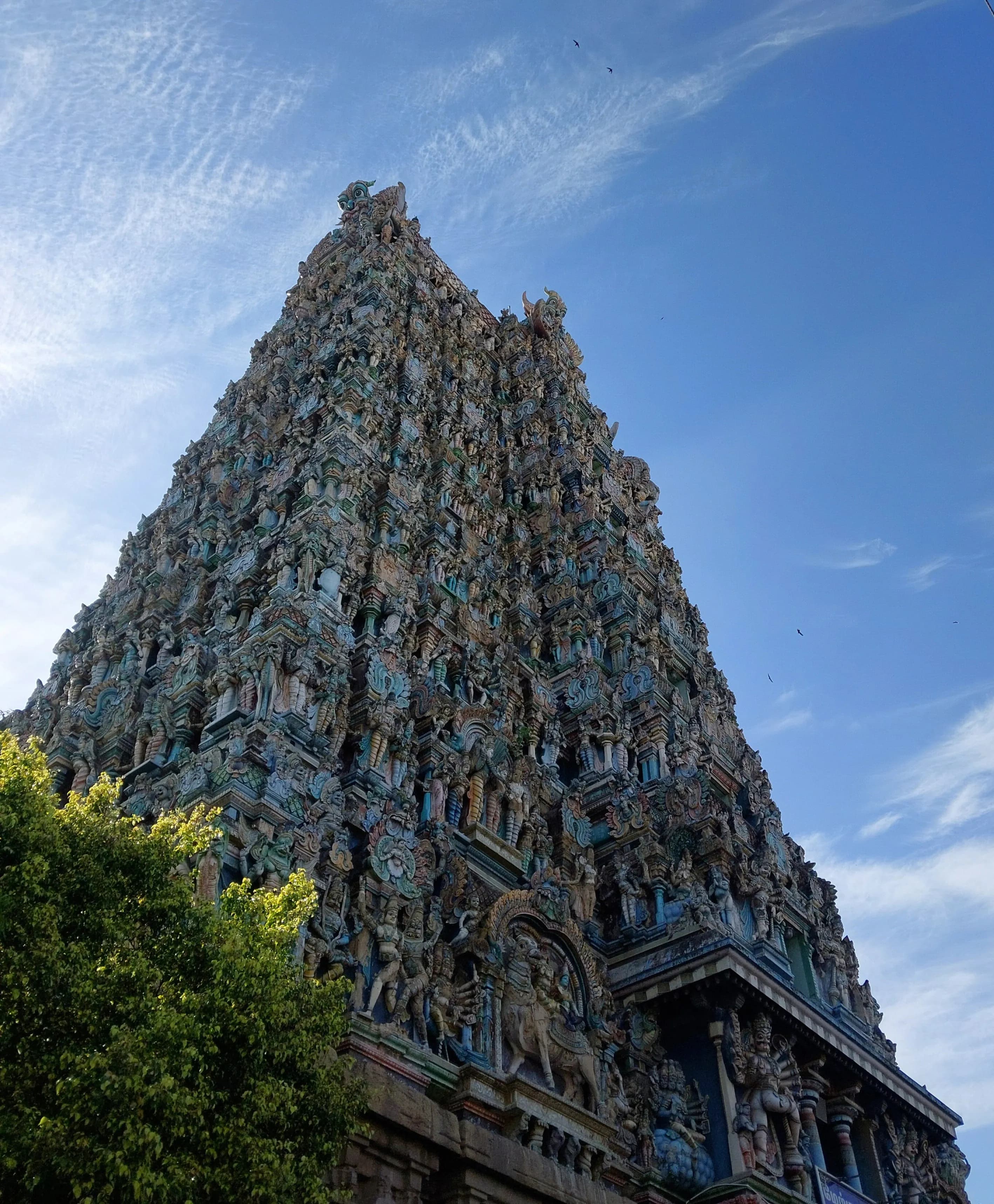
The riot of colour hit me first. Emerging from the shaded corridor, I blinked, momentarily stunned by the kaleidoscope of hues that is the Meenakshi Amman Temple. Having spent years immersed in the muted sandstone and marble architecture of Uttar Pradesh, this explosion of vibrant paint felt almost overwhelming. Thousands of sculpted figures, each meticulously painted and adorned, clambered up the gopurams, vying for attention against the azure Madurai sky. It was a visual feast, a testament to a vibrant artistic tradition vastly different from anything I had encountered in the north. The sheer scale of the temple complex is staggering. Spread across 14 acres, it's a city within a city, a labyrinth of shrines, pillared halls, and sacred tanks. My initial disorientation gave way to a sense of awe as I began to navigate the space, guided by the flow of devotees. The air thrummed with a palpable energy, a blend of devotion, ritual, and the sheer weight of centuries of history. The scent of jasmine and incense hung heavy, mingling with the earthy aroma of the temple pond. The Hall of Thousand Pillars, true to its name, is a marvel of engineering and artistry. Each pillar is intricately carved with scenes from Hindu mythology, no two alike. I spent a considerable amount of time just wandering through this forest of stone, tracing the narratives etched into the granite. The play of light and shadow across the carvings created an ethereal atmosphere, transporting me back to the era of the Nayak dynasty, the patrons of this architectural masterpiece. The temple's two main shrines, dedicated to Goddess Meenakshi and Lord Sundareswarar, are the heart of the complex. The queue to enter Meenakshi's sanctum snaked through the corridors, a vibrant tapestry of saris and dhotis. The anticipation was palpable, the air thick with whispered prayers. When I finally reached the inner sanctum, the sight of the goddess, adorned in shimmering silks and jewels, was breathtaking. It was a moment of profound serenity amidst the bustling activity of the temple. The contrast between the temple's vibrant exterior and the relative simplicity of the inner sanctums struck me. While the gopurams are a celebration of exuberance and artistic expression, the inner spaces exude a sense of quiet contemplation. It's as if the riot of colour and form on the outside serves to prepare the devotee for the spiritual experience within. One of the most captivating aspects of the Meenakshi Amman Temple is its integration with the daily life of Madurai. The temple isn't just a place of worship; it's a social hub, a marketplace, a meeting point. I saw families sharing meals, vendors selling flowers and trinkets, and children playing in the courtyards. This seamless blending of the sacred and the secular is something I hadn't witnessed to this extent in the north Indian temples I'm familiar with. As I left the temple complex, the setting sun casting long shadows across the gopurams, I felt a sense of both exhilaration and peace. The Meenakshi Amman Temple is more than just a monument; it's a living, breathing entity, a testament to the enduring power of faith and the artistic genius of a bygone era. It's a place that stays with you long after you've left, its vibrant colours and intricate carvings etched into your memory. The experience broadened my understanding of Indian temple architecture, highlighting the regional variations and the unique cultural context that shapes each sacred space. The journey from the muted tones of the north to the vibrant hues of Madurai was a journey of discovery, a reminder of the incredible diversity and richness of India's cultural heritage.

The air hung heavy with the scent of pine and damp earth as I ascended the steep, moss-covered steps leading to the Meghna Cave Temple. Carved directly into a sheer rock face in Arunachal Pradesh’s West Kameng district, the temple, dedicated to Goddess Durga, exuded an aura of ancient mystery, a stark contrast to the vibrant Dravidian architecture I was accustomed to back home in Chennai. The climb itself was a pilgrimage of sorts, winding through a dense forest, the silence broken only by the chirping of unseen birds and the rush of the nearby Kameng River. Reaching the cave entrance, I was immediately struck by its unassuming nature. No grand gopuram, no elaborate carvings – just a natural opening in the rock, framed by the verdant foliage. A small, brightly coloured awning, a recent addition, provided the only indication of the sacred space within. This simplicity, however, held a unique charm, a testament to the harmonious blend of nature and spirituality that defines this temple. Stepping inside, the atmosphere shifted. The cool, dimly lit cave offered respite from the humid exterior. The main chamber, though not large, held a palpable energy. The focal point, naturally, was the Goddess Durga idol. Unlike the ornate, multi-limbed depictions common in South India, this Durga was simpler, almost primal in her representation. Carved from stone, she possessed a serene yet powerful presence, her features softened by the flickering lamps placed before her. The lack of elaborate ornamentation allowed for a more direct, intimate connection with the deity, a feeling I hadn't experienced in the larger, more structured temples of the south. The walls of the cave bore traces of soot, evidence of centuries of lamp offerings. Intriguingly, I noticed a few faded paintings on the rock surface near the entrance. While heavily weathered, they seemed to depict scenes from Hindu mythology, though identifying specific narratives proved difficult. These remnants of artistic expression, layered over time, spoke volumes about the continuous devotion this site has inspired. Architecturally, the Meghna Cave Temple stands apart from anything I’ve encountered in my study of South Indian temples. There are no intricate mandapas, no towering vimanas, no defined prakarams. The architecture, if one can call it that, is entirely dictated by the natural formation of the cave. This organic structure, devoid of human intervention beyond the carving of the deity and the addition of a few platforms for offerings, creates a sense of raw, unadulterated sanctity. It’s a powerful reminder that sacred spaces don't always require elaborate construction; sometimes, the earth itself provides the perfect sanctuary. The absence of extensive inscriptions or historical records adds to the enigmatic nature of the temple. Local legends abound, weaving tales of divine intervention and miraculous occurrences. While the exact origins remain shrouded in mystery, the palpable spiritual energy within the cave testifies to its enduring significance. It's a place where the boundaries between the physical and the metaphysical blur, where the natural world becomes an extension of the divine. My visit to the Meghna Cave Temple was a humbling experience. It challenged my preconceived notions of temple architecture and deepened my understanding of the diverse expressions of faith across India. It’s a place where the grandeur of nature intertwines seamlessly with the quiet power of devotion, creating a truly unique and unforgettable spiritual experience. The journey to this hidden gem, nestled within the breathtaking landscapes of Arunachal Pradesh, is a pilgrimage not just for the devout, but for anyone seeking a connection with something ancient and profound.
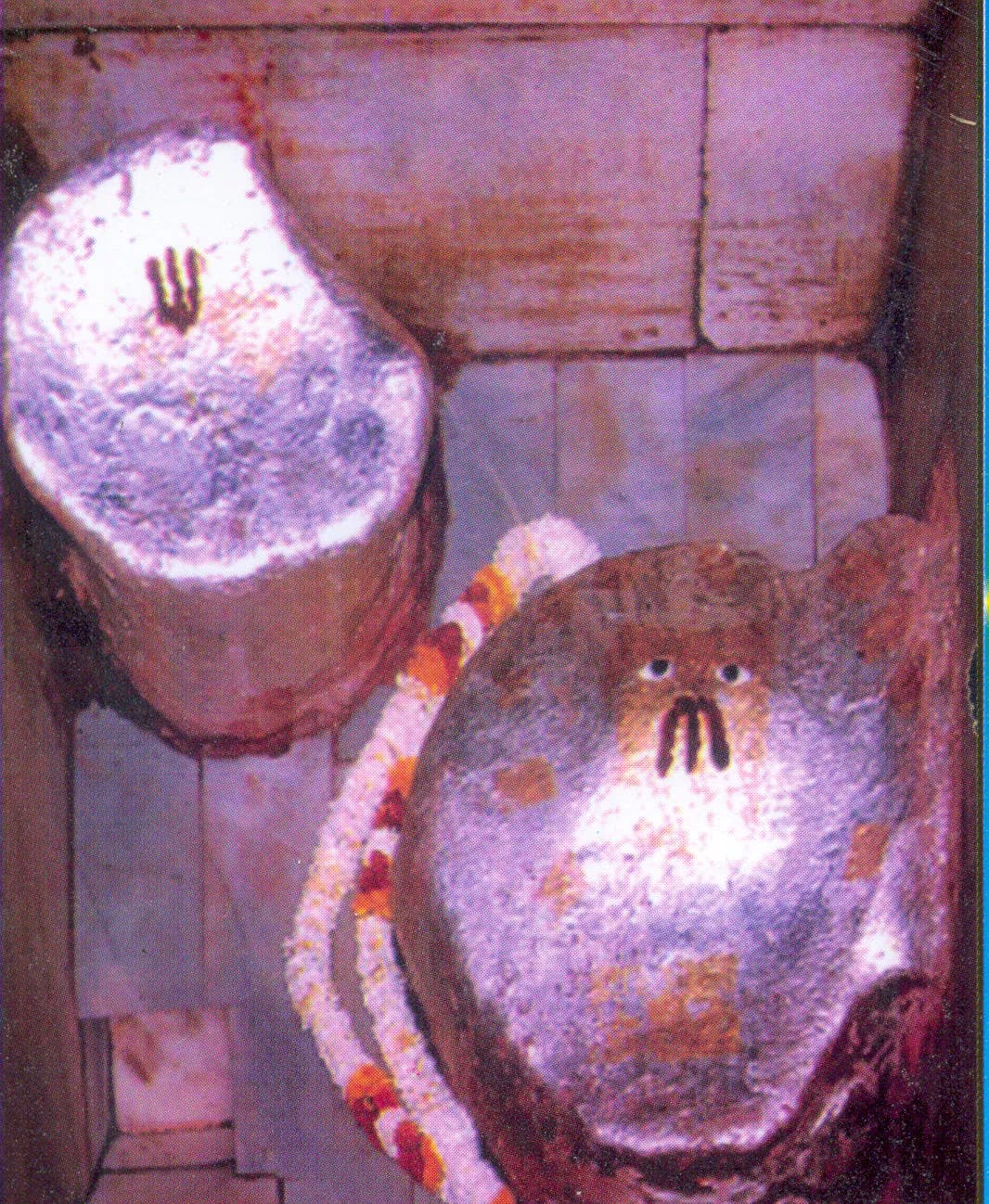
The air crackled, not with electricity, but with a palpable energy, a blend of fear and fervent hope. This was my immediate impression of Mehandipur Balaji Temple, nestled amidst the arid Aravalli hills of Rajasthan. Having explored countless serene temples across Uttar Pradesh, the sheer intensity of this place struck me as profoundly different. It wasn't the tranquility that usually permeates sacred spaces; it was a raw, almost visceral spirituality, bordering on the chaotic. The temple complex itself is relatively modest in size, a network of courtyards and interconnected shrines dedicated to Lord Hanuman, known here as Balaji, Pret Raj (King of Spirits), and Bhairav. The architecture is simple, functional rather than ornate. Unlike the sandstone grandeur of many Rajasthani temples, Mehandipur Balaji is predominantly constructed from plain stone and concrete, perhaps reflecting the focus on immediate spiritual relief rather than aesthetic embellishment. The walls, however, are a fascinating tapestry of vibrant saffron, layered over time by devotees marking their presence and prayers. What truly sets Mehandipur Balaji apart is its reputation as a centre for exorcism and the treatment of mental illnesses. As I moved through the temple, I witnessed scenes unlike anything I'd encountered before. People, their faces etched with desperation and hope, were chained to pillars, their bodies swaying rhythmically as they chanted prayers. Others were being subjected to vigorous "healing" rituals, involving forceful pronouncements and the application of sacred ash. The air was thick with the scent of incense and the murmur of incessant chanting, punctuated by sudden cries and wails. I observed a young woman, her eyes wide with terror, being held down by family members while a priest performed a ritual. It was a disturbing sight, raising complex questions about faith, mental health, and the boundaries of traditional healing practices. While the temple authorities claim remarkable success stories, the methods employed seemed harsh, even brutal, to my outsider's perspective. The line between faith and superstition blurred before my eyes. The main shrine dedicated to Balaji is a small, unassuming chamber. The deity is adorned with a bright orange sindoor paste, and the constant stream of devotees offering prayers creates a palpable sense of devotion. However, even here, the atmosphere is charged with an unusual intensity. The fervent prayers, the desperate pleas for relief, and the occasional outburst from someone seemingly possessed created a sensory overload. Beyond the main shrine, I explored the smaller temples dedicated to Pret Raj and Bhairav. These spaces were even more intense, with a palpable sense of fear hanging in the air. The rituals performed here were more esoteric, involving offerings of food and prayers to appease malevolent spirits. I witnessed individuals being "treated" for alleged possession, their bodies contorting and their voices changing as they purportedly channeled spirits. My visit to Mehandipur Balaji was a deeply unsettling yet fascinating experience. It offered a glimpse into a world where faith and superstition intertwine, where desperation drives people to seek solace in ancient rituals. While the efficacy of these practices remains debatable, the sheer intensity of belief and the palpable energy of the place are undeniable. It is a stark reminder of the complex relationship between faith, healing, and the human condition, a subject that continues to resonate long after leaving the temple's charged atmosphere.
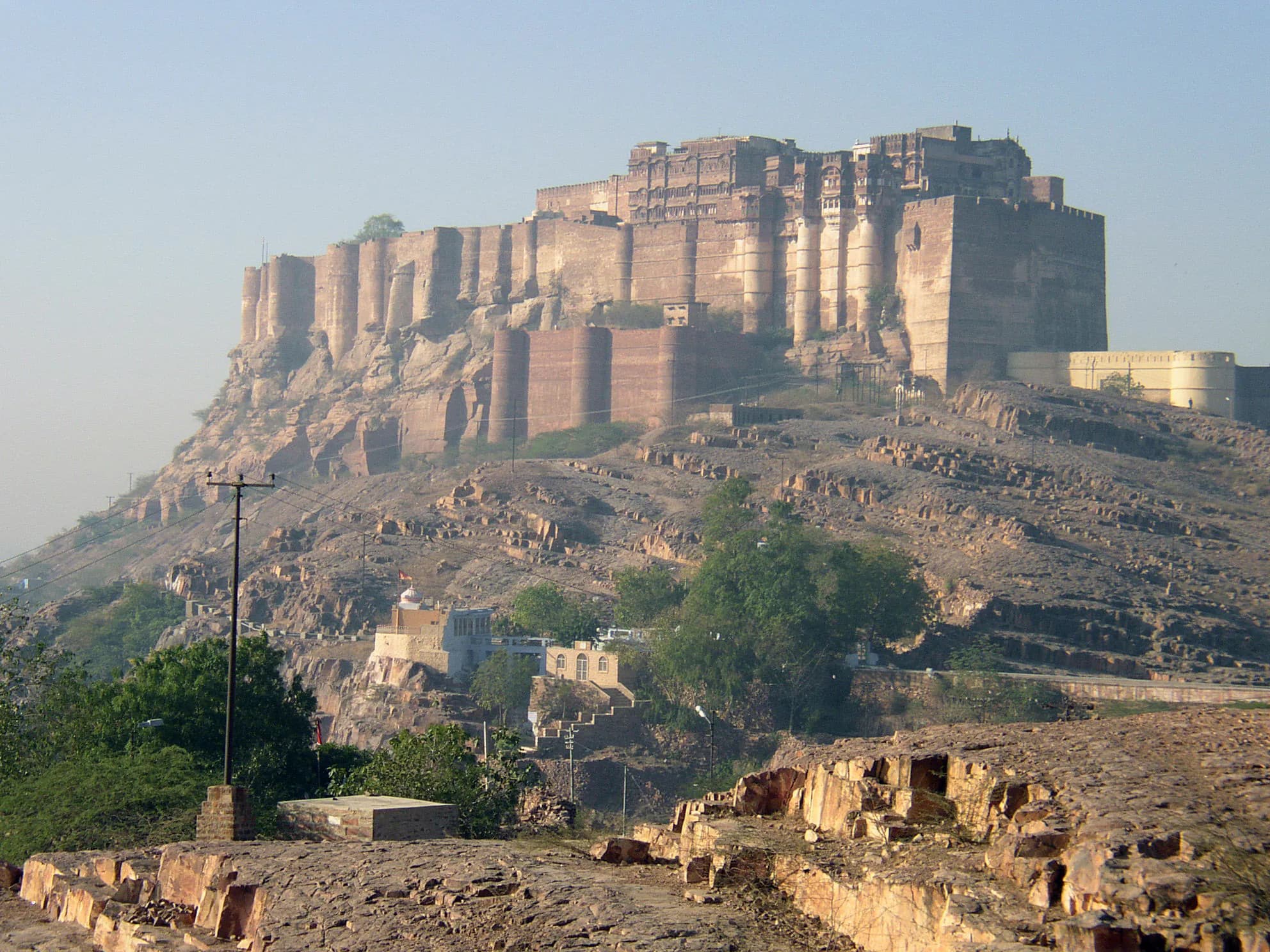
The imposing silhouette of Mehrangarh Fort, perched atop a craggy cliff overlooking the blue-washed city of Jodhpur, is a sight that commands reverence. Having traversed the length and breadth of North India, exploring countless forts, I can confidently say that Mehrangarh stands in a league of its own. It isn't merely a fort; it's a living testament to Rajputana grandeur, a sandstone behemoth whispering tales of valour, artistry, and the passage of time. My ascent began through the imposing Jayapol gate, the "Gate of Victory," still bearing the scars of cannonball attacks – a visceral reminder of the fort's turbulent past. Each subsequent gate, Fatehpol, Dedh Kamgra Pol, and Loha Pol, narrated a different chapter of the fort's history, their intricate carvings and formidable structures showcasing the evolving architectural prowess of the Rathore dynasty. Stepping into the main courtyard, I was immediately struck by the sheer scale of the fort. The palaces within, Moti Mahal, Phool Mahal, Sheesh Mahal, each exuded a unique opulence. The intricate latticework of the jharokhas (balconies) in Moti Mahal, the "Pearl Palace," offered breathtaking views of the city sprawling below, a sea of blue houses punctuated by the occasional splash of vibrant colour. The Phool Mahal, with its delicate floral carvings and mirrored walls, was a testament to the refined aesthetic sensibilities of the royals, while the Sheesh Mahal, dazzling with its intricate mirror work, was a spectacle of light and reflection. What truly captivated me, however, was the fort's museum. It wasn't just a collection of artefacts; it was a curated journey through the lives of the Rathore rulers. The howdahs (elephant seats), intricately adorned with silver and gold, spoke of regal processions and hunting expeditions. The palanquins, delicate and ornate, offered a glimpse into the lives of the royal women. The armoury, a treasure trove of swords, shields, and guns, resonated with the echoes of battles fought and won. One particular exhibit, a letter penned by a queen to her husband on the battlefield, moved me deeply. It was a poignant reminder that behind the grandeur and the valour, there were human stories of love, loss, and longing. Beyond the palaces and the museum, it was the smaller details that truly brought Mehrangarh to life. The intricate carvings on the sandstone walls, the weathered textures of the ramparts, the strategically placed cannons – each element contributed to the fort's unique character. I spent hours exploring the ramparts, tracing the contours of the city below, imagining the lives of the soldiers who once patrolled these very walls. The view from the ramparts, especially at sunset, is simply unforgettable. The blue city transforms into a canvas of warm hues, the setting sun casting long shadows across the landscape. It's a moment of quiet contemplation, a chance to absorb the centuries of history etched into the very stones of Mehrangarh. Mehrangarh is more than just a fort; it's an experience. It's a journey through time, a testament to human ingenuity and artistry. It's a place where history whispers from every corner, where the grandeur of the past meets the vibrant pulse of the present. For anyone travelling through North India, Mehrangarh Fort is not just a must-see; it's an essential pilgrimage for the soul. It’s a place that stays with you long after you’ve left its imposing walls, a constant reminder of the enduring power of history and heritage.
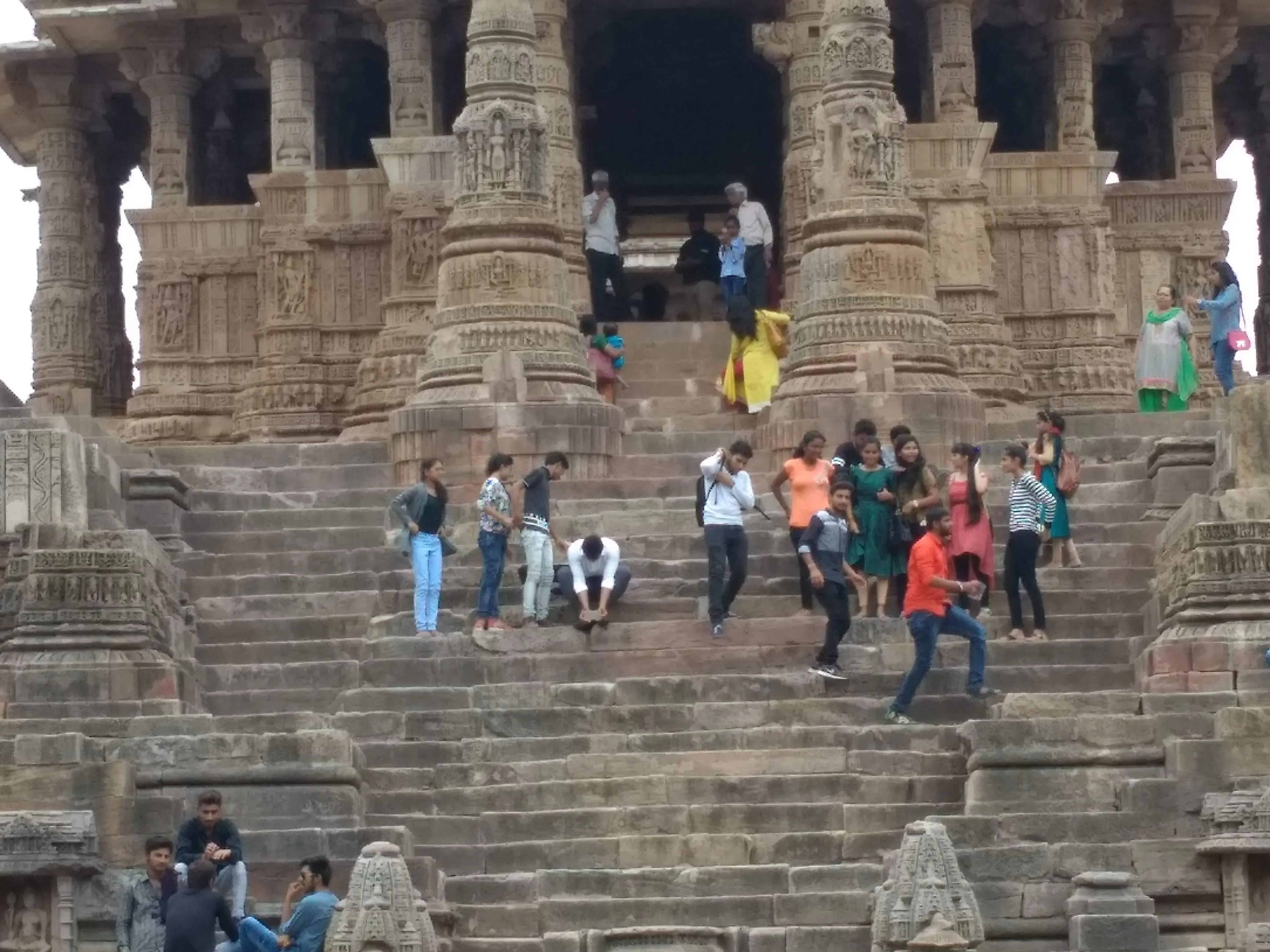
The dawn sun cast long shadows across the exquisitely carved stone, illuminating the Modhera Sun Temple in a way that felt almost reverential. Having explored countless temples across North India, from the soaring peaks of the Himalayas to the plains of the Gangetic belt, I thought I had become somewhat jaded to the grandeur of ancient architecture. Modhera, however, stopped me in my tracks. This wasn't just another temple; it was a symphony in stone, a testament to the Solanki dynasty's devotion to the sun god, Surya. Located in Modhera, a small village in Gujarat's Mehsana district, the temple complex is divided into three distinct parts: the Surya Kund (stepwell), the Sabha Mandap (assembly hall), and the Guda Mandap (sanctum sanctorum). My exploration began with the Surya Kund, a massive rectangular stepwell descending several stories into the earth. Unlike utilitarian stepwells I'd seen elsewhere, this one was ornate, with over 108 miniature shrines carved into its sides, dedicated to various deities. Imagine descending into the earth surrounded by intricate carvings of gods and goddesses, the cool air a welcome respite from the Gujarati heat. It felt like stepping back in time, witnessing a sacred ritual bath frozen in stone. From the stepwell, a flight of steps led me to the Sabha Mandap, the assembly hall. This pillared marvel is a masterpiece of intricate carvings. Each pillar tells a story, depicting scenes from the epics, celestial nymphs, and intricate geometric patterns. The play of light and shadow through the pillars created an ethereal atmosphere, making it easy to imagine the vibrant gatherings that must have once taken place within these walls. I spent a considerable amount of time simply circling the hall, tracing the carvings with my fingers, trying to decipher the stories they whispered. The sheer density of the ornamentation was breathtaking; every inch of the stone seemed to pulsate with life. Finally, I reached the Guda Mandap, the sanctum sanctorum, now bereft of its original idol. Even without the presiding deity, the space held a palpable sense of sanctity. The towering shikhara, though partially ruined, still reached towards the sky, a symbol of aspiration and devotion. The walls of the sanctum were covered in intricate carvings depicting Surya in his various forms, riding his chariot across the heavens. The level of detail was astonishing; the sculptor had captured the very essence of the sun god's power and radiance. One of the most striking aspects of the Modhera Sun Temple is its precise alignment with the cardinal directions. During the equinoxes, the first rays of the rising sun would illuminate the image of Surya in the sanctum, a feat of architectural ingenuity that underscores the deep astronomical knowledge of the Solanki architects. Although I wasn't there during the equinox, I could still visualize the spectacle, the sun's golden rays piercing the darkness and bathing the deity in light. As I walked away from the temple, the setting sun painting the sky in hues of orange and gold, I couldn't help but feel a sense of awe. Modhera is more than just a collection of stones; it's a living testament to the artistic and engineering prowess of a bygone era. It's a place where history, mythology, and architecture converge to create an experience that is both humbling and inspiring. For anyone seeking a glimpse into India's rich cultural heritage, the Modhera Sun Temple is an absolute must-see. It's a journey not just through space, but through time itself.
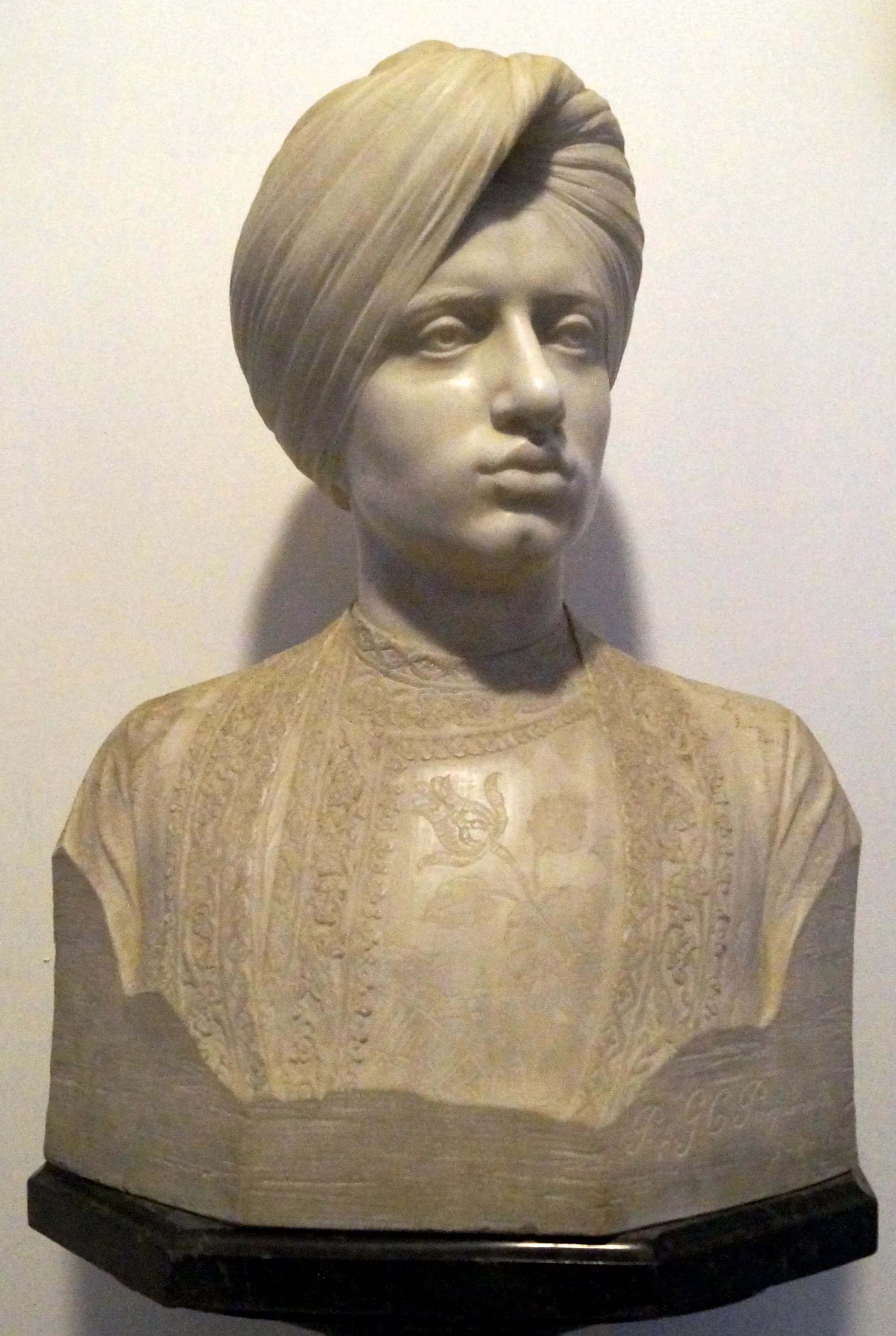
The sun, a molten orb in the Patiala sky, cast long shadows across the manicured lawns of Moti Bagh Palace. Coming from Uttar Pradesh, a land steeped in Mughal grandeur, I was curious to see how Patiala’s royal legacy would compare. The palace, a sprawling complex, didn't disappoint. It wasn't the overwhelming opulence of Awadh's architecture, but a more restrained, almost European elegance blended with Sikh influences. My first impression was of space. Unlike the tightly clustered buildings of some palaces, Moti Bagh breathes. The main palace, the Quila Mubarak, stands as the anchor, its red sandstone walls a stark contrast to the verdant surroundings. The architecture here is a fascinating blend. While the overall layout and the use of sandstone reminded me of Rajput palaces back home, the intricate stucco work, particularly around the arched entrances and windows, spoke of a distinct regional style. Floral motifs, geometric patterns, and even depictions of animals adorned the walls, a testament to the artisans' skill. Stepping inside the Quila Mubarak felt like stepping back in time. The Sheesh Mahal, or Palace of Mirrors, was breathtaking. While smaller than the Sheesh Mahal in Jaipur's Amber Fort, the intricate mirror work here was no less dazzling. The play of light reflecting off the myriad tiny mirrors, creating an illusion of infinite space, was mesmerizing. I could almost imagine the royal court assembled here, their silks and jewels shimmering in the candlelight. The Darbar Hall, with its high ceilings and imposing chandeliers, exuded an air of formality. I was particularly struck by the portraits lining the walls – a visual chronicle of Patiala's rulers. Their stern faces, adorned with elaborate turbans and jewels, seemed to gaze down upon me, silent witnesses to centuries of history. The portraits weren't mere decorations; they were a powerful assertion of lineage and authority, a theme I’ve often encountered in the palaces of Uttar Pradesh as well. Moving beyond the Quila Mubarak, I explored the other parts of the complex. The sprawling gardens, a blend of Mughal and European landscaping, offered a welcome respite from the grandeur of the palace. Fountains, once undoubtedly gurgling with water, now stood silent, their weathered stone a reminder of time's relentless march. I could picture the royal family strolling through these gardens, enjoying the shade of the trees and the fragrance of the flowers. The museum within the complex was a treasure trove of artifacts. From antique weaponry and intricately embroidered textiles to vintage photographs and royal memorabilia, the collection offered a glimpse into the opulent lifestyle of Patiala's rulers. I was particularly fascinated by the collection of Phulkari embroidery, a traditional craft of Punjab. The vibrant colors and intricate patterns were a testament to the region's rich artistic heritage. It reminded me of the Chikankari embroidery of Lucknow, another example of the exquisite craftsmanship found across India. One aspect that stood out at Moti Bagh was the relative lack of restoration compared to some of the more heavily touristed sites I’ve visited. While some sections were well-maintained, others showed signs of neglect. Peeling paint, crumbling plaster, and overgrown vegetation whispered of a glorious past fading into obscurity. This, in a way, added to the palace's charm. It felt less like a polished museum piece and more like a living, breathing entity, bearing the weight of its history. As I left Moti Bagh Palace, the setting sun painting the sky in hues of orange and purple, I couldn't help but feel a sense of melancholy. The palace, a testament to a bygone era, stood as a silent sentinel, guarding the memories of a vanished kingdom. It was a poignant reminder of the ephemeral nature of power and the enduring legacy of art and architecture. The experience, while different from the Mughal splendor I’m accustomed to, offered a valuable glimpse into another facet of India's rich cultural tapestry.
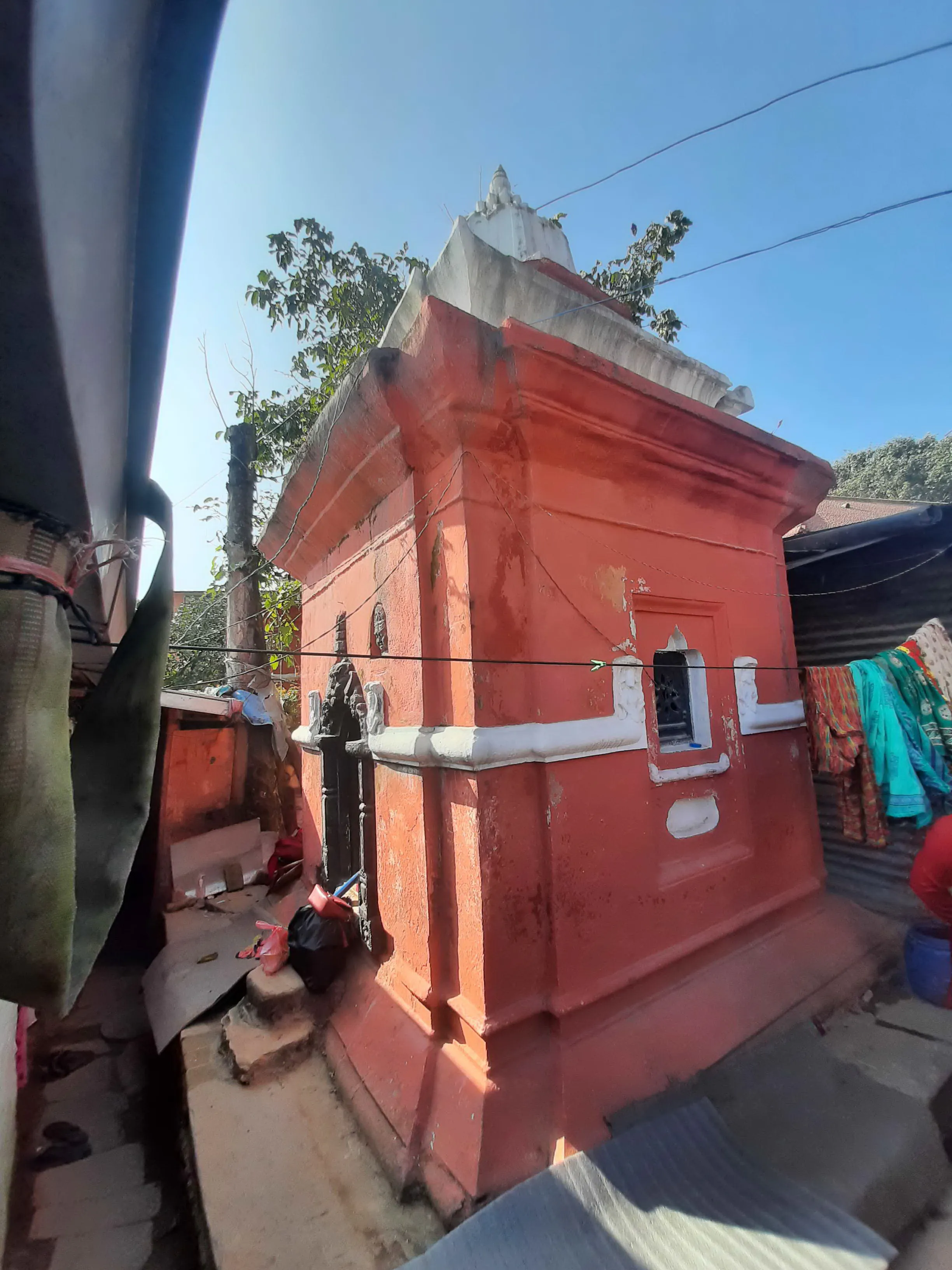
The crisp morning air, tinged with the scent of pine, carried the distant chime of bells as I approached the Mukteshwar Mahadev Temple, nestled near Pathankot in Punjab. Having explored the basalt-carved wonders of Maharashtra's caves and temples for years, I was eager to experience the distinct architectural language of this northern marvel. The temple, dedicated to Lord Shiva, is not just a single structure, but a sprawling complex carved into the sandstone cliffs overlooking a ravine carved by the Ravi River. This unique setting immediately distinguishes it from the cave temples of Ajanta and Ellora, or the rock-cut marvels of Elephanta, all familiar territory for me. Descending the steps carved into the rock face, I felt a sense of anticipation build. The main entrance, a relatively unassuming archway, belied the intricate world within. Emerging from the passage, I was greeted by a courtyard teeming with smaller shrines, their sandstone surfaces weathered by centuries of sun and rain. Unlike the elaborate sculptural programs of Maharashtra's temples, the carvings here were more restrained, focusing on geometric patterns and floral motifs, reminiscent of the early medieval period. The sandstone, a softer material than the basalt I was accustomed to, allowed for a finer level of detail, evident in the delicate latticework screens and intricately carved pillars. The main shrine, dedicated to Lord Shiva, housed a naturally formed Shiva Lingam, a stark contrast to the sculpted lingams commonly found in Maharashtra. The cool, damp air of the cave created an atmosphere of reverence, amplified by the soft chanting emanating from within. The natural rock formations within the cave were incorporated into the temple's design, creating a seamless blend of the natural and the man-made. A small stream flowed through the cave, its waters considered sacred, adding to the mystical ambiance. Moving beyond the main shrine, I explored the network of interconnected caves, each housing smaller shrines dedicated to various deities. One cave, dedicated to Lord Ganesha, featured a particularly striking sculpture of the elephant-headed god, carved directly into the rock face. The style was distinctly different from the Ganesha sculptures I'd encountered in Maharashtra, showcasing the regional variations in iconography. Another cave, dedicated to Goddess Parvati, was adorned with vibrant frescoes, a surprising discovery considering the prevalence of sculptures in most rock-cut temples. These frescoes, though faded with time, offered a glimpse into the rich artistic traditions of the region. The most captivating aspect of Mukteshwar Mahadev Temple, however, was its integration with the natural landscape. The temple complex extends down to the riverbed, where a series of bathing ghats and smaller shrines are carved into the rock face. The sound of the rushing Ravi River, combined with the chanting from the temple, created a symphony of natural and spiritual sounds. Standing on the banks of the river, gazing up at the towering sandstone cliffs studded with caves and shrines, I felt a profound sense of awe. This was not just a temple; it was a living testament to the human desire to connect with the divine within the embrace of nature. My exploration of Mukteshwar Mahadev Temple offered a refreshing contrast to the familiar landscapes of Maharashtra. The unique architectural style, the integration with the natural environment, and the palpable sense of serenity made this a truly memorable experience. It reinforced the idea that sacred spaces can take many forms, each reflecting the unique cultural and geographical context in which they are created. The temple's relative obscurity, compared to the more famous sites I frequent, only added to its charm, offering a glimpse into a hidden gem of India's rich cultural heritage.
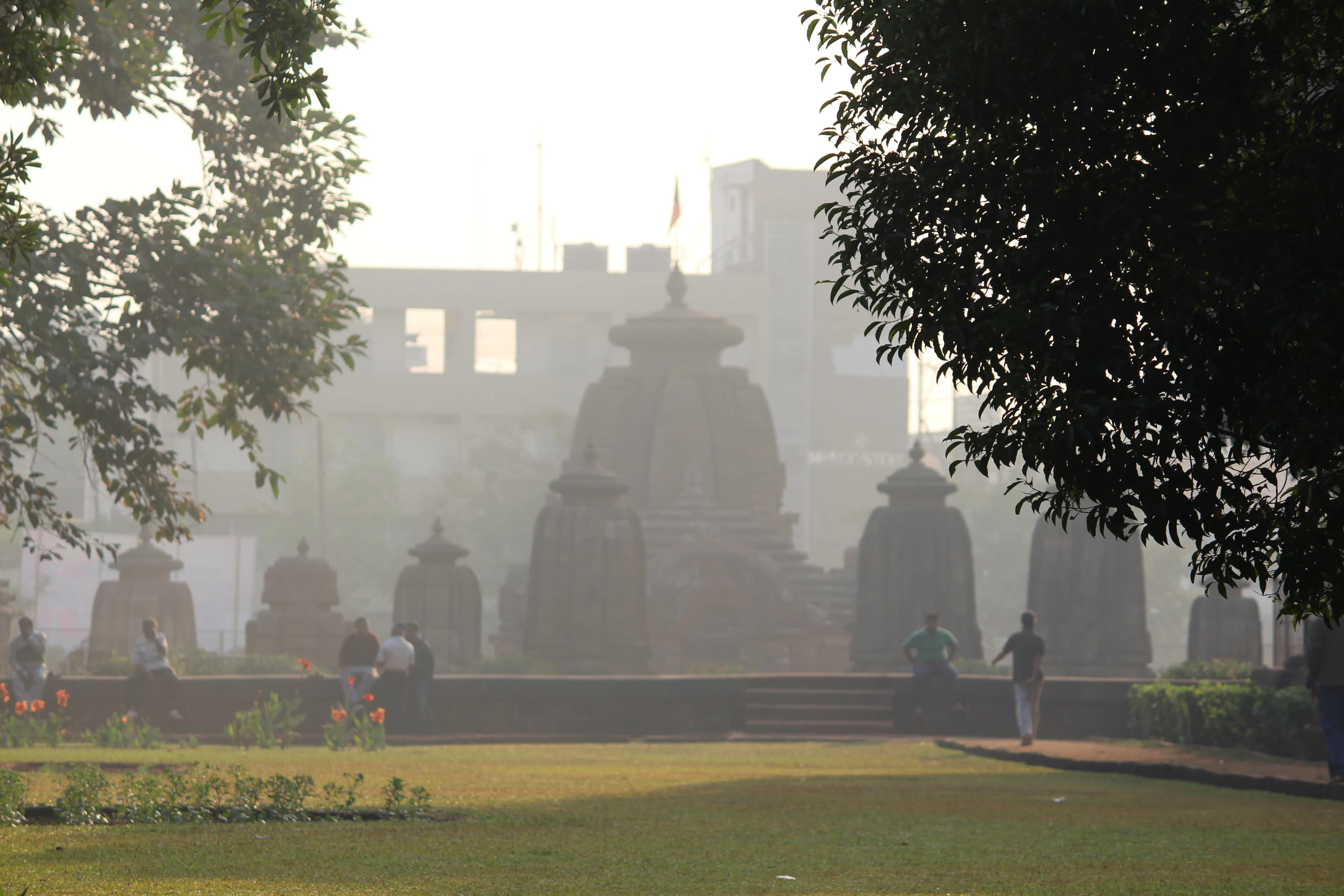
The midday sun cast long shadows across the laterite stones of the Mukteswara Temple, etching the intricate carvings into stark relief. Standing before this 10th-century marvel in Bhubaneswar, I felt a palpable shift, a whisper of the past carried on the gentle breeze. This wasn't just another temple; it felt like a pivotal moment captured in stone, a bridge between the simpler Kalinga architecture of earlier centuries and the ornate grandeur that would define the later temples of Odisha. The Mukteswara, though smaller than its successors like the Rajarani and Lingaraj, possesses a captivating elegance. Its sandstone gateway, the torana, is arguably its most celebrated feature. Covered in a tapestry of carvings – nagas, yakshas, and intricate scrollwork – it stands as a testament to the skill of the ancient artisans. I spent a considerable amount of time studying the torana, tracing the lines of the sculptures with my fingers, marveling at the dynamism captured within the static stone. The depiction of Lakulisa, a Shaivite ascetic, particularly caught my eye. His serene countenance, framed by flowing locks, seemed to radiate a quiet wisdom, a stark contrast to the writhing forms of the mythical creatures surrounding him. Passing through the torana, the compact courtyard opened before me, the main temple, or vimana, dominating the space. The vimana, built in the rekha deul style, rises gracefully towards the sky, its curvilinear form a testament to the architectural prowess of the period. Unlike the later temples, the Mukteswara’s vimana is relatively uncluttered, allowing the eye to appreciate the flowing lines and the subtle interplay of light and shadow. The decorative elements, though present, are restrained, emphasizing the overall harmony of the structure. I noticed the distinct use of chaitya arches, a recurring motif in Odishan architecture, adorning the walls. These miniature shrines, each housing a deity, added a layer of symbolic depth to the structure. The jagamohana, or assembly hall, connected to the vimana, is equally captivating. Its pyramidal roof, adorned with intricate carvings, provided a welcome respite from the midday sun. Inside, the atmosphere was noticeably cooler, the air thick with the scent of incense and the murmur of prayers. I observed the elaborate carvings on the pillars, each depicting scenes from mythology and daily life. The narrative quality of these sculptures was striking, each panel telling a story, transporting the viewer to a different time and place. One aspect that truly sets the Mukteswara apart is its experimental nature. It's often referred to as a "gem of Orissan architecture," and I understood why. The temple showcases the first extensive use of sculptures on the exterior walls, a feature that would become a hallmark of later temples. The intricate latticework on the windows, the delicate floral motifs, and the playful depictions of animals all hinted at a burgeoning artistic confidence, a willingness to push the boundaries of traditional architectural norms. As I circled the temple, absorbing the details, I couldn't help but reflect on the continuity of tradition. The Mukteswara, though centuries old, remains a living testament to the enduring power of faith and artistry. The rituals performed within its walls, the hymns chanted, the offerings made – these are echoes of practices that have been carried out for generations. It's this unbroken thread, this connection to the past, that makes the Mukteswara not just a historical monument but a vibrant part of the cultural fabric of Odisha. Leaving the temple grounds, I carried with me not just images of carved stone and intricate sculptures, but a deeper appreciation for the rich tapestry of Indian architectural history.
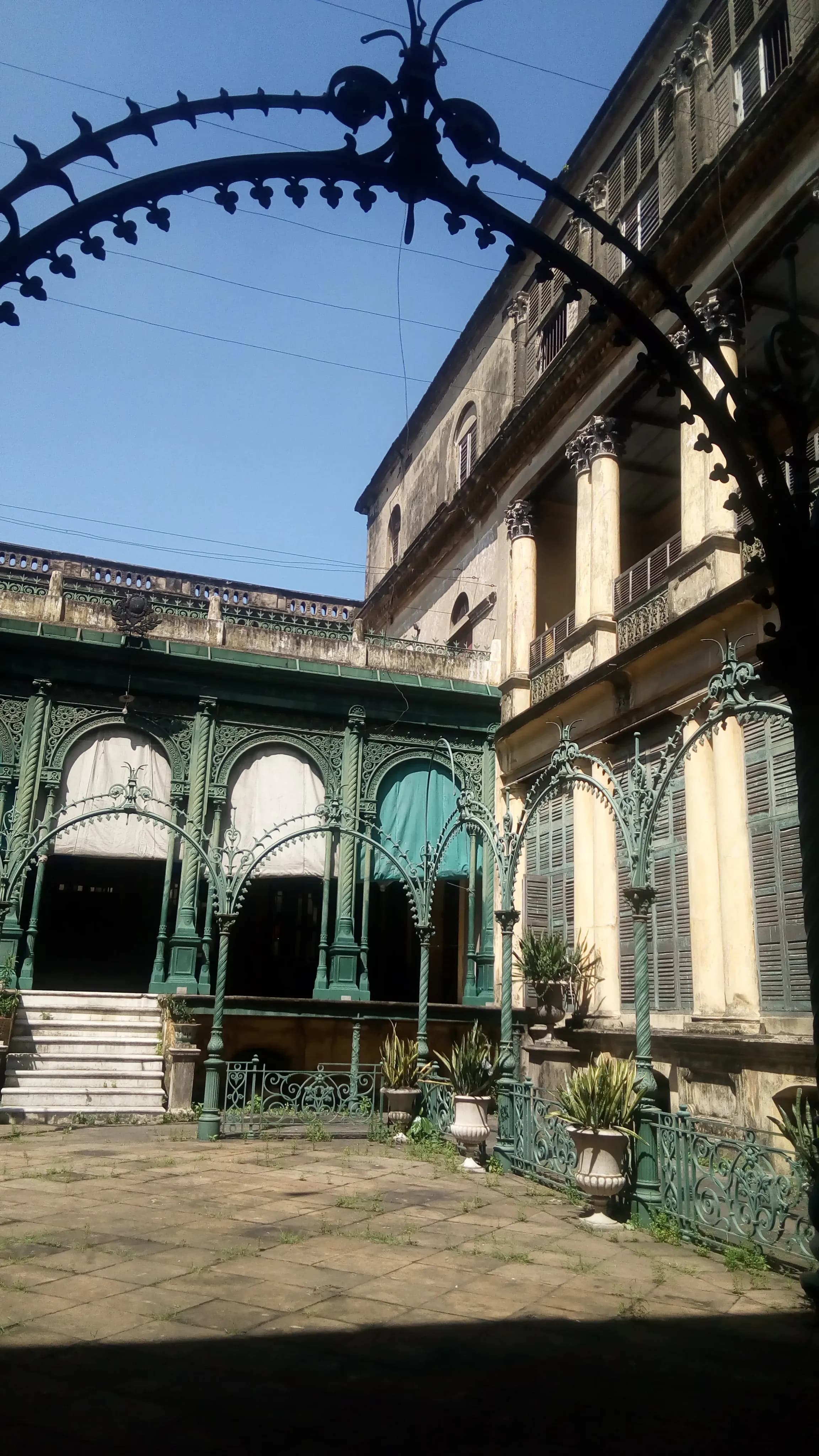
The humid Kolkata air hung heavy, a stark contrast to the dry heat I’m accustomed to in Uttar Pradesh. I stood before the imposing façade of Mullick House, a crumbling testament to a bygone era of mercantile opulence. Located on Pathuriaghata Street, this haveli, once the residence of the wealthy Mullick family, whispered stories of indigo, jute, and the ebb and flow of fortune in colonial India. The first thing that struck me was the sheer scale of the structure. Despite its dilapidated state, the grandeur was undeniable. The ornate Corinthian columns, though weathered and stained, still held their heads high, supporting balconies that must have once overflowed with life. The intricate stucco work, depicting floral motifs and mythological figures, bore the scars of time and neglect, yet retained a ghostly elegance. It was a poignant reminder of the ephemeral nature of wealth and power. Stepping through the arched gateway felt like entering a time capsule. The vast courtyard, now overgrown with weeds and littered with debris, once pulsated with the activity of a large joint family. I could almost envision the bustling scenes – children playing, women gossiping in hushed tones, and the patriarch holding court. The remnants of a fountain, choked with dust and leaves, hinted at a past desire for aesthetic refinement. The interior of the haveli was a labyrinth of interconnected rooms, each bearing the marks of its former occupants. Faded frescoes adorned the walls, depicting scenes from the epics, perhaps a reflection of the family's cultural roots. The high ceilings, once adorned with elaborate chandeliers, now revealed peeling paint and exposed beams. The intricate tile work on the floors, though cracked and broken in places, spoke of a time when no expense was spared in the pursuit of beauty. I climbed the grand staircase, its wooden banisters worn smooth by countless hands. The upper floors offered a panoramic view of the surrounding neighbourhood, a chaotic jumble of narrow lanes and crumbling buildings. It was a stark reminder of the changing face of Kolkata, a city grappling with its colonial legacy. As I wandered through the decaying rooms, I couldn't help but draw parallels with the havelis of my own Uttar Pradesh. While the architectural styles differed, the underlying ethos was the same – a celebration of family, tradition, and prosperity. Yet, unlike the meticulously preserved havelis of Lucknow and Varanasi, Mullick House seemed to have been abandoned to the vagaries of time. The neglect was heartbreaking. This wasn't just a building; it was a repository of memories, a tangible link to a significant period in Indian history. The stories embedded within its walls – of trade, migration, and cultural exchange – were in danger of being lost forever. My visit to Mullick House was a bittersweet experience. It was a privilege to witness the remnants of such architectural splendour, but also a sobering reminder of the importance of preservation. As I stepped back onto the bustling streets of Kolkata, I carried with me not just images of crumbling grandeur, but also a renewed appreciation for the fragility of our heritage. The whispers of Mullick House, though fading, deserve to be heard, its stories deserve to be told, and its legacy deserves to be protected. It stands as a potent symbol of a shared past, a past that shapes our present and will continue to influence our future.
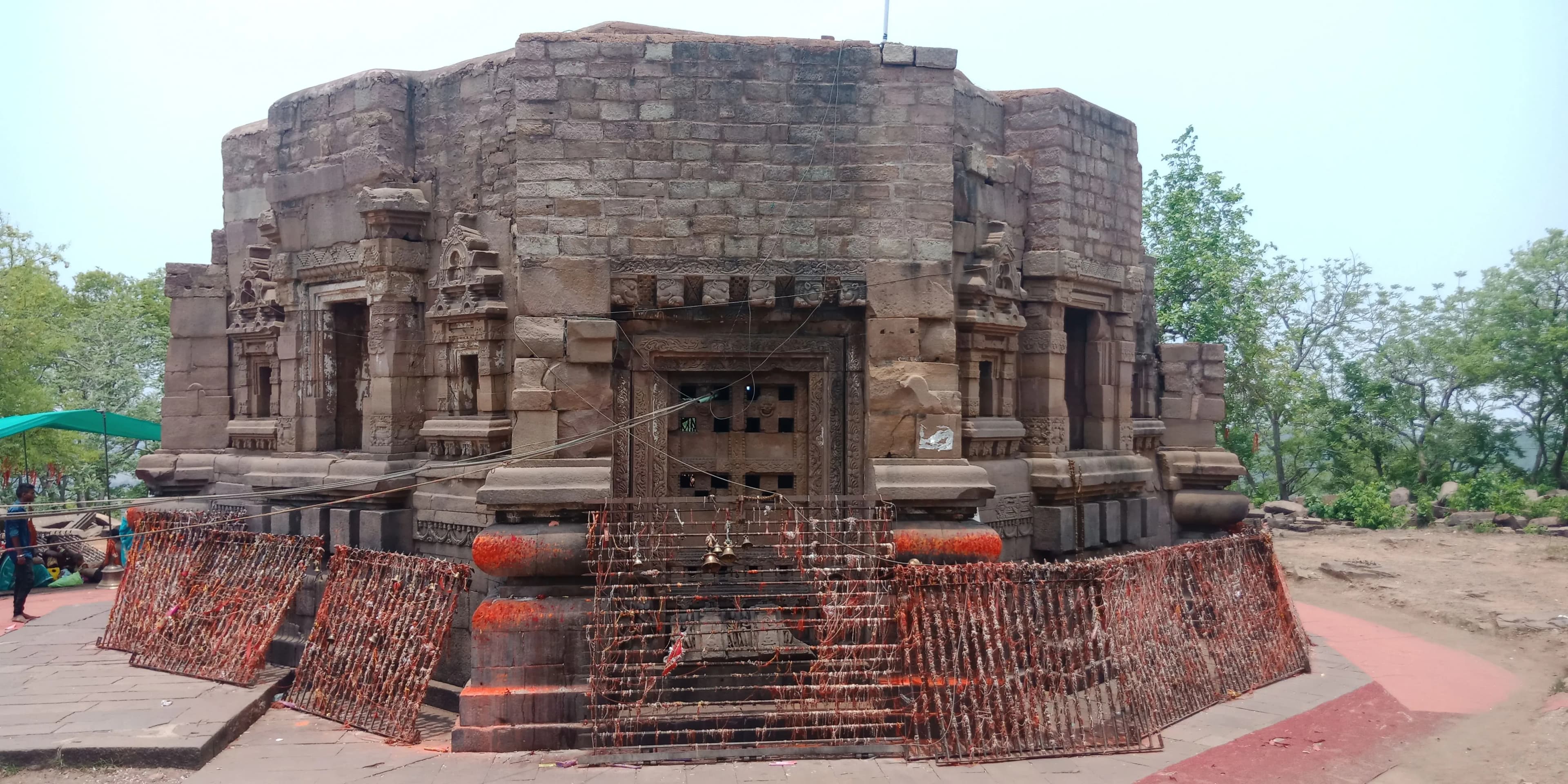
The sun beat down on the Kaimur hills, painting the landscape in hues of ochre and brown as I climbed the winding path towards the Mundeshwari Devi Temple. Located atop the Piwara hill near Kaura in Bihar, this ancient structure emanated an aura of history that even the midday heat couldn't diminish. Having explored countless temples across North India, I was prepared to be impressed, but Mundeshwari offered something uniquely captivating. The first thing that struck me was the temple's unusual octagonal shape, a stark contrast to the more common square or rectangular structures I'd encountered. Built of red sandstone blocks, the temple seemed to grow organically from the hill itself, its weathered stones whispering tales of centuries past. The Archaeological Survey of India recognizes it as the oldest functional Hindu temple in India, a claim that felt palpable standing in its presence. The weight of history, the tangible connection to generations of worshippers, hung heavy in the air. As I circumambulated the temple, I observed the intricate carvings adorning its exterior walls. While time and the elements had taken their toll, I could still discern depictions of various deities, including Ganesha and Vishnu, their forms softened by erosion yet retaining a distinct power. The octagonal design, I learned, represents the eight directions, symbolically placing the deity at the center of the cosmos. This architectural choice, combined with the hilltop location, created a powerful sense of sacred space, a place where the earthly and the divine converged. Entering the sanctum sanctorum was a transformative experience. The low ceiling and dimly lit interior fostered an atmosphere of reverence. Here, enshrined within the heart of the temple, resided the four-headed image of Devi Mundeshwari. Unlike the more common depictions of Durga or Kali, this representation of Shakti, the divine feminine, felt primal, ancient. The four heads, facing the cardinal directions, seemed to embody the all-encompassing power of the goddess. The priest, a kind-faced man with eyes that held the wisdom of generations, explained that the temple is dedicated to both Shiva and Shakti, represented by the Chaturmukhi Shivling within the sanctum. This dual dedication, he explained, symbolizes the harmonious balance of masculine and feminine energies, a concept central to Hindu cosmology. He pointed out the unique placement of the Shivling, directly beneath the feet of the Devi, further emphasizing the primacy of Shakti in this particular manifestation. Stepping back out into the sunlight, I took a moment to absorb the panoramic view from the hilltop. The Kaimur range stretched out before me, a tapestry of green and brown, dotted with villages and fields. It was easy to see why this location was chosen for a temple. The elevated position, the commanding view, the palpable sense of connection to the natural world – it all contributed to the sacred aura of the place. My visit to Mundeshwari Devi Temple wasn't just about observing architecture or documenting history; it was about experiencing a living tradition. The temple wasn't a relic of the past, but a vibrant center of faith, a place where devotees continue to offer prayers and seek blessings. Witnessing their devotion, their unwavering faith in the power of the goddess, added another layer of meaning to my experience. Leaving the temple, I carried with me not just photographs and notes, but a profound sense of connection to this ancient site and the enduring power of belief. It's a place I urge every traveler exploring North India to experience, a place where history, spirituality, and the raw beauty of the natural world converge to create something truly unforgettable.
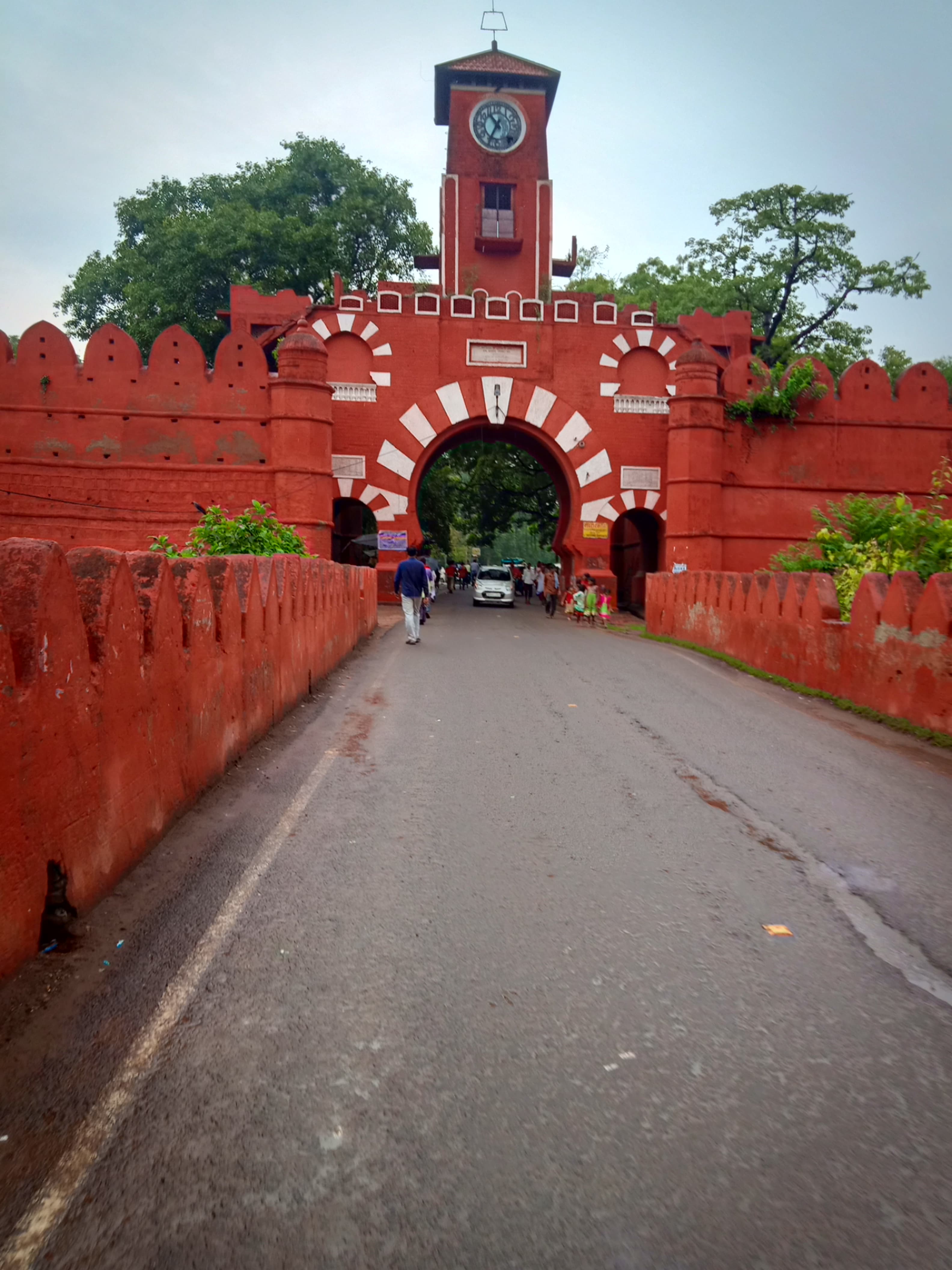
The Ganges, a ribbon of shimmering silver, embraced the base of Munger Fort, its flow a constant whisper against the aged stones. This wasn't my first fort in Bihar, but Munger held a different energy, a quiet dignity that transcended its crumbling ramparts and overgrown courtyards. Having documented over 500 monuments across India, I've developed a keen eye for the stories etched in stone, and Munger Fort had volumes to tell. The fort's strategic location, perched atop a rocky hill overlooking the river, is immediately apparent. It’s a layered structure, a palimpsest of history with contributions from various dynasties – the Mauryas, the Guptas, the Mughals, and even the British. This confluence of influences is reflected in the architecture, a fascinating blend of styles that speaks to the fort's long and complex history. I noticed remnants of ancient Hindu and Buddhist structures seamlessly integrated into later Islamic additions. A carved stone panel depicting a scene from the Ramayana, for example, was juxtaposed against a Mughal-era archway, a testament to the fort's evolving identity. My lens focused on the intricate details: the weathered sandstone blocks, some bearing faint traces of ancient inscriptions; the ornate carvings adorning the doorways and windows, now softened by time and the elements; the strategically placed bastions and watchtowers, silent sentinels guarding the river passage. The imposing ramparts, though breached in places, still conveyed a sense of impregnability, a testament to the fort's military significance. Walking through the sprawling complex, I felt a palpable sense of history. I could almost hear the echoes of marching armies, the clang of swords, the whispers of courtly intrigue. The silence, broken only by the chirping of birds and the distant hum of the city, was strangely evocative. It allowed me to connect with the past in a way that few places have. One of the most striking features of Munger Fort is its subterranean passage, rumored to lead to Patna, over 100 kilometers away. While the full extent of the tunnel remains shrouded in mystery, I was able to explore a portion of it. The air inside was cool and damp, the darkness punctuated only by the beam of my flashlight. The rough-hewn walls and low ceiling created a claustrophobic atmosphere, adding to the sense of intrigue. It's easy to imagine how this passage might have been used for secret escapes or clandestine meetings. The fort also houses several dilapidated palaces and temples, their grandeur now faded but still hinting at their former glory. The crumbling walls, the overgrown courtyards, the empty chambers – they all spoke of a bygone era, a time of kings and queens, of battles and sieges, of prosperity and decline. As I climbed to the highest point of the fort, the panoramic view of the Ganges and the surrounding countryside unfolded before me. The river, a lifeline for generations, snaked its way through the fertile plains, its banks dotted with temples and villages. It was a breathtaking vista, a reminder of the fort's strategic importance and its enduring connection to the land. Munger Fort is not just a collection of old stones and crumbling walls. It's a living testament to India's rich and layered history. It's a place where the past and the present intertwine, where stories are whispered in the wind, and where the echoes of time resonate through the silence. My time at Munger Fort was more than just a photographic assignment; it was a journey through time, an exploration of a place that has witnessed the ebb and flow of empires, the rise and fall of dynasties, and the enduring power of the human spirit. It’s a place that deserves to be preserved, not just for its architectural and historical significance, but for the stories it continues to tell.

The colossal Shiva statue at Murudeshwar dominates the landscape long before you even reach the temple complex. Emerging from the coastal haze, it’s a breathtaking sight, a beacon drawing you closer to this unique UNESCO site nestled on the Kanduka Hill. As someone who has visited every UNESCO site in India, I can confidently say that Murudeshwar holds a special place, a vibrant blend of devotion, mythology, and stunning coastal beauty. The sheer scale of the statue is awe-inspiring. Standing at 123 feet tall, it’s the second tallest Shiva statue in the world, a modern marvel gazing out at the Arabian Sea. Its gleaming gold surface catches the sunlight, creating an ethereal glow that changes throughout the day. Climbing the steps within the statue's pedestal offers panoramic views of the coastline, the sprawling temple complex below, and the endless expanse of the ocean. The roar of the waves crashing against the rocks below adds a dramatic soundtrack to the experience. The temple complex itself is a fascinating blend of ancient and modern architecture. The main temple dedicated to Lord Shiva is relatively small compared to the towering statue, but it exudes a quiet serenity. Intricate carvings adorn the walls, depicting scenes from Hindu mythology, particularly stories related to the Atmalinga and Ravana, as this site is believed to be one of the places where Ravana attempted to bring the Atmalinga to Lanka. The vibrant colours used in the gopuram, the ornate gateway tower, are striking against the backdrop of the blue sky and the sea. One of the aspects I found particularly captivating was the Raja Gopura, a 20-storied tower offering a bird's-eye view of the entire complex and the surrounding area. A lift takes you to the top, where you're greeted with a 360-degree panorama. From this vantage point, the intricate layout of the temple complex becomes clear, and the strategic positioning of the statue, overlooking the sea, takes on a new significance. It's a truly breathtaking experience, especially during sunset when the sky explodes with colour. Beyond the main temple and the statue, the complex houses several smaller shrines dedicated to various deities. I spent some time exploring these, observing the rituals and the quiet devotion of the pilgrims. The air is thick with the scent of incense and the sound of chanting, creating a palpable sense of spirituality. The constant flow of devotees, from all walks of life, adds to the vibrant atmosphere. What sets Murudeshwar apart from other temple complexes in India is its unique coastal setting. The crashing waves, the salty air, and the vastness of the ocean create a dramatic backdrop for the temple, adding a layer of grandeur and mystique. The beach adjacent to the temple is a popular spot for pilgrims and tourists alike, offering a chance to relax and soak in the atmosphere after exploring the complex. My visit to Murudeshwar was more than just a sightseeing trip; it was an immersive experience. It was a journey into mythology, a testament to architectural ingenuity, and a reminder of the powerful connection between faith and nature. The sheer scale of the Shiva statue is undoubtedly impressive, but it's the overall atmosphere, the blend of ancient traditions and modern marvels, the stunning coastal setting, that truly makes Murudeshwar a must-visit UNESCO site in India. It’s a place where spirituality meets the sea, leaving a lasting impression on every visitor.
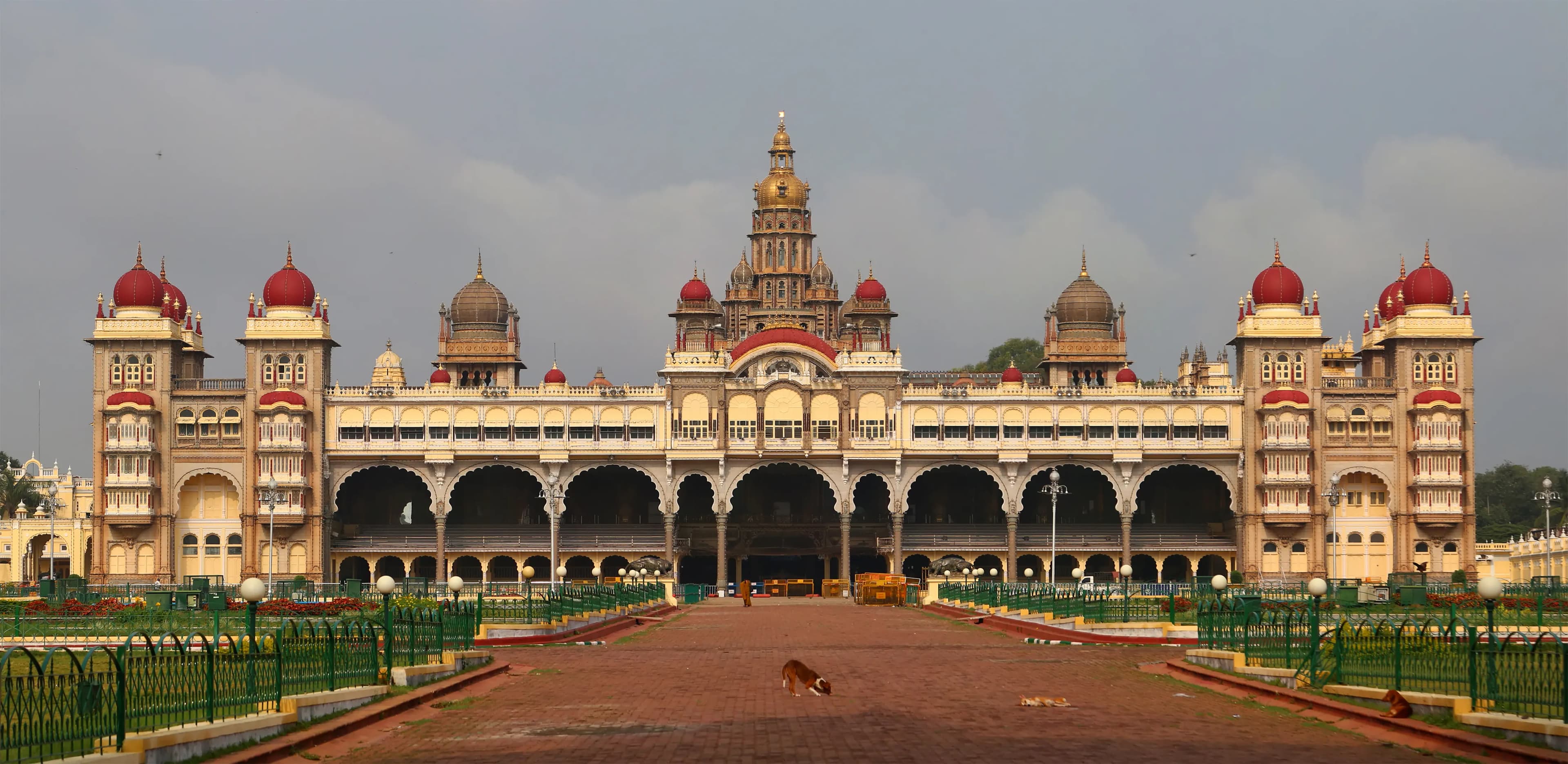
The Mysore Palace, or Amba Vilas Palace, isn't merely a structure; it's a statement. A statement of opulence, a testament to craftsmanship, and a living chronicle of a dynasty. As a Chennai native steeped in the Dravidian architectural idiom of South Indian temples, I found myself both captivated and challenged by the Indo-Saracenic style that defines this majestic palace. The blend of Hindu, Muslim, Rajput, and Gothic elements creates a unique architectural vocabulary, a departure from the gopurams and mandapas I'm accustomed to, yet equally mesmerizing. My first impression was one of sheer scale. The sprawling palace grounds, meticulously manicured, prepare you for the grandeur within. The three-storied stone structure, with its grey granite base and deep pink marble domes, stands as a beacon against the Mysore sky. The central arch, adorned with intricate carvings and flanked by imposing towers, draws the eye upwards, culminating in the breathtaking five-story gopuram. This fusion, the gopuram atop an Indo-Saracenic structure, is a powerful symbol of the cultural confluence that shaped Mysore's history. Stepping inside, I was immediately transported to a world of intricate detail. The Durbar Hall, with its ornate pillars, stained-glass ceilings, and intricately carved doorways, is a spectacle of craftsmanship. The pillars, far from being uniform, display a fascinating variety of designs, each a testament to the skill of the artisans. I noticed subtle variations in the floral motifs, the scrollwork, and even the miniature sculptures adorning the capitals. This attention to detail, reminiscent of the meticulous carvings found in Chola temples, spoke volumes about the dedication poured into this palace. The Kalyanamantapa, the marriage hall, is another jewel in the palace's crown. The octagonal hall, with its vibrant stained-glass ceiling depicting scenes from Hindu mythology, is a riot of color and light. The floor, paved with exquisite mosaic tiles, adds another layer of intricacy. While the overall style is distinctly different from the mandapas found in South Indian temples, I could appreciate the shared emphasis on creating a sacred, visually stunning space. Exploring further, I was particularly drawn to the Gombe Thotti, or Doll's Pavilion. This museum houses a remarkable collection of dolls from around the world, offering a glimpse into diverse cultures and artistic traditions. While not strictly architectural, it provided a fascinating cultural context for the palace and its inhabitants. The palace's exterior, particularly during the evening illumination, is truly magical. Thousands of bulbs outline the structure, transforming it into a shimmering spectacle. This, I felt, was a modern interpretation of the kuthuvilakku, the traditional oil lamps used to illuminate temple towers during festivals. While the technology is different, the effect is the same – a breathtaking display of light and shadow that enhances the architectural beauty. One aspect that particularly resonated with my background in South Indian temple architecture was the use of open courtyards. These courtyards, while smaller than the prakarams found in temples, serve a similar purpose – providing ventilation, natural light, and a sense of tranquility amidst the grandeur. They also offer framed views of different parts of the palace, creating a dynamic visual experience as one moves through the complex. The Mysore Palace is not just a palace; it's a living museum, a testament to the artistry and vision of its creators. It's a place where architectural styles converge, where history whispers from every corner, and where the grandeur of the past continues to captivate visitors from around the world. As I left the palace grounds, I carried with me not just images of its splendor, but a deeper appreciation for the rich tapestry of Indian architecture and the unique stories it tells.
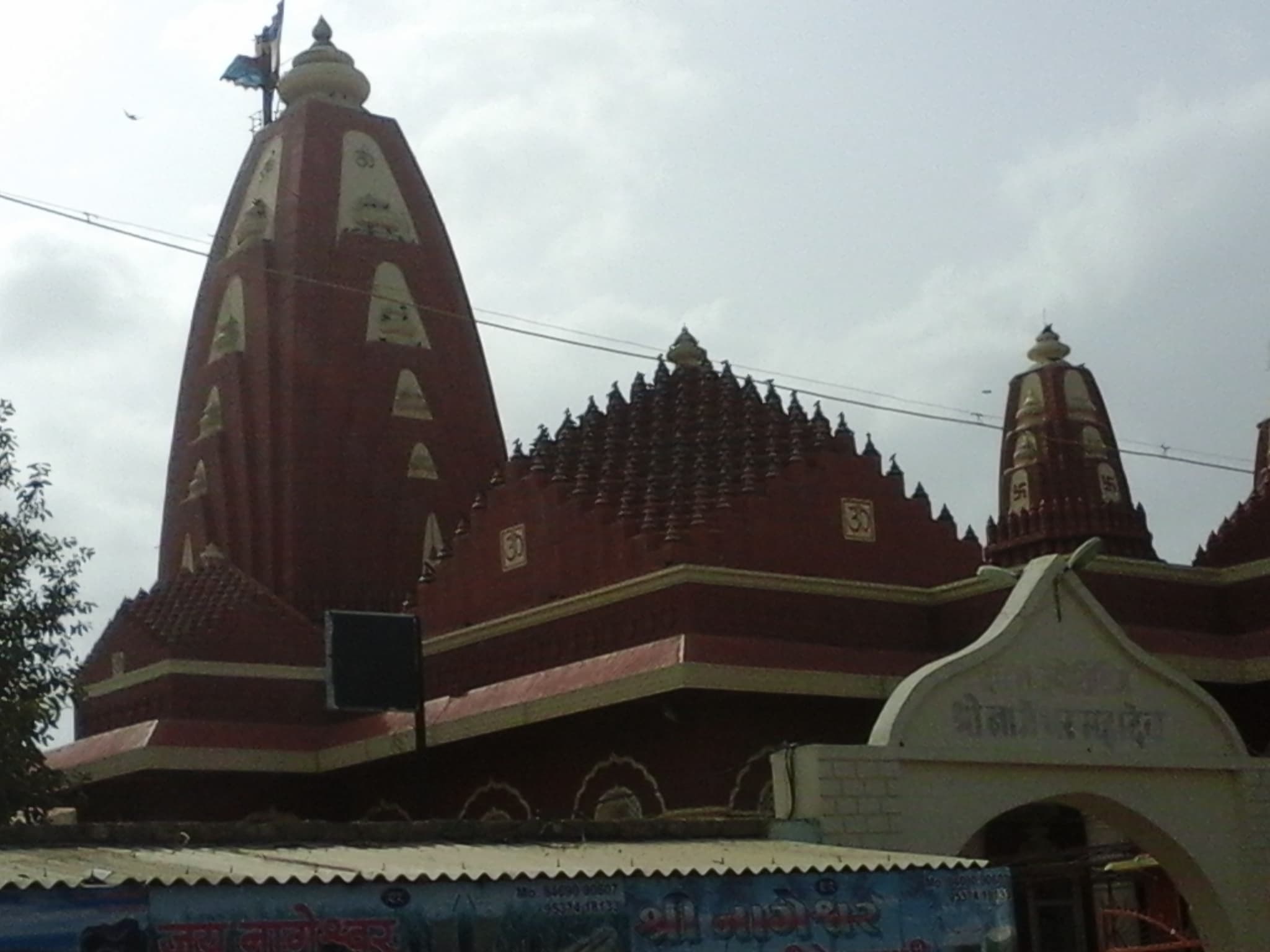
The Gujarat sun beat down, casting long shadows across the sprawling complex of the Nageshwar Jyotirlinga Temple. Located in Daarukavanam, near the fabled city of Dwarka, this temple pulsates with a palpable energy, a hum of devotion that resonates through the very stones. It’s not just another temple; it’s a testament to faith, a vibrant tapestry woven with mythology, history, and architectural brilliance. My lens, accustomed to capturing the grandeur of India's heritage, found itself constantly drawn to new details. The towering, freshly painted Shikhara, adorned with intricate carvings, dominated the skyline. Its vibrant hues, a stark contrast against the clear blue sky, seemed to amplify the sacredness of the space. Unlike some ancient temples weathered by time, Nageshwar retains a vividness, a sense of renewal that speaks to the continuous devotion it receives. As I moved closer, the sheer scale of the Nandi statue became apparent. It’s colossal, a magnificent sculpture guarding the entrance to the main shrine. The meticulous detailing on the Nandi, from the folds of its skin to the expression on its face, showcases the sculptor's mastery. I spent a considerable amount of time circling it, capturing its imposing presence from various angles. The play of light and shadow on its polished black surface added another layer of depth to the photographs. Stepping inside the main sanctum, I was enveloped by a sense of tranquility. The air was thick with the scent of incense and the murmur of prayers. The Jyotirlinga, the symbolic representation of Lord Shiva, resides within the garbhagriha, radiating a powerful spiritual aura. Photography isn't permitted inside the inner sanctum, which, in a way, enhances the mystique. It allows the experience to become more personal, more introspective. You’re forced to engage with the space, to absorb the energy, rather than simply capturing an image. The temple complex is remarkably well-maintained. The marble flooring, polished to a gleam, reflects the vibrant colours of the devotees' attire. I observed families performing rituals, their faces etched with devotion. The atmosphere was charged with a collective sense of faith, a shared spiritual experience that transcended language and background. It wasn't just a religious site; it was a living, breathing testament to the enduring power of belief. The surrounding gardens, a welcome respite from the sun's intensity, added to the temple's charm. The meticulous landscaping, with its vibrant flowers and manicured lawns, provided a tranquil setting for contemplation. I noticed several devotees sitting quietly amidst the greenery, lost in prayer or simply absorbing the peaceful atmosphere. One aspect that particularly struck me was the seamless blend of the old and the new. While the core temple structure exudes ancient wisdom and architectural heritage, the surrounding facilities, including the restrooms and the prasadam counters, are modern and well-maintained. This delicate balance ensures that the temple remains accessible and comfortable for visitors while preserving its historical and spiritual significance. My time at Nageshwar Jyotirlinga Temple was more than just a photographic assignment; it was a spiritual journey. It was a chance to witness the unwavering faith of the devotees, to marvel at the architectural brilliance of the temple, and to capture the essence of a sacred space that has resonated with pilgrims for centuries. As I packed my equipment, I knew that the images I captured were more than just photographs; they were fragments of a vibrant spiritual tapestry, a testament to the enduring power of faith in the heart of India.
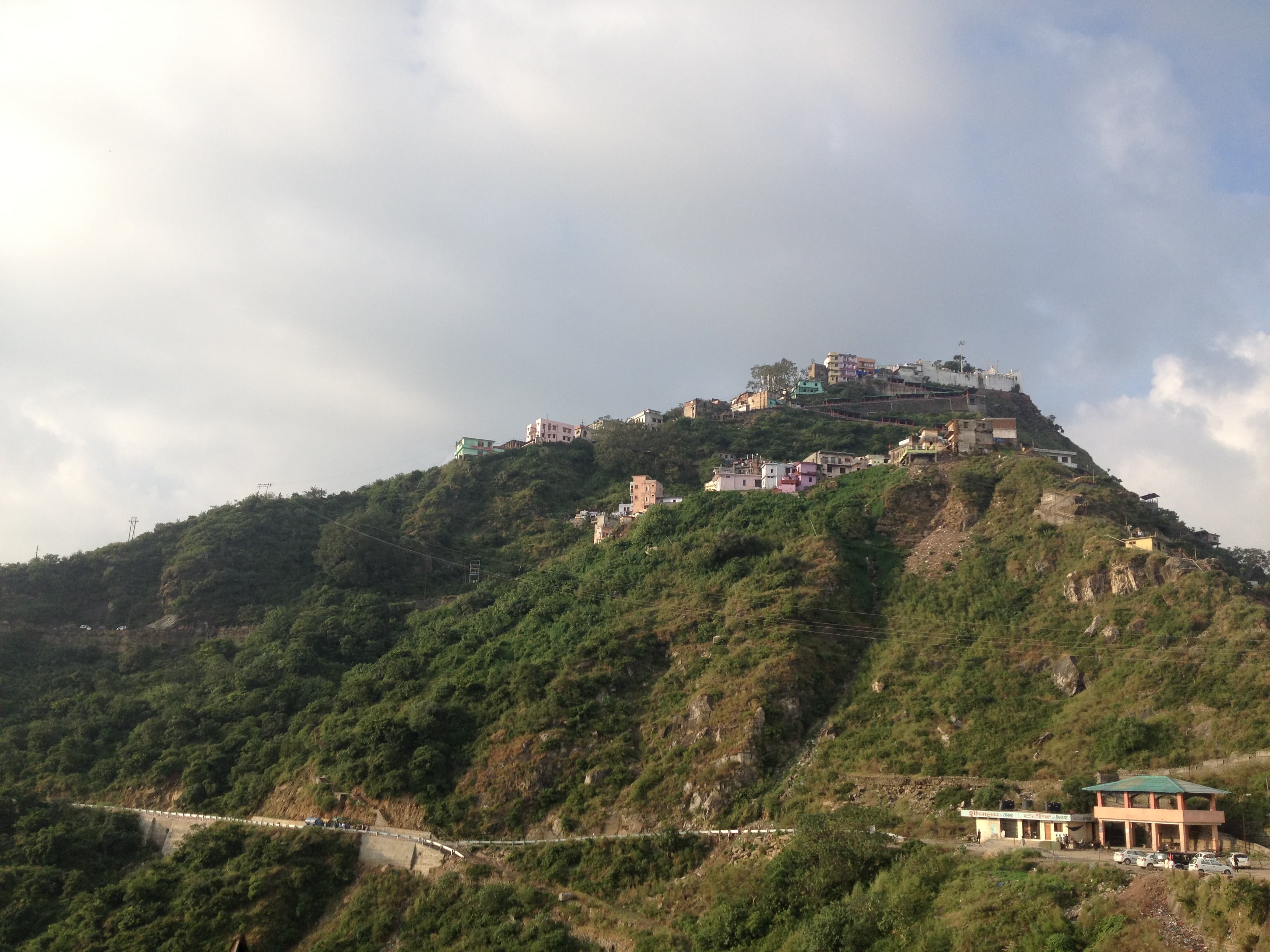
The crisp Himalayan air, scented with pine and a hint of something sacred, whipped around me as I ascended the winding path to Naina Devi Temple. Located atop a hill overlooking the Gobind Sagar reservoir in Bilaspur, Himachal Pradesh, this temple is a far cry from the rock-cut caves and ancient stone temples I'm accustomed to in my home state of Maharashtra. The journey itself sets the tone – a blend of natural beauty and palpable devotion. You can choose to hike up the steep path, a test of endurance rewarded by breathtaking views, or opt for the cable car, a swift, scenic ascent that offers glimpses of the sprawling reservoir below. Reaching the summit, I was immediately struck by the vibrant energy of the place. Unlike the hushed reverence of many ancient temples, Naina Devi buzzed with activity. Pilgrims from all walks of life, their faces etched with faith, thronged the courtyard, their murmured prayers mingling with the clanging of bells and the rhythmic chants of priests. The temple's architecture, a blend of traditional North Indian styles with a touch of modernity, immediately caught my eye. The main shrine, dedicated to the goddess Naina Devi, is a relatively new structure, rebuilt after an earthquake in 1905. Its brightly painted walls, adorned with intricate carvings and depictions of various deities, stand in stark contrast to the rugged, natural backdrop of the Himalayas. The main idol of Naina Devi, housed within the sanctum sanctorum, is a powerful representation of Shakti. Two prominent eyes, the 'Naina' that give the temple its name, dominate the image, radiating an aura of strength and protection. Unlike the meticulously sculpted stone idols I'm familiar with in Maharashtra, this representation felt more primal, more visceral. It's a simple depiction, yet it holds a profound significance for the devotees, who offer their prayers with unwavering devotion. Surrounding the main shrine are smaller temples dedicated to other deities, creating a complex of worship that caters to diverse faiths. I noticed a small shrine dedicated to Hanuman, the monkey god, a familiar figure from my explorations of Maharashtra's temples. This subtle connection, a thread of shared belief across geographical boundaries, resonated deeply with me. It highlighted the unifying power of faith, a common language spoken across the diverse landscape of India. Beyond the religious significance, the temple offers a panoramic vista that is simply breathtaking. The Gobind Sagar reservoir, a vast expanse of turquoise water nestled amidst the rolling hills, stretches out before you, creating a mesmerizing spectacle. The snow-capped peaks of the Himalayas, piercing the clear blue sky, form a majestic backdrop, adding a touch of grandeur to the already stunning landscape. I spent a considerable amount of time simply absorbing the view, feeling a sense of peace and tranquility wash over me. One aspect that particularly intrigued me was the integration of the natural landscape into the temple complex. Massive boulders, remnants of the Himalayan geology, are incorporated into the architecture, blurring the lines between the man-made and the natural. This harmonious coexistence, a hallmark of many Himalayan temples, speaks to a deep respect for the environment, a philosophy that resonates strongly with my own beliefs. My visit to Naina Devi Temple was more than just a journalistic assignment; it was a spiritual experience. It offered a glimpse into a different cultural landscape, a different way of expressing faith. While the architectural style and rituals differed significantly from what I'm accustomed to in Maharashtra, the underlying essence of devotion, the unwavering belief in a higher power, remained the same. It reinforced my belief that despite the diversity of our traditions, the human quest for spiritual meaning remains a universal constant. As I descended the hill, the clanging of temple bells fading into the distance, I carried with me not just photographs and notes, but a renewed appreciation for the power of faith and the beauty of the Himalayas.
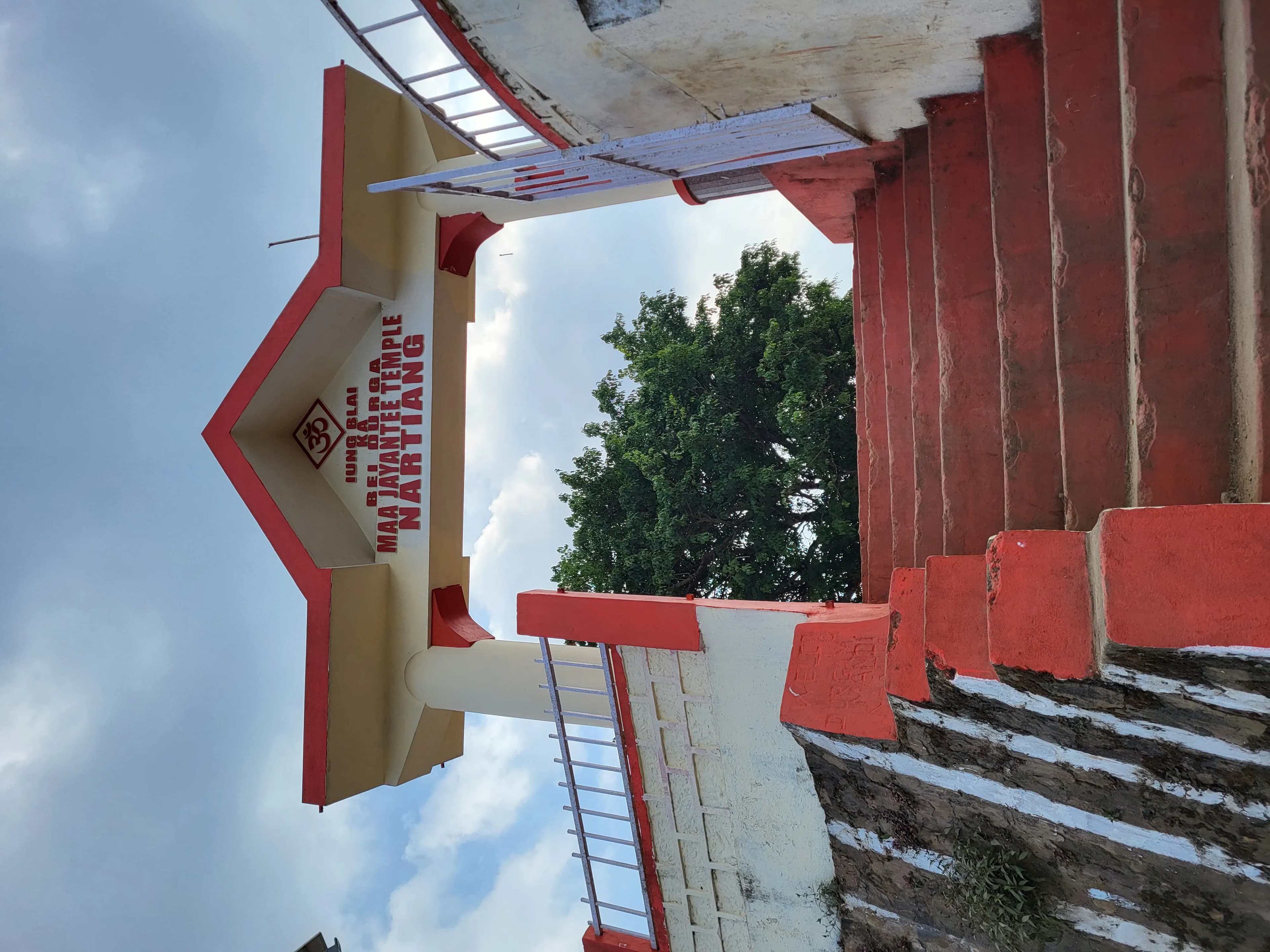
The air hung heavy with the scent of pine and damp earth as I climbed the stone steps leading to the Nartiang Durga Temple. Located in the Jaintia Hills of Meghalaya, this temple, dedicated to the warrior goddess Durga, immediately struck me as different from anything I’d encountered in my 500+ monument documentation projects across India. There was a palpable sense of age, a quiet power emanating from the structure that whispered stories of centuries past. Unlike the ornate and vibrant temples of South India or the towering sandstone edifices of the North, Nartiang Durga Temple possesses a stark, almost austere beauty. Built primarily of stone, its architecture reflects a unique blend of indigenous Khasi traditions and influences from the plains. The pyramidal roof, a characteristic feature of Khasi architecture, rises above the relatively plain walls. The absence of elaborate carvings or embellishments, so common in other Indian temples, lends the structure a sense of raw, unadulterated power. It felt less like a place of worship and more like a fortress dedicated to a formidable deity. My lens immediately gravitated towards the monoliths scattered across the temple courtyard. These towering stone structures, some reaching over 30 feet in height, are a testament to the megalithic culture that once thrived in this region. Each monolith, erected by past Jaintia kings, represents a unique offering or commemoration. The sheer scale and the rough-hewn texture of these stones spoke volumes about the ingenuity and dedication of the people who erected them. I spent hours photographing these silent giants, trying to capture the weight of history they carried. Inside the sanctum, the atmosphere shifted. The dimly lit space, illuminated by a few oil lamps, held an air of reverence. The idol of Durga, unlike the fierce, multi-armed depictions common elsewhere, is represented here by a simple uncarved stone. This stark representation, devoid of anthropomorphic features, further reinforced the unique character of this temple. It felt like a direct link to an ancient, more primal form of worship. What truly captivated me at Nartiang, however, was the palpable connection between the temple and the surrounding landscape. Nestled amidst rolling hills and lush vegetation, the temple felt deeply rooted in its environment. The natural sounds – the rustling of leaves, the chirping of birds, the distant murmur of a stream – blended seamlessly with the quiet hum of devotion within the temple walls. It was a powerful reminder of the interconnectedness between nature and spirituality, a concept often lost in the urbanized landscapes where I typically work. Beyond the main temple, I explored the ruins of a former cannon foundry, a surprising discovery within this sacred precinct. The remnants of furnaces and molds provided a glimpse into the Jaintia kingdom's military prowess. This juxtaposition of religious devotion and military preparedness added another layer of complexity to the narrative of Nartiang. It spoke of a time when faith and power were inextricably linked, a theme that resonates throughout India's rich history. As the day drew to a close, I sat on the steps of the temple, reviewing the images I had captured. Nartiang Durga Temple had left an indelible mark on me. It wasn't just the architectural uniqueness or the historical significance; it was the palpable sense of ancient power, the raw, unfiltered spirituality that permeated the air. It was a reminder that heritage isn't just about preserving monuments; it's about understanding the stories they tell, the connections they forge between the past, the present, and the future. And in the quiet hills of Meghalaya, the Nartiang Durga Temple whispers a story unlike any other.
Related Collections
Discover more heritage sites with these related collections
Explore More Heritage
Explore our comprehensive documentation of these 384 heritage sites, featuring architectural analysis, historical context, visitor information, conservation status, and detailed site-specific resources supporting meaningful engagement with India's living heritage traditions.
Historical Context
Understanding the historical context of these 384 heritage sites illuminates centuries of Hindu architectural achievement and spiritual devotion. Across successive dynasties, royal patrons and spiritual communities collaborated to create these magnificent monuments as expressions of dharmic duty and devotional fervor. Multiple dynasties contributed distinctive architectural visions, engaging master architects (sthapatis), skilled sculptors (shilpis), and specialized craft guilds who transmitted knowledge through generations. These collaborations produced monuments reflecting both royal vision and artisan mastery, incorporating ancient Vedic principles with regional innovations. Archaeological and epigraphic research continues revealing fascinating details about construction processes, guild organization, material sourcing, and patronage networks. Foundation inscriptions, donor records, and architectural evidence illuminate the devotion, resources, and expertise invested in creating these sacred spaces that honor the divine while demonstrating human achievement at its finest.
Architectural Significance
The architectural elements visible across these 384 heritage sites demonstrate the sophisticated synthesis of aesthetic beauty, structural engineering, and spiritual symbolism characteristic of Hindu temple architecture. Regional architectural vocabularies reflect local materials, climatic adaptations, and cultural preferences while maintaining adherence to fundamental Vedic architectural principles. Indigenous building materials—locally sourced stone, traditional lime mortars, timber where appropriate—shaped architectural possibilities and aesthetic expressions. Monumental scale creates appropriate awe, preparing visitors psychologically for divine encounter. Intricate sculptural programs covering every surface teach Puranic narratives and iconographic conventions, transforming architecture into pedagogical instruments. Structural innovations—corbelling achieving remarkable cantilevers, domed ceilings distributing forces through hidden interlocking systems—demonstrate engineering knowledge refined through centuries of practical experience. Lighting conditions dramatically affect sculptural perception; morning and evening illumination reveals details obscured during harsh midday sun. Advanced documentation through photogrammetry and laser scanning continues discovering previously unrecorded architectural elements, enriching scholarly understanding of these magnificent achievements.
Conservation & Preservation
The preservation status of these 384 heritage sites reflects ongoing commitment to safeguarding India's irreplaceable heritage. 26 receive Archaeological Survey of India protection, ensuring legal safeguards and systematic conservation programs. Challenges include environmental factors, material degradation, and visitor management. Professional conservation employs traditional techniques alongside modern technology: structural monitoring, condition assessments, and preventive measures addressing deterioration before critical failures occur. Advanced documentation—aerial surveys, laser scanning, material analysis—creates comprehensive records supporting evidence-based interventions. Visitor participation in heritage preservation includes respectful site conduct, reporting observed damage, and supporting conservation initiatives financially. The investment in documentation and monitoring ensures that when intervention becomes necessary, restoration maintains historical authenticity and technical compatibility with original construction methods.
Visitor Information
Planning visits to these 384 heritage sites benefits from understanding access logistics and appropriate conduct. India offers well-developed infrastructure with accommodation options available near major heritage sites. The optimal visiting season extends October through March. Entry fees at protected sites typically range ₹25-₹40. Photography for personal use is generally permitted, though tripods and professional equipment may require advance authorization. Virtual tours of 3 sites enable preliminary exploration and research. Respectful conduct honors both the monuments and continuing worship traditions: modest attire with covered shoulders and legs, shoe removal in temple sanctums, quiet demeanor, and abstaining from touching sculptural surfaces. Knowledgeable local guides enhance understanding of architectural features, iconographic programs, and ritual contexts, transforming visits into meaningful cultural experiences.
Key Facts & Statistics
Total documented heritage sites: 384
UNESCO World Heritage Sites: 8
Source: UNESCO World Heritage Centre
Archaeological Survey of India protected monuments: 26
Source: Archaeological Survey of India
Sites with 3D laser scan documentation: 4
Sites with 360° virtual tours: 3
Sites with detailed architectural floor plans: 1
Temple: 218 sites
Monument: 66 sites
Fort: 64 sites
Historic City: 15 sites
Palace: 8 sites
Indo-Islamic architecture style, Mughal architecture style, Rajput architecture style, Nagara architecture style architectural style: 3 sites
Vijayanagara architecture style, Dravida architecture style, Chola architecture style, Pallava architecture style architectural style: 2 sites
Kerala architecture style, Dravidian architecture style, Kalinga architecture style, Hindu Temple architecture style architectural style: 2 sites
Pahari architecture style, Nagara architecture style, Shikhara architecture style, Hindu Temple architecture style architectural style: 2 sites
Indo-Saracenic Revival architecture style, Mughal architecture style, Rajput architecture style, Nagara architecture style architectural style: 2 sites
Rajput Period period construction: 46 sites
Bengal Renaissance Period period construction: 41 sites
Ahom Period period construction: 37 sites
Vijayanagara Period period construction: 30 sites
Maratha Period period construction: 30 sites
Average documentation completion score: 80%
Featured flagship heritage sites: 384
Frequently Asked Questions
How many heritage sites are documented in India?
This collection includes 384 documented heritage sites across India. Of these, 8 are UNESCO World Heritage Sites. 26 sites are centrally protected by Archaeological Survey of India. Each site has comprehensive documentation including photos, floor plans, and historical research.
What is the best time to visit heritage sites in India?
October through March is ideal for visiting heritage sites in India. Major festivals also offer unique cultural experiences. Check individual site pages for specific visiting hours and seasonal closures.
What are the entry fees for heritage sites?
Protected monuments typically charge ₹25-₹40. State-protected sites often have lower or no entry fees. Many temples and religious sites are free. Children often enter free. Still photography is usually included; video may require additional permits.
Are photography and videography allowed at heritage sites?
Still photography for personal use is generally permitted at most heritage sites. Tripods, flash photography, and commercial filming usually require special permissions. Some sites restrict photography of murals, sculptures, or sanctums. Drones are prohibited without explicit authorization. Always respect signage and guidelines at individual monuments.
Are these heritage sites wheelchair accessible?
Accessibility varies significantly. Major UNESCO sites and recently renovated monuments often have ramps and accessible facilities. However, many historical structures have steps, uneven surfaces, and narrow passages. Contact site authorities in advance for specific accessibility information. Our site pages indicate known accessibility features where available.
Are guided tours available at heritage sites?
Licensed guides are available at most major heritage sites, typically charging ₹200-₹500 for 1-2 hour tours. ASI-approved guides provide historical and architectural insights. Audio guides are available at select UNESCO sites. Our platform offers virtual tours and detailed documentation for 3 sites.
What is the conservation status of these heritage sites?
26 sites are legally protected by ASI. Active conservation includes structural stabilization, surface cleaning, vegetation control, and drainage management. Digital documentation helps monitor deterioration. 4 sites have 3D scan records for evidence-based interventions.
What documentation is available for these heritage sites?
Each site includes high-resolution photography, architectural measurements, historical research, and expert annotations. 4 sites have 3D laser scans. 3 offer virtual tours. Floor plans show spatial organization. Documentation averages 80% completion.
How much time should I allocate for visiting?
Plan 2-3 hours for major monuments to appreciate architectural details and explore grounds. Smaller sites may require 30-60 minutes. Multi-site itineraries should allocate travel time. Early morning or late afternoon visits offer better lighting for photography and fewer crowds. Check individual site pages for recommended visiting durations.
What is the cultural significance of these heritage sites?
These monuments represent India's diverse cultural heritage, reflecting centuries of architectural innovation, religious traditions, and artistic excellence. They serve as living links to historical societies, preserving knowledge about construction techniques, social structures, and cultural values. Many sites remain active centers of worship and community gathering.
How can I practice responsible heritage tourism?
Respect site rules including photography restrictions and designated pathways. Don't touch sculptures, murals, or walls. Dispose waste properly. Hire local guides to support communities. Avoid visiting during restoration work. Learn about cultural contexts before visiting. Report damage to authorities. Your responsible behavior helps preserve heritage for future generations.
References & Sources
This curated collection presents 384 architecturally significant heritage sites across India, each offering authentic experiences of Hindu cultural and spiritual heritage. Representing diverse regional traditions, these sites spanning multiple historical periods continue serving as active centers of worship and cultural transmission. 8 hold UNESCO World Heritage designation, recognizing exceptional universal value. Our comprehensive documentation provides detailed visitor information, architectural insights, and cultural context, enabling meaningful engagement with India's living heritage traditions while respecting the sacred nature of these spaces.
- 1Diverse architectural styles from various periods
- 2Intricate craftsmanship and artistic excellence
- 3Historical and cultural significance
- 4Well-documented heritage value
- 5Protected under heritage conservation acts
- 6Tourist and educational significance
| 📍Rajasthan | 25 sites |
| 📍Tamil Nadu | 19 sites |
| 📍Karnataka | 18 sites |
| 📍Madhya Pradesh | 18 sites |
| 📍Uttar Pradesh | 18 sites |
| 📍Andhra Pradesh | 17 sites |
| 📍Gujarat | 17 sites |
| 📍Maharashtra | 17 sites |
| 📍Kerala | 17 sites |
| 📍Haryana | 15 sites |