Assamese Temple Architecture in Manipur
This curated collection presents 5 architecturally significant heritage sites across manipur, each offering authentic experiences of Hindu cultural and spiritual heritage. These monuments exemplify the Assamese Temple Architecture architectural tradition, these sites spanning multiple historical periods continue serving as active centers of worship and cultural transmission. recognizing exceptional universal value. Our comprehensive documentation provides detailed visitor information, architectural insights, and cultural context, enabling meaningful engagement with India's living heritage traditions while respecting the sacred nature of these spaces.
5 Sites Found
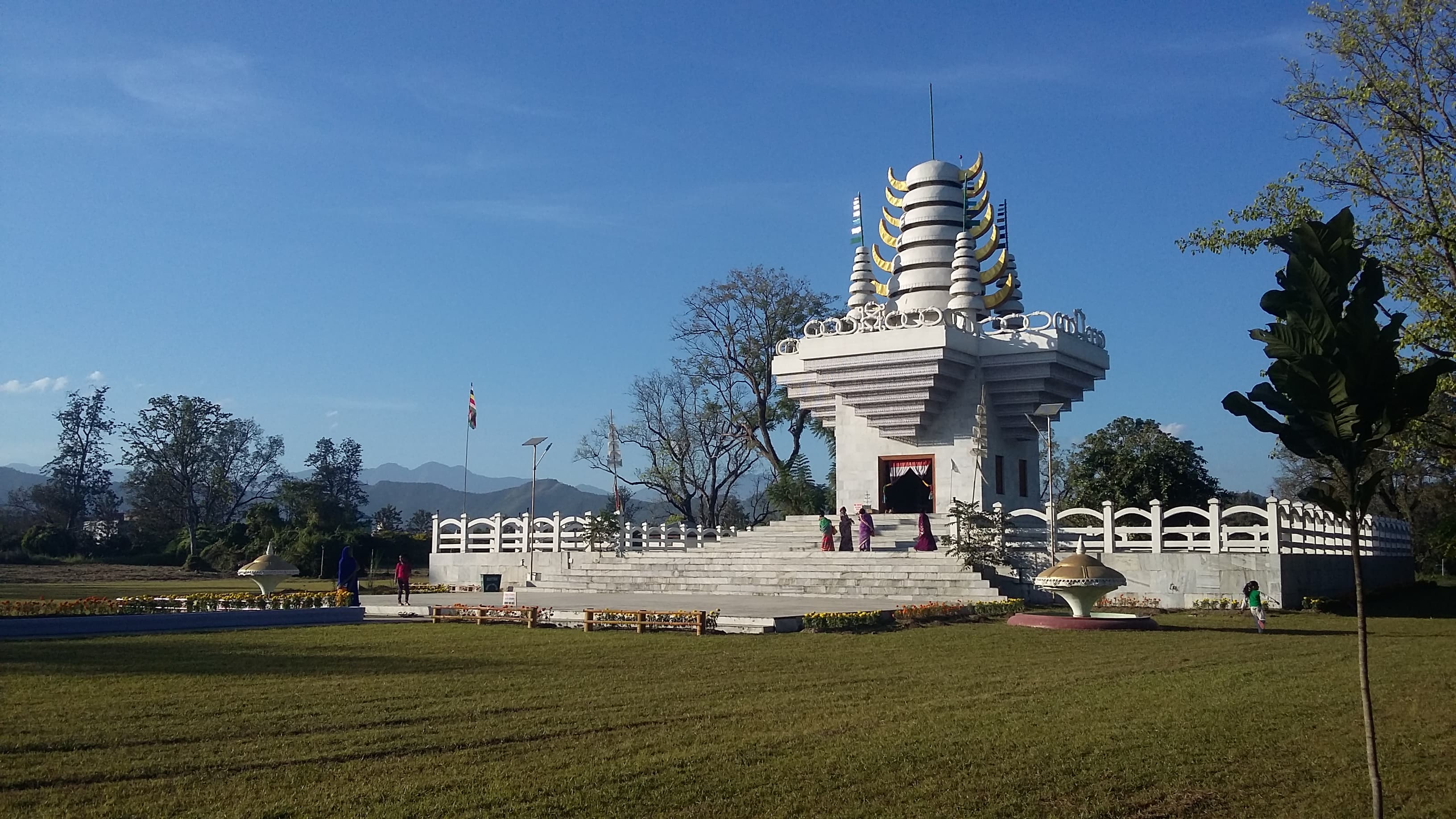
Nestled in Konung Mamang, Imphal, the Chingnungkok Temple represents the vernacular Manipuri religious architecture of the 18th century ([1][2]). Maharaja Garib Niwaz commissioned its construction around 1710 CE within the historic Kangla Fort complex ([3]). The temple is dedicated to Pakhangba, a principal Meitei deity, reflecting the region's spiritual landscape ([1]). Timber construction stands out as a defining feature of the temple, complemented by a distinctive thatched roof ([4]). Fired brick and mud brick construction are evident in the rectangular structure ([2]). Intricate carvings embellish the roof eaves and supporting pillars, depicting scenes from Meitei folklore ([1][3]). These carvings narrate stories passed down through generations, showcasing the artisans' skills and preserving cultural memory ([4]). The architectural style reflects the unique traditions of the Meitei people. Within the Garbhagriha (Sanctum), a palpable sense of reverence pervades the atmosphere ([2]). The temple harmonizes with its natural surroundings, with ancient trees providing a serene backdrop ([1]). Smaller shrines dedicated to various deities and a sacred pond further enrich the complex, echoing the main temple's architectural style ([3][4]). The sacred pond plays a vital role in temple rituals, solidifying the connection between the sacred and natural elements ([1][2]). During the Ahom period, temple architecture in the region saw a flourishing of unique styles ([3][4]). The temple reflects Manipur’s rich cultural heritage, embodying the spiritual and artistic sensibilities of the Meitei people ([1][2]). The Chingnungkok Temple stands as a testament to the enduring legacy of Manipuri craftsmanship and religious devotion ([3][4]). It exemplifies the integration of nature and spirituality in the region's architectural traditions ([1][2]).

The air hung heavy with the scent of incense and marigold as I approached the Hiyangthang Lairembi Temple. Situated on the banks of the Loktak Lake in Manipur, this sacred site dedicated to the goddess Lairembi, the protector of the Meitei community, immediately captivated me. Unlike the towering granite structures of my native Tamil Nadu, this temple presented a different architectural vocabulary, a testament to the unique traditions of the Meitei people. The temple complex, enclosed within a low brick wall, felt intimate and inviting. The main shrine, a rectangular structure raised on a platform, was constructed primarily of wood, a material rarely used for major temples in South India. The sloping roof, covered with thatch, extended outwards, creating deep eaves that provided shelter from the elements. This reminded me of the Kerala style of temple architecture, though the overall aesthetic was distinctly Manipuri. Intricate wood carvings adorned the eaves and the supporting pillars, depicting mythical creatures and floral motifs. The absence of the elaborate gopurams and vimanas so characteristic of Dravidian architecture allowed the intricate woodwork to take center stage. Ascending the steps to the main shrine, I noticed the absence of a traditional doorway. Instead, a richly embroidered cloth hung as a curtain, partially obscuring the inner sanctum. This created a sense of mystery and reverence, heightening the anticipation of encountering the deity within. The interior, dimly lit by oil lamps, housed the image of Lairembi. Unlike the stone or metal idols common in South Indian temples, the goddess here was represented by a symbolic form wrapped in cloth, a practice that resonated with certain tribal traditions. Surrounding the main shrine were smaller structures dedicated to other deities of the Meitei pantheon. These smaller shrines, also built of wood and thatch, echoed the architectural style of the main temple, creating a harmonious ensemble. The entire complex was arranged around a central courtyard, which served as a space for rituals and community gatherings. I observed several devotees performing traditional dances and offering prayers, their movements fluid and graceful, accompanied by the rhythmic beating of drums. The temple's location on the edge of Loktak Lake added another layer of significance. The lake, a vital part of the Meitei ecosystem and mythology, is considered sacred. This connection between the temple and the natural world was palpable. The gentle lapping of the waves against the shore created a soothing backdrop to the religious activities, reinforcing the sense of tranquility and spiritual connection. As I explored the temple complex, I noticed several elements that reflected the syncretic nature of Meitei culture. While the architecture and rituals were distinctly indigenous, there were subtle influences from Hinduism, particularly in the iconography and some of the religious practices. This blending of traditions spoke to the region's rich history and its position as a cultural crossroads. My visit to the Hiyangthang Lairembi Temple was a powerful reminder of the diversity of India's sacred architecture. It challenged my preconceived notions, shaped by my familiarity with South Indian temples, and broadened my understanding of the ways in which different communities express their faith and connect with the divine. The temple's unique blend of wood and thatch, its intimate scale, and its profound connection to the natural world created an atmosphere of reverence and tranquility that I will long remember. It was a privilege to witness this living testament to the rich cultural heritage of Manipur.

The air hung heavy with the scent of incense and hibiscus as I stepped into the courtyard of the Sanamahi Temple in Imphal. It wasn't the grand, imposing structure I'd encountered at other sites across Madhya Pradesh, but something far more intimate, a place whispered about rather than shouted from the rooftops. Located within the Kangla Fort complex, the temple felt ancient, a living testament to Manipur's Meitei heritage. Unlike the stone edifices I'm accustomed to photographing in my home state, this structure was primarily wood, imbued with a sense of fragility and resilience all at once. The main temple, dedicated to Sanamahi, the deity of the household, is a simple, rectangular building raised on a platform. Its unpainted wood, darkened by time and weather, exuded a quiet dignity. The roof, a layered structure of thatch, curved gently downwards, almost touching the walls, creating a sense of enclosure, a sacred space sheltered from the outside world. There were no elaborate carvings or ostentatious embellishments; the beauty lay in the simplicity, the honest expression of faith. Small brass bells hung from the eaves, their gentle chime adding another layer to the serene atmosphere. Surrounding the main temple were smaller shrines, each dedicated to different deities of the Meitei pantheon. These too were constructed of wood, some with thatched roofs, others with corrugated iron sheets added later, a visible marker of the passage of time and the adaptation of tradition. I was particularly drawn to the small, almost hidden shrine of Lainingthou Sanamahi, located slightly apart from the main structure. It felt older, more primal, its wooden pillars worn smooth by countless hands and the whispers of generations of devotees. As I moved around the complex, my camera became an extension of my curiosity, capturing the interplay of light and shadow on the weathered wood, the texture of the thatch, the vibrant colours of the offerings left by devotees. The temple wasn't just a static structure; it was alive with the rituals and beliefs of the Meitei people. I witnessed families offering prayers, their faces etched with devotion, the air thick with the fragrance of burning sandalwood. The rhythmic chanting of the priests, a melodic counterpoint to the rustling leaves of the sacred trees within the complex, created an atmosphere of profound spiritual significance. One element that struck me was the absence of towering gateways or gopurams, so common in South Indian temples. Here, the entrance was marked by a simple wooden archway, adorned with fresh flowers and leaves. It felt less like a barrier and more like an invitation, a welcoming gesture to enter a space of peace and contemplation. This understated approach to sacred architecture was a refreshing change from the grandeur I was used to, highlighting the essence of devotion over ostentation. The temple's location within the Kangla Fort added another layer of historical intrigue. The fort, once the seat of the Meitei kings, is a sprawling complex of ancient ruins, ceremonial halls, and sacred sites. The presence of the Sanamahi Temple within this historic precinct underscored its importance in the cultural and spiritual life of the Meitei people. It wasn't just a place of worship; it was a symbol of their identity, their connection to the land, and their ancestors. My time at the Sanamahi Temple was a humbling experience. It offered a glimpse into a faith and a culture vastly different from my own, yet resonating with the same universal human need for connection to something larger than oneself. It reminded me that heritage isn't just about grand monuments and elaborate carvings; it's about the living traditions, the whispered prayers, and the enduring spirit of a people, embodied in the simple, yet profound, architecture of a wooden temple.

The air, thick with the scent of incense and marigold, vibrated with a low hum of chanting as I stepped into the Lainingthou Sanamahi Kiyong Temple complex in Imphal. This wasn't the ornate, stone-carved architecture I was accustomed to in Gujarat. Here, in the heart of Manipur, a different kind of beauty unfolded, a testament to Meitei traditions and a reverence for nature. The temple, dedicated to Lainingthou Sanamahi, the supreme deity in Meitei Sanamahism, felt rooted in the earth, exuding an ancient energy. The first thing that struck me was the absence of a central deity idol within the main sanctum. Instead, a sacred fire, perpetually burning, held court. This fire, the symbolic representation of Sanamahi, flickered and danced, casting an ethereal glow on the surrounding space. The sanctum itself, a simple, square structure, was constructed from wood and bamboo, materials that spoke of harmony with the environment. Its thatched roof, layered thick and sloping steeply, was a marvel of traditional craftsmanship, a design I later learned was meant to withstand the heavy monsoon rains. Surrounding the main sanctum were smaller shrines dedicated to other deities of the Meitei pantheon. Each shrine, though distinct, shared a common architectural vocabulary: the same natural materials, the same reverence for simplicity. Unlike the elaborate carvings and sculptures adorning Gujarati temples, the beauty here lay in the clean lines, the unadorned surfaces, and the palpable sense of sacredness. I spent some time observing the rituals. Devotees, dressed in traditional attire, offered flowers, fruits, and incense to the sacred fire. The rhythmic chanting, accompanied by the beating of drums, created a mesmerizing soundscape, transporting me to another realm. It was a stark contrast to the temple rituals I was familiar with, yet equally captivating. The reverence and devotion were universal, transcending the differences in language and ritualistic practices. The temple complex wasn't confined to the structures alone. A large open courtyard, meticulously maintained, formed the heart of the space. This courtyard, I learned, was crucial for community gatherings and festivals. I could almost visualize the vibrant celebrations, the dances, the music, transforming this serene space into a hub of cultural expression. Tall, slender trees dotted the periphery, providing shade and a sense of tranquility. The integration of nature into the temple complex wasn't merely aesthetic; it was integral to the Meitei belief system, a reflection of their deep connection with the natural world. As I wandered through the complex, I noticed intricate wood carvings adorning the pillars and lintels. These weren't depictions of deities, as one might expect, but rather intricate geometric patterns and stylized floral motifs. The craftsmanship was exquisite, a testament to the skill and artistry of the local artisans. The absence of representational imagery further emphasized the focus on the intangible, the spiritual essence of the deity. My visit to the Lainingthou Sanamahi Kiyong Temple was a profound experience. It challenged my preconceived notions of what constituted sacred architecture. It wasn't the grandeur of scale or the opulence of materials that defined this space, but rather the simplicity, the connection to nature, and the palpable sense of spiritual energy. It was a reminder that architectural marvels can take many forms, each reflecting the unique cultural and spiritual landscape of its people. Leaving the temple, the scent of incense still clinging to my clothes, I carried with me a newfound appreciation for the diverse expressions of faith and the architectural wonders they inspire.
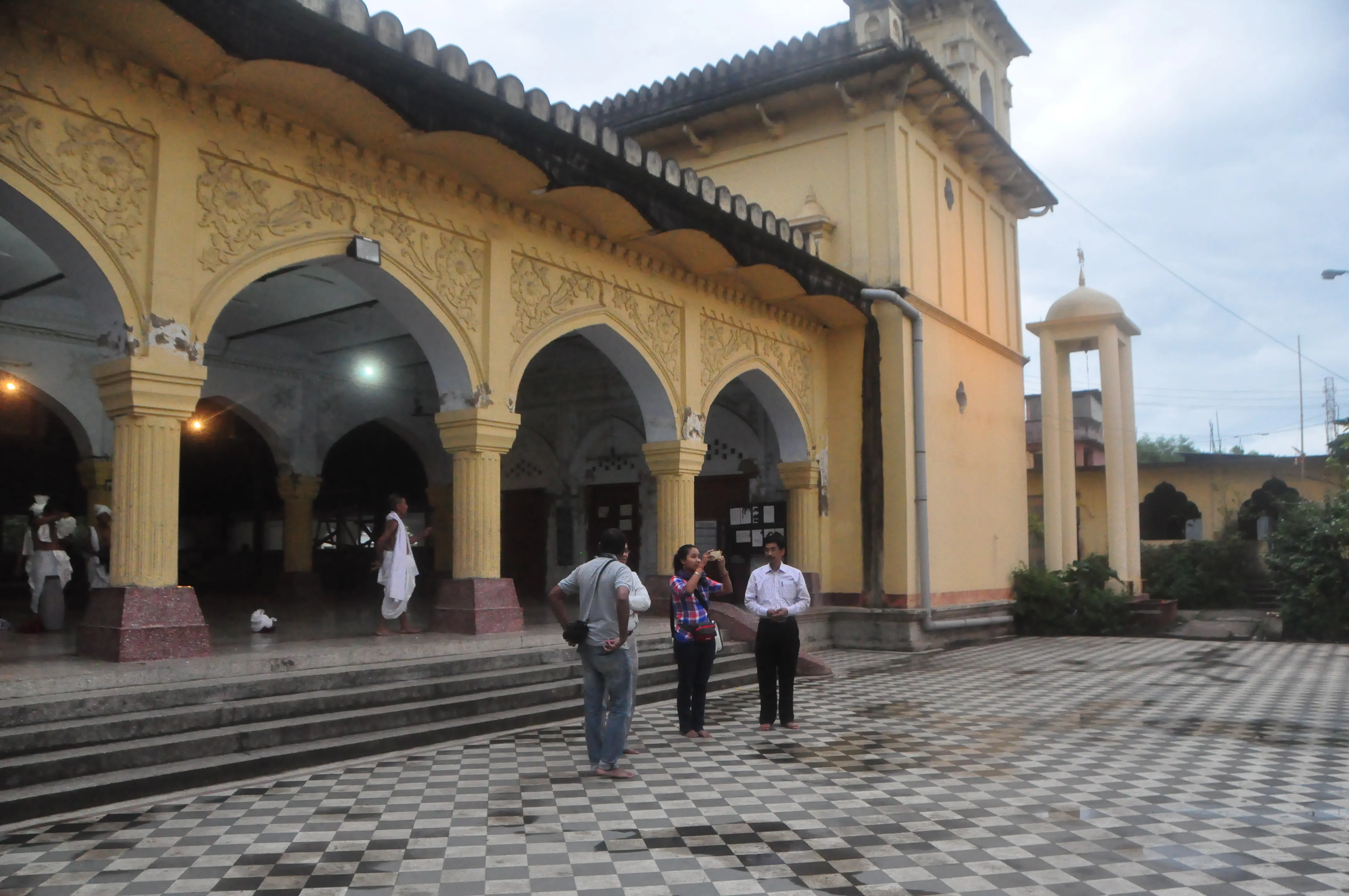
The shimmering gold roof of the Shree Govindajee Temple, rising above the sprawling complex within Imphal’s palace grounds, immediately captured my attention. Coming from Uttar Pradesh, a land steeped in its own vibrant temple architecture, I was eager to experience this Manipuri gem, a testament to the region’s unique cultural tapestry. The temple, dedicated to Lord Krishna in his Govindajee form, stands as a powerful symbol of Vaishnavism in this northeastern state. Entering the complex, I was struck by the spacious courtyard, a serene expanse that provided a buffer from the bustling city outside. The main temple structure, built in a traditional Manipuri architectural style, is flanked by two smaller shrines dedicated to Radha and Balarama. Unlike the towering stone edifices common in my home state, this temple showcased a different aesthetic. The structure is primarily built of brick, plastered and painted a pristine white, creating a stark contrast against the vibrant gold roof. The roof itself is a marvel, a multi-tiered, curved structure, reminiscent of the traditional Manipuri houses I’d seen dotted across the landscape. This architectural synchronicity, blending religious symbolism with local vernacular, resonated deeply. The temple’s interior, while relatively simple, exudes a palpable sense of devotion. Photography is strictly prohibited inside, a rule I respected, allowing myself to fully immerse in the atmosphere. The absence of visual documentation heightened my other senses. The scent of incense hung heavy in the air, mingling with the soft murmur of prayers. The rhythmic chanting of Sanskrit verses, though different in pronunciation from what I was accustomed to, carried the same spiritual weight, a testament to the universality of religious devotion. I spent some time observing the devotees. Their attire, a blend of traditional Manipuri phanek (sarong) and shawl for women, and dhoti-kurta for men, added another layer of cultural richness to the experience. The reverence in their eyes, the gentle clinking of bells, and the offering of flowers and fruits created a tapestry of faith that transcended geographical boundaries. It was fascinating to witness how Vaishnavism, a faith so deeply rooted in the Gangetic plains, had taken root and flourished in this distant land, adapting and integrating with local traditions. Beyond the main temple, the complex houses several smaller structures, including a dedicated kitchen where prasad is prepared. I was fortunate enough to partake in the noontime offering, a simple yet delicious meal of rice and lentils. Sharing this communal meal with the local devotees further solidified my sense of connection to this sacred space. The Shree Govindajee Temple is more than just a religious structure; it's a living testament to the cultural exchange and adaptation that has shaped Manipur’s identity. The temple’s architecture, rituals, and the very presence of Vaishnavism in this predominantly tribal region speak volumes about the historical and cultural influences that have converged here. As someone deeply interested in the interplay of culture and faith, my visit to the Shree Govindajee Temple was an enriching experience. It offered a glimpse into a unique expression of Hinduism, shaped by the geographical and cultural landscape of Manipur, a world away from the familiar temples of my homeland, yet connected by the same thread of devotion. The temple stands as a symbol of resilience, a beacon of faith that continues to illuminate the lives of the Manipuri people, and a testament to the enduring power of cultural exchange.
Related Collections
Discover more heritage sites with these related collections
Explore More Heritage
Explore our comprehensive documentation of these 5 heritage sites, featuring architectural analysis, historical context, visitor information, conservation status, and detailed site-specific resources supporting meaningful engagement with India's living heritage traditions.
Historical Context
Understanding the historical context of these 5 heritage sites illuminates centuries of Hindu architectural achievement and spiritual devotion. Across successive dynasties, royal patrons and spiritual communities collaborated to create these magnificent monuments as expressions of dharmic duty and devotional fervor. Multiple dynasties contributed distinctive architectural visions, engaging master architects (sthapatis), skilled sculptors (shilpis), and specialized craft guilds who transmitted knowledge through generations. These collaborations produced monuments reflecting both royal vision and artisan mastery, incorporating ancient Vedic principles with regional innovations. Archaeological and epigraphic research continues revealing fascinating details about construction processes, guild organization, material sourcing, and patronage networks. Foundation inscriptions, donor records, and architectural evidence illuminate the devotion, resources, and expertise invested in creating these sacred spaces that honor the divine while demonstrating human achievement at its finest.
Architectural Significance
The architectural elements visible across these 5 heritage sites demonstrate the sophisticated synthesis of aesthetic beauty, structural engineering, and spiritual symbolism characteristic of Hindu temple architecture. The Assamese Temple Architecture tradition expresses itself through distinctive features: distinctive regional architectural elements, spatial planning principles, and decorative vocabularies. Indigenous building materials—locally sourced stone, traditional lime mortars, timber where appropriate—shaped architectural possibilities and aesthetic expressions. Monumental scale creates appropriate awe, preparing visitors psychologically for divine encounter. Intricate sculptural programs covering every surface teach Puranic narratives and iconographic conventions, transforming architecture into pedagogical instruments. Structural innovations—corbelling achieving remarkable cantilevers, domed ceilings distributing forces through hidden interlocking systems—demonstrate engineering knowledge refined through centuries of practical experience. Lighting conditions dramatically affect sculptural perception; morning and evening illumination reveals details obscured during harsh midday sun. Advanced documentation through photogrammetry and laser scanning continues discovering previously unrecorded architectural elements, enriching scholarly understanding of these magnificent achievements.
Conservation & Preservation
The preservation status of these 5 heritage sites reflects ongoing commitment to safeguarding India's irreplaceable heritage. While protection mechanisms vary, ensuring legal safeguards and systematic conservation programs. Challenges include environmental factors, material degradation, and visitor management. Professional conservation employs traditional techniques alongside modern technology: structural monitoring, condition assessments, and preventive measures addressing deterioration before critical failures occur. Advanced documentation—aerial surveys, laser scanning, material analysis—creates comprehensive records supporting evidence-based interventions. Visitor participation in heritage preservation includes respectful site conduct, reporting observed damage, and supporting conservation initiatives financially. The investment in documentation and monitoring ensures that when intervention becomes necessary, restoration maintains historical authenticity and technical compatibility with original construction methods.
Visitor Information
Planning visits to these 5 heritage sites benefits from understanding access logistics and appropriate conduct. manipur offers well-developed infrastructure with accommodation options available near major heritage sites. The optimal visiting season extends October through March. Entry fees at protected sites typically range ₹25-₹40. Photography for personal use is generally permitted, though tripods and professional equipment may require advance authorization. Respectful conduct honors both the monuments and continuing worship traditions: modest attire with covered shoulders and legs, shoe removal in temple sanctums, quiet demeanor, and abstaining from touching sculptural surfaces. Knowledgeable local guides enhance understanding of architectural features, iconographic programs, and ritual contexts, transforming visits into meaningful cultural experiences.
Key Facts & Statistics
Total documented heritage sites: 5
Temple: 5 sites
Meitei architecture style, Tai Ahom-Meitei Fusion architecture style, Vernacular Indic architecture style, Nagara-Influenced architecture style architectural style: 1 sites
Manipuri Hindu Temple architecture style, Nagara architecture style, Assamese Temple architecture style, Indian Temple architecture style architectural style: 1 sites
Meitei architecture style, Indo-Burmese architecture style, Tai Ahom architecture style, Nagara architecture style architectural style: 1 sites
Manipuri Vernacular architecture style, Tai-Ahom architecture style, Nagara architecture style, Hindu Temple architecture style architectural style: 1 sites
Meitei architecture style, Indo-Nagara architecture style, Manipuri Hindu Temple architecture style, Indian Vernacular Religious architecture style architectural style: 1 sites
Ahom Period period construction: 5 sites
Average documentation completion score: 78%
Featured flagship heritage sites: 5
Comprehensive digital archiving preserves heritage for future generations
Comprehensive digital archiving preserves heritage for future generations
Comprehensive digital archiving preserves heritage for future generations
Comprehensive digital archiving preserves heritage for future generations
Comprehensive digital archiving preserves heritage for future generations
Comprehensive digital archiving preserves heritage for future generations
Comprehensive digital archiving preserves heritage for future generations
Comprehensive digital archiving preserves heritage for future generations
Comprehensive digital archiving preserves heritage for future generations
Comprehensive digital archiving preserves heritage for future generations
Frequently Asked Questions
How many heritage sites are documented in manipur?
This collection includes 5 documented heritage sites in manipur. Each site has comprehensive documentation including photos, floor plans, and historical research.
What is the best time to visit heritage sites in manipur?
October through March is ideal for visiting heritage sites in manipur. Major festivals also offer unique cultural experiences. Check individual site pages for specific visiting hours and seasonal closures.
What are the entry fees for heritage sites?
Protected monuments typically charge ₹25-₹40. State-protected sites often have lower or no entry fees. Many temples and religious sites are free. Children often enter free. Still photography is usually included; video may require additional permits.
Are photography and videography allowed at heritage sites?
Still photography for personal use is generally permitted at most heritage sites. Tripods, flash photography, and commercial filming usually require special permissions. Some sites restrict photography of murals, sculptures, or sanctums. Drones are prohibited without explicit authorization. Always respect signage and guidelines at individual monuments.
How do I reach heritage sites in manipur?
manipur is well-connected via auto-rickshaw, Indian Railways, state buses. Major cities have airports with domestic and international flights. Public transport connects smaller towns. Most heritage sites are accessible by local transport or rental vehicles. Plan 2-3 hours per major monument.
Are these heritage sites wheelchair accessible?
Accessibility varies significantly. Major UNESCO sites and recently renovated monuments often have ramps and accessible facilities. However, many historical structures have steps, uneven surfaces, and narrow passages. Contact site authorities in advance for specific accessibility information. Our site pages indicate known accessibility features where available.
Are guided tours available at heritage sites?
Licensed guides are available at most major heritage sites, typically charging ₹200-₹500 for 1-2 hour tours. ASI-approved guides provide historical and architectural insights. Audio guides are available at select UNESCO sites. Our platform offers virtual tours and detailed documentation for major monuments.
What is the conservation status of these heritage sites?
Many sites are protected under heritage conservation laws. Active conservation includes structural stabilization, surface cleaning, vegetation control, and drainage management. Digital documentation helps monitor deterioration. Ongoing surveys track condition changes for evidence-based interventions.
What are the key features of Assamese Temple Architecture?
Assamese Temple Architecture features distinctive regional architectural elements, spatial planning principles, and decorative vocabularies. These elements evolved over centuries, reflecting regional climate, available materials, construction techniques, and cultural preferences. Each monument demonstrates unique variations within the broader architectural tradition.
What documentation is available for these heritage sites?
Each site includes high-resolution photography, architectural measurements, historical research, and expert annotations. Documentation averages 78% completion.
How much time should I allocate for visiting?
Plan 2-3 hours for major monuments to appreciate architectural details and explore grounds. Smaller sites may require 30-60 minutes. Multi-site itineraries should allocate travel time. Early morning or late afternoon visits offer better lighting for photography and fewer crowds. Check individual site pages for recommended visiting durations.
What is the cultural significance of these heritage sites?
These monuments represent India's diverse cultural heritage, reflecting centuries of architectural innovation, religious traditions, and artistic excellence. They serve as living links to historical societies, preserving knowledge about construction techniques, social structures, and cultural values. Many sites remain active centers of worship and community gathering.
What other attractions are near these heritage sites?
manipur offers diverse tourism experiences beyond heritage monuments. Explore local museums, craft villages, nature reserves, and cultural festivals. Many heritage sites are clustered in historic towns with traditional markets and cuisine. Our site pages include nearby attraction recommendations and multi-day itinerary suggestions.
How can I practice responsible heritage tourism?
Respect site rules including photography restrictions and designated pathways. Don't touch sculptures, murals, or walls. Dispose waste properly. Hire local guides to support communities. Avoid visiting during restoration work. Learn about cultural contexts before visiting. Report damage to authorities. Your responsible behavior helps preserve heritage for future generations.
References & Sources
Manipur
Assamese Temple
Assamese Temple architecture is a distinctive style of Indian temple architecture characterized by its unique design elements and construction techniques. This architectural tradition flourished in manipur and represents a significant period in Indian cultural heritage. Features include intricate carvings, precise proportions, and integration with religious symbolism.
- 1Diverse architectural styles from various periods
- 2Intricate craftsmanship and artistic excellence
- 3Historical and cultural significance
- 4Well-documented heritage value
- 5Protected under heritage conservation acts
- 6Tourist and educational significance
| 📍Manipur | 5 sites |