Assamese Temple Architecture in India
This collection documents 26 heritage sites throughout India, representing profound expressions of Hindu civilization's architectural and spiritual heritage. These monuments exemplify the Assamese Temple Architecture architectural tradition, with some maintaining unbroken traditions spanning millennia. Our comprehensive documentation, developed in collaboration with Archaeological Survey of India archaeologists, conservation specialists, and scholarly institutions, preserves not merely physical structures but the sacred geometry, cosmological symbolism, and ritual spaces central to Dharmic worship. acknowledging their universal significance to human civilization. Through royal patronage and community devotion, these structures embody the timeless principles of Hindu cultural heritage, connecting contemporary devotees to ancient traditions through stone, sculpture, and sacred spaces that continue to inspire reverence and wonder.
26 Sites Found
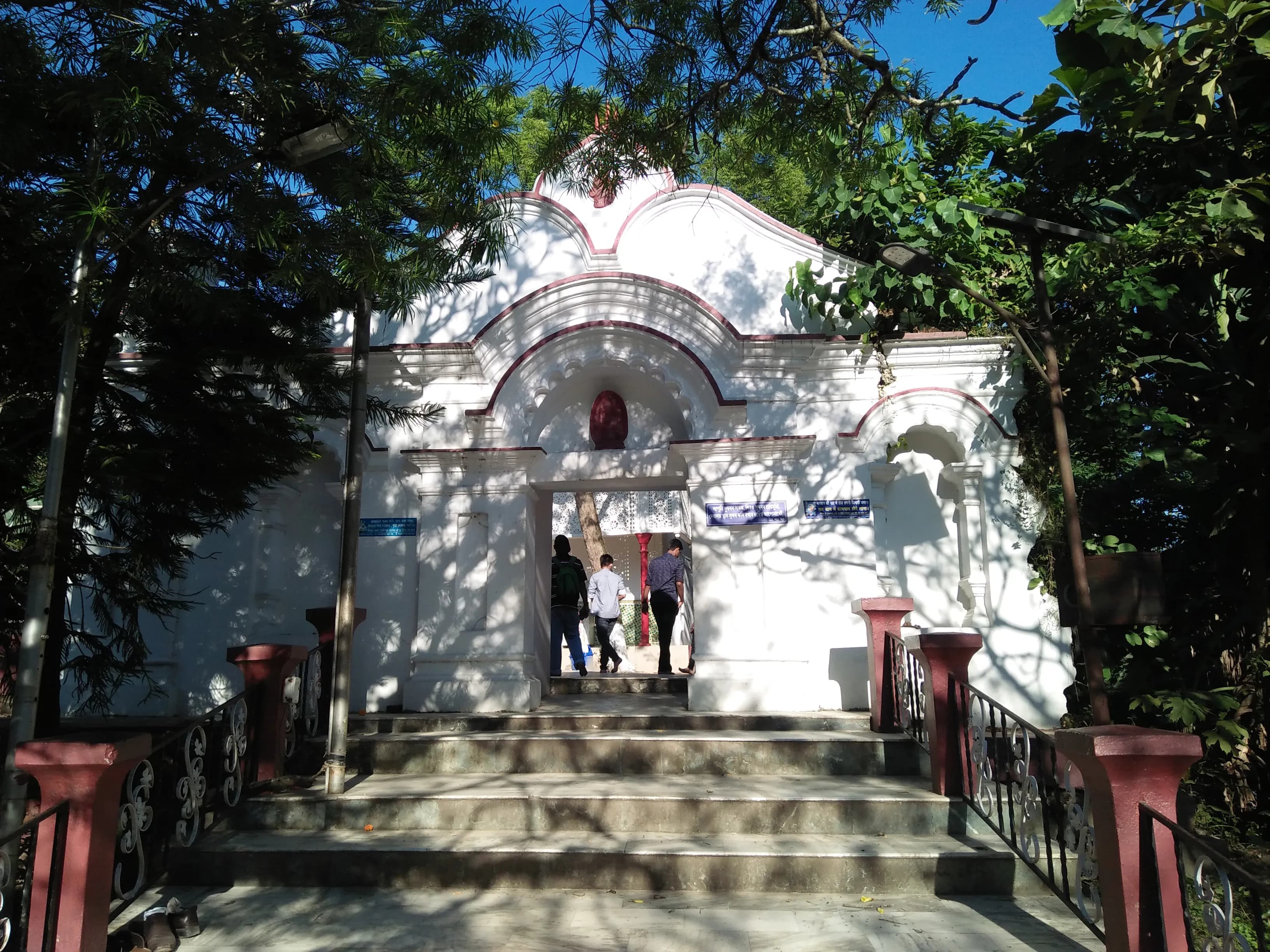
The Brahmaputra, a river of legend, cradles a small, emerald isle in its mighty flow – Peacock Island, home to the Umananda Temple. As I stepped off the ferry, the gentle rocking of the boat giving way to the solid ground of the island, I felt a palpable shift in atmosphere. The clamor of Guwahati faded, replaced by the chirping of birds and the hushed reverence of pilgrims. This wasn't just another stop on my journey through India's UNESCO sites; it was a step into a living myth. Umananda, meaning "the joy of Shiva," is dedicated to the Hindu god Shiva, and the island itself is believed to be a fragment of Mount Kailash, Shiva's Himalayan abode, hurled into the Brahmaputra by the deity. This legend permeates the very air of the island, lending a mystical quality to the experience. The temple, built during the reign of the Ahom king Gadadhar Singha in the late 17th century, is a relatively small structure compared to some of the sprawling temple complexes I've encountered. Its modest size, however, doesn't diminish its impact. Constructed from locally quarried Assam-type stone, the temple showcases a distinctive architectural style. The octagonal shikhara, crowned with a golden kalasha, rises above the surrounding trees, a beacon of faith amidst the river's expanse. Intricate carvings adorn the exterior walls, depicting scenes from Hindu mythology, particularly those related to Shiva and Parvati. Weathering and the passage of time have softened the sharp edges of the carvings, lending them a sense of ancient wisdom. Inside the sanctum, the atmosphere is thick with the scent of incense and the murmur of prayers. Photography is restricted within the inner chamber, a rule I respected, allowing myself to be fully present in the moment. The lingam, the symbolic representation of Shiva, is the focal point, drawing the devotees' gaze and reverence. The low light, filtering through the doorway, created an almost ethereal ambiance, amplifying the sense of sacredness. Beyond the main temple, the island itself is a sanctuary. Wandering along the narrow pathways, shaded by ancient trees, I encountered families picnicking, pilgrims performing rituals, and monkeys playfully scampering through the branches. The contrast between the serene island and the bustling city just across the river was striking. It felt as if I had stepped back in time, into a world where the rhythms of nature still dictated the pace of life. One of the most captivating aspects of Umananda Temple is its unique setting. Surrounded by the ever-flowing Brahmaputra, the island seems to float, an isolated haven of peace. The river itself is a constant presence, its gentle lapping against the shore a soothing soundtrack to the temple's serenity. I spent a considerable amount of time simply sitting by the riverbank, watching the boats ply the waterway, the city skyline forming a dramatic backdrop. My visit to Umananda Temple wasn't just about ticking off another UNESCO site on my list. It was an immersive experience, a journey into the heart of Assamese culture and spirituality. The temple's architecture, the island's natural beauty, and the palpable sense of devotion all combined to create a truly unforgettable experience. As I boarded the ferry back to Guwahati, the golden kalasha of the temple receding into the distance, I carried with me not just photographs and memories, but a deeper understanding of the enduring power of faith and the profound connection between humanity and nature. Umananda is more than just a temple; it's a testament to the human desire to find solace and meaning in the midst of life's currents.
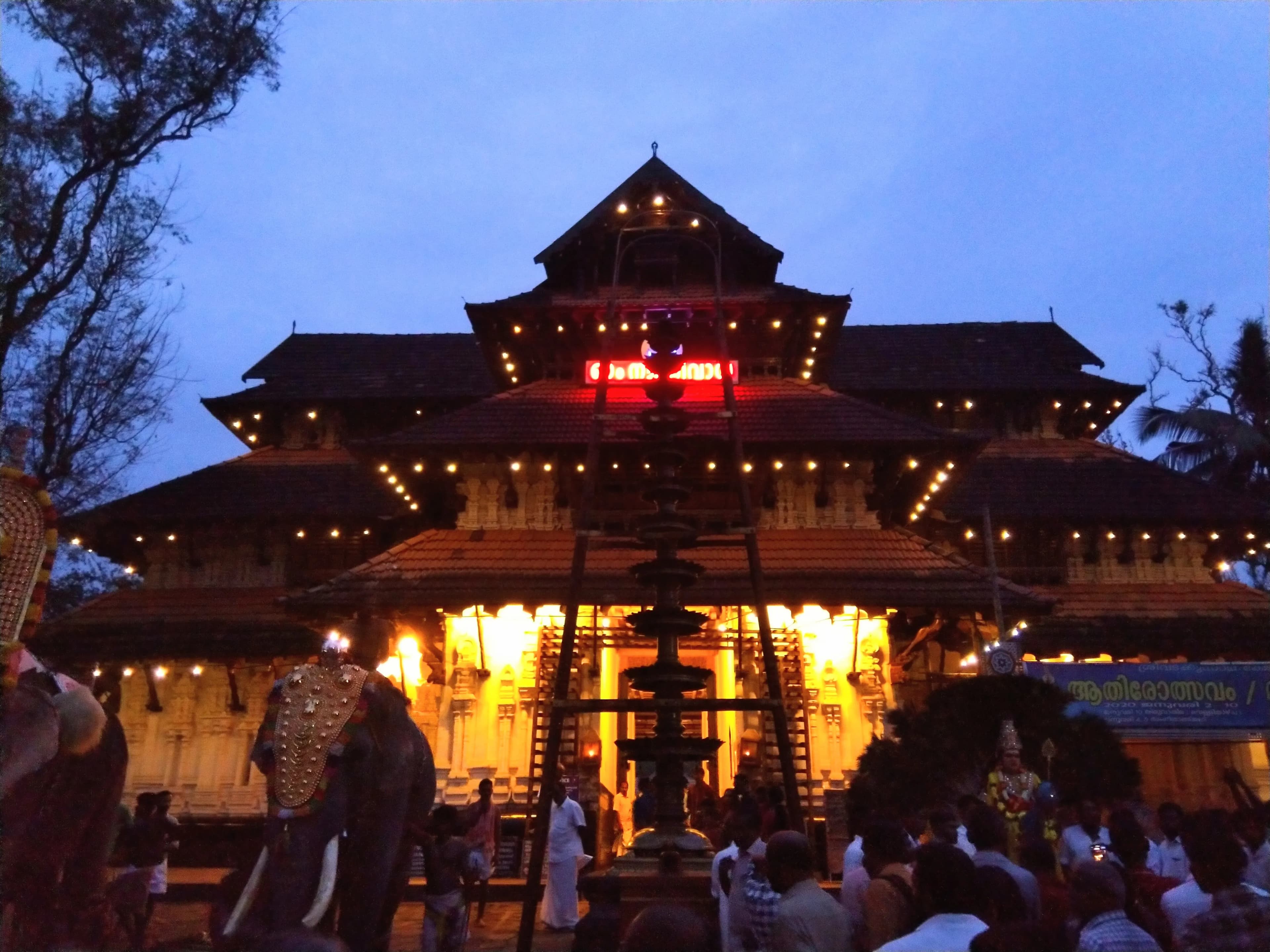
The colossal teakwood structure of the Vadakkunnathan Temple rose before me, an imposing presence against the vibrant Kerala sky. As a Chennai native steeped in the granite grandeur of Dravidian architecture, I felt a distinct shift in aesthetic as I entered the temple complex in Thrissur. This wasn't the soaring gopurams and mandapas I was accustomed to. This was Kerala architecture at its finest, a unique blend of Dravidian influences and regional sensibilities. The temple, dedicated to Lord Shiva, is a complex of three shrines – dedicated to Shiva (Vadakkunnathan), Parvati (Koothambalam), and Rama (Sree Rama). What immediately struck me was the circular sanctum sanctorum of the main shrine, a departure from the square garbhagrihas typical of Tamil Nadu temples. This circularity, I learned, is a hallmark of Kerala temple architecture, and the Vadakkunnathan Temple exemplifies it beautifully. The sloping, tiled roofs of the shrine, layered in concentric circles, created a visually captivating rhythm, culminating in a golden pinnacle. The walls of the sanctum were adorned with intricate wood carvings, depicting scenes from the epics, a testament to the skill of Kerala's artisans. Unlike the open prakarams of Tamil temples, the Vadakkunnathan Temple is enclosed within a high laterite wall, punctuated by four gopurams, though these are significantly smaller and less ornate than their Tamil counterparts. This enclosed layout created a sense of intimacy, almost as if the temple was holding its secrets close. Within the walls, the koothambalam, the traditional theatre for Koothu and Koodiyattam performances, stood out. Its massive, sloping roof, supported by thick wooden pillars, spoke of a rich tradition of performing arts intertwined with temple rituals. The polished wooden floor of the koothambalam seemed to hum with the echoes of countless performances, a palpable connection to the past. The temple's use of wood as the primary building material was another striking feature. While stone is the dominant material in Tamil Nadu temples, here, the warm, rich tones of wood created a different atmosphere, more organic and earthy. The intricate carvings on the wooden pillars and beams, depicting deities, mythical creatures, and floral motifs, were breathtaking in their detail. The natural weathering of the wood over centuries had lent it a patina that added to the temple's aura of antiquity. As I circumambulated the main shrine, I noticed the absence of elaborate sculptures on the outer walls, a stark contrast to the densely sculpted surfaces of Tamil temples. The emphasis here seemed to be on the overall form and the intricate woodwork, rather than on external ornamentation. This minimalist approach, I realized, contributed to the temple's serene and contemplative atmosphere. The murals within the temple, however, were a revelation. Though some were faded with age, the vibrant colours and dynamic compositions of the surviving murals, depicting scenes from the Mahabharata and Ramayana, were captivating. The Kerala style of mural painting, with its emphasis on bold lines and vibrant colours, was distinct from the Tanjore style I was familiar with. These murals offered a glimpse into the rich artistic traditions that flourished under the patronage of the temple. My visit to the Vadakkunnathan Temple was a journey of discovery, a chance to appreciate the nuances of South Indian temple architecture beyond the familiar Dravidian idiom. The temple's unique architectural features, its emphasis on wood, its enclosed layout, and its rich artistic traditions offered a fascinating counterpoint to the temple architecture of my homeland. It reinforced the idea that while the underlying principles of temple architecture may be shared across South India, regional variations and local sensibilities create unique expressions of devotion and artistry.
Related Collections
Discover more heritage sites with these related collections
Explore More Heritage
Explore our comprehensive archive of 26 heritage sites with detailed documentation, 3D models, floor plans, and historical research. Each site page includes visitor information, conservation status, architectural analysis, and downloadable resources for students, researchers, and heritage enthusiasts.
Historical Context
The historical significance of these 26 heritage sites reflects the profound integration of dharma, artha, and kama in Hindu civilization. Across successive eras, royal patrons and spiritual leaders commissioned these sacred edifices as acts of devotion, fulfilling dharmic obligations while creating eternal spaces for worship and community gathering. Various dynasties contributed unique architectural visions, establishing traditions that honored Vedic principles while incorporating regional characteristics. Master builders (sthapatis) applied knowledge from ancient shilpa shastras (architectural treatises) and vastu shastra (spatial science), creating structures embodying cosmic principles and sacred geometry. Epigraphic inscriptions and archaeological evidence reveal sophisticated networks of guilds, royal support, and community participation sustaining these massive undertakings across decades or centuries. These monuments served as centers of Vedic learning, Sanskrit scholarship, classical arts, and spiritual practice—roles many continue fulfilling today, maintaining unbroken traditions that connect contemporary Bharat to its glorious civilizational heritage.
Architectural Significance
The architectural magnificence of these 26 heritage sites demonstrates the sophisticated application of shilpa shastra principles to create spaces embodying cosmic order and divine presence. The Assamese Temple Architecture tradition manifests through characteristic elements: distinctive regional architectural elements, spatial planning principles, and decorative vocabularies. Employing indigenous materials—locally sourced stone, traditional lime mortars, and time-honored construction techniques—sthapatis created structures demonstrating advanced engineering knowledge. The corbelling techniques display extraordinary precision, achieving structural stability through geometric principles. Dome construction methodologies demonstrate sophisticated understanding of load distribution and compression forces, centuries before modern engineering formalized such knowledge. Beyond structural excellence, these monuments serve as three-dimensional textbooks of Puranic narratives, Vedic cosmology, and iconographic traditions. Sculptural programs transform stone into divine forms, teaching dharma through narrative reliefs and creating sacred atmospheres conducive to devotion and contemplation. Recent photogrammetric documentation and 3D laser scanning reveal original polychromy, construction sequences, and historical conservation interventions, enriching our understanding of traditional building practices and material technologies that sustained these magnificent creations.
Conservation & Preservation
Preserving these 26 sacred heritage sites represents our collective responsibility to safeguard India's architectural and spiritual heritage for future generations. 1 benefits from Archaeological Survey of India protection, ensuring systematic conservation approaches. Conservation challenges include environmental degradation, biological colonization, structural deterioration, and pressures from increased visitation. Professional conservators address these through scientifically-grounded interventions: structural stabilization using compatible traditional materials, surface cleaning employing non-invasive techniques, vegetation management, and drainage improvements. Advanced documentation technologies—laser scanning, photogrammetry, ground-penetrating radar—create detailed baseline records enabling precise condition monitoring and informed conservation planning. When restoration becomes necessary, traditional building techniques and materials sourced from historical quarries ensure authenticity and compatibility. This comprehensive approach honors the devotion and craftsmanship of original builders while applying contemporary conservation science to ensure these monuments endure, continuing their roles as centers of worship, cultural identity, and civilizational pride.
Visitor Information
Experiencing these 26 sacred heritage sites offers profound connection to India's spiritual and architectural heritage. India offers well-developed infrastructure including auto-rickshaw, Indian Railways, state buses, facilitating travel between heritage sites. The optimal visiting period extends October through March when comfortable conditions facilitate exploration. Entry fees typically range from ₹25-₹40 at protected monuments. Photography for personal use is generally permitted, though professional equipment may require advance permissions. Visiting these sacred spaces requires cultural sensitivity: modest attire covering shoulders and knees, shoe removal in temple sanctums, quiet respectful demeanor, and recognition that these remain active worship centers where devotees practice centuries-old traditions. Meaningful engagement comes through understanding basic Hindu iconography, mythological narratives, and ritual contexts that bring these monuments to life.
Key Facts & Statistics
Total documented heritage sites: 26
Archaeological Survey of India protected monuments: 1
Source: Archaeological Survey of India
Temple: 21 sites
Fort: 2 sites
Palace: 1 sites
Museum: 1 sites
Monument: 1 sites
Ahom architecture style, Nagara architecture style, Orissan architecture style, Pavilion architecture style architectural style: 1 sites
Nagara-Bengali-Assamese-Orissan Hybrid architecture style, Nagara architecture style, Bengali Temple architecture style, Neoclassical architecture style architectural style: 1 sites
Kakatiya architecture style, Dravidian architecture style, Deccan architecture style, Temple architecture style architectural style: 1 sites
Kalinga architecture style, Nagara architecture style, Rekha Deula architecture style, Temple architecture style architectural style: 1 sites
Nagara architecture style, Orissan Nagara architecture style, Ahom architecture style, Vernacular Naga architecture style architectural style: 1 sites
Ahom Period period construction: 15 sites
Vijayanagara Period period construction: 3 sites
Eastern Ganga Period period construction: 3 sites
Bengal Renaissance Period period construction: 2 sites
Kachari Period period construction: 1 sites
Average documentation completion score: 78%
Featured flagship heritage sites: 26
Comprehensive digital archiving preserves heritage for future generations
Frequently Asked Questions
How many heritage sites are documented in India?
This collection includes 26 documented heritage sites across India. 1 sites are centrally protected by Archaeological Survey of India. Each site has comprehensive documentation including photos, floor plans, and historical research.
What is the best time to visit heritage sites in India?
October through March is ideal for visiting heritage sites in India. Major festivals also offer unique cultural experiences. Check individual site pages for specific visiting hours and seasonal closures.
What are the entry fees for heritage sites?
Protected monuments typically charge ₹25-₹40. State-protected sites often have lower or no entry fees. Many temples and religious sites are free. Children often enter free. Still photography is usually included; video may require additional permits.
Are photography and videography allowed at heritage sites?
Still photography for personal use is generally permitted at most heritage sites. Tripods, flash photography, and commercial filming usually require special permissions. Some sites restrict photography of murals, sculptures, or sanctums. Drones are prohibited without explicit authorization. Always respect signage and guidelines at individual monuments.
Are these heritage sites wheelchair accessible?
Accessibility varies significantly. Major UNESCO sites and recently renovated monuments often have ramps and accessible facilities. However, many historical structures have steps, uneven surfaces, and narrow passages. Contact site authorities in advance for specific accessibility information. Our site pages indicate known accessibility features where available.
Are guided tours available at heritage sites?
Licensed guides are available at most major heritage sites, typically charging ₹200-₹500 for 1-2 hour tours. ASI-approved guides provide historical and architectural insights. Audio guides are available at select UNESCO sites. Our platform offers virtual tours and detailed documentation for major monuments.
What is the conservation status of these heritage sites?
1 sites are legally protected by ASI. Active conservation includes structural stabilization, surface cleaning, vegetation control, and drainage management. Digital documentation helps monitor deterioration. Ongoing surveys track condition changes for evidence-based interventions.
What are the key features of Assamese Temple Architecture?
Assamese Temple Architecture features distinctive regional architectural elements, spatial planning principles, and decorative vocabularies. These elements evolved over centuries, reflecting regional climate, available materials, construction techniques, and cultural preferences. Each monument demonstrates unique variations within the broader architectural tradition.
What documentation is available for these heritage sites?
Each site includes high-resolution photography, architectural measurements, historical research, and expert annotations. Documentation averages 78% completion.
How much time should I allocate for visiting?
Plan 2-3 hours for major monuments to appreciate architectural details and explore grounds. Smaller sites may require 30-60 minutes. Multi-site itineraries should allocate travel time. Early morning or late afternoon visits offer better lighting for photography and fewer crowds. Check individual site pages for recommended visiting durations.
What is the cultural significance of these heritage sites?
These monuments represent India's diverse cultural heritage, reflecting centuries of architectural innovation, religious traditions, and artistic excellence. They serve as living links to historical societies, preserving knowledge about construction techniques, social structures, and cultural values. Many sites remain active centers of worship and community gathering.
How can I practice responsible heritage tourism?
Respect site rules including photography restrictions and designated pathways. Don't touch sculptures, murals, or walls. Dispose waste properly. Hire local guides to support communities. Avoid visiting during restoration work. Learn about cultural contexts before visiting. Report damage to authorities. Your responsible behavior helps preserve heritage for future generations.
References & Sources
Assamese Temple
Assamese Temple architecture is a distinctive style of Indian temple architecture characterized by its unique design elements and construction techniques. This architectural tradition flourished in India and represents a significant period in Indian cultural heritage. Features include intricate carvings, precise proportions, and integration with religious symbolism.
- 1Diverse architectural styles from various periods
- 2Intricate craftsmanship and artistic excellence
- 3Historical and cultural significance
- 4Well-documented heritage value
- 5Protected under heritage conservation acts
- 6Tourist and educational significance
| 📍Assam | 8 sites |
| 📍Nagaland | 5 sites |
| 📍Manipur | 5 sites |
| 📍Odisha | 3 sites |
| 📍Telangana | 1 sites |
| 📍Kerala | 1 sites |
| 📍Andhra Pradesh | 1 sites |
| 📍Arunachal Pradesh | 1 sites |
| 📍Karnataka | 1 sites |