Temple Near Shimla
Shimla provides strategic access to 2+ significant temple representing Himachal Pradesh's rich heritage of sacred architecture and devotional spaces. This collection spans multiple historical periods and architectural traditions—ancient monuments preserving classical forms, medieval constructions demonstrating dynastic patronage, and regional variants reflecting local artistic traditions. Geographic distribution includes sites within Shimla proper and monuments throughout the surrounding region, enabling both convenient local visits and rewarding day trips. Comprehensive documentation addresses architectural features, historical contexts, visitor protocols, and transportation logistics. These temple serve contemporary devotees while offering scholars, students, and heritage enthusiasts opportunities to engage with living traditions connecting modern Himachal Pradesh to its spiritual and cultural roots. Respectful visiting practices honor both architectural heritage and ongoing worship functions these sacred spaces continue fulfilling.
Temple in Shimla
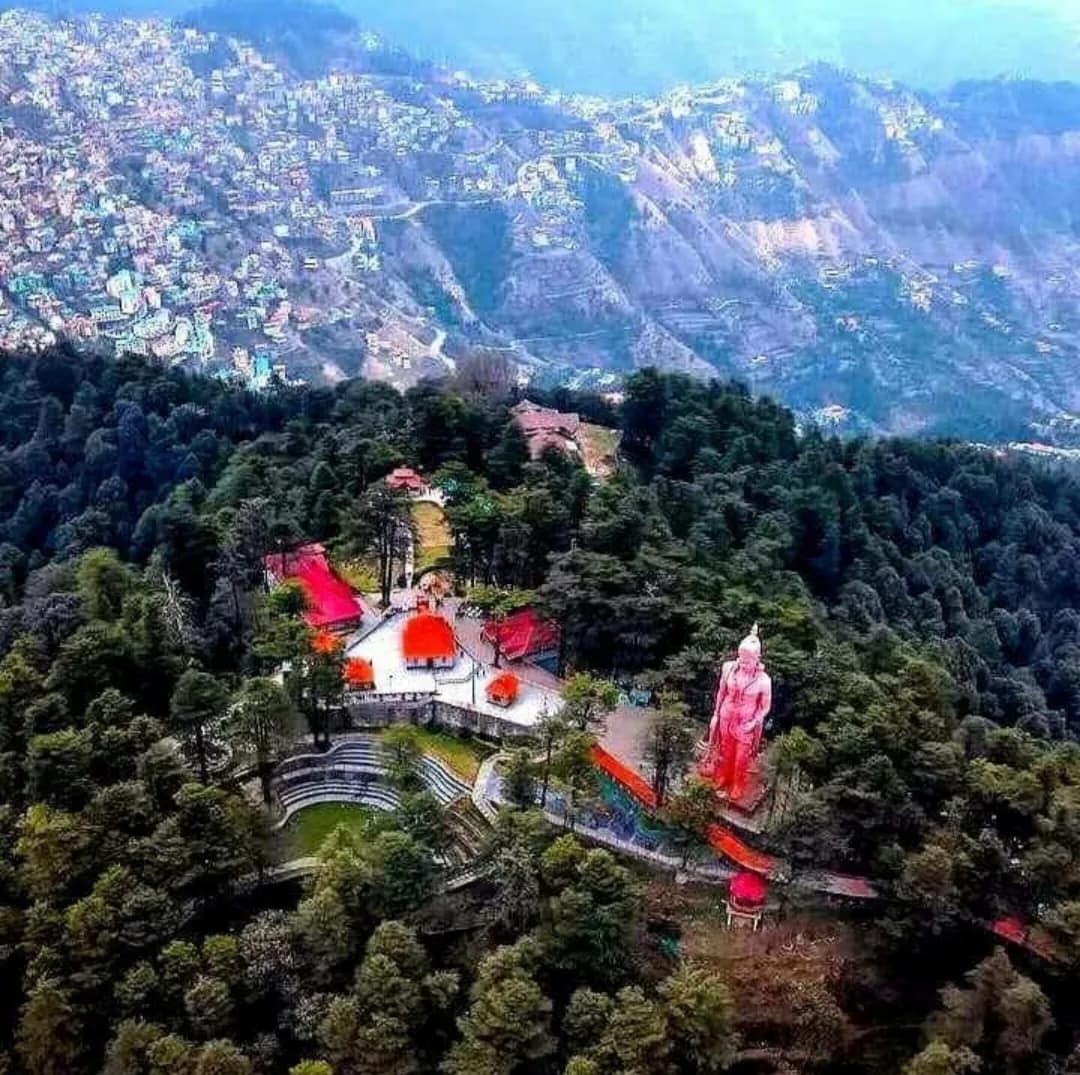
Jakhoo Temple Shimla
The crisp mountain air, scented with pine and a hint of incense, whipped around me as I ascended to the Jakhoo Temple, perched atop Shimla's highest peak. The climb itself was a pilgrimage of sorts, winding through a dense deodar forest, the path punctuated by the chattering of monkeys and the distant chime of temple bells. Having documented over 500 monuments across India, I've learned to appreciate the journey as much as the destination, and Jakhoo’s approach was particularly evocative. Emerging from the tree line, the colossal statue of Hanuman, a vibrant saffron against the cerulean sky, dominated the landscape. Its sheer scale – 108 feet tall – is breathtaking, a modern marvel seamlessly integrated into the ancient narrative of the temple. This wasn't the weathered stone and intricate carvings I’d encountered in countless other temples; this was a statement of devotion on a grand scale, a testament to faith in the digital age. The temple itself, dedicated to Lord Hanuman, is comparatively smaller, a modest structure nestled in the shadow of the giant statue. Its architecture, typical of Himalayan temples, features sloping roofs covered in slate tiles, designed to withstand the heavy snowfall. The wood carvings adorning the entrance, though worn by time and weather, depicted scenes from the Ramayana, adding a layer of narrative richness to the site. Unlike the meticulously preserved monuments I’d seen in Rajasthan or the grand temple complexes of South India, Jakhoo felt intimate, a place of active worship woven into the fabric of the local community. Inside, the air was thick with the scent of burning incense and the murmur of prayers. Devotees, a mix of locals and tourists, offered their respects to the deity, their faces illuminated by the flickering oil lamps. The walls were covered in vibrant murals depicting various incarnations of Lord Hanuman, a kaleidoscope of colours that contrasted sharply with the muted tones of the exterior. It was here, amidst the chanting and the clanging of bells, that I truly felt the pulse of the temple, a living testament to centuries of faith. What struck me most about Jakhoo, however, wasn't just its religious significance, but its unique blend of the ancient and the modern. The juxtaposition of the traditional temple architecture with the towering Hanuman statue created a fascinating dialogue between past and present. The statue, while a recent addition, didn't feel out of place; rather, it seemed to amplify the existing energy of the site, drawing the eye upwards, towards the heavens. As I photographed the temple, capturing the interplay of light and shadow on the weathered stone, I noticed the monkeys, ever-present companions on this mountaintop pilgrimage. They scampered across the rooftops, swung from the trees, and interacted with the devotees, adding a touch of playful chaos to the serene atmosphere. Their presence, while sometimes disruptive, felt integral to the Jakhoo experience, a reminder of the wildness that still clung to this sacred space. Descending the mountain, the city of Shimla spread out below me, a tapestry of buildings clinging to the hillside. The Jakhoo Temple, perched high above, felt like a silent guardian, watching over the bustling life below. It was a place where faith and nature intertwined, where ancient stories met modern expressions, and where the journey to the summit was as rewarding as the destination itself. It’s a site that will undoubtedly stay etched in my memory, another vibrant thread in the rich tapestry of India's heritage.
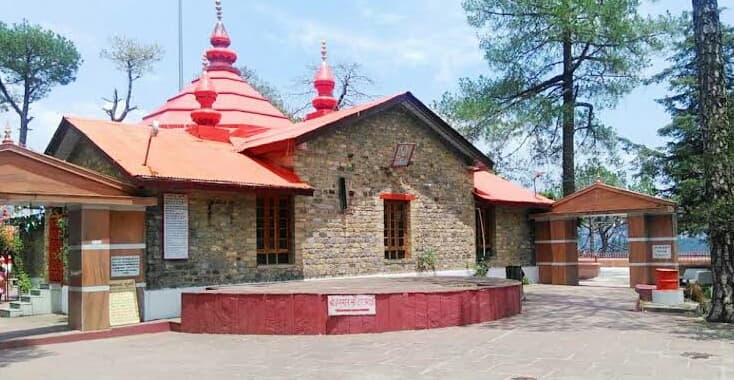
Sankat Mochan Temple Shimla
The crisp Shimla air, scented with pine and a hint of something sweeter, perhaps incense, drew me deeper into the vibrant embrace of the Sankat Mochan Temple. Nestled amidst the deodar-clad hills, overlooking the sprawling town below, the temple stands as a testament to faith and architectural ingenuity. Coming from Uttar Pradesh, a land steeped in its own rich tapestry of temples, I was curious to see how this Himalayan shrine would compare. The first thing that struck me was the temple's relative modernity. Built in the 1950s, it lacks the ancient patina of the temples I'm accustomed to back home. Yet, it possesses a distinct charm, a vibrancy that comes from being a living, breathing space of worship. The bright orange and yellow hues of the temple, set against the deep green of the surrounding forest, create a striking visual contrast. The architecture is a fascinating blend of North Indian and Himachali styles. The multi-tiered sloping roofs, reminiscent of traditional Himachali houses, are adorned with intricate carvings and colourful embellishments. The main entrance, however, features a distinctly North Indian archway, perhaps a nod to the deity enshrined within. The temple is dedicated to Lord Hanuman, the revered monkey god, a figure deeply embedded in the cultural consciousness of both Uttar Pradesh and Himachal Pradesh. Inside the main sanctum, a large, imposing statue of Hanuman dominates the space. The deity is depicted in his characteristic pose, hands folded in reverence, his orange fur gleaming under the soft glow of the lamps. The air inside is thick with the scent of incense and the murmur of prayers. Devotees from all walks of life, locals and tourists alike, thronged the temple, their faces etched with devotion. I observed a quiet reverence in their actions, a palpable sense of connection with the divine. Unlike the often elaborate rituals and ceremonies I've witnessed in Uttar Pradesh temples, the worship here seemed simpler, more direct. There was a quiet intimacy to the devotees' interactions with the deity, a sense of personal connection that transcended elaborate rituals. This, I felt, was the true essence of the temple – a space where individuals could connect with their faith in their own way, without the pressure of prescribed practices. Stepping out of the main sanctum, I explored the temple complex further. A large courtyard, paved with stone, offered stunning panoramic views of the valley below. The snow-capped peaks of the Himalayas loomed in the distance, adding a majestic backdrop to the vibrant scene. Smaller shrines dedicated to other deities dotted the courtyard, each with its own unique character and following. I noticed a small shrine dedicated to Lord Rama, Hanuman's beloved master, a testament to the enduring bond between the two figures. The presence of langurs, the grey-faced monkeys considered sacred in Hinduism, added another layer to the temple's unique atmosphere. They roamed freely within the complex, seemingly unfazed by the human activity around them. Their presence, I realized, was more than just a charming quirk; it was a tangible link to the deity enshrined within, a reminder of Hanuman's own simian form. As I descended the steps of the Sankat Mochan Temple, I carried with me more than just memories of a beautiful shrine. I carried a deeper understanding of the universality of faith, the ability of a sacred space to transcend geographical and cultural boundaries. While the architecture and rituals may differ, the underlying sentiment, the yearning for connection with the divine, remains the same, whether in the ancient temples of Uttar Pradesh or the vibrant, modern shrine nestled in the Himalayan foothills. The Sankat Mochan Temple, in its own unique way, echoed the spiritual heart of India, a heart that beats strong and true, across diverse landscapes and traditions.
Shimla
Himachal Pradesh
India
2
Temple
Discover 2 documented heritage sites within Shimla, Himachal Pradesh. From ancient temples to historic forts, explore cultural treasures near you with complete visitor information, GPS coordinates, timings, and directions.
- 1
Browse Sites on Map
View all 2 heritage sites with up-to-date GPS coordinates and filters for style, era, and accessibility.
- 2
Check Visitor Essentials
Confirm entry requirements, timings, photography rules, and accessibility notes before you travel.
- 3
Plan Efficient Routes
Group nearby monuments into half-day or full-day trails using local transport or hired vehicles.
- 4
Document & Share
Capture respectful visuals, collect local stories, and contribute updates to strengthen the archive.
| Location | Shimla, Himachal Pradesh |
| Sites Available | 2 documented |
| Transport | Metro · Bus · Auto · Taxi · Private |
| Best Season | October – March |
| Visit Duration | 2–3 hrs per site |
| Navigation Tips | Download offline maps, respect local signage |
Quick Facts
Common Questions
About Shimla Heritage Region
Shimla occupies a heritage-rich region of Himachal Pradesh, reflecting historical importance rooted in geographical advantages, pilgrimage networks, and royal patronage traditions. The concentration of temple throughout this region developed through centuries of religious devotion, political power, and cultural achievement. Sites range from locations within Shimla proper to monuments situated 30-90 minutes distant, enabling both brief visits and comprehensive day-long explorations. Accessible sites facilitate morning visits returning by afternoon, while more distant monuments reward full-day excursions potentially combining multiple sites along geographical routes. Transportation infrastructure throughout Shimla includes app-based ride services, traditional auto-rickshaws, and taxi services. Multiple-site visits often benefit from private vehicle hire enabling flexible scheduling and optimal route planning. Visiting patterns vary seasonally and weekly; weekday mornings typically offer peaceful experiences, while festival periods provide opportunities to witness continuing traditions, though with increased visitor density. This collection documents prominent sites alongside lesser-known monuments, enabling balanced itineraries combining well-documented heritage with discoveries off typical tourist circuits.
Getting Around from Shimla
Transportation from Shimla to regional heritage sites employs various modalities depending on distance and infrastructure. India offers well-developed transportation including auto-rickshaw, Indian Railways, state buses. Sites within Shimla limits remain accessible via local transport options. Outlying monuments may require private vehicle access: rental cars for independent travelers, or hired vehicles with experienced drivers. Organized tours offer structured itineraries with less scheduling flexibility. Distance ranges span 5-80 kilometers from Shimla; proximate sites (5-15km) involve 30-45 minute journeys, while more distant monuments (40-80km) require 1.5-2.5 hours depending on traffic conditions and road quality. Site-specific documentation provides exact coordinates, suggested routes, and access considerations. Local knowledge complements digital navigation; consulting residents regarding road conditions and optimal routes proves valuable.
When to Visit
Seasonal considerations significantly affect heritage site visiting experiences throughout Himachal Pradesh. The optimal visiting period for India extends October through March, offering comfortable weather conditions and extended visiting hours, though popular sites may experience higher visitor density. Most temple remain accessible year-round, though specific closures or modified hours warrant verification before visiting. Weather patterns vary by region within India, so consulting local forecasts ensures appropriate planning. Festival periods at active worship sites provide enriching cultural experiences, though with substantially increased attendance meriting advance planning. Entry fees at protected monuments typically range from ₹25-₹40. Photography for personal use is generally permitted, though professional equipment may require advance permissions.