Sikkim
Temple
1 sites
📍 27.2886°N, 88.5615°E
Temple Near Rumtek
Exploring temple near Rumtek involves varying cost structures, with this collection of 1+ sites documenting entry requirements and visiting strategies accommodating diverse budget levels. Religious temple frequently maintain traditional open access without entry charges. Protected monuments typically apply entry fees ranging ₹25-₹40. Economical approaches include grouping proximate sites minimizing transportation expenses, shared vehicle arrangements distributing costs, advance planning identifying special entry provisions, and selecting accommodations near heritage concentrations. Our transparent cost documentation supports informed itinerary planning enabling meaningful heritage experiences through strategic resource allocation. Heritage tourism should remain accessible across economic demographics; this guide facilitates enriching cultural engagement through practical information rather than extensive expenditure. Sikkim's architectural treasures represent shared inheritance, with respectful visiting practices and cultural appreciation mattering more than financial resources expended.
Comprehensive cost information and accessibility guidance for 1+ heritage sites near Rumtek, supporting meaningful heritage experiences honoring Sikkim's architectural and spiritual legacy across all budget levels.
Temple in Rumtek
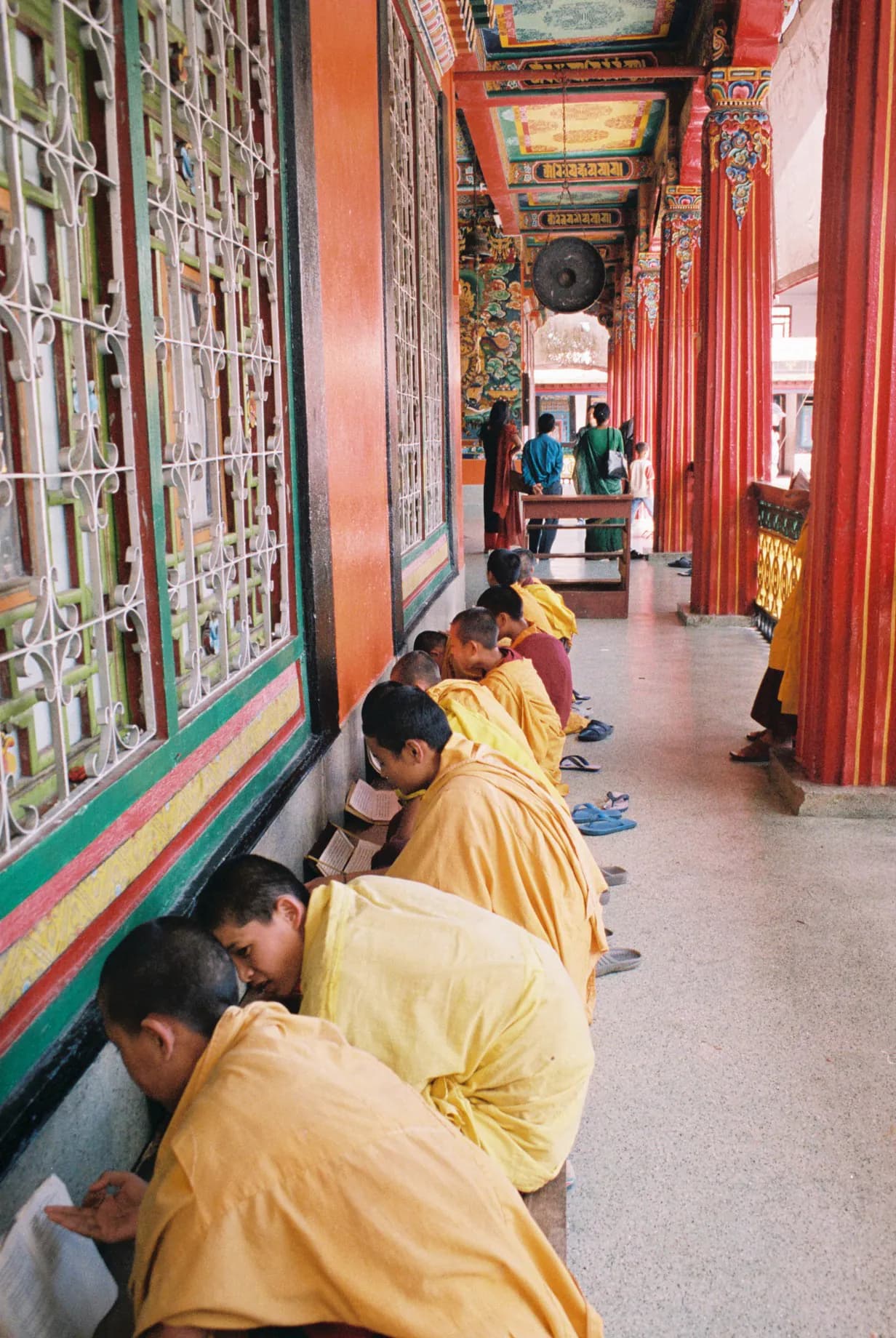
Rumtek Monastery Gangtok
Rumtek (737135), Sikkim, India
The biting Himalayan wind whipped prayer flags into a frenzy of colour as I climbed the final steps to Rumtek Monastery, a structure that seemed to breathe with the very spirit of the mountains surrounding it. Perched on a ridge overlooking Gangtok, the monastery, also known as the Dharma Chakra Centre, exudes an aura of serene power, a beacon of Tibetan Buddhism in the Indian Himalayas. This wasn't just a visit; it was an immersion into a living tradition, a palpable connection to a lineage stretching back centuries. The vibrant colours immediately struck me – deep reds, rich golds, and brilliant blues – a stark contrast to the muted greens and greys of the landscape. The main building, a magnificent three-storied structure, is a replica of the original Tsurphu Monastery in Tibet, the traditional seat of the Karmapa Lama. This deliberate mirroring is not mere imitation, but a powerful act of cultural preservation, a testament to the resilience of a people displaced from their homeland. As I stepped through the ornate entrance, the cacophony of the wind was replaced by the low, resonant hum of chanting. The courtyard, a paved expanse surrounded by monastic quarters, vibrated with a quiet energy. Intricate murals adorned the walls, depicting scenes from Buddhist mythology – wrathful deities, serene bodhisattvas, and intricate mandalas, each a window into a complex spiritual world. The craftsmanship was breathtaking; the vibrant colours, applied with meticulous detail, seemed to pulsate with life. I noticed the distinct Tibetan architectural style in the sloping roofs, adorned with golden finials, and the use of brightly painted woodwork, a stark departure from the more subdued aesthetics of traditional Indian temples. Inside the main shrine, the air was thick with the scent of incense and yak butter lamps. The sheer scale of the Golden Stupa, dominating the central space, was awe-inspiring. Covered in gold leaf and studded with precious stones, it radiated a palpable sense of sacredness. The surrounding walls were lined with rows of smaller stupas, each containing relics of past Karmapas, creating a tangible link to the lineage of this important Buddhist sect. I observed the intricate woodwork of the throne reserved for the Karmapa, a masterpiece of carving and inlay work, symbolizing his spiritual authority. The details were mesmerizing – from the miniature depictions of mythical creatures to the complex geometric patterns, each element imbued with symbolic meaning. Spending time observing the monks in their daily rituals was a privilege. Their deep devotion, evident in their rhythmic chanting and precise movements, offered a glimpse into a life dedicated to spiritual practice. The rhythmic beating of drums and the sonorous clang of cymbals punctuated the silence, creating an atmosphere both meditative and invigorating. Beyond the main structures, I explored the surrounding gardens, a haven of tranquility amidst the bustling monastery. The carefully tended flowerbeds, dotted with colourful prayer wheels, offered a moment of quiet contemplation. The panoramic view from the monastery grounds, stretching across the rolling hills and valleys of Sikkim, was simply breathtaking. It was easy to understand why this location was chosen – a place where the natural beauty of the Himalayas converges with the spiritual aspirations of Tibetan Buddhism. Leaving Rumtek Monastery, I carried with me more than just photographs and memories. I carried a deeper understanding of the power of cultural preservation, the resilience of the human spirit, and the enduring beauty of ancient traditions in a rapidly changing world. The monastery stands not just as a testament to Tibetan architecture and artistry, but as a living embodiment of faith, a beacon of hope amidst the towering peaks of the Himalayas.
Specialized Data:
City
Rumtek
State
Sikkim
Country
India
Total Sites
1
Category
Temple
What is Heritage Sites Near Rumtek, Sikkim?
Discover 1 documented heritage sites within Rumtek, Sikkim. From ancient temples to historic forts, explore cultural treasures near you with complete visitor information, GPS coordinates, timings, and directions.
City:
RumtekState:
SikkimCountry:
IndiaTotal Sites:
1Category:
TempleCoordinates:
27.2886°N, 88.5615°EHow to Explore Heritage Sites in Rumtek
- 1
Browse Sites on Map
View all 1 heritage sites with up-to-date GPS coordinates and filters for style, era, and accessibility.
- 2
Check Visitor Essentials
Confirm entry requirements, timings, photography rules, and accessibility notes before you travel.
- 3
Plan Efficient Routes
Group nearby monuments into half-day or full-day trails using local transport or hired vehicles.
- 4
Document & Share
Capture respectful visuals, collect local stories, and contribute updates to strengthen the archive.
Planning Snapshot
| Location | Rumtek, Sikkim |
| Sites Available | 1 documented |
| Transport | Metro · Bus · Auto · Taxi · Private |
| Best Season | October – March |
| Visit Duration | 2–3 hrs per site |
| Navigation Tips | Download offline maps, respect local signage |
Quick Facts
•1 temple within reach of Rumtek
•Located in Sikkim, a state/region rich in cultural heritage
•Average travel time: 30-90 minutes from Rumtek city center
•Best visiting season: October through March
•Entry fees typically range ₹25-₹40 at protected sites
•Transportation options include auto-rickshaw, Indian Railways, state buses
•GPS coordinates provided for all sites for accurate navigation
•Local guides available at major heritage sites
•Photography permitted at most sites (tripod restrictions may apply)
•Rumtek serves as convenient base with hotels and restaurants
Common Questions
About Rumtek Heritage Region
Rumtek occupies a heritage-rich region of Sikkim, reflecting historical importance rooted in geographical advantages, pilgrimage networks, and royal patronage traditions. The concentration of temple throughout this region developed through centuries of religious devotion, political power, and cultural achievement. Sites range from locations within Rumtek proper to monuments situated 30-90 minutes distant, enabling both brief visits and comprehensive day-long explorations. Accessible sites facilitate morning visits returning by afternoon, while more distant monuments reward full-day excursions potentially combining multiple sites along geographical routes. Transportation infrastructure throughout Rumtek includes app-based ride services, traditional auto-rickshaws, and taxi services. Multiple-site visits often benefit from private vehicle hire enabling flexible scheduling and optimal route planning. Visiting patterns vary seasonally and weekly; weekday mornings typically offer peaceful experiences, while festival periods provide opportunities to witness continuing traditions, though with increased visitor density. This collection documents prominent sites alongside lesser-known monuments, enabling balanced itineraries combining well-documented heritage with discoveries off typical tourist circuits.
Getting Around from Rumtek
Transportation from Rumtek to regional heritage sites employs various modalities depending on distance and infrastructure. India offers well-developed transportation including auto-rickshaw, Indian Railways, state buses. Sites within Rumtek limits remain accessible via local transport options. Outlying monuments may require private vehicle access: rental cars for independent travelers, or hired vehicles with experienced drivers. Organized tours offer structured itineraries with less scheduling flexibility. Distance ranges span 5-80 kilometers from Rumtek; proximate sites (5-15km) involve 30-45 minute journeys, while more distant monuments (40-80km) require 1.5-2.5 hours depending on traffic conditions and road quality. Site-specific documentation provides exact coordinates, suggested routes, and access considerations. Local knowledge complements digital navigation; consulting residents regarding road conditions and optimal routes proves valuable.
When to Visit
Seasonal considerations significantly affect heritage site visiting experiences throughout Sikkim. The optimal visiting period for India extends October through March, offering comfortable weather conditions and extended visiting hours, though popular sites may experience higher visitor density. Most temple remain accessible year-round, though specific closures or modified hours warrant verification before visiting. Weather patterns vary by region within India, so consulting local forecasts ensures appropriate planning. Festival periods at active worship sites provide enriching cultural experiences, though with substantially increased attendance meriting advance planning. Entry fees at protected monuments typically range from ₹25-₹40. Photography for personal use is generally permitted, though professional equipment may require advance permissions.