Temple Near Raipur
The Raipur region hosts 2+ architecturally and spiritually significant temple, representing Chhattisgarh's profound heritage of sacred architecture and religious devotion. These monuments span multiple historical periods and stylistic traditions, maintaining varying degrees of original integrity while continuing to serve religious and cultural functions. Our documentation provides accurate travel distances from Raipur, architectural descriptions, visitor protocols, and cultural context. Whether approaching these sites as sacred spaces for worship, architectural studies, or cultural exploration, proper understanding enhances meaningful engagement. This guide supports respectful visiting practices while providing comprehensive information enabling informed site selection based on accessibility, architectural significance, and personal interest. Each documented templ offers unique insights into Hindu temple architecture, regional artistic traditions, and continuing spiritual practices that connect contemporary Chhattisgarh to its ancient heritage.
Temple in Raipur
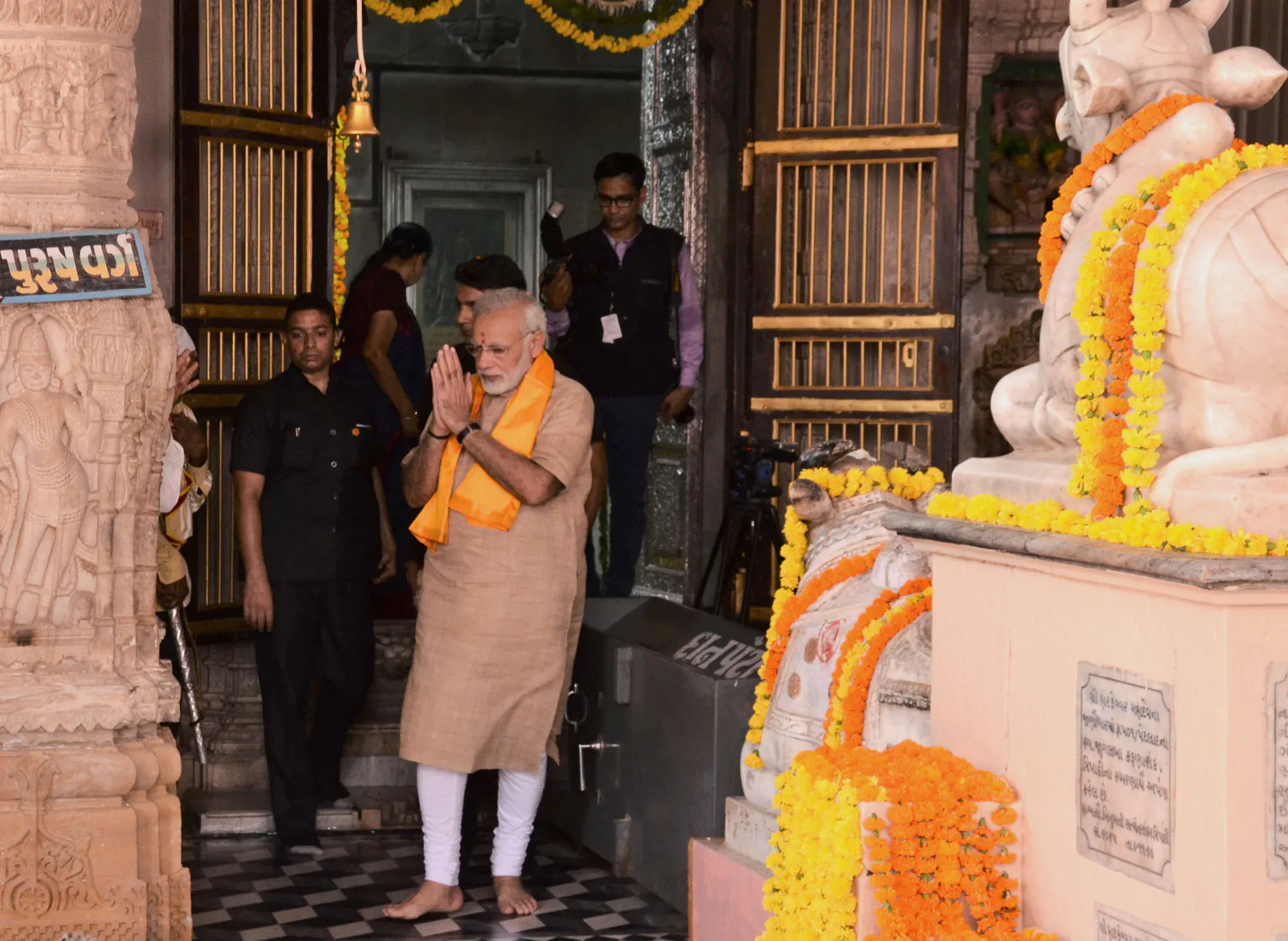
Hatkeshwar Mahadev Temple Raipur
The late afternoon sun cast long shadows across the courtyard of the Hatkeshwar Mahadev Temple in Raipur, illuminating the weathered sandstone in hues of gold and amber. A palpable sense of history hung in the air, a quiet hum that resonated with the centuries of devotion that have unfolded within these walls. My visit here, as a cultural writer specializing in ancient Indian architecture, was not merely a stop on an itinerary; it was a pilgrimage into the heart of Chhattisgarh’s architectural heritage. The temple, dedicated to Lord Shiva, stands as a testament to the architectural prowess of the Kalchuri dynasty, who ruled this region between the 10th and 12th centuries CE. Unlike the towering, elaborately sculpted temples of South India, Hatkeshwar Mahadev exhibits a more restrained elegance. Its sandstone structure, though weathered by time and the elements, retains a dignified simplicity. The main shikhara, or tower, rises above the sanctum sanctorum, its curvilinear form a classic example of the Nagara style prevalent in North India. However, what struck me most was the subtle integration of regional influences. The shikhara, while undeniably Nagara, possesses a certain robustness, a groundedness that felt distinctly Chhattisgarhi. Stepping inside the dimly lit garbhagriha, the sanctum sanctorum, I was met with the cool, earthy scent of incense and the hushed whispers of devotees. The presiding deity, a Shiva lingam, is bathed in the soft glow of oil lamps, creating an atmosphere of profound reverence. The walls of the garbhagriha, though plain in comparison to later temple architecture, are not devoid of artistry. Close inspection revealed intricate carvings of floral motifs and geometric patterns, subtly etched into the sandstone. These understated embellishments spoke volumes about the aesthetic sensibilities of the Kalchuri artisans, who prioritized elegance over ostentation. Moving through the temple complex, I observed the mandap, or pillared hall, which precedes the garbhagriha. The pillars, though weathered, still bear traces of intricate carvings depicting scenes from Hindu mythology. I was particularly drawn to a panel depicting the marriage of Shiva and Parvati, its narrative vividly brought to life through the skilled hands of the sculptors. The mandap, open on three sides, allows for a seamless flow of air and light, creating a space that is both contemplative and connected to the surrounding environment. One of the most intriguing aspects of Hatkeshwar Mahadev is its layered history. While the core structure dates back to the Kalchuri period, subsequent additions and renovations, spanning several centuries, have left their mark on the temple. This palimpsest of architectural styles, rather than detracting from the temple’s beauty, adds a layer of complexity and intrigue. For instance, a small shrine dedicated to Goddess Durga, built in a later period, stands adjacent to the main temple, showcasing a slightly different architectural idiom. This juxtaposition of styles offers a fascinating glimpse into the evolution of religious and artistic practices in the region. My time at Hatkeshwar Mahadev was more than just an architectural study; it was an immersive experience that connected me to the spiritual and cultural fabric of Chhattisgarh. The temple, in its weathered grandeur, stands as a silent witness to the passage of time, a repository of stories whispered across generations. It is a place where the past and the present converge, where the echoes of ancient chants mingle with the murmurings of contemporary devotees. As I left the temple grounds, the setting sun casting a final, golden glow on the sandstone walls, I carried with me not just photographs and notes, but a profound sense of awe and a deeper understanding of the rich architectural heritage of this often-overlooked region of India.
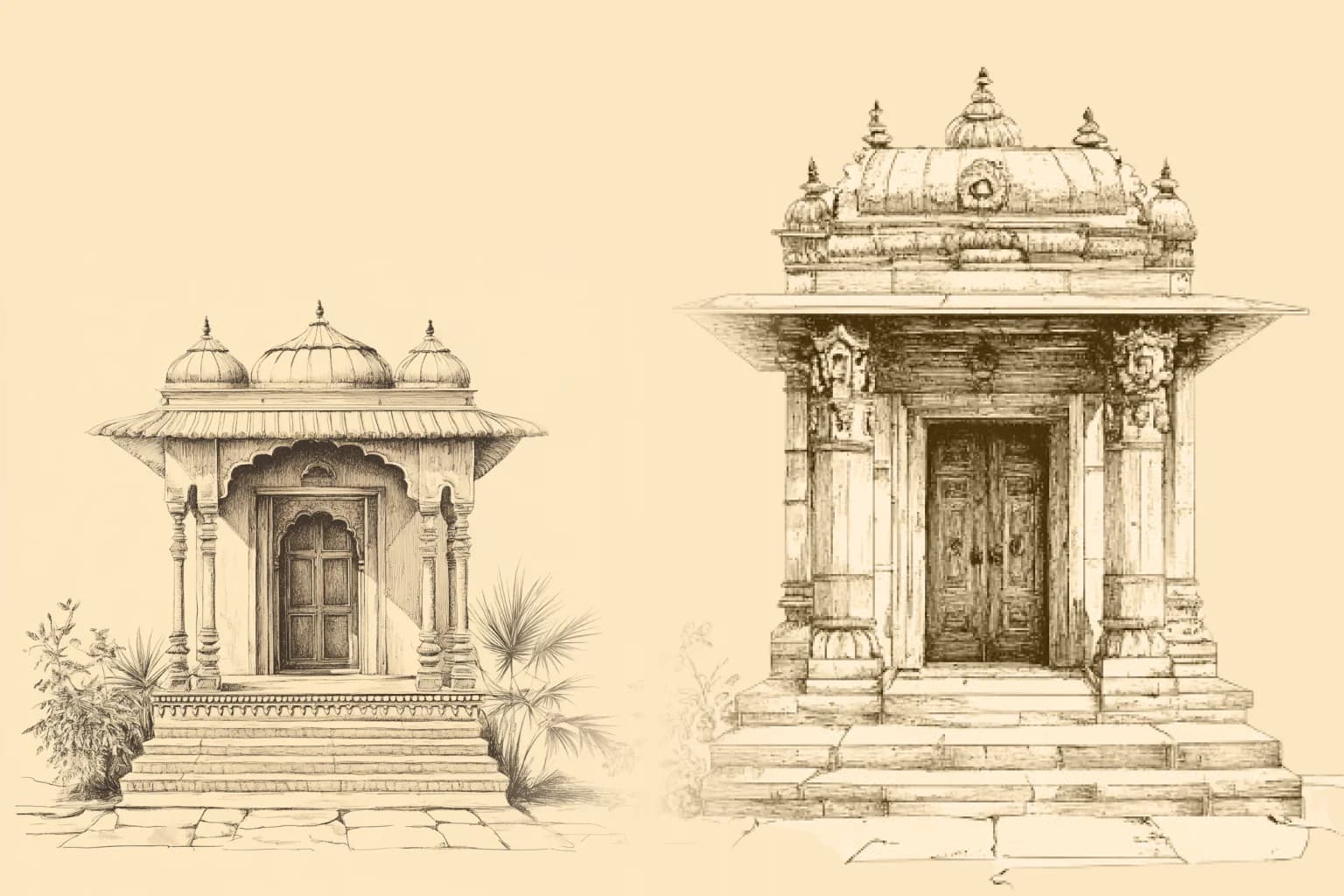
Jatmai Ghatarani Temple Raipur
The air hung thick and humid, a typical Chhattisgarh afternoon, as I climbed the final steps leading to the Jatmai Ghatarani Temple in Raipur. Having explored countless ancient sites across North India, I was prepared for the usual – perhaps a crumbling edifice, a quiet air of reverence, and the ubiquitous scent of incense. Jatmai Ghatarani, however, defied my expectations from the very first glimpse. Nestled amidst verdant hills, the temple complex unfolded before me, a vibrant tableau of ochre and white, buzzing with an energy that felt both ancient and intensely alive. Unlike the imposing stone structures I'd grown accustomed to in the north, Jatmai Ghatarani is predominantly built of brick, lending it a unique earthy warmth. The main temple, dedicated to Goddess Jatmai, a local deity revered as a protector and granter of wishes, is a relatively modern structure. However, the real architectural intrigue lies in the surrounding shrines and the intricate terracotta work adorning them. Panels depicting scenes from mythology, floral motifs, and geometric patterns are crafted with a precision that speaks volumes about the skill of the artisans. The terracotta, weathered by time and the elements, possesses a rich patina that adds to the temple's timeless appeal. I was immediately struck by the sheer number of devotees. Families, groups of friends, and solitary pilgrims thronged the courtyard, their vibrant attire contrasting beautifully with the temple's earthy tones. The atmosphere was charged with a palpable sense of devotion, yet it wasn't somber. Laughter mingled with chants, the clanging of bells with the rhythmic beat of drums. It was a celebration of faith, a vibrant expression of community and belief. I spent hours wandering through the complex, observing the rituals, listening to the stories whispered by the locals, and absorbing the unique energy of the place. One particular shrine, dedicated to Lord Shiva, caught my attention. It was a smaller structure, tucked away in a corner, but its simplicity was its strength. A smooth, black lingam, bathed in the soft glow of oil lamps, exuded an aura of tranquility. I sat there for a while, lost in the quiet hum of devotion that permeated the air. The temple complex also houses a sacred pond, believed to possess healing properties. I watched as devotees took a dip in the cool water, their faces reflecting a mixture of hope and reverence. The pond, surrounded by lush greenery, provided a welcome respite from the afternoon heat and added to the serene ambiance of the place. What truly set Jatmai Ghatarani apart, however, was the palpable connection between the temple and the community. This wasn't just a place of worship; it was the heart of the local life. I saw families sharing meals, children playing in the courtyard, and elders sharing stories. It was a testament to the enduring power of faith and its ability to bind a community together. As the sun began to dip below the horizon, casting long shadows across the temple complex, I made my way down the steps, carrying with me the echoes of chants, the scent of incense, and the vibrant images of a community united by faith. Jatmai Ghatarani isn't just a temple; it's a living, breathing testament to the enduring power of belief and the rich tapestry of Indian culture. It’s a place where history whispers from the terracotta walls and faith resonates in the heart of every devotee. It’s a place that will stay with me long after I’ve left its sacred grounds.
Raipur
Chhattisgarh
India
2
Temple
Discover 2 documented heritage sites within Raipur, Chhattisgarh. From ancient temples to historic forts, explore cultural treasures near you with complete visitor information, GPS coordinates, timings, and directions.
- 1
Browse Sites on Map
View all 2 heritage sites with up-to-date GPS coordinates and filters for style, era, and accessibility.
- 2
Check Visitor Essentials
Confirm entry requirements, timings, photography rules, and accessibility notes before you travel.
- 3
Plan Efficient Routes
Group nearby monuments into half-day or full-day trails using local transport or hired vehicles.
- 4
Document & Share
Capture respectful visuals, collect local stories, and contribute updates to strengthen the archive.
| Location | Raipur, Chhattisgarh |
| Sites Available | 2 documented |
| Transport | Metro · Bus · Auto · Taxi · Private |
| Best Season | October – March |
| Visit Duration | 2–3 hrs per site |
| Navigation Tips | Download offline maps, respect local signage |
Quick Facts
Common Questions
About Raipur Heritage Region
Raipur occupies a heritage-rich region of Chhattisgarh, reflecting historical importance rooted in geographical advantages, pilgrimage networks, and royal patronage traditions. The concentration of temple throughout this region developed through centuries of religious devotion, political power, and cultural achievement. Sites range from locations within Raipur proper to monuments situated 30-90 minutes distant, enabling both brief visits and comprehensive day-long explorations. Accessible sites facilitate morning visits returning by afternoon, while more distant monuments reward full-day excursions potentially combining multiple sites along geographical routes. Transportation infrastructure throughout Raipur includes app-based ride services, traditional auto-rickshaws, and taxi services. Multiple-site visits often benefit from private vehicle hire enabling flexible scheduling and optimal route planning. Visiting patterns vary seasonally and weekly; weekday mornings typically offer peaceful experiences, while festival periods provide opportunities to witness continuing traditions, though with increased visitor density. This collection documents prominent sites alongside lesser-known monuments, enabling balanced itineraries combining well-documented heritage with discoveries off typical tourist circuits.
Getting Around from Raipur
Transportation from Raipur to regional heritage sites employs various modalities depending on distance and infrastructure. India offers well-developed transportation including auto-rickshaw, Indian Railways, state buses. Sites within Raipur limits remain accessible via local transport options. Outlying monuments may require private vehicle access: rental cars for independent travelers, or hired vehicles with experienced drivers. Organized tours offer structured itineraries with less scheduling flexibility. Distance ranges span 5-80 kilometers from Raipur; proximate sites (5-15km) involve 30-45 minute journeys, while more distant monuments (40-80km) require 1.5-2.5 hours depending on traffic conditions and road quality. Site-specific documentation provides exact coordinates, suggested routes, and access considerations. Local knowledge complements digital navigation; consulting residents regarding road conditions and optimal routes proves valuable.
When to Visit
Seasonal considerations significantly affect heritage site visiting experiences throughout Chhattisgarh. The optimal visiting period for India extends October through March, offering comfortable weather conditions and extended visiting hours, though popular sites may experience higher visitor density. Most temple remain accessible year-round, though specific closures or modified hours warrant verification before visiting. Weather patterns vary by region within India, so consulting local forecasts ensures appropriate planning. Festival periods at active worship sites provide enriching cultural experiences, though with substantially increased attendance meriting advance planning. Entry fees at protected monuments typically range from ₹25-₹40. Photography for personal use is generally permitted, though professional equipment may require advance permissions.