Haryana
Temple
1 sites
📍 29.3999°N, 76.9753°E
Temple Near Panipat
The Panipat region hosts 1+ architecturally and spiritually significant temple, representing Haryana's profound heritage of sacred architecture and religious devotion. These monuments span multiple historical periods and stylistic traditions, maintaining varying degrees of original integrity while continuing to serve religious and cultural functions. Our documentation provides accurate travel distances from Panipat, architectural descriptions, visitor protocols, and cultural context. Whether approaching these sites as sacred spaces for worship, architectural studies, or cultural exploration, proper understanding enhances meaningful engagement. This guide supports respectful visiting practices while providing comprehensive information enabling informed site selection based on accessibility, architectural significance, and personal interest. Each documented templ offers unique insights into Hindu temple architecture, regional artistic traditions, and continuing spiritual practices that connect contemporary Haryana to its ancient heritage.
Discover 1+ temple near Panipat with complete documentation enabling informed site selection and respectful, enriching visits to Haryana's sacred and historical monuments.
Temple in Panipat
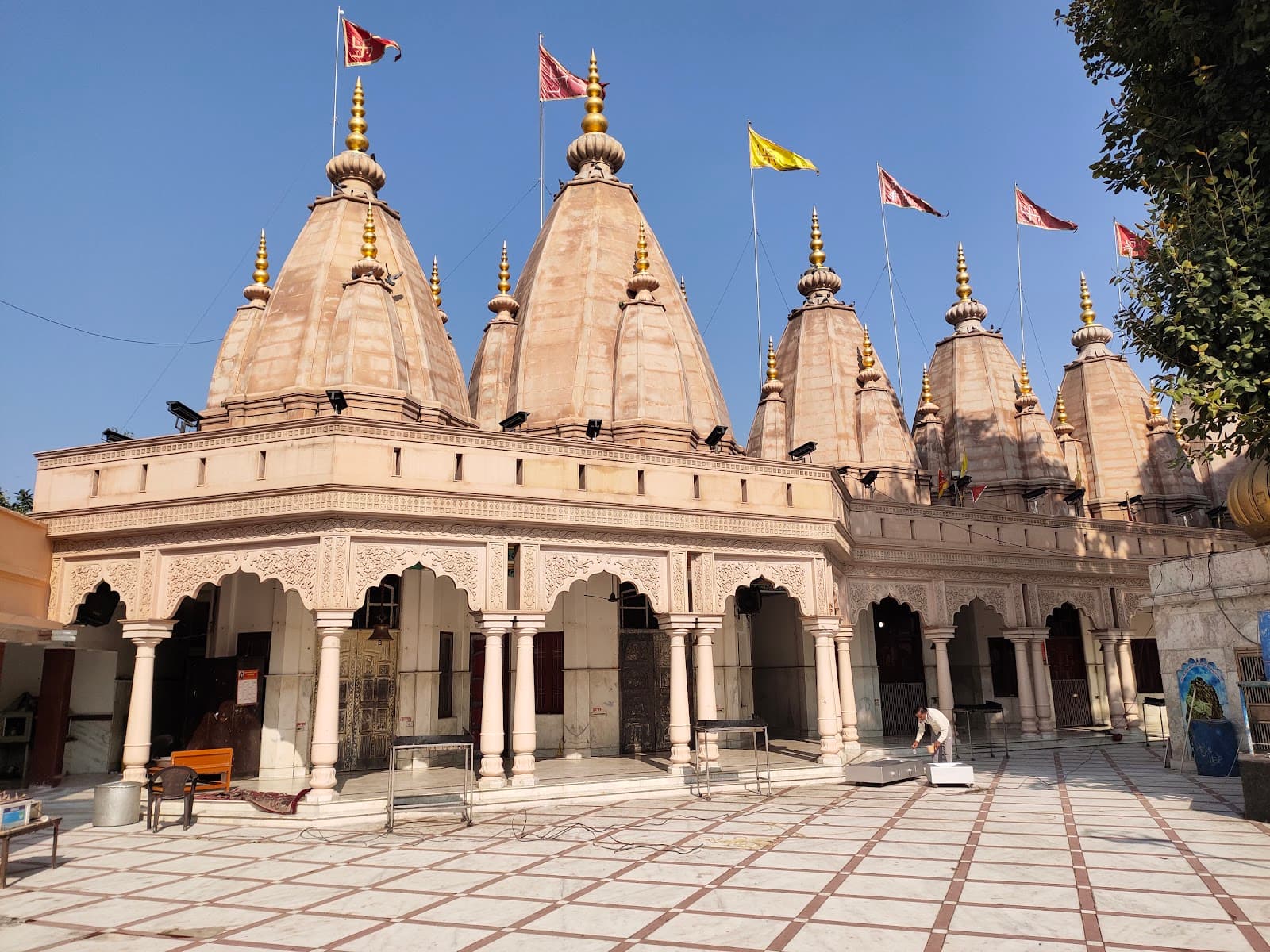
Shri Devi Mandir Panipat
Devi Mandir Road, Tehsil Camp, Panipat (132103), Karnal Division, Haryana, India
The midday sun beat down on Panipat, casting long shadows across the dusty plains, but within the cool confines of the Shri Devi Mandir, a different kind of energy pulsed. Having explored the basalt-carved wonders of Maharashtra’s caves and the intricate details of its countless temples, I arrived at this North Indian shrine with a keen eye for comparison, and I wasn't disappointed. The Shri Devi Mandir, dedicated to the goddess Bhadrakali, offers a distinct experience, a testament to a different architectural idiom and a unique spiritual resonance. The temple complex is surprisingly expansive, a sprawling network of courtyards, shrines, and halls. Unlike the often vertically oriented temples of the Deccan plateau, this structure embraces horizontality. Low-slung buildings, painted in vibrant shades of saffron, ochre, and white, surround the central sanctum. The main entrance, a towering gateway adorned with intricate carvings of deities and floral motifs, immediately sets the tone. The carvings, though weathered by time, retain a remarkable clarity, showcasing a blend of Mughal and Rajput influences – a testament to the region's rich history. Stepping through the gateway felt like crossing a threshold into another world. The clamor of the city faded, replaced by the soft murmur of chants and the clanging of bells. The courtyard, paved with smooth, cool stone, offered a welcome respite from the heat. Devotees moved with a quiet reverence, their faces etched with devotion. I observed the subtle differences in their rituals compared to those I’d witnessed back home – the way they offered flowers, the specific mantras they chanted, the distinct aroma of incense that hung heavy in the air. The main shrine, housing the idol of Shri Devi, is a relatively small structure, but its simplicity is its strength. The deity, depicted in a fierce yet benevolent form, is adorned with vibrant garments and elaborate jewelry. The air within the sanctum vibrated with a palpable energy, a feeling of concentrated devotion that transcended the physical space. I spent a few moments simply observing the interplay of light and shadow on the idol, the flickering flames of the oil lamps, and the expressions of quiet contemplation on the faces of the devotees. What struck me most about the Shri Devi Mandir was its accessibility. Unlike some of the more ancient temples I've visited, where a certain formality and distance are maintained, this temple felt remarkably inclusive. People from all walks of life, young and old, rich and poor, mingled freely, united in their reverence for the goddess. I saw families sharing prasad, children playing in the courtyards, and elderly devotees lost in quiet prayer. This sense of community, of shared faith, was truly heartwarming. Beyond the main shrine, the complex houses several smaller shrines dedicated to other deities, each with its own unique character. I explored these smaller spaces, noting the variations in architectural style and the different iconography. One shrine, dedicated to Lord Shiva, featured a striking lingam carved from black stone, while another, dedicated to Lord Hanuman, was adorned with vibrant murals depicting scenes from the Ramayana. As I wandered through the complex, I couldn't help but reflect on the power of faith and the diverse ways in which it manifests itself across India. From the rock-cut caves of Ajanta and Ellora to the towering gopurams of Tamil Nadu, and now to the humble yet vibrant Shri Devi Mandir in Panipat, each sacred space offers a unique window into the rich tapestry of Indian spirituality. This temple, with its blend of architectural styles, its palpable sense of devotion, and its inclusive atmosphere, left a lasting impression, reminding me that the essence of faith transcends geographical boundaries and architectural forms.
Specialized Data:
City
Panipat
State
Haryana
Country
India
Total Sites
1
Category
Temple
What is Heritage Sites Near Panipat, Haryana?
Discover 1 documented heritage sites within Panipat, Haryana. From ancient temples to historic forts, explore cultural treasures near you with complete visitor information, GPS coordinates, timings, and directions.
City:
PanipatState:
HaryanaCountry:
IndiaTotal Sites:
1Category:
TempleCoordinates:
29.3999°N, 76.9753°EHow to Explore Heritage Sites in Panipat
- 1
Browse Sites on Map
View all 1 heritage sites with up-to-date GPS coordinates and filters for style, era, and accessibility.
- 2
Check Visitor Essentials
Confirm entry requirements, timings, photography rules, and accessibility notes before you travel.
- 3
Plan Efficient Routes
Group nearby monuments into half-day or full-day trails using local transport or hired vehicles.
- 4
Document & Share
Capture respectful visuals, collect local stories, and contribute updates to strengthen the archive.
Planning Snapshot
| Location | Panipat, Haryana |
| Sites Available | 1 documented |
| Transport | Metro · Bus · Auto · Taxi · Private |
| Best Season | October – March |
| Visit Duration | 2–3 hrs per site |
| Navigation Tips | Download offline maps, respect local signage |
Quick Facts
•1 temple within reach of Panipat
•Located in Haryana, a state/region rich in cultural heritage
•Average travel time: 30-90 minutes from Panipat city center
•Best visiting season: October through March
•Entry fees typically range ₹25-₹40 at protected sites
•Transportation options include auto-rickshaw, Indian Railways, state buses
•GPS coordinates provided for all sites for accurate navigation
•Local guides available at major heritage sites
•Photography permitted at most sites (tripod restrictions may apply)
•Panipat serves as convenient base with hotels and restaurants
Common Questions
About Panipat Heritage Region
Panipat occupies a heritage-rich region of Haryana, reflecting historical importance rooted in geographical advantages, pilgrimage networks, and royal patronage traditions. The concentration of temple throughout this region developed through centuries of religious devotion, political power, and cultural achievement. Sites range from locations within Panipat proper to monuments situated 30-90 minutes distant, enabling both brief visits and comprehensive day-long explorations. Accessible sites facilitate morning visits returning by afternoon, while more distant monuments reward full-day excursions potentially combining multiple sites along geographical routes. Transportation infrastructure throughout Panipat includes app-based ride services, traditional auto-rickshaws, and taxi services. Multiple-site visits often benefit from private vehicle hire enabling flexible scheduling and optimal route planning. Visiting patterns vary seasonally and weekly; weekday mornings typically offer peaceful experiences, while festival periods provide opportunities to witness continuing traditions, though with increased visitor density. This collection documents prominent sites alongside lesser-known monuments, enabling balanced itineraries combining well-documented heritage with discoveries off typical tourist circuits.
Getting Around from Panipat
Transportation from Panipat to regional heritage sites employs various modalities depending on distance and infrastructure. India offers well-developed transportation including auto-rickshaw, Indian Railways, state buses. Sites within Panipat limits remain accessible via local transport options. Outlying monuments may require private vehicle access: rental cars for independent travelers, or hired vehicles with experienced drivers. Organized tours offer structured itineraries with less scheduling flexibility. Distance ranges span 5-80 kilometers from Panipat; proximate sites (5-15km) involve 30-45 minute journeys, while more distant monuments (40-80km) require 1.5-2.5 hours depending on traffic conditions and road quality. Site-specific documentation provides exact coordinates, suggested routes, and access considerations. Local knowledge complements digital navigation; consulting residents regarding road conditions and optimal routes proves valuable.
When to Visit
Seasonal considerations significantly affect heritage site visiting experiences throughout Haryana. The optimal visiting period for India extends October through March, offering comfortable weather conditions and extended visiting hours, though popular sites may experience higher visitor density. Most temple remain accessible year-round, though specific closures or modified hours warrant verification before visiting. Weather patterns vary by region within India, so consulting local forecasts ensures appropriate planning. Festival periods at active worship sites provide enriching cultural experiences, though with substantially increased attendance meriting advance planning. Entry fees at protected monuments typically range from ₹25-₹40. Photography for personal use is generally permitted, though professional equipment may require advance permissions.