Temple Near Mumbai
Architectural photography of temple near Mumbai requires technical knowledge of lighting, compositional principles, and site-specific protocols. These 1+ monuments present exceptional photographic subjects featuring intricate sculptural details, dramatic architectural forms, and complex light-shadow interactions. Success depends on timing: early morning and late afternoon illumination enhance sculptural relief and architectural details, while midday conditions may present challenges. Our documentation addresses optimal photography timing, equipment considerations (tripod restrictions, lens recommendations), permission requirements distinguishing personal from professional photography, and site-specific restrictions regarding flash usage, video recording, and commercial applications. Understanding these protocols before arrival prevents disappointment and ensures respectful documentation practices. This resource serves professional photographers, architectural documentarians, and serious enthusiasts requiring technical information supporting high-quality visual documentation of Maharashtra's significant architectural heritage.
Temple in Mumbai
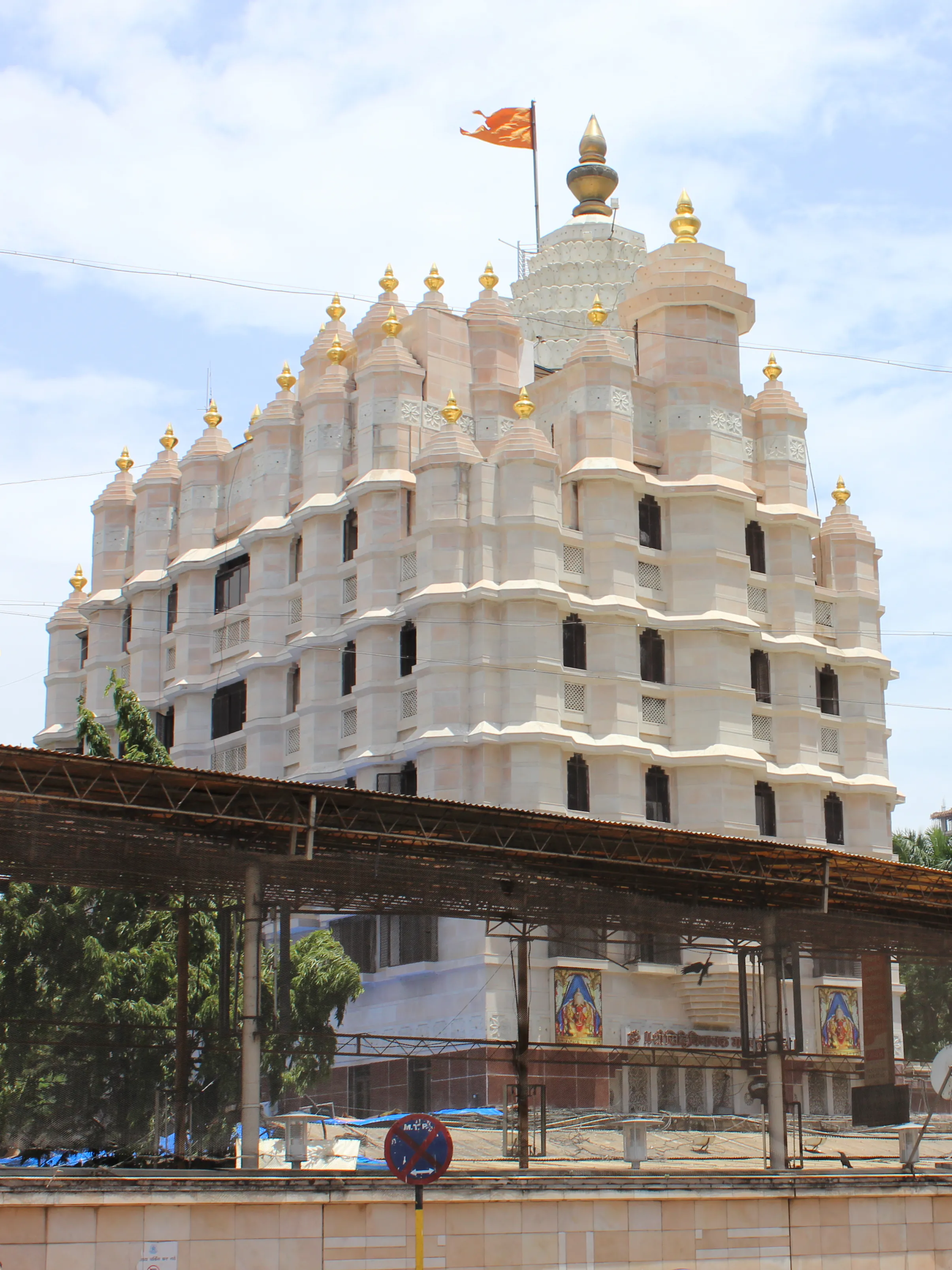
Shree Siddhivinayak Mandir Mumbai
The air crackles with a palpable energy, a blend of devotion and anticipation, as I step through the towering gateway of the Shree Siddhivinayak Ganapati Mandir. This isn't just another temple on my list of 500+ documented sites; it’s a living, breathing entity, pulsating with the heartbeats of thousands of devotees who flock here daily. Located in Prabhadevi, Mumbai, this sacred space dedicated to Lord Ganesha transcends its physical form and becomes a conduit to faith. The first thing that strikes me, even amidst the throngs of people, is the relatively modest scale of the main structure. Unlike some of the sprawling temple complexes I’ve encountered across India, Siddhivinayak retains a sense of intimacy. The main wooden doors, intricately carved with images of Ashtavinayak (eight manifestations of Ganesha), serve as a portal to the inner sanctum. The carvings, though weathered by time and touch, retain a remarkable clarity, a testament to the craftsmanship of a bygone era. Inside, the atmosphere shifts. The cacophony of the city fades, replaced by the rhythmic chanting of mantras and the clang of bells. The sanctum sanctorum, a small chamber bathed in soft light, houses the revered black stone idol of Lord Ganesha. It’s a surprisingly small idol, barely two feet tall, adorned with vibrant silks and garlands. Yet, the power it emanates is undeniable. I’ve photographed countless deities across India, but the aura surrounding this particular idol is unique; it’s a tangible energy that seems to resonate with the collective faith of the devotees. The temple’s architecture is a fascinating blend of traditional Maharashtrian and colonial influences. The main structure is built of black stone, a stark contrast to the vibrant colours of the surrounding decorations. The shikhara, the towering structure above the sanctum, is relatively recent, added in the early 20th century. It’s adorned with intricate carvings and gold plating, a testament to the temple’s growing prosperity over the years. I noticed the subtle integration of wooden elements within the predominantly stone structure, particularly in the mandap (prayer hall), which lends a warmth and earthiness to the space. Beyond the main shrine, the temple complex houses smaller shrines dedicated to other deities, including Hanuman and Annapurna. These spaces, though less crowded, offer a quiet respite from the intensity of the main sanctum. I spent some time observing the intricate tile work on the floors, depicting various mythological scenes. These details, often overlooked in the rush of devotion, speak volumes about the artistic sensibilities of the artisans who contributed to the temple’s construction. What truly sets Siddhivinayak apart, however, is not just its architecture or the revered idol, but the sheer diversity of its devotees. I witnessed a microcosm of Indian society within these walls – people from all walks of life, different castes, creeds, and economic backgrounds, united by their shared faith. I saw a businessman in a crisp suit standing next to a labourer in worn clothes, both offering their prayers with equal fervour. This melting pot of humanity, bound together by a common thread of devotion, is a powerful testament to the unifying power of faith. As I prepared to leave, I paused to capture one last image – the setting sun casting a golden glow on the temple’s façade, silhouetting the devotees against the darkening sky. It was a moment of quiet reflection, a reminder that beyond the tangible beauty of the architecture and the palpable energy of faith, Siddhivinayak represents something far greater – a timeless connection between humanity and the divine. It's a connection I’ve witnessed in countless sacred spaces across India, but one that resonates with particular intensity within the hallowed walls of this Mumbai landmark.
Mumbai
Maharashtra
India
1
Temple
Discover 1 documented heritage sites within Mumbai, Maharashtra. From ancient temples to historic forts, explore cultural treasures near you with complete visitor information, GPS coordinates, timings, and directions.
- 1
Browse Sites on Map
View all 1 heritage sites with up-to-date GPS coordinates and filters for style, era, and accessibility.
- 2
Check Visitor Essentials
Confirm entry requirements, timings, photography rules, and accessibility notes before you travel.
- 3
Plan Efficient Routes
Group nearby monuments into half-day or full-day trails using local transport or hired vehicles.
- 4
Document & Share
Capture respectful visuals, collect local stories, and contribute updates to strengthen the archive.
| Location | Mumbai, Maharashtra |
| Sites Available | 1 documented |
| Transport | Metro · Bus · Auto · Taxi · Private |
| Best Season | October – March |
| Visit Duration | 2–3 hrs per site |
| Navigation Tips | Download offline maps, respect local signage |
Quick Facts
Common Questions
About Mumbai Heritage Region
Mumbai occupies a heritage-rich region of Maharashtra, reflecting historical importance rooted in geographical advantages, pilgrimage networks, and royal patronage traditions. The concentration of temple throughout this region developed through centuries of religious devotion, political power, and cultural achievement. Sites range from locations within Mumbai proper to monuments situated 30-90 minutes distant, enabling both brief visits and comprehensive day-long explorations. Accessible sites facilitate morning visits returning by afternoon, while more distant monuments reward full-day excursions potentially combining multiple sites along geographical routes. Transportation infrastructure throughout Mumbai includes app-based ride services, traditional auto-rickshaws, and taxi services. Multiple-site visits often benefit from private vehicle hire enabling flexible scheduling and optimal route planning. Visiting patterns vary seasonally and weekly; weekday mornings typically offer peaceful experiences, while festival periods provide opportunities to witness continuing traditions, though with increased visitor density. This collection documents prominent sites alongside lesser-known monuments, enabling balanced itineraries combining well-documented heritage with discoveries off typical tourist circuits.
Getting Around from Mumbai
Transportation from Mumbai to regional heritage sites employs various modalities depending on distance and infrastructure. India offers well-developed transportation including auto-rickshaw, Indian Railways, state buses. Sites within Mumbai limits remain accessible via local transport options. Outlying monuments may require private vehicle access: rental cars for independent travelers, or hired vehicles with experienced drivers. Organized tours offer structured itineraries with less scheduling flexibility. Distance ranges span 5-80 kilometers from Mumbai; proximate sites (5-15km) involve 30-45 minute journeys, while more distant monuments (40-80km) require 1.5-2.5 hours depending on traffic conditions and road quality. Site-specific documentation provides exact coordinates, suggested routes, and access considerations. Local knowledge complements digital navigation; consulting residents regarding road conditions and optimal routes proves valuable.
When to Visit
Seasonal considerations significantly affect heritage site visiting experiences throughout Maharashtra. The optimal visiting period for India extends October through March, offering comfortable weather conditions and extended visiting hours, though popular sites may experience higher visitor density. Most temple remain accessible year-round, though specific closures or modified hours warrant verification before visiting. Weather patterns vary by region within India, so consulting local forecasts ensures appropriate planning. Festival periods at active worship sites provide enriching cultural experiences, though with substantially increased attendance meriting advance planning. Entry fees at protected monuments typically range from ₹25-₹40. Photography for personal use is generally permitted, though professional equipment may require advance permissions.