Temple Near Mehandipur
The Mehandipur region hosts 1+ architecturally and spiritually significant temple, representing Rajasthan's profound heritage of sacred architecture and religious devotion. These monuments span multiple historical periods and stylistic traditions, maintaining varying degrees of original integrity while continuing to serve religious and cultural functions. Our documentation provides accurate travel distances from Mehandipur, architectural descriptions, visitor protocols, and cultural context. Whether approaching these sites as sacred spaces for worship, architectural studies, or cultural exploration, proper understanding enhances meaningful engagement. This guide supports respectful visiting practices while providing comprehensive information enabling informed site selection based on accessibility, architectural significance, and personal interest. Each documented templ offers unique insights into Hindu temple architecture, regional artistic traditions, and continuing spiritual practices that connect contemporary Rajasthan to its ancient heritage.
Temple in Mehandipur
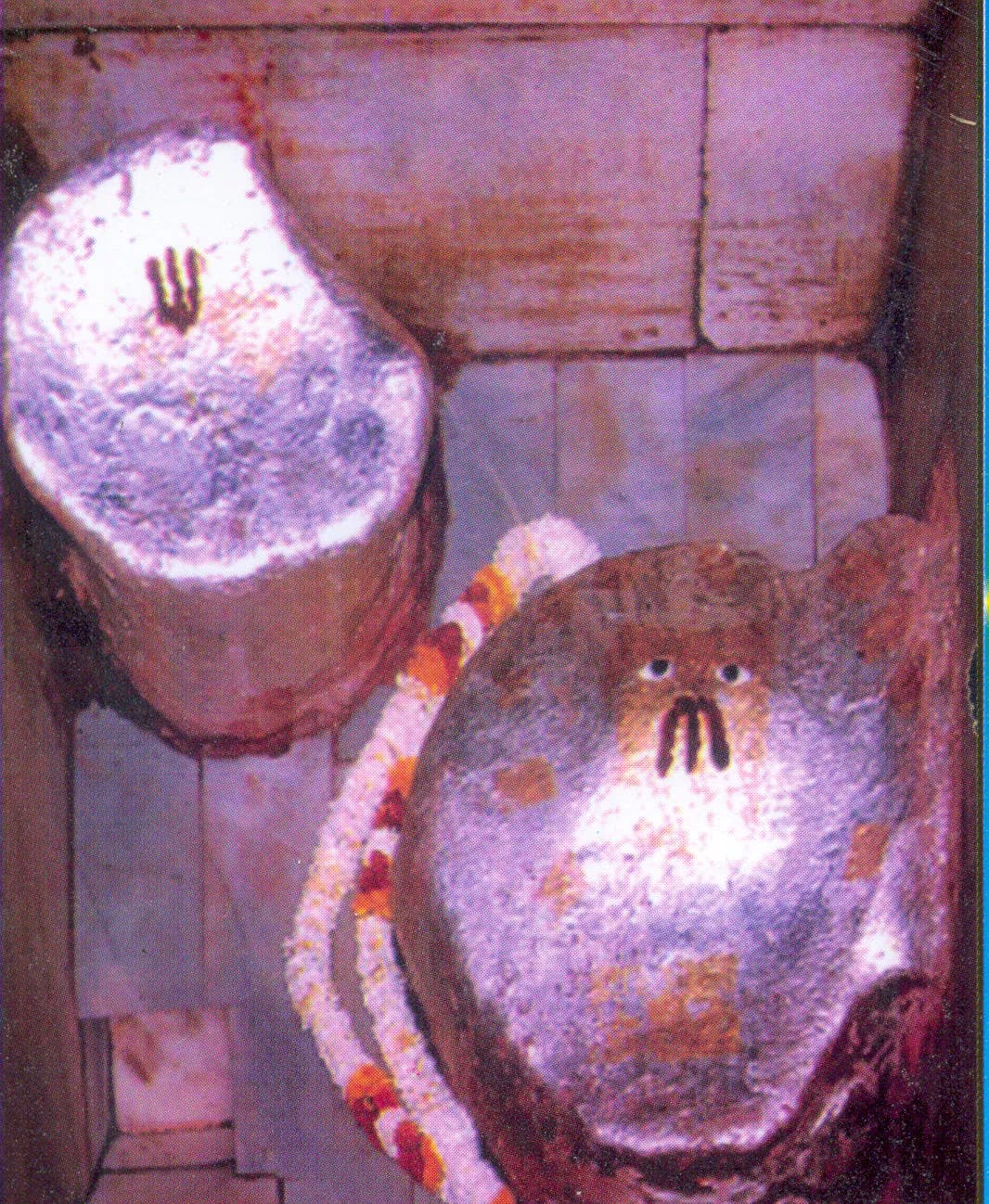
Mehandipur Balaji Temple Dausa
The air crackled, not with electricity, but with a palpable energy, a blend of fear and fervent hope. This was my immediate impression of Mehandipur Balaji Temple, nestled amidst the arid Aravalli hills of Rajasthan. Having explored countless serene temples across Uttar Pradesh, the sheer intensity of this place struck me as profoundly different. It wasn't the tranquility that usually permeates sacred spaces; it was a raw, almost visceral spirituality, bordering on the chaotic. The temple complex itself is relatively modest in size, a network of courtyards and interconnected shrines dedicated to Lord Hanuman, known here as Balaji, Pret Raj (King of Spirits), and Bhairav. The architecture is simple, functional rather than ornate. Unlike the sandstone grandeur of many Rajasthani temples, Mehandipur Balaji is predominantly constructed from plain stone and concrete, perhaps reflecting the focus on immediate spiritual relief rather than aesthetic embellishment. The walls, however, are a fascinating tapestry of vibrant saffron, layered over time by devotees marking their presence and prayers. What truly sets Mehandipur Balaji apart is its reputation as a centre for exorcism and the treatment of mental illnesses. As I moved through the temple, I witnessed scenes unlike anything I'd encountered before. People, their faces etched with desperation and hope, were chained to pillars, their bodies swaying rhythmically as they chanted prayers. Others were being subjected to vigorous "healing" rituals, involving forceful pronouncements and the application of sacred ash. The air was thick with the scent of incense and the murmur of incessant chanting, punctuated by sudden cries and wails. I observed a young woman, her eyes wide with terror, being held down by family members while a priest performed a ritual. It was a disturbing sight, raising complex questions about faith, mental health, and the boundaries of traditional healing practices. While the temple authorities claim remarkable success stories, the methods employed seemed harsh, even brutal, to my outsider's perspective. The line between faith and superstition blurred before my eyes. The main shrine dedicated to Balaji is a small, unassuming chamber. The deity is adorned with a bright orange sindoor paste, and the constant stream of devotees offering prayers creates a palpable sense of devotion. However, even here, the atmosphere is charged with an unusual intensity. The fervent prayers, the desperate pleas for relief, and the occasional outburst from someone seemingly possessed created a sensory overload. Beyond the main shrine, I explored the smaller temples dedicated to Pret Raj and Bhairav. These spaces were even more intense, with a palpable sense of fear hanging in the air. The rituals performed here were more esoteric, involving offerings of food and prayers to appease malevolent spirits. I witnessed individuals being "treated" for alleged possession, their bodies contorting and their voices changing as they purportedly channeled spirits. My visit to Mehandipur Balaji was a deeply unsettling yet fascinating experience. It offered a glimpse into a world where faith and superstition intertwine, where desperation drives people to seek solace in ancient rituals. While the efficacy of these practices remains debatable, the sheer intensity of belief and the palpable energy of the place are undeniable. It is a stark reminder of the complex relationship between faith, healing, and the human condition, a subject that continues to resonate long after leaving the temple's charged atmosphere.
Mehandipur
Rajasthan
India
1
Temple
Discover 1 documented heritage sites within Mehandipur, Rajasthan. From ancient temples to historic forts, explore cultural treasures near you with complete visitor information, GPS coordinates, timings, and directions.
- 1
Browse Sites on Map
View all 1 heritage sites with up-to-date GPS coordinates and filters for style, era, and accessibility.
- 2
Check Visitor Essentials
Confirm entry requirements, timings, photography rules, and accessibility notes before you travel.
- 3
Plan Efficient Routes
Group nearby monuments into half-day or full-day trails using local transport or hired vehicles.
- 4
Document & Share
Capture respectful visuals, collect local stories, and contribute updates to strengthen the archive.
| Location | Mehandipur, Rajasthan |
| Sites Available | 1 documented |
| Transport | Metro · Bus · Auto · Taxi · Private |
| Best Season | October – March |
| Visit Duration | 2–3 hrs per site |
| Navigation Tips | Download offline maps, respect local signage |
Quick Facts
Common Questions
About Mehandipur Heritage Region
Mehandipur occupies a heritage-rich region of Rajasthan, reflecting historical importance rooted in geographical advantages, pilgrimage networks, and royal patronage traditions. The concentration of temple throughout this region developed through centuries of religious devotion, political power, and cultural achievement. Sites range from locations within Mehandipur proper to monuments situated 30-90 minutes distant, enabling both brief visits and comprehensive day-long explorations. Accessible sites facilitate morning visits returning by afternoon, while more distant monuments reward full-day excursions potentially combining multiple sites along geographical routes. Transportation infrastructure throughout Mehandipur includes app-based ride services, traditional auto-rickshaws, and taxi services. Multiple-site visits often benefit from private vehicle hire enabling flexible scheduling and optimal route planning. Visiting patterns vary seasonally and weekly; weekday mornings typically offer peaceful experiences, while festival periods provide opportunities to witness continuing traditions, though with increased visitor density. This collection documents prominent sites alongside lesser-known monuments, enabling balanced itineraries combining well-documented heritage with discoveries off typical tourist circuits.
Getting Around from Mehandipur
Transportation from Mehandipur to regional heritage sites employs various modalities depending on distance and infrastructure. India offers well-developed transportation including auto-rickshaw, Indian Railways, state buses. Sites within Mehandipur limits remain accessible via local transport options. Outlying monuments may require private vehicle access: rental cars for independent travelers, or hired vehicles with experienced drivers. Organized tours offer structured itineraries with less scheduling flexibility. Distance ranges span 5-80 kilometers from Mehandipur; proximate sites (5-15km) involve 30-45 minute journeys, while more distant monuments (40-80km) require 1.5-2.5 hours depending on traffic conditions and road quality. Site-specific documentation provides exact coordinates, suggested routes, and access considerations. Local knowledge complements digital navigation; consulting residents regarding road conditions and optimal routes proves valuable.
When to Visit
Seasonal considerations significantly affect heritage site visiting experiences throughout Rajasthan. The optimal visiting period for India extends October through March, offering comfortable weather conditions and extended visiting hours, though popular sites may experience higher visitor density. Most temple remain accessible year-round, though specific closures or modified hours warrant verification before visiting. Weather patterns vary by region within India, so consulting local forecasts ensures appropriate planning. Festival periods at active worship sites provide enriching cultural experiences, though with substantially increased attendance meriting advance planning. Entry fees at protected monuments typically range from ₹25-₹40. Photography for personal use is generally permitted, though professional equipment may require advance permissions.