Temple Near Konark
Konark provides strategic access to 1+ significant temple representing Odisha's rich heritage of sacred architecture and devotional spaces. This collection spans multiple historical periods and architectural traditions—ancient monuments preserving classical forms, medieval constructions demonstrating dynastic patronage, and regional variants reflecting local artistic traditions. Geographic distribution includes sites within Konark proper and monuments throughout the surrounding region, enabling both convenient local visits and rewarding day trips. Comprehensive documentation addresses architectural features, historical contexts, visitor protocols, and transportation logistics. These temple serve contemporary devotees while offering scholars, students, and heritage enthusiasts opportunities to engage with living traditions connecting modern Odisha to its spiritual and cultural roots. Respectful visiting practices honor both architectural heritage and ongoing worship functions these sacred spaces continue fulfilling.
Temple in Konark
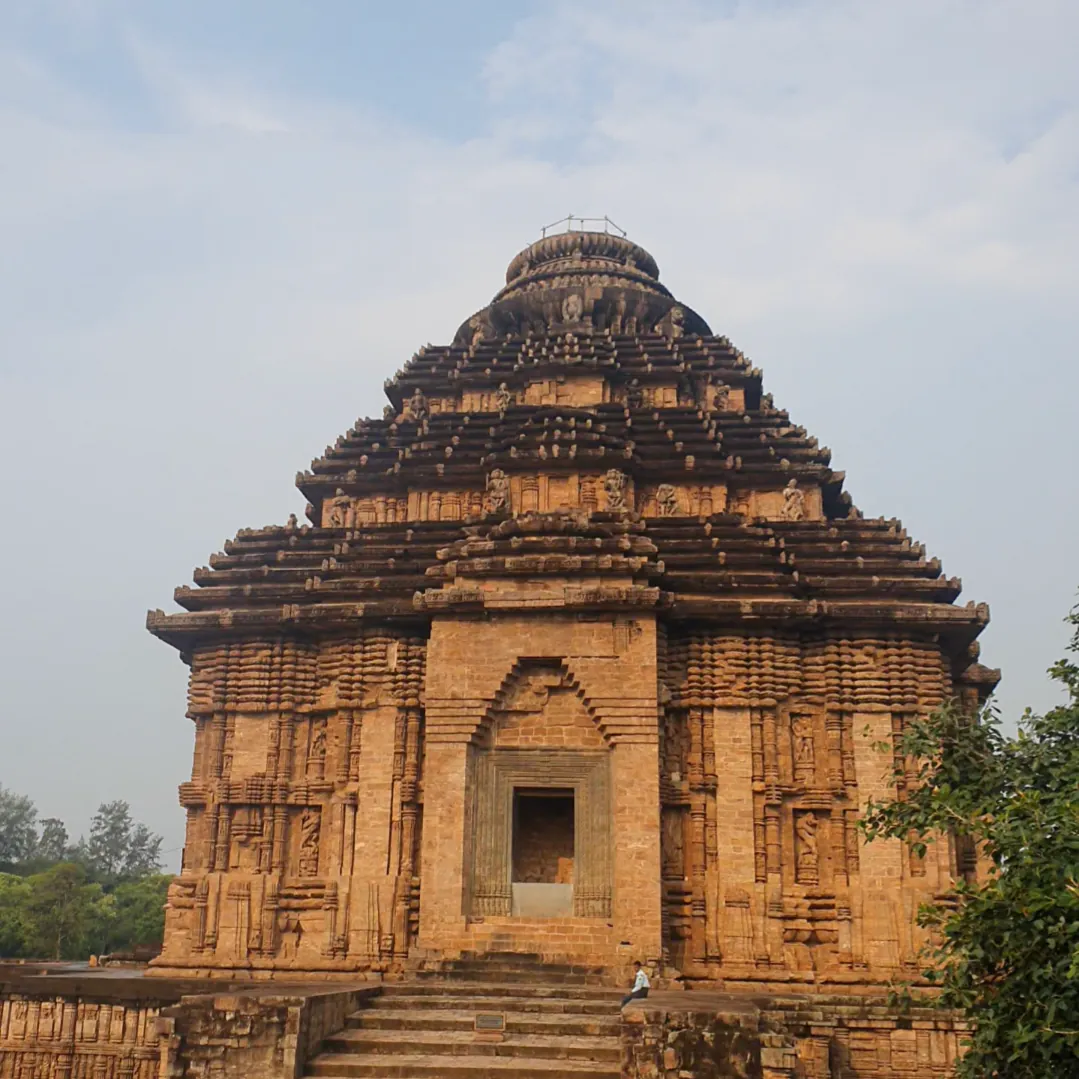
Konark Sun Temple Konark
The colossal chariot of the Sun God, frozen in stone, dominates the landscape at Konark. Emerging from the morning mist, the temple, even in its fragmented state, exudes an aura of power and intricate artistry that is simply breathtaking. As a Chennai native steeped in the Dravidian architectural tradition, my visit to this Kalinga style marvel was an exercise in appreciating the diverse tapestry of Indian temple architecture. The sheer scale of the Konark Sun Temple is the first thing that strikes you. The temple, conceived as a gigantic chariot with twelve pairs of exquisitely carved wheels drawn by seven horses, speaks volumes about the ambition and skill of the 13th-century architects. While the main temple (vimana) has largely collapsed, the Jagamohan (assembly hall) remains remarkably intact, offering a glimpse into the temple's former glory. The pyramidal roof of the Jagamohan, rising in tiers adorned with intricate sculptures, is a testament to the Kalinga style's distinctive curvilinear silhouette, a stark contrast to the towering gopurams I'm accustomed to seeing in Dravidian temples. The wheels of the chariot are not mere decorative elements; they are sundials, accurately measuring time. The spokes are carved with intricate floral patterns and miniature figures, showcasing the artisans' mastery over detail. I spent a considerable amount of time examining these wheels, fascinated by their precision and artistic beauty. They serve as a reminder of the deep connection between architecture, astronomy, and spirituality in ancient India. The temple's outer walls are covered with a profusion of sculptures, depicting a vibrant panorama of life in 13th-century Odisha. From deities and celestial beings to courtly scenes, erotic sculptures, and depictions of everyday life, the carvings offer a fascinating window into the social and cultural fabric of the time. The erotic sculptures, while controversial to some, are an integral part of the temple's iconography, representing the cycle of creation and the celebration of life. Their presence, alongside depictions of spiritual and secular themes, highlights the holistic worldview that permeated ancient Indian art. One striking difference I observed compared to South Indian temples is the prominence of iron beams used in the Konark temple's construction. While the exact purpose of these iron beams is still debated, their presence suggests a sophisticated understanding of metallurgy and engineering. This contrasts with the predominantly stone-based construction techniques employed in Dravidian temples. The Natmandir (dance hall), though now in ruins, still echoes with the ghosts of dancers and musicians who once graced its platform. I could almost visualize the vibrant performances that would have taken place here, accompanied by the rhythmic beating of drums and the melodious strains of stringed instruments. The temple's architecture, with its open spaces and strategically placed platforms, seems designed to facilitate grand spectacles and processions, reinforcing the Sun God's role as a source of energy and life. Walking through the ruins of the Konark Sun Temple, I felt a profound sense of awe and melancholy. Awe at the sheer scale and artistic brilliance of the structure, and melancholy at the ravages of time and the forces of nature that have taken their toll. Yet, even in its fragmented state, the temple stands as a powerful testament to the ingenuity and artistic vision of its creators. It serves as a bridge across centuries, connecting us to a rich cultural heritage and reminding us of the enduring power of human creativity. My visit to Konark was not just a sightseeing trip; it was a pilgrimage, a journey into the heart of India's architectural and spiritual heritage. It reinforced my belief that the study of ancient architecture is not just an academic pursuit; it is a way to connect with the past, understand the present, and inspire the future.
Konark
Odisha
India
1
Temple
Discover 1 documented heritage sites within Konark, Odisha. From ancient temples to historic forts, explore cultural treasures near you with complete visitor information, GPS coordinates, timings, and directions.
- 1
Browse Sites on Map
View all 1 heritage sites with up-to-date GPS coordinates and filters for style, era, and accessibility.
- 2
Check Visitor Essentials
Confirm entry requirements, timings, photography rules, and accessibility notes before you travel.
- 3
Plan Efficient Routes
Group nearby monuments into half-day or full-day trails using local transport or hired vehicles.
- 4
Document & Share
Capture respectful visuals, collect local stories, and contribute updates to strengthen the archive.
| Location | Konark, Odisha |
| Sites Available | 1 documented |
| Transport | Metro · Bus · Auto · Taxi · Private |
| Best Season | October – March |
| Visit Duration | 2–3 hrs per site |
| Navigation Tips | Download offline maps, respect local signage |
Quick Facts
Common Questions
About Konark Heritage Region
Konark occupies a heritage-rich region of Odisha, reflecting historical importance rooted in geographical advantages, pilgrimage networks, and royal patronage traditions. The concentration of temple throughout this region developed through centuries of religious devotion, political power, and cultural achievement. Sites range from locations within Konark proper to monuments situated 30-90 minutes distant, enabling both brief visits and comprehensive day-long explorations. Accessible sites facilitate morning visits returning by afternoon, while more distant monuments reward full-day excursions potentially combining multiple sites along geographical routes. Transportation infrastructure throughout Konark includes app-based ride services, traditional auto-rickshaws, and taxi services. Multiple-site visits often benefit from private vehicle hire enabling flexible scheduling and optimal route planning. Visiting patterns vary seasonally and weekly; weekday mornings typically offer peaceful experiences, while festival periods provide opportunities to witness continuing traditions, though with increased visitor density. This collection documents prominent sites alongside lesser-known monuments, enabling balanced itineraries combining well-documented heritage with discoveries off typical tourist circuits.
Getting Around from Konark
Transportation from Konark to regional heritage sites employs various modalities depending on distance and infrastructure. India offers well-developed transportation including auto-rickshaw, Indian Railways, state buses. Sites within Konark limits remain accessible via local transport options. Outlying monuments may require private vehicle access: rental cars for independent travelers, or hired vehicles with experienced drivers. Organized tours offer structured itineraries with less scheduling flexibility. Distance ranges span 5-80 kilometers from Konark; proximate sites (5-15km) involve 30-45 minute journeys, while more distant monuments (40-80km) require 1.5-2.5 hours depending on traffic conditions and road quality. Site-specific documentation provides exact coordinates, suggested routes, and access considerations. Local knowledge complements digital navigation; consulting residents regarding road conditions and optimal routes proves valuable.
When to Visit
Seasonal considerations significantly affect heritage site visiting experiences throughout Odisha. The optimal visiting period for India extends October through March, offering comfortable weather conditions and extended visiting hours, though popular sites may experience higher visitor density. Most temple remain accessible year-round, though specific closures or modified hours warrant verification before visiting. Weather patterns vary by region within India, so consulting local forecasts ensures appropriate planning. Festival periods at active worship sites provide enriching cultural experiences, though with substantially increased attendance meriting advance planning. Entry fees at protected monuments typically range from ₹25-₹40. Photography for personal use is generally permitted, though professional equipment may require advance permissions.