Kerala
All Heritage Sites
1 sites
📍 8.4828°N, 76.9436°E
Heritage Sites Near Thiruvananthapuram
Architectural photography and visual documentation of heritage sites near Thiruvananthapuram benefits from understanding optimal lighting conditions, compositional considerations, and site-specific restrictions. This collection of 1+ documented sites provides technical information supporting professional photography and scholarly documentation: cardinal orientations affecting lighting throughout the day, architectural features best captured during specific conditions, and permission requirements for professional equipment. Kerala's heritage monuments offer exceptional photographic subjects when approached with appropriate technical knowledge and timing. Understanding when directional lighting reveals sculptural details, how seasonal conditions affect atmospheric quality, and where photography restrictions apply enables successful documentation. This guide supports photographers, researchers, and documentation specialists with site-specific technical information, access protocols, and optimal timing recommendations for capturing Thiruvananthapuram region's architectural heritage professionally and respectfully.
Access comprehensive photographic and technical documentation for 1+ heritage sites near Thiruvananthapuram, including optimal timing, equipment recommendations, permission requirements, and site-specific guidelines supporting professional architectural photography and respectful heritage documentation.
All Heritage Sites in Thiruvananthapuram
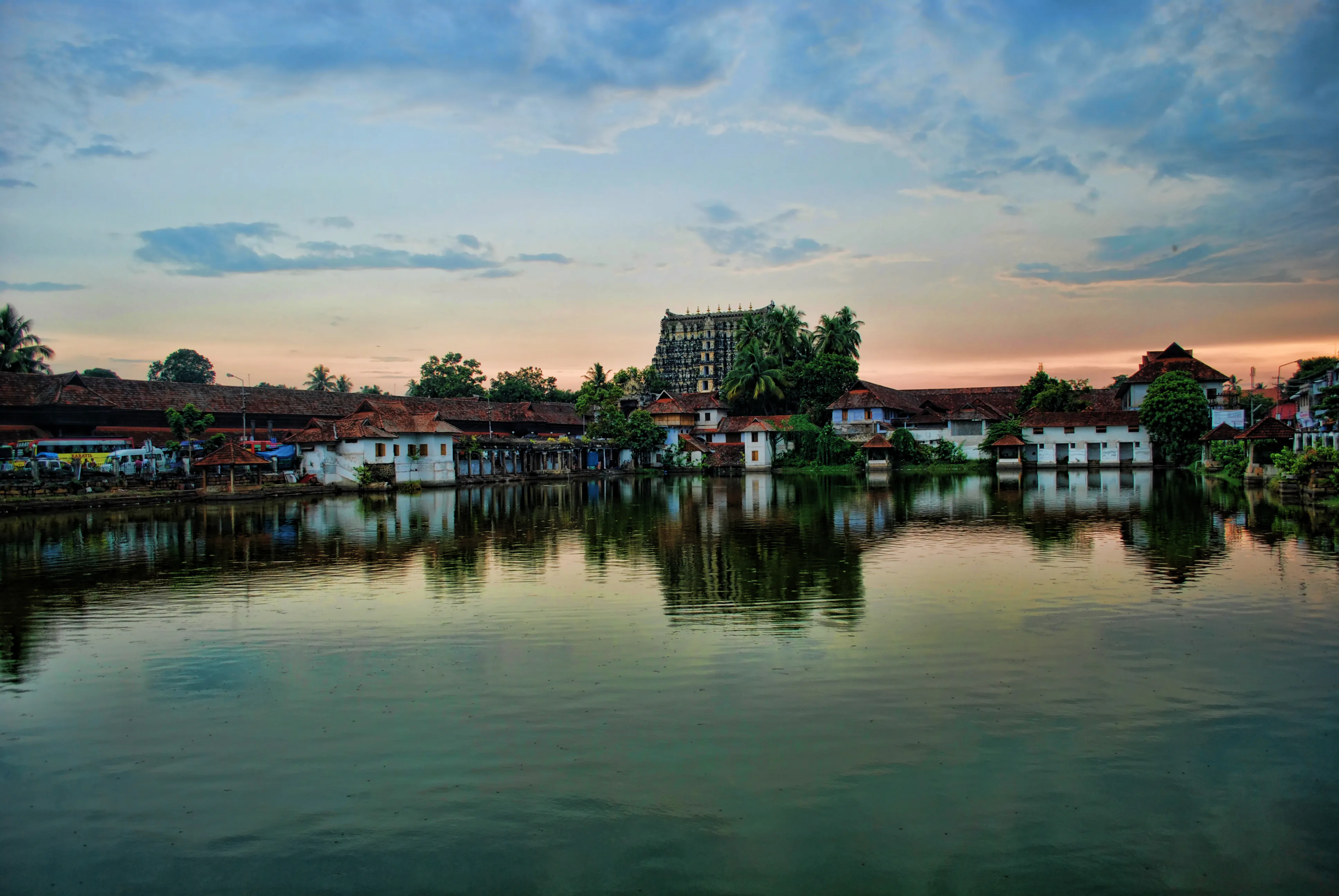
Sree Padmanabhaswamy Temple Thiruvananthapuram
West Nada, Pazhavangadi, Thiruvananthapuram (695023), Kerala, India
The imposing Gopuram of the Sree Padmanabhaswamy Temple, a symphony in Dravidian and Kerala architectural styles, pierced the Thiruvananthapuram skyline, its vibrant hues a stark contrast to the monsoon clouds gathering overhead. This wasn't just another temple on my 500+ monument documentation journey; this was different. An aura of sanctity, almost palpable, hung in the air, amplified by the rhythmic chanting emanating from within. Passing through the towering gateway, I felt transported. The vast courtyard, paved with flagstones worn smooth by centuries of devotees, unfolded before me. The seven-tiered Gopuram, adorned with intricate carvings of deities and mythical creatures, dominated the vista. Every inch of the structure seemed to narrate a story, a testament to the skill of the artisans who breathed life into stone centuries ago. I noticed the subtle integration of Kerala architectural elements, particularly the sloping roofs and the use of wood, which differentiated it from the typical Dravidian style I'd encountered in Tamil Nadu. The temple's main deity, Lord Vishnu reclining on the serpent Anantha, is a sight that stays etched in memory. The sheer scale of the idol, crafted from 12,008 Shaligrams (sacred stones), is awe-inspiring. The dimly lit sanctum sanctorum, accessible only to Hindus, added to the mystique. While I couldn't enter, the glimpses I caught through the doorway were enough to understand the profound reverence this deity commands. My lens, usually my primary tool for capturing heritage, felt almost inadequate here. How could I possibly encapsulate the spiritual weight, the historical significance, the sheer artistic brilliance of this place in a single frame? I focused instead on capturing the details – the ornate carvings on the pillars depicting scenes from the epics, the delicate murals that adorned the walls, the expressions of devotion on the faces of the devotees. One particular aspect that fascinated me was the 'Kulashekhara Mandapam', supported by intricately carved granite pillars. The play of light and shadow within this space created a dramatic effect, highlighting the exquisite craftsmanship. I spent a considerable amount of time here, trying to capture the nuances of the carvings, each telling a story of its own. The temple tank, 'Padmatheertham', located to the west, added another layer to the temple's serene ambiance. The reflection of the Gopuram in the still water, framed by the surrounding structures, offered a breathtakingly picturesque view. Local lore speaks of a subterranean tunnel connecting the temple to the Arabian Sea, adding an element of mystery to the already captivating narrative. Beyond the main shrine, the temple complex houses several smaller shrines dedicated to various deities. Each shrine, though smaller in scale, possessed its own unique architectural features and artistic merit. I was particularly drawn to the shrine of Lord Krishna, where the vibrant colours and playful depictions of the deity offered a contrast to the more austere grandeur of the main shrine. Documenting the Sree Padmanabhaswamy Temple wasn't just about capturing its architectural splendor; it was about experiencing a living heritage. The temple isn't merely a monument; it's a vibrant hub of faith, a testament to centuries of devotion, and a repository of artistic and architectural brilliance. Leaving the temple, I carried with me not just photographs, but a profound sense of awe and respect for the rich cultural tapestry of India. This wasn't just another monument ticked off my list; it was a pilgrimage for the soul.
Specialized Data:
City
Thiruvananthapuram
State
Kerala
Country
India
Total Sites
1
Category
All Heritage Sites
What is Heritage Sites Near Thiruvananthapuram, Kerala?
Discover 1 documented heritage sites within Thiruvananthapuram, Kerala. From ancient temples to historic forts, explore cultural treasures near you with complete visitor information, GPS coordinates, timings, and directions.
City:
ThiruvananthapuramState:
KeralaCountry:
IndiaTotal Sites:
1Category:
All Heritage SitesCoordinates:
8.4828°N, 76.9436°EHow to Explore Heritage Sites in Thiruvananthapuram
- 1
Browse Sites on Map
View all 1 heritage sites with up-to-date GPS coordinates and filters for style, era, and accessibility.
- 2
Check Visitor Essentials
Confirm entry requirements, timings, photography rules, and accessibility notes before you travel.
- 3
Plan Efficient Routes
Group nearby monuments into half-day or full-day trails using local transport or hired vehicles.
- 4
Document & Share
Capture respectful visuals, collect local stories, and contribute updates to strengthen the archive.
Planning Snapshot
| Location | Thiruvananthapuram, Kerala |
| Sites Available | 1 documented |
| Transport | Metro · Bus · Auto · Taxi · Private |
| Best Season | October – March |
| Visit Duration | 2–3 hrs per site |
| Navigation Tips | Download offline maps, respect local signage |
Quick Facts
•1 heritage sites within reach of Thiruvananthapuram
•Located in Kerala, a state/region rich in cultural heritage
•Average travel time: 30-90 minutes from Thiruvananthapuram city center
•Best visiting season: October through March
•Entry fees typically range ₹25-₹40 at protected sites
•Transportation options include auto-rickshaw, Indian Railways, state buses
•GPS coordinates provided for all sites for accurate navigation
•Local guides available at major heritage sites
•Photography permitted at most sites (tripod restrictions may apply)
•Thiruvananthapuram serves as convenient base with hotels and restaurants
Common Questions
About Thiruvananthapuram Heritage Region
Thiruvananthapuram occupies a heritage-rich region of Kerala, reflecting historical importance rooted in geographical advantages, pilgrimage networks, and royal patronage traditions. The architectural diversity documented here spans centuries of religious devotion, political power, and cultural achievement. Sites range from locations within Thiruvananthapuram proper to monuments situated 30-90 minutes distant, enabling both brief visits and comprehensive day-long explorations. Accessible sites facilitate morning visits returning by afternoon, while more distant monuments reward full-day excursions potentially combining multiple sites along geographical routes. Transportation infrastructure throughout Thiruvananthapuram includes app-based ride services, traditional auto-rickshaws, and taxi services. Multiple-site visits often benefit from private vehicle hire enabling flexible scheduling and optimal route planning. Visiting patterns vary seasonally and weekly; weekday mornings typically offer peaceful experiences, while festival periods provide opportunities to witness continuing traditions, though with increased visitor density. This collection documents prominent sites alongside lesser-known monuments, enabling balanced itineraries combining well-documented heritage with discoveries off typical tourist circuits.
Getting Around from Thiruvananthapuram
Transportation from Thiruvananthapuram to regional heritage sites employs various modalities depending on distance and infrastructure. India offers well-developed transportation including auto-rickshaw, Indian Railways, state buses. Sites within Thiruvananthapuram limits remain accessible via local transport options. Outlying monuments may require private vehicle access: rental cars for independent travelers, or hired vehicles with experienced drivers. Organized tours offer structured itineraries with less scheduling flexibility. Distance ranges span 5-80 kilometers from Thiruvananthapuram; proximate sites (5-15km) involve 30-45 minute journeys, while more distant monuments (40-80km) require 1.5-2.5 hours depending on traffic conditions and road quality. Site-specific documentation provides exact coordinates, suggested routes, and access considerations. Local knowledge complements digital navigation; consulting residents regarding road conditions and optimal routes proves valuable.
When to Visit
Seasonal considerations significantly affect heritage site visiting experiences throughout Kerala. The optimal visiting period for India extends October through March, offering comfortable weather conditions and extended visiting hours, though popular sites may experience higher visitor density. Heritage sites maintain varying seasonal schedules; specific closures or modified hours warrant verification before visiting. Weather patterns vary by region within India, so consulting local forecasts ensures appropriate planning. Festival periods at active worship sites provide enriching cultural experiences, though with substantially increased attendance meriting advance planning. Entry fees at protected monuments typically range from ₹25-₹40. Photography for personal use is generally permitted, though professional equipment may require advance permissions.