Heritage Sites Near Rishikesh
Architectural photography and visual documentation of heritage sites near Rishikesh benefits from understanding optimal lighting conditions, compositional considerations, and site-specific restrictions. This collection of 1+ documented sites provides technical information supporting professional photography and scholarly documentation: cardinal orientations affecting lighting throughout the day, architectural features best captured during specific conditions, and permission requirements for professional equipment. Uttarakhand's heritage monuments offer exceptional photographic subjects when approached with appropriate technical knowledge and timing. Understanding when directional lighting reveals sculptural details, how seasonal conditions affect atmospheric quality, and where photography restrictions apply enables successful documentation. This guide supports photographers, researchers, and documentation specialists with site-specific technical information, access protocols, and optimal timing recommendations for capturing Rishikesh region's architectural heritage professionally and respectfully.
All Heritage Sites in Rishikesh
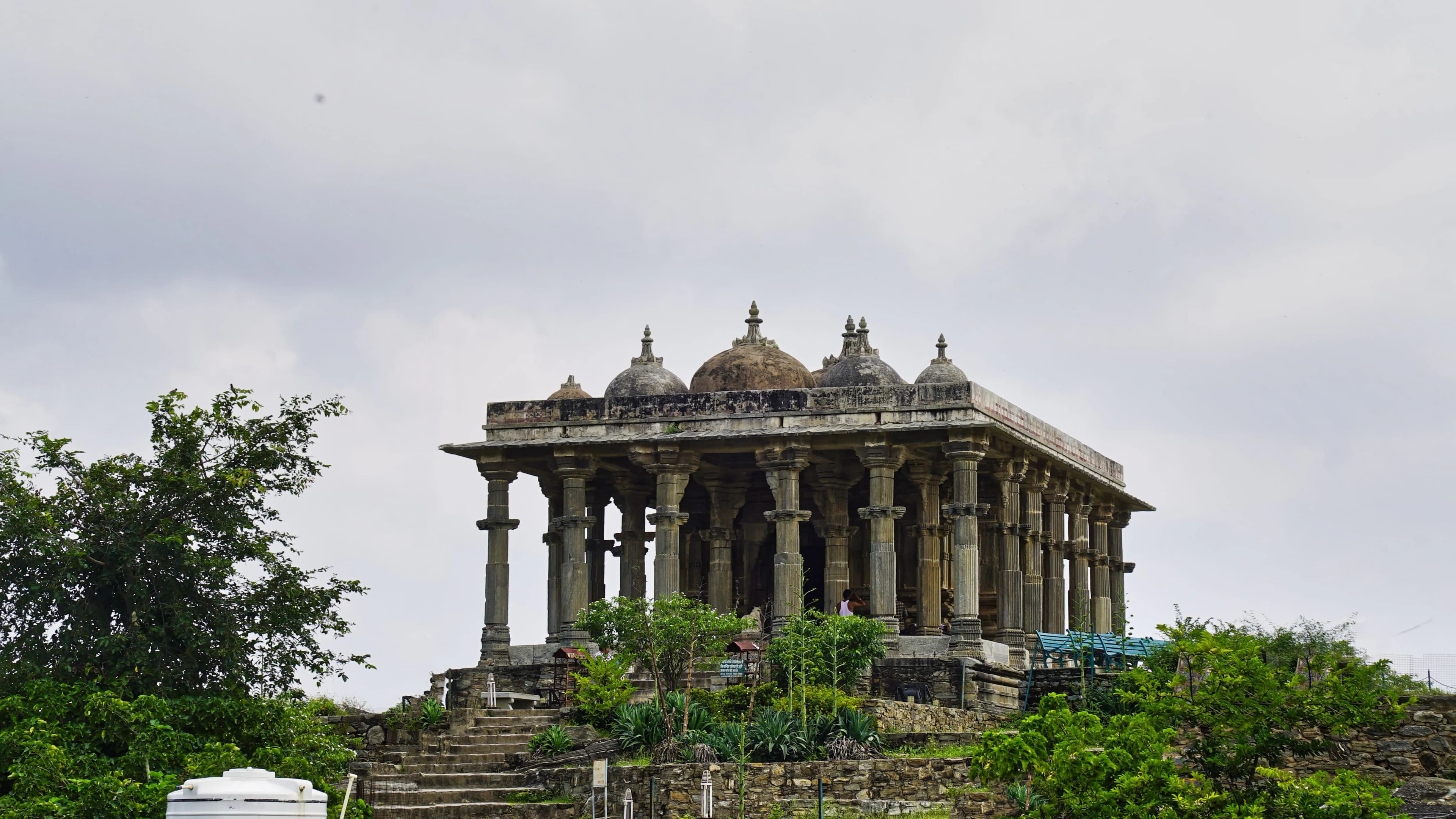
Neelkanth Mahadev Temple Pauri
The roar of the Panch Ganga reverberated through the narrow gorge, a constant, powerful undercurrent to the peace I sought at the Neelkanth Mahadev Temple. Nestled amidst dense deodar forests in the Garhwal Himalayas, the temple, dedicated to Lord Shiva, felt both ancient and vibrantly alive. The journey itself was a pilgrimage of sorts, winding uphill through hairpin bends, each turn revealing a more breathtaking vista of the verdant valley below. The temple's location is no accident. It's believed to be the exact spot where Lord Shiva consumed the poison that emerged during the churning of the cosmic ocean (Samudra Manthan), turning his throat blue – hence the name Neelkanth, meaning "blue throat." This potent mythology imbues the air with a palpable sense of reverence. As I approached the temple, the first thing that struck me was its vibrant architecture. Unlike the sandstone structures prevalent in my home state of Madhya Pradesh, Neelkanth is built of grey stone, a material choice that blends seamlessly with the surrounding landscape. The shikhara, though not towering, possesses a distinct curvilinear grace, adorned with intricate carvings of deities and mythical creatures. The vibrant colours used to paint these figures – deep reds, blues, and yellows – popped against the grey stone, creating a visual feast. I spent considerable time documenting the weathered patina of the stone, capturing how centuries of sun, rain, and devotion had etched their stories onto the temple walls. The main entrance is guarded by two imposing stone lions, their expressions a curious blend of ferocity and serenity. Stepping inside the courtyard, I was greeted by a scene of quiet devotion. Devotees offered prayers, the air thick with the scent of incense and the rhythmic chanting of mantras. The energy was palpable, a blend of ancient ritual and contemporary faith. My lens was drawn to the intricate details: the ornate brass bells hanging from the eaves, the meticulously carved pillars supporting the mandap, and the worn stone steps leading to the sanctum sanctorum. I noticed how the natural light filtering through the trees dappled the courtyard, creating an ethereal atmosphere. It was a photographer's dream, each angle offering a new perspective on the temple's beauty. Inside the garbhagriha, the inner sanctum, photography was prohibited. But the memory of that brief glimpse remains etched in my mind. The lingam, representing Lord Shiva, was bathed in the soft glow of oil lamps, the air heavy with the fragrance of flowers and sandalwood. The hushed reverence of the devotees was contagious, and even I, behind my lens, felt a sense of profound peace. Beyond the main temple structure, I explored the surrounding area. A natural spring, believed to be sacred, flows nearby, its water considered holy by the devotees. I observed how people queued patiently to collect the water, their faces reflecting a deep faith. The surrounding forest, with its towering deodar trees and the constant murmur of the Panch Ganga, added to the sense of tranquility. My time at Neelkanth Mahadev Temple was more than just a photographic assignment; it was a spiritual experience. The temple's architecture, its location, and the palpable devotion of the pilgrims combined to create an atmosphere of profound peace and reverence. As I descended the winding mountain road, I carried with me not just photographs, but a renewed appreciation for the power of faith and the enduring beauty of India's ancient heritage. The roar of the Panch Ganga, now fading in the distance, seemed to carry with it the echoes of ancient prayers, a constant reminder of the sacred ground I had just left behind.
Rishikesh
Uttarakhand
India
1
All Heritage Sites
Discover 1 documented heritage sites within Rishikesh, Uttarakhand. From ancient temples to historic forts, explore cultural treasures near you with complete visitor information, GPS coordinates, timings, and directions.
- 1
Browse Sites on Map
View all 1 heritage sites with up-to-date GPS coordinates and filters for style, era, and accessibility.
- 2
Check Visitor Essentials
Confirm entry requirements, timings, photography rules, and accessibility notes before you travel.
- 3
Plan Efficient Routes
Group nearby monuments into half-day or full-day trails using local transport or hired vehicles.
- 4
Document & Share
Capture respectful visuals, collect local stories, and contribute updates to strengthen the archive.
| Location | Rishikesh, Uttarakhand |
| Sites Available | 1 documented |
| Transport | Metro · Bus · Auto · Taxi · Private |
| Best Season | October – March |
| Visit Duration | 2–3 hrs per site |
| Navigation Tips | Download offline maps, respect local signage |
Quick Facts
Common Questions
About Rishikesh Heritage Region
Rishikesh occupies a heritage-rich region of Uttarakhand, reflecting historical importance rooted in geographical advantages, pilgrimage networks, and royal patronage traditions. The architectural diversity documented here spans centuries of religious devotion, political power, and cultural achievement. Sites range from locations within Rishikesh proper to monuments situated 30-90 minutes distant, enabling both brief visits and comprehensive day-long explorations. Accessible sites facilitate morning visits returning by afternoon, while more distant monuments reward full-day excursions potentially combining multiple sites along geographical routes. Transportation infrastructure throughout Rishikesh includes app-based ride services, traditional auto-rickshaws, and taxi services. Multiple-site visits often benefit from private vehicle hire enabling flexible scheduling and optimal route planning. Visiting patterns vary seasonally and weekly; weekday mornings typically offer peaceful experiences, while festival periods provide opportunities to witness continuing traditions, though with increased visitor density. This collection documents prominent sites alongside lesser-known monuments, enabling balanced itineraries combining well-documented heritage with discoveries off typical tourist circuits.
Getting Around from Rishikesh
Transportation from Rishikesh to regional heritage sites employs various modalities depending on distance and infrastructure. India offers well-developed transportation including auto-rickshaw, Indian Railways, state buses. Sites within Rishikesh limits remain accessible via local transport options. Outlying monuments may require private vehicle access: rental cars for independent travelers, or hired vehicles with experienced drivers. Organized tours offer structured itineraries with less scheduling flexibility. Distance ranges span 5-80 kilometers from Rishikesh; proximate sites (5-15km) involve 30-45 minute journeys, while more distant monuments (40-80km) require 1.5-2.5 hours depending on traffic conditions and road quality. Site-specific documentation provides exact coordinates, suggested routes, and access considerations. Local knowledge complements digital navigation; consulting residents regarding road conditions and optimal routes proves valuable.
When to Visit
Seasonal considerations significantly affect heritage site visiting experiences throughout Uttarakhand. The optimal visiting period for India extends October through March, offering comfortable weather conditions and extended visiting hours, though popular sites may experience higher visitor density. Heritage sites maintain varying seasonal schedules; specific closures or modified hours warrant verification before visiting. Weather patterns vary by region within India, so consulting local forecasts ensures appropriate planning. Festival periods at active worship sites provide enriching cultural experiences, though with substantially increased attendance meriting advance planning. Entry fees at protected monuments typically range from ₹25-₹40. Photography for personal use is generally permitted, though professional equipment may require advance permissions.