Sikkim
All Heritage Sites
2 sites
📍 27.1658°N, 88.3618°E
Heritage Sites Near Namchi
Namchi provides excellent access to 2+ significant heritage sites throughout Sikkim, enabling meaningful exploration of India's architectural and spiritual heritage. This collection documents temples preserving ancient traditions, historic forts witnessing pivotal events, and architectural monuments demonstrating sophisticated artistic achievement. Namchi's strategic location facilitates day trips and extended visits to sites representing diverse periods, styles, and cultural contexts. Our comprehensive documentation includes precise GPS coordinates, detailed photography, current visitor information, and architectural analysis, supporting informed site selection based on interests—whether architectural study, spiritual connection, or historical understanding. Each site entry provides accurate distance measurements, transport recommendations, entry requirements, and cultural guidelines ensuring respectful engagement with these sacred and historically significant spaces. This resource serves devotees, scholars, students, and heritage enthusiasts seeking authentic experiences of Sikkim's rich civilizational heritage.
Explore comprehensive documentation of 2+ heritage sites accessible from Namchi, with detailed visitor information, architectural insights, and cultural guidelines supporting meaningful heritage experiences.
All Heritage Sites in Namchi
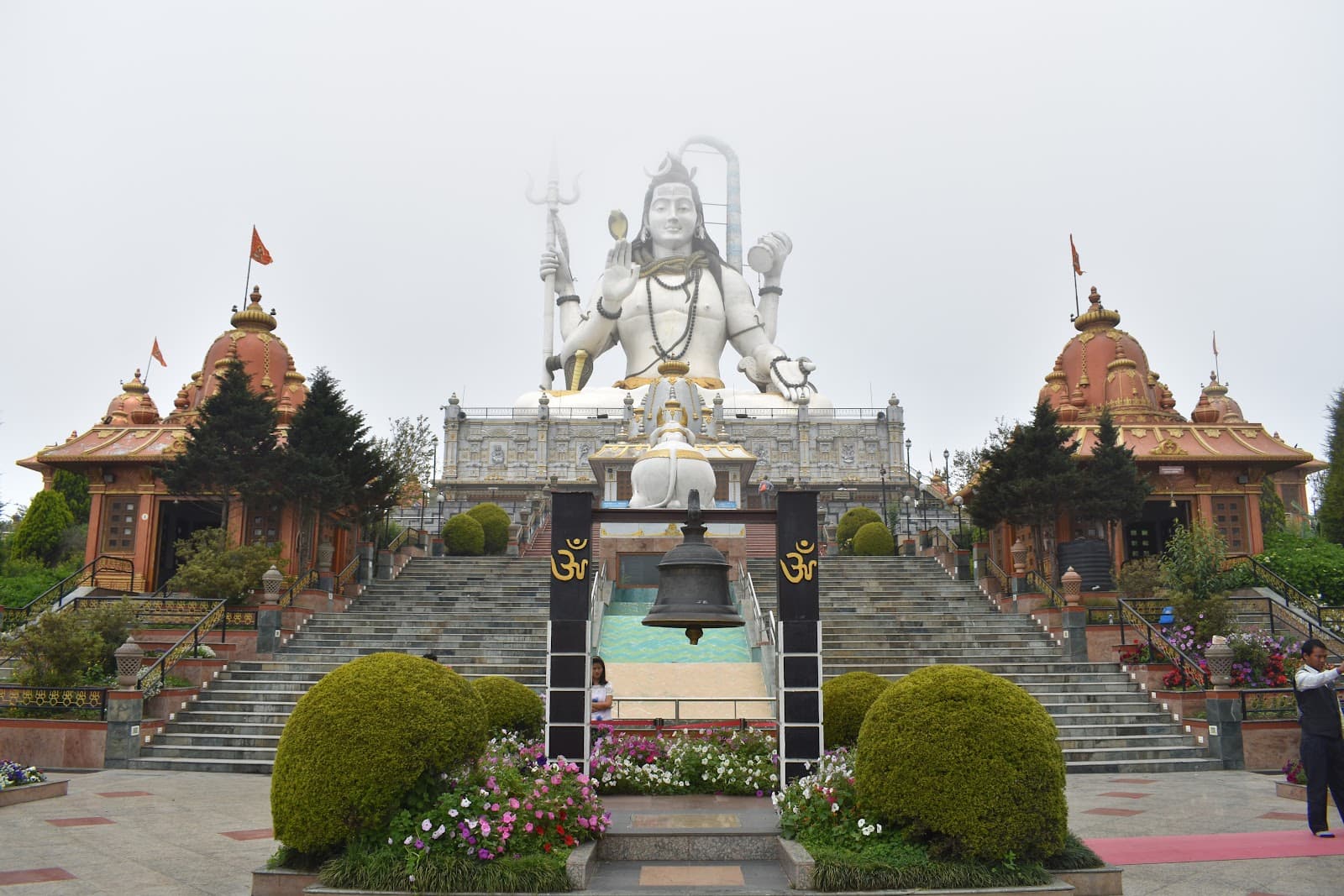
Solophok Chardham Namchi
Namchi - Namthang Road, Agam Gram, Namchi (737126), Sikkim, India
The vibrant prayer flags snapping in the Himalayan breeze were my welcome to Solophok Chardham, a surprisingly recent addition to Sikkim’s spiritual landscape. Perched on the Solophok hilltop overlooking Namchi, this complex, completed in 2011, isn’t ancient in the way of many UNESCO sites, but its ambition is palpable. It aims to replicate the revered Char Dham pilgrimage circuit of India – Badrinath, Dwarka, Puri, and Rameshwaram – within a single location, making it accessible to those unable to undertake the arduous original journey. The centerpiece, and the first structure that caught my eye, is the towering 108-foot statue of Lord Shiva, known here as Siddheshwar. Its sheer scale is breathtaking, gleaming gold against the backdrop of the snow-capped Kanchenjunga range. The statue itself is a marvel of modern engineering, and I learned from a local priest that it was constructed using copper and plated with gold. The detailing on Lord Shiva’s form, from the intricate folds of his garments to the serene expression on his face, is remarkably precise. Circling the statue, I found myself immersed in the representations of the four Dhams. Each shrine is architecturally distinct, reflecting the style of its original counterpart. The Badrinath replica, dedicated to Lord Vishnu, features the characteristic sloping roof and brightly coloured facade I’d seen in Uttarakhand. Dwarka, dedicated to Lord Krishna, echoed the intricate carvings and sandstone hues of Gujarat’s coastal temples. The Jagannath temple of Puri, with its distinctive pyramidal roof and vibrant murals, transported me back to Odisha. Finally, the Rameshwaram replica, dedicated to Lord Shiva in his Ramalingeswara form, captured the Dravidian architectural style of Tamil Nadu with its towering gopuram. While the architectural mimicry is impressive, Solophok Chardham isn’t merely a copy-paste project. The complex incorporates elements of Sikkimese Buddhist architecture, creating a unique blend of styles. The prayer wheels lining the pathways, the colourful murals depicting Buddhist deities, and the presence of monks going about their daily rituals, all contribute to a syncretic atmosphere that feels distinctly Sikkimese. This fusion, I felt, was the most compelling aspect of the site. It speaks to the region’s history of religious harmony and the fluidity of faith in the Himalayas. Beyond the main shrines, the complex offers panoramic views of the surrounding valleys and mountains. I spent a considerable amount of time simply absorbing the scenery, the peace punctuated only by the fluttering prayer flags and the distant chanting from within the temples. There’s a palpable sense of serenity here, a quiet energy that encourages introspection. One aspect that struck me was the meticulous upkeep of the entire complex. Despite the constant flow of visitors, the grounds were impeccably clean, the gardens well-maintained, and the shrines themselves pristine. This speaks volumes about the reverence with which the site is held by both the local community and the managing authorities. My visit to Solophok Chardham was more than just ticking off another UNESCO site on my list. It was an immersion in a unique blend of architectural styles, religious traditions, and breathtaking natural beauty. While the complex is relatively new, it carries a weight of spiritual significance, offering a glimpse into the rich tapestry of faith and devotion that defines the Himalayan region. It’s a testament to the power of human ambition, not just in replicating architectural marvels, but in creating a space that fosters peace, reflection, and a deeper understanding of India’s diverse spiritual heritage. It’s a place I wouldn’t hesitate to recommend to anyone seeking a unique and inspiring travel experience.
Specialized Data:
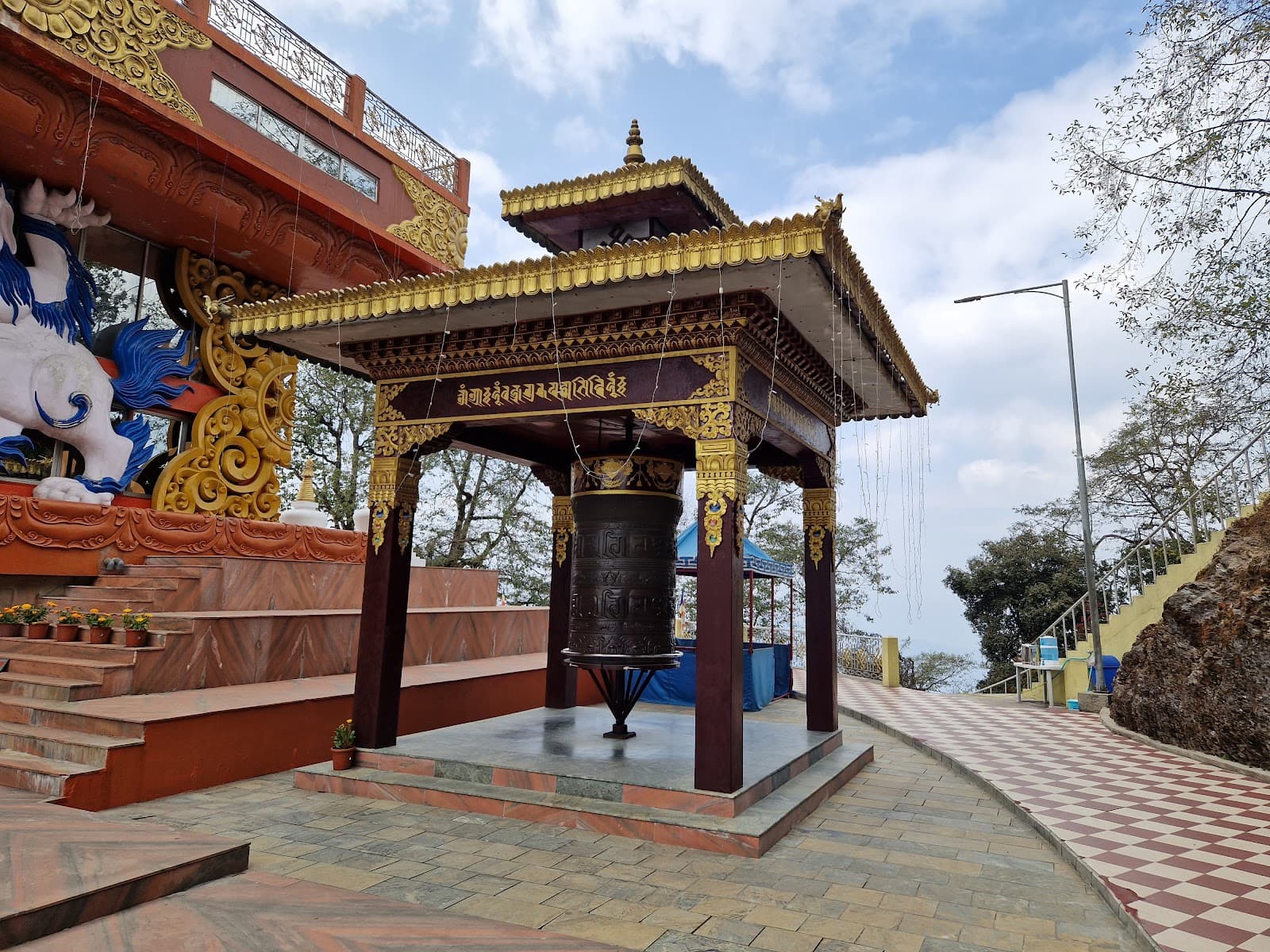
Samdruptse Shiva Temple Namchi
Namchi (737126), Sikkim, India
The crisp mountain air, scented with juniper and prayer flags, whipped around me as I climbed the final steps to the Samdruptse Hill. Below, Namchi, the South Sikkim district headquarters, sprawled like a colourful carpet woven into the Himalayan foothills. But my gaze was fixed upwards, towards the colossal statue that dominated the skyline: the 137-foot tall, gleaming copper figure of Guru Padmasambhava, also known as Guru Rinpoche, the patron saint of Sikkim. This wasn't just a statue; it was the heart of the Samdruptse Shiva Temple complex, a site that resonated with a palpable spiritual energy. Samdruptse, meaning 'Wish Fulfilling Hill' in the local Bhutia language, certainly lived up to its name in terms of offering breathtaking views. The Kanchenjunga range, including the majestic peak itself, unfurled before me in a panorama of snow-capped grandeur. The panoramic vista alone was worth the journey, but the temple complex itself held a deeper allure. The statue of Guru Rinpoche, consecrated in 2004, is a masterpiece of craftsmanship. Its sheer scale is awe-inspiring, but it's the intricate details that truly captivated me. The flowing robes, the serene expression, the meticulously crafted ornaments – every element spoke of devotion and artistic skill. The statue is not merely a visual spectacle; it's a symbol of the deep-rooted Buddhist faith that permeates Sikkim. Circumambulating the statue, I joined the steady stream of devotees, spinning prayer wheels and murmuring mantras, their faith tangible in the crisp mountain air. While the Guru Rinpoche statue is undoubtedly the focal point, the Samdruptse complex also houses a Shiva temple. This smaller, more traditional structure provided a fascinating counterpoint to the towering Buddhist icon. The temple's architecture, while simpler than the statue, displayed a quiet elegance. The carved wooden doors, the brightly painted murals depicting scenes from Hindu mythology, and the lingering scent of incense created an atmosphere of reverence. This juxtaposition of Buddhist and Hindu elements highlighted the religious harmony that characterizes Sikkim. Having explored countless temples across North India, from the ancient ruins of Kashmir to the bustling ghats of Varanasi, I've developed a keen eye for architectural nuances. At Samdruptse, I was particularly struck by the way the complex was integrated into the natural landscape. The statue and the temple, rather than imposing themselves on the environment, seemed to emerge organically from the hilltop, as if they had always been a part of the mountain's sacred geography. This seamless blend of human artistry and natural beauty is a testament to the Sikkimese reverence for their environment. Descending from Samdruptse Hill, I carried with me more than just photographs and memories. I carried a sense of peace, a renewed appreciation for the power of faith, and a deeper understanding of Sikkim's unique cultural tapestry. This wasn't just a temple; it was a testament to the enduring human quest for spiritual meaning, a place where the whispers of prayer mingled with the wind in the Himalayas, creating a symphony of devotion that resonated deep within my soul. For anyone seeking solace, inspiration, or simply a breathtaking view, Samdruptse is a pilgrimage worth undertaking. It’s a place where the earth meets the sky, and where the human spirit finds its wings.
Specialized Data:
City
Namchi
State
Sikkim
Country
India
Total Sites
2
Category
All Heritage Sites
What is Heritage Sites Near Namchi, Sikkim?
Discover 2 documented heritage sites within Namchi, Sikkim. From ancient temples to historic forts, explore cultural treasures near you with complete visitor information, GPS coordinates, timings, and directions.
City:
NamchiState:
SikkimCountry:
IndiaTotal Sites:
2Category:
All Heritage SitesCoordinates:
27.1658°N, 88.3618°EHow to Explore Heritage Sites in Namchi
- 1
Browse Sites on Map
View all 2 heritage sites with up-to-date GPS coordinates and filters for style, era, and accessibility.
- 2
Check Visitor Essentials
Confirm entry requirements, timings, photography rules, and accessibility notes before you travel.
- 3
Plan Efficient Routes
Group nearby monuments into half-day or full-day trails using local transport or hired vehicles.
- 4
Document & Share
Capture respectful visuals, collect local stories, and contribute updates to strengthen the archive.
Planning Snapshot
| Location | Namchi, Sikkim |
| Sites Available | 2 documented |
| Transport | Metro · Bus · Auto · Taxi · Private |
| Best Season | October – March |
| Visit Duration | 2–3 hrs per site |
| Navigation Tips | Download offline maps, respect local signage |
Quick Facts
•2 heritage sites within reach of Namchi
•Located in Sikkim, a state/region rich in cultural heritage
•Average travel time: 30-90 minutes from Namchi city center
•Best visiting season: October through March
•Entry fees typically range ₹25-₹40 at protected sites
•Transportation options include auto-rickshaw, Indian Railways, state buses
•GPS coordinates provided for all sites for accurate navigation
•Local guides available at major heritage sites
•Photography permitted at most sites (tripod restrictions may apply)
•Namchi serves as convenient base with hotels and restaurants
Common Questions
About Namchi Heritage Region
Namchi occupies a heritage-rich region of Sikkim, reflecting historical importance rooted in geographical advantages, pilgrimage networks, and royal patronage traditions. The architectural diversity documented here spans centuries of religious devotion, political power, and cultural achievement. Sites range from locations within Namchi proper to monuments situated 30-90 minutes distant, enabling both brief visits and comprehensive day-long explorations. Accessible sites facilitate morning visits returning by afternoon, while more distant monuments reward full-day excursions potentially combining multiple sites along geographical routes. Transportation infrastructure throughout Namchi includes app-based ride services, traditional auto-rickshaws, and taxi services. Multiple-site visits often benefit from private vehicle hire enabling flexible scheduling and optimal route planning. Visiting patterns vary seasonally and weekly; weekday mornings typically offer peaceful experiences, while festival periods provide opportunities to witness continuing traditions, though with increased visitor density. This collection documents prominent sites alongside lesser-known monuments, enabling balanced itineraries combining well-documented heritage with discoveries off typical tourist circuits.
Getting Around from Namchi
Transportation from Namchi to regional heritage sites employs various modalities depending on distance and infrastructure. India offers well-developed transportation including auto-rickshaw, Indian Railways, state buses. Sites within Namchi limits remain accessible via local transport options. Outlying monuments may require private vehicle access: rental cars for independent travelers, or hired vehicles with experienced drivers. Organized tours offer structured itineraries with less scheduling flexibility. Distance ranges span 5-80 kilometers from Namchi; proximate sites (5-15km) involve 30-45 minute journeys, while more distant monuments (40-80km) require 1.5-2.5 hours depending on traffic conditions and road quality. Site-specific documentation provides exact coordinates, suggested routes, and access considerations. Local knowledge complements digital navigation; consulting residents regarding road conditions and optimal routes proves valuable.
When to Visit
Seasonal considerations significantly affect heritage site visiting experiences throughout Sikkim. The optimal visiting period for India extends October through March, offering comfortable weather conditions and extended visiting hours, though popular sites may experience higher visitor density. Heritage sites maintain varying seasonal schedules; specific closures or modified hours warrant verification before visiting. Weather patterns vary by region within India, so consulting local forecasts ensures appropriate planning. Festival periods at active worship sites provide enriching cultural experiences, though with substantially increased attendance meriting advance planning. Entry fees at protected monuments typically range from ₹25-₹40. Photography for personal use is generally permitted, though professional equipment may require advance permissions.