West Bengal
All Heritage Sites
4 sites
📍 22.5661°N, 88.3601°E
Heritage Sites Near Kolkata
Heritage exploration from Kolkata remains accessible across varying economic circumstances, with 4+ documented sites including numerous monuments offering free or nominal-cost entry. Many active religious sites traditionally welcome visitors without entry fees, maintaining centuries-old practices of open access. Protected monuments typically charge modest entry fees (₹25-₹40). Strategic planning optimizes heritage experiences within budget constraints: geographic clustering enables multiple visits per excursion, weekday visits may access special entry provisions, shared transportation distributes costs effectively. Our documentation identifies free-entry sites, cost-effective visiting combinations, transportation economics, and local amenities supporting budget-conscious heritage tourism. This resource demonstrates that meaningful engagement with West Bengal's architectural and spiritual heritage transcends economic limitations, enabling students, families, and all seekers of cultural connection to experience India's civilizational achievements.
Comprehensive cost information and accessibility guidance for 4+ heritage sites near Kolkata, supporting meaningful heritage experiences honoring West Bengal's architectural and spiritual legacy across all budget levels.
All Heritage Sites in Kolkata
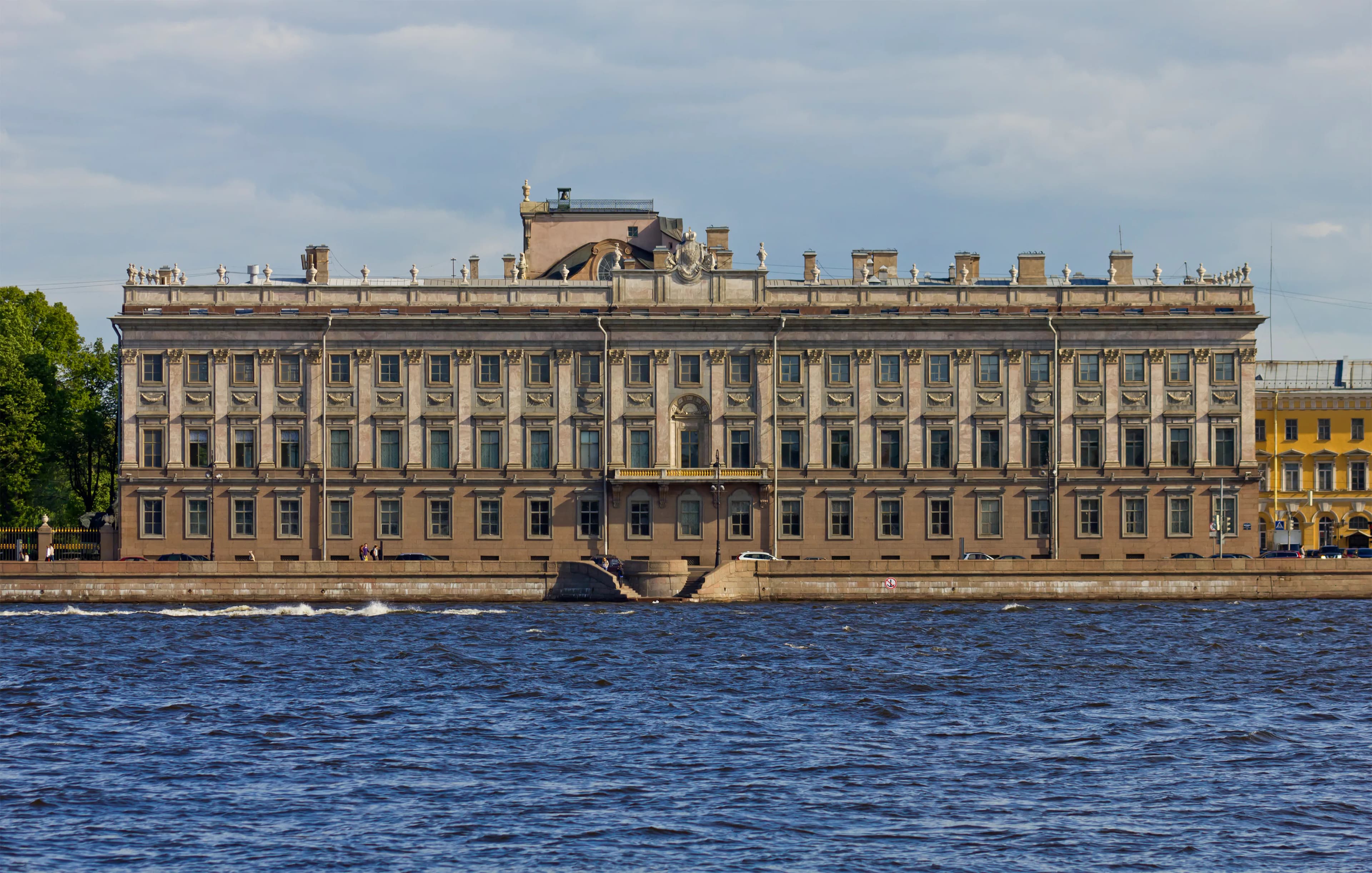
Marble Palace Kolkata
Muktaram Babu Street, Jorasanko, Kolkata (700007), Presidency Division, West Bengal, India
The humid Kolkata air hung heavy, a stark contrast to the crisp winter mornings I’m accustomed to in Uttar Pradesh. But the oppressive heat couldn’t diminish the anticipation I felt as I approached the Marble Palace, a structure whispered about in hushed tones for its exquisite beauty and enigmatic history. Tucked away on Muktaram Babu Street, its neoclassical façade, surprisingly understated, offered a mere glimpse of the treasures within. Stepping through the imposing iron gates felt like crossing a threshold into another era. The courtyard, a surprising oasis of calm amidst the city’s cacophony, was dominated by a magnificent marble statue of Queen Victoria, a stark reminder of the Raj's enduring influence. The palace itself, a blend of neoclassical and traditional Bengali styles, was a testament to the eclectic tastes of its 19th-century founder, Raja Rajendra Mullick, a wealthy Bengali merchant. The sheer abundance of marble, sourced from across the globe, was breathtaking. The floors, the columns, even some of the furniture, gleamed with a cool, polished elegance. I ran my hand over a balustrade, the smooth, cool surface a welcome respite from the muggy air. The intricate carvings, depicting everything from floral motifs to mythological scenes, spoke of the skilled artisans who had poured their hearts into this architectural marvel. As I moved through the labyrinthine interiors, I was struck by the sheer diversity of the collection housed within. It wasn't just the expected European sculptures and Victorian furniture; the palace was a veritable microcosm of global art and culture. I gazed at Belgian stained-glass windows, admired Chinese porcelain vases, and examined Roman busts, all coexisting in a harmonious, if somewhat bewildering, display. It was a testament to Mullick's passion for collecting, a passion that bordered on obsession. One room, the Thakur-Dalan, or the place of worship, particularly resonated with me. Here, amidst the European grandeur, was a dedicated space for traditional Hindu deities. This juxtaposition, this seamless blending of Eastern and Western traditions, felt uniquely Indian. It reminded me of the syncretic nature of our own culture in Uttar Pradesh, where Mughal influences have intertwined with ancient Hindu traditions. The palace, however, was not without its shadows. As I wandered through the dimly lit corridors, I couldn't shake off a sense of melancholy. The sheer opulence felt almost overwhelming, a stark contrast to the poverty that existed just beyond the palace walls. I learned that photography was strictly prohibited inside, a rule I respected, but which also added to the air of mystery and seclusion. It felt as though the palace was guarding its secrets, unwilling to fully reveal itself to the outside world. The extensive collection of paintings, including works by European masters and renowned Indian artists, further fueled this sense of intrigue. I stood before a painting attributed to Rubens, its vibrant colours seemingly untouched by time, and pondered the stories these walls could tell. The palace wasn't just a repository of art; it was a living archive, a silent witness to the changing tides of history. Leaving the Marble Palace, I stepped back into the vibrant chaos of Kolkata, the city's sounds and smells assaulting my senses after the hushed stillness within. The experience, however, lingered. The palace, with its marble grandeur and its enigmatic aura, had left an indelible mark. It was a place of contradictions, a testament to both the opulence and the complexities of a bygone era, a place that continued to whisper its secrets long after I had left its cool embrace. It was a reminder that even amidst the relentless march of progress, pockets of the past remain, waiting to be discovered, explored, and understood.
Specialized Data:
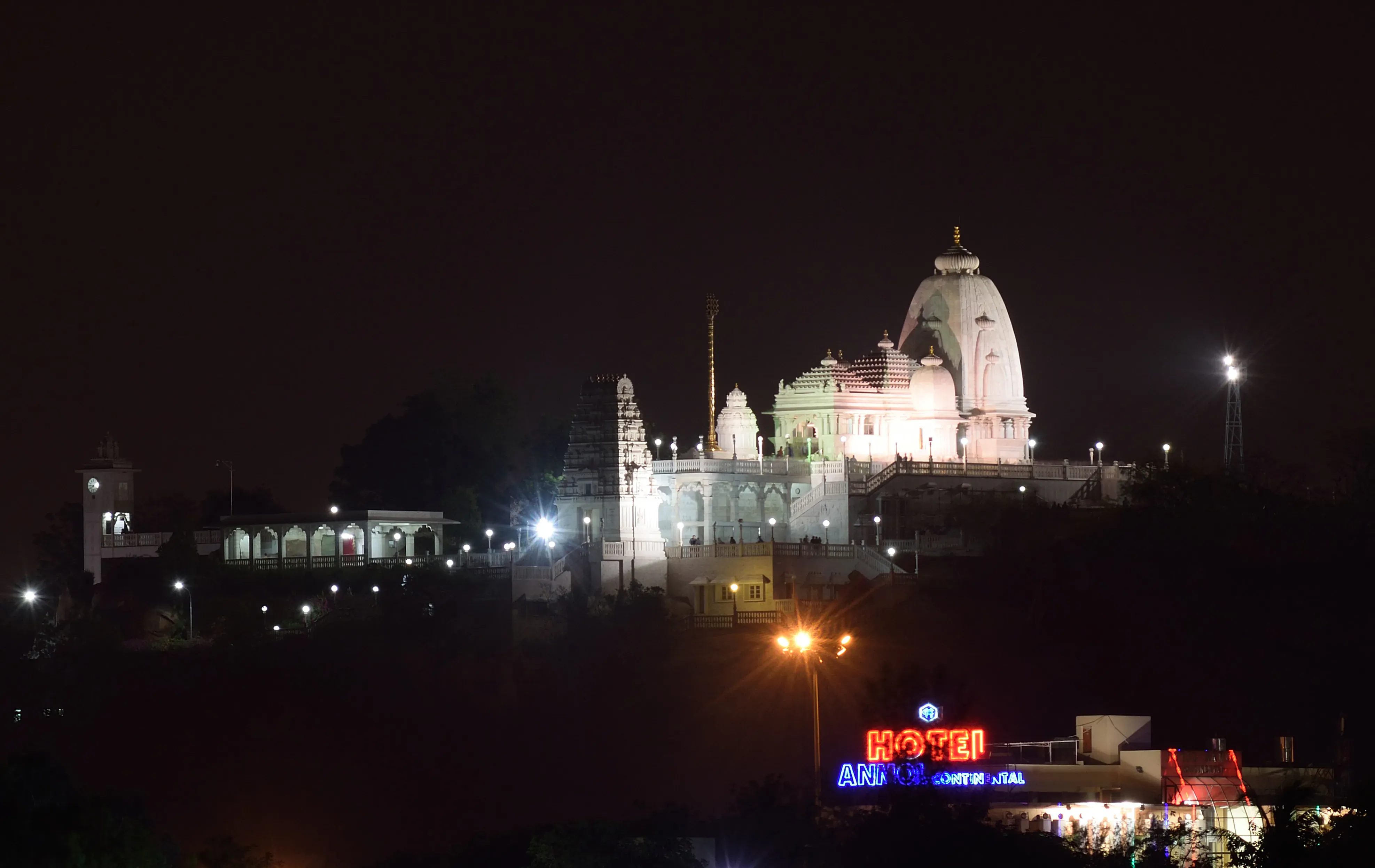
Birla Mandir Kolkata
Ashutosh Chowdary Avenue, Ballygunge, Kolkata (700019), Presidency Division, West Bengal, India
A serene addition to the Kolkata skyline, the Birla Mandir, completed in 1970 CE, is dedicated to Lord Krishna and Radha ([1]). Commissioned by the Birla family, the temple exemplifies the Nagara style of North Indian temple architecture ([2][3]). Unlike traditional rock-cut temples, this modern marvel is constructed using white marble, sandstone, cement, and steel ([4]). Intricate carvings embellish the temple's exterior, depicting scenes from the Bhagavad Gita and other Hindu scriptures ([1]). Rising majestically, the Shikhara (spire), a defining element of Nagara architecture, draws the eye upwards, echoing the forms of ancient temples ([2]). This architectural style is rooted in principles outlined in texts such as the *Brihat Samhita*, which discusses temple design and iconography ([5]). Vastu Shastra principles, the ancient Indian science of architecture, likely influenced the temple's layout, promoting harmony and balance ([3]). Within the Garbhagriha (sanctum), the idols of Radha and Krishna are resplendent, adorned with vibrant silks and jewels ([4]). Soft light filters through the marble, enhancing the spiritual atmosphere ([1]). The temple complex also houses a museum exhibiting religious artifacts, providing insights into Hindu mythology and traditions ([6]). During the British Colonial Period, temple architecture saw a resurgence, with patrons like the Birla family supporting the construction of new temples that blended traditional styles with modern materials ([7]). The Birla Mandir offers a tranquil space for devotion and reflection, embodying India's enduring cultural heritage ([2][3]). The temple stands as a modern interpretation of ancient architectural principles, reflecting a continuing legacy of artistic and spiritual expression ([5][6]).
Specialized Data:
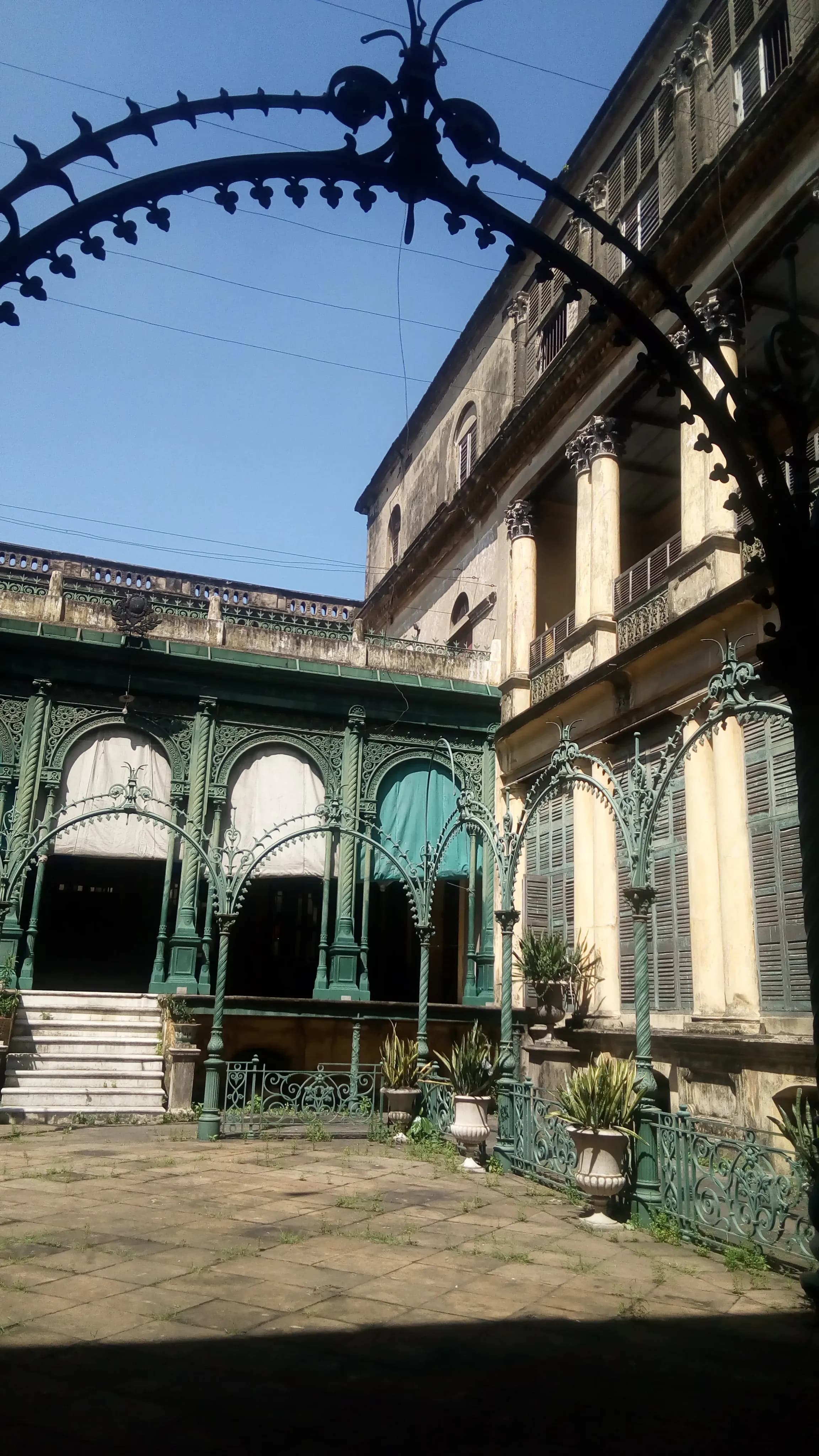
Mullick House Kolkata
Chandni Chowk Street, Bowbazar, Kolkata (700013), Presidency Division, West Bengal, India
The humid Kolkata air hung heavy, a stark contrast to the dry heat I’m accustomed to in Uttar Pradesh. I stood before the imposing façade of Mullick House, a crumbling testament to a bygone era of mercantile opulence. Located on Pathuriaghata Street, this haveli, once the residence of the wealthy Mullick family, whispered stories of indigo, jute, and the ebb and flow of fortune in colonial India. The first thing that struck me was the sheer scale of the structure. Despite its dilapidated state, the grandeur was undeniable. The ornate Corinthian columns, though weathered and stained, still held their heads high, supporting balconies that must have once overflowed with life. The intricate stucco work, depicting floral motifs and mythological figures, bore the scars of time and neglect, yet retained a ghostly elegance. It was a poignant reminder of the ephemeral nature of wealth and power. Stepping through the arched gateway felt like entering a time capsule. The vast courtyard, now overgrown with weeds and littered with debris, once pulsated with the activity of a large joint family. I could almost envision the bustling scenes – children playing, women gossiping in hushed tones, and the patriarch holding court. The remnants of a fountain, choked with dust and leaves, hinted at a past desire for aesthetic refinement. The interior of the haveli was a labyrinth of interconnected rooms, each bearing the marks of its former occupants. Faded frescoes adorned the walls, depicting scenes from the epics, perhaps a reflection of the family's cultural roots. The high ceilings, once adorned with elaborate chandeliers, now revealed peeling paint and exposed beams. The intricate tile work on the floors, though cracked and broken in places, spoke of a time when no expense was spared in the pursuit of beauty. I climbed the grand staircase, its wooden banisters worn smooth by countless hands. The upper floors offered a panoramic view of the surrounding neighbourhood, a chaotic jumble of narrow lanes and crumbling buildings. It was a stark reminder of the changing face of Kolkata, a city grappling with its colonial legacy. As I wandered through the decaying rooms, I couldn't help but draw parallels with the havelis of my own Uttar Pradesh. While the architectural styles differed, the underlying ethos was the same – a celebration of family, tradition, and prosperity. Yet, unlike the meticulously preserved havelis of Lucknow and Varanasi, Mullick House seemed to have been abandoned to the vagaries of time. The neglect was heartbreaking. This wasn't just a building; it was a repository of memories, a tangible link to a significant period in Indian history. The stories embedded within its walls – of trade, migration, and cultural exchange – were in danger of being lost forever. My visit to Mullick House was a bittersweet experience. It was a privilege to witness the remnants of such architectural splendour, but also a sobering reminder of the importance of preservation. As I stepped back onto the bustling streets of Kolkata, I carried with me not just images of crumbling grandeur, but also a renewed appreciation for the fragility of our heritage. The whispers of Mullick House, though fading, deserve to be heard, its stories deserve to be told, and its legacy deserves to be protected. It stands as a potent symbol of a shared past, a past that shapes our present and will continue to influence our future.
Specialized Data:
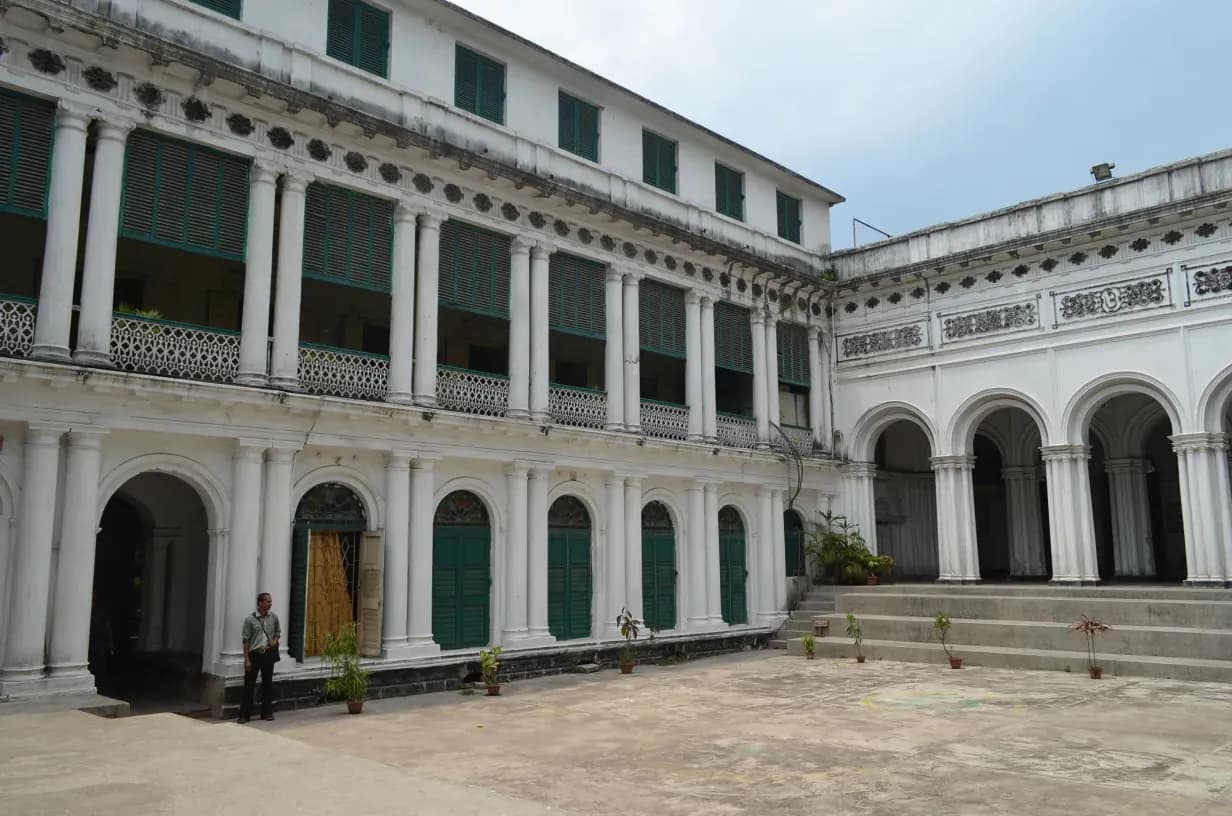
Tagore House Kolkata
Rabindra Sarani, Jorasanko, Kolkata (700007), Presidency Division, West Bengal, India
The ochre walls of Jorasanko Thakur Bari, bathed in the humid Kolkata sun, exuded a quiet dignity. Stepping through the imposing gateway, I felt transported from the bustling city into a sanctuary of history and creativity. As a Chennaiite steeped in the grandeur of Dravidian temple architecture, I was eager to experience the unique charm of this Bengali haveli, the ancestral home of the Tagore family. The sprawling complex, a fascinating blend of architectural styles reflecting different periods of construction and renovation, immediately captivated me. Unlike the towering gopurams and mandapas I was accustomed to, Jorasanko presented a more intimate, inward-looking architecture. The series of interconnected courtyards, surrounded by residential wings, spoke of a close-knit family life, a world within a world. The lack of ostentatious ornamentation, so characteristic of South Indian temples, was replaced by a subtle elegance. The intricate stucco work adorning the cornices and window frames, a hallmark of Bengali architecture, caught my eye. These delicate floral and geometric patterns, though different in execution, reminded me of the intricate carvings found on the stone pillars of our temples. The Thakurdalan, the central courtyard, served as the heart of the house. I could almost picture the hustle and bustle of family gatherings, theatrical performances, and intellectual discussions that once animated this space. The surrounding verandahs, supported by slender columns, provided shade and a vantage point to observe the activities within the courtyard. This architectural feature, creating a seamless transition between indoor and outdoor spaces, resonated with the design principles of traditional South Indian homes, where courtyards play a vital role in ventilation and social interaction. Exploring the various wings of the house, each dedicated to a different branch of the family, I was struck by the sense of history embedded within the walls. The Maharshi Bhavan, where Rabindranath Tagore spent a significant part of his life, was particularly poignant. His study, preserved with his personal belongings, offered a glimpse into the mind of a literary giant. The simplicity of the room, devoid of extravagant furnishings, spoke volumes about his focus on intellectual pursuits. This contrasted sharply with the opulent interiors of Chettinad mansions I had seen back home, where wealth and status were prominently displayed. The influence of European architecture was evident in certain parts of the house, particularly in the use of arched windows and doorways. This fusion of styles, a testament to the family's cosmopolitan outlook, created a unique architectural vocabulary. While the core of the haveli retained its Bengali character, the subtle incorporation of Western elements added another layer of complexity. This reminded me of the Indo-Saracenic architecture prevalent in Chennai, a similar blend of indigenous and colonial styles. The museum within the complex housed a treasure trove of artifacts, including paintings, manuscripts, and photographs, documenting the rich history of the Tagore family. Observing the exquisite craftsmanship of the furniture and the intricate details of the paintings, I was reminded of the rich artistic traditions of both Bengal and South India. Despite the geographical distance, the underlying appreciation for beauty and artistic expression seemed to connect these two distinct cultures. Leaving Jorasanko Thakur Bari, I carried with me a profound appreciation for the architectural and cultural heritage of Bengal. While distinct from the Dravidian architecture I was familiar with, the haveli offered a unique perspective on the evolution of domestic architecture in India. The experience underscored the importance of preserving these historical spaces, not just as monuments to the past, but as living testaments to the rich tapestry of Indian culture.
Specialized Data:
City
Kolkata
State
West Bengal
Country
India
Total Sites
4
Category
All Heritage Sites
What is Heritage Sites Near Kolkata, West Bengal?
Discover 4 documented heritage sites within Kolkata, West Bengal. From ancient temples to historic forts, explore cultural treasures near you with complete visitor information, GPS coordinates, timings, and directions.
City:
KolkataState:
West BengalCountry:
IndiaTotal Sites:
4Category:
All Heritage SitesCoordinates:
22.5661°N, 88.3601°EHow to Explore Heritage Sites in Kolkata
- 1
Browse Sites on Map
View all 4 heritage sites with up-to-date GPS coordinates and filters for style, era, and accessibility.
- 2
Check Visitor Essentials
Confirm entry requirements, timings, photography rules, and accessibility notes before you travel.
- 3
Plan Efficient Routes
Group nearby monuments into half-day or full-day trails using local transport or hired vehicles.
- 4
Document & Share
Capture respectful visuals, collect local stories, and contribute updates to strengthen the archive.
Planning Snapshot
| Location | Kolkata, West Bengal |
| Sites Available | 4 documented |
| Transport | Metro · Bus · Auto · Taxi · Private |
| Best Season | October – March |
| Visit Duration | 2–3 hrs per site |
| Navigation Tips | Download offline maps, respect local signage |
Quick Facts
•4 heritage sites within reach of Kolkata
•Located in West Bengal, a state/region rich in cultural heritage
•Average travel time: 30-90 minutes from Kolkata city center
•Best visiting season: October through March
•Entry fees typically range ₹25-₹40 at protected sites
•Transportation options include auto-rickshaw, Indian Railways, state buses
•GPS coordinates provided for all sites for accurate navigation
•Local guides available at major heritage sites
•Photography permitted at most sites (tripod restrictions may apply)
•Kolkata serves as convenient base with hotels and restaurants
Common Questions
About Kolkata Heritage Region
Kolkata occupies a heritage-rich region of West Bengal, reflecting historical importance rooted in geographical advantages, pilgrimage networks, and royal patronage traditions. The architectural diversity documented here spans centuries of religious devotion, political power, and cultural achievement. Sites range from locations within Kolkata proper to monuments situated 30-90 minutes distant, enabling both brief visits and comprehensive day-long explorations. Accessible sites facilitate morning visits returning by afternoon, while more distant monuments reward full-day excursions potentially combining multiple sites along geographical routes. Transportation infrastructure throughout Kolkata includes app-based ride services, traditional auto-rickshaws, and taxi services. Multiple-site visits often benefit from private vehicle hire enabling flexible scheduling and optimal route planning. Visiting patterns vary seasonally and weekly; weekday mornings typically offer peaceful experiences, while festival periods provide opportunities to witness continuing traditions, though with increased visitor density. This collection documents prominent sites alongside lesser-known monuments, enabling balanced itineraries combining well-documented heritage with discoveries off typical tourist circuits.
Getting Around from Kolkata
Transportation from Kolkata to regional heritage sites employs various modalities depending on distance and infrastructure. India offers well-developed transportation including auto-rickshaw, Indian Railways, state buses. Sites within Kolkata limits remain accessible via local transport options. Outlying monuments may require private vehicle access: rental cars for independent travelers, or hired vehicles with experienced drivers. Organized tours offer structured itineraries with less scheduling flexibility. Distance ranges span 5-80 kilometers from Kolkata; proximate sites (5-15km) involve 30-45 minute journeys, while more distant monuments (40-80km) require 1.5-2.5 hours depending on traffic conditions and road quality. Site-specific documentation provides exact coordinates, suggested routes, and access considerations. Local knowledge complements digital navigation; consulting residents regarding road conditions and optimal routes proves valuable.
When to Visit
Seasonal considerations significantly affect heritage site visiting experiences throughout West Bengal. The optimal visiting period for India extends October through March, offering comfortable weather conditions and extended visiting hours, though popular sites may experience higher visitor density. Heritage sites maintain varying seasonal schedules; specific closures or modified hours warrant verification before visiting. Weather patterns vary by region within India, so consulting local forecasts ensures appropriate planning. Festival periods at active worship sites provide enriching cultural experiences, though with substantially increased attendance meriting advance planning. Entry fees at protected monuments typically range from ₹25-₹40. Photography for personal use is generally permitted, though professional equipment may require advance permissions.