Heritage Sites Near Kohima
Heritage exploration from Kohima remains accessible across varying economic circumstances, with 3+ documented sites including numerous monuments offering free or nominal-cost entry. Many active religious sites traditionally welcome visitors without entry fees, maintaining centuries-old practices of open access. Protected monuments typically charge modest entry fees (₹25-₹40). Strategic planning optimizes heritage experiences within budget constraints: geographic clustering enables multiple visits per excursion, weekday visits may access special entry provisions, shared transportation distributes costs effectively. Our documentation identifies free-entry sites, cost-effective visiting combinations, transportation economics, and local amenities supporting budget-conscious heritage tourism. This resource demonstrates that meaningful engagement with Nagaland's architectural and spiritual heritage transcends economic limitations, enabling students, families, and all seekers of cultural connection to experience India's civilizational achievements.
All Heritage Sites in Kohima
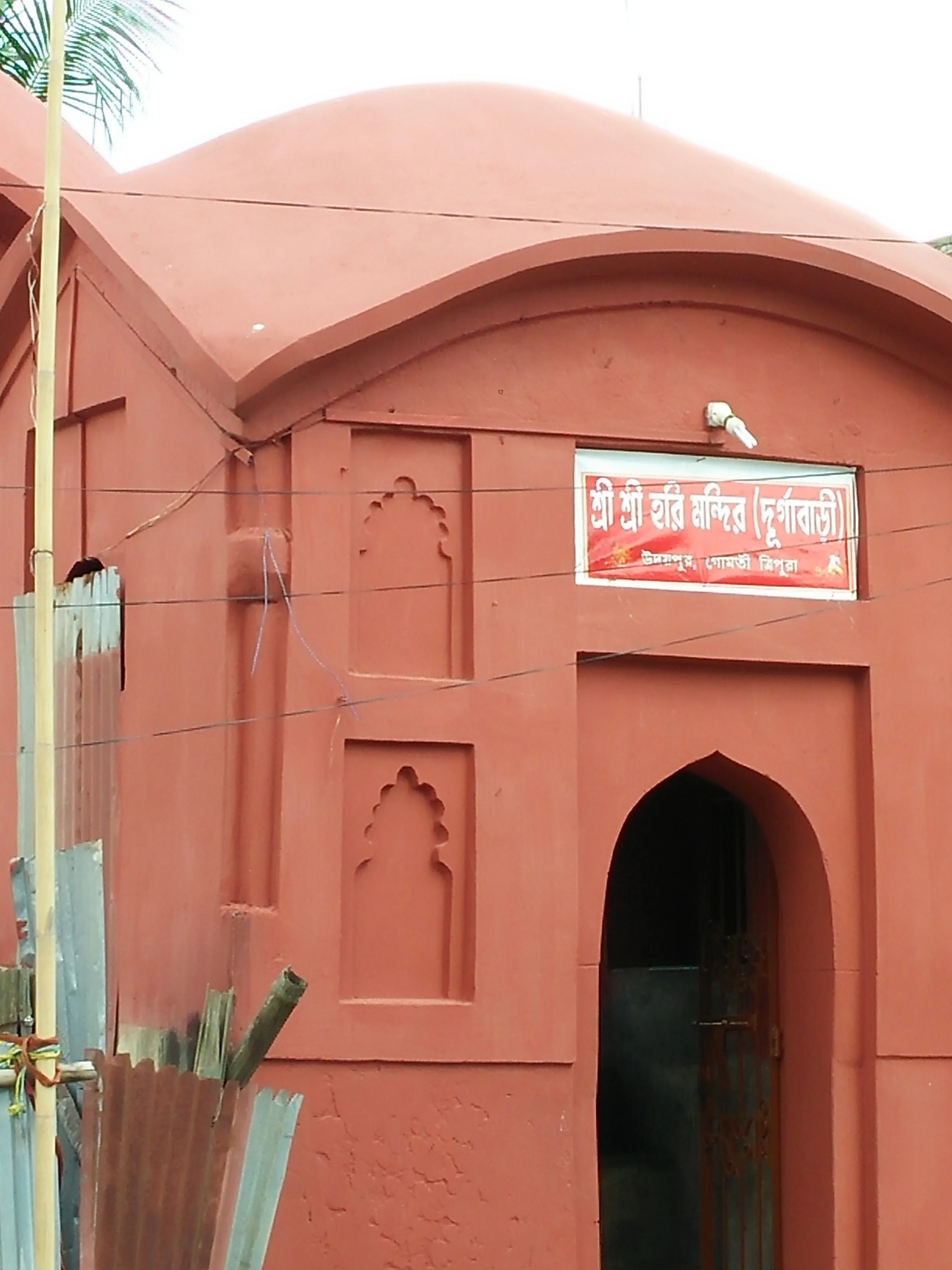
Durgabari Temple Kohima
The Durgabari Temple, situated on Aradura Hill in Kohima, Nagaland, stands as a significant Hindu pilgrimage site dedicated primarily to Goddess Durga, embodying a continuous tradition of Indian civilization spanning millennia [1] [2] [3]. This sacred edifice also houses shrines for Ma Kali and Lord Shiva, reflecting the syncretic nature of Hindu worship practices [1] [2]. While the current structure dates to approximately 1940 CE, its architectural expression integrates elements of Naga Vernacular, Nagara, Kalinga, and Indo-Islamic styles, showcasing a layered cultural synthesis that is characteristic of India's enduring heritage [1] [2] [3]. The temple's design features intricate carvings and vibrant decorations, which are indicative of the rich artistic traditions prevalent in the region [3]. Although specific dimensions are not widely documented, the temple's layout is designed to facilitate devotional practices, including morning pooja and arati, which commence at 07:30 AM [1]. The structural integrity of the temple is maintained through regular upkeep by the Temple Trust, ensuring its continued role as a spiritual and cultural hub [1] [2]. The temple grounds are well-maintained, providing a serene environment for devotees and visitors, with operational hours from 06:00 AM to 09:00 PM daily [1] [2]. Accessibility is facilitated by its location in PWD Colony, Kohima, reachable via local transport options such as auto-rickshaws [3]. Conservation efforts are primarily managed by the Temple Trust, focusing on the preservation of its architectural and spiritual essence [1]. The site actively hosts major Hindu festivals such as Ganesha Puja, Durga Puja, Jagannath Snan, and Jagannath Rath Yatra, drawing numerous devotees and reinforcing its role in maintaining India's ancient cultural traditions [1]. Visitors are encouraged to observe a modest dress code, reflecting respect for the sacred space [1] [2]. The Durgabari Temple remains fully operational, serving as a vibrant center for Hindu religious and socio-cultural activities in Kohima, testament to India's deep historical roots and continuous cultural legacy [1] [3].
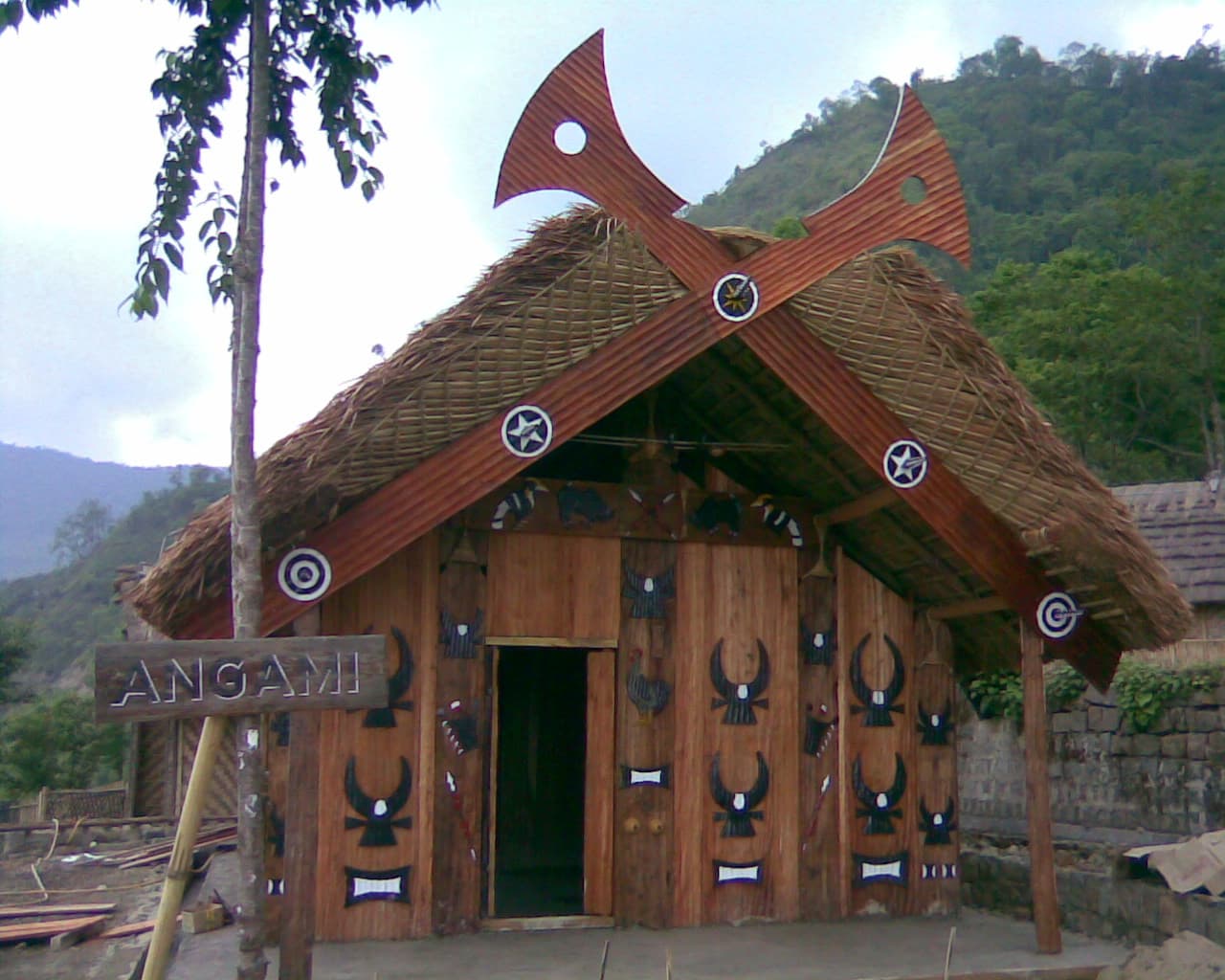
Naga Heritage Village Kohima
The rhythmic chanting, a low thrumming undercurrent to the crisp mountain air, was my first introduction to the Nagaland Police Central Temple in Kohima. Nestled amidst the undulating landscape, the temple doesn't immediately strike one with the grandeur often associated with UNESCO sites. It's a quiet presence, a subtle assertion of faith amidst the bustling capital city. Having visited every UNESCO site in India, I can confidently say this one holds a unique position, not for its architectural flamboyance, but for its cultural significance and the palpable sense of community it fosters. The temple's architecture is a fascinating blend of traditional Naga motifs and contemporary design. Unlike the ornate stone carvings of South Indian temples or the intricate sandstone work of those in the North, the Nagaland Police Central Temple employs simpler, cleaner lines. The main structure is predominantly concrete, painted a pristine white that contrasts beautifully with the vibrant green of the surrounding hills. However, the Naga influence is evident in the decorative elements. Stylized wooden carvings, depicting tribal symbols and mythical creatures, adorn the entrance and the prayer hall. These carvings, though less elaborate than some I've seen at other sites, possess a raw, almost primal energy that speaks volumes about the rich artistic heritage of the Naga people. Stepping inside, I was immediately struck by the serene atmosphere. The prayer hall is a large, open space, devoid of the usual clutter of idols and offerings. Instead, a single, unadorned platform serves as the focal point for worship. This minimalist approach, I learned, reflects the core beliefs of the Nagaland Baptist Church Council, which oversees the temple. The emphasis here is on communal prayer and reflection, rather than elaborate rituals. The soft sunlight filtering through the large windows, coupled with the gentle murmur of prayers, created an atmosphere of profound tranquility. What truly sets the Nagaland Police Central Temple apart, however, is its role as a unifying force within the community. It serves not just as a place of worship, but also as a social hub, a place where people from different tribes and backgrounds come together. During my visit, I witnessed a group of women, dressed in their traditional attire, sharing stories and laughter in the courtyard. Children played games on the steps leading up to the temple, their carefree joy echoing through the air. This sense of shared identity and belonging is something I haven't encountered at many other UNESCO sites. Often, these sites, while architecturally magnificent, feel somewhat detached from the daily lives of the people around them. The Nagaland Police Central Temple, on the other hand, is deeply interwoven with the fabric of the community. As I sat there, observing the interplay of light and shadow on the temple walls, listening to the gentle rhythm of life unfolding around me, I realized that the true beauty of this UNESCO site lies not in its physical structure, but in the intangible spirit it embodies. It's a testament to the power of faith, community, and the enduring legacy of Naga culture. It's a reminder that sometimes, the most profound experiences are found not in the grandest monuments, but in the quiet corners where life unfolds in its simplest, most authentic form. My journey through India's UNESCO sites has taken me to magnificent palaces, ancient forts, and breathtaking natural wonders. But the Nagaland Police Central Temple, in its quiet dignity, offered a different kind of marvel – a glimpse into the heart of a community and the enduring power of shared belief.
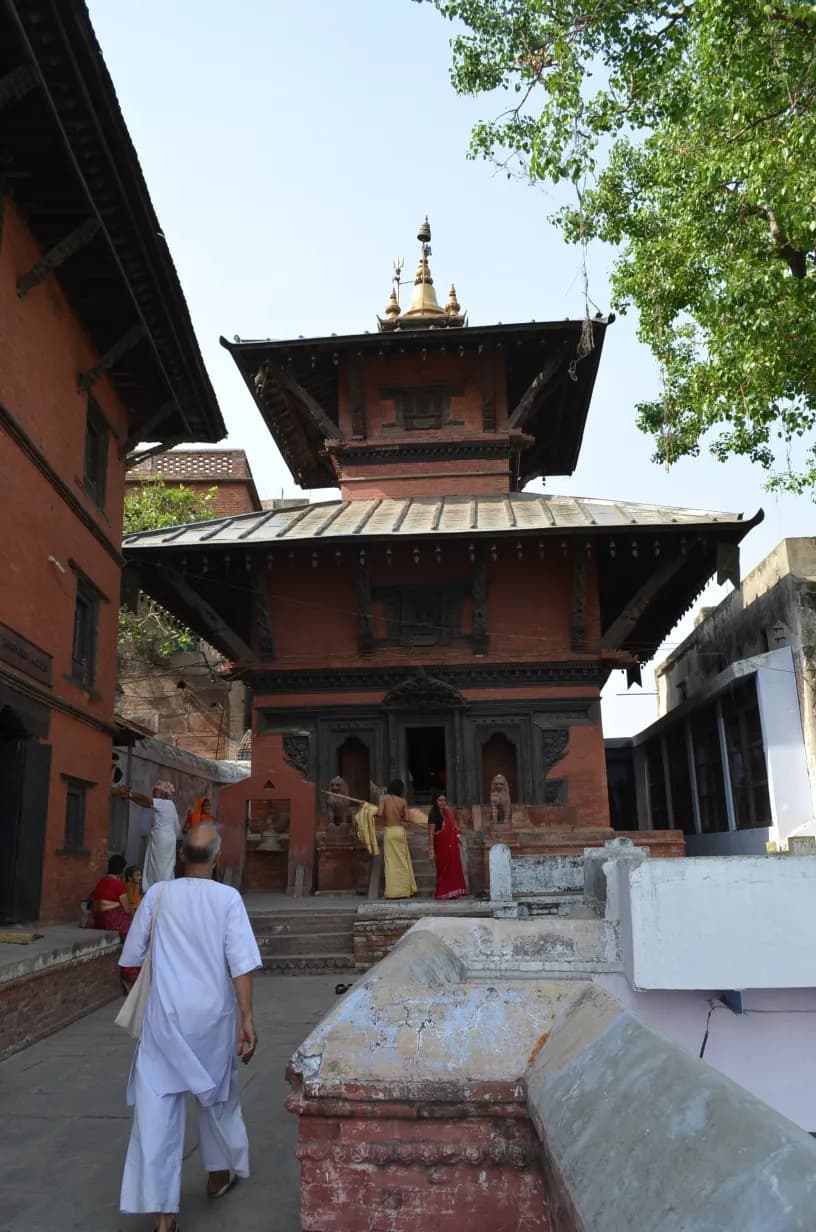
Nepali Mandir Kohima
The Nepali Mandir, located on P.R. Hill in Kohima, Nagaland, stands as a significant Hindu temple dedicated to various deities, embodying a continuous tradition of Indian civilization that spans millennia. This sacred site, though formally established in the 20th century, draws upon ancient indigenous architectural styles and cultural practices, reflecting India's deep historical roots and enduring spiritual legacy [1]. The temple primarily showcases the Nepali Pagoda architecture style, characterized by its multi-tiered roofs and timber-framed construction, a style that has historically interacted with and influenced Indian architectural traditions [4] [5]. Additionally, elements of the Nagara architecture style, prevalent in Northern, Central, Western, and Eastern India, including the northeastern states, are subtly integrated, demonstrating a blend of regional influences within a broader Indian architectural continuum . The structure is predominantly crafted from wood, a material central to vernacular architecture in the Himalayan region, allowing for intricate carvings and detailed sculptural work [3]. These wooden elements contribute to the temple's distinctive aesthetic, with sculptures that have been noted for their resemblance to those found in the Khajuraho Group of Monuments, highlighting a shared artistic vocabulary within Indian temple art [3]. The temple's design incorporates pitched roofs, a characteristic feature of the Nepali Pagoda style, which are both aesthetically pleasing and functionally adapted to the local climate [2]. The intricate architecture and serene atmosphere provide a spiritual haven for devotees and visitors alike, fostering a sense of peace and reflection [1]. Beautifully carved idols and vibrant offerings adorn the temple, reflecting the profound devotion of the local community and the continuity of Hindu spiritual practices [1]. While specific dimensions are not widely documented, the temple's construction techniques emphasize traditional craftsmanship, utilizing timber framing for structural integrity [2]. The site is recognized as a National Heritage Site, underscoring its cultural importance within India [2]. Conservation efforts are ongoing, though detailed information on specific restoration projects or archaeological findings at this particular site is limited in public records [2]. The temple remains an active place of worship, with regular rituals and community engagement, ensuring its operational readiness and continued role as a vibrant cultural anchor in Kohima [1]. Visitors are encouraged to engage with local temple caretakers to gain deeper insights into the rituals and historical significance of the temple, further connecting with the rich cultural tapestry of Nagaland [1].
Kohima
Nagaland
India
3
All Heritage Sites
Discover 3 documented heritage sites within Kohima, Nagaland. From ancient temples to historic forts, explore cultural treasures near you with complete visitor information, GPS coordinates, timings, and directions.
- 1
Browse Sites on Map
View all 3 heritage sites with up-to-date GPS coordinates and filters for style, era, and accessibility.
- 2
Check Visitor Essentials
Confirm entry requirements, timings, photography rules, and accessibility notes before you travel.
- 3
Plan Efficient Routes
Group nearby monuments into half-day or full-day trails using local transport or hired vehicles.
- 4
Document & Share
Capture respectful visuals, collect local stories, and contribute updates to strengthen the archive.
| Location | Kohima, Nagaland |
| Sites Available | 3 documented |
| Transport | Metro · Bus · Auto · Taxi · Private |
| Best Season | October – March |
| Visit Duration | 2–3 hrs per site |
| Navigation Tips | Download offline maps, respect local signage |
Quick Facts
Common Questions
About Kohima Heritage Region
Kohima occupies a heritage-rich region of Nagaland, reflecting historical importance rooted in geographical advantages, pilgrimage networks, and royal patronage traditions. The architectural diversity documented here spans centuries of religious devotion, political power, and cultural achievement. Sites range from locations within Kohima proper to monuments situated 30-90 minutes distant, enabling both brief visits and comprehensive day-long explorations. Accessible sites facilitate morning visits returning by afternoon, while more distant monuments reward full-day excursions potentially combining multiple sites along geographical routes. Transportation infrastructure throughout Kohima includes app-based ride services, traditional auto-rickshaws, and taxi services. Multiple-site visits often benefit from private vehicle hire enabling flexible scheduling and optimal route planning. Visiting patterns vary seasonally and weekly; weekday mornings typically offer peaceful experiences, while festival periods provide opportunities to witness continuing traditions, though with increased visitor density. This collection documents prominent sites alongside lesser-known monuments, enabling balanced itineraries combining well-documented heritage with discoveries off typical tourist circuits.
Getting Around from Kohima
Transportation from Kohima to regional heritage sites employs various modalities depending on distance and infrastructure. India offers well-developed transportation including auto-rickshaw, Indian Railways, state buses. Sites within Kohima limits remain accessible via local transport options. Outlying monuments may require private vehicle access: rental cars for independent travelers, or hired vehicles with experienced drivers. Organized tours offer structured itineraries with less scheduling flexibility. Distance ranges span 5-80 kilometers from Kohima; proximate sites (5-15km) involve 30-45 minute journeys, while more distant monuments (40-80km) require 1.5-2.5 hours depending on traffic conditions and road quality. Site-specific documentation provides exact coordinates, suggested routes, and access considerations. Local knowledge complements digital navigation; consulting residents regarding road conditions and optimal routes proves valuable.
When to Visit
Seasonal considerations significantly affect heritage site visiting experiences throughout Nagaland. The optimal visiting period for India extends October through March, offering comfortable weather conditions and extended visiting hours, though popular sites may experience higher visitor density. Heritage sites maintain varying seasonal schedules; specific closures or modified hours warrant verification before visiting. Weather patterns vary by region within India, so consulting local forecasts ensures appropriate planning. Festival periods at active worship sites provide enriching cultural experiences, though with substantially increased attendance meriting advance planning. Entry fees at protected monuments typically range from ₹25-₹40. Photography for personal use is generally permitted, though professional equipment may require advance permissions.