Heritage Sites Near Kangra
Kangra provides excellent access to 2+ significant heritage sites throughout Himachal Pradesh, enabling meaningful exploration of India's architectural and spiritual heritage. This collection documents temples preserving ancient traditions, historic forts witnessing pivotal events, and architectural monuments demonstrating sophisticated artistic achievement. Kangra's strategic location facilitates day trips and extended visits to sites representing diverse periods, styles, and cultural contexts. Our comprehensive documentation includes precise GPS coordinates, detailed photography, current visitor information, and architectural analysis, supporting informed site selection based on interests—whether architectural study, spiritual connection, or historical understanding. Each site entry provides accurate distance measurements, transport recommendations, entry requirements, and cultural guidelines ensuring respectful engagement with these sacred and historically significant spaces. This resource serves devotees, scholars, students, and heritage enthusiasts seeking authentic experiences of Himachal Pradesh's rich civilizational heritage.
All Heritage Sites in Kangra
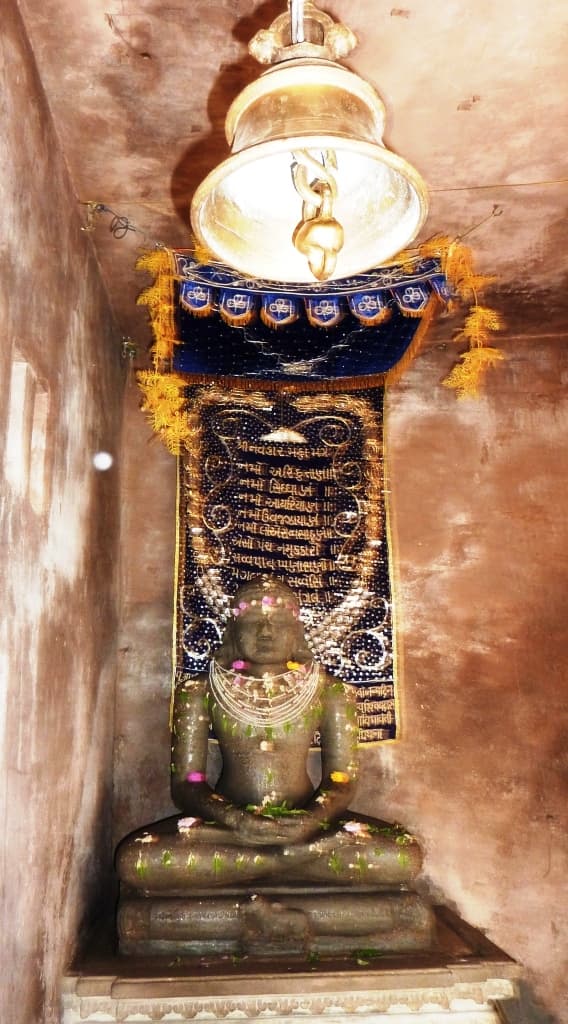
Kangra Fort Kangra
The wind whipped around me, carrying the scent of pine and a whisper of history as I stood before the imposing gates of Kangra Fort. Having explored the basalt-carved wonders of Maharashtra’s caves and the intricate details of its temples, I was eager to experience the distinct architectural language of this Himalayan fortress. Perched high on a strategic precipice overlooking the confluence of the Banganga and Majhi rivers, Kangra Fort exuded an aura of impregnable strength, a testament to its enduring legacy. My ascent through the massive gateway, locally known as the "Ranjit Singh Gate," felt like stepping back in time. The thick, fortified walls, scarred with the marks of battles fought and won, spoke volumes about the fort's tumultuous past. Each stone seemed to echo with the clash of swords and the thunder of cannons, a stark reminder of the fort’s strategic importance over centuries. Unlike the rock-cut architecture I was accustomed to in Maharashtra, Kangra’s fortifications were primarily built with dressed stone, lending it a different, more imposing character. Within the fort’s complex labyrinth, I discovered a fascinating blend of architectural styles. The influence of Rajput military architecture was evident in the sturdy ramparts, the strategically placed bastions, and the narrow, winding passages designed to confuse invaders. Yet, interspersed within this robust framework were glimpses of more delicate artistry. The crumbling remnants of palaces, adorned with faded frescoes and intricate carvings, hinted at a time of royal grandeur. The Maharani Mahal, despite its dilapidated state, still retained a certain elegance, its arched doorways and latticed windows offering glimpses of a bygone era. The Lakshmi Narayan Temple, nestled within the fort’s walls, was a striking contrast to the military structures surrounding it. Its shikhara, though damaged by past earthquakes, still reached towards the sky, a symbol of resilience and faith. The stone carvings on the temple walls, depicting scenes from Hindu mythology, were remarkably well-preserved, showcasing the skill of the artisans who crafted them. While the temple’s architecture bore some resemblance to the North Indian Nagara style, it also possessed a unique regional character, distinct from the temples I had encountered in Maharashtra. One of the most captivating aspects of Kangra Fort was its panoramic view. From the ramparts, I could see the vast expanse of the Kangra Valley stretching out before me, a patchwork of green fields and terraced hillsides. The snow-capped Dhauladhar range in the distance provided a breathtaking backdrop, adding to the fort’s majestic aura. It was easy to understand why this strategic location had been so fiercely contested throughout history. Exploring the fort’s museum, housed within the Ambika Devi Temple, provided further insights into its rich past. The collection of artifacts, including ancient coins, pottery shards, and miniature paintings, offered tangible evidence of the fort’s long and storied history. The museum also showcased the fort’s connection to the Katoch dynasty, who ruled the region for centuries. As I descended from the fort, the setting sun casting long shadows across the valley, I felt a profound sense of awe and admiration. Kangra Fort was not merely a collection of stones and mortar; it was a living testament to human resilience, ingenuity, and the enduring power of history. It stood as a stark contrast to the cave temples and intricately carved shrines of my home state, yet it resonated with the same spirit of human endeavor, a testament to the diverse tapestry of India’s cultural heritage. The echoes of battles and whispers of royal grandeur still lingered in the air, a reminder that the stories etched within these ancient walls continue to resonate across the ages.
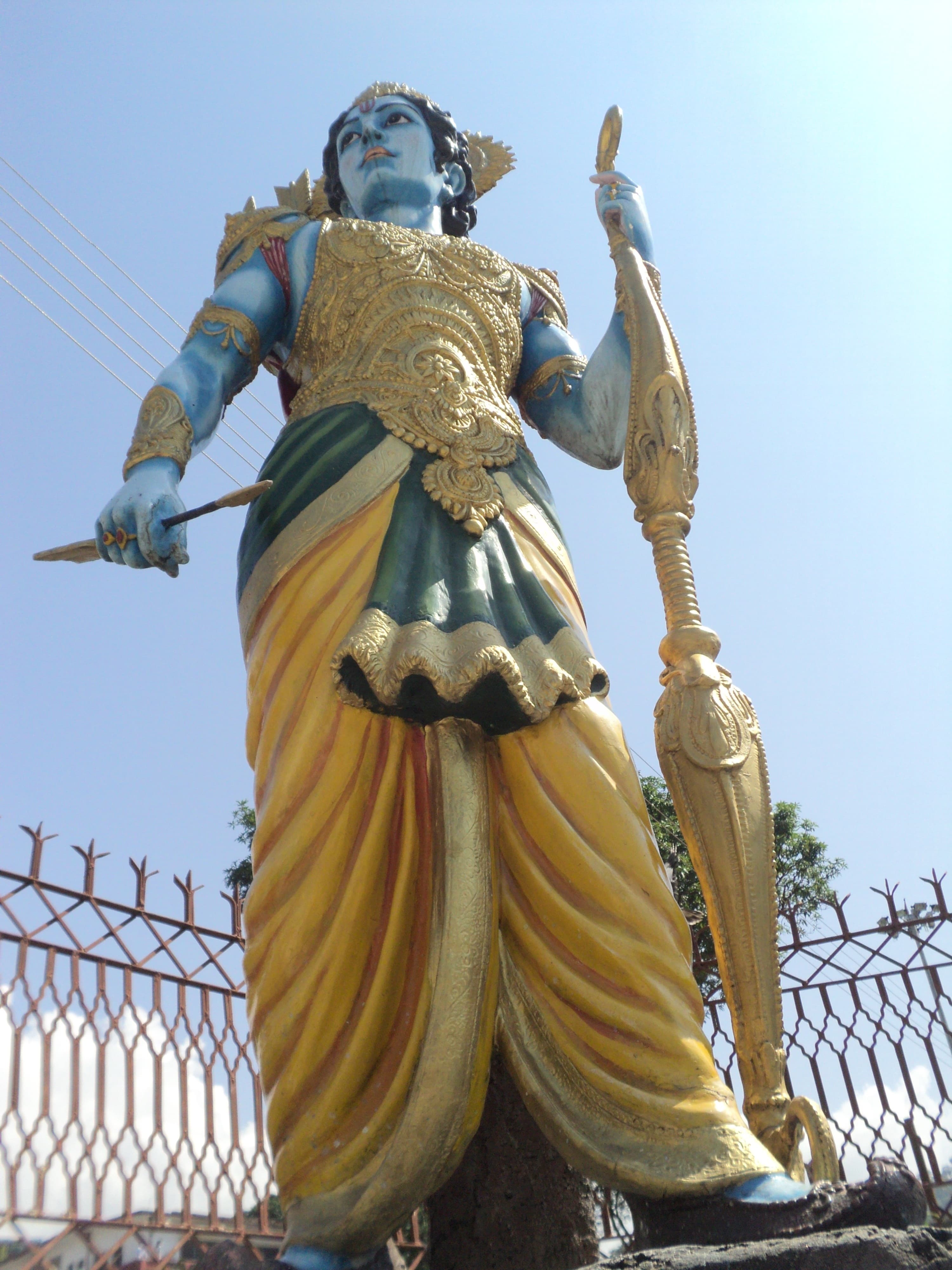
Chamunda Devi Temple Kangra
The Chamunda Devi Temple, located in the village of Chamunda Devi, Kangra, Himachal Pradesh, India, stands as a profound testament to India's millennia-spanning cultural heritage and the continuous tradition of indigenous temple architecture [1]. Dedicated to Shri Chamunda Devi, a fierce manifestation of Goddess Durga, this sacred site embodies the enduring spiritual practices and artistic expressions that have flourished in the Indian subcontinent for thousands of years [2]. The temple primarily exhibits the indigenous Pahari architectural style, characterized by its adaptation to the mountainous terrain, alongside elements of the Nagara and Latina Nagara styles, reflecting a rich synthesis of regional and pan-Indian architectural traditions [4] [5]. The main shrine, constructed around the 16th-17th century CE, is a significant example of Himachali architecture, often featuring a wooden structure with intricate carvings and a sloping roof designed to withstand the region's climate [5] [2]. While specific dimensions are not widely documented, the temple complex is designed to accommodate a substantial flow of devotees, indicating a considerable structural footprint [1]. The sanctum sanctorum houses the sacred idol of Goddess Chamunda, which is traditionally adorned with red and black cloths, garlands of flowers, and sometimes lemons, rather than skulls, signifying a localized interpretation of the deity [1]. Flanking the main entrance of the sanctum are idols of Hanuman and Bhairav, revered as the guardians of Goddess Chamunda [1]. Within the temple complex, a 'Kund' (a sacred lake or pond) is present, where devotees traditionally perform ritualistic dips for purification, highlighting the continuity of ancient Indian water management and spiritual practices [1]. A marble staircase within the complex leads to a cave housing a Shiva Linga, further emphasizing the syncretic nature of Hindu worship at the site, where Shiva and Shakti are believed to reside together, leading to its alternative name, Chamunda Nandikeshwar Dham [1]. The temple's construction utilizes traditional local materials, ensuring resilience in design against the challenging mountain environment [4] . Conservation efforts are ongoing, with organizations like the Inheritage Foundation engaging volunteers for documentation, research, and site maintenance, including 3D documentation using photogrammetry and drone photography, to preserve its structural integrity and cultural value [3]. The temple is an active center of worship, with daily aartis and free langar (community kitchen) services provided by the temple trust, accommodating a continuous flow of pilgrims throughout the year [1]. It also operates a Sanskrit Mahavidyalaya, preserving ancient Indian knowledge systems [1]. The site is operationally ready, ensuring accessibility and facilities for visitors, including proper parking, water, and toilet systems, and security personnel [1].
Kangra
Himachal Pradesh
India
2
All Heritage Sites
Discover 2 documented heritage sites within Kangra, Himachal Pradesh. From ancient temples to historic forts, explore cultural treasures near you with complete visitor information, GPS coordinates, timings, and directions.
- 1
Browse Sites on Map
View all 2 heritage sites with up-to-date GPS coordinates and filters for style, era, and accessibility.
- 2
Check Visitor Essentials
Confirm entry requirements, timings, photography rules, and accessibility notes before you travel.
- 3
Plan Efficient Routes
Group nearby monuments into half-day or full-day trails using local transport or hired vehicles.
- 4
Document & Share
Capture respectful visuals, collect local stories, and contribute updates to strengthen the archive.
| Location | Kangra, Himachal Pradesh |
| Sites Available | 2 documented |
| Transport | Metro · Bus · Auto · Taxi · Private |
| Best Season | October – March |
| Visit Duration | 2–3 hrs per site |
| Navigation Tips | Download offline maps, respect local signage |
Quick Facts
Common Questions
About Kangra Heritage Region
Kangra occupies a heritage-rich region of Himachal Pradesh, reflecting historical importance rooted in geographical advantages, pilgrimage networks, and royal patronage traditions. The architectural diversity documented here spans centuries of religious devotion, political power, and cultural achievement. Sites range from locations within Kangra proper to monuments situated 30-90 minutes distant, enabling both brief visits and comprehensive day-long explorations. Accessible sites facilitate morning visits returning by afternoon, while more distant monuments reward full-day excursions potentially combining multiple sites along geographical routes. Transportation infrastructure throughout Kangra includes app-based ride services, traditional auto-rickshaws, and taxi services. Multiple-site visits often benefit from private vehicle hire enabling flexible scheduling and optimal route planning. Visiting patterns vary seasonally and weekly; weekday mornings typically offer peaceful experiences, while festival periods provide opportunities to witness continuing traditions, though with increased visitor density. This collection documents prominent sites alongside lesser-known monuments, enabling balanced itineraries combining well-documented heritage with discoveries off typical tourist circuits.
Getting Around from Kangra
Transportation from Kangra to regional heritage sites employs various modalities depending on distance and infrastructure. India offers well-developed transportation including auto-rickshaw, Indian Railways, state buses. Sites within Kangra limits remain accessible via local transport options. Outlying monuments may require private vehicle access: rental cars for independent travelers, or hired vehicles with experienced drivers. Organized tours offer structured itineraries with less scheduling flexibility. Distance ranges span 5-80 kilometers from Kangra; proximate sites (5-15km) involve 30-45 minute journeys, while more distant monuments (40-80km) require 1.5-2.5 hours depending on traffic conditions and road quality. Site-specific documentation provides exact coordinates, suggested routes, and access considerations. Local knowledge complements digital navigation; consulting residents regarding road conditions and optimal routes proves valuable.
When to Visit
Seasonal considerations significantly affect heritage site visiting experiences throughout Himachal Pradesh. The optimal visiting period for India extends October through March, offering comfortable weather conditions and extended visiting hours, though popular sites may experience higher visitor density. Heritage sites maintain varying seasonal schedules; specific closures or modified hours warrant verification before visiting. Weather patterns vary by region within India, so consulting local forecasts ensures appropriate planning. Festival periods at active worship sites provide enriching cultural experiences, though with substantially increased attendance meriting advance planning. Entry fees at protected monuments typically range from ₹25-₹40. Photography for personal use is generally permitted, though professional equipment may require advance permissions.