Heritage Sites Near Hyderabad
Architectural photography and visual documentation of heritage sites near Hyderabad benefits from understanding optimal lighting conditions, compositional considerations, and site-specific restrictions. This collection of 5+ documented sites provides technical information supporting professional photography and scholarly documentation: cardinal orientations affecting lighting throughout the day, architectural features best captured during specific conditions, and permission requirements for professional equipment. Telangana's heritage monuments offer exceptional photographic subjects when approached with appropriate technical knowledge and timing. Understanding when directional lighting reveals sculptural details, how seasonal conditions affect atmospheric quality, and where photography restrictions apply enables successful documentation. This guide supports photographers, researchers, and documentation specialists with site-specific technical information, access protocols, and optimal timing recommendations for capturing Hyderabad region's architectural heritage professionally and respectfully.
All Heritage Sites in Hyderabad
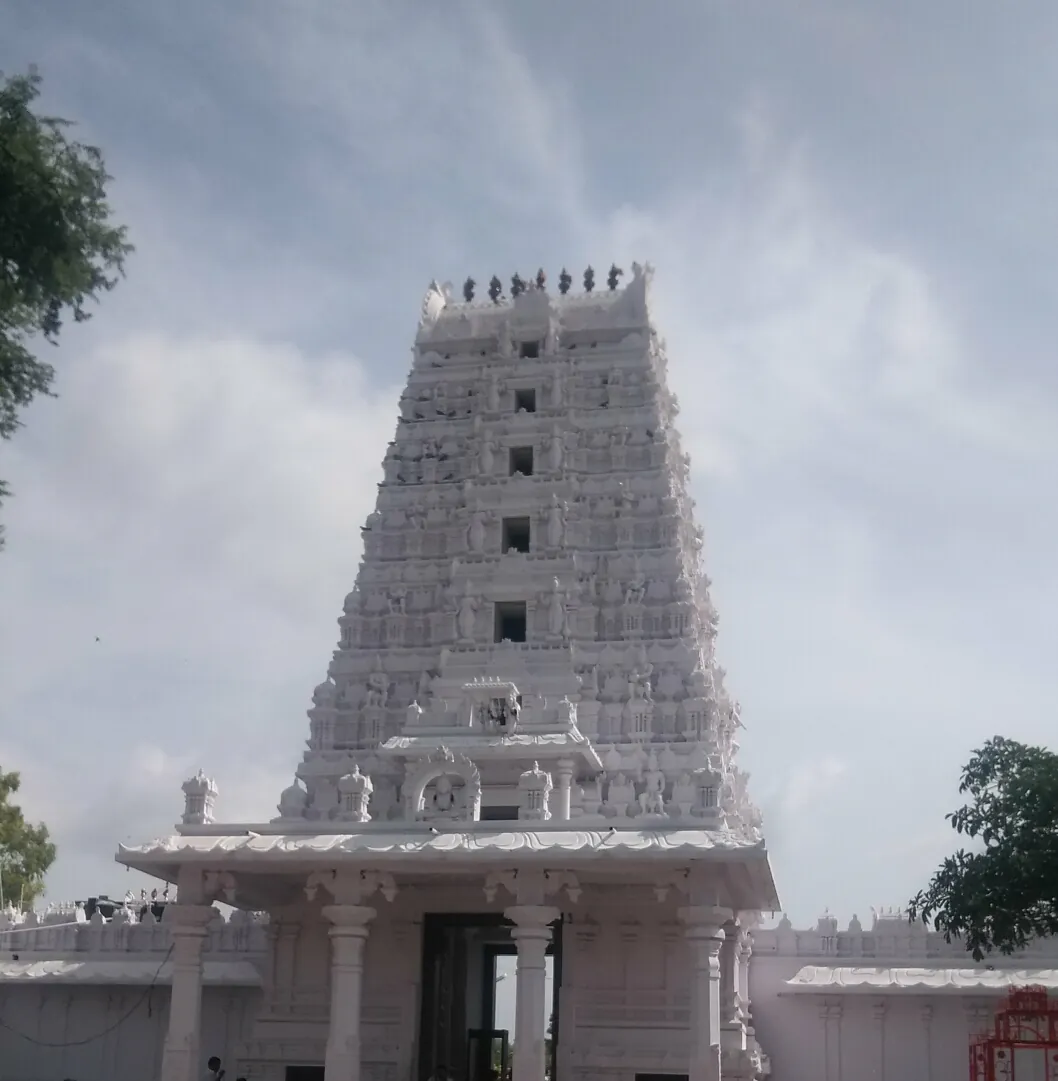
Karmanghat Hanuman Temple Hyderabad
The air, thick with incense and the murmur of devotion, vibrated around me as I stepped into the courtyard of the Karmanghat Hanuman Temple. Located in the bustling heart of Hyderabad, this ancient shrine seemed to exist in a pocket of timeless serenity, a world away from the urban clamor just beyond its walls. The temple, dedicated to Lord Hanuman, is believed to date back to the 12th century during the Kakatiya dynasty, a fact whispered by the very stones that make up its structure. My gaze was immediately drawn upwards to the imposing gopuram, the monumental entrance tower that dominates the temple complex. Unlike the elaborately sculpted gopurams of South Indian temples, this one possessed a more restrained elegance. The brickwork, though weathered by centuries of sun and rain, retained a warm, earthy hue. Subtle carvings of deities and celestial beings peeked out from the brick surface, hinting at the rich narratives embedded within the temple’s architecture. Passing through the gopuram, I found myself in the main courtyard, a vibrant tapestry of activity. Devotees circumambulated the central shrine, their prayers mingling with the rhythmic chanting of priests. The central shrine, housing the imposing idol of Lord Hanuman, is a relatively simple structure, its grandeur stemming from the powerful spiritual energy that permeates the space. The idol itself, a magnificent depiction of the monkey god in a standing posture, is said to be self-manifested, adding to the temple's mystique. I spent some time observing the architectural details, tracing the lines of the pillars and cornices with my fingers. The influence of the Kakatiya style was evident in the stepped pyramidal roof of the shrine and the use of locally available granite and brick. While later additions and renovations, particularly from the Qutb Shahi period, are discernible, the core architectural vocabulary remains distinctly Kakatiyan. This blending of architectural styles across centuries provides a fascinating glimpse into the region's rich and layered history. One of the most striking features of the Karmanghat temple is the presence of a large tank, or *pushkarini*, located to the south of the main shrine. The tranquil waters of the tank, reflecting the temple’s silhouette, created a sense of peace and tranquility. Historically, these tanks played a crucial role in temple rituals and served as a vital source of water for the community. The Karmanghat tank, though now significantly smaller than its original size, continues to be a focal point for devotees. As I walked around the temple complex, I noticed several smaller shrines dedicated to various deities, tucked away in quiet corners. These smaller structures, while less grand than the main shrine, displayed intricate carvings and decorative elements. The presence of these subsidiary shrines speaks to the evolving nature of religious practices and the assimilation of different deities into the temple’s pantheon over time. The Karmanghat Hanuman Temple is more than just a collection of stones and mortar; it is a living testament to centuries of faith, devotion, and architectural ingenuity. It is a place where the past and the present converge, where ancient traditions continue to resonate in the modern world. Leaving the temple, I carried with me not just photographs and notes, but a profound sense of connection to the rich cultural tapestry of India. The whispers of history, etched into the very fabric of the temple, continued to echo in my mind, a reminder of the enduring power of faith and the artistry of our ancestors.
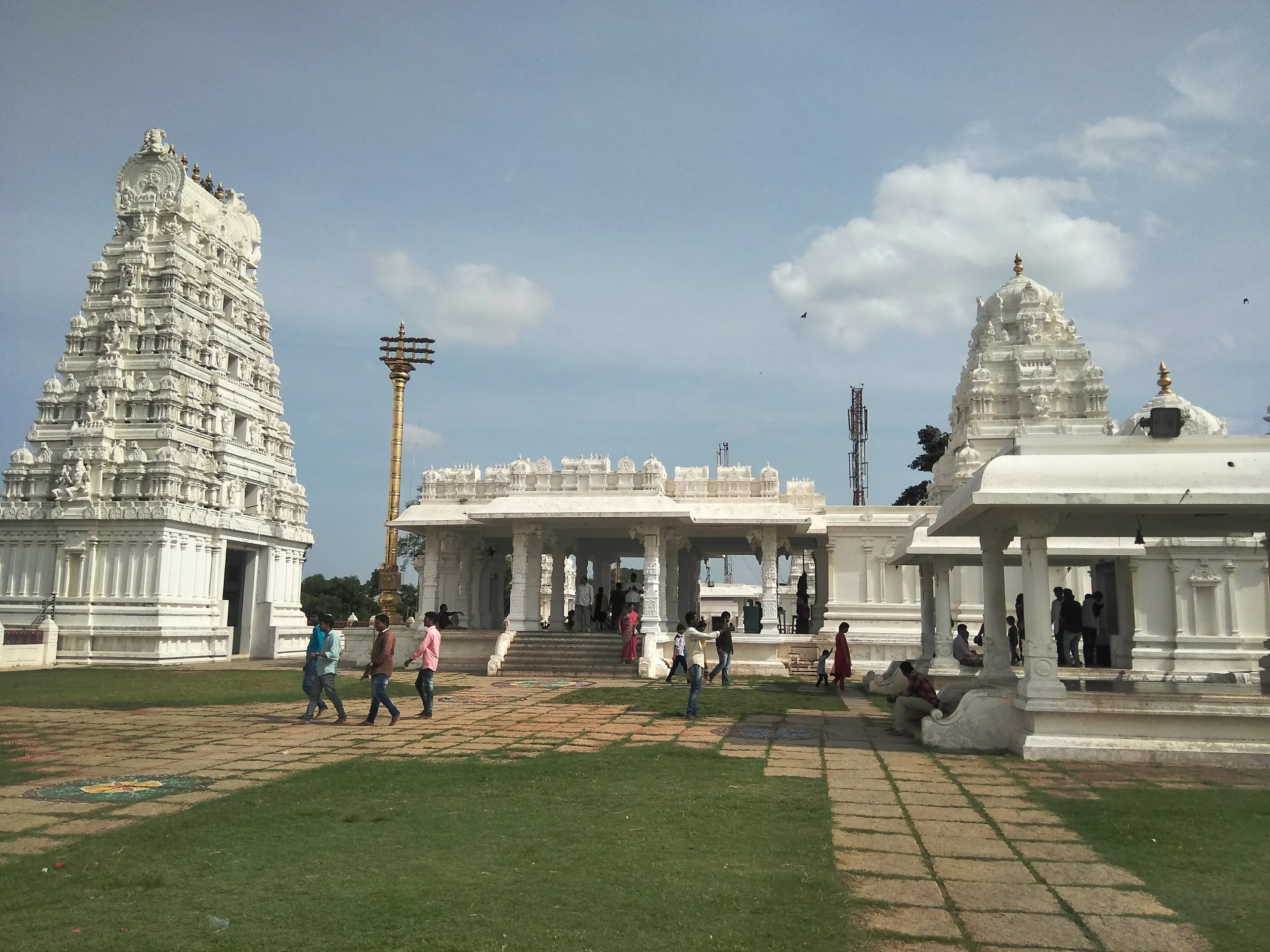
Sanghi Temple Hyderabad
The wind whipped around me, carrying the faint scent of incense and the distant chanting of mantras, as I stood at the foot of the magnificent Sanghi Temple. Having explored countless forts and palaces of Rajasthan, I’ve developed a keen eye for architectural grandeur, and even so, this temple, nestled amidst the rocky landscape of Telangana, took my breath away. It wasn’t a single monolithic structure, but a sprawling complex of shrines, each dedicated to a different deity within the Hindu pantheon, all crafted from gleaming white marble that seemed to radiate an inner light. The main temple, dedicated to Lord Venkateswara, dominates the skyline. Its towering gopuram, intricately carved with scenes from Hindu mythology, draws the eye upwards, almost piercing the cerulean sky. The sheer scale of the structure is awe-inspiring. I’ve seen the intricate carvings of Dilwara and the imposing walls of Chittorgarh, but the pristine white marble of Sanghi Temple, reflecting the bright Telangana sun, created a different kind of majesty. It felt less like a fortress and more like a celestial palace, descended from the heavens. As I ascended the broad steps leading to the main sanctum, I noticed the meticulous detailing. Every inch of the temple, from the towering pillars to the delicate latticework screens, was adorned with carvings. Mythological figures, celestial beings, and floral motifs intertwined in a complex tapestry of artistry. The craftsmanship was exquisite, reminiscent of the delicate jali work I’d admired in the palaces of Jaipur, but here, the sheer volume of carving was overwhelming. It was as if an army of artisans had poured their hearts and souls into every chisel stroke. Inside the main sanctum, the atmosphere was charged with devotion. The air hummed with the low murmur of prayers and the clanging of bells. The deity, Lord Venkateswara, stood resplendent, adorned with jewels and garlands. The sheer faith radiating from the devotees around me was palpable, a testament to the spiritual power this place held. It was a stark contrast to the hushed reverence I’d experienced in the Jain temples of Ranakpur. Here, devotion was expressed openly, with an almost tangible energy. Beyond the main temple, the complex unfolded like a labyrinth of spiritual discovery. Smaller shrines dedicated to Lord Ganesha, Lord Shiva, and Goddess Durga dotted the landscape, each with its own unique architectural style and devotional atmosphere. I was particularly drawn to the serene beauty of the Goddess Lakshmi shrine, its delicate carvings and peaceful ambiance offering a respite from the bustling activity of the main temple. It reminded me of the quiet courtyards within the City Palace of Udaipur, hidden oases of tranquility amidst the grandeur. Wandering through the complex, I stumbled upon a small amphitheater, its stage facing a backdrop of lush greenery. I learned that cultural performances and religious discourses are often held here, adding another layer to the temple's vibrant tapestry. It was a thoughtful inclusion, acknowledging the importance of art and education alongside spiritual practice. This reminded me of the open-air performances I’d witnessed in the Mehrangarh Fort of Jodhpur, where history and culture came alive under the desert sky. As the sun began to set, casting long shadows across the marble courtyards, I found myself sitting by the temple’s tranquil pond, watching the koi fish glide through the clear water. The air was filled with the sound of chirping birds and the distant chanting of evening prayers. The temple, bathed in the warm glow of the setting sun, seemed to exude a sense of peace and serenity. It was a fitting end to my visit, a moment of quiet reflection after a day of exploration and discovery. Sanghi Temple, with its architectural splendor and spiritual richness, had left an indelible mark on my memory. It was a testament to the enduring power of faith and the artistry of human hands, a place where the divine and the earthly met in perfect harmony.
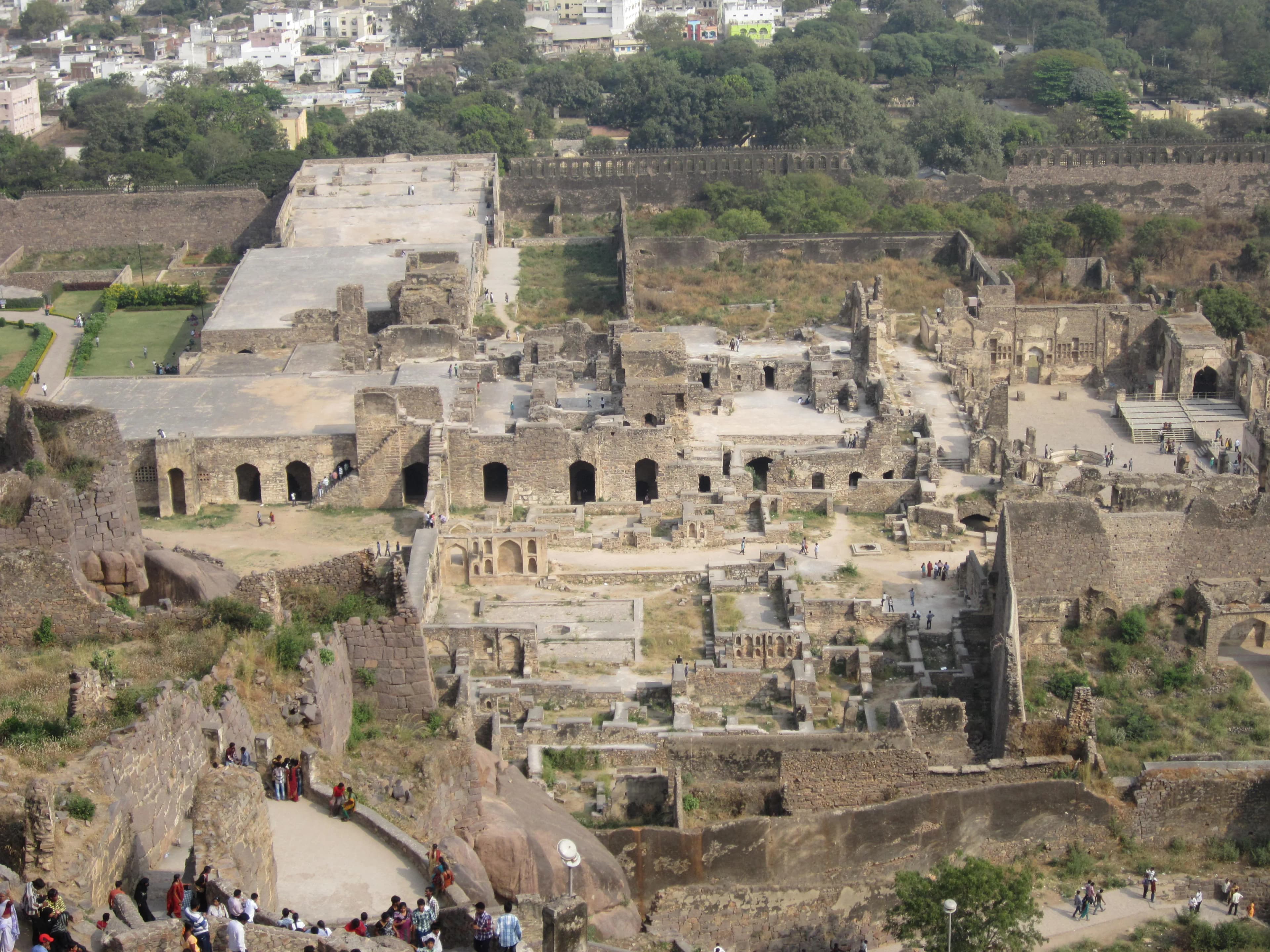
Golconda Fort Hyderabad
The imposing granite ramparts of Golconda Fort, rising abruptly from the Deccan plateau, exude a palpable sense of history. Having documented hundreds of forts across India, I can confidently say that Golconda possesses a unique aura, a blend of military might and architectural finesse rarely encountered. My recent visit to this magnificent structure, a sprawling citadel encompassing palaces, mosques, and ingenious acoustic systems, left me awestruck. The sheer scale of Golconda is initially overwhelming. The outer fortifications stretch for nearly seven kilometers, punctuated by imposing bastions and multiple gateways. The climb to the Bala Hissar, the highest point within the fort complex, is a journey through layers of history. Each level, each gateway, whispers tales of past grandeur and strategic brilliance. The Fateh Darwaza, the main entrance, is particularly striking. Its massive studded wooden doors, reinforced with iron spikes to prevent elephant battering rams, speak volumes about the fort's defensive capabilities. Standing beneath its arch, I could almost hear the echoes of marching armies and the clang of swords. One of the most fascinating aspects of Golconda is its sophisticated acoustic system. A handclap at the entrance arch can be heard clearly at the Bala Hissar, almost a kilometer away. This ingenious communication system, a marvel of medieval engineering, allowed the rulers to quickly alert the entire fort of impending danger. I tested it myself, and the clarity of the sound transmission was truly remarkable. It's a testament to the architectural ingenuity of the Qutb Shahi dynasty. Beyond its military fortifications, Golconda reveals a softer side. The palaces within the complex, though now in ruins, offer glimpses into the opulent lifestyle of the erstwhile rulers. The intricate carvings on the remaining walls, the delicate jalis (lattice screens), and the remnants of elaborate water systems hint at a life of luxury and refinement. I spent hours exploring these ruins, my camera capturing the interplay of light and shadow on the weathered stone, trying to freeze these fragments of history in time. The mosques within the fort complex, particularly the Jama Masjid and the Taramati Mosque, showcase a blend of Persian and Deccani architectural styles. The soaring arches, the intricate stucco work, and the serene courtyards offer a peaceful respite from the imposing military structures surrounding them. I found myself drawn to the quiet corners of these mosques, imagining the prayers and rituals that once filled these spaces. The view from the Bala Hissar is breathtaking. The sprawling city of Hyderabad stretches out before you, a stark contrast to the ancient ruins beneath your feet. From this vantage point, the strategic importance of Golconda becomes crystal clear. The fort commands a panoramic view of the surrounding plains, allowing its defenders to monitor any approaching armies. As I stood there, absorbing the panoramic vista, I felt a profound sense of connection to the past. My visit to Golconda was more than just a documentation exercise; it was an immersive experience. It was a journey through time, a glimpse into a bygone era of kings and conquerors, of architectural marvels and ingenious engineering. Golconda is not just a fort; it's a living testament to India's rich and complex history, a place where the whispers of the past continue to resonate in the present. It's a site I would recommend to anyone seeking to understand the grandeur and ingenuity of India's architectural heritage.
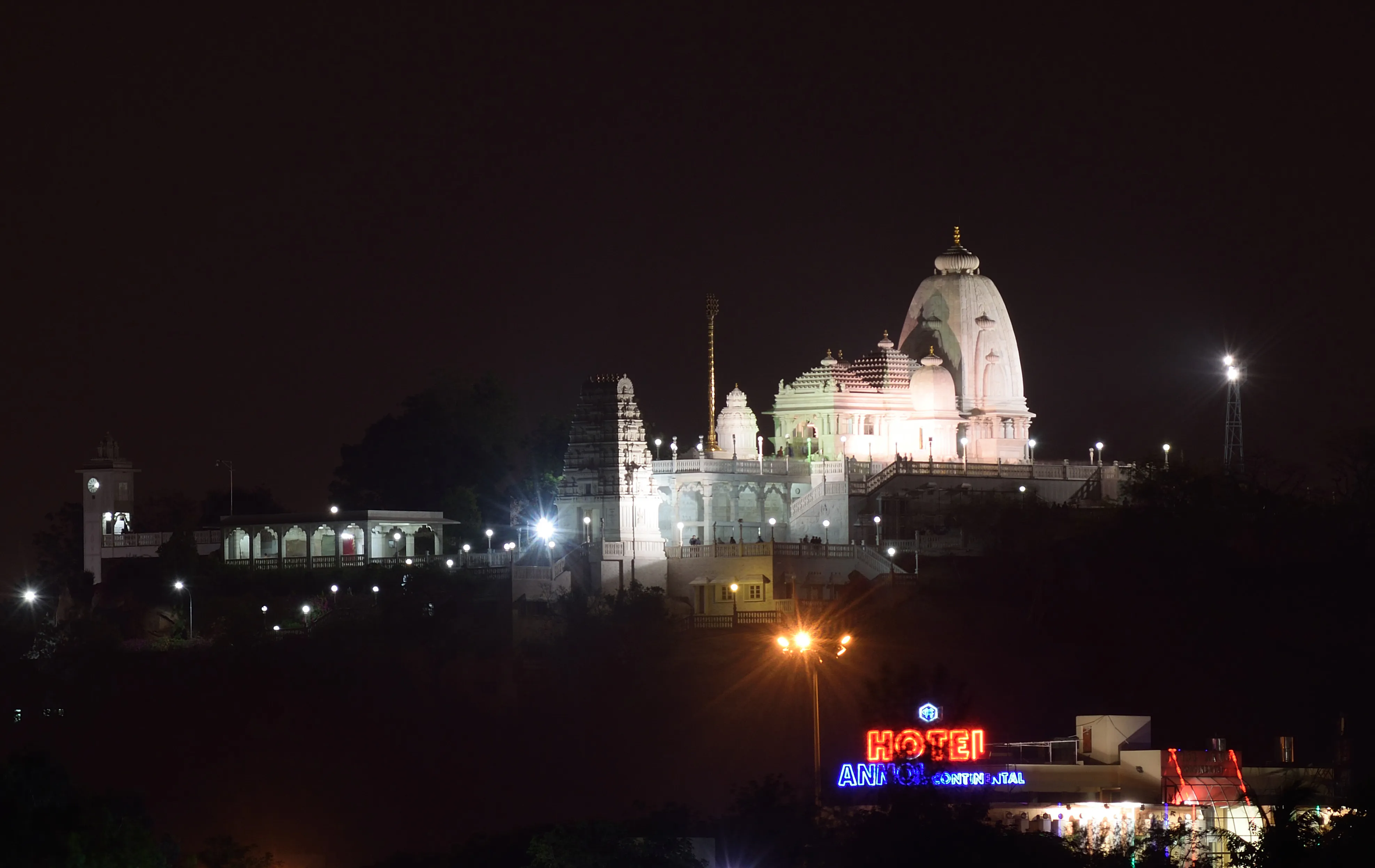
Birla Mandir Hyderabad
Perched atop Kala Pahad, the Birla Mandir in Hyderabad presents a striking vision in white marble, a modern interpretation of traditional Nagara architecture ([1][2]). Commissioned by the Birla family and completed in 1966, this temple dedicated to Lord Venkateswara offers a serene counterpoint to the bustling city below ([3]). Its design prioritizes simplicity and elegance, diverging from the elaborate carvings found in some ancient North Indian temples ([4]). Stone platforms and foundations demonstrate a commitment to enduring construction, using granite and red sandstone ([5]). The towering Shikhara (spire), a prominent feature, draws inspiration from the Orissan style of temple architecture, dominating the Hyderabad skyline ([1][3]). Inside the Garbhagriha (sanctum), the Venkateswara deity inspires devotion, modeled after the revered icon at Tirupati ([2]). The temple maintains a tranquil atmosphere, intentionally avoiding the use of bells to encourage quiet reflection ([4]). Intricate carvings adorning the walls narrate stories from the Mahabharata and Ramayana, linking the temple to India's rich epics ([5]). While specific textual references are not documented for this modern structure, Vastu Shastra principles, the ancient Indian science of architecture, may have influenced the temple's orientation and layout ([1]). During the modern period, temple architecture saw a resurgence of traditional styles adapted to contemporary materials and construction techniques ([2][3]). This temple welcomes visitors of all faiths, reflecting India's inclusive spiritual heritage ([4]). The Birla Mandir stands as a testament to the enduring appeal of Indian architectural traditions in the modern era ([5]).
Chilkur Balaji Temple Hyderabad
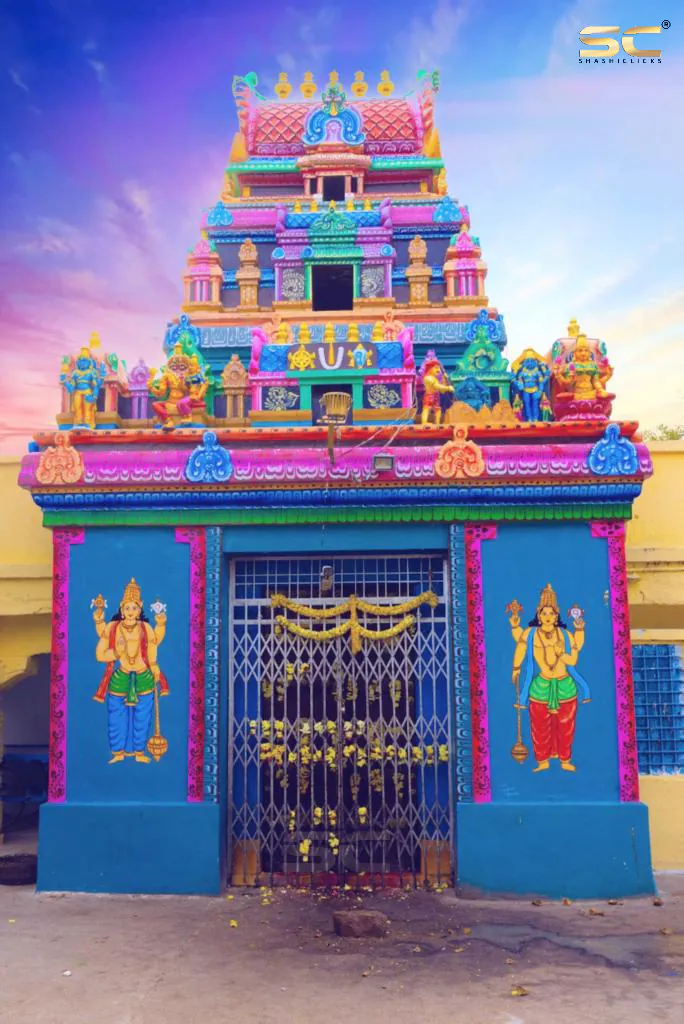
Nestled in the Ranga Reddy district near Hyderabad, the Chilkur Balaji Temple, also known as "Visa Balaji," showcases a distinctive Dravidian architectural style dating back to the 14th century ([1][2]). During the Vijayanagara period, the temple was erected using granite, mortar, concrete, wood, and tiles ([3]). Though specific textual references are currently undocumented, Vastu Shastra principles, the ancient Indian science of architecture, likely influenced its design. In contrast to more elaborate gopurams (temple towers) found elsewhere, the temple's exterior is relatively modest ([4]). Within the Garbhagriha (Sanctum), devotees worship Lord Venkateswara, seeking blessings, particularly for visa aspirations ([5]). Intricate carvings embellish the walls, adding to the sacred ambiance, though they are less elaborate compared to other Dravidian temples. Furthermore, the patronage of Kakatiya Dynasty feudatories enriches its historical significance ([1]). The temple's unique ritual of pradakshinas (circumambulations) underscores its distinct traditions. Stone platforms and foundations exemplify the enduring construction techniques prevalent during the Vijayanagara era. The temple's simplicity and lack of commercialism distinguish it, fostering a more direct spiritual connection. Furthermore, the modest appearance and the fervent prayers of devotees contribute to a powerful spiritual atmosphere, reflecting the region's rich cultural heritage ([3][4]). The pyramidal towers are a testament to the Dravidian style, while the ornate carvings subtly narrate tales from Hindu scriptures ([6]). The use of locally sourced granite highlights the resourcefulness of the Vijayanagara artisans ([7]). The temple stands as a beacon of faith, drawing visitors with its unpretentious charm and deep-rooted traditions ([8]).
Hyderabad
Telangana
India
5
All Heritage Sites
Discover 5 documented heritage sites within Hyderabad, Telangana. From ancient temples to historic forts, explore cultural treasures near you with complete visitor information, GPS coordinates, timings, and directions.
- 1
Browse Sites on Map
View all 5 heritage sites with up-to-date GPS coordinates and filters for style, era, and accessibility.
- 2
Check Visitor Essentials
Confirm entry requirements, timings, photography rules, and accessibility notes before you travel.
- 3
Plan Efficient Routes
Group nearby monuments into half-day or full-day trails using local transport or hired vehicles.
- 4
Document & Share
Capture respectful visuals, collect local stories, and contribute updates to strengthen the archive.
| Location | Hyderabad, Telangana |
| Sites Available | 5 documented |
| Transport | Metro · Bus · Auto · Taxi · Private |
| Best Season | October – March |
| Visit Duration | 2–3 hrs per site |
| Navigation Tips | Download offline maps, respect local signage |
Quick Facts
Common Questions
About Hyderabad Heritage Region
Hyderabad occupies a heritage-rich region of Telangana, reflecting historical importance rooted in geographical advantages, pilgrimage networks, and royal patronage traditions. The architectural diversity documented here spans centuries of religious devotion, political power, and cultural achievement. Sites range from locations within Hyderabad proper to monuments situated 30-90 minutes distant, enabling both brief visits and comprehensive day-long explorations. Accessible sites facilitate morning visits returning by afternoon, while more distant monuments reward full-day excursions potentially combining multiple sites along geographical routes. Transportation infrastructure throughout Hyderabad includes app-based ride services, traditional auto-rickshaws, and taxi services. Multiple-site visits often benefit from private vehicle hire enabling flexible scheduling and optimal route planning. Visiting patterns vary seasonally and weekly; weekday mornings typically offer peaceful experiences, while festival periods provide opportunities to witness continuing traditions, though with increased visitor density. This collection documents prominent sites alongside lesser-known monuments, enabling balanced itineraries combining well-documented heritage with discoveries off typical tourist circuits.
Getting Around from Hyderabad
Transportation from Hyderabad to regional heritage sites employs various modalities depending on distance and infrastructure. India offers well-developed transportation including auto-rickshaw, Indian Railways, state buses. Sites within Hyderabad limits remain accessible via local transport options. Outlying monuments may require private vehicle access: rental cars for independent travelers, or hired vehicles with experienced drivers. Organized tours offer structured itineraries with less scheduling flexibility. Distance ranges span 5-80 kilometers from Hyderabad; proximate sites (5-15km) involve 30-45 minute journeys, while more distant monuments (40-80km) require 1.5-2.5 hours depending on traffic conditions and road quality. Site-specific documentation provides exact coordinates, suggested routes, and access considerations. Local knowledge complements digital navigation; consulting residents regarding road conditions and optimal routes proves valuable.
When to Visit
Seasonal considerations significantly affect heritage site visiting experiences throughout Telangana. The optimal visiting period for India extends October through March, offering comfortable weather conditions and extended visiting hours, though popular sites may experience higher visitor density. Heritage sites maintain varying seasonal schedules; specific closures or modified hours warrant verification before visiting. Weather patterns vary by region within India, so consulting local forecasts ensures appropriate planning. Festival periods at active worship sites provide enriching cultural experiences, though with substantially increased attendance meriting advance planning. Entry fees at protected monuments typically range from ₹25-₹40. Photography for personal use is generally permitted, though professional equipment may require advance permissions.