Sikkim
All Heritage Sites
4 sites
📍 27.3378°N, 88.6210°E
Heritage Sites Near Gangtok
Heritage exploration from Gangtok remains accessible across varying economic circumstances, with 4+ documented sites including numerous monuments offering free or nominal-cost entry. Many active religious sites traditionally welcome visitors without entry fees, maintaining centuries-old practices of open access. Protected monuments typically charge modest entry fees (₹25-₹40). Strategic planning optimizes heritage experiences within budget constraints: geographic clustering enables multiple visits per excursion, weekday visits may access special entry provisions, shared transportation distributes costs effectively. Our documentation identifies free-entry sites, cost-effective visiting combinations, transportation economics, and local amenities supporting budget-conscious heritage tourism. This resource demonstrates that meaningful engagement with Sikkim's architectural and spiritual heritage transcends economic limitations, enabling students, families, and all seekers of cultural connection to experience India's civilizational achievements.
Comprehensive cost information and accessibility guidance for 4+ heritage sites near Gangtok, supporting meaningful heritage experiences honoring Sikkim's architectural and spiritual legacy across all budget levels.
All Heritage Sites in Gangtok
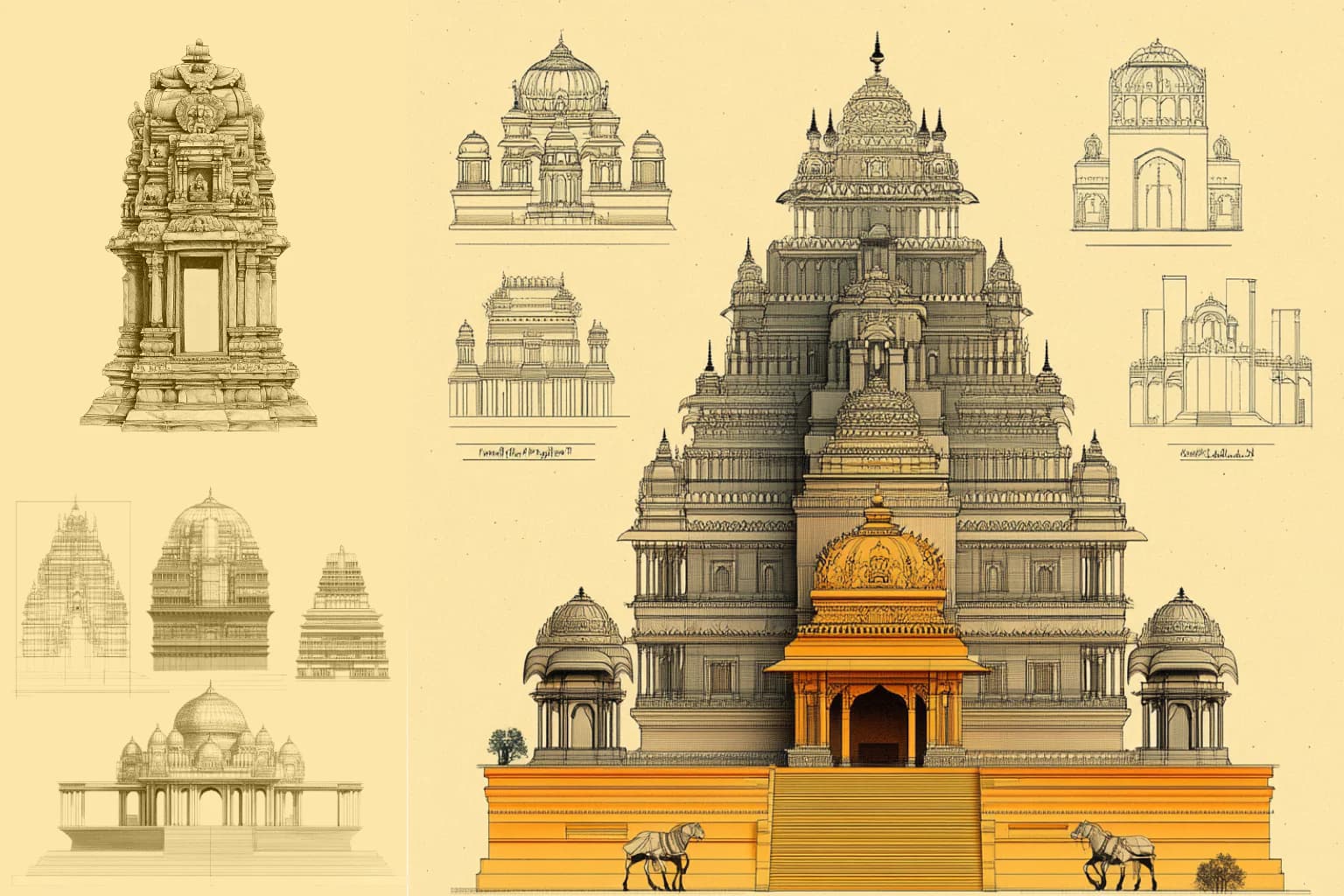
Ganesh Tok Gangtok
Jawaharlal Nehru Road, Sungava, Gangtok (737103), Sikkim, India
The crisp Himalayan air, thin and invigorating, whipped prayer flags into a frenzy of colour as I climbed the winding path to Ganesh Tok. Perched precariously on a ridge overlooking Gangtok, this small but vibrant temple dedicated to Lord Ganesha commands a breathtaking panorama. The city sprawled below, a tapestry of rooftops punctuated by the occasional flash of monastic gold, while the distant, snow-capped peaks of the Himalayas formed a majestic backdrop. It was a scene that demanded to be captured, a testament to both human devotion and the raw power of nature. Ganesh Tok isn't grand in scale. It's a compact structure, almost diminutive against the immensity of the landscape. Built from traditional Sikkimese materials – predominantly wood and stone – it exudes a rustic charm that contrasts beautifully with the ornate embellishments typical of temples in other parts of India. The roof, layered with wooden shingles, slopes steeply downwards, a design I've noticed is common in this region, likely a practical adaptation to the heavy snowfall. Brightly coloured prayer flags, strung between trees and tied to the temple eaves, flutter in the wind, adding a dynamic element to the otherwise static structure. Their vibrant hues – reds, yellows, greens, and blues – stand out vividly against the muted tones of the surrounding forest. Entering the temple requires a degree of humility, quite literally. The entrance is a low, narrow opening that necessitates stooping, a symbolic gesture of bowing before the deity within. Inside, the space is intimate, barely enough room for a handful of devotees. The air is thick with the scent of incense, and the soft chanting of prayers creates a palpable sense of reverence. A small, intricately carved statue of Lord Ganesha occupies the central altar, adorned with fresh flowers and offerings. The walls are covered in colourful murals depicting scenes from Hindu mythology, adding another layer of visual richness to the already vibrant space. What struck me most about Ganesh Tok wasn't its architectural grandeur or elaborate ornamentation, but the palpable sense of peace that permeated the air. Perhaps it was the altitude, the proximity to the heavens, or simply the collective devotion of those who came to pray, but there was an undeniable tranquility that settled over me as I sat there, absorbing the atmosphere. I observed families whispering prayers, elderly pilgrims spinning prayer wheels, and young couples gazing out at the view, each lost in their own private communion with the divine. From a photographic perspective, Ganesh Tok presented a unique set of challenges and opportunities. The limited space within the temple required careful composition and the use of a wide-angle lens to capture the full scope of the interior. The constantly shifting light, filtered through the prayer flags and the surrounding trees, created a dynamic interplay of light and shadow that I found particularly captivating. And, of course, the panoramic view from the ridge demanded multiple exposures to capture the full range of tones, from the deep greens of the valleys to the brilliant white of the snow-capped peaks. Beyond the temple itself, the surrounding area offered a wealth of photographic possibilities. The winding path leading up to the tok was lined with vibrant rhododendrons and prayer wheels, each turn sending a silent prayer into the wind. The viewpoints along the ridge provided stunning vistas of the surrounding valleys, and the occasional glimpse of a soaring eagle added a touch of wildness to the scene. My visit to Ganesh Tok was more than just a photographic assignment; it was a spiritual experience. It was a reminder of the power of place, the importance of tradition, and the enduring human need to connect with something larger than ourselves. And as I packed away my camera, I knew that the images I had captured would serve not only as a record of my visit but also as a testament to the enduring beauty and spiritual significance of this remarkable Himalayan shrine.
Specialized Data:
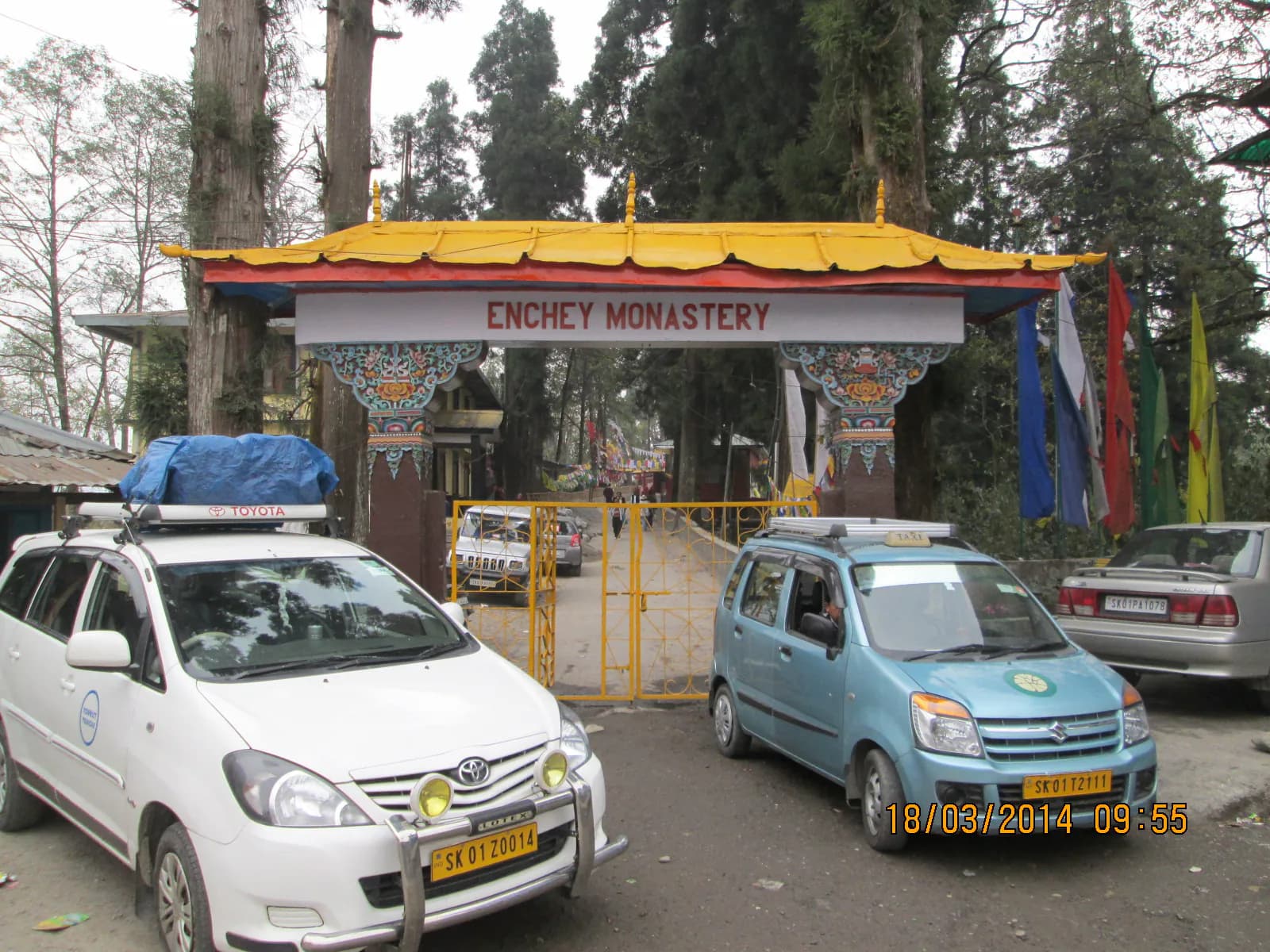
Enchey Monastery Gangtok
Gangtok (737103), Sikkim, India
The crisp mountain air, tinged with the aroma of burning juniper incense, welcomed me to Enchey Monastery, nestled on a ridge overlooking Gangtok. Having explored every UNESCO site in India, I can confidently say that this monastery, while not holding that official designation, possesses a unique charm that rivals many that do. Its name, meaning "Solitary Monastery," feels apt, as it exudes an aura of quiet contemplation despite its proximity to the bustling capital of Sikkim. Unlike the grand, sprawling complexes of some Tibetan monasteries, Enchey maintains a sense of intimacy. The main structure, a two-storied edifice, is built in the traditional Sino-Tibetan style, with a vibrant color palette that pops against the verdant backdrop. The sweeping, multi-tiered roofs, adorned with intricate carvings and gilded details, are a testament to the craftsmanship of the past. I was particularly struck by the ornate dragons that guard the corners of the roof, their fierce expressions seemingly protecting the sacred space within. Stepping inside, I was immediately enveloped by the hushed reverence of the prayer hall. The walls are covered in vibrant murals depicting Buddhist deities, intricate mandalas, and scenes from the life of Buddha. These aren't mere decorations; they are narratives, teaching tools, and objects of devotion. I spent a considerable amount of time studying the details, each brushstroke telling a story, each symbol holding a deeper meaning. The soft glow of butter lamps cast dancing shadows on the richly embroidered thangkas (religious scrolls) that hung from the walls, adding to the mystical atmosphere. The main altar, dominated by a large statue of Sakyamuni Buddha, is a focal point for prayer and meditation. Watching the monks perform their rituals, their chanting resonating through the hall, was a truly immersive experience. The rhythmic cadence of their voices, the clang of cymbals, and the deep drone of horns created a soundscape that transported me to another realm. Beyond the main prayer hall, the monastery complex encompasses several smaller shrines and chambers. I explored these with a sense of quiet curiosity, discovering hidden alcoves adorned with statues of protective deities and ancient scriptures carefully preserved in glass cases. One particularly intriguing room housed a collection of antique masks used in Cham dances, their grotesque yet captivating features hinting at the vibrant masked dances performed during religious festivals. My visit coincided with the annual Pang Lhabsol festival, a unique Sikkimese celebration honoring Mount Kanchenjunga, the third highest peak in the world. Witnessing this vibrant spectacle within the monastery grounds was an unforgettable experience. Masked dancers, adorned in elaborate costumes, performed ritualistic dances to the accompaniment of drums and cymbals, their movements a mesmerizing blend of grace and power. The air was thick with the scent of incense and the energy of devotion, creating an atmosphere that was both electrifying and deeply spiritual. Enchey Monastery is more than just a place of worship; it's a living testament to the rich cultural heritage of Sikkim. It's a place where history, spirituality, and art converge, offering visitors a glimpse into the heart of Tibetan Buddhism. While it may not yet bear the official UNESCO title, it undoubtedly holds a special place in the tapestry of India's cultural landscape. As I descended the hill, leaving the serene embrace of the monastery behind, I carried with me not just photographs and memories, but a deeper understanding of the enduring power of faith and tradition.
Specialized Data:
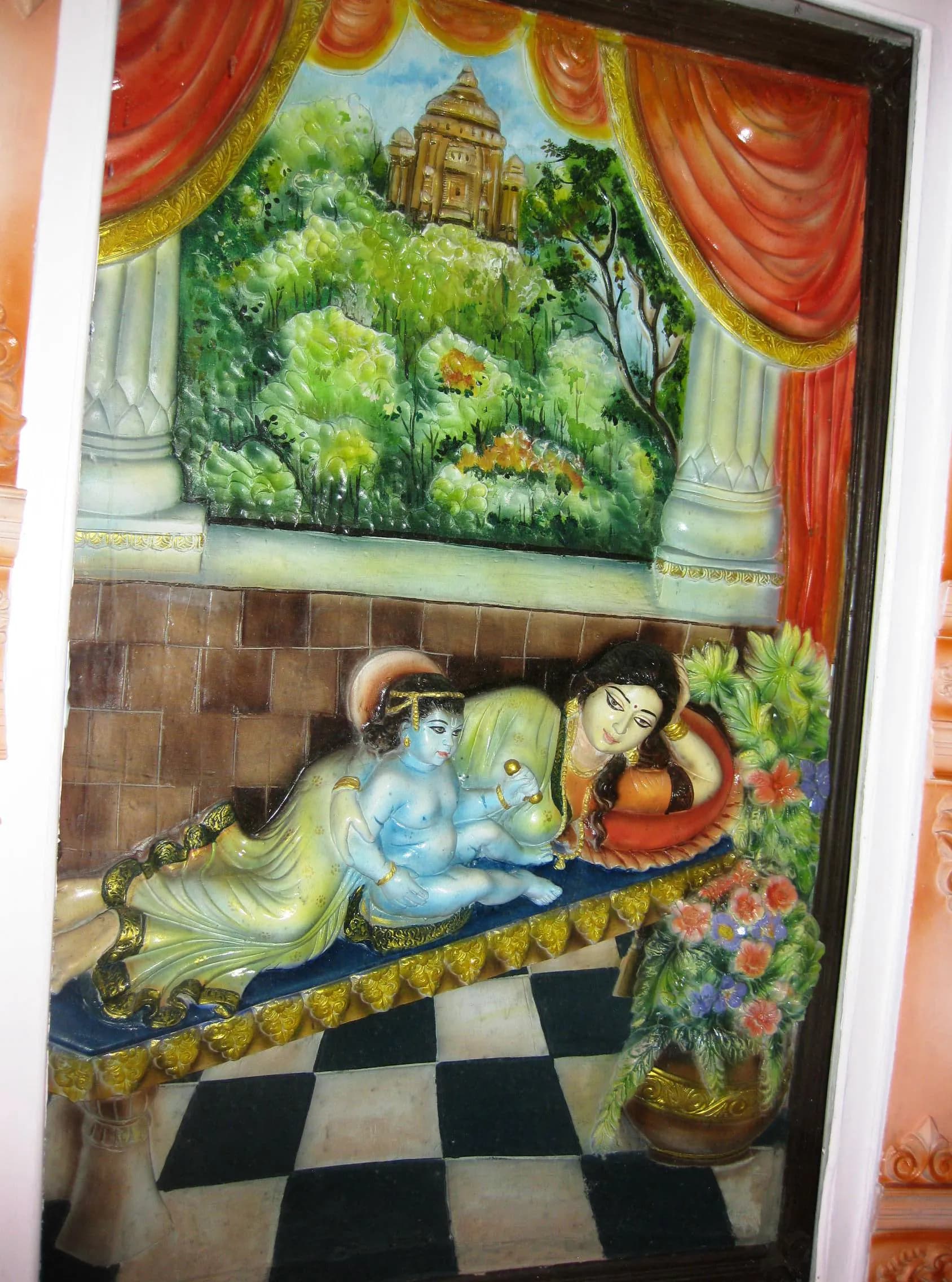
Hanuman Tok Gangtok
Gangtok (737103), Sikkim, India
The crisp mountain air, tinged with the scent of juniper and rhododendron, whipped around me as I stepped onto the platform of Hanuman Tok, a Hindu temple perched 3,500 feet above Gangtok. The panoramic vista that unfolded before me was simply breathtaking. The Kanchenjunga massif, its snow-capped peaks gleaming under the midday sun, dominated the horizon, a majestic backdrop to the vibrant prayer flags fluttering in the wind. This wasn't just a temple; it was a sanctuary woven into the very fabric of the Himalayan landscape. Hanuman Tok, meaning "Hanuman's shoulder," derives its name from a local legend. It is believed that Lord Hanuman, the revered monkey god of Hindu mythology, rested here momentarily while carrying the Sanjeevani herb from the Himalayas to Lanka to revive Lakshmana, as recounted in the epic Ramayana. This narrative imbues the site with a palpable sense of sacredness, a feeling amplified by the constant hum of chanting emanating from the temple. The temple itself is a relatively modern structure, built by the Indian Army, who also maintain the site. Its architecture, while not particularly ancient, reflects a blend of traditional Sikkimese and typical Hindu temple design. The vibrant colours – reds, yellows, and greens – stand out against the muted greens and browns of the surrounding hills. The sloping roof, reminiscent of Sikkimese architecture, is adorned with intricate carvings and colourful prayer flags. Inside, the main deity is Lord Hanuman, depicted in his familiar pose, a mace in hand, radiating strength and devotion. Unlike the elaborate ornamentation found in many temples of Uttar Pradesh, the interior here is relatively simple, the focus remaining firmly on the deity and the breathtaking views it commands. As I circumambulated the temple, turning the prayer wheels inscribed with mantras, I observed the diverse group of devotees. Sikkim, with its unique blend of Hinduism and Buddhism, fosters a spirit of religious harmony that is truly inspiring. I saw local Sikkimese families alongside tourists from mainland India, all united in their reverence for this sacred spot. Conversations in Nepali, Hindi, and English mingled with the rhythmic chanting, creating a vibrant tapestry of sound and faith. My upbringing in Uttar Pradesh, a land steeped in Hindu mythology and tradition, allowed me to connect with Hanuman Tok on a deeper level. While the architectural style differed from the grand temples of Varanasi or Ayodhya, the underlying devotion and reverence felt familiar. The stories of Lord Hanuman, ingrained in my consciousness from childhood, resonated even more powerfully against this majestic Himalayan backdrop. The experience wasn't just about the temple itself, but also about the journey to reach it. The winding road leading up to Hanuman Tok offered glimpses of the verdant valleys and terraced farms below, showcasing the harmonious co-existence of nature and human life. The vibrant prayer flags strung along the route, each one carrying a silent prayer to the wind, added to the spiritual ambience. Leaving Hanuman Tok, I carried with me more than just photographs and memories. I carried a sense of peace, a renewed appreciation for the power of faith, and a deeper understanding of how religious narratives intertwine with the landscape to create places of profound significance. The echoes of chanting, the crisp mountain air, and the majestic view of Kanchenjunga will forever remain etched in my mind, a testament to the spiritual richness of this Himalayan sanctuary.
Specialized Data:
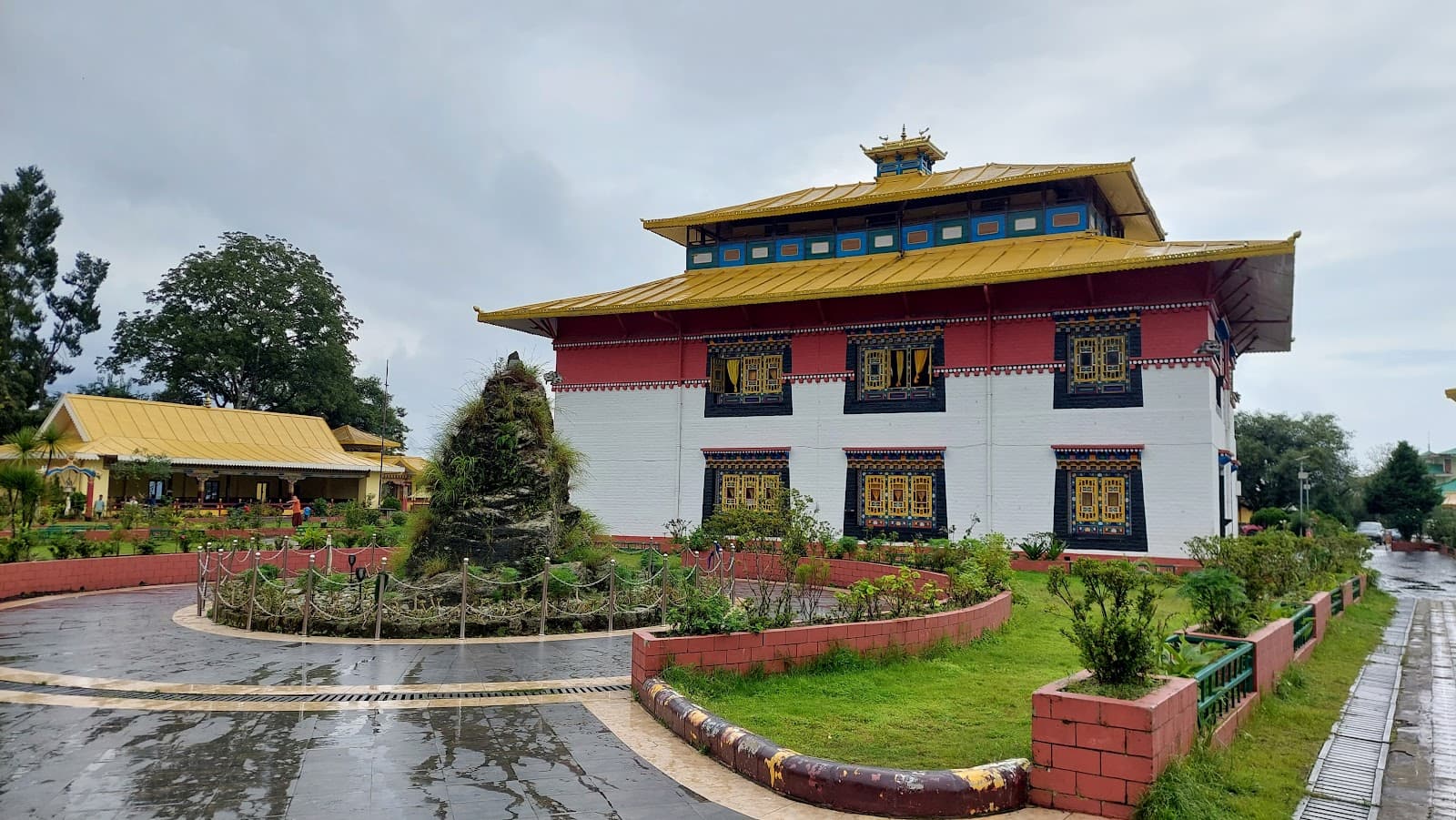
Tsuk La Khang Monastery Gangtok
Secretariat Road, Vishal Gaon, Gangtok (737103), Sikkim, India
The crisp mountain air, tinged with the scent of burning juniper, welcomed me as I ascended the steps to Tsuk La Khang Monastery in Gangtok. Having explored countless ancient temples and monasteries across North India, I approached with a seasoned eye, yet Tsuk La Khang held a unique allure. Its unassuming exterior, a stark white structure against the backdrop of the towering Himalayas, belied the vibrant spiritual heart within. This wasn't just another tourist attraction; it was the royal chapel of the erstwhile Chogyal dynasty, a living testament to Sikkim's rich Buddhist heritage. Unlike the elaborate, gilded monasteries I'd encountered in Ladakh or Himachal, Tsuk La Khang exuded a quiet dignity. The architecture was distinctly Sikkimese, with a sloping roof adorned with intricate carvings and vibrant prayer flags fluttering in the wind. The main prayer hall, though not expansive, was a symphony of colour and symbolism. Murals depicting scenes from the Buddha's life adorned the walls, their vibrant hues seemingly untouched by time. The intricate Thangka paintings, meticulously crafted on silk, narrated ancient stories and philosophies, their detail captivating my attention for long stretches. The low hum of chanting permeated the air, a soothing backdrop to the rhythmic tapping of prayer wheels. Devotees, young and old, circumambulated the central prayer hall, their faces etched with devotion. I observed elderly monks, their maroon robes draped around them, engrossed in deep meditation, their presence radiating a palpable sense of tranquility. This wasn't a performance for tourists; it was a genuine expression of faith, a daily ritual woven into the fabric of their lives. One element that particularly struck me was the presence of ancient texts preserved within the monastery. Stacked on shelves lining the walls, these scriptures, some bound in wood and leather, represented centuries of accumulated wisdom. I imagined generations of monks poring over these sacred texts, their knowledge passed down through the ages. It was a humbling reminder of the enduring power of tradition and the importance of preserving cultural heritage. The courtyard of Tsuk La Khang offered a panoramic view of Gangtok, the city sprawling below like a colourful tapestry. The contrast between the serene atmosphere of the monastery and the bustling city life below was stark, highlighting the spiritual sanctuary that Tsuk La Khang provided. I spent some time simply absorbing the view, the crisp mountain air invigorating my senses. My visit coincided with a special religious ceremony. The rhythmic chanting intensified, accompanied by the deep resonance of horns and cymbals. Masked dancers, their movements fluid and graceful, performed intricate rituals, their costumes a riot of colour and symbolism. It was a mesmerizing spectacle, a vibrant expression of Sikkim's unique cultural identity. Witnessing this ceremony wasn't just observing a performance; it was a glimpse into a living tradition, a connection to a spiritual heritage that has thrived for centuries. Leaving Tsuk La Khang, I felt a sense of peace and rejuvenation. It wasn't just the breathtaking views or the architectural beauty that resonated with me; it was the palpable sense of spirituality, the genuine devotion of the people, and the enduring power of tradition that left a lasting impression. In a world increasingly dominated by modernity, Tsuk La Khang stands as a beacon of cultural preservation, a reminder of the importance of cherishing our heritage and the enduring power of faith. It is a place I would recommend to anyone seeking a deeper understanding of Sikkim's rich cultural tapestry, a place where the whispers of ancient wisdom still echo in the mountain air.
Specialized Data:
City
Gangtok
State
Sikkim
Country
India
Total Sites
4
Category
All Heritage Sites
What is Heritage Sites Near Gangtok, Sikkim?
Discover 4 documented heritage sites within Gangtok, Sikkim. From ancient temples to historic forts, explore cultural treasures near you with complete visitor information, GPS coordinates, timings, and directions.
City:
GangtokState:
SikkimCountry:
IndiaTotal Sites:
4Category:
All Heritage SitesCoordinates:
27.3378°N, 88.6210°EHow to Explore Heritage Sites in Gangtok
- 1
Browse Sites on Map
View all 4 heritage sites with up-to-date GPS coordinates and filters for style, era, and accessibility.
- 2
Check Visitor Essentials
Confirm entry requirements, timings, photography rules, and accessibility notes before you travel.
- 3
Plan Efficient Routes
Group nearby monuments into half-day or full-day trails using local transport or hired vehicles.
- 4
Document & Share
Capture respectful visuals, collect local stories, and contribute updates to strengthen the archive.
Planning Snapshot
| Location | Gangtok, Sikkim |
| Sites Available | 4 documented |
| Transport | Metro · Bus · Auto · Taxi · Private |
| Best Season | October – March |
| Visit Duration | 2–3 hrs per site |
| Navigation Tips | Download offline maps, respect local signage |
Quick Facts
•4 heritage sites within reach of Gangtok
•Located in Sikkim, a state/region rich in cultural heritage
•Average travel time: 30-90 minutes from Gangtok city center
•Best visiting season: October through March
•Entry fees typically range ₹25-₹40 at protected sites
•Transportation options include auto-rickshaw, Indian Railways, state buses
•GPS coordinates provided for all sites for accurate navigation
•Local guides available at major heritage sites
•Photography permitted at most sites (tripod restrictions may apply)
•Gangtok serves as convenient base with hotels and restaurants
Common Questions
About Gangtok Heritage Region
Gangtok occupies a heritage-rich region of Sikkim, reflecting historical importance rooted in geographical advantages, pilgrimage networks, and royal patronage traditions. The architectural diversity documented here spans centuries of religious devotion, political power, and cultural achievement. Sites range from locations within Gangtok proper to monuments situated 30-90 minutes distant, enabling both brief visits and comprehensive day-long explorations. Accessible sites facilitate morning visits returning by afternoon, while more distant monuments reward full-day excursions potentially combining multiple sites along geographical routes. Transportation infrastructure throughout Gangtok includes app-based ride services, traditional auto-rickshaws, and taxi services. Multiple-site visits often benefit from private vehicle hire enabling flexible scheduling and optimal route planning. Visiting patterns vary seasonally and weekly; weekday mornings typically offer peaceful experiences, while festival periods provide opportunities to witness continuing traditions, though with increased visitor density. This collection documents prominent sites alongside lesser-known monuments, enabling balanced itineraries combining well-documented heritage with discoveries off typical tourist circuits.
Getting Around from Gangtok
Transportation from Gangtok to regional heritage sites employs various modalities depending on distance and infrastructure. India offers well-developed transportation including auto-rickshaw, Indian Railways, state buses. Sites within Gangtok limits remain accessible via local transport options. Outlying monuments may require private vehicle access: rental cars for independent travelers, or hired vehicles with experienced drivers. Organized tours offer structured itineraries with less scheduling flexibility. Distance ranges span 5-80 kilometers from Gangtok; proximate sites (5-15km) involve 30-45 minute journeys, while more distant monuments (40-80km) require 1.5-2.5 hours depending on traffic conditions and road quality. Site-specific documentation provides exact coordinates, suggested routes, and access considerations. Local knowledge complements digital navigation; consulting residents regarding road conditions and optimal routes proves valuable.
When to Visit
Seasonal considerations significantly affect heritage site visiting experiences throughout Sikkim. The optimal visiting period for India extends October through March, offering comfortable weather conditions and extended visiting hours, though popular sites may experience higher visitor density. Heritage sites maintain varying seasonal schedules; specific closures or modified hours warrant verification before visiting. Weather patterns vary by region within India, so consulting local forecasts ensures appropriate planning. Festival periods at active worship sites provide enriching cultural experiences, though with substantially increased attendance meriting advance planning. Entry fees at protected monuments typically range from ₹25-₹40. Photography for personal use is generally permitted, though professional equipment may require advance permissions.