Fort Near Imphal
Architectural photography of fort near Imphal requires technical knowledge of lighting, compositional principles, and site-specific protocols. These 2+ monuments present exceptional photographic subjects featuring intricate sculptural details, dramatic architectural forms, and complex light-shadow interactions. Success depends on timing: early morning and late afternoon illumination enhance sculptural relief and architectural details, while midday conditions may present challenges. Our documentation addresses optimal photography timing, equipment considerations (tripod restrictions, lens recommendations), permission requirements distinguishing personal from professional photography, and site-specific restrictions regarding flash usage, video recording, and commercial applications. Understanding these protocols before arrival prevents disappointment and ensures respectful documentation practices. This resource serves professional photographers, architectural documentarians, and serious enthusiasts requiring technical information supporting high-quality visual documentation of Manipur's significant architectural heritage.
Fort in Imphal
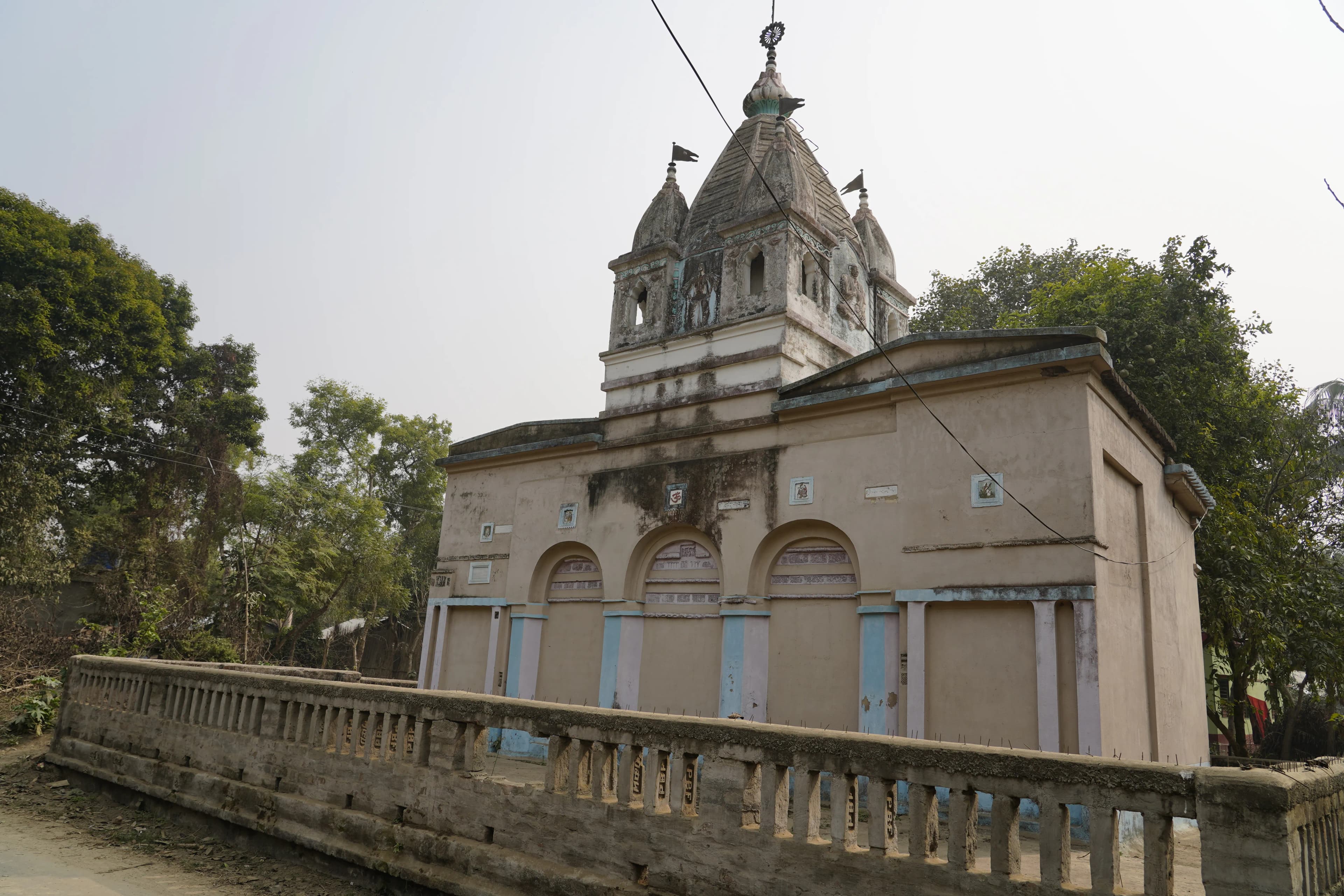
Shree Shyam Rai Temple Imphal
The air, thick with the scent of incense and champak flowers, hung heavy as I stepped onto the grounds of the Shree Govindajee Temple complex in Imphal. Coming from Uttar Pradesh, a land steeped in its own unique architectural heritage, I was eager to experience the distinct flavour of Manipuri religious architecture. The Shyam Rai Temple, dedicated to Lord Krishna, immediately caught my eye. Unlike the towering stone edifices I was accustomed to back home, this temple, nestled within the larger complex, presented a different aesthetic altogether. The structure, built primarily of brick and wood, showcased a distinctly Manipuri style. Its curved roof, reminiscent of the traditional thatched huts of the region, rose in tiers, culminating in a pointed finial. The vibrant colours – deep reds, ochre yellows, and bright golds – adorned the wooden carvings that embellished the facade. These weren't the intricate, narrative carvings of Khajuraho or the bold geometric patterns of Mughal architecture. These were simpler, yet equally expressive, depicting floral motifs, stylized dragons, and mythical creatures that spoke of a different artistic vocabulary. As I approached the main entrance, I noticed the absence of the towering gateways or gopurams that characterize South Indian temples. Instead, a modest arched entrance led into a courtyard. The courtyard itself was a hub of activity. Devotees, clad in traditional Manipuri attire, moved with quiet reverence. The women, in their phanek (sarong) and innaphi (shawl), added splashes of colour to the scene. The rhythmic chanting of hymns and the clang of cymbals created an atmosphere of serene devotion, a stark contrast to the bustling city just beyond the temple walls. Inside the sanctum sanctorum, the atmosphere was palpably different. The air was thick with the scent of sandalwood, and a single oil lamp cast flickering shadows on the deity. The image of Lord Krishna, adorned with vibrant silks and garlands, radiated a sense of profound tranquility. Unlike the elaborate rituals and crowded darshan queues I’d experienced in Uttar Pradesh temples, here, the worship felt more intimate, more personal. There was a quiet dignity in the way devotees offered their prayers, a sense of deep connection with the divine. What struck me most about the Shyam Rai Temple was its integration with the surrounding landscape. Unlike the monumental temples of the north, which often dominate their surroundings, this temple seemed to blend seamlessly with the natural environment. The surrounding gardens, filled with flowering trees and shrubs, added to the sense of peace and tranquility. I could see the influence of the surrounding hills and valleys in the curved lines of the roof and the natural materials used in its construction. The temple's architecture also reflected the unique cultural blend of Manipur. While the core structure adhered to traditional Manipuri styles, I could discern subtle influences from other regions. The use of brick, for instance, reminded me of the Mughal architecture prevalent in parts of India. This fusion of styles, this subtle intermingling of influences, spoke volumes about Manipur's history as a crossroads of cultures. Leaving the Shyam Rai Temple, I felt a sense of quiet contemplation. The experience had been a powerful reminder of the diversity of India's architectural and spiritual heritage. While the temples of Uttar Pradesh, with their grandeur and intricate carvings, held a special place in my heart, the Shyam Rai Temple, with its understated elegance and serene atmosphere, had offered a glimpse into a different, equally compelling, expression of faith and artistry. It reinforced the idea that sacred spaces, regardless of their architectural style or regional context, serve as powerful conduits for human connection with the divine.
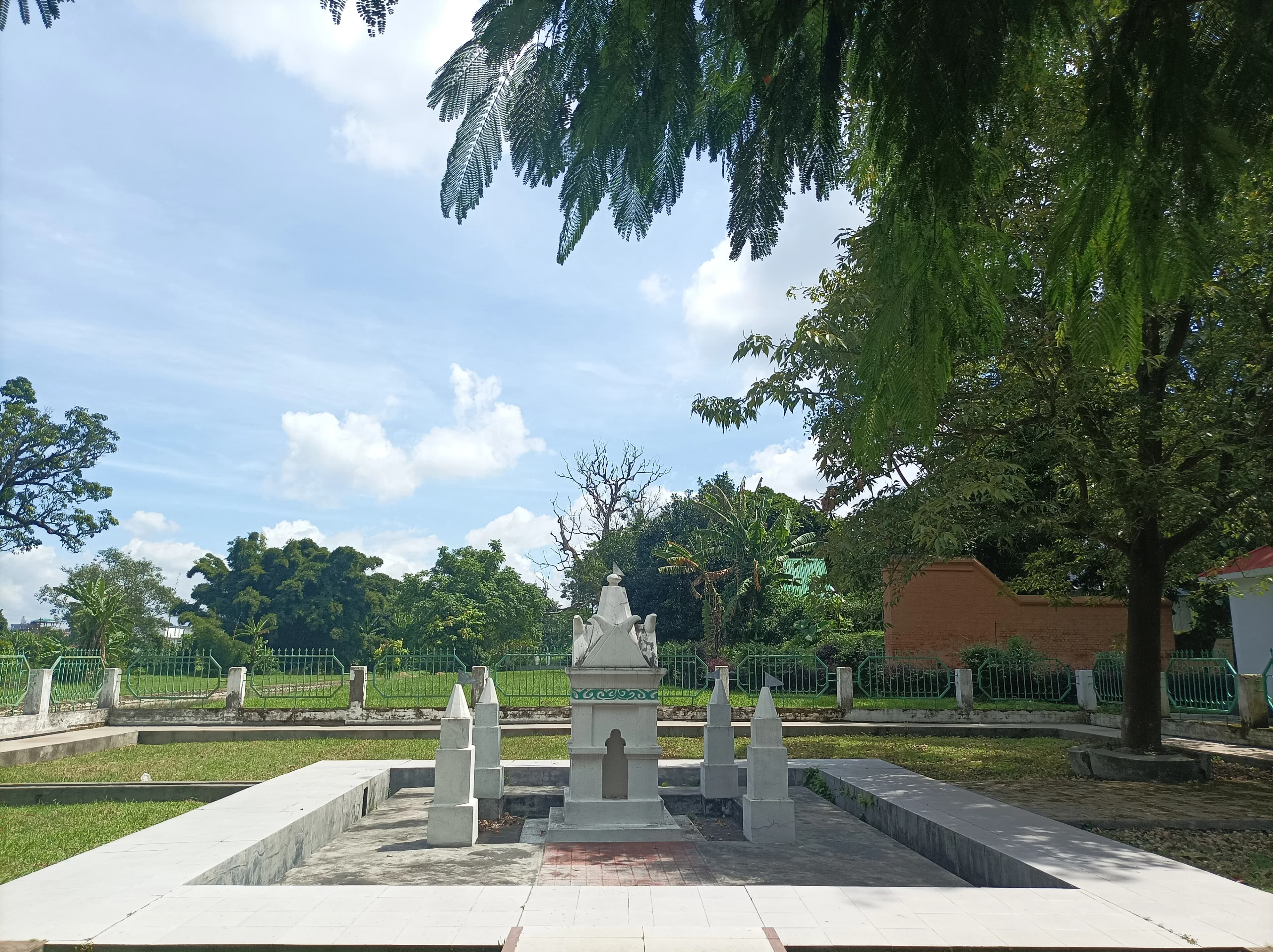
Kangla Fort Imphal
The midday sun beat down on Imphal, casting long shadows across the sprawling grounds of Kangla Fort. This wasn't just another stop on my UNESCO World Heritage journey across India; this was a pilgrimage to the heart of Manipur's history. The very air within these ancient walls seemed to vibrate with the echoes of centuries past, whispering tales of kings and conquests, rituals and resilience. Entering through the imposing western gate, I was immediately struck by the sheer scale of the complex. Kangla, meaning "dry land" in Meiteilon, sprawls across a vast area, bounded on one side by the Imphal River. This strategic location, offering both fertile land and natural defense, explains why it served as the royal seat for centuries, from the reign of the Ningthouja dynasty in the 14th century right up to the arrival of the British in 1891. The scars of history are etched deep into the fort's fabric. I walked past the ruins of the Govindaji Temple, its brickwork ravaged by time and conflict, a poignant reminder of the Anglo-Manipuri War. The temple, dedicated to Lord Krishna, once stood as a symbol of religious harmony, but was tragically destroyed during the British occupation. Its skeletal remains now stand as a silent testament to the enduring power of faith and the destructive nature of war. Further exploration revealed a fascinating blend of architectural styles. The Uttra Sanglen, a brick-built structure with a distinctive curved roof, showcases the ingenuity of Meitei craftsmanship. Its intricate carvings, though weathered, still hint at the grandeur it once possessed. Nearby, the ruins of the Shree Govindajee Temple complex, with its distinctive dome and arched gateways, reveal a Mughal influence, a testament to the cultural exchange that shaped this region. One of the most captivating aspects of Kangla Fort is its spiritual significance. It's not just a collection of historical buildings; it's a living, breathing sacred site. I witnessed locals performing rituals, offering prayers at ancient shrines, their devotion palpable. The sanctity of the place is undeniable, a powerful reminder of the deep connection between the Meitei people and their ancestral land. The Kangla Museum, housed within the fort's walls, provided valuable context to my visit. The exhibits, ranging from ancient pottery and weaponry to royal regalia and manuscripts, offered a glimpse into the rich cultural heritage of Manipur. I was particularly fascinated by the Puyas, the sacred texts of the Meitei people, which offer insights into their cosmology, history, and social customs. As I stood by the banks of the Imphal River, watching the sun begin its descent, I reflected on the profound impact of my visit. Kangla Fort is more than just a historical site; it's a repository of memories, a testament to the resilience of a culture that has endured centuries of change. It's a place where the past and present intertwine, where the whispers of history can still be heard, reminding us of the enduring power of place and the importance of preserving our shared heritage. My journey through India's UNESCO sites had taken me to many magnificent places, but Kangla Fort held a unique resonance, a deep connection to the soul of Manipur.
Imphal
Manipur
India
2
Fort
Discover 2 documented heritage sites within Imphal, Manipur. From ancient temples to historic forts, explore cultural treasures near you with complete visitor information, GPS coordinates, timings, and directions.
- 1
Browse Sites on Map
View all 2 heritage sites with up-to-date GPS coordinates and filters for style, era, and accessibility.
- 2
Check Visitor Essentials
Confirm entry requirements, timings, photography rules, and accessibility notes before you travel.
- 3
Plan Efficient Routes
Group nearby monuments into half-day or full-day trails using local transport or hired vehicles.
- 4
Document & Share
Capture respectful visuals, collect local stories, and contribute updates to strengthen the archive.
| Location | Imphal, Manipur |
| Sites Available | 2 documented |
| Transport | Metro · Bus · Auto · Taxi · Private |
| Best Season | October – March |
| Visit Duration | 2–3 hrs per site |
| Navigation Tips | Download offline maps, respect local signage |
Quick Facts
Common Questions
About Imphal Heritage Region
Imphal occupies a heritage-rich region of Manipur, reflecting historical importance rooted in geographical advantages, pilgrimage networks, and royal patronage traditions. The concentration of fort throughout this region developed through centuries of religious devotion, political power, and cultural achievement. Sites range from locations within Imphal proper to monuments situated 30-90 minutes distant, enabling both brief visits and comprehensive day-long explorations. Accessible sites facilitate morning visits returning by afternoon, while more distant monuments reward full-day excursions potentially combining multiple sites along geographical routes. Transportation infrastructure throughout Imphal includes app-based ride services, traditional auto-rickshaws, and taxi services. Multiple-site visits often benefit from private vehicle hire enabling flexible scheduling and optimal route planning. Visiting patterns vary seasonally and weekly; weekday mornings typically offer peaceful experiences, while festival periods provide opportunities to witness continuing traditions, though with increased visitor density. This collection documents prominent sites alongside lesser-known monuments, enabling balanced itineraries combining well-documented heritage with discoveries off typical tourist circuits.
Getting Around from Imphal
Transportation from Imphal to regional heritage sites employs various modalities depending on distance and infrastructure. India offers well-developed transportation including auto-rickshaw, Indian Railways, state buses. Sites within Imphal limits remain accessible via local transport options. Outlying monuments may require private vehicle access: rental cars for independent travelers, or hired vehicles with experienced drivers. Organized tours offer structured itineraries with less scheduling flexibility. Distance ranges span 5-80 kilometers from Imphal; proximate sites (5-15km) involve 30-45 minute journeys, while more distant monuments (40-80km) require 1.5-2.5 hours depending on traffic conditions and road quality. Site-specific documentation provides exact coordinates, suggested routes, and access considerations. Local knowledge complements digital navigation; consulting residents regarding road conditions and optimal routes proves valuable.
When to Visit
Seasonal considerations significantly affect heritage site visiting experiences throughout Manipur. The optimal visiting period for India extends October through March, offering comfortable weather conditions and extended visiting hours, though popular sites may experience higher visitor density. Most fort remain accessible year-round, though specific closures or modified hours warrant verification before visiting. Weather patterns vary by region within India, so consulting local forecasts ensures appropriate planning. Festival periods at active worship sites provide enriching cultural experiences, though with substantially increased attendance meriting advance planning. Entry fees at protected monuments typically range from ₹25-₹40. Photography for personal use is generally permitted, though professional equipment may require advance permissions.