Tughlaq Period Delhi Sultanate While The Provided List Doesnt Have The Exact Phrasing The Firoz Shah Palace Complex Was Built During The Tughlaq Dynastys Reign Which Falls Under The Broader Delhi Sultanate Period Since The Instructions Request A 3 Word Period Name And Tughlaq Period Isnt An Option Tughlaq Period Delhi Sultanate Is Offered To Provide Context And Accuracy If Only One Period From The List Is Permissible Then Rajput Period Is The Closest Albeit Imperfect Fit Museum in India
This curated collection presents 19 architecturally significant tughlaq period delhi sultanate while the provided list doesnt have the exact phrasing the firoz shah palace complex was built during the tughlaq dynastys reign which falls under the broader delhi sultanate period since the instructions request a 3 word period name and tughlaq period isnt an option tughlaq period delhi sultanate is offered to provide context and accuracy if only one period from the list is permissible then rajput period is the closest albeit imperfect fit museum across India, each offering authentic experiences of Hindu cultural and spiritual heritage. Representing diverse regional traditions, these sites spanning multiple historical periods continue serving as active centers of worship and cultural transmission. recognizing exceptional universal value. Our comprehensive documentation provides detailed visitor information, architectural insights, and cultural context, enabling meaningful engagement with India's living heritage traditions while respecting the sacred nature of these spaces.
19 Sites Found
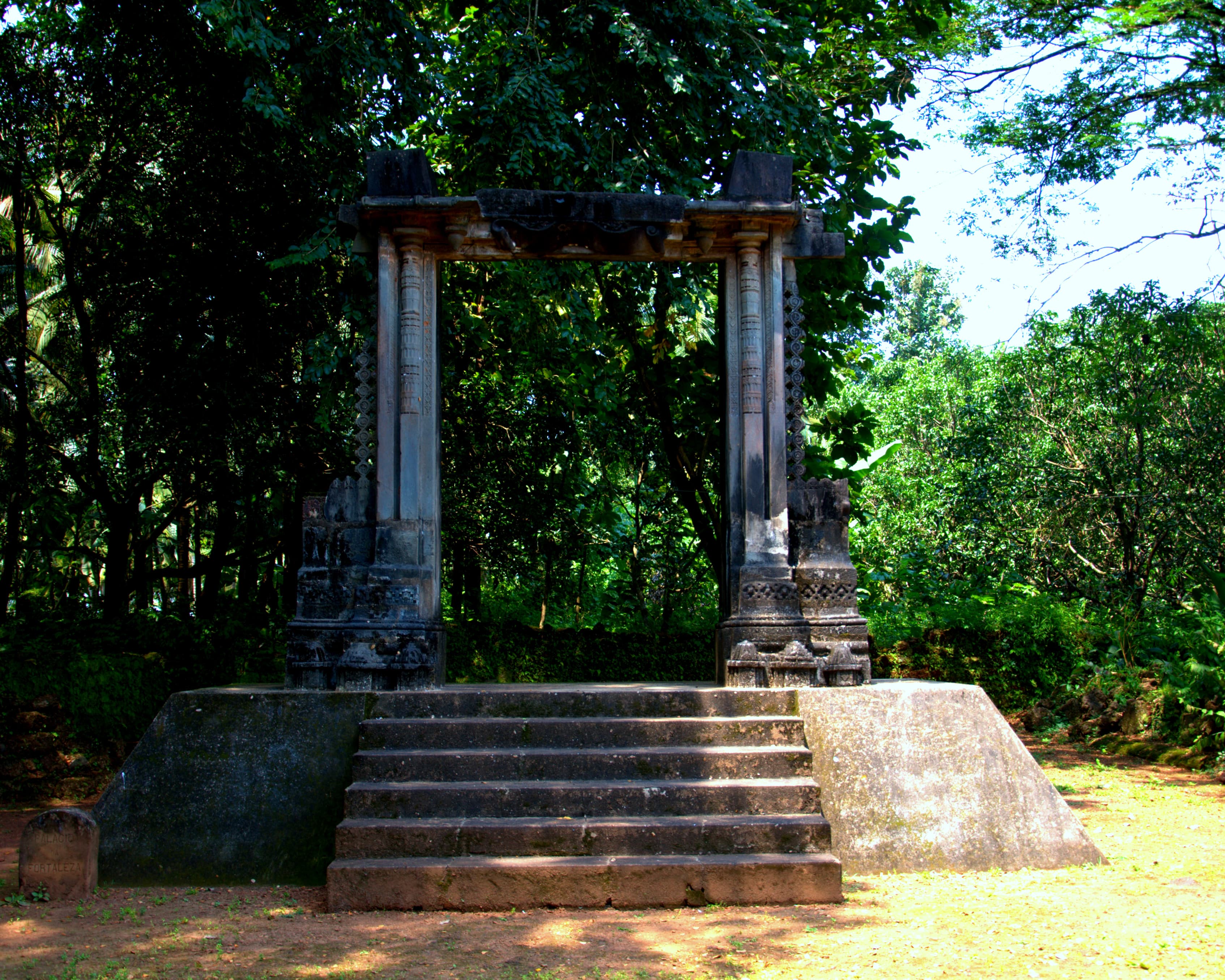
The Adil Shah Palace, located in Rua Direita, Tiswadi, Old Goa (403402), Goa, India, stands as a significant monument reflecting India's millennia-spanning heritage and its continuous tradition of architectural evolution. This edifice, originally conceived in the 16th century CE, embodies a complex layering of indigenous architectural styles, including Deccani Sultanate and Vijayanagara influences, which are deeply rooted in India's historical continuum, alongside later Goan architectural adaptations [2] [4]. The structure is a testament to the sophisticated building practices prevalent in the Deccan region, utilizing locally sourced laterite stone and lime mortar, characteristic materials that have been employed in Indian construction for centuries [4]. The palace's architectural features include a majestic gateway, which is a prominent surviving element, leading into what were once spacious courtyards [2]. While specific dimensions of the entire original palace are not readily available, the surviving "Arch of Adil Shah's Palace" is a centrally protected monument under the Archaeological Survey of India (ASI), indicating its structural significance [2]. The design incorporates elements such as graceful arches and domes, which, while later influenced by Indo-Islamic styles, often drew upon indigenous Indian structural and decorative motifs [2]. Intricate carvings, though now weathered, once adorned its surfaces, narrating stories of past eras and reflecting the artistic sensibilities of the period [2]. The palace's strategic location near the Mandovi River suggests an integrated approach to urban planning and water management, typical of ancient Indian settlements that prioritized access to water bodies [2]. Currently, the Adil Shah Palace, also known as the Old Secretariat, serves as a venue for cultural events and exhibitions, particularly those organized by the Goa Directorate of Museums [3]. This active programming ensures the site remains a living monument, engaging visitors with Goa's rich heritage through displays of rock carvings and other historical artifacts [3]. Conservation efforts are ongoing, with experts working to maintain the structural integrity and preserve delicate details, addressing the wear and tear caused by time and environmental factors, such as Goa's torrential rains [3]. The Archaeological Survey of India, Goa Circle, is responsible for the protection and conservation of such monuments, carrying out regular inspections and implementing preservation programs [2]. Despite some signs of decay, including weathered wood and peeling paint, the palace remains operational and accessible, symbolizing India's enduring commitment to safeguarding its cultural legacy [3]. Its continued use for cultural activities underscores its role in maintaining and transmitting Indian cultural traditions across centuries.
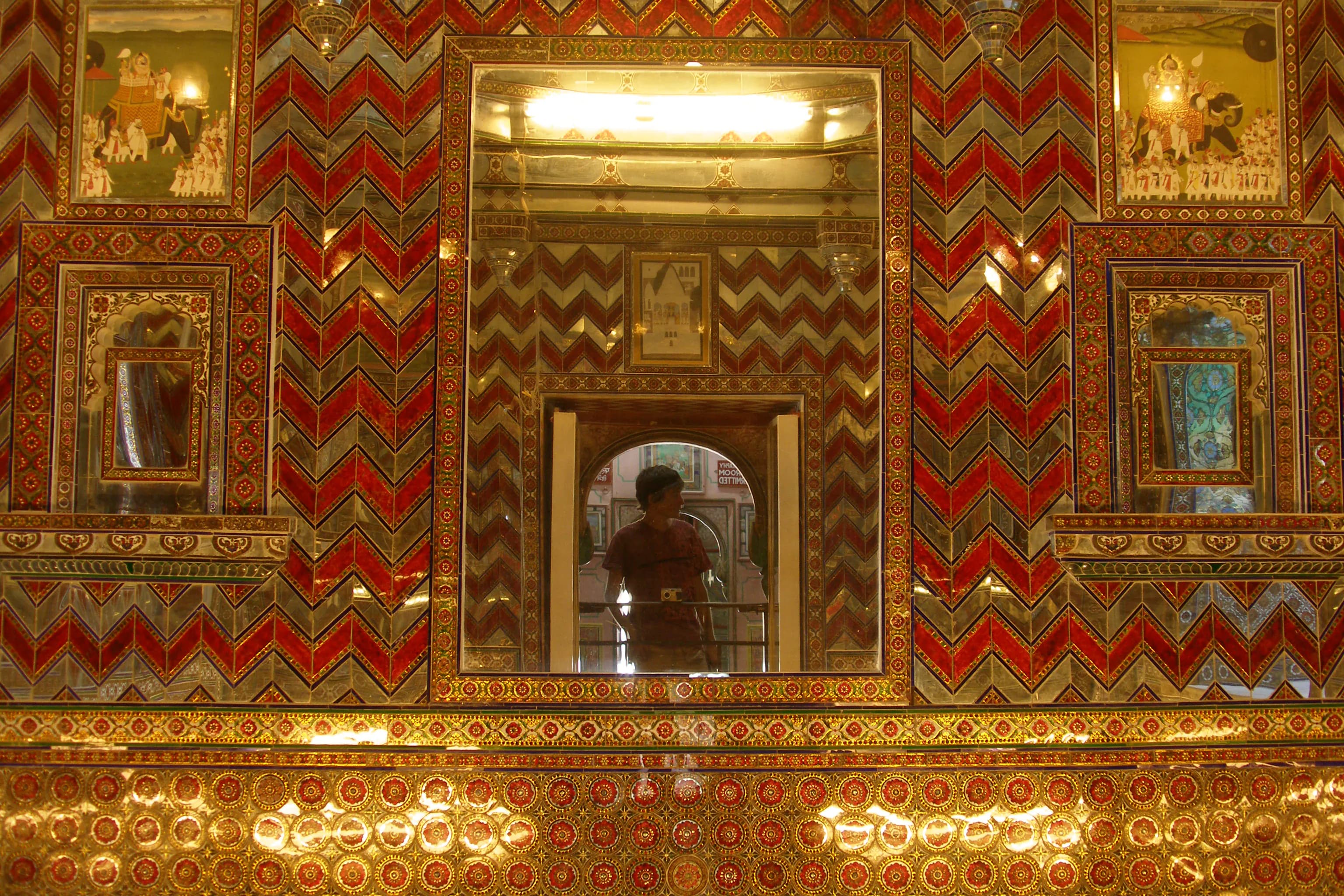
Entering Aina Mahal, or "Palace of Mirrors," in Bhuj transports one to an 18th-century Rajput aesthetic, a resplendent chamber within the Prag Mahal complex ([3][6]). Commissioned by Maharao Lakhpatji of Kutch in 1748 CE, the palace embodies the vision of Ramsinh Malam, showcasing a fusion of local Kutch and Islamic architectural styles ([2][6]). Within the Hall of Mirrors, light refracts across strategically placed glass, creating patterns suggestive of 'Indrajaal' (illusion) ([4]). Convex mirrors, interspersed with gilded glass, produce a kaleidoscopic effect, evocative of 'Swarna Rekha' (golden lines) motifs ([5]). Delicate floral patterns frame the mirrored panels, reflecting a synthesis of European and Kutch craftsmanship. Despite earthquake damage, Aina Mahal provides a 'Darshan' (vision) into Kutch's artistic heritage ([3][6]). The architecture subtly integrates the principles of Vastu Shastra, the ancient Indian science of architecture, adapting them to the local context and materials. Integrating marble, gold, glass, mirrors, plaster, and wood, the palace exemplifies the architectural expertise of the Rajput period ([6]). European-style chairs and carved wooden swings coexist with walls adorned with murals depicting courtly life and scenes from Hindu mythology. Though faded, the colors retain their vibrancy, echoing the 'Rangoli' traditions of the region ([5]). This hybrid Indo-Islamic palatial style represents a unique treasure within Gujarat's rich cultural heritage ([2]). The design incorporates elements reminiscent of the 'jali' (latticework) screens found in traditional Indian architecture, adapted to the mirrored surfaces. Reflecting the patronage of Rao Lakhpatji, Aina Mahal stands as a testament to the artistic synthesis of its time, a 'Ratna' (jewel) box of mirrored artistry and architectural innovation ([6]). The palace’s detailed craftsmanship and unique blend of styles offer a glimpse into the cultural exchange and artistic traditions that flourished in the Kutch region during the 18th century ([2][3]).
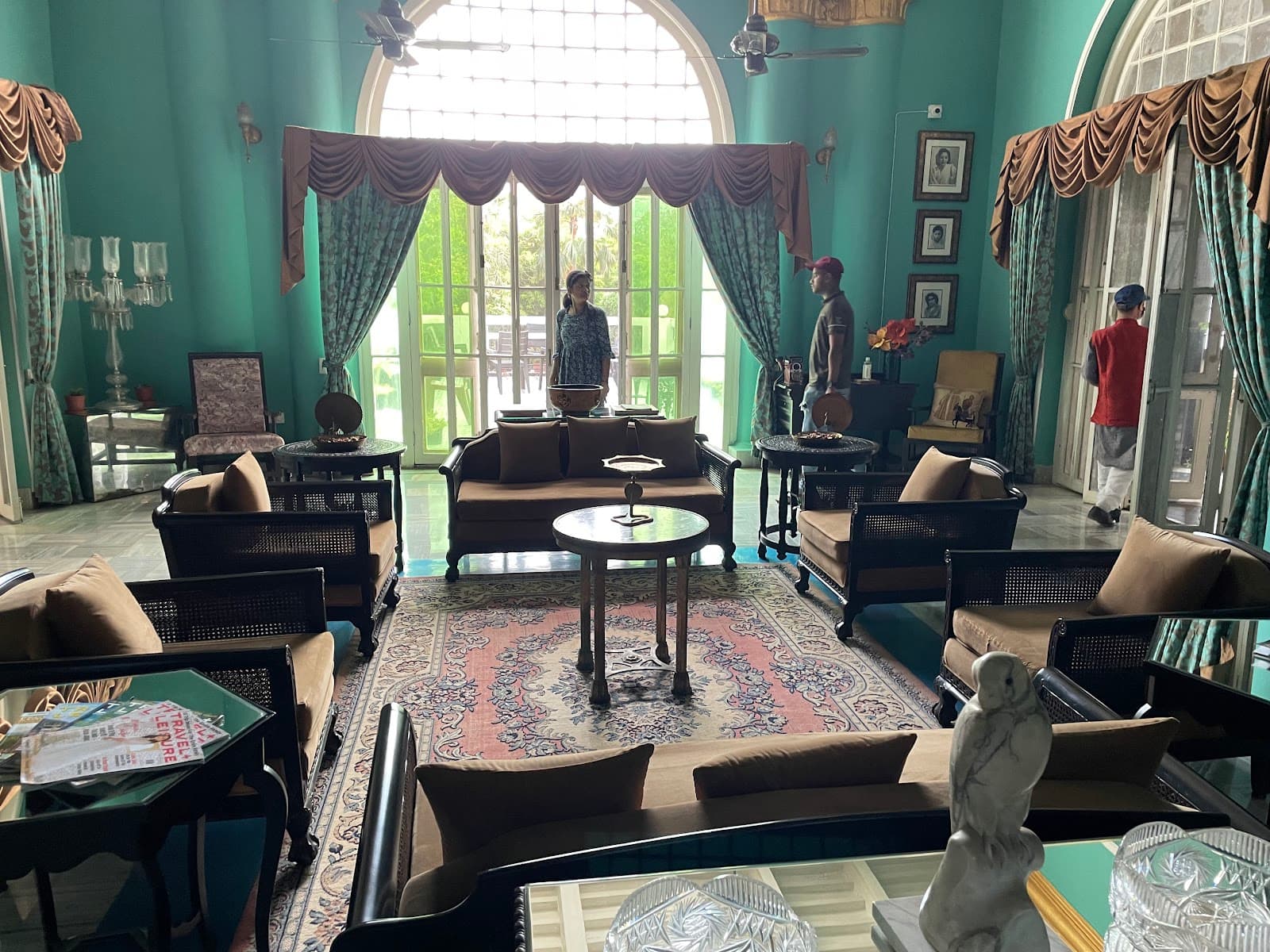
Nestled in Bhanjpur, Mayurbhanj, the Baripada Palace embodies an intriguing confluence of Kalinga architectural traditions and British colonial influences ([1][2]). Commissioned in 1898 by the Bhanja rulers, this palace served as the heart of the princely state of Mayurbhanj ([3]). The palace's facade, predominantly red brick, utilizes laterite stone and mortar, illustrating the adoption of European styles by Indian royalty during the British Colonial Period ([1][4]). The expansive complex signifies the Bhanja dynasty's regional power ([2]). Intricate carvings embellish the palace walls, showcasing terracotta art with floral motifs and mythological figures, offering insights into the artistic preferences of the era ([3][5]). This terracotta work provides a unique textural dimension, contrasting with the stone carvings prevalent in other regions ([4]). Arched windows and decorative balustrades further accentuate the colonial design elements integrated into the palace's structure ([1]). Within the Durbar Hall, vestiges of ornate chandeliers and intricate wall paintings evoke the opulent lifestyle of the former rulers ([2][3]). Vastu Shastra principles, the ancient Indian science of architecture, likely influenced the palace's layout, though specific textual references remain undocumented for this site. The integration of the palace with its surrounding landscape, including gardens and a small pond, enhances the serene ambiance ([5]). The Baripada Palace stands as a compelling reminder of a bygone era, reflecting the rich cultural heritage of Odisha ([1]). This architectural marvel provides a glimpse into the socio-political landscape of 19th-century India, where indigenous traditions melded with colonial influences. The palace serves as a museum, preserving and showcasing the history and artistry of the region ([1][2][3]).
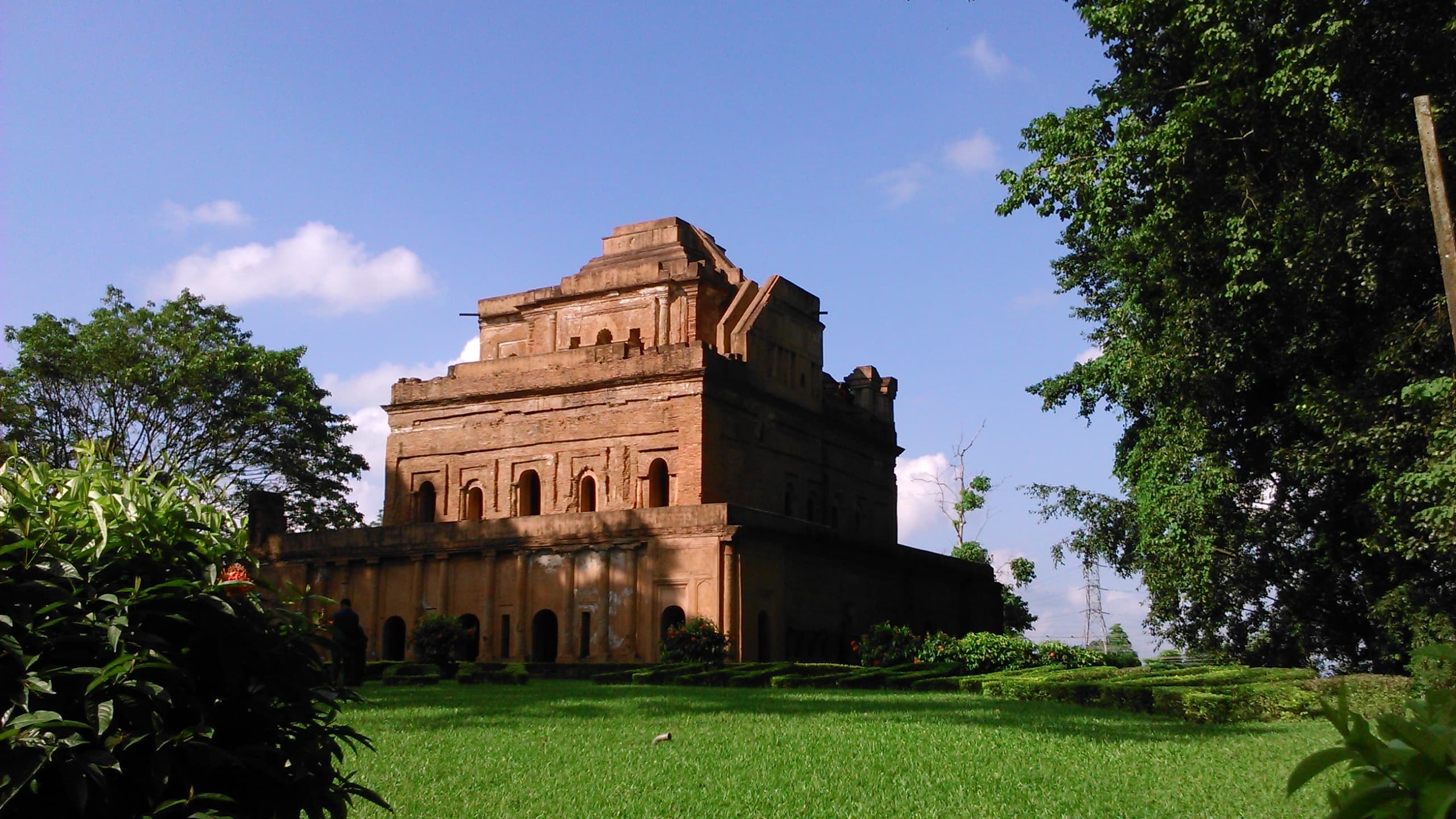
Nestled amidst the undulating hills of Assam, the Ahom Royal Palace at Charaideo whispers narratives of a kingdom that commanded the region for six centuries ([1]). Unlike the well-documented Mughal and Rajput structures, Charaideo presents a unique and often overlooked chapter of Indian history ([2]). The palace ruins, scattered pavilions, gateways, and protective walls, evoke a profound connection to the surrounding environment ([3]). Stone platforms and foundations demonstrate the architectural ingenuity of the Ahom civilization, dating back to the 13th century ([4]). Fired brick and mud brick construction techniques, combined with locally sourced materials such as bamboo and wood, highlight the Ahom's resourcefulness ([3]). The brickwork features subtle floral motifs, a distinctive characteristic that sets it apart from the geometric patterns prevalent in Islamic architecture ([5]). River stones, seamlessly integrated into the walls, further emphasize the Ahom's deep-rooted connection with the natural landscape ([3]). Archaeological excavations have unveiled the foundations of courtyards and royal pavilions, offering glimpses into the palace's former grandeur and sophisticated planning ([6]). Vastu Shastra principles, the ancient Indian science of architecture, likely influenced the palace's layout, optimizing spatial arrangements in harmony with nature ([7]). Within the complex, sophisticated drainage systems ensured the longevity of the structures, a testament to the Ahom's advanced engineering skills ([8]). The strategic location of Charaideo, providing panoramic vistas of the surrounding landscape, underscores its significance as a vital seat of power ([2]). The Charaideo Ahom Royal Palace stands as a poignant reminder of Assam's rich heritage, meriting greater recognition as a precious jewel of Indian history ([1]).
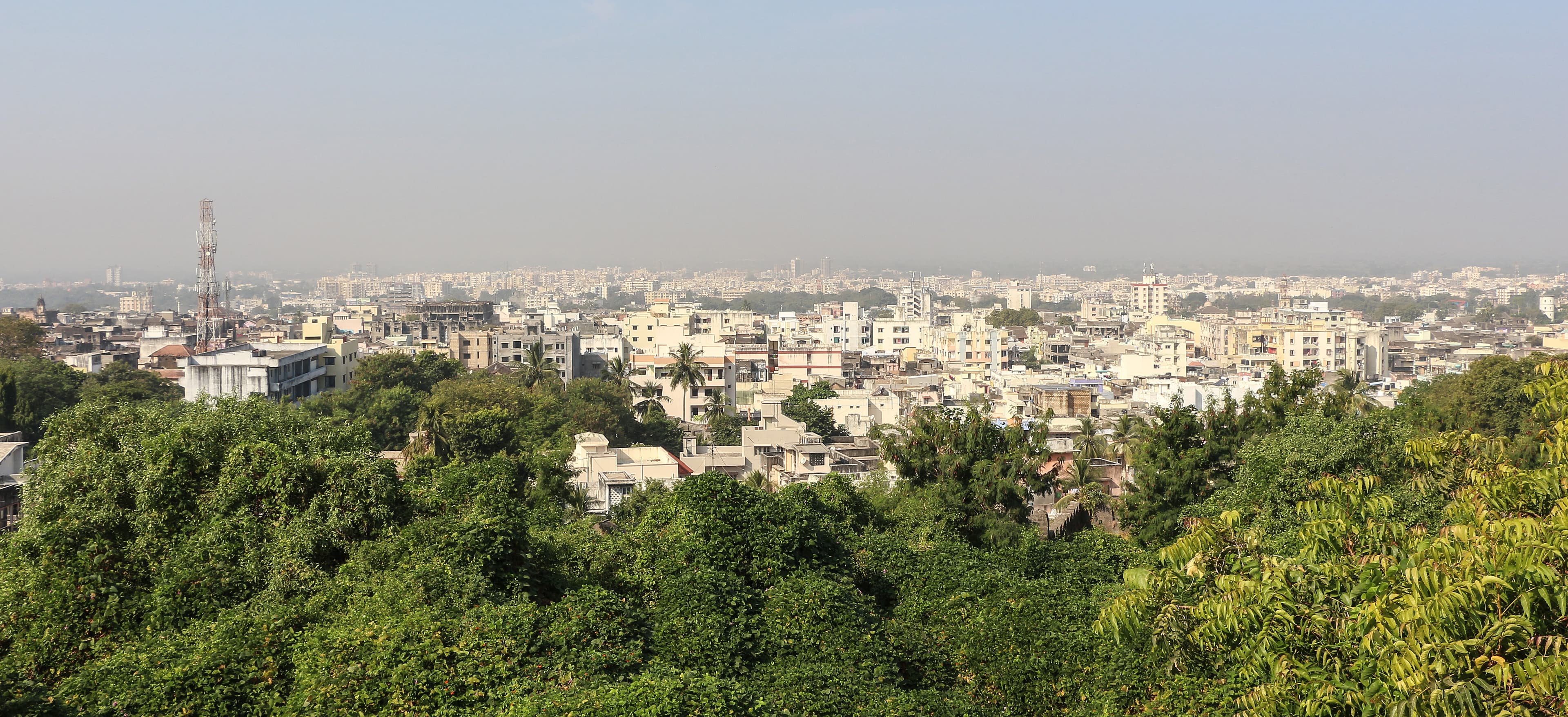
The imposing Junagadh Fort, perched atop a small hill, dominates the skyline of Junagadh city. The sheer scale of the fortifications, rising almost vertically from the ground, is the first thing that strikes you. My Madhya Pradesh lens, accustomed to the sandstone hues of Mandu and Gwalior, was immediately captivated by the distinct greyish-black basalt stone used here. This dark, volcanic rock lends the fort a formidable, almost brooding presence, quite unlike the warmer tones of the forts I'm used to. Passing through the triple-gated entrance, I felt a palpable shift in atmosphere. The bustling city sounds faded, replaced by the whispers of history echoing within the thick stone walls. The main gate, known as the Aadi Kadi Vav, is a marvel of engineering. Its intricate carvings, though weathered by time and conflict, still speak volumes of the craftsmanship of a bygone era. I spent a considerable amount of time photographing the interplay of light and shadow on the deep recesses of the gate, trying to capture the weight of centuries etched into the stone. Within the fort walls, a complex network of structures unfolds. The Uparkot Caves, carved into the hillside, are a fascinating testament to ancient rock-cut architecture. The smooth, polished surfaces of the caves, some adorned with remnants of intricate carvings, contrast sharply with the rough-hewn basalt of the fort walls. I was particularly struck by the play of natural light within the caves, creating an ethereal atmosphere that transported me back in time. My camera worked overtime, attempting to capture the nuances of this unique environment. The Adi Chadi Vav, a stepwell within the fort complex, is another architectural gem. Descending into its cool depths, I was mesmerized by the intricate geometric patterns formed by the descending steps. The sheer scale of the stepwell, extending several stories below ground, is a testament to the ingenuity of the ancient water harvesting systems. I found myself drawn to the patterns of light filtering down from the small opening above, illuminating the weathered stone in a dramatic fashion. The most prominent structure within the fort is the Mohabbat Maqbara, a stunning example of Indo-Islamic architecture. The intricate carvings, delicate jalis (lattice screens), and soaring minarets are a visual feast. The juxtaposition of the dark basalt base with the gleaming white marble domes creates a striking contrast. I spent hours exploring the mausoleum, photographing the intricate details from every angle. The ornate carvings, depicting floral motifs and geometric patterns, are a testament to the rich artistic traditions of the region. Beyond the grand structures, it was the smaller details that captured my attention. The worn stone steps, the weathered inscriptions on the walls, the remnants of ancient frescoes – each element whispered stories of the fort's long and tumultuous history. I found myself drawn to these subtle nuances, trying to capture the essence of the fort's past through my lens. My experience at Junagadh Fort was more than just a photographic expedition; it was a journey through time. The fort's layered history, etched into its very stones, offers a glimpse into the rich cultural tapestry of Gujarat. From the ancient rock-cut caves to the grandeur of the Mohabbat Maqbara, Junagadh Fort stands as a powerful testament to the enduring legacy of human ingenuity and artistic expression. Leaving the fort, I carried with me not just photographs, but a profound sense of connection to the past, a feeling that the stones themselves had shared their stories with me.
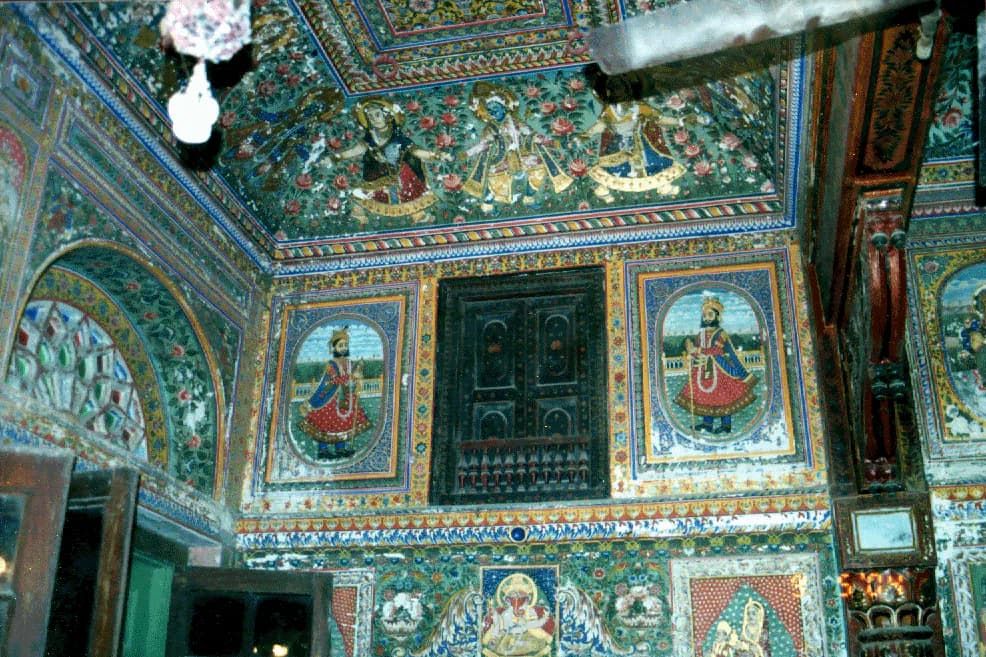
The desert wind whispered stories as I stepped into Mandawa, a town seemingly frozen in time within the Shekhawati region of Rajasthan. It wasn't just a town; it was an open-air art gallery, a canvas of vibrant frescoes splashed across the facades of opulent havelis. My journey through North India has taken me to countless historical sites, but Mandawa's concentration of painted mansions is truly unique. My first stop was the imposing Hanuman Prasad Goenka Haveli. The sheer scale of the structure took my breath away. Intricate carvings adorned every archway and balcony, narrating tales of Rajput chivalry and mythological legends. The colours, though faded by time and the harsh desert sun, still held a captivating vibrancy. I was particularly drawn to a depiction of Krishna lifting Mount Govardhan, the delicate brushstrokes bringing the scene to life despite the passage of centuries. It's evident that the artists weren't merely decorators; they were storytellers, preserving the cultural ethos of a bygone era. Moving on to the Jhunjhunwala Haveli, I was struck by the shift in artistic style. While Hanuman Prasad Goenka Haveli showcased traditional Indian themes, this haveli embraced the advent of the modern world. Frescoes depicting Victorian-era trains and even a biplane shared wall space with traditional motifs. This fascinating juxtaposition highlighted the changing times and the influence of the West on Indian art. It felt like witnessing a dialogue between two worlds, captured in vibrant pigments. The Gulab Rai Ladia Haveli offered another perspective. Here, the frescoes extended beyond mythology and modernity, delving into the everyday life of the merchant families who commissioned these masterpieces. Scenes of bustling marketplaces, elaborate wedding processions, and even depictions of women engaged in household chores provided a glimpse into the social fabric of Mandawa's past. These weren't just grand displays of wealth; they were visual diaries, documenting the nuances of a community. As I wandered through the narrow lanes, each turn revealed another architectural marvel. The intricate latticework screens, known as *jharokhas*, were particularly captivating. They served a dual purpose: allowing the women of the household to observe the street life while maintaining their privacy. These *jharokhas* weren't merely architectural elements; they were symbols of a societal structure, a silent testament to the lives lived within those walls. The double-courtyard layout, a common feature in these havelis, spoke volumes about the importance of family and community. The inner courtyard, often reserved for women, provided a private sanctuary, while the outer courtyard served as a space for social gatherings and business dealings. This architectural division reflected the social dynamics of the time. One aspect that truly resonated with me was the use of natural pigments in the frescoes. The colours, derived from minerals and plants, possessed a unique earthy quality that synthetic paints could never replicate. This connection to nature, so evident in the art, extended to the architecture itself. The thick walls, built from locally sourced sandstone, provided natural insulation against the harsh desert climate, a testament to the ingenuity of the builders. My exploration of Mandawa's havelis wasn't just a visual feast; it was a journey through time. Each brushstroke, each carving, each architectural detail whispered stories of a rich and vibrant past. These havelis aren't just buildings; they are living museums, preserving the cultural heritage of a region. As I left Mandawa, the setting sun casting long shadows across the painted walls, I carried with me not just photographs, but a deeper understanding of the artistry and history that shaped this remarkable town. It's a place I urge every traveller to experience, to lose themselves in the labyrinthine lanes and discover the stories etched onto the walls of these magnificent havelis.
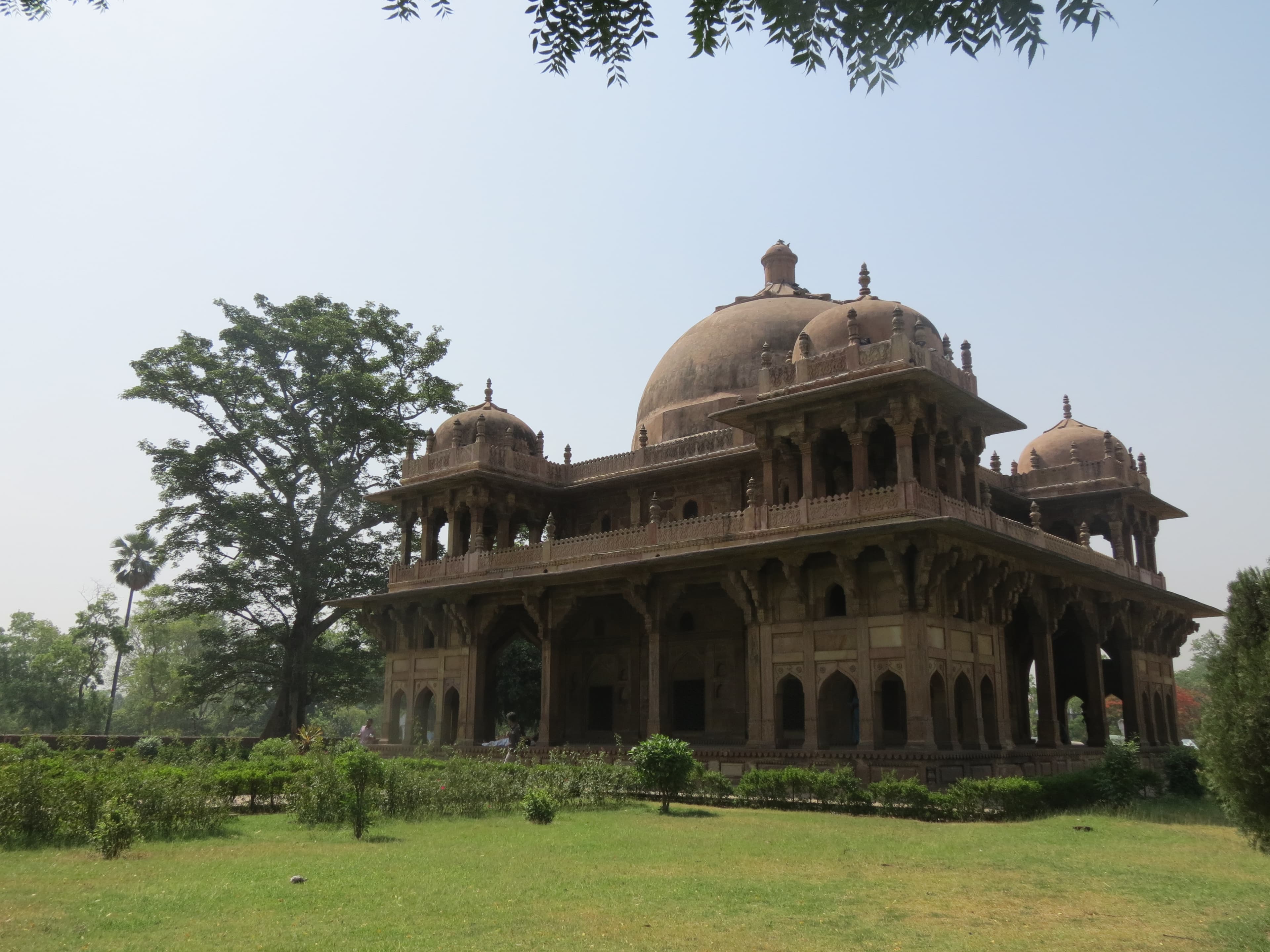
The Ganges flowed serenely beside me, a silent witness to centuries of history as I approached Maner Palace, a structure seemingly woven from the very fabric of time. Located in Maner, a small town a short distance from Patna, the palace stands as a poignant reminder of Bihar's rich and layered past, a confluence of Mughal and Rajput architectural styles. The crumbling ochre walls, kissed by the sun and etched with the passage of time, whispered stories of emperors, queens, and the ebb and flow of power. My camera, an extension of my own inquisitive gaze, immediately sought out the intricate details. The palace, though in a state of disrepair, still exuded a regal aura. The arched gateways, reminiscent of Mughal design, framed glimpses of inner courtyards, now overgrown with tenacious weeds that seemed to be reclaiming the space. The Rajput influence was evident in the chhatris, those elegant, domed pavilions that crowned the roofline, offering panoramic views of the river and the surrounding landscape. I imagined the royalty of bygone eras enjoying the same vista, perhaps contemplating the vastness of their empire. Stepping inside the main structure, I was struck by the stark contrast between the grandeur of the past and the decay of the present. Elaborate carvings, once vibrant with colour, now bore the muted hues of age and neglect. Floral motifs intertwined with geometric patterns, a testament to the skilled artisans who had painstakingly created these masterpieces. I ran my fingers along the cool stone walls, tracing the outlines of these forgotten stories. The air hung heavy with the scent of damp earth and the faint whisper of the river, creating an atmosphere both melancholic and strangely serene. One of the most captivating aspects of Maner Palace is its connection to the legendary Sher Shah Suri. The remnants of his mosque, a testament to his brief but impactful reign, stand within the palace complex. The mosque's simple yet elegant design, characterized by its imposing dome and slender minarets, spoke of a pragmatic ruler who valued functionality as much as aesthetics. I spent a considerable amount of time photographing the interplay of light and shadow on the mosque's weathered facade, trying to capture the essence of its historical significance. Climbing the narrow, winding staircase to the upper levels of the palace, I was rewarded with breathtaking views of the Ganges. The river, a lifeline for countless generations, shimmered under the midday sun. From this vantage point, I could appreciate the strategic importance of Maner, a town that had witnessed the rise and fall of empires. The wind carried with it the distant sounds of life from the town below, a stark reminder that history continues to unfold, even amidst the ruins of the past. My lens focused on the intricate jali work, the delicate lattice screens that once offered privacy to the palace's inhabitants. The patterns, intricate and varied, were a testament to the artistry of the period. I imagined the women of the court peering through these screens, observing the world outside while remaining unseen. The jali work, now fragmented and weathered, served as a poignant metaphor for the fragility of time and the ephemeral nature of power. Leaving Maner Palace, I carried with me a profound sense of awe and a renewed appreciation for the rich tapestry of Indian history. The palace, though in ruins, is not merely a collection of crumbling walls and faded frescoes. It is a living testament to the human spirit, a reminder of the enduring power of art, architecture, and the stories they tell. My photographs, I hope, will serve as a window into this forgotten world, inspiring others to explore the hidden gems of our heritage and to appreciate the beauty that lies within decay.
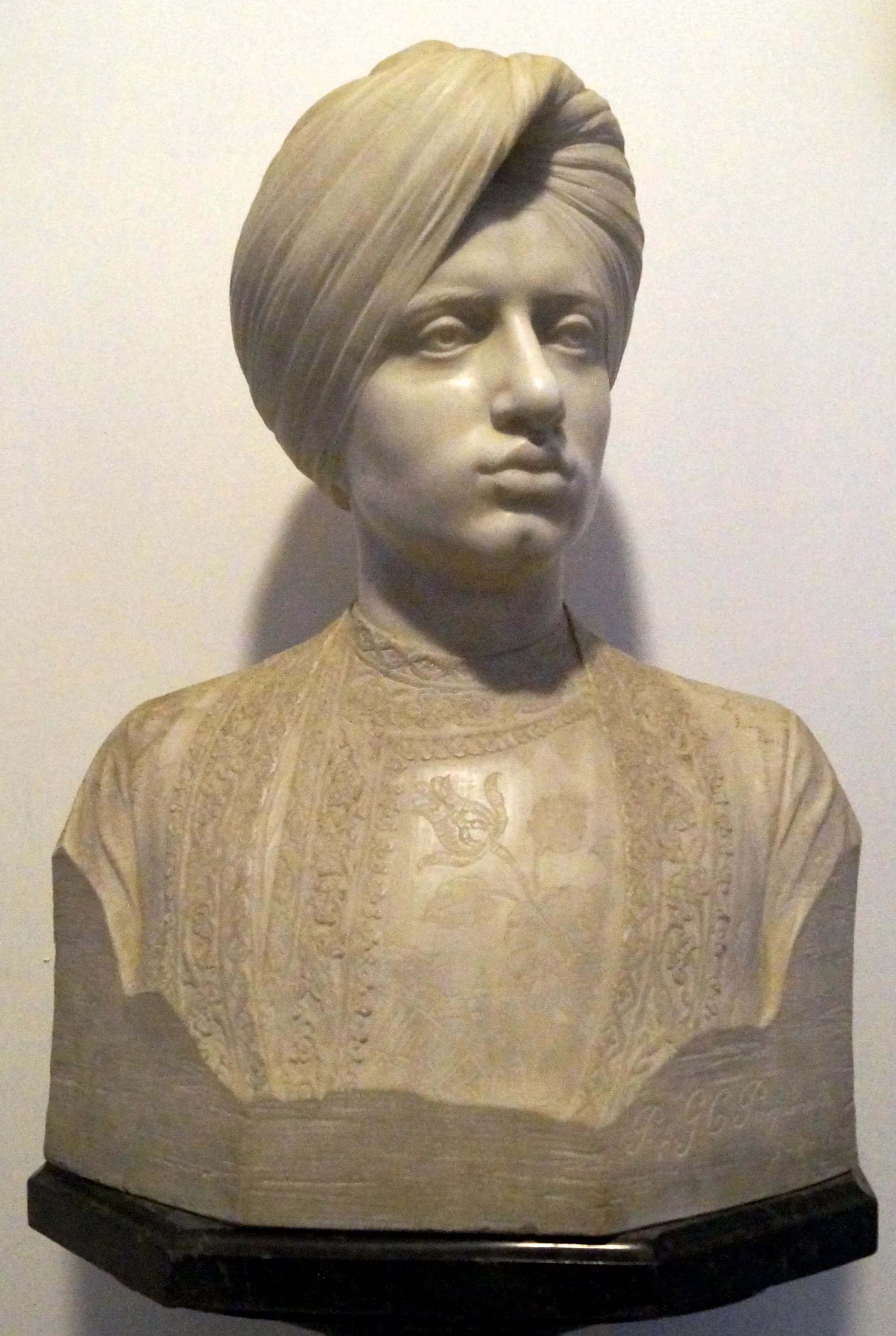
The sun, a molten orb in the Patiala sky, cast long shadows across the manicured lawns of Moti Bagh Palace. Coming from Uttar Pradesh, a land steeped in Mughal grandeur, I was curious to see how Patiala’s royal legacy would compare. The palace, a sprawling complex, didn't disappoint. It wasn't the overwhelming opulence of Awadh's architecture, but a more restrained, almost European elegance blended with Sikh influences. My first impression was of space. Unlike the tightly clustered buildings of some palaces, Moti Bagh breathes. The main palace, the Quila Mubarak, stands as the anchor, its red sandstone walls a stark contrast to the verdant surroundings. The architecture here is a fascinating blend. While the overall layout and the use of sandstone reminded me of Rajput palaces back home, the intricate stucco work, particularly around the arched entrances and windows, spoke of a distinct regional style. Floral motifs, geometric patterns, and even depictions of animals adorned the walls, a testament to the artisans' skill. Stepping inside the Quila Mubarak felt like stepping back in time. The Sheesh Mahal, or Palace of Mirrors, was breathtaking. While smaller than the Sheesh Mahal in Jaipur's Amber Fort, the intricate mirror work here was no less dazzling. The play of light reflecting off the myriad tiny mirrors, creating an illusion of infinite space, was mesmerizing. I could almost imagine the royal court assembled here, their silks and jewels shimmering in the candlelight. The Darbar Hall, with its high ceilings and imposing chandeliers, exuded an air of formality. I was particularly struck by the portraits lining the walls – a visual chronicle of Patiala's rulers. Their stern faces, adorned with elaborate turbans and jewels, seemed to gaze down upon me, silent witnesses to centuries of history. The portraits weren't mere decorations; they were a powerful assertion of lineage and authority, a theme I’ve often encountered in the palaces of Uttar Pradesh as well. Moving beyond the Quila Mubarak, I explored the other parts of the complex. The sprawling gardens, a blend of Mughal and European landscaping, offered a welcome respite from the grandeur of the palace. Fountains, once undoubtedly gurgling with water, now stood silent, their weathered stone a reminder of time's relentless march. I could picture the royal family strolling through these gardens, enjoying the shade of the trees and the fragrance of the flowers. The museum within the complex was a treasure trove of artifacts. From antique weaponry and intricately embroidered textiles to vintage photographs and royal memorabilia, the collection offered a glimpse into the opulent lifestyle of Patiala's rulers. I was particularly fascinated by the collection of Phulkari embroidery, a traditional craft of Punjab. The vibrant colors and intricate patterns were a testament to the region's rich artistic heritage. It reminded me of the Chikankari embroidery of Lucknow, another example of the exquisite craftsmanship found across India. One aspect that stood out at Moti Bagh was the relative lack of restoration compared to some of the more heavily touristed sites I’ve visited. While some sections were well-maintained, others showed signs of neglect. Peeling paint, crumbling plaster, and overgrown vegetation whispered of a glorious past fading into obscurity. This, in a way, added to the palace's charm. It felt less like a polished museum piece and more like a living, breathing entity, bearing the weight of its history. As I left Moti Bagh Palace, the setting sun painting the sky in hues of orange and purple, I couldn't help but feel a sense of melancholy. The palace, a testament to a bygone era, stood as a silent sentinel, guarding the memories of a vanished kingdom. It was a poignant reminder of the ephemeral nature of power and the enduring legacy of art and architecture. The experience, while different from the Mughal splendor I’m accustomed to, offered a valuable glimpse into another facet of India's rich cultural tapestry.

The midday sun beat down on Vadodara, casting long shadows across the manicured lawns leading up to Nazarbaug Palace. Having explored countless Mughal and Rajput architectural marvels across North India, I was curious to see what this Gaekwad dynasty legacy held within its walls. The palace, though not as imposing as some of the Rajasthan forts I’ve traversed, exuded a quiet dignity, a subtle grandeur that hinted at the stories it held. The first thing that struck me was the intriguing blend of architectural styles. While the overall structure retained a distinctly Indian sensibility, European influences were evident in the arched windows, the ornate balconies, and the delicate filigree work adorning the façade. It was a testament to the Gaekwads' embrace of modernity while holding onto their heritage. The palace, I learned, was built in phases, starting in the early 18th century and undergoing several expansions and renovations over the years, resulting in this fascinating architectural amalgamation. Stepping inside, I was transported to a world of opulent interiors. The Darbar Hall, the heart of the palace, was breathtaking. Chandeliers, imported from Europe, cascaded from the high ceilings, casting a warm glow on the intricate mosaic floors. The walls were adorned with portraits of the Gaekwad rulers, their stern gazes seemingly following me as I walked through the hall. I could almost imagine the grand durbars held here, the hall echoing with music and laughter, a hub of political power and social gatherings. One of the most captivating aspects of Nazarbaug Palace is its collection of personal belongings of the Gaekwad family. Unlike many museums that showcase artifacts behind ropes and glass, here, you get a glimpse into the lives of the royals. From intricately carved furniture to delicate porcelain dinner sets, each item whispered stories of a bygone era. I was particularly fascinated by the collection of vintage clocks, each a miniature masterpiece of craftsmanship, frozen in time. It was a poignant reminder of the ephemeral nature of power and grandeur. Moving beyond the Darbar Hall, I explored the residential wings of the palace. The rooms, though now largely empty, retained an echo of their former occupants. I peered into the royal bedrooms, imagining the lives lived within these walls, the joys and sorrows, the triumphs and tribulations of a dynasty. The faded remnants of wallpaper and the worn patches on the wooden floors spoke volumes about the passage of time and the inevitable decay that even palaces are subject to. The palace grounds, though not expansive, offered a welcome respite from the city’s hustle. The manicured gardens, dotted with fountains and statues, provided a tranquil setting. I spent some time wandering through the pathways, admiring the vibrant bougainvillea and the fragrant jasmine, trying to capture the essence of this historical oasis. However, the highlight of my visit was undoubtedly the opportunity to see the Gaekwad’s collection of jewels. Housed in a secure vault within the palace, the collection includes some of the most exquisite pieces I have ever seen. The legendary Star of Baroda, a 78.5-carat diamond necklace, though no longer part of the collection (it was auctioned off years ago), was represented through photographs and historical accounts, leaving me awestruck by its former glory. The remaining jewels, including intricately designed necklaces, bracelets, and earrings, were a testament to the Gaekwads' immense wealth and their refined taste. Leaving Nazarbaug Palace, I felt a sense of melancholy. The palace, with its blend of architectural styles, its opulent interiors, and its poignant stories, offered a captivating glimpse into a vanished world. It was a reminder of the ebb and flow of history, the rise and fall of dynasties, and the enduring power of heritage. As I stepped back into the bustling streets of Vadodara, the quiet grandeur of Nazarbaug Palace lingered in my mind, a testament to the rich tapestry of India's past.
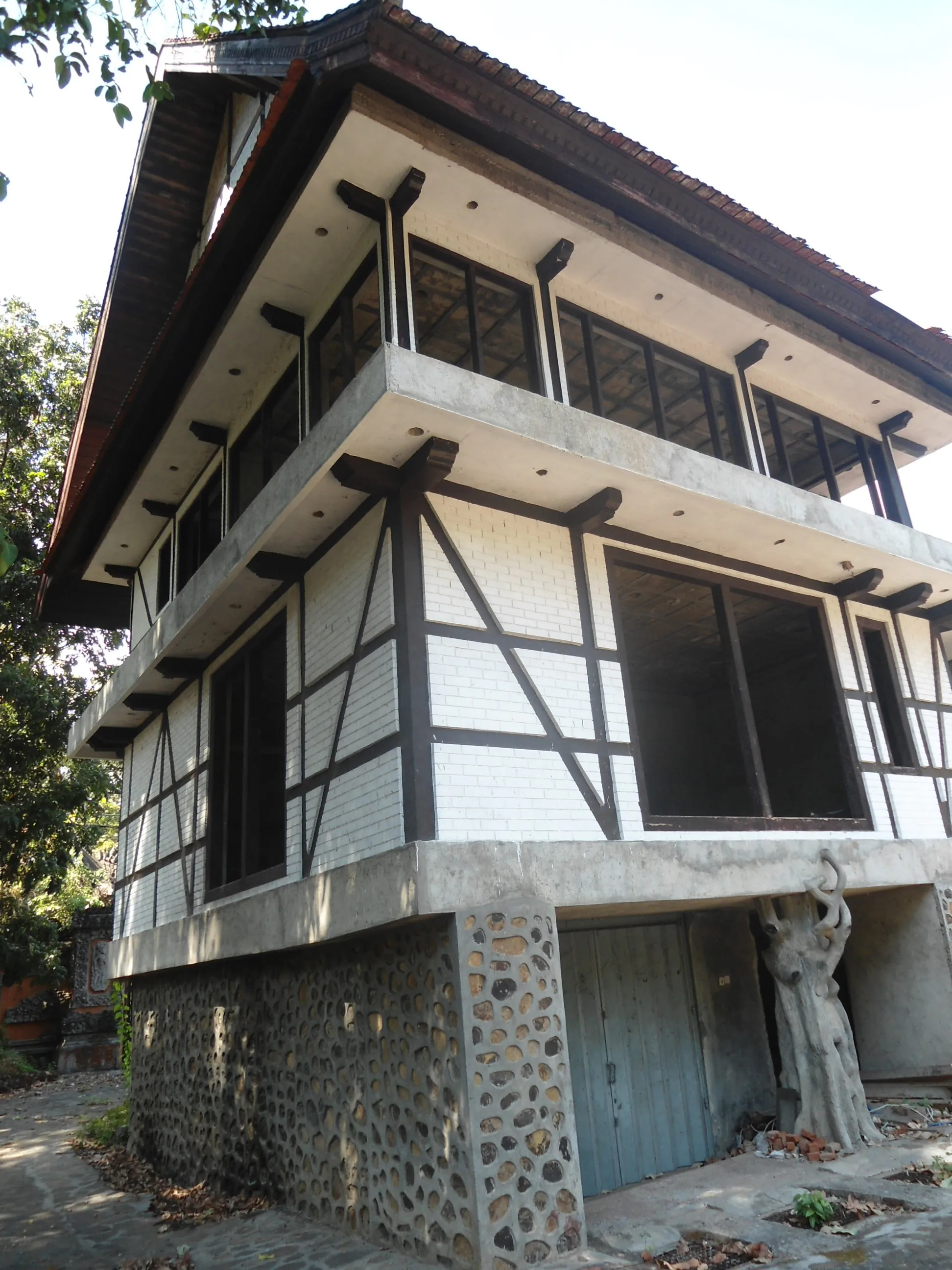
Puri Palace, situated on Chakra Tirtha Road in Puri, Odisha, stands as a significant testament to India's millennia-spanning cultural heritage, embodying a continuous tradition of indigenous architectural and cultural practices [1]. While the current structure largely reflects renovations and expansions from the 19th and early 20th centuries, its foundational significance is deeply rooted in the ancient Eastern Ganga Period, celebrating India's enduring legacy [1]. The palace's architecture presents a compelling blend of traditional Kalinga styles and colonial influences, showcasing a layered history of design evolution [1]. It incorporates elements characteristic of the Nagara architecture style, particularly the Deula architecture prevalent in Indic temple construction, which is evident in its intricate carvings and pyramidal roof forms [1] [4]. The imposing facade, predominantly white, features symmetrical arrangements punctuated by intricately carved balconies and jharokhas, which are traditional projecting windows, reflecting Odisha's rich artistic heritage [1]. Delicate floral patterns and mythical figures are meticulously etched into the sandstone, narrating silent tales of devotion and royal patronage [1]. The palace spans an area of approximately 20,438.66 square meters, with a height of 9.1 meters, a width of 82.81 meters, and a length of 1667.3 meters, indicating a vast complex [1]. Construction primarily utilized laterite stone, a common material in Odishan temples, joined with lime mortar [1]. Sandstone was employed for structural elements such as columns, beams, and decorative facades, while wood was used for roofing structures, doors, and window frames [1]. Iron and copper were strategically incorporated for clamps, dowels, and decorative elements, providing both reinforcement and resistance to the saline coastal environment [1]. The construction techniques involved a raised platform foundation, created by compacting layers of earth mixed with lime and laterite fines, crucial for stability in the coastal climate and against waterlogging [1]. The porous nature of laterite provides natural insulation, and the breathable lime mortar helps regulate humidity, demonstrating sophisticated environmental responsiveness [1]. Inside, the palace features cool marble floors, high ceilings adorned with ornate chandeliers, and antique furniture, preserving the original character despite modernization [1]. The Archaeological Survey of India (ASI) protects this historic palace, with ongoing conservation efforts ensuring its preservation [1]. Restoration work, particularly at the adjacent Jagannath Temple, which is integral to the palace complex, focuses on structural stabilization, repairs to the Jagamohan (assembly hall), stone carving restoration, and conservation of murals, addressing damage from natural weathering and cyclones [1] [3]. Archaeological excavations within the palace complex have unearthed remnants of earlier structures, including a 12th-century temple predating the current Jagannath Temple, along with fortifications and pottery shards, offering glimpses into the daily lives of past inhabitants [1]. The site is well-maintained, with visitor facilities available, though accessibility for wheelchair users is gradually improving and requires prior confirmation due to uneven surfaces and crowds [1]. The palace remains operationally ready, welcoming visitors to experience its profound historical and architectural depth [1].
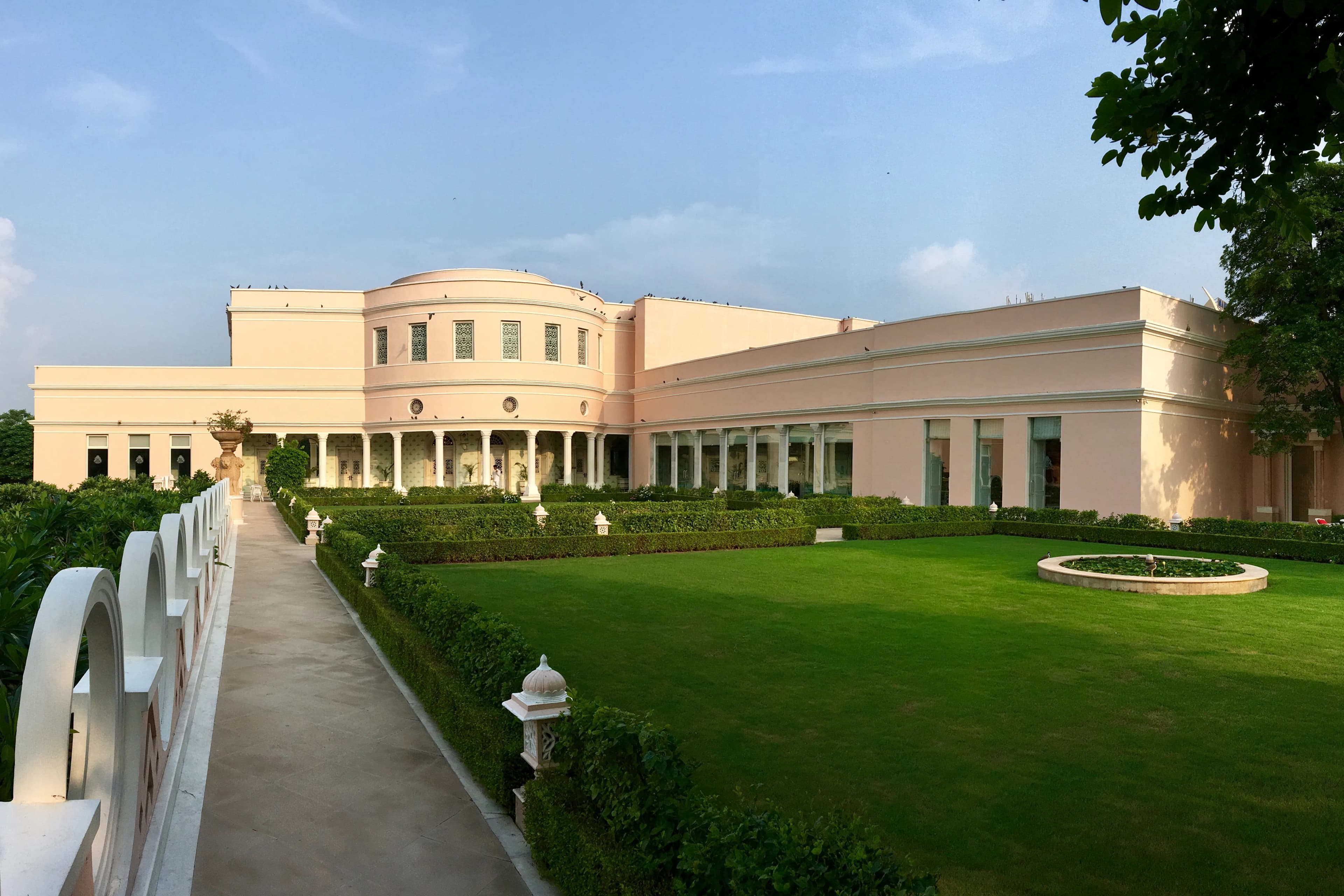
The Jahangir Mahal at Orchha rose before me, a sandstone behemoth shimmering under the Madhya Pradesh sun. Having spent years immersed in the architectural heritage of Uttar Pradesh, I’ve developed a keen eye for the nuances of Mughal and Rajput influences, and this palace, a fascinating blend of both, held me captive from the first glimpse. Its imposing structure, perched atop a rocky outcrop, commands the landscape, a testament to the Bundela Rajput power that once flourished here. Ascending the broad, elephant-friendly ramp, I was struck by the sheer scale of the courtyard. It felt less like a palace courtyard and more like a fortified town square, capable of hosting grand processions and military exercises. The rough-hewn sandstone, now softened by centuries of sun and wind, still retained an aura of strength and resilience. The intricate jali work, so characteristic of Mughal architecture, offered glimpses of the inner chambers while filtering the harsh sunlight into dappled patterns on the floor. I paused, tracing the delicate floral motifs carved into the stone screens, imagining the skilled artisans who painstakingly created these masterpieces centuries ago. Stepping through the arched gateway, I entered a labyrinth of interconnected chambers, each revealing a new facet of the palace's story. The grand Darbar Hall, with its soaring ceilings and expansive balconies, spoke of regal audiences and lavish celebrations. The remnants of vibrant frescoes, now faded but still discernible, hinted at the opulence that once adorned these walls. Peacocks, elephants, and intricate geometric patterns danced across the plaster, a testament to the artistic sensibilities of the Bundela rulers. I climbed the narrow, winding staircases to the upper levels, each turn revealing breathtaking panoramic views of the Betwa River snaking through the landscape below. From this vantage point, I could appreciate the strategic brilliance of the palace's location, offering a clear view of approaching armies or visitors. The chhatris, or cenotaphs, of Orchha's rulers dotted the riverbanks, shimmering white against the green foliage, a poignant reminder of the ephemeral nature of power. One particular detail that captivated me was the integration of Hindu architectural elements within the predominantly Mughal style. The chhatris crowning the palace roof, for instance, are a distinctly Rajput feature, a subtle assertion of the Bundela identity within the broader Mughal framework. This fusion of styles, so characteristic of Orchha’s architecture, speaks volumes about the cultural exchange and synthesis that occurred during this period. The Sheesh Mahal, with its mirrored mosaics, was a dazzling spectacle. Fragments of glass, meticulously arranged in intricate patterns, reflected the sunlight, creating a kaleidoscope of colours. I imagined the queen and her attendants admiring their reflections in these shimmering surfaces, transported to a world of glittering fantasy. As I wandered through the deserted chambers, I couldn't help but feel a sense of melancholy. The grandeur of the Jahangir Mahal, now largely silent and empty, serves as a poignant reminder of the rise and fall of empires. The echoes of past glories resonate within these walls, whispering tales of power, artistry, and the inevitable passage of time. Yet, even in its present state of faded splendour, the Jahangir Mahal retains a powerful allure. It stands as a testament to the enduring legacy of the Bundela Rajputs, a tangible link to a rich and complex history that continues to fascinate and inspire. Leaving the palace, I carried with me not just images of its architectural marvels, but a deeper understanding of the cultural tapestry that has shaped this region of India. The Jahangir Mahal is more than just a palace; it is a living museum, a repository of stories waiting to be discovered by those who take the time to listen.

The midday sun cast long shadows across the manicured lawns of Rajgir Palace, highlighting the faded grandeur of this once-regal retreat. Located in the heart of Rajgir, Bihar, a town steeped in ancient history, the palace stands as a silent witness to a bygone era, its walls whispering tales of the Nawabs of Bengal who once held court here. My 500th documented monument, it held a special significance, a milestone in my journey of capturing India's architectural heritage. The palace, a sprawling structure built in the Indo-Saracenic style, displays a fascinating blend of architectural influences. The arched doorways, intricate jali work, and ornate stucco decorations speak of Mughal aesthetics, while the European-inspired columns and balustrades hint at the colonial period during which it was extensively renovated. This fusion of styles, so characteristic of many late 19th and early 20th-century buildings in India, creates a unique visual narrative, a testament to the cultural exchange of the time. Stepping through the imposing arched gateway, I was struck by the sense of tranquility that permeated the courtyard. The central courtyard, once bustling with activity, is now a peaceful oasis. A large fountain, now dry, stands as a centerpiece, its weathered stone surface bearing the marks of time. Surrounding the courtyard are the various wings of the palace, their facades adorned with intricate carvings and decorative motifs. The delicate floral patterns and geometric designs, though faded in places, still retain their charm, showcasing the skill of the artisans who crafted them. I spent hours exploring the palace, my camera capturing every detail. The grand durbar hall, with its high ceilings and ornate chandeliers, evoked images of lavish gatherings and royal ceremonies. The walls, once adorned with rich tapestries and paintings, now bear the scars of neglect, yet the remnants of their former glory are still visible. Peeling paint revealed layers of history, each layer telling a story of the palace's evolution. The upper floors, accessible via a grand staircase, offered breathtaking views of the surrounding hills and the ancient city of Rajgir. From here, I could appreciate the strategic location of the palace, overlooking the valley and offering a panoramic vista. The rooms, once opulent and luxurious, now stand empty, their faded grandeur a poignant reminder of the passage of time. I noticed remnants of intricate tile work on the floors, now cracked and broken in places, but still hinting at the elegance that once filled these spaces. One of the most captivating aspects of Rajgir Palace is its integration with the natural landscape. The palace gardens, though overgrown in parts, still retain their original layout, with pathways meandering through lush greenery. The presence of ancient trees, some perhaps as old as the palace itself, adds to the sense of history and timelessness. I could imagine the Nawabs strolling through these gardens, enjoying the cool shade and the panoramic views. My visit to Rajgir Palace was more than just documenting another monument; it was an immersive experience, a journey back in time. It was a privilege to witness the architectural legacy of the Nawabs of Bengal and to capture the essence of this historical gem. While the palace stands as a testament to a bygone era, it also serves as a reminder of the importance of preserving our heritage for future generations. The faded grandeur of Rajgir Palace, with its blend of architectural styles and its serene setting, left an indelible mark on me, reinforcing my passion for documenting India's rich and diverse architectural heritage.
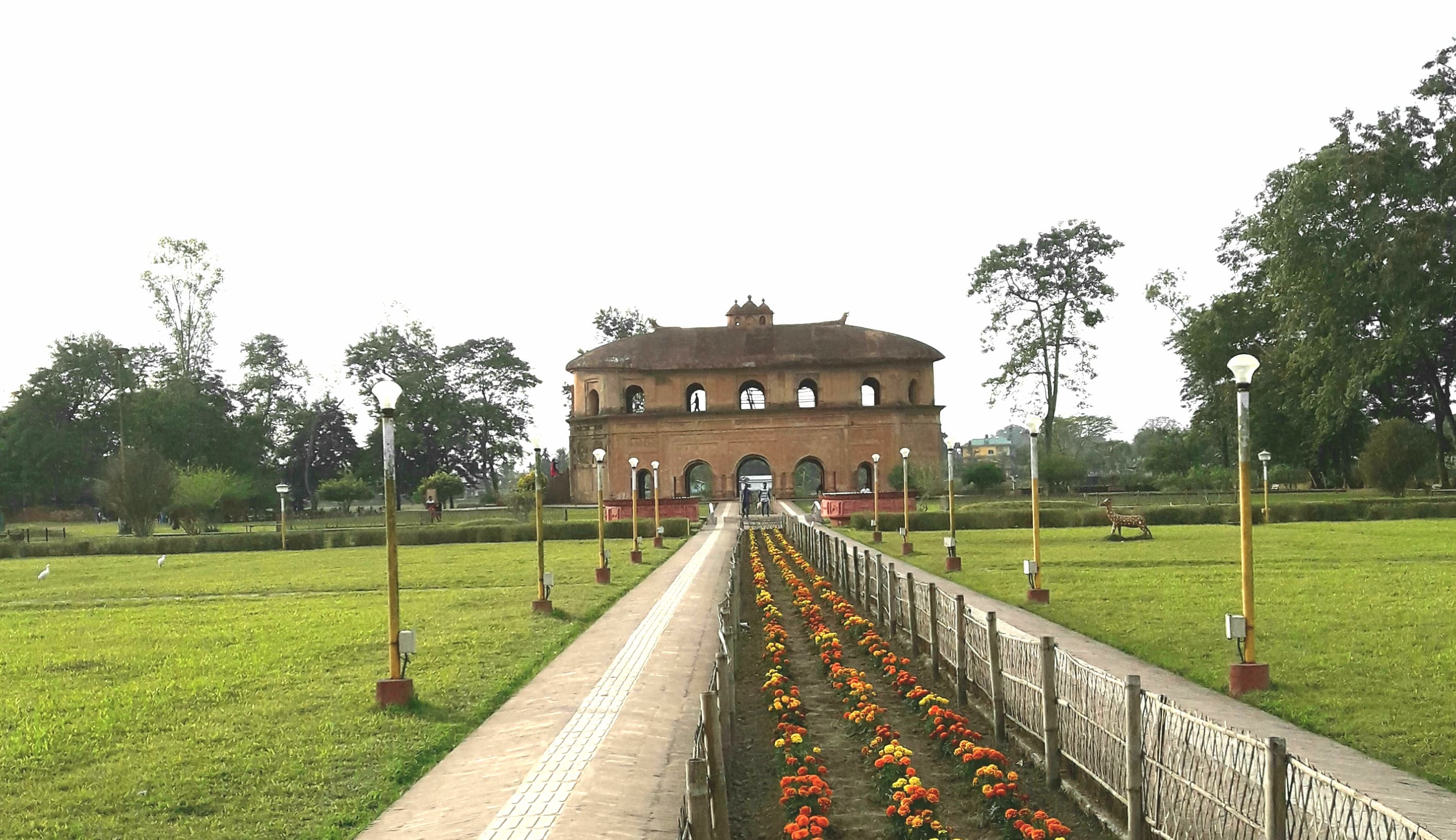
The ochre walls of the Rang Ghar rose before me, a two-storied behemoth against the backdrop of the Assamese sky. Here I stood, in the heart of Sivasagar, face-to-face with a relic of Ahom grandeur. Built in the 18th century by King Pramatta Singha, this royal sports pavilion isn't just a structure; it's a testament to a dynasty's passion for games and spectacle. Unlike the fortified palaces I’m accustomed to seeing in Rajasthan or the intricately carved temples of Southern India, the Rang Ghar possesses a unique, almost playful character. The first thing that struck me was its unusual shape, resembling the back of an elephant, or perhaps a giant, slumbering tortoise. The roof, a graceful, sweeping curve, is crowned with two ornamental pavilions, adding a touch of whimsy to the otherwise imposing structure. As I climbed the steep, narrow staircase to the upper level, I imagined the Ahom royalty ascending these very steps, their vibrant silks rustling, anticipation thick in the air. From this vantage point, the entire arena spread out below, a vast expanse where once elephants wrestled, buffaloes fought, and athletes displayed their prowess. I could almost hear the roar of the crowd, the trumpeting of elephants, the excited chatter of the spectators. The architecture itself is a fascinating blend of Ahom tradition and Mughal influences. While the overall form and the use of baked bricks are distinctly Ahom, the arched entrances and the decorative motifs hint at a Mughal influence, a testament to the cultural exchange that characterized this period. The surface of the Rang Ghar, once plastered and painted, now bears the marks of time and neglect. Patches of exposed brickwork and faded remnants of paint offer a glimpse into its vibrant past, like faded memories clinging to the edges of a photograph. I ran my hand over the rough surface of a brick, feeling the weight of history beneath my fingertips. The intricate carvings, though worn, still spoke of the skill and artistry of the Ahom craftsmen. Floral patterns, stylized animals, and geometric designs intertwine, creating a visual tapestry that reflects the rich cultural heritage of the region. These weren't mere decorations; they were symbols, narratives etched into the very fabric of the building. The interior, though largely bare now, still retains echoes of its former glory. I peered into the small chambers that once served as royal viewing boxes, imagining the king and his entourage watching the games unfold below. The play of light and shadow within these spaces created an almost ethereal atmosphere, a stark contrast to the bright sunshine outside. Walking around the perimeter of the Rang Ghar, I noticed the remnants of what appeared to be a moat. This, along with the elevated position of the pavilion, not only provided a clear view of the arena but also served as a defensive measure, a reminder that even in leisure, security was paramount. The Rang Ghar isn't just an architectural marvel; it's a time capsule, a portal to a bygone era. It offers a unique insight into the Ahom dynasty's cultural values, their love for sport, and their sophisticated understanding of architecture. Standing there, amidst the ruins, I felt a profound connection to the past, a sense of awe and wonder at the ingenuity and artistry of those who built this magnificent structure. As I left the Rang Ghar, the setting sun casting long shadows across the grounds, I carried with me not just photographs and notes, but a deeper appreciation for the rich tapestry of Indian history and the enduring legacy of the Ahom kingdom.
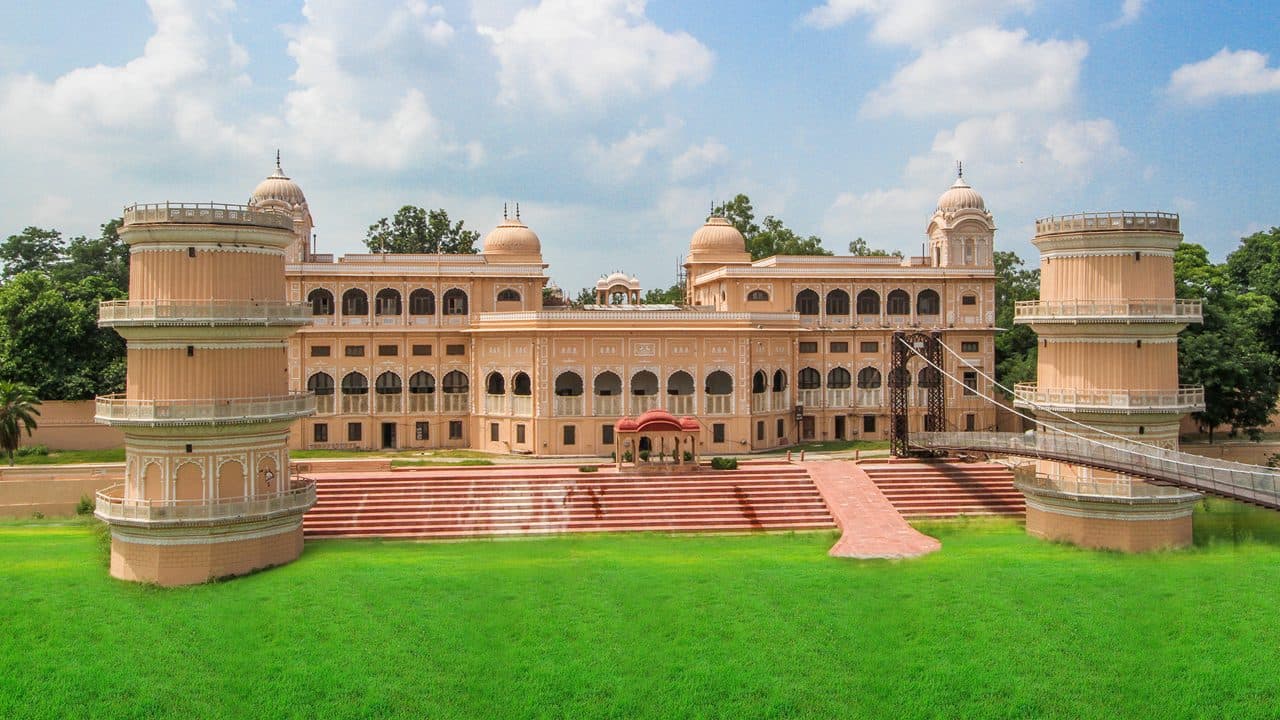
The midday sun beat down on the courtyard of the Qila Mubarak complex, but within the Sheesh Mahal, a cool, dim tranquility reigned. Stepping through the unassuming archway, I was immediately transported from the bustling Punjabi city to a realm of intricate artistry. As a heritage enthusiast specializing in South Indian temple architecture, I was eager to experience this northern architectural gem and compare its nuances with the Dravidian styles I knew so well. The Sheesh Mahal, or “Palace of Mirrors,” truly lives up to its name. Inlaid with countless tiny pieces of mirror, the walls and ceilings shimmer and reflect the ambient light, creating an ethereal, almost magical atmosphere. Unlike the large, strategically placed mirrors of European palaces, these fragments are meticulously arranged in floral patterns, geometric designs, and depictions of mythological scenes, reminiscent of the intricate inlay work found in South Indian temple doorways. The effect is less of grand reflection and more of a diffused, sparkling brilliance, akin to the shimmering silk sarees worn in the south. The central hall, where the Maharaja of Patiala once held court, is the most impressive. The ceiling, a marvel of craftsmanship, is covered in a dense tapestry of mirror work interspersed with colored glass and gilt. The patterns are complex and varied, showcasing a blend of Mughal and Rajput influences. I noticed a distinct Persian influence in the floral motifs, a testament to the historical exchanges and artistic cross-pollination that shaped this region. This syncretism reminded me of the Vijayanagara period in South India, where Islamic architectural elements were subtly incorporated into temple designs. While the mirror work is undoubtedly the star attraction, the Sheesh Mahal offers more than just glittering surfaces. The frescoes adorning the walls depict scenes from Hindu epics like the Ramayana and the Mahabharata, as well as secular themes of courtly life and hunting expeditions. The vibrant colors, though faded in places, still retain their richness, narrating stories that resonate across centuries. The detailing in the figures, particularly the costumes and ornamentation, provided a fascinating glimpse into the fashion and aesthetics of the era. I found myself comparing the depiction of deities here with the sculpted figures on the gopurams of South Indian temples, noting the differences in iconography and artistic style. Moving through the various chambers of the palace, I observed the use of different architectural elements. The arches, while pointed like those found in Islamic architecture, lacked the elaborate calligraphy and geometric patterns I'd seen in mosques. Instead, they were often adorned with floral motifs, creating a softer, more decorative effect. The jharokhas, or overhanging balconies, offered a commanding view of the courtyard below and were reminiscent of similar structures found in Rajput palaces. However, unlike the heavy stone jharokhas of Rajasthan, these were lighter and more ornate, perhaps reflecting the Punjabi preference for intricate woodwork. One aspect that particularly intrigued me was the use of water within the palace complex. A small, rectangular pool, lined with marble and surrounded by mirrored walls, created a mesmerizing play of light and reflection. This reminded me of the stepped tanks and water features integral to South Indian temple architecture, serving both practical and symbolic purposes. While the scale and function differed, the underlying principle of incorporating water as a cooling and aesthetically pleasing element remained consistent. My visit to the Sheesh Mahal was a journey of discovery, highlighting the rich diversity of Indian architectural traditions. While distinct from the Dravidian architecture I was familiar with, the palace shared a similar spirit of artistic innovation and meticulous craftsmanship. The experience underscored the power of architecture to transcend regional boundaries and tell stories of cultural exchange, artistic brilliance, and the enduring legacy of a bygone era.
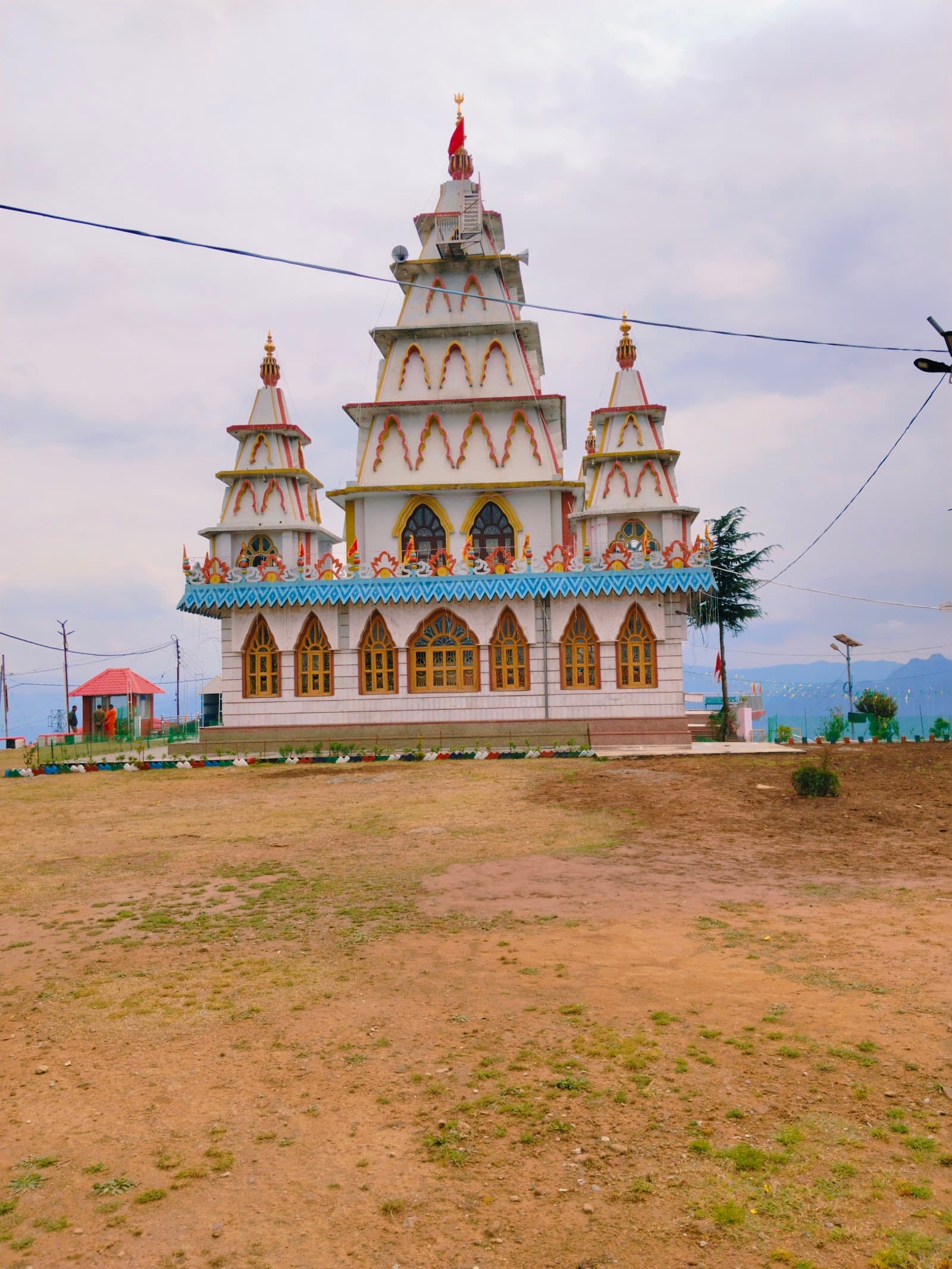
The crisp mountain air of Sundernagar carried the scent of pine as I approached Suket Palace. Nestled amidst the verdant slopes of the Himachal Pradesh valley, this former royal residence, though not imposing in the scale I'm accustomed to seeing in South Indian temple complexes, possessed a quiet dignity. Its relatively modest size, compared to, say, the Brihadeeswarar Temple, belied the rich history it held within its walls. Built in a blend of colonial and indigenous hill architectural styles, it presented a fascinating departure from the Dravidian architecture I've spent years studying. The palace’s cream-colored façade, punctuated by dark wood balconies and intricately carved window frames, stood in stark contrast to the vibrant hues of gopurams back home. The sloping slate roof, a practical necessity in this snowy region, was a far cry from the towering vimanas of Southern temples. This adaptation to the local climate and available materials was a recurring theme I observed throughout my visit. The use of locally sourced wood, both for structural elements and decorative carvings, spoke to a sustainable building practice that resonated deeply with the traditional construction methods employed in ancient South Indian temples. Stepping inside, I was struck by the relative simplicity of the interiors. While lacking the opulent ornamentation of some Rajput palaces, Suket Palace exuded a sense of understated elegance. The spacious rooms, with their high ceilings and large windows, offered breathtaking views of the surrounding valley. The wooden floors, polished smooth by time and countless footsteps, creaked softly under my feet, whispering stories of bygone eras. I was particularly drawn to the intricate woodwork adorning the doors, window frames, and ceilings. The patterns, while distinct from the elaborate sculptures found in South Indian temples, displayed a similar level of craftsmanship and attention to detail. Floral motifs, geometric designs, and depictions of local flora and fauna intertwined to create a visual narrative unique to this region. One room, converted into a museum, housed a collection of royal artifacts, including portraits of past rulers, antique furniture, and weaponry. These objects offered a glimpse into the lives of the Suket dynasty and the cultural influences that shaped their reign. The portraits, in particular, were fascinating. The regal attire and stoic expressions of the rulers provided a stark contrast to the more stylized and often deified representations of royalty found in South Indian temple art. The palace gardens, though not as expansive as the temple gardens I'm familiar with, were meticulously maintained. Terraced flowerbeds, brimming with colorful blooms, cascaded down the hillside, creating a vibrant tapestry against the backdrop of the towering Himalayas. The integration of the natural landscape into the palace design reminded me of the sacred groves that often surround South Indian temples, highlighting the reverence for nature that transcends geographical boundaries. As I wandered through the palace grounds, I couldn't help but draw parallels between the architectural traditions of the north and south. While the styles and materials differed significantly, the underlying principles of functionality, aesthetics, and spiritual significance remained remarkably similar. The use of local materials, the adaptation to the climate, and the incorporation of symbolic motifs were all testament to the ingenuity and artistry of the builders, regardless of their geographical location. Suket Palace, in its own unique way, echoed the same reverence for history, culture, and craftsmanship that I've always admired in the grand temples of South India. It was a humbling experience, a reminder that architectural marvels can be found in the most unexpected places, each whispering its own unique story of the people and the land that shaped it.
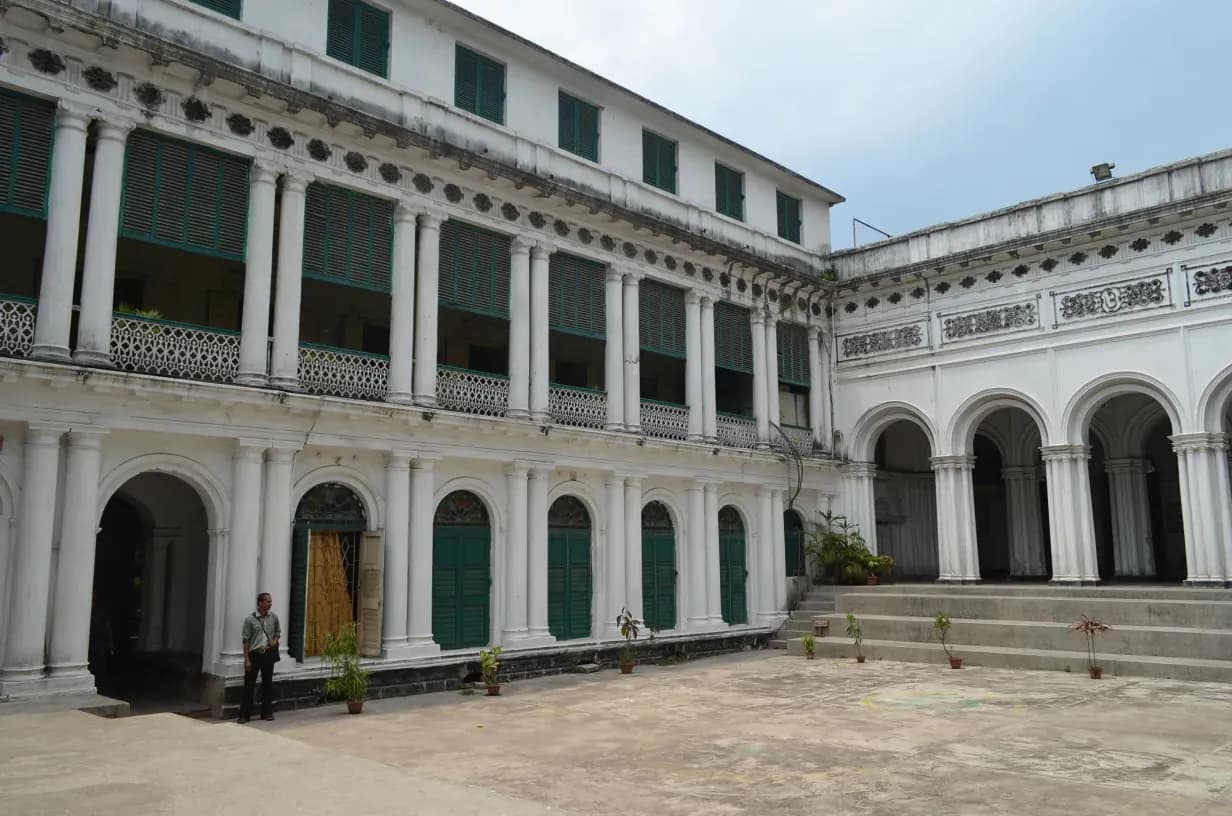
The ochre walls of Jorasanko Thakur Bari, bathed in the humid Kolkata sun, exuded a quiet dignity. Stepping through the imposing gateway, I felt transported from the bustling city into a sanctuary of history and creativity. As a Chennaiite steeped in the grandeur of Dravidian temple architecture, I was eager to experience the unique charm of this Bengali haveli, the ancestral home of the Tagore family. The sprawling complex, a fascinating blend of architectural styles reflecting different periods of construction and renovation, immediately captivated me. Unlike the towering gopurams and mandapas I was accustomed to, Jorasanko presented a more intimate, inward-looking architecture. The series of interconnected courtyards, surrounded by residential wings, spoke of a close-knit family life, a world within a world. The lack of ostentatious ornamentation, so characteristic of South Indian temples, was replaced by a subtle elegance. The intricate stucco work adorning the cornices and window frames, a hallmark of Bengali architecture, caught my eye. These delicate floral and geometric patterns, though different in execution, reminded me of the intricate carvings found on the stone pillars of our temples. The Thakurdalan, the central courtyard, served as the heart of the house. I could almost picture the hustle and bustle of family gatherings, theatrical performances, and intellectual discussions that once animated this space. The surrounding verandahs, supported by slender columns, provided shade and a vantage point to observe the activities within the courtyard. This architectural feature, creating a seamless transition between indoor and outdoor spaces, resonated with the design principles of traditional South Indian homes, where courtyards play a vital role in ventilation and social interaction. Exploring the various wings of the house, each dedicated to a different branch of the family, I was struck by the sense of history embedded within the walls. The Maharshi Bhavan, where Rabindranath Tagore spent a significant part of his life, was particularly poignant. His study, preserved with his personal belongings, offered a glimpse into the mind of a literary giant. The simplicity of the room, devoid of extravagant furnishings, spoke volumes about his focus on intellectual pursuits. This contrasted sharply with the opulent interiors of Chettinad mansions I had seen back home, where wealth and status were prominently displayed. The influence of European architecture was evident in certain parts of the house, particularly in the use of arched windows and doorways. This fusion of styles, a testament to the family's cosmopolitan outlook, created a unique architectural vocabulary. While the core of the haveli retained its Bengali character, the subtle incorporation of Western elements added another layer of complexity. This reminded me of the Indo-Saracenic architecture prevalent in Chennai, a similar blend of indigenous and colonial styles. The museum within the complex housed a treasure trove of artifacts, including paintings, manuscripts, and photographs, documenting the rich history of the Tagore family. Observing the exquisite craftsmanship of the furniture and the intricate details of the paintings, I was reminded of the rich artistic traditions of both Bengal and South India. Despite the geographical distance, the underlying appreciation for beauty and artistic expression seemed to connect these two distinct cultures. Leaving Jorasanko Thakur Bari, I carried with me a profound appreciation for the architectural and cultural heritage of Bengal. While distinct from the Dravidian architecture I was familiar with, the haveli offered a unique perspective on the evolution of domestic architecture in India. The experience underscored the importance of preserving these historical spaces, not just as monuments to the past, but as living testaments to the rich tapestry of Indian culture.
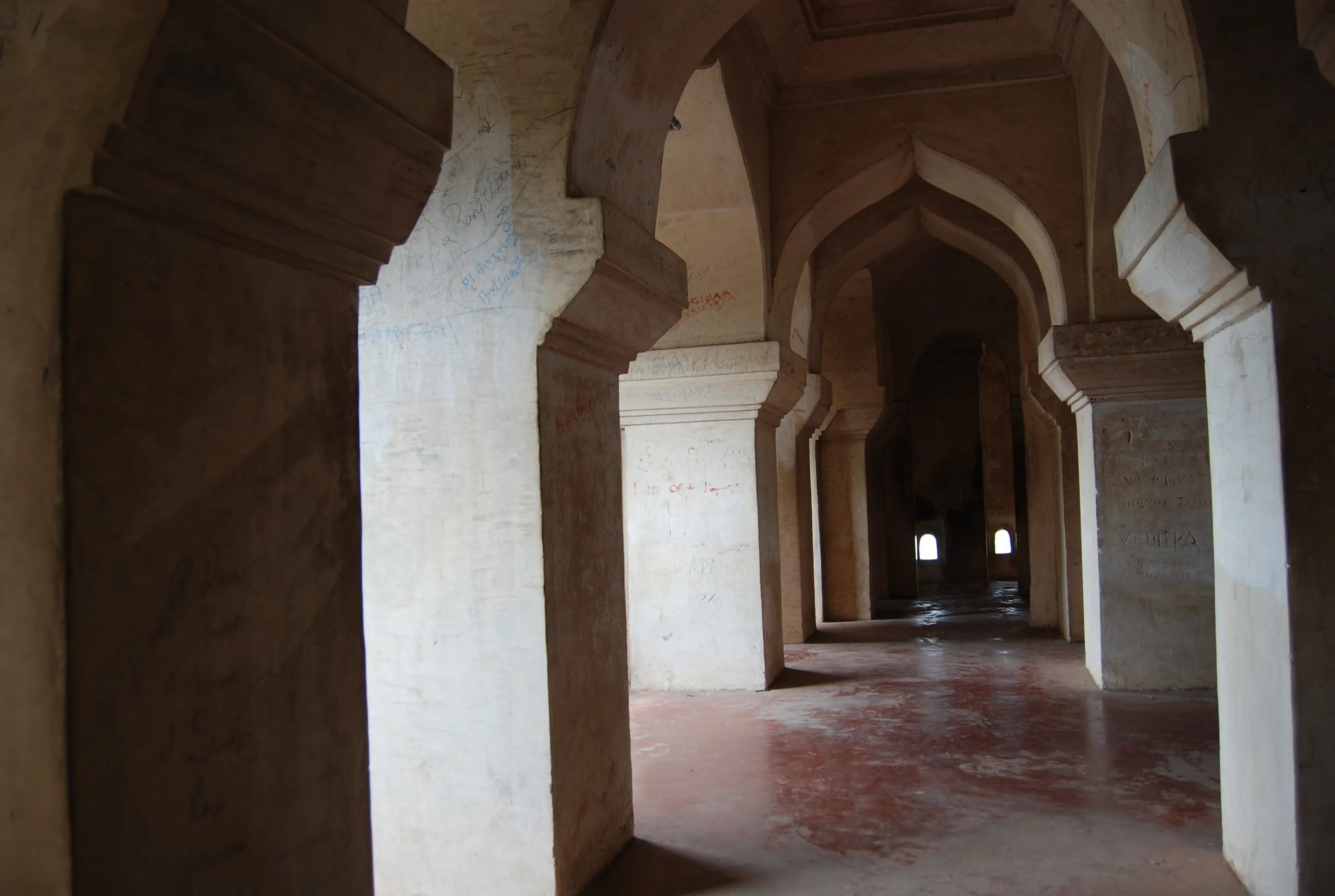
The Thanjavur Palace, or Nayak Palace, stands as a testament to the layered history of Thanjavur, a city steeped in artistic and architectural brilliance. Unlike the monolithic grandeur of the Brihadeeswarar Temple, the palace complex reveals itself in stages, a palimpsest of Nayak, Maratha, and even British influences woven into its fabric. My recent visit allowed me to unravel these layers, appreciating the distinct contributions of each era while lamenting the inevitable decay that time inflicts. Entering through the imposing gateway, I was immediately struck by the contrast between the robust, almost severe exterior and the surprisingly delicate remnants of Nayak-era artistry within. The Nayak period (16th-18th centuries) is known for its vibrant murals, and though faded and fragmented, glimpses of these masterpieces still cling to the walls of the Sadar Mahal Palace. The depictions of deities, courtly scenes, and floral motifs, even in their dilapidated state, speak volumes about the artistic sensibilities of the Nayaks. I noticed the distinct use of natural pigments, the earthy reds and ochres, and the intricate detailing of the figures, reminiscent of the Nayak paintings found in other temples and palaces across Tamil Nadu. The Maratha influence, which followed the Nayaks, is more pronounced in the overall structure and layout of the palace. The Saraswathi Mahal Library, a treasure trove of ancient manuscripts, is a prime example. While the library's collection is undoubtedly its highlight, the architecture of the building itself showcases the Maratha preference for functional design. The high ceilings, large windows, and airy corridors are a departure from the more enclosed spaces of the Nayak period, reflecting a shift in priorities towards practicality and preservation. I spent hours within the library, captivated not just by the ancient texts but also by the building's quiet elegance. The Durbar Hall, with its grand proportions and imposing pillars, is another example of the Maratha contribution. Here, the remnants of ornate chandeliers and the elevated platform where the Maratha rulers held court evoke a sense of the palace's former glory. I could almost envision the bustling court, the vibrant ceremonies, and the power that emanated from this very hall. However, the palace is not without its scars. Years of neglect and inadequate maintenance are evident in the crumbling walls, the peeling plaster, and the overgrown courtyards. The stark contrast between the grandeur of the structures and their current state of disrepair is a poignant reminder of the importance of preservation. While some sections, like the Saraswathi Mahal Library, are meticulously maintained, other areas are desperately in need of attention. The fading murals, in particular, are a heartbreaking sight, slowly disappearing under layers of dust and neglect. One of the most intriguing aspects of the Thanjavur Palace is the unexpected presence of British-era structures. The clock tower, a prominent feature of the complex, is a clear example of colonial influence. This juxtaposition of architectural styles, from the Nayak murals to the Maratha halls and the British clock tower, creates a unique narrative of the city's evolution. It's a visual representation of the continuous interplay of cultures and powers that have shaped Thanjavur's identity. My visit to the Thanjavur Palace was more than just a sightseeing trip; it was a journey through time. It was a privilege to witness the echoes of past grandeur, to decipher the architectural language of different eras, and to reflect on the impermanence of even the most magnificent creations. The palace stands as a powerful reminder of the need to protect and preserve our heritage, not just for its aesthetic value but for the invaluable stories it tells about our past. The Thanjavur Palace deserves more recognition, not just as a tourist attraction but as a living testament to the rich tapestry of South Indian history.

The imposing white façade of Ujjayanta Palace, shimmering under the Tripura sun, held me captive from the moment I arrived. Having explored every UNESCO site in India, I've encountered grandeur in various forms, but this palace, nestled within Agartala's bustling heart, possesses a unique charm. It isn't a relic of ancient times, but a relatively modern marvel, completed in 1901 by Maharaja Radha Kishore Manikya. Its blend of Mughal and European architectural styles, a testament to the era's confluence of influences, sets it apart. Stepping through the arched gateway, I was greeted by sprawling Mughal gardens, meticulously manicured lawns punctuated by vibrant flowerbeds and gurgling fountains. The palace itself, a majestic structure of white, is crowned with a tiled roof and punctuated by ornate balconies and towering domes. The central dome, particularly, commands attention with its intricate detailing and sheer scale. I spent a good while just circling the perimeter, absorbing the sheer size and grandeur of the structure. The Mughal influence is evident in the arched doorways, the intricate jali work adorning the balconies, and the overall symmetry of the design. Yet, the European touch is undeniable in the classical columns, the large windows, and the clock tower that rises proudly above the main structure. Inside, the palace has been transformed into the Tripura State Museum, a treasure trove of the region's rich history and culture. The vast halls, once the domain of royalty, now house an impressive collection of artifacts. I was particularly drawn to the textiles – intricately woven silks and embroidered fabrics that showcase the artistry of Tripura's craftspeople. The archaeological section, with its ancient sculptures and pottery shards, offered a glimpse into the region's long and layered past. Moving through the rooms, I could almost feel the echoes of the past, imagining the Maharaja holding court, the rustle of silk gowns, and the murmur of conversations in these very halls. One of the most striking features of the palace is its durbar hall. The sheer scale of the room is breathtaking, with its high ceilings, ornate chandeliers, and portraits of Tripura's royal lineage adorning the walls. Standing at the far end, I tried to imagine the grandeur of state occasions held here, the hall filled with dignitaries and courtiers. The museum has done a commendable job of preserving the original features of the palace, from the intricate woodwork on the doors and windows to the decorative tiles on the floors. Beyond the artifacts and the architecture, what truly resonated with me was the palpable sense of history that permeates Ujjayanta Palace. It's not just a building; it's a living testament to a bygone era, a tangible link to Tripura's royal heritage. Standing on the balcony, overlooking the city of Agartala, I could appreciate the strategic location of the palace, a symbol of power and authority. While the palace itself is undoubtedly the main attraction, the surrounding gardens offer a welcome respite from the bustling city. I spent a peaceful hour strolling through the manicured lawns, admiring the colourful flowers and the serene lily pond. The gardens, with their symmetrical layout and well-maintained pathways, are a testament to the meticulous planning that went into the creation of this royal oasis. Ujjayanta Palace is more than just a tourist attraction; it's a journey through time. It's a place where history whispers from the walls, where the grandeur of a bygone era comes alive. As I left the palace grounds, I carried with me not just photographs and memories, but a deeper understanding of Tripura's rich cultural tapestry. It's a site that deserves to be recognized not just for its architectural beauty, but for its historical significance and its role in preserving the legacy of a fascinating kingdom.
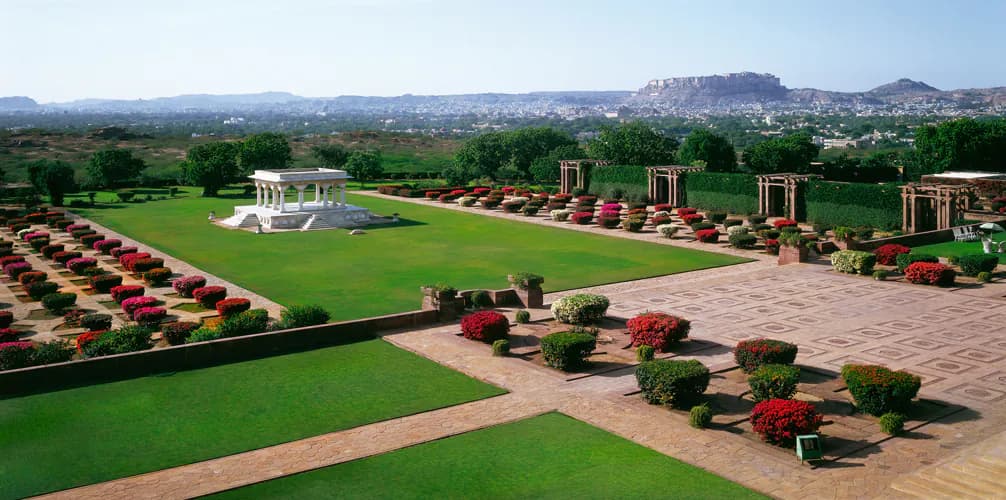
The imposing sandstone edifice of Umaid Bhawan Palace, perched atop Chittar Hill overlooking Jodhpur's blue-washed expanse, is a breathtaking spectacle. As a South Indian steeped in the Dravidian architectural idiom, I was immediately struck by the distinct shift in style. Here, the intricacies of granite carvings and towering gopurams I was accustomed to were replaced by the sweeping grandeur of Rajput and Art Deco influences. The sheer scale of the palace, a harmonious blend of Indo-Saracenic, Classical Revival, and Western Art Deco styles, was truly awe-inspiring. The palace's warm, honey-coloured sandstone, quarried locally, glowed in the afternoon sun. The intricate latticework jalis, a feature I recognized from Mughal architecture, offered glimpses of the meticulously manicured gardens below while providing shade and ventilation – a practical solution elegantly executed. Unlike the vibrant colours often associated with Rajasthani architecture, Umaid Bhawan exuded a sense of restrained opulence. The dominant sandstone was offset by polished marble flooring and subtle accents of black granite, creating a visual harmony that was both regal and inviting. Stepping inside, the central dome, a masterpiece of Art Deco design, captivated my attention. Its geometric patterns and soaring height created a sense of grandeur that rivalled the vast courtyards of South Indian temples. The use of stained glass, a Western architectural element, added a splash of colour, filtering the sunlight and casting kaleidoscopic patterns on the marble floors. The interior spaces seamlessly blended Indian and European aesthetics. Intricate murals depicting scenes from Hindu epics adorned some walls, while others showcased Art Deco motifs, a testament to the Maharaja's appreciation for both traditional and contemporary art forms. The Durbar Hall, with its gilded furniture and imposing portraits of the Jodhpur royal family, offered a glimpse into the lavish lifestyle of the Maharajas. The intricate detailing on the wooden furniture, reminiscent of the intricate woodwork found in Chettinad mansions back home, highlighted the skilled craftsmanship prevalent in both regions, albeit expressed through different mediums. The throne room, with its ornate silver chairs and intricate chandeliers, exuded an air of regal authority. Exploring the museum wing, housed within a section of the palace, provided valuable context to the building's history and the vision of Maharaja Umaid Singh. The collection of vintage cars, clocks, and photographs offered a fascinating glimpse into the Maharaja's personal interests and the era in which the palace was built. Observing the architectural plans and models on display, I could appreciate the meticulous planning and engineering that went into creating this architectural marvel. The integration of modern amenities, such as a swimming pool and a squash court, within the traditional palace structure, showcased a forward-thinking approach that resonated with me. One of the most striking aspects of Umaid Bhawan was its integration with the landscape. The palace, built on a raised platform, seemed to emerge organically from the rocky terrain. The expansive gardens, designed with geometric precision, provided a refreshing contrast to the arid landscape surrounding the palace. The panoramic views of Jodhpur's blue cityscape from the palace ramparts were simply mesmerizing. The "blue city," a sea of indigo houses stretching towards the horizon, offered a visual spectacle that was both unique and unforgettable. Umaid Bhawan Palace is more than just a building; it's a testament to a bygone era, a symbol of the grandeur and vision of the Jodhpur royal family. While vastly different from the temple architecture I was familiar with, the palace's meticulous craftsmanship, attention to detail, and harmonious blend of diverse architectural styles resonated deeply with my appreciation for architectural heritage. It served as a powerful reminder that architectural beauty transcends regional boundaries and stylistic differences, speaking a universal language of artistry and human ingenuity.
Related Collections
Discover more heritage sites with these related collections
tughlaq period delhi sultanate while the provided list doesnt have the exact phrasing the firoz shah palace complex was built during the tughlaq dynastys reign which falls under the broader delhi sultanate period since the instructions request a 3 word period name and tughlaq period isnt an option tughlaq period delhi sultanate is offered to provide context and accuracy if only one period from the list is permissible then rajput period is the closest albeit imperfect fit museum in Gujarat
Discover 3 sites in Gujarat
tughlaq period delhi sultanate while the provided list doesnt have the exact phrasing the firoz shah palace complex was built during the tughlaq dynastys reign which falls under the broader delhi sultanate period since the instructions request a 3 word period name and tughlaq period isnt an option tughlaq period delhi sultanate is offered to provide context and accuracy if only one period from the list is permissible then rajput period is the closest albeit imperfect fit museum in Punjab
Discover 2 sites in Punjab
tughlaq period delhi sultanate while the provided list doesnt have the exact phrasing the firoz shah palace complex was built during the tughlaq dynastys reign which falls under the broader delhi sultanate period since the instructions request a 3 word period name and tughlaq period isnt an option tughlaq period delhi sultanate is offered to provide context and accuracy if only one period from the list is permissible then rajput period is the closest albeit imperfect fit museum in Rajasthan
Discover 2 sites in Rajasthan
Explore More Heritage
Explore our comprehensive documentation of these 19 tughlaq period delhi sultanate while the provided list doesnt have the exact phrasing the firoz shah palace complex was built during the tughlaq dynastys reign which falls under the broader delhi sultanate period since the instructions request a 3 word period name and tughlaq period isnt an option tughlaq period delhi sultanate is offered to provide context and accuracy if only one period from the list is permissible then rajput period is the closest albeit imperfect fit museum, featuring architectural analysis, historical context, visitor information, conservation status, and detailed site-specific resources supporting meaningful engagement with India's living heritage traditions.
Historical Context
Understanding the historical context of these 19 tughlaq period delhi sultanate while the provided list doesnt have the exact phrasing the firoz shah palace complex was built during the tughlaq dynastys reign which falls under the broader delhi sultanate period since the instructions request a 3 word period name and tughlaq period isnt an option tughlaq period delhi sultanate is offered to provide context and accuracy if only one period from the list is permissible then rajput period is the closest albeit imperfect fit museum illuminates centuries of Hindu architectural achievement and spiritual devotion. Across successive dynasties, royal patrons and spiritual communities collaborated to create these magnificent monuments as expressions of dharmic duty and devotional fervor. Multiple dynasties contributed distinctive architectural visions, engaging master architects (sthapatis), skilled sculptors (shilpis), and specialized craft guilds who transmitted knowledge through generations. These collaborations produced monuments reflecting both royal vision and artisan mastery, incorporating ancient Vedic principles with regional innovations. Archaeological and epigraphic research continues revealing fascinating details about construction processes, guild organization, material sourcing, and patronage networks. Foundation inscriptions, donor records, and architectural evidence illuminate the devotion, resources, and expertise invested in creating these sacred spaces that honor the divine while demonstrating human achievement at its finest.
Architectural Significance
The architectural elements visible across these 19 tughlaq period delhi sultanate while the provided list doesnt have the exact phrasing the firoz shah palace complex was built during the tughlaq dynastys reign which falls under the broader delhi sultanate period since the instructions request a 3 word period name and tughlaq period isnt an option tughlaq period delhi sultanate is offered to provide context and accuracy if only one period from the list is permissible then rajput period is the closest albeit imperfect fit museum demonstrate the sophisticated synthesis of aesthetic beauty, structural engineering, and spiritual symbolism characteristic of Hindu temple architecture. Regional architectural vocabularies reflect local materials, climatic adaptations, and cultural preferences while maintaining adherence to fundamental Vedic architectural principles. Indigenous building materials—locally sourced stone, traditional lime mortars, timber where appropriate—shaped architectural possibilities and aesthetic expressions. Monumental scale creates appropriate awe, preparing visitors psychologically for divine encounter. Intricate sculptural programs covering every surface teach Puranic narratives and iconographic conventions, transforming architecture into pedagogical instruments. Structural innovations—corbelling achieving remarkable cantilevers, domed ceilings distributing forces through hidden interlocking systems—demonstrate engineering knowledge refined through centuries of practical experience. Lighting conditions dramatically affect sculptural perception; morning and evening illumination reveals details obscured during harsh midday sun. Advanced documentation through photogrammetry and laser scanning continues discovering previously unrecorded architectural elements, enriching scholarly understanding of these magnificent achievements.
Conservation & Preservation
The preservation status of these 19 tughlaq period delhi sultanate while the provided list doesnt have the exact phrasing the firoz shah palace complex was built during the tughlaq dynastys reign which falls under the broader delhi sultanate period since the instructions request a 3 word period name and tughlaq period isnt an option tughlaq period delhi sultanate is offered to provide context and accuracy if only one period from the list is permissible then rajput period is the closest albeit imperfect fit museum reflects ongoing commitment to safeguarding India's irreplaceable heritage. While protection mechanisms vary, ensuring legal safeguards and systematic conservation programs. Challenges include environmental factors, material degradation, and visitor management. Professional conservation employs traditional techniques alongside modern technology: structural monitoring, condition assessments, and preventive measures addressing deterioration before critical failures occur. Advanced documentation—aerial surveys, laser scanning, material analysis—creates comprehensive records supporting evidence-based interventions. Visitor participation in heritage preservation includes respectful site conduct, reporting observed damage, and supporting conservation initiatives financially. The investment in documentation and monitoring ensures that when intervention becomes necessary, restoration maintains historical authenticity and technical compatibility with original construction methods.
Visitor Information
Planning visits to these 19 tughlaq period delhi sultanate while the provided list doesnt have the exact phrasing the firoz shah palace complex was built during the tughlaq dynastys reign which falls under the broader delhi sultanate period since the instructions request a 3 word period name and tughlaq period isnt an option tughlaq period delhi sultanate is offered to provide context and accuracy if only one period from the list is permissible then rajput period is the closest albeit imperfect fit museum benefits from understanding access logistics and appropriate conduct. India offers well-developed infrastructure with accommodation options available near major heritage sites. The optimal visiting season extends October through March. Entry fees at protected sites typically range ₹25-₹40. Photography for personal use is generally permitted, though tripods and professional equipment may require advance authorization. Respectful conduct honors both the monuments and continuing worship traditions: modest attire with covered shoulders and legs, shoe removal in temple sanctums, quiet demeanor, and abstaining from touching sculptural surfaces. Knowledgeable local guides enhance understanding of architectural features, iconographic programs, and ritual contexts, transforming visits into meaningful cultural experiences.
Key Facts & Statistics
Total documented heritage sites: 19
Palace: 11 sites
Museum: 8 sites
Indo-Islamic architecture style, Gujarat Sultanate architecture style, Rajput architecture style, Nagara architecture style architectural style: 1 sites
Indo-Islamic architecture style, Mughal architecture style, Rajput architecture style, Nagara architecture style architectural style: 1 sites
Indo-Saracenic Revival architecture style, Rajput architecture style, Nagara architecture style, Palatial architecture style architectural style: 1 sites
Indo-Saracenic Revival architecture style, Neoclassical architecture style, Mughal architecture style, Renaissance architecture style architectural style: 1 sites
Shekhawati architecture style, Rajput architecture style, Mughal architecture style, Rajasthani architecture style architectural style: 1 sites
Rajput Period period construction: 5 sites
Bengal Renaissance Period period construction: 4 sites
Sikh Period period construction: 2 sites
Ahom Period period construction: 2 sites
Western Kshatrapa Period period construction: 1 sites
Average documentation completion score: 77%
Featured flagship heritage sites: 19
Comprehensive digital archiving preserves heritage for future generations
Comprehensive digital archiving preserves heritage for future generations
Comprehensive digital archiving preserves heritage for future generations
Comprehensive digital archiving preserves heritage for future generations
Comprehensive digital archiving preserves heritage for future generations
Frequently Asked Questions
How many tughlaq period delhi sultanate while the provided list doesnt have the exact phrasing the firoz shah palace complex was built during the tughlaq dynastys reign which falls under the broader delhi sultanate period since the instructions request a 3 word period name and tughlaq period isnt an option tughlaq period delhi sultanate is offered to provide context and accuracy if only one period from the list is permissible then rajput period is the closest albeit imperfect fit museum are documented in India?
This collection includes 19 documented tughlaq period delhi sultanate while the provided list doesnt have the exact phrasing the firoz shah palace complex was built during the tughlaq dynastys reign which falls under the broader delhi sultanate period since the instructions request a 3 word period name and tughlaq period isnt an option tughlaq period delhi sultanate is offered to provide context and accuracy if only one period from the list is permissible then rajput period is the closest albeit imperfect fit museum across India. Each site has comprehensive documentation including photos, floor plans, and historical research.
What is the best time to visit tughlaq period delhi sultanate while the provided list doesnt have the exact phrasing the firoz shah palace complex was built during the tughlaq dynastys reign which falls under the broader delhi sultanate period since the instructions request a 3 word period name and tughlaq period isnt an option tughlaq period delhi sultanate is offered to provide context and accuracy if only one period from the list is permissible then rajput period is the closest albeit imperfect fit museum in India?
October through March is ideal for visiting tughlaq period delhi sultanate while the provided list doesnt have the exact phrasing the firoz shah palace complex was built during the tughlaq dynastys reign which falls under the broader delhi sultanate period since the instructions request a 3 word period name and tughlaq period isnt an option tughlaq period delhi sultanate is offered to provide context and accuracy if only one period from the list is permissible then rajput period is the closest albeit imperfect fit museum in India. Major festivals also offer unique cultural experiences. Check individual site pages for specific visiting hours and seasonal closures.
What are the entry fees for tughlaq period delhi sultanate while the provided list doesnt have the exact phrasing the firoz shah palace complex was built during the tughlaq dynastys reign which falls under the broader delhi sultanate period since the instructions request a 3 word period name and tughlaq period isnt an option tughlaq period delhi sultanate is offered to provide context and accuracy if only one period from the list is permissible then rajput period is the closest albeit imperfect fit museum?
Protected monuments typically charge ₹25-₹40. State-protected sites often have lower or no entry fees. Many temples and religious sites are free. Children often enter free. Still photography is usually included; video may require additional permits.
Are photography and videography allowed at heritage sites?
Still photography for personal use is generally permitted at most heritage sites. Tripods, flash photography, and commercial filming usually require special permissions. Some sites restrict photography of murals, sculptures, or sanctums. Drones are prohibited without explicit authorization. Always respect signage and guidelines at individual monuments.
Are these heritage sites wheelchair accessible?
Accessibility varies significantly. Major UNESCO sites and recently renovated monuments often have ramps and accessible facilities. However, many historical structures have steps, uneven surfaces, and narrow passages. Contact site authorities in advance for specific accessibility information. Our site pages indicate known accessibility features where available.
Are guided tours available at tughlaq period delhi sultanate while the provided list doesnt have the exact phrasing the firoz shah palace complex was built during the tughlaq dynastys reign which falls under the broader delhi sultanate period since the instructions request a 3 word period name and tughlaq period isnt an option tughlaq period delhi sultanate is offered to provide context and accuracy if only one period from the list is permissible then rajput period is the closest albeit imperfect fit museum?
Licensed guides are available at most major heritage sites, typically charging ₹200-₹500 for 1-2 hour tours. ASI-approved guides provide historical and architectural insights. Audio guides are available at select UNESCO sites. Our platform offers virtual tours and detailed documentation for major monuments.
What is the conservation status of these tughlaq period delhi sultanate while the provided list doesnt have the exact phrasing the firoz shah palace complex was built during the tughlaq dynastys reign which falls under the broader delhi sultanate period since the instructions request a 3 word period name and tughlaq period isnt an option tughlaq period delhi sultanate is offered to provide context and accuracy if only one period from the list is permissible then rajput period is the closest albeit imperfect fit museum?
Many sites are protected under heritage conservation laws. Active conservation includes structural stabilization, surface cleaning, vegetation control, and drainage management. Digital documentation helps monitor deterioration. Ongoing surveys track condition changes for evidence-based interventions.
What documentation is available for these heritage sites?
Each site includes high-resolution photography, architectural measurements, historical research, and expert annotations. Documentation averages 77% completion.
How much time should I allocate for visiting?
Plan 2-3 hours for major monuments to appreciate architectural details and explore grounds. Smaller sites may require 30-60 minutes. Multi-site itineraries should allocate travel time. Early morning or late afternoon visits offer better lighting for photography and fewer crowds. Check individual site pages for recommended visiting durations.
What is the cultural significance of these tughlaq period delhi sultanate while the provided list doesnt have the exact phrasing the firoz shah palace complex was built during the tughlaq dynastys reign which falls under the broader delhi sultanate period since the instructions request a 3 word period name and tughlaq period isnt an option tughlaq period delhi sultanate is offered to provide context and accuracy if only one period from the list is permissible then rajput period is the closest albeit imperfect fit museum?
These monuments represent India's diverse cultural heritage, reflecting centuries of architectural innovation, religious traditions, and artistic excellence. They serve as living links to historical societies, preserving knowledge about construction techniques, social structures, and cultural values. Many sites remain active centers of worship and community gathering.
How can I practice responsible heritage tourism?
Respect site rules including photography restrictions and designated pathways. Don't touch sculptures, murals, or walls. Dispose waste properly. Hire local guides to support communities. Avoid visiting during restoration work. Learn about cultural contexts before visiting. Report damage to authorities. Your responsible behavior helps preserve heritage for future generations.
References & Sources
This curated collection presents 19 architecturally significant tughlaq period delhi sultanate while the provided list doesnt have the exact phrasing the firoz shah palace complex was built during the tughlaq dynastys reign which falls under the broader delhi sultanate period since the instructions request a 3 word period name and tughlaq period isnt an option tughlaq period delhi sultanate is offered to provide context and accuracy if only one period from the list is permissible then rajput period is the closest albeit imperfect fit museum across India, each offering authentic experiences of Hindu cultural and spiritual heritage. Representing diverse regional traditions, these sites spanning multiple historical periods continue serving as active centers of worship and cultural transmission. recognizing exceptional universal value. Our comprehensive documentation provides detailed visitor information, architectural insights, and cultural context, enabling meaningful engagement with India's living heritage traditions while respecting the sacred nature of these spaces.
- 1Diverse architectural styles from various periods
- 2Intricate craftsmanship and artistic excellence
- 3Historical and cultural significance
- 4Well-documented heritage value
- 5Protected under heritage conservation acts
- 6Tourist and educational significance
| 📍Gujarat | 3 sites |
| 📍Punjab | 2 sites |
| 📍Rajasthan | 2 sites |
| 📍Odisha | 2 sites |
| 📍Assam | 2 sites |
| 📍Bihar | 2 sites |
| 📍Tripura | 1 sites |
| 📍Goa | 1 sites |
| 📍Madhya Pradesh | 1 sites |
| 📍West Bengal | 1 sites |