North Indian Temple Style Fortres in India
This curated collection presents 314 architecturally significant north indian temple style fortress across India, each offering authentic experiences of Hindu cultural and spiritual heritage. Representing diverse regional traditions, these sites spanning multiple historical periods continue serving as active centers of worship and cultural transmission. 7 hold UNESCO World Heritage designation, recognizing exceptional universal value. Our comprehensive documentation provides detailed visitor information, architectural insights, and cultural context, enabling meaningful engagement with India's living heritage traditions while respecting the sacred nature of these spaces.
314 Sites Found
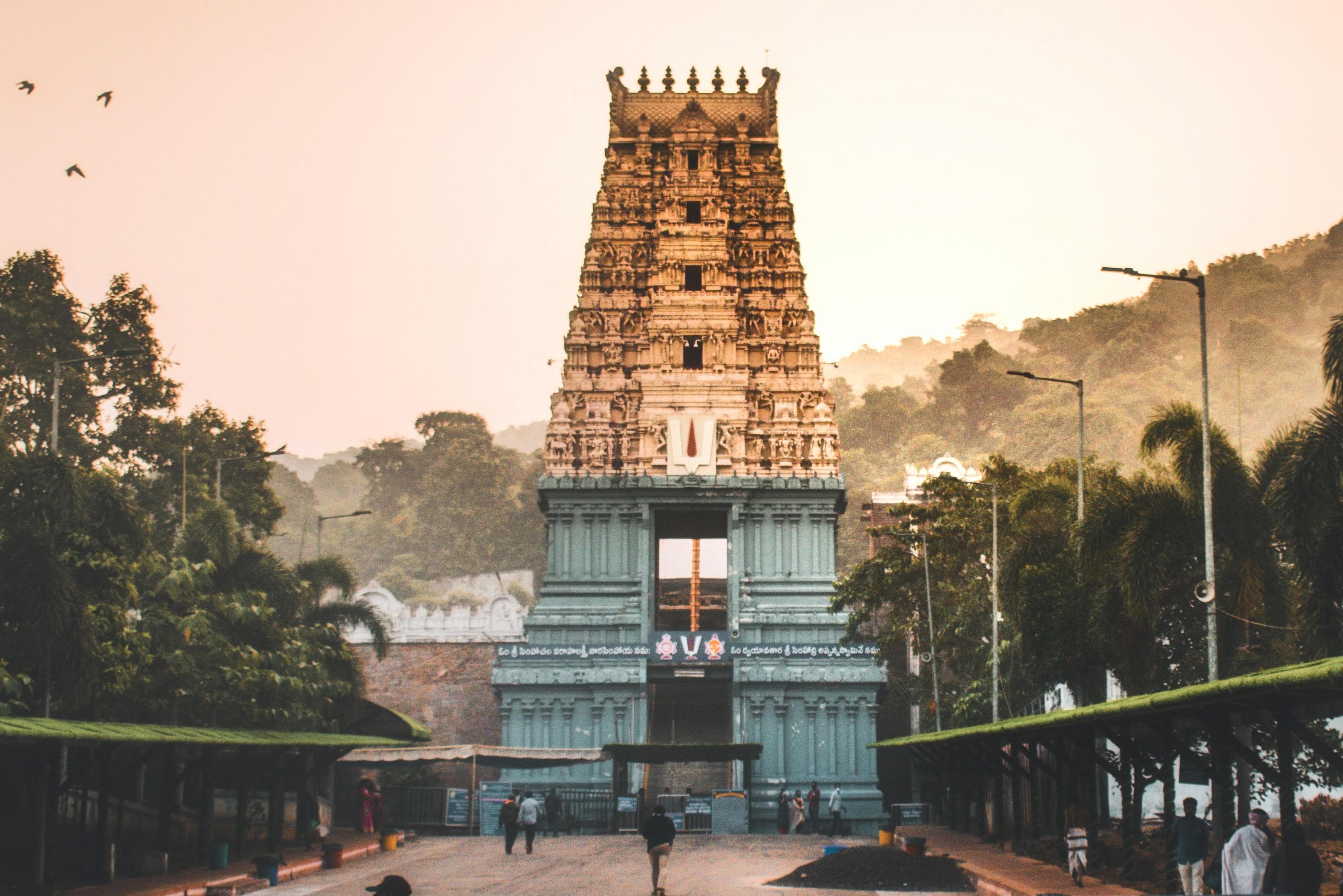
The salty tang of the Bay of Bengal hung in the air as I climbed the steps leading to the Varaha Lakshmi Narasimha Temple at Simhachalam. Having explored the basalt-carved wonders of Maharashtra’s caves and temples, I was eager to experience the distinct architectural flavour of Andhra Pradesh. And Simhachalam, perched atop a hill overlooking Visakhapatnam, promised something unique. The temple complex, enclosed within high walls, exudes an aura of quiet power. Unlike the open courtyards I’m accustomed to in Maharashtra, here, the structures are tightly knit, creating a sense of intimacy and concentrated devotion. The main gopuram, though not as towering as some I’ve seen, possesses a distinct Dravidian elegance, its intricate carvings narrating tales from the Puranas. The use of light-coloured stone, possibly Khondalite, gives the temple a luminous quality, contrasting sharply with the dark, weathered basalt of my home state. As I approached the sanctum sanctorum, the air grew thick with the scent of sandalwood and incense. The presiding deity, Varaha Lakshmi Narasimha, is unique – a manifestation of Vishnu as Narasimha, the man-lion, covered in sandalwood paste throughout the year, except for one day, 'Chandanayatra Utsavam'. This practice, I learned, stems from a legend where the deity’s fiery rage was cooled by the application of sandalwood. The anticipation of seeing this unique form, shrouded in mystery, heightened my excitement. Finally, I stood before the sanctum. The dimly lit space, filled with chanting, allowed only a glimpse of the sandalwood-covered deity. While I couldn’t discern the actual features of the idol, the palpable energy within the sanctum was undeniable. It was a powerful, almost visceral experience, different from the serene contemplation I often feel in Maharashtra’s cave temples. Here, the atmosphere was charged with a raw, vibrant devotion. Stepping out of the sanctum, I took time to appreciate the intricate carvings adorning the temple walls. The depictions of gods, goddesses, and mythical creatures showcased a distinct regional style, different from the Chalukyan and Yadava influences I’m familiar with. The narrative panels, though weathered by time and the coastal climate, still spoke volumes about the rich mythology associated with the deity. I noticed the recurring motif of the Varaha avatar, the boar incarnation of Vishnu, highlighting the temple’s dedication to this particular form. The temple complex also houses several smaller shrines dedicated to other deities, each with its own unique character. I was particularly drawn to the shrine of Andal, a female Alvar saint, whose devotion to Lord Vishnu is legendary. The presence of this shrine within the complex spoke to the inclusive nature of the temple’s spiritual embrace. As I descended the hill, the city of Visakhapatnam sprawled before me, a vibrant tapestry of modern life against the backdrop of the ancient Eastern Ghats. The visit to Simhachalam had been a journey not just to a different state, but to a different spiritual landscape. The temple’s unique rituals, distinct architecture, and the palpable devotion of the pilgrims offered a fresh perspective on the diverse tapestry of Hindu worship. It reinforced the idea that while the essence of faith remains constant, its expressions can be wonderfully varied and regionally specific. The Varaha Lakshmi Narasimha Temple, with its sandalwood-clad deity and vibrant energy, stands as a testament to this rich diversity. It's a must-see for anyone seeking to explore the architectural and spiritual wonders of Andhra Pradesh, and a stark, fascinating contrast to the cave temples of Maharashtra I know so well.
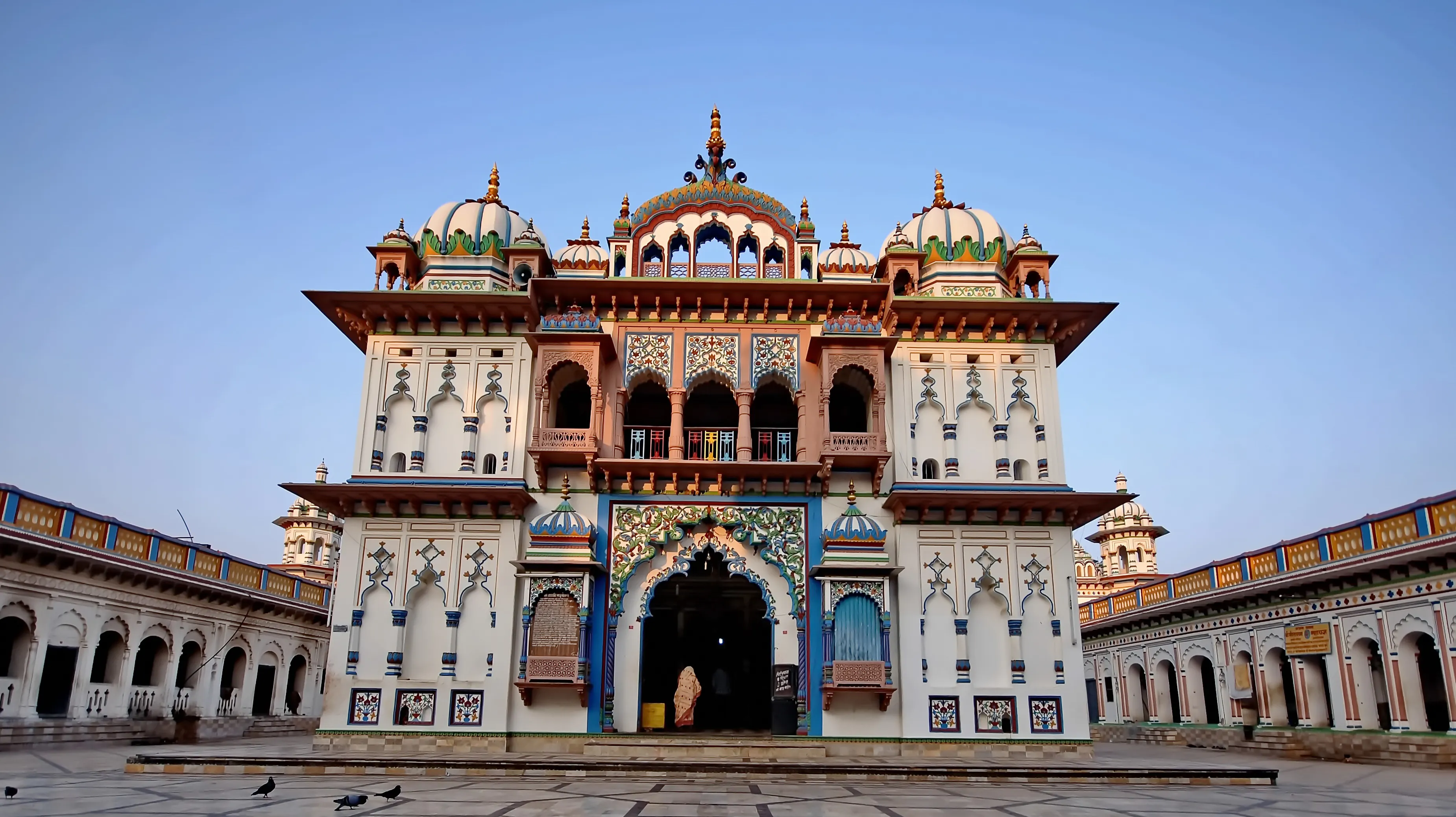
The midday sun beat down on Munger, casting long shadows that danced across the ancient stones of Sita Kund. Having explored the labyrinthine caves and soaring temples of Maharashtra, I arrived at this Bihar pilgrimage site with a sense of anticipation, eager to experience a different flavour of sacred India. Sita Kund, nestled amidst the bustling city, is a compact temple complex radiating a quiet, unassuming spirituality. It doesn't boast the grandeur of Ellora or the intricate carvings of Ajanta, but its simplicity holds a unique charm. The main attraction, the Kund itself, is a rectangular water tank enclosed within a modest structure. The water, believed to be sacred, is surprisingly clear despite the constant flow of devotees taking a holy dip. Local legend claims Sita, the exiled queen from the epic Ramayana, bathed here, lending the site its name and sanctity. While I couldn't verify the mythological claims, the palpable reverence of the pilgrims was undeniable. Women in vibrant sarees offered prayers, the scent of incense mingling with the humid air, creating an atmosphere thick with devotion. The architecture of the temple surrounding the Kund is a blend of simple practicality and subtle artistry. Unlike the elaborate rock-cut marvels I'm accustomed to in Maharashtra, Sita Kund showcases a more straightforward brick and mortar construction. The walls are adorned with faded frescoes depicting scenes from the Ramayana, their muted colours whispering tales of ancient devotion. While time and weather have taken their toll, these remnants offer glimpses into the artistic sensibilities of a bygone era. I noticed the recurring motif of the lotus flower, a symbol of purity and divinity, subtly incorporated into the pillars and archways. The architectural style, while not overtly ornate, reflects a quiet elegance, a testament to the enduring power of faith. Climbing the narrow staircase to the rooftop offered a panoramic view of Munger. The sprawling cityscape contrasted sharply with the serene atmosphere of the Kund below. From this vantage point, I could appreciate the temple's strategic location, a spiritual oasis amidst the urban hustle. The rooftop also houses a small shrine dedicated to Lord Rama, Sita's husband. The simple idol, adorned with fresh flowers, seemed to gaze serenely over the city, a silent guardian of its inhabitants. What struck me most about Sita Kund wasn't its architectural magnificence or historical significance, but the genuine devotion of the people. I witnessed families sharing quiet moments of prayer, elderly women chanting mantras with closed eyes, and young children offering flowers with innocent enthusiasm. This unpretentious display of faith, devoid of any ostentation, was deeply moving. It reminded me that spirituality isn't confined to grand temples and elaborate rituals; it can be found in the simplest of acts, in the quiet corners of a bustling city. As I left Sita Kund, the chants of the devotees still resonated in my ears. The experience was a refreshing departure from the grandeur I'm used to in Maharashtra's caves and temples. It was a reminder that the essence of faith lies not in the size or splendor of a structure, but in the sincerity of the hearts that seek solace within its walls. Sita Kund, in its unassuming simplicity, offers a powerful testament to the enduring human need for connection with the divine. It's a place where mythology and reality intertwine, where the whispers of ancient legends blend with the fervent prayers of modern devotees, creating a tapestry of faith that transcends time.

The imposing Sivadol, bathed in the soft Assamese sun, rose before me like a terracotta giant. Its sheer scale, even from a distance, was breathtaking. Having documented countless ancient sites across Madhya Pradesh, I thought I was prepared for the grandeur of Ahom architecture, but the Sivadol Temple in Sivasagar surpassed all expectations. The pyramidal structure, unlike anything I’d encountered in my home state, dominated the landscape, a testament to the ingenuity and artistry of the 18th-century Ahom kingdom. As I approached, the intricate details began to emerge. The burnt-brick surface, weathered by centuries of monsoon rains and sun, held a story in every crack and crevice. The temple, dedicated to Lord Shiva, stands as the tallest Shiva temple in India, a fact that resonated deeply as I circled its base. The sheer verticality, achieved without any visible supporting beams or columns, was a marvel of engineering. The octagonal base, rising in tiers towards the pointed apex, created a sense of dynamic movement, as if the structure itself was striving towards the heavens. The main entrance, guarded by two massive stone lions, felt like a portal to another time. Stepping inside the dimly lit sanctum, I was struck by the stark contrast between the elaborate exterior and the simple, almost austere interior. There were no ornate carvings or vibrant frescoes, just a palpable sense of sacredness. The air was thick with the scent of incense and the murmur of prayers, a reminder that this was not just an architectural marvel, but a living, breathing place of worship. I spent hours exploring the temple complex, captivated by the smaller shrines surrounding the main structure. Each shrine, though smaller in scale, echoed the architectural language of the Sivadol, creating a harmonious ensemble. The intricate brickwork, featuring geometric patterns and floral motifs, showcased the skill of the Ahom artisans. I noticed how the bricks, varying subtly in colour and texture, created a visual tapestry that shifted with the changing light. This nuanced use of a single material, without the addition of plaster or paint, spoke volumes about the aesthetic sensibilities of the era. One of the most striking features of the Sivadol is its integration with the surrounding landscape. The temple stands on a raised platform, overlooking the Sivasagar tank, a large man-made lake. The reflection of the temple in the still waters of the tank created a mesmerizing visual echo, doubling its impact. This deliberate placement, I realized, was not just for aesthetic purposes. The tank, an integral part of the temple complex, served both practical and symbolic functions, providing water for rituals and representing the cosmic ocean surrounding Mount Meru, the abode of the gods. My lens, accustomed to capturing the sandstone temples of Khajuraho and the intricate carvings of Gwalior, found a new challenge and inspiration in the Sivadol. The play of light and shadow on the textured brick surface, the sheer scale of the structure against the vast Assamese sky, the quiet dignity of the devotees – all these elements combined to create a powerful visual narrative. As I packed my equipment, preparing to leave, I felt a deep sense of gratitude. The Sivadol was more than just a temple; it was a testament to human ingenuity, a symbol of cultural resilience, and a window into a rich and fascinating history. It was a privilege to witness its grandeur and to capture its essence through my lens, adding another chapter to my ongoing exploration of India’s architectural heritage.

The imposing ramparts of Sivasagar Fort, or rather, what remains of them, rose before me under the vast Assamese sky. Brick-red against the verdant landscape, they spoke of a grandeur that time and the elements had gnawed at, yet failed to completely erase. This wasn't the imposing, fully intact fortress I'd encountered in other parts of India. Sivasagar presented a different kind of beauty, a poignant echo of the Ahom kingdom's power. My journey through the complex began at the main entrance, a crumbling archway that felt more like a portal to the past than a functional gateway. The once formidable walls, now breached in places, allowed glimpses of the inner sanctum. The sheer scale of the fort, even in its ruined state, was breathtaking. It sprawled across a vast area, hinting at the bustling life it once contained. The ground beneath my feet, uneven and overgrown, was a tapestry of brick fragments and tenacious weeds, a testament to nature's slow reclamation. The central structure, known as the Talatal Ghar, immediately drew my attention. Unlike the exposed brickwork of the outer walls, the Talatal Ghar was earth-covered, its multi-tiered roof rising like a stepped pyramid. This subterranean marvel, I learned, served as a royal residence and a military bunker. The cool, damp air within its chambers contrasted sharply with the sun-drenched exterior. Light filtered through narrow openings, casting long shadows that danced on the aged walls, adding an air of mystery. I could almost hear the whispers of history echoing in the silence. Climbing the narrow, worn staircases within the Talatal Ghar was an adventure in itself. Each step felt laden with stories, each landing a stage for imagined scenes of royal life. The views from the upper levels, though partially obscured by vegetation, offered a panoramic vista of the surrounding landscape. I could envision the Ahom kings surveying their domain from these very vantage points, their power radiating outwards like ripples in a pond. Adjacent to the Talatal Ghar stood the Rang Ghar, a two-storied pavilion used for royal sports and entertainment. Its unique octagonal shape, a departure from the typical rectangular structures I'd encountered in other forts, was a testament to the Ahom kingdom's distinct architectural style. The intricate carvings on the remaining portions of the pavilion hinted at a rich artistic tradition, a glimpse into the cultural tapestry of the era. I spent a considerable amount of time photographing the delicate motifs, trying to capture the essence of this bygone artistry. Further exploration revealed the remnants of other structures – stables, storehouses, and perhaps even temples. The scattered fragments of pottery and terracotta figures I stumbled upon added another layer to the narrative, whispering tales of daily life within the fort's walls. These weren't just ruins; they were pieces of a puzzle, each contributing to a larger picture of a vibrant past. As the sun began its descent, casting long shadows across the grounds, I found myself drawn back to the ramparts. The warm hues of the setting sun bathed the crumbling walls in a golden glow, creating a scene of ethereal beauty. Standing there, amidst the whispers of history, I felt a profound connection to the past. Sivasagar Fort wasn't just a collection of ruins; it was a living testament to the rise and fall of a kingdom, a poignant reminder of the impermanence of power, and a celebration of the enduring spirit of a people. My lens, though it could capture the visual beauty, could only hint at the depth of history and emotion that permeated this ancient site.
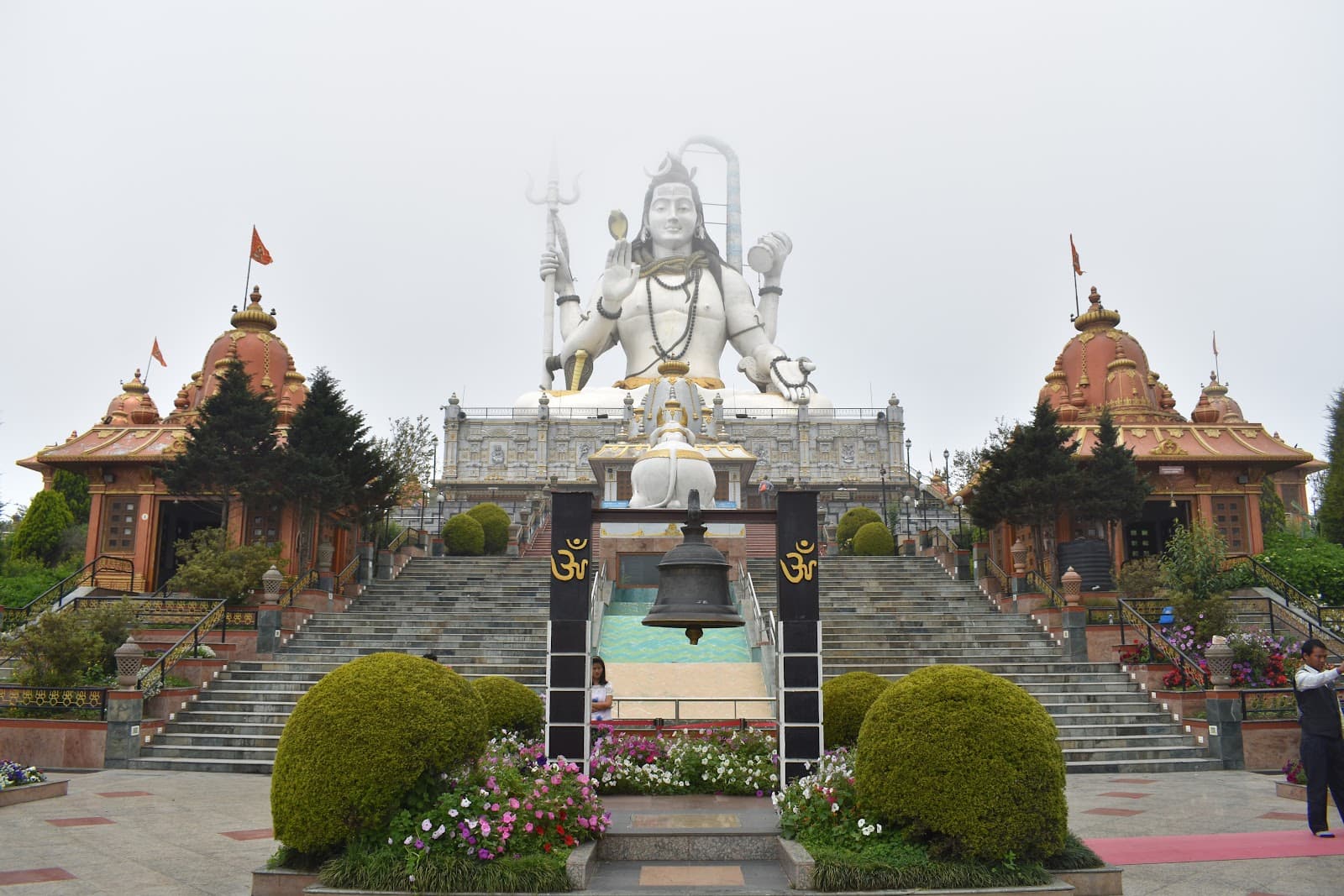
The vibrant prayer flags snapping in the Himalayan breeze were my welcome to Solophok Chardham, a surprisingly recent addition to Sikkim’s spiritual landscape. Perched on the Solophok hilltop overlooking Namchi, this complex, completed in 2011, isn’t ancient in the way of many UNESCO sites, but its ambition is palpable. It aims to replicate the revered Char Dham pilgrimage circuit of India – Badrinath, Dwarka, Puri, and Rameshwaram – within a single location, making it accessible to those unable to undertake the arduous original journey. The centerpiece, and the first structure that caught my eye, is the towering 108-foot statue of Lord Shiva, known here as Siddheshwar. Its sheer scale is breathtaking, gleaming gold against the backdrop of the snow-capped Kanchenjunga range. The statue itself is a marvel of modern engineering, and I learned from a local priest that it was constructed using copper and plated with gold. The detailing on Lord Shiva’s form, from the intricate folds of his garments to the serene expression on his face, is remarkably precise. Circling the statue, I found myself immersed in the representations of the four Dhams. Each shrine is architecturally distinct, reflecting the style of its original counterpart. The Badrinath replica, dedicated to Lord Vishnu, features the characteristic sloping roof and brightly coloured facade I’d seen in Uttarakhand. Dwarka, dedicated to Lord Krishna, echoed the intricate carvings and sandstone hues of Gujarat’s coastal temples. The Jagannath temple of Puri, with its distinctive pyramidal roof and vibrant murals, transported me back to Odisha. Finally, the Rameshwaram replica, dedicated to Lord Shiva in his Ramalingeswara form, captured the Dravidian architectural style of Tamil Nadu with its towering gopuram. While the architectural mimicry is impressive, Solophok Chardham isn’t merely a copy-paste project. The complex incorporates elements of Sikkimese Buddhist architecture, creating a unique blend of styles. The prayer wheels lining the pathways, the colourful murals depicting Buddhist deities, and the presence of monks going about their daily rituals, all contribute to a syncretic atmosphere that feels distinctly Sikkimese. This fusion, I felt, was the most compelling aspect of the site. It speaks to the region’s history of religious harmony and the fluidity of faith in the Himalayas. Beyond the main shrines, the complex offers panoramic views of the surrounding valleys and mountains. I spent a considerable amount of time simply absorbing the scenery, the peace punctuated only by the fluttering prayer flags and the distant chanting from within the temples. There’s a palpable sense of serenity here, a quiet energy that encourages introspection. One aspect that struck me was the meticulous upkeep of the entire complex. Despite the constant flow of visitors, the grounds were impeccably clean, the gardens well-maintained, and the shrines themselves pristine. This speaks volumes about the reverence with which the site is held by both the local community and the managing authorities. My visit to Solophok Chardham was more than just ticking off another UNESCO site on my list. It was an immersion in a unique blend of architectural styles, religious traditions, and breathtaking natural beauty. While the complex is relatively new, it carries a weight of spiritual significance, offering a glimpse into the rich tapestry of faith and devotion that defines the Himalayan region. It’s a testament to the power of human ambition, not just in replicating architectural marvels, but in creating a space that fosters peace, reflection, and a deeper understanding of India’s diverse spiritual heritage. It’s a place I wouldn’t hesitate to recommend to anyone seeking a unique and inspiring travel experience.
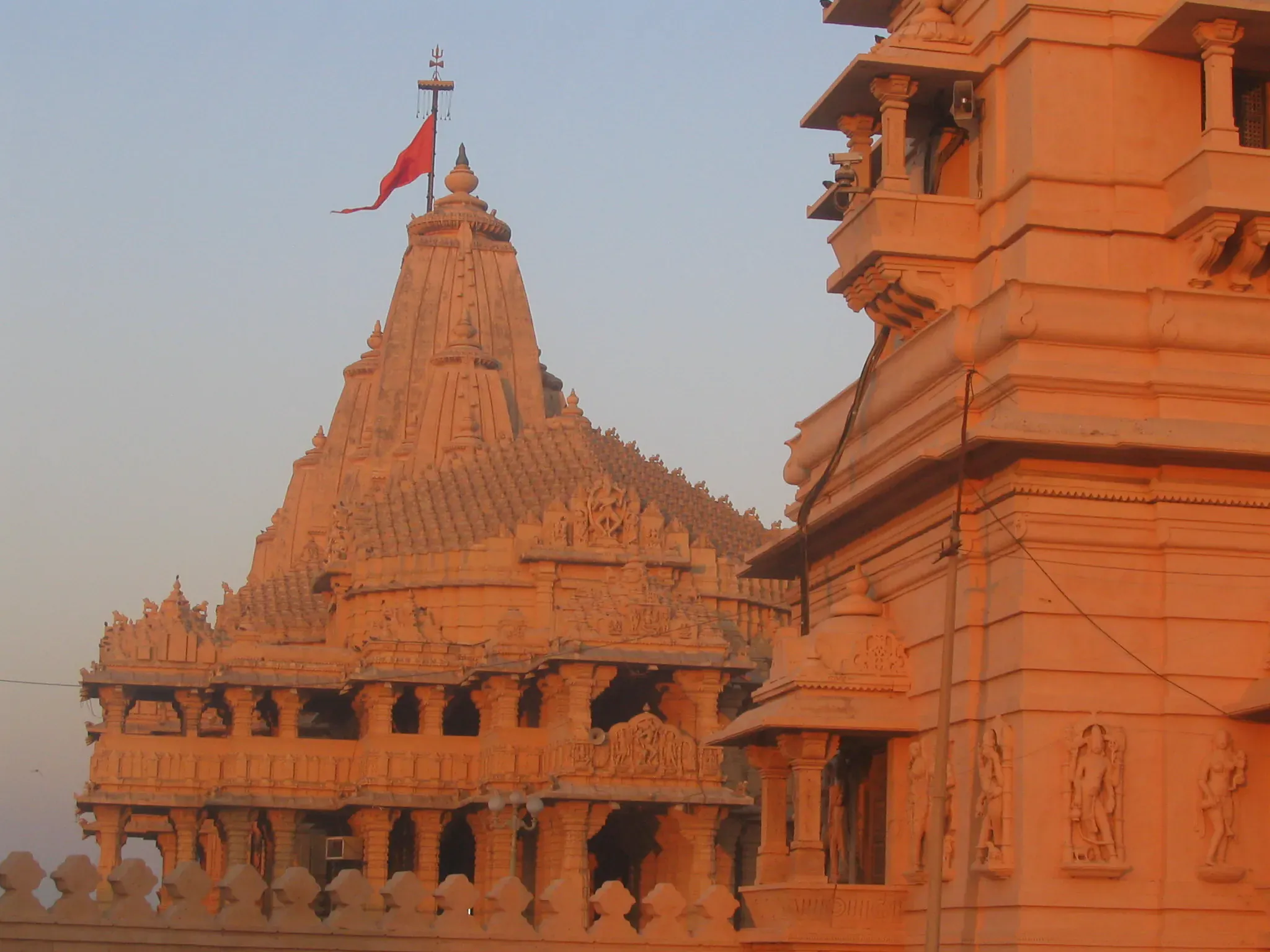
The salty air, thick with the scent of the Arabian Sea, whipped around me as I stood before the Somnath Temple, its majestic shikhara piercing the cerulean sky. Having grown up amidst the ancient temples and vibrant cultural tapestry of Uttar Pradesh, I’ve always been drawn to the narratives whispered by stones and etched into carvings. But even with that background, the sheer grandeur of Somnath, resurrected time and again from the ashes of history, left me breathless. The temple, dedicated to Lord Shiva in his form as Somnath, "Lord of the Moon," stands as a testament to both exquisite craftsmanship and unwavering faith. The Chalukya style of architecture is evident in the intricate carvings that adorn every inch of the sandstone structure. Unlike the ornate and often densely populated sculptures of North Indian temples, the carvings here possess a certain elegant restraint. Geometric patterns, floral motifs, and depictions of deities flow seamlessly across the walls, pillars, and even the towering shikhara, narrating tales from Hindu mythology. I spent a considerable amount of time examining the sabha mandap, its pillars intricately carved with scenes from the epics. The play of light and shadow across these carvings, especially during the late afternoon, created an almost ethereal atmosphere. One cannot experience Somnath without acknowledging its tumultuous past. The temple has been plundered and destroyed multiple times throughout history, each time rising phoenix-like from the ruins. This cycle of destruction and reconstruction has imbued the very stones with a palpable sense of resilience. As I walked through the temple courtyard, I could almost feel the weight of history pressing down, a poignant reminder of the enduring power of faith. A small museum within the temple complex chronicles these events, displaying remnants of previous structures and offering a glimpse into the temple’s layered past. Seeing fragments of intricately carved pillars and broken sculptures, remnants of earlier incarnations of the temple, brought a lump to my throat. It was a stark visualization of the destructive forces that had repeatedly attempted to erase this beacon of faith. The evening aarti at Somnath is an experience unlike any other. The rhythmic chanting of Sanskrit hymns, the fragrance of incense, and the flickering lamps created an atmosphere of profound devotion. The sound of the conch shell reverberated through the courtyard, carrying with it centuries of prayers and hopes. As I stood amidst the throngs of devotees, I felt a sense of connection not just to the divine, but to the countless generations who had stood in this very spot, offering their prayers to Lord Shiva. The sheer collective energy of the moment was palpable, a testament to the enduring power of faith and tradition. Looking out from the temple towards the vast expanse of the Arabian Sea, I was struck by a sense of peace. The rhythmic crashing of the waves against the shore seemed to echo the cyclical nature of creation and destruction, a theme so deeply intertwined with the history of Somnath. The setting sun painted the sky in hues of orange and gold, casting a warm glow over the temple, as if blessing it with its final rays. My visit to Somnath was more than just a journalistic assignment; it was a pilgrimage of sorts. It was a journey into the heart of India’s rich spiritual and architectural heritage. It was a reminder of the power of faith to endure even the most devastating of storms, and a testament to the human spirit's unwavering quest for the divine. As I left the temple, the image of the majestic shikhara silhouetted against the twilight sky remained etched in my mind, a symbol of resilience, devotion, and the enduring power of belief.
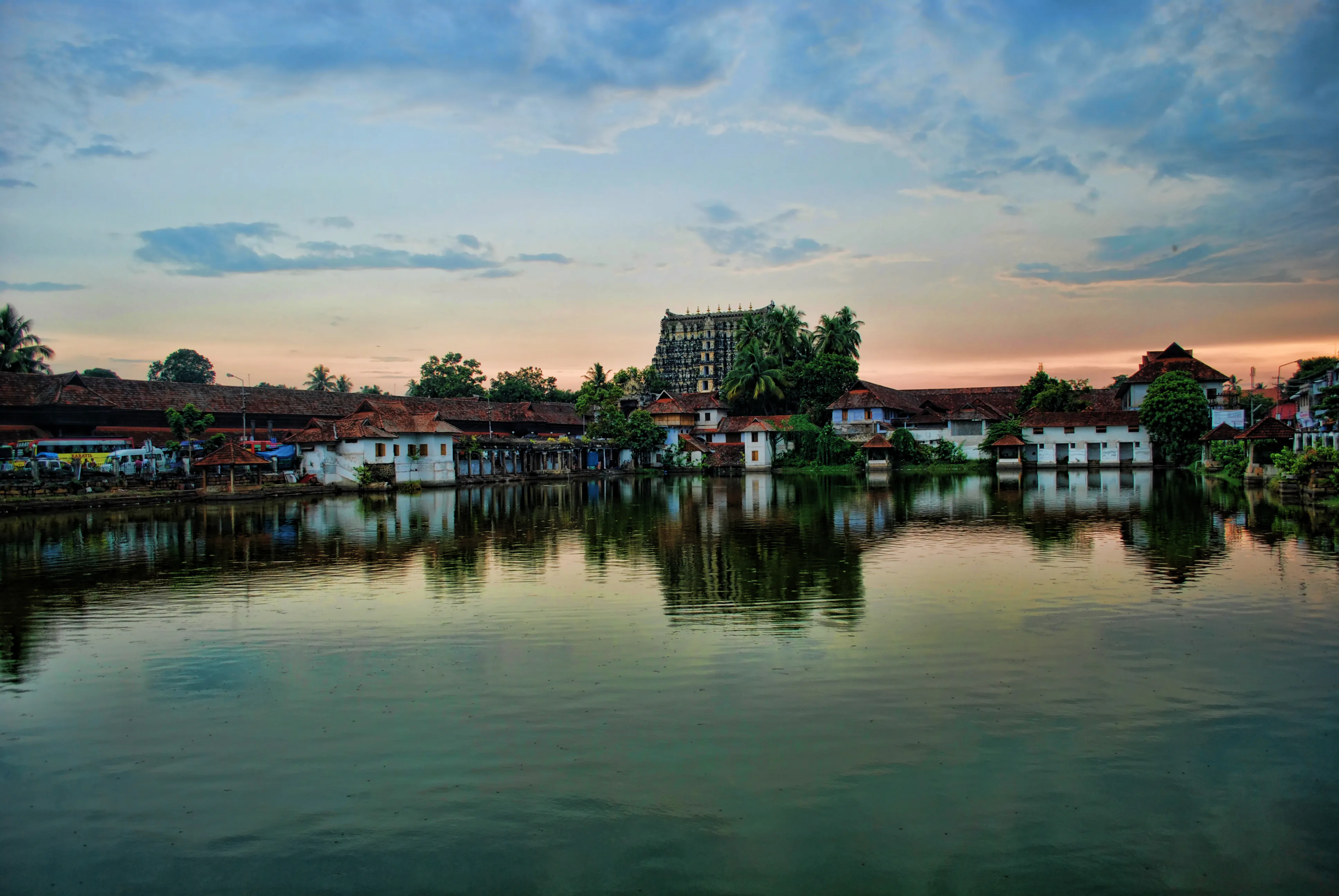
The imposing Gopuram of the Sree Padmanabhaswamy Temple, a symphony in Dravidian and Kerala architectural styles, pierced the Thiruvananthapuram skyline, its vibrant hues a stark contrast to the monsoon clouds gathering overhead. This wasn't just another temple on my 500+ monument documentation journey; this was different. An aura of sanctity, almost palpable, hung in the air, amplified by the rhythmic chanting emanating from within. Passing through the towering gateway, I felt transported. The vast courtyard, paved with flagstones worn smooth by centuries of devotees, unfolded before me. The seven-tiered Gopuram, adorned with intricate carvings of deities and mythical creatures, dominated the vista. Every inch of the structure seemed to narrate a story, a testament to the skill of the artisans who breathed life into stone centuries ago. I noticed the subtle integration of Kerala architectural elements, particularly the sloping roofs and the use of wood, which differentiated it from the typical Dravidian style I'd encountered in Tamil Nadu. The temple's main deity, Lord Vishnu reclining on the serpent Anantha, is a sight that stays etched in memory. The sheer scale of the idol, crafted from 12,008 Shaligrams (sacred stones), is awe-inspiring. The dimly lit sanctum sanctorum, accessible only to Hindus, added to the mystique. While I couldn't enter, the glimpses I caught through the doorway were enough to understand the profound reverence this deity commands. My lens, usually my primary tool for capturing heritage, felt almost inadequate here. How could I possibly encapsulate the spiritual weight, the historical significance, the sheer artistic brilliance of this place in a single frame? I focused instead on capturing the details – the ornate carvings on the pillars depicting scenes from the epics, the delicate murals that adorned the walls, the expressions of devotion on the faces of the devotees. One particular aspect that fascinated me was the 'Kulashekhara Mandapam', supported by intricately carved granite pillars. The play of light and shadow within this space created a dramatic effect, highlighting the exquisite craftsmanship. I spent a considerable amount of time here, trying to capture the nuances of the carvings, each telling a story of its own. The temple tank, 'Padmatheertham', located to the west, added another layer to the temple's serene ambiance. The reflection of the Gopuram in the still water, framed by the surrounding structures, offered a breathtakingly picturesque view. Local lore speaks of a subterranean tunnel connecting the temple to the Arabian Sea, adding an element of mystery to the already captivating narrative. Beyond the main shrine, the temple complex houses several smaller shrines dedicated to various deities. Each shrine, though smaller in scale, possessed its own unique architectural features and artistic merit. I was particularly drawn to the shrine of Lord Krishna, where the vibrant colours and playful depictions of the deity offered a contrast to the more austere grandeur of the main shrine. Documenting the Sree Padmanabhaswamy Temple wasn't just about capturing its architectural splendor; it was about experiencing a living heritage. The temple isn't merely a monument; it's a vibrant hub of faith, a testament to centuries of devotion, and a repository of artistic and architectural brilliance. Leaving the temple, I carried with me not just photographs, but a profound sense of awe and respect for the rich cultural tapestry of India. This wasn't just another monument ticked off my list; it was a pilgrimage for the soul.
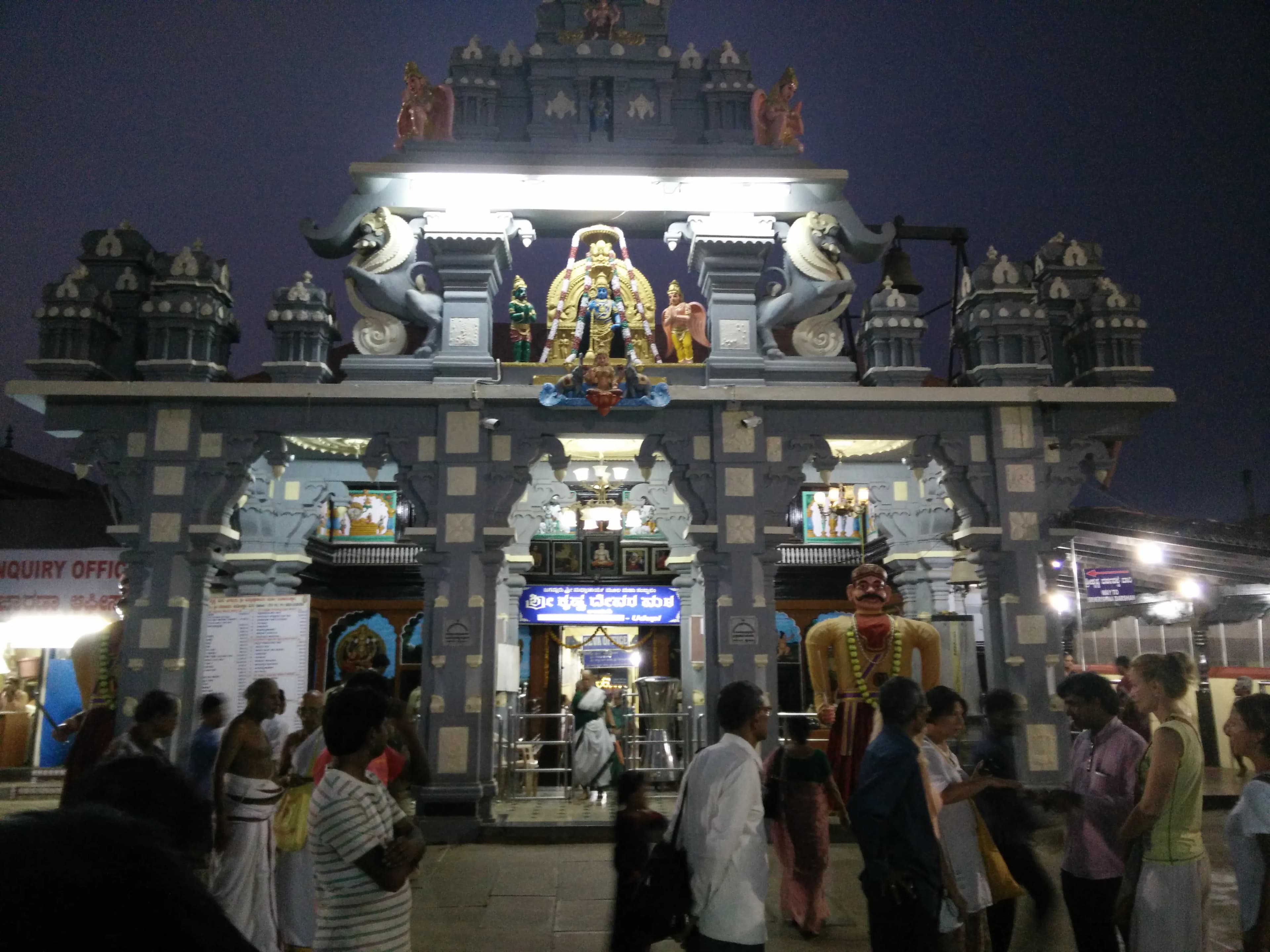
The scent of incense hung heavy in the air, a fragrant welcome to the Udupi Sri Krishna Matha. Sunlight glinted off the ornate copper roof of the main temple, a vibrant splash of colour against the otherwise muted ochre walls. As a travel blogger who has traversed the length and breadth of India, documenting every UNESCO World Heritage site, I can confidently say that Udupi holds a unique charm, a spiritual resonance that sets it apart. It's not a UNESCO site itself, but its cultural and historical significance, deeply intertwined with the Dvaita philosophy of Madhvacharya, makes it a must-visit for anyone exploring India's rich heritage. Unlike the towering gopurams that dominate South Indian temple architecture, the Udupi Sri Krishna Matha is characterized by its relative simplicity. The exterior walls, while adorned with intricate carvings, maintain a sense of understated elegance. The real magic, however, lies within. One doesn't enter the sanctum sanctorum directly. Instead, devotees and visitors alike get a unique darshan of Lord Krishna through a small, intricately carved window called the "Kanakana Kindi." This nine-holed window, plated with silver, offers a glimpse of the deity, a tradition established by Madhvacharya himself. It's a powerful moment, a connection forged through a small aperture, yet brimming with spiritual significance. My visit coincided with the evening aarti, and the atmosphere was electrifying. The rhythmic chanting of Vedic hymns, the clang of cymbals, and the aroma of camphor filled the air, creating an immersive sensory experience. The courtyard, usually bustling with activity, fell silent as devotees lost themselves in prayer. Observing the rituals, the deep devotion etched on the faces of the worshippers, I felt a palpable sense of connection to centuries of tradition. The temple complex is more than just the main shrine. A network of smaller shrines dedicated to various deities, including Hanuman and Garuda, dot the premises. Each shrine has its own unique architectural style and historical narrative, adding layers of complexity to the overall experience. I spent hours exploring these smaller temples, each a testament to the rich tapestry of Hindu mythology. The intricate carvings on the pillars, depicting scenes from the epics, are a visual treat, showcasing the skill and artistry of the craftsmen who shaped this sacred space. One of the most striking features of the Udupi Sri Krishna Matha is the "Ashta Mathas," eight monasteries established by Madhvacharya. These Mathas, located around the main temple, play a crucial role in preserving and propagating the Dvaita philosophy. Each Matha has its own unique traditions and rituals, adding to the diversity of the religious landscape. I had the opportunity to interact with some of the resident scholars, and their insights into the philosophical underpinnings of the temple and its traditions were truly enlightening. Beyond the spiritual and architectural aspects, the Udupi Sri Krishna Matha also plays a significant role in the social and cultural fabric of the region. The temple kitchen, known for its delicious and hygienic meals, serves thousands of devotees every day. Witnessing the organized chaos of the kitchen, the sheer scale of the operation, was an experience in itself. It's a testament to the temple's commitment to serving the community, a tradition that has been upheld for centuries. Leaving the Udupi Sri Krishna Matha, I felt a sense of peace and fulfillment. It's a place where history, spirituality, and culture converge, creating an experience that is both enriching and transformative. While it may not yet bear the official UNESCO designation, its cultural significance is undeniable. It’s a testament to the enduring power of faith and tradition, a place that deserves to be on every traveller's itinerary.
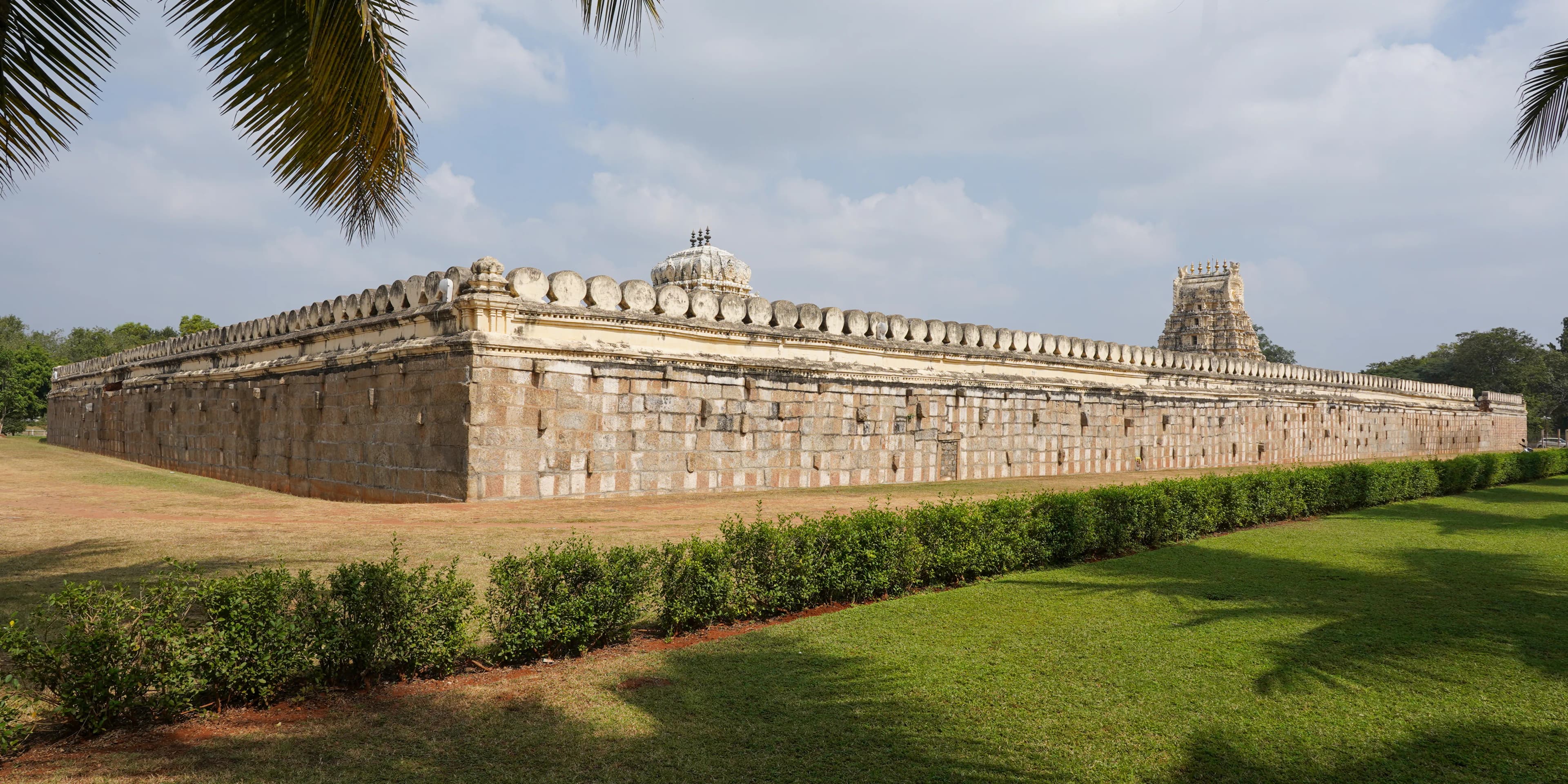
The cacophony of Delhi faded into a distant memory as I stepped onto the hallowed grounds of the Sri Ranganathaswamy Temple in Srirangam. Having explored the intricate carvings of Khajuraho and the towering grandeur of Kedarnath, I thought I had a grasp on the scale of North Indian temple architecture. I was mistaken. Srirangam isn't just a temple; it's a living, breathing city dedicated to Lord Vishnu, an island sanctuary cradled by the Cauvery River. Its sheer magnitude, a sprawling 631 acres enclosed by seven concentric walls or *prakarams*, is unlike anything I've encountered in my years traversing the northern plains. My exploration began at the outermost prakaram, bustling with flower sellers, vendors offering prasad, and the constant hum of devotional chants. Each gateway, or *gopuram*, I passed through felt like a portal to another era, each more intricately carved than the last. The vibrant colours, a stark contrast to the muted sandstone hues I was accustomed to in the north, pulsated with life under the Tamil Nadu sun. The towering gopurams, some reaching dizzying heights, seemed to pierce the very sky, their surfaces teeming with depictions of deities, mythical creatures, and scenes from the epics. As I moved inwards, the atmosphere shifted. The outer courtyards’ frenetic energy gradually gave way to a palpable sense of serenity. The sheer number of shrines, mandapams (pillared halls), and smaller temples within the complex is staggering. I found myself drawn to the Hall of 1000 Pillars, a marvel of Vijayanagara architecture. Each pillar, carved from a single block of granite, tells a story, a testament to the skill and devotion of the artisans who shaped them centuries ago. The play of light and shadow within the hall created an ethereal atmosphere, transporting me back to a time of royal patronage and artistic flourishing. The heart of the temple, the sanctum sanctorum where Lord Ranganatha reclines on the serpent Adisesha, is an experience I won't soon forget. The anticipation built with each step, each prakaram crossed, until finally, I stood before the deity. The air was thick with incense and the murmur of prayers. The sheer devotion emanating from the devotees around me was infectious, a powerful reminder of the spiritual significance this place holds for millions. Beyond the religious aspect, the temple is a living testament to South Indian history and artistry. The architecture reflects a fascinating blend of styles, influenced by the Cholas, Pandyas, Vijayanagara rulers, and even later additions by the Nayaks. I spent hours examining the intricate carvings, noticing the subtle differences in style that marked the passage of time and the changing hands of power. The walls themselves seemed to whisper stories of conquests, devotion, and artistic innovation. One striking difference I observed compared to North Indian temples was the prominence of Dravidian architecture. The towering gopurams, the intricate carvings covering every surface, and the use of granite as the primary building material created a unique aesthetic experience. The temple complex felt like a microcosm of South Indian art and culture, a treasure trove waiting to be explored. Leaving the cool sanctuary of the temple and stepping back into the bustling streets of Srirangam, I felt a profound sense of awe. Sri Ranganathaswamy Temple is more than just a place of worship; it's a living monument to faith, artistry, and the enduring power of human devotion. It's a journey through time, a testament to the rich tapestry of South Indian heritage, and an experience that has indelibly etched itself onto my memory. My journey through North India had prepared me for many things, but nothing could have truly prepared me for the sheer magnitude and spiritual resonance of Srirangam.
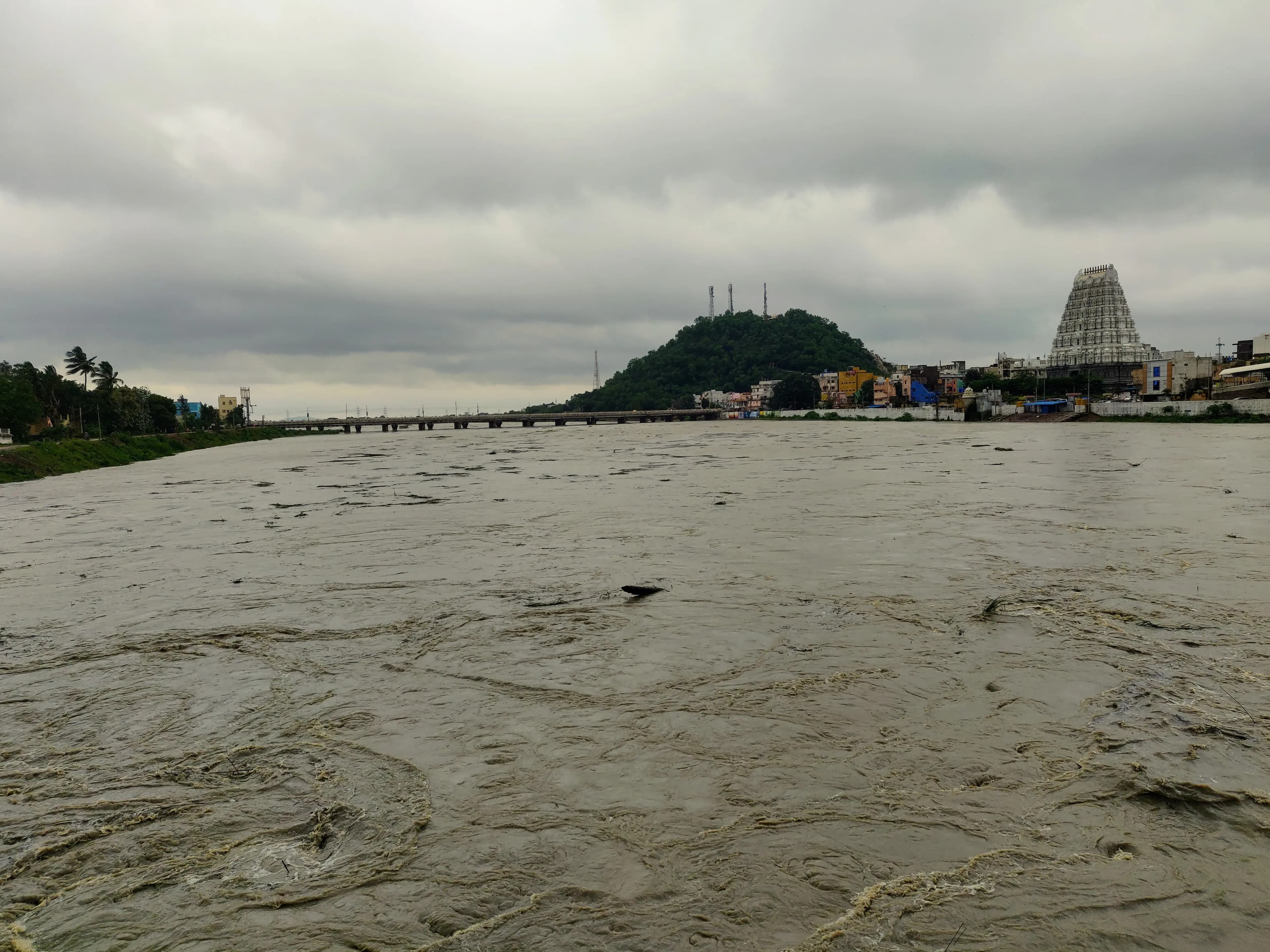
The air hung thick with incense and the murmur of chanting as I stepped through the towering gopuram of the Srikalahasti Temple. Sunlight, fractured by the intricate carvings, dappled the stone floor, creating an ethereal atmosphere. This wasn't just another temple on my UNESCO World Heritage journey across India; Srikalahasti held a different energy, a palpable sense of ancient power. Located in the Chittoor district of Andhra Pradesh, this temple, dedicated to Vayu, the wind god, is a testament to centuries of devotion and architectural brilliance. My eyes were immediately drawn upwards to the main Vimana, the Shikharam, soaring above the inner sanctum. This impressive structure, known as the Vayu Lingam, is not a sculpted idol but a natural rock formation believed to be a manifestation of Vayu. The flickering lamps surrounding it cast dancing shadows, adding to the mystique. The temple's Dravidian architecture is a marvel, with its intricate carvings depicting scenes from Hindu mythology. I spent a considerable amount of time studying the detailed friezes, each panel narrating a story, a testament to the skill of the artisans who crafted them centuries ago. The vibrant colours, though faded with time, still hinted at the temple's former glory. One of the most striking features of Srikalahasti is its massive, 100-pillar mandapam. The sheer scale of this hall is breathtaking. Each pillar is a work of art, adorned with elaborate carvings of deities, mythical creatures, and floral motifs. I could almost hear the echoes of ancient ceremonies and festivals that must have taken place within these hallowed walls. Walking through the mandapam, I felt a sense of connection to the generations of devotees who had walked this same path before me. The temple complex is vast, encompassing several smaller shrines dedicated to various deities. I explored each one, noting the unique architectural nuances and the distinct atmosphere they held. The shrine of Kalahasteeswara, a form of Shiva, is particularly noteworthy. The legend of the spider, the snake, and the elephant, each offering their devotion to Shiva in their own way, is deeply embedded in the temple's lore and adds another layer of spiritual significance to the site. Beyond the architectural grandeur, what truly captivated me at Srikalahasti was the palpable devotion of the pilgrims. From the elderly woman whispering prayers with closed eyes to the young family offering coconuts, the air was thick with faith. Witnessing this fervent devotion firsthand gave me a deeper understanding of the temple's significance, not just as a historical monument but as a living, breathing centre of spirituality. As I left the temple, the chanting still resonated in my ears. Srikalahasti is more than just a collection of stones and carvings; it's a testament to the enduring power of faith and the artistic brilliance of a bygone era. It's a place where history, mythology, and spirituality intertwine, creating an experience that stays with you long after you've left its sacred grounds. Of all the UNESCO sites I've visited in India, Srikalahasti holds a special place, a reminder of the rich tapestry of culture and belief that makes this country so unique. The wind, whispering through the temple towers, seemed to carry the echoes of centuries of prayers, a testament to the enduring spirit of this ancient sanctuary.
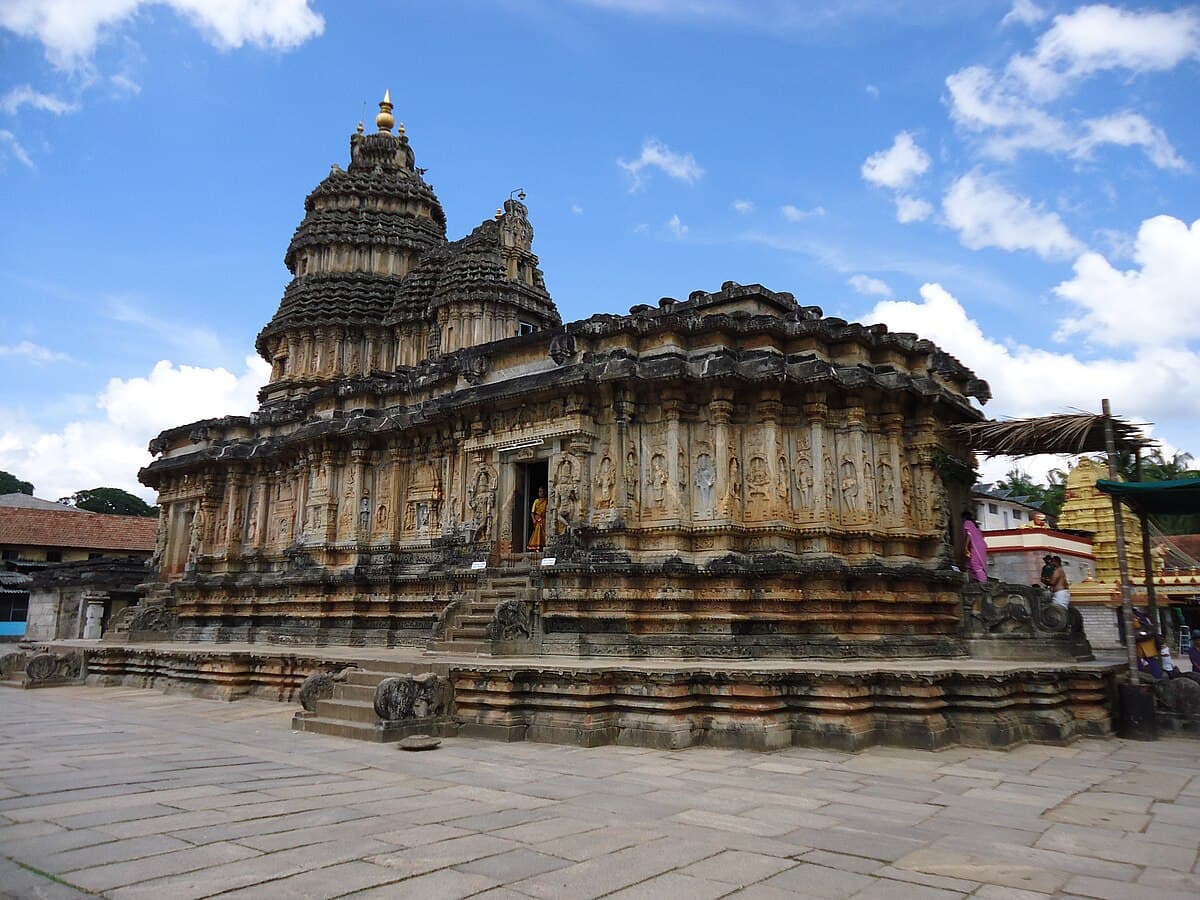
The Sharadamba Temple at Sringeri, nestled within the verdant embrace of the Western Ghats, exudes an aura of timeless serenity. The temple, dedicated to the goddess of learning, Sharada, isn't just a structure of stone and wood; it's a living testament to centuries of devotion and scholarship. My recent visit, as a heritage photographer from Madhya Pradesh, felt less like a documentation and more like a pilgrimage. The current temple, rebuilt in the 1910s after a fire, retains the essence of the original structure envisioned by Adi Shankaracharya in the 8th century. While the earlier structure was primarily wooden, the present temple incorporates Hoysala and Dravidian architectural elements, creating a unique blend of styles. The towering gopuram, though a later addition, commands attention with its intricate carvings of deities and mythical creatures. It acts as a vibrant gateway to the serene courtyard within. Stepping inside, I was immediately drawn to the Vidyashankara Temple, a 14th-century marvel dedicated to Lord Shiva. This architectural gem, built during the Vijayanagara period, stands on a raised platform with intricately carved granite pillars depicting various incarnations of Vishnu. The fusion of Hoysala and Dravidian styles is particularly evident here, with the ornate pillars and detailed friezes showcasing a remarkable level of craftsmanship. I spent hours photographing the intricate details – the delicate floral patterns, the expressive figures of gods and goddesses, and the mesmerizing geometric designs. The play of light and shadow on the stone surfaces added another layer of depth to the visual narrative. The main shrine of Sharadamba, however, is the heart of the temple complex. The goddess, seated gracefully on a golden throne, radiates an aura of profound peace and wisdom. The sandalwood idol, adorned with exquisite jewellery, is a masterpiece of devotional art. Unlike the imposing grandeur of the Vidyashankara Temple, the Sharadamba shrine exudes a quiet elegance. The focus remains firmly on the goddess, inviting contemplation and introspection. I found myself captivated by the simplicity and purity of the space, a stark contrast to the ornate surroundings. The temple complex also houses a library, a testament to Sringeri's historical significance as a center of learning. While I couldn't access the ancient texts, the very presence of this library underscored the temple's role in preserving and propagating knowledge. The atmosphere within the complex was charged with a palpable sense of devotion and scholarship, a feeling that permeated every corner, from the bustling courtyard to the quiet corners of the library. One of the most striking aspects of the Sringeri Sharadamba Temple is its seamless integration with the surrounding landscape. The Tunga River, flowing gently beside the temple, adds to the tranquil atmosphere. I spent some time by the riverbank, observing the devotees performing rituals and taking in the breathtaking views of the surrounding hills. The natural beauty of the location enhances the spiritual significance of the temple, creating a harmonious blend of the divine and the earthly. My experience at Sringeri wasn't just about capturing images; it was about immersing myself in the rich history and spiritual significance of the place. The temple isn't merely a static monument; it's a vibrant hub of religious and cultural activity. The chanting of Vedic hymns, the fragrance of incense, and the constant flow of devotees created a dynamic atmosphere that was both captivating and humbling. As a heritage photographer, I felt privileged to witness and document this living heritage, a testament to the enduring power of faith and tradition. The images I captured, I hope, will convey not just the architectural beauty of the temple, but also the profound spiritual experience it offers.
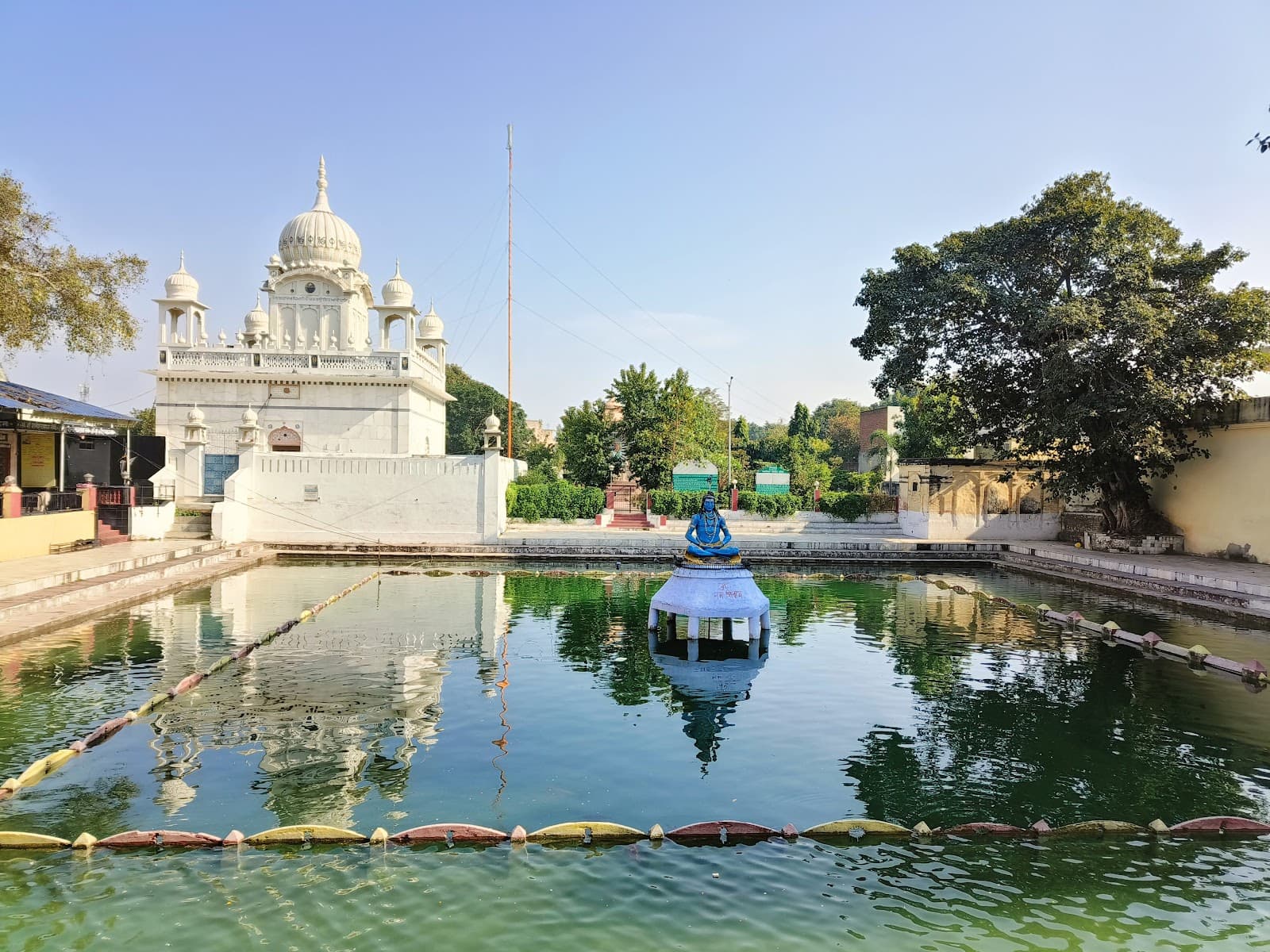
The late afternoon sun cast long shadows across the courtyard of the Sthaneshwar Mahadev Temple, painting the weathered stone a warm ochre. Dust motes danced in the shafts of light filtering through the gaps in the surrounding buildings, lending an ethereal quality to the scene. Here, in the heart of Thanesar, nestled within the historically significant land of Kurukshetra, stood a testament to centuries of devotion and architectural evolution. My visit wasn't just a reporting assignment; it was a pilgrimage of sorts, a chance to connect with the tangible remnants of India's rich past. The temple's current structure, while undeniably impressive, whispers of multiple reconstructions. The core, I learned from the temple priest, dates back to the ancient period, possibly even pre-Gupta times. However, much of what stands today bears the unmistakable mark of the Maratha reconstruction in the 18th century. This layering of history, this palimpsest of architectural styles, is precisely what makes Sthaneshwar Mahadev so fascinating. The shikhara, the towering superstructure above the sanctum sanctorum, rises with a gentle curve, its surface adorned with intricate carvings. While the Maratha influence is evident in the overall form, closer inspection reveals subtle nods to earlier architectural traditions. The amalaka, the crowning disc-like element, retains a classical simplicity, hinting at the temple’s older origins. I spent a considerable amount of time circling the structure, my gaze tracing the lines of the carvings, trying to decipher the stories they told. Many were weathered beyond recognition, yet their presence spoke volumes about the devotion and artistry of the craftsmen who had painstakingly etched them into the stone. Stepping inside the sanctum, I was struck by the palpable sense of reverence. The air was thick with the scent of incense and the murmur of prayers. The main deity, Lord Shiva, is represented by a lingam, a smooth, cylindrical stone that is the focal point of worship. The simplicity of this aniconic representation contrasted sharply with the ornate carvings that adorned the surrounding walls. It was a powerful reminder of the core principles of Hindu philosophy – the formless divine residing within the tangible world. The temple complex is not limited to the main shrine. Smaller shrines dedicated to various deities dot the courtyard, each with its own unique character. I was particularly drawn to a small, almost hidden shrine dedicated to Lord Hanuman. The vibrant vermilion paint that covered the statue of the Hanuman contrasted beautifully with the muted tones of the surrounding stonework. One of the most striking features of the Sthaneshwar Mahadev Temple is its connection to the sacred tank, known as the Brahma Sarovar. Located just a short walk from the temple, the tank is believed to have been created by Lord Brahma himself. Pilgrims come from far and wide to bathe in its holy waters, particularly during the solar eclipse. Standing by the edge of the tank, I could feel the weight of history and mythology pressing down on me. This was not just a body of water; it was a living testament to the enduring power of faith. My visit to Sthaneshwar Mahadev was more than just an architectural study; it was an immersion into the living tapestry of Indian culture and spirituality. The temple, with its layers of history, its intricate carvings, and its palpable sense of sanctity, offered a glimpse into the enduring power of faith and the artistry of those who sought to express it through architecture. As I left the temple grounds, the setting sun casting long shadows behind me, I carried with me not just photographs and notes, but a deeper understanding of the continuity of India's cultural heritage.
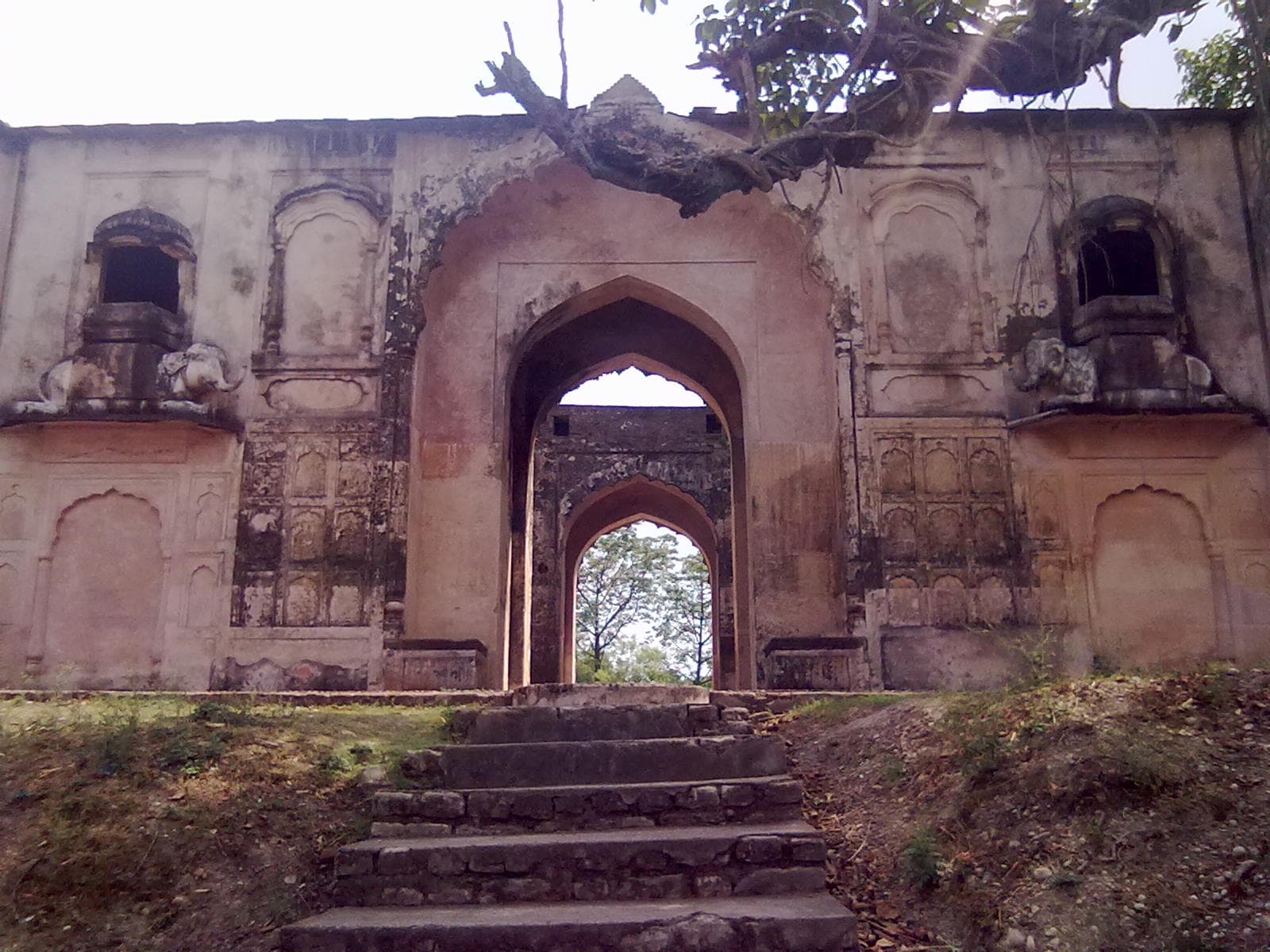
The imposing silhouette of Sujanpur Fort, perched above the Beas River in Himachal Pradesh, held a different allure than the sandstone behemoths I was accustomed to in Rajasthan. This wasn't the desert's warm embrace; this was the crisp air of the lower Himalayas, the fort a sentinel against a backdrop of verdant hills. My Rajasthani sensibilities, steeped in ornate carvings and vibrant frescoes, were immediately challenged by Sujanpur's stark, almost austere beauty. The outer walls, built of rough-hewn stone, lacked the intricate detailing of a Mehrangarh or the sheer scale of a Chittorgarh. Yet, their very simplicity spoke volumes. They whispered of a different era, a different purpose. This wasn't a palace of pleasure; this was a fortress built for resilience, a testament to the pragmatic rule of the Katoch dynasty. Stepping through the arched gateway, I felt a palpable shift in atmosphere. The outer austerity gave way to a surprising elegance within. The Baradari, a pavilion with twelve doorways, stood as the centerpiece of the inner courtyard. Its graceful arches and delicate carvings, though weathered by time, hinted at the refined tastes of the rulers who once held court here. Unlike the vibrant colours of Rajput palaces, the Baradari was adorned with subtle frescoes, predominantly in earthy tones, depicting scenes of courtly life and mythological narratives. The muted palette, I realised, complemented the surrounding landscape, creating a sense of harmony between architecture and nature. I was particularly drawn to the intricate jali work, a feature I've encountered in various forms across Rajasthan. Here, however, the jalis possessed a unique character. The patterns were less geometric, more floral, almost reminiscent of the local flora. Peering through these delicate screens, I could imagine the royal women observing the courtly proceedings, their privacy preserved while remaining connected to the pulse of the fort. The Rang Mahal, the palace's residential wing, further revealed the nuances of Katoch aesthetics. While lacking the opulence of Rajput palaces, it exuded a quiet charm. The rooms were spacious and airy, with large windows offering breathtaking views of the Beas River winding its way through the valley below. The walls, though faded, bore traces of intricate murals, depicting scenes from the Krishna Leela, a popular theme in the region. The colours, though muted now, must have once vibrated with life, adding a touch of vibrancy to the otherwise austere interiors. Exploring further, I stumbled upon the remnants of a once-grand baori, a stepped well. While not as elaborate as the Chand Baori of Abhaneri, it possessed a unique charm. The symmetrical steps, descending towards a now-dry well, spoke of a time when water was a precious commodity, carefully harvested and conserved. As I stood on the ramparts, gazing at the panoramic view of the valley below, I realised that Sujanpur Fort's beauty lay not in its grandeur, but in its understated elegance. It was a fort that had adapted to its surroundings, a fort that reflected the pragmatic yet refined sensibilities of its rulers. It was a far cry from the flamboyant palaces of my homeland, yet it held a unique charm that resonated deeply. Sujanpur Fort wasn't just a structure of stone and mortar; it was a story etched in stone, a story of resilience, adaptation, and a quiet, enduring beauty. It was a reminder that sometimes, the most captivating narratives are whispered, not shouted.

The terracotta hues of the Sun Temple at Bundu, Jharkhand, shimmered under the late afternoon sun, a fitting tribute to the celestial body it honors. Unlike the towering Konark Sun Temple in Odisha, this structure, still under construction, possesses a unique, almost unfinished charm. Its raw, earthy aesthetic, crafted from locally sourced laterite bricks, sets it apart from the polished grandeur of other ancient temples I've encountered across India. This was my 38th UNESCO World Heritage site in India, and it offered a refreshing perspective on temple architecture. The temple's main structure, a colossal chariot seemingly frozen mid-stride, is a marvel of engineering. Seventeen life-sized horses, also sculpted from laterite, appear to pull the chariot, their muscular forms radiating dynamic energy. The wheels, intricately carved with symbolic motifs, are particularly striking. I spent a good amount of time circling the chariot, examining the detailed carvings. While some sections displayed the smooth finish of completed work, others revealed the rough texture of the brick, showcasing the ongoing construction. This juxtaposition of finished and unfinished elements gave the temple a palpable sense of living history. Climbing the steps to the main platform, I was greeted by a panoramic view of the surrounding landscape. The sprawling countryside, dotted with small villages and lush greenery, provided a serene backdrop to the temple's imposing presence. The absence of towering walls or enclosures, typical of many ancient temples, further enhanced this connection with the natural world. It felt as though the temple was not just a place of worship, but an integral part of the landscape itself. Inside the chariot's main chamber, the deity of the Sun God awaits installation. The emptiness of the sanctum, however, did not detract from the spiritual aura of the space. The play of light filtering through the arched openings created an ethereal ambiance, inviting contemplation and quiet reflection. I noticed several artisans working diligently on intricate carvings within the chamber, their meticulous craftsmanship a testament to the dedication involved in bringing this grand vision to life. One of the most captivating aspects of the Bundu Sun Temple is its unique blend of traditional and contemporary architectural styles. While the chariot motif and the use of laterite hark back to ancient temple-building traditions, the sheer scale of the structure and the ongoing construction process give it a distinctly modern feel. It’s a fascinating example of how heritage can be reinterpreted and revitalized for future generations. My conversations with the local artisans and residents provided further insight into the temple's significance. They spoke of the temple not just as a religious site, but as a symbol of community pride and a source of livelihood. The ongoing construction has created employment opportunities for many local artisans, ensuring the preservation of traditional craftsmanship and contributing to the economic development of the region. As I left the Sun Temple, the setting sun cast long shadows across the terracotta structure, painting it in a warm, golden glow. The experience was unlike any other temple visit I’ve had. It wasn’t just about admiring a finished masterpiece; it was about witnessing the creation of one. The Bundu Sun Temple is a testament to the enduring power of human creativity and the evolving nature of heritage. It stands as a powerful reminder that history is not just something we inherit from the past, but something we actively shape in the present.
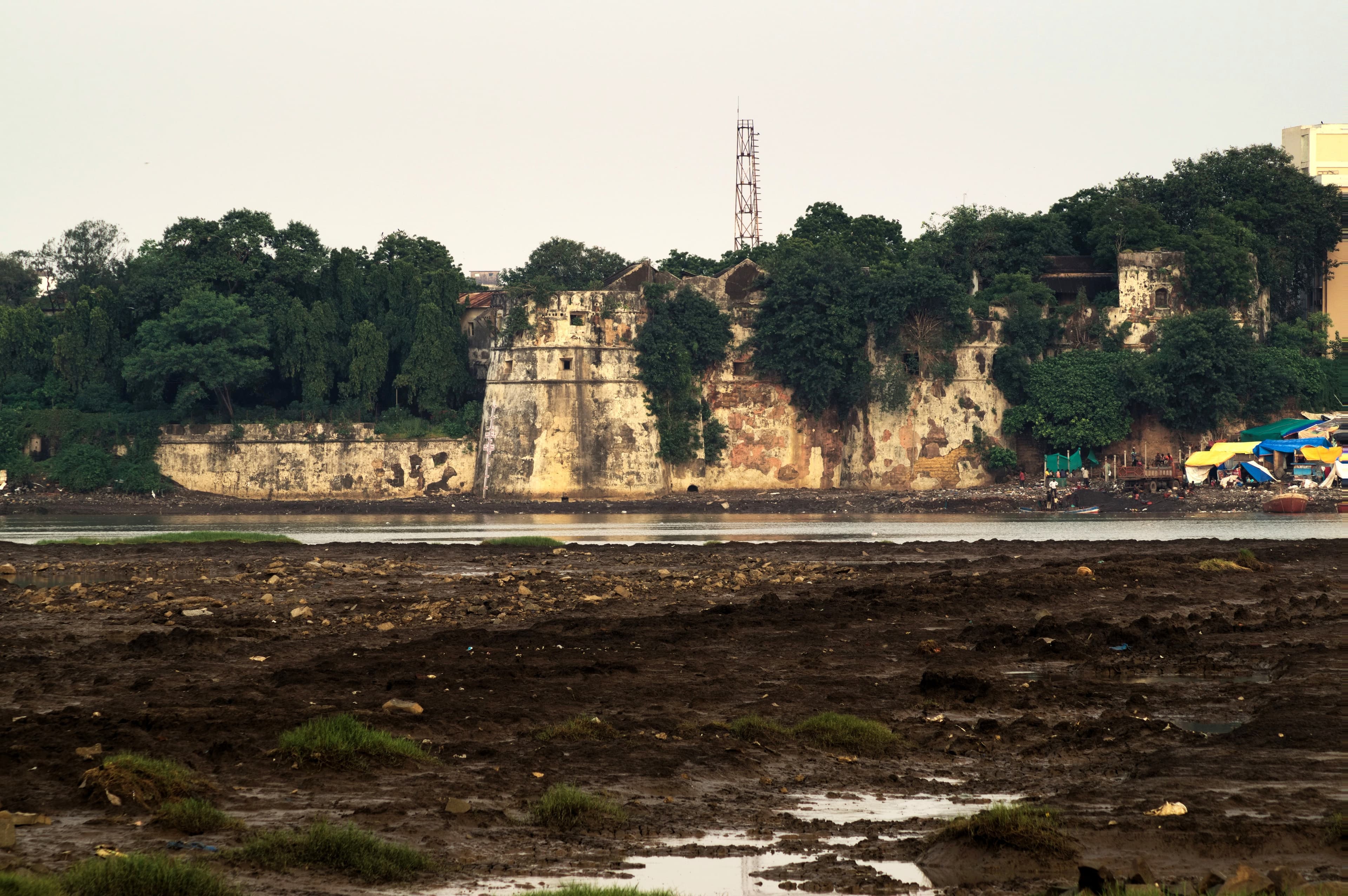
The midday sun beat down on the ochre walls of Surat Fort, casting long shadows that danced across the aged stone. Standing before its imposing gateway, I felt a familiar thrill – the anticipation of uncovering stories etched in brick and mortar. Having documented over 500 monuments across India, I've developed a keen eye for the whispers of history, and Surat Fort hummed with untold tales. Built in the 16th century by Khudawand Khan, a general under Sultan Mahmud III of Gujarat, the fort stands as a silent sentinel overlooking the Tapi River. Its strategic location, guarding the then-thriving port city of Surat, made it a coveted prize for various empires – Mughals, Marathas, and the British, all leaving their indelible mark on its architecture. This layered history is precisely what drew me to this particular fort. Passing through the arched entrance, I immediately noticed the distinct blend of architectural styles. The robust, almost brutalist, construction of the outer walls, punctuated by circular bastions, spoke of a purely defensive purpose. The thick, roughly hewn blocks of stone, fitted together without mortar in some sections, testified to the ingenuity of the original builders. Yet, within this formidable exterior, I found subtle hints of Mughal influence, particularly in the decorative arches and the remnants of intricate carvings around the windows of the inner structures. The fort's interior is a labyrinth of narrow passageways, crumbling barracks, and open courtyards. I spent hours exploring these spaces, my camera capturing the interplay of light and shadow on the weathered surfaces. The remnants of a mosque, its mihrab still faintly visible, hinted at the fort's role not just as a military stronghold, but also as a center of community life. I was particularly struck by the remnants of frescoes on some of the inner walls, now faded and fragmented, but still offering glimpses of vibrant colours and intricate patterns. These fragments, like pieces of a forgotten puzzle, fueled my imagination, prompting me to envision the bustling life that once filled these now-silent spaces. Climbing to the ramparts, I was rewarded with a panoramic view of Surat, the modern city sprawling beyond the fort's ancient walls. The Tapi River, once a lifeline for this bustling port, shimmered in the distance. Standing there, I could almost hear the echoes of the past – the shouts of soldiers, the clang of swords, the bustle of merchants. The fort, despite its weathered state, felt alive with these phantom sounds. One of the most intriguing aspects of Surat Fort is the stark contrast between its robust exterior and the almost delicate details hidden within. While the outer walls project an image of impenetrable strength, the inner structures reveal a surprising level of artistic refinement. I observed intricate jali work in some of the remaining windows, allowing for ventilation while maintaining privacy. The remnants of carved stone brackets, likely used to support balconies or awnings, spoke of a time when this fort was not just a fortress, but also a residence, perhaps even a palace. My exploration of Surat Fort wasn't just a visual experience; it was a tactile one. Running my hand along the rough stone walls, I felt a connection to the countless hands that had shaped and defended this structure over centuries. The uneven surfaces, the worn steps, the crumbling plaster – each imperfection told a story of resilience and decay, of human endeavor and the relentless march of time. Leaving the fort as the sun began to set, I carried with me more than just photographs. I carried a deeper understanding of Surat's rich history, a renewed appreciation for the artistry of the past, and a profound sense of the ephemeral nature of human creations. Surat Fort stands as a powerful reminder that even the most formidable structures eventually succumb to the passage of time, leaving behind only whispers of their former glory for those who know how to listen.
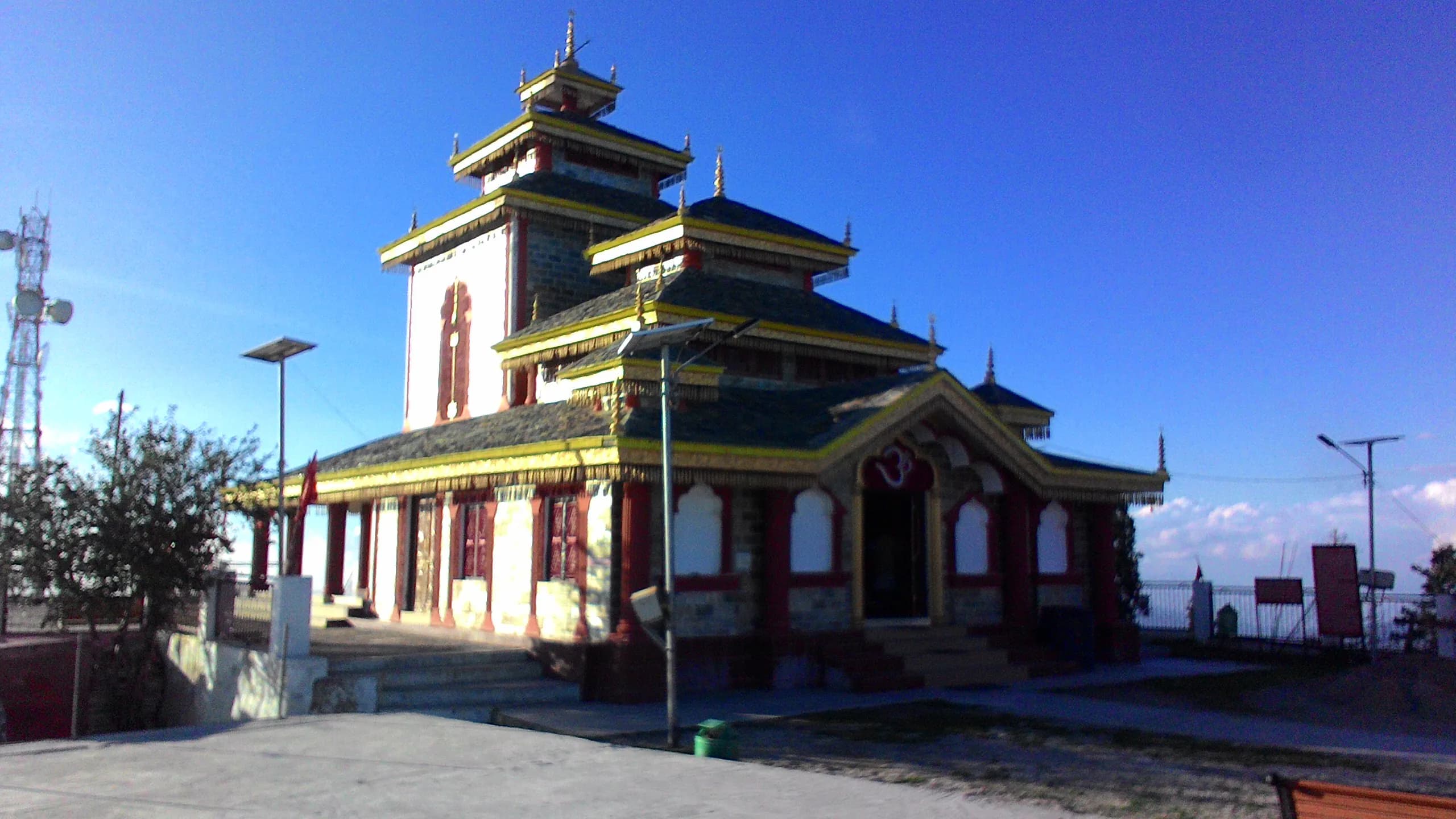
The crisp mountain air, scented with pine and a hint of woodsmoke, whipped around me as I ascended the final steps to Surkanda Devi Temple. Perched at an altitude of almost 10,000 feet in the Tehri Garhwal district of Uttarakhand, the temple commands a breathtaking panorama of the Himalayan peaks. It's a view that instantly justifies the arduous journey, a blend of winding roads and a steep, albeit scenic, climb. My camera, a constant companion, felt almost inadequate to capture the grandeur of the snow-capped giants against the azure sky. Surkanda Devi, dedicated to the goddess Sati, holds a profound significance in Hindu mythology. Local legend recounts this spot as the place where Sati's head fell after she self-immolated. This narrative imbues the location with a palpable sense of reverence, a quiet energy that hums beneath the surface of the bustling activity of pilgrims. The temple itself is relatively small, a stark contrast to the vastness of the landscape it inhabits. Its architecture is a simple yet elegant example of traditional Himalayan temple design. The main shrine, constructed of grey stone, features a sloping slate roof adorned with a golden trident, glinting in the sunlight. Unlike the ornate carvings found in many South Indian temples, the aesthetic here is one of understated beauty, allowing the natural surroundings to take center stage. I spent hours observing the intricate details. The stonework, though weathered by time and the elements, displayed a remarkable craftsmanship. The mortar, seemingly a simple mixture of lime and sand, had held the structure together for centuries, a testament to the ingenuity of the builders. Small brass bells, tied to the eaves, chimed melodiously in the wind, adding another layer to the sensory experience. Inside the sanctum sanctorum, photography is prohibited, a rule I respected. However, the memory of the dimly lit space, filled with the fragrance of incense and the murmur of prayers, remains vivid. The atmosphere was thick with devotion, a collective energy that transcended language and background. It was a privilege to witness this intimate expression of faith. Beyond the main shrine, the temple complex includes several smaller structures and open spaces. I noticed a series of small stone platforms, likely used for rituals. The surrounding walls were adorned with faded murals depicting scenes from Hindu mythology. These weathered paintings, though partially obscured by time, offered a glimpse into the rich artistic traditions of the region. I meticulously documented these fragments of history, hoping to preserve their stories through my lens. One of the most striking aspects of Surkanda Devi is the seamless integration of the built environment with the natural landscape. The temple seems to grow organically from the mountainside, a harmonious blend of human creation and nature's artistry. The panoramic views from the temple courtyard are simply mesmerizing. The rolling hills, blanketed in dense forests, stretch out as far as the eye can see, punctuated by the towering peaks of the Himalayas. As the sun began to dip below the horizon, casting long shadows across the valley, I felt a profound sense of peace. Surkanda Devi is more than just a temple; it's a sanctuary, a place where the spiritual and the natural converge. My experience here transcended the purely visual; it was a journey into the heart of the Himalayas, a testament to the enduring power of faith and the breathtaking beauty of the natural world. Leaving the temple, I carried with me not just photographs, but a deeper appreciation for the rich cultural and spiritual heritage of Uttarakhand.

The sun beat down on the parched landscape of Aurangabad district, Bihar, but the real heat, the real energy, emanated from the Surya Mandir in Deo. Having crisscrossed North India, explored countless temples from the Himalayas to the plains, I thought I’d seen it all. I was wrong. The Surya Mandir, a relatively unsung hero of Indian architecture, struck me with a force I hadn't anticipated. It wasn't just a temple; it was a statement, a testament to a bygone era’s devotion and artistry. The temple, dedicated to the sun god Surya, stands as a solitary sentinel amidst fields of swaying crops. Its imposing structure, crafted from red sandstone, rises in three receding tiers, each intricately carved with a narrative that unfolds like a visual epic. The first tier, closest to the earth, is a riot of life. Elephants, horses, celestial beings, and scenes from daily life are etched into the stone, a vibrant tableau of the earthly realm. I ran my hand over the weathered surface, tracing the lines of a particularly spirited elephant, marveling at the skill of the artisans who breathed life into these stones centuries ago. Ascending the worn steps to the second tier, the narrative shifts. The carvings become more celestial, depicting scenes from Hindu mythology, gods and goddesses locked in eternal dance, their stories whispered by the wind that whistled through the crumbling archways. Here, the earthly exuberance gives way to a more refined, spiritual energy. I noticed the intricate latticework screens, jalis, that allowed slivers of sunlight to penetrate the inner sanctum, creating an ethereal play of light and shadow. The third and highest tier, sadly damaged by the ravages of time and neglect, still holds a palpable sense of grandeur. It is here, I imagined, that the priests would have performed their rituals, bathed in the first rays of the rising sun. The panoramic view from this vantage point was breathtaking. The flat expanse of Bihar stretched out before me, the temple a solitary beacon of faith amidst the mundane. The architecture is a unique blend of various North Indian styles, showcasing influences from the Pala and Gurjara-Pratihara periods. The shikhara, the towering spire that typically crowns North Indian temples, is absent here, replaced by a flattened pyramidal roof, a feature that intrigued me. It lent the temple a distinct silhouette, setting it apart from the more conventional Nagara style temples I’d encountered elsewhere. What struck me most, however, wasn't just the architectural brilliance but the palpable sense of history that permeated every stone. Unlike the bustling, tourist-laden temples I’d visited in Varanasi or Khajuraho, the Surya Mandir in Deo felt forgotten, almost abandoned. This solitude, however, amplified its power. I could almost hear the echoes of ancient chants, feel the presence of the devotees who once thronged these courtyards. The neglect, though disheartening, added another layer to the temple's story. Broken sculptures, crumbling walls, and overgrown vegetation spoke of a glorious past and a precarious present. It underscored the urgent need for preservation, for safeguarding these invaluable fragments of our heritage. As I descended the steps, leaving the temple behind, I felt a pang of sadness, but also a sense of hope. The Surya Mandir in Deo, though overshadowed by its more famous counterparts, holds a unique charm, a quiet dignity that resonates deeply. It is a place that deserves to be rediscovered, a testament to the enduring power of faith and the artistry of a forgotten era. It is a place that will stay etched in my memory, a hidden gem in the heart of Bihar.

The first glimpse of the Swaminarayan Akshardham Temple in Gandhinagar stopped me in my tracks. Emerging from the meticulously manicured gardens, the temple complex, a symphony in pink sandstone and Italian Carrara marble, felt less like a structure and more like a sculpted dream. Having spent years documenting the ancient temples of Madhya Pradesh, I thought I was prepared for the grandeur of Akshardham, but the sheer scale and intricate detail surpassed all expectations. The sun, already high in the Gujarat sky, kissed the ornate carvings that covered every inch of the temple’s exterior. It was as if an army of artisans had dedicated lifetimes to etching narratives from Hindu scriptures, epics, and mythology onto the stone. Deities, celestial musicians, dancers, flora, and fauna – a breathtaking panorama of life and devotion unfolded before my lens. I found myself constantly shifting position, trying to capture the interplay of light and shadow on the deeply carved surfaces, the way the sun highlighted a particular expression on a deity's face or the delicate tracery of a floral motif. Stepping inside the main mandir, the experience shifted from visual opulence to a palpable sense of serenity. The vast, pillared halls, despite the throngs of visitors, held a quiet reverence. The central chamber, housing the murti of Bhagwan Swaminarayan, radiated a golden glow. The intricate detailing continued within, with carved pillars depicting different avatars and scenes from Hindu lore. I spent a considerable amount of time simply observing the devotees, their faces etched with devotion as they offered prayers. It was a powerful reminder of the living faith that breathed life into these magnificent stones. Beyond the main temple, the complex unfolded like a meticulously planned narrative. The exhibition halls, employing a fascinating blend of traditional artistry and modern technology, brought to life the teachings and life of Bhagwan Swaminarayan. Dioramas, animatronics, and immersive displays transported me to different eras, allowing me to witness key moments in his life and understand the philosophy he espoused. As a photographer accustomed to capturing static moments in time, I was particularly impressed by the dynamic storytelling employed in these exhibits. The surrounding gardens, a sprawling oasis of green, provided a welcome respite from the intensity of the temple architecture. The meticulously manicured lawns, punctuated by fountains and reflecting pools, offered a tranquil setting for contemplation. The evening water show, a spectacular symphony of light, sound, and water jets, was a fitting culmination to the day. Projected onto a massive water screen, the story of India's cultural heritage unfolded in vibrant colours and captivating choreography. What struck me most about Akshardham was not just its architectural magnificence, but the palpable sense of harmony that permeated the entire complex. From the intricate carvings on the temple walls to the serene gardens and the technologically advanced exhibitions, every element seemed to work in concert to create a holistic experience. It was a testament to the dedication and vision of the countless individuals who contributed to its creation. As a heritage photographer, I have visited numerous ancient sites across Madhya Pradesh and beyond. Each place holds its own unique charm and historical significance. But Akshardham stands apart. It is not merely a temple; it is a living testament to the enduring power of faith, art, and culture. It is a place where tradition meets modernity, where spirituality intertwines with technology, and where the past and present converge to create an experience that is both awe-inspiring and deeply moving. Leaving the illuminated complex behind, I carried with me not just photographs, but a profound sense of wonder and a renewed appreciation for the rich tapestry of Indian heritage.
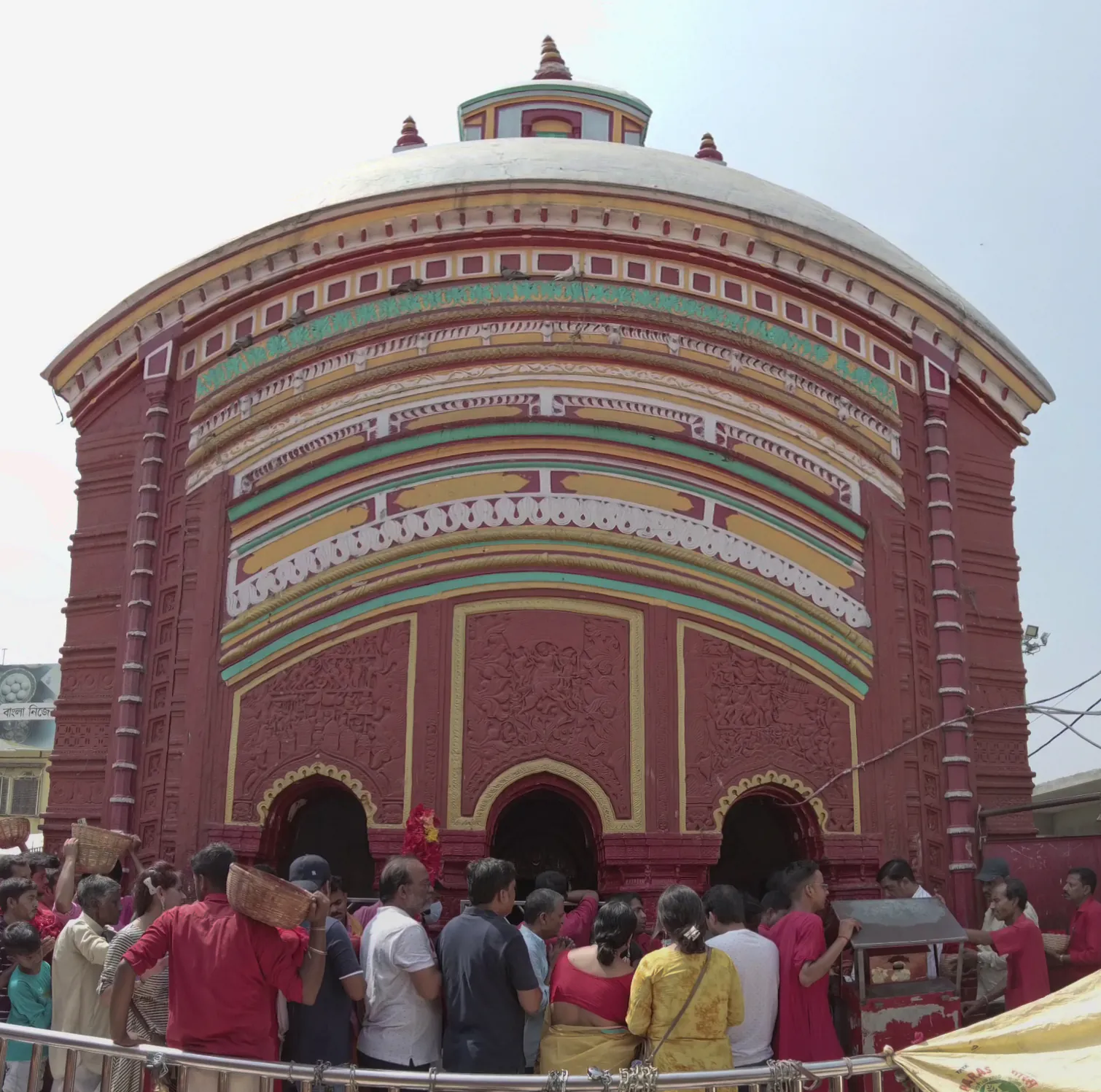
The terracotta panels of the Taraknath Temple, baked a deep, earthy red by the Bengal sun, seemed to hum with stories. Located in the quiet town of Taraknath, within the Hooghly district, this relatively unassuming temple dedicated to Lord Shiva holds a unique charm, distinct from the grander, more famous UNESCO sites I've visited across India. It’s not the scale that captivates here, but the intricate details and the palpable sense of devotion that permeates the air. My journey to Taraknath began with a train ride from Kolkata, followed by a short local bus journey. The temple, dating back to 1729, isn't imposing from a distance. It’s the characteristic 'atchala' Bengal temple architecture – a curved roof resembling a thatched hut – that first catches the eye. As I approached, the intricate terracotta work began to reveal itself. Panels depicting scenes from the epics – the Ramayana and the Mahabharata – unfolded across the temple walls like a visual narrative. Krishna’s playful antics with the gopis, the fierce battle of Kurukshetra, and the serene visage of Shiva meditating – each panel a testament to the skill of the artisans who breathed life into clay centuries ago. The temple's main entrance, a relatively small arched doorway, felt like a portal to another time. Stepping inside, I found myself in a courtyard, the central shrine dominating the space. The shivalinga, the symbolic representation of Lord Shiva, resided within the sanctum sanctorum, a dimly lit chamber that exuded an aura of reverence. The air was thick with the scent of incense and the murmur of prayers, a constant reminder of the temple's living, breathing spirituality. Unlike some of the more heavily touristed UNESCO sites, Taraknath retained a sense of intimacy. I spent hours wandering around the courtyard, tracing the weathered terracotta panels with my fingers, trying to decipher the stories they told. The level of detail was astonishing. Individual expressions on the faces of the figures, the delicate folds of their garments, the intricate patterns of the borders – each element meticulously crafted. I noticed that some panels had suffered the ravages of time, with portions chipped or eroded, yet this only added to their character, whispering tales of resilience and endurance. One aspect that struck me was the secular nature of the depicted scenes. Alongside the mythological narratives, there were depictions of everyday life in 18th-century Bengal – farmers tilling their fields, women engaged in household chores, musicians playing instruments. This blend of the divine and the mundane offered a fascinating glimpse into the social fabric of the time. Beyond the main shrine, I explored the smaller surrounding temples dedicated to other deities. Each had its own unique charm, though the terracotta work on the main temple remained the highlight. I observed several local families performing pujas, their faces etched with devotion. It was a privilege to witness these rituals, a reminder of the deep-rooted cultural significance of the temple. As the sun began to set, casting long shadows across the courtyard, I sat on a stone bench, absorbing the tranquility of the place. Taraknath Temple isn't just a historical monument; it's a living testament to the artistic and spiritual heritage of Bengal. It's a place where mythology and history intertwine, where terracotta whispers stories of bygone eras, and where the devotion of generations resonates within its ancient walls. My visit to Taraknath was a reminder that sometimes, the most profound experiences are found not in the grandest of structures, but in the quiet corners where history and faith converge.
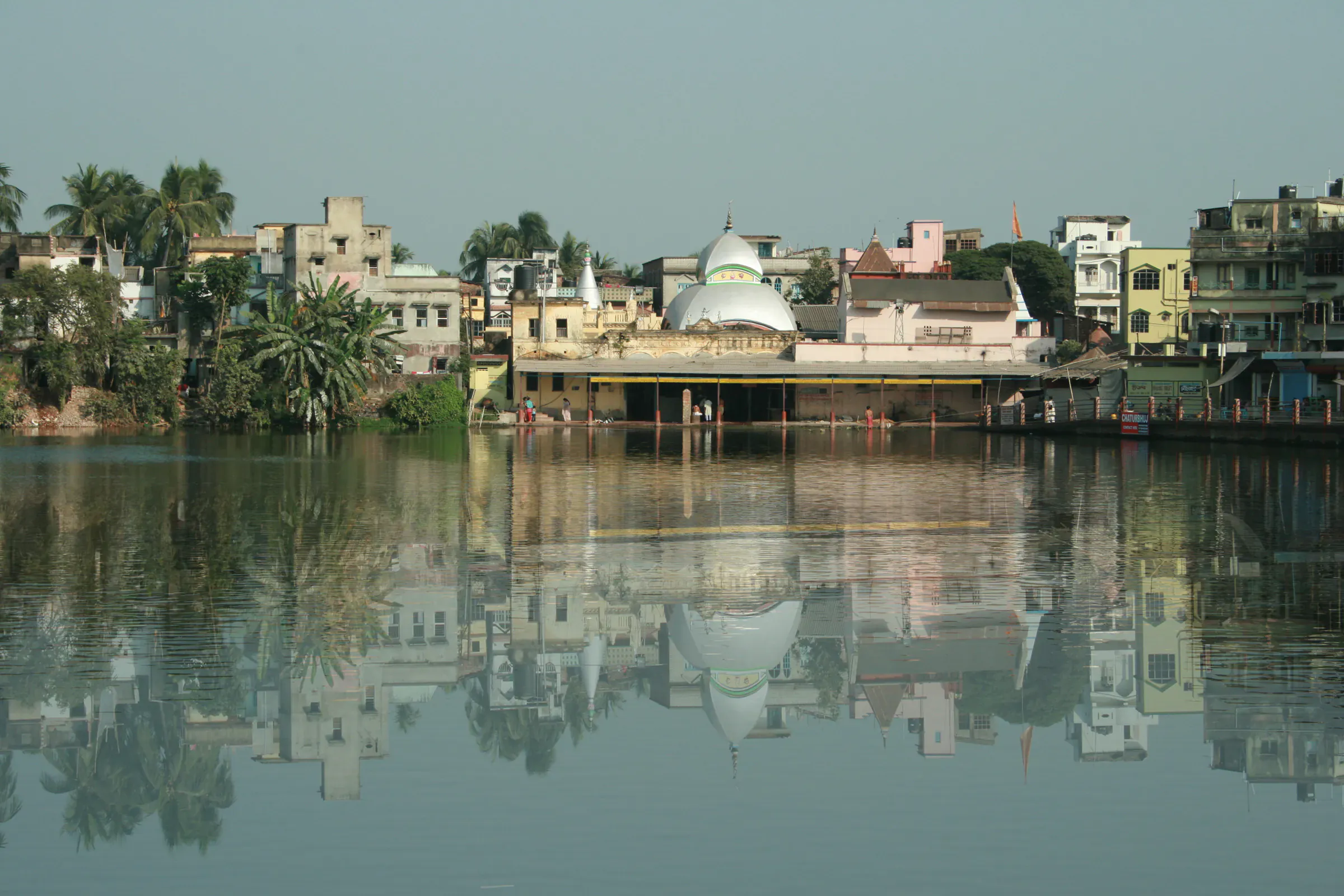
The air hung thick with the scent of incense and something more primal – a metallic tang that I later understood was dried blood, offered as part of the tantric rituals Tarapith Temple is renowned for. Located in the heart of rural West Bengal, this temple, dedicated to the fearsome goddess Tara, a form of Kali, is unlike any of the 500+ monuments I've documented across India. It’s not the grandeur of the architecture that strikes you first, but the raw, visceral energy that permeates the very ground you stand on. The temple itself is relatively modest in size, a traditional Bengali hut-style structure with a sloping, thatched roof. It houses the main deity, Goddess Tara, depicted in her usual fierce form, with a garland of skulls, a protruding tongue, and four arms. But what sets this idol apart is the small stone figure of Shiva lying at her feet, drinking the blood dripping from her tongue. This iconography, stark and unsettling, speaks volumes about the temple's association with tantric practices. Surrounding the main temple is a sprawling complex, a chaotic tapestry of smaller shrines, sacrificial altars, and cremation grounds. The cremation ghats, situated on the banks of the Dwaraka River, are a constant reminder of the cycle of life and death, a theme deeply intertwined with the worship of Tara. I watched as families performed last rites, the smoke from the pyres mingling with the incense, creating an almost surreal atmosphere. The architectural details, while not ornate, are symbolic. The predominant use of red brick and terracotta reflects the earthy, primal nature of the deity. The sloping roof, typical of Bengali architecture, provides a sense of groundedness, contrasting with the intense spiritual energy that swirls within. I noticed intricate terracotta plaques adorning some of the smaller shrines, depicting scenes from Hindu mythology, adding a layer of narrative to the otherwise austere surroundings. What truly captivated me, however, was the human element. Tarapith attracts a diverse crowd – devout pilgrims seeking blessings, families performing rituals for departed loved ones, and the aghoris, ascetic Shaiva sadhus known for their unconventional practices. I spent hours observing the interplay between these different groups, each with their own unique relationship with the goddess. The palpable devotion, mixed with a palpable sense of fear and awe, created an atmosphere unlike anything I'd experienced before. I witnessed devotees offering everything from flowers and sweets to animal sacrifices. The sight of the latter, while unsettling to some, is an integral part of the tantric tradition practiced here. It's a stark reminder of the raw, unfiltered nature of faith, a far cry from the sanitized versions often presented in mainstream religious discourse. One particular interaction stayed with me. An elderly woman, her face etched with wrinkles and her eyes filled with a quiet intensity, sat near the main temple, chanting mantras. I approached her cautiously, and after a brief conversation, she shared her story of seeking solace and healing at Tarapith for years. Her unwavering faith, despite the hardships she had faced, was a testament to the power of belief and the solace that places like Tarapith offer. Documenting Tarapith was a challenging but deeply rewarding experience. It pushed me beyond the comfortable confines of traditional temple photography and forced me to confront the complex and often unsettling realities of faith and ritual. It's a place where life and death, devotion and fear, tradition and transgression, all converge, creating a powerful and unforgettable experience. It's a place that stays with you long after you've left, a constant reminder of the multifaceted nature of human spirituality.
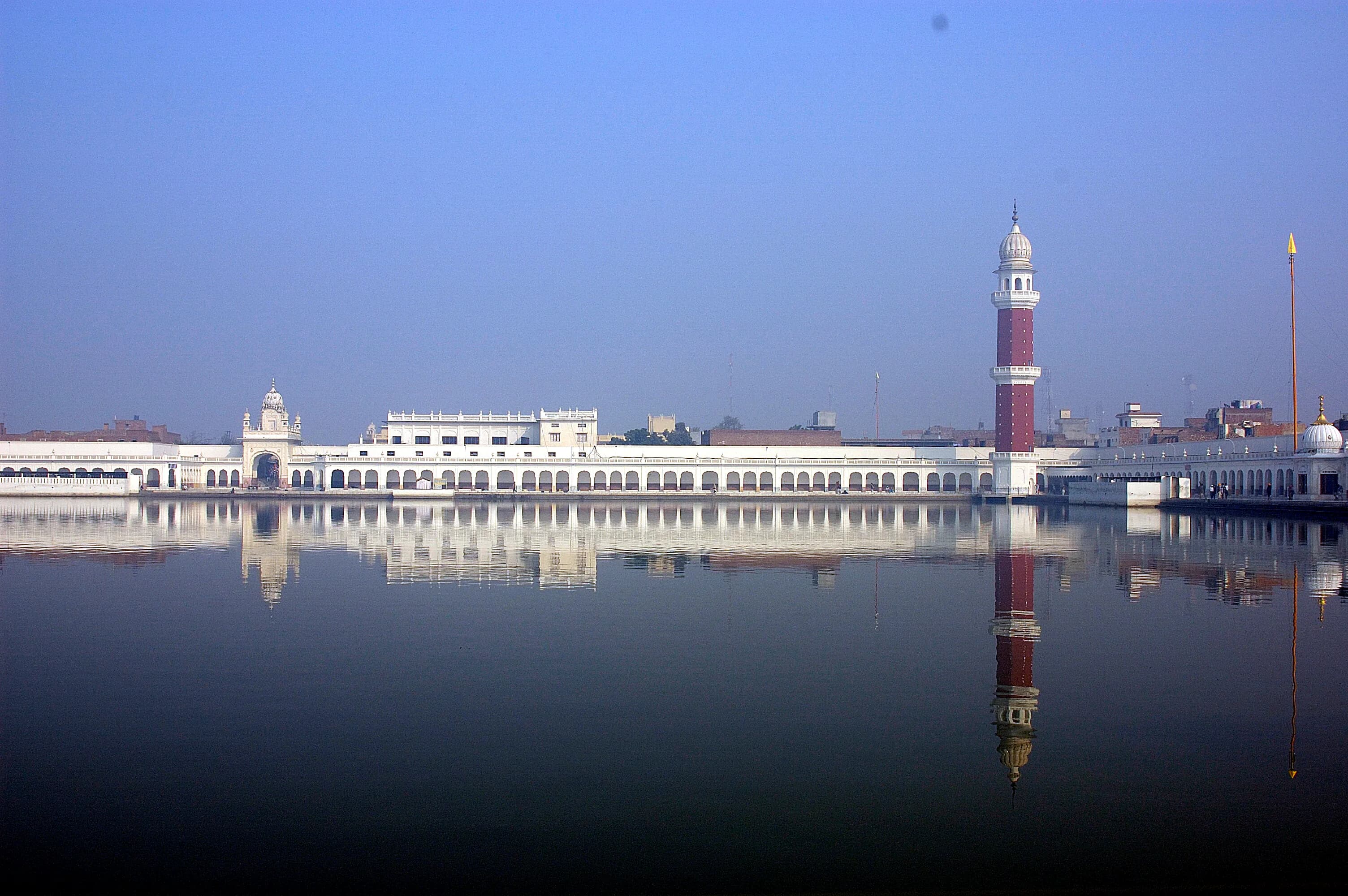
The midday sun beat down on the shimmering expanse of the sarovar, its waters reflecting the pristine white marble of the Darbar Sahib, the central structure of the Tarn Taran Sahib complex. This wasn't just another gurudwara; its sheer scale and unique architectural features set it apart from the hundreds of Sikh shrines I’ve documented across India. Located in the heart of Tarn Taran, Punjab, this place exuded a palpable sense of tranquility, a spiritual hum that resonated through the air and the very stones beneath my feet. The first thing that struck me was the sarovar itself, the largest of all the holy tanks in Sikhism. It’s said that a dip in its waters has healing properties, and observing the devotees taking a ritual bath, their faces etched with devotion, I could almost sense the weight of belief and tradition carried within this sacred space. The tank is surrounded by a marble walkway, offering panoramic views of the gurudwara and the bustling activity around it. I spent a good hour just absorbing the scene, the interplay of light and shadow on the water, the rhythmic chants emanating from the main hall, and the constant flow of pilgrims. The Darbar Sahib, rising majestically from the sarovar's edge, is a marvel of Sikh architecture. Unlike the more common gilded domes, Tarn Taran Sahib boasts a distinctive ribbed dome, plated with gold leaf that shimmered brilliantly under the Punjab sun. Intricate inlay work, a hallmark of Sikh architecture, adorned the marble facade, depicting floral patterns and verses from the Guru Granth Sahib. The level of detail was breathtaking; I found myself constantly drawn closer, my lens capturing the nuances of each carved motif, each inlaid gemstone. As I stepped inside the main hall, I was enveloped by a sense of reverence. The Guru Granth Sahib, the holy scripture of Sikhism, rested on a raised platform, draped in rich fabrics. The melodious kirtan, the Sikh devotional music, filled the air, creating an atmosphere of profound spirituality. The walls, adorned with frescoes depicting scenes from Sikh history and mythology, added another layer of richness to the space. I noticed that the frescoes here were particularly vibrant, their colours seemingly intensified by the soft light filtering through the intricately carved marble screens. One element that truly distinguished Tarn Taran Sahib was the integration of Islamic architectural influences. The minarets flanking the main structure, a feature rarely seen in Sikh architecture, spoke to a history of cultural exchange and coexistence. These minarets, while clearly distinct from the main gurudwara in style, seemed to harmonize with the overall design, creating a unique visual tapestry. This subtle blending of architectural styles offered a powerful testament to the syncretic nature of Indian heritage. Beyond the main complex, I explored the surrounding structures, each with its own story to tell. The Bunga Baba Deep Singh, a smaller shrine dedicated to a revered Sikh warrior, stood as a reminder of the sacrifices made to protect this sacred place. The langar hall, where free meals are served to all visitors regardless of their background, was a bustling hub of activity, embodying the Sikh principles of seva, or selfless service. My time at Tarn Taran Sahib was more than just a photographic documentation; it was an immersive experience. It was a journey into the heart of Sikh faith and a testament to the enduring power of architecture to reflect and shape cultural identity. As I packed my equipment, the setting sun casting long shadows across the sarovar, I carried with me not just images, but a deeper understanding of the rich tapestry of Indian heritage.
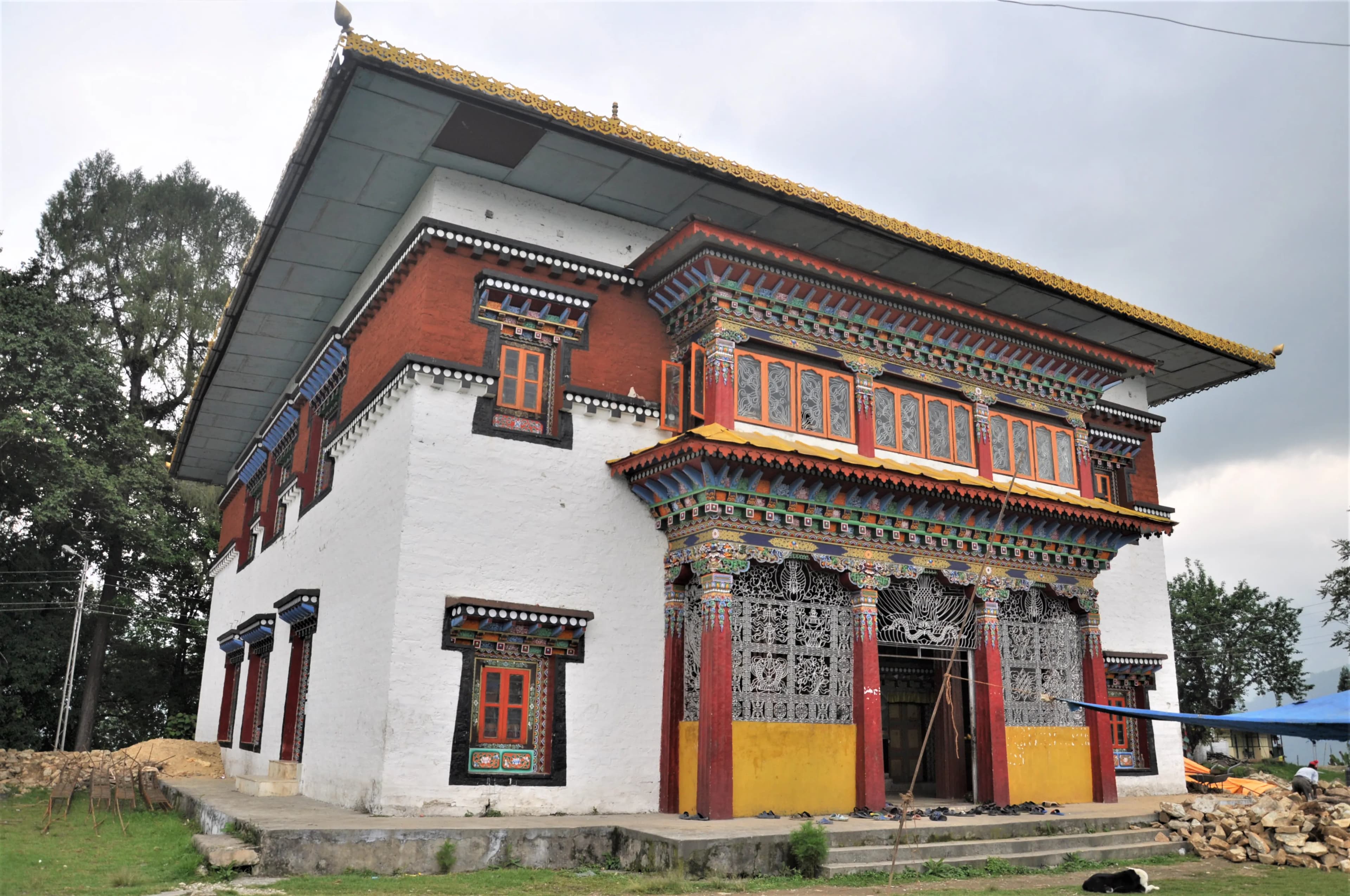
The biting Himalayan wind whipped prayer flags into a frenzy as I climbed the final steps to Tashiding Monastery. Perched atop a hill in West Sikkim, it commands a breathtaking panorama of the surrounding valleys, a vista that felt both grounding and spiritually uplifting. This wasn't just another monastery; it radiated an ancient energy, a palpable sense of history that whispered from the weathered stones. Built in the 17th century by Ngadak Sempa Chempo Phuntsog Rigzin, one of the three lamas who consecrated the first Chogyal (king) of Sikkim, Tashiding holds a unique position in the state's religious and cultural landscape. The architecture, a blend of Tibetan and Sikkimese styles, immediately captivated me. The main structure, the Dukhang or assembly hall, is a two-storied edifice with a sloping roof adorned with intricate carvings. Unlike the vibrant colours often seen in other monasteries, Tashiding is predominantly white, lending it an air of serene austerity. The gold-plated roof, however, catches the sunlight, creating a dazzling beacon against the backdrop of the deep green hills. I noticed the walls were slightly inclined inwards, a feature I learned was a common architectural element in the region, designed to withstand earthquakes. Stepping inside the Dukhang, I was enveloped by the scent of burning juniper incense and yak butter lamps. The walls were covered in vibrant murals depicting Buddhist deities, intricate mandalas, and scenes from the life of Buddha. These weren't mere decorations; they were narratives, each brushstroke imbued with symbolic meaning. I spent a considerable amount of time studying the Thangka paintings, marveling at the meticulous detail and the vibrant colours that seemed to defy the passage of time. The low hum of chanting monks added another layer to the immersive experience, creating an atmosphere of profound tranquility. One of the most striking features of Tashiding Monastery is the Chorten Thong-Rang, a golden stupa believed to be self-sprung. Legend has it that this stupa arose spontaneously from the earth, marking the spot where Guru Padmasambhava, the revered 8th-century Buddhist master, blessed the land. This stupa isn't just a religious artifact; it's the heart of Tashiding, a symbol of the monastery's sacred significance. Circumambulating the stupa, as is customary, I felt a sense of connection to the generations of pilgrims who had walked this same path before me. Beyond the main structures, the monastery complex houses several smaller shrines and residential quarters for the monks. I observed the monks going about their daily routines, their faces etched with a quiet serenity that spoke volumes about their devotion. The rhythmic clang of cymbals and the deep resonance of chanting punctuated the stillness, creating a soundscape that was both mesmerizing and deeply moving. My visit to Tashiding wasn't just a journalistic assignment; it was a pilgrimage of sorts. It offered a glimpse into the rich tapestry of Sikkim's cultural and spiritual heritage. The monastery isn't just a collection of buildings; it's a living testament to the enduring power of faith, a place where the past and present converge in a harmonious blend. As I descended the hill, leaving the serene embrace of Tashiding behind, I carried with me not just photographs and notes, but a profound sense of peace and a renewed appreciation for the enduring legacy of the Himalayas. The wind still carried the sound of chanting, a gentle reminder of the sacred ground I had just walked upon. It was a sound, I knew, that would resonate within me long after I had left Sikkim.

The air, thick with the scent of damp earth and unfamiliar blossoms, hung heavy as I climbed the steps leading to the Hindu temple in Dimapur. This wasn't the North India I knew, the one of Mughal forts and Rajput palaces. This was something altogether different, a splash of vibrant saffron and ochre against the backdrop of Nagaland's emerald hills, a testament to the intricate tapestry of faith that colours India. The temple, dedicated to Lord Shiva, stands as a surprising beacon of familiarity in this predominantly Christian state. It isn't ancient, unlike the weathered temples I've encountered across the Gangetic plains. Instead, it possesses a youthful energy, its brightly painted walls radiating a sense of renewal. The architecture, while adhering to traditional North Indian temple design, incorporates local Naga motifs. I noticed intricate wood carvings adorning the pillars flanking the entrance, depicting stylized floral patterns reminiscent of Naga textiles. These weren't the elaborate, almost baroque carvings of, say, a Khajuraho temple, but they possessed a charming simplicity, a quiet elegance that resonated with the surrounding landscape. Stepping inside the main sanctum, the air vibrated with the low hum of chanting. A priest, his forehead smeared with vibhuti, performed the evening aarti. The flickering flames of the diyas danced across the deity's serene face, casting an ethereal glow on the assembled devotees. The scent of incense, sandalwood and something uniquely local, perhaps a wildflower I couldn't identify, filled the air. It was a sensory overload, yet strangely calming. What struck me most was the diversity of the congregation. Alongside local Hindus, I saw Naga tribals, their faces etched with curiosity and reverence. This wasn't just a place of worship; it was a melting pot of cultures, a space where different faiths intersected and coexisted. I spoke to a young Naga woman who told me she often visited the temple, drawn by the sense of peace it offered. She wasn't a Hindu, but she found solace in the temple's tranquil atmosphere, a testament to the unifying power of spirituality. The temple complex also houses a smaller shrine dedicated to Lord Ganesha. Here, the Naga influence was even more pronounced. The Ganesha idol, typically depicted with a plump belly and elephant head, was adorned with traditional Naga jewellery, a striking fusion of iconography. The walls surrounding the shrine were covered in murals depicting scenes from Hindu mythology, but with a distinct Naga twist. The characters wore Naga attire, the landscapes resembled the rolling hills of Nagaland, creating a unique visual narrative that blended the familiar with the unfamiliar. As I descended the temple steps, the sun began to dip below the horizon, painting the sky in hues of orange and purple. Looking back at the temple, bathed in the soft glow of twilight, I realized it represented more than just a religious site. It was a symbol of resilience, a testament to the enduring power of faith in a land far removed from its traditional heartland. It was a reminder that India's spiritual tapestry is woven with threads from diverse cultures, creating a rich and vibrant mosaic that continues to evolve and surprise. My journey through North India had taken me to countless ancient temples, each with its own unique story to tell. But this temple in Dimapur, with its youthful energy and its blend of tradition and local influence, held a special significance. It was a microcosm of India itself, a land of contrasts, where ancient traditions coexist with modern influences, where different faiths intersect and create something beautiful and new.
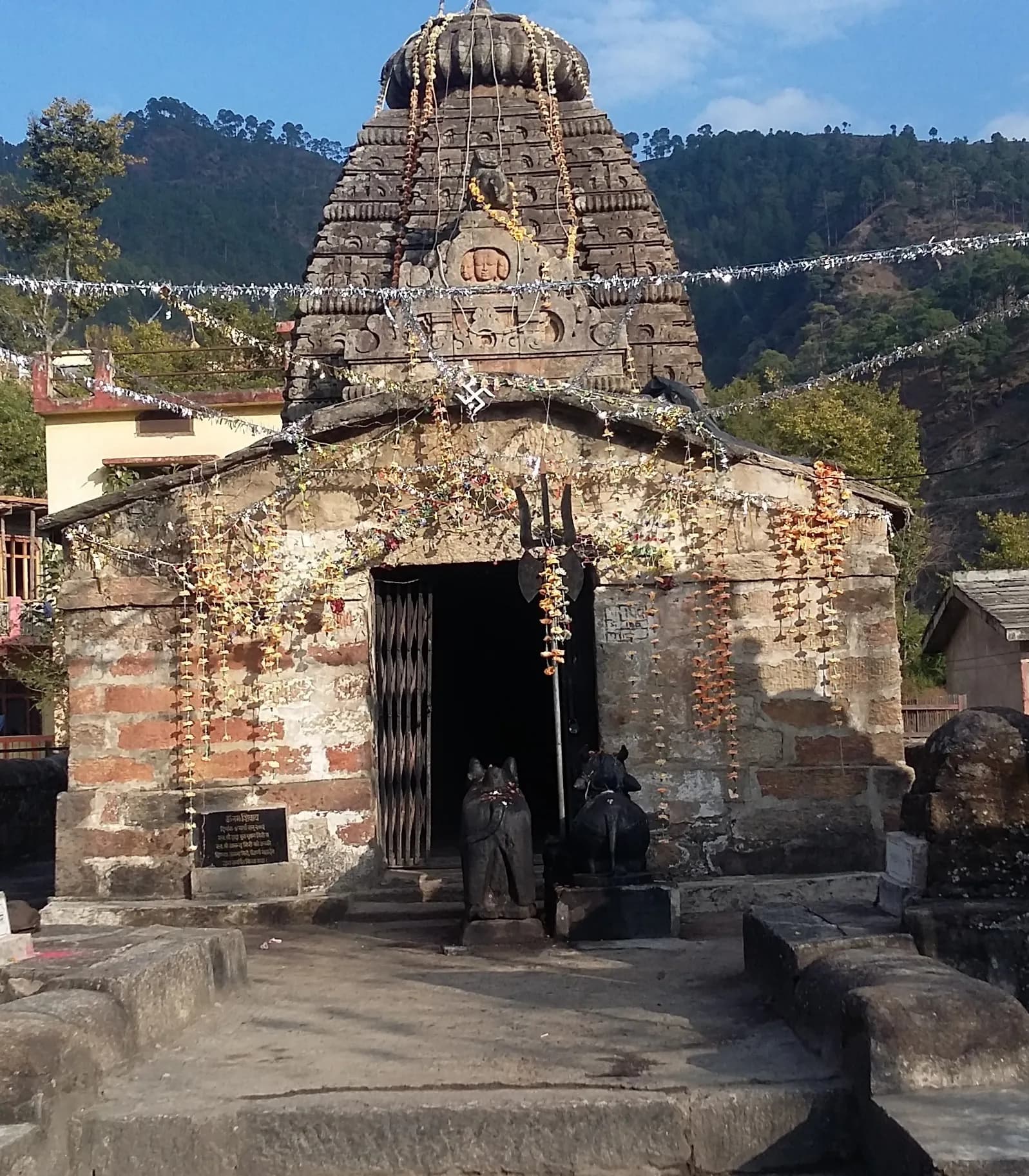
The humidity hung heavy, a stark contrast to the dry air of my Rajasthani homeland. Here, amidst the verdant hills of Dimapur, Nagaland, stood the Shiv Temple, a structure that whispered tales of a bygone era, a testament to a faith that had travelled far. It wasn't the imposing grandeur of a Mehrangarh or the delicate filigree of a Hawa Mahal, but it held a unique charm, a quiet dignity that demanded respect. Carved from a single massive rock, the temple is a monolithic marvel. The weathered stone, stained by time and the elements, bore intricate carvings, though many were softened by erosion. Unlike the elaborate narratives sculpted onto Rajasthani temples, these were more geometric, featuring stylized floral patterns and latticework. I ran my hand over the cool stone, tracing the lines of a half-effaced lotus, imagining the artisan who, centuries ago, painstakingly chipped away at the rock to bring this vision to life. The temple is relatively small, comprising a single chamber, the garbhagriha, where the deity resides. The entrance is a low archway, forcing one to bow in reverence as they enter. Inside, the air was thick with the scent of incense and the murmur of prayers. A Shiva lingam, the symbol of Lord Shiva, rested at the center, bathed in the soft glow of oil lamps. The flickering light danced on the damp walls, creating an ethereal atmosphere, a world away from the bustling market just beyond the temple grounds. What struck me most was the fusion of architectural styles. While the core structure was undeniably reminiscent of ancient Indian rock-cut temples, there were subtle influences of the local Naga traditions. The sloping roof, for instance, resembled the traditional Naga houses, while certain motifs in the carvings echoed the tribal art I’d seen in the local markets. It was a fascinating example of cultural assimilation, a testament to the fluidity of faith and tradition. I spent a considerable amount of time observing the devotees. Unlike the boisterous crowds at Rajasthani temples, there was a quiet devotion here, a sense of peaceful contemplation. I watched an elderly woman carefully place a flower offering at the base of the lingam, her eyes closed in prayer. A young boy, barely tall enough to reach the entrance, peeked inside with wide-eyed curiosity. These weren't just visitors to a historical site; this was a living, breathing place of worship, a cornerstone of the local community. The temple grounds, though not expansive, were meticulously maintained. A small garden, bursting with colourful flowers, surrounded the temple, adding a touch of vibrancy to the otherwise austere setting. Ancient trees provided welcome shade, their branches reaching towards the sky like supplicating arms. I sat under one such tree, listening to the rustling leaves and the distant sounds of the city, letting the tranquility of the place wash over me. Leaving the Shiv Temple, I felt a sense of quiet awe. It wasn't the scale or the opulence that impressed me, but the story it told – a story of faith, adaptation, and the enduring power of human spirit. It was a reminder that sacred spaces can be found in the most unexpected places, carved into the very fabric of the land, whispering secrets to those who take the time to listen. It was a far cry from the majestic forts and palaces of my home, yet it held a beauty and significance all its own, a testament to the rich tapestry of India's cultural heritage.
Related Collections
Discover more heritage sites with these related collections
Explore More Heritage
Explore our comprehensive documentation of these 314 north indian temple style fortress, featuring architectural analysis, historical context, visitor information, conservation status, and detailed site-specific resources supporting meaningful engagement with India's living heritage traditions.
Historical Context
Understanding the historical context of these 314 north indian temple style fortress illuminates centuries of Hindu architectural achievement and spiritual devotion. Across successive dynasties, royal patrons and spiritual communities collaborated to create these magnificent monuments as expressions of dharmic duty and devotional fervor. Multiple dynasties contributed distinctive architectural visions, engaging master architects (sthapatis), skilled sculptors (shilpis), and specialized craft guilds who transmitted knowledge through generations. These collaborations produced monuments reflecting both royal vision and artisan mastery, incorporating ancient Vedic principles with regional innovations. Archaeological and epigraphic research continues revealing fascinating details about construction processes, guild organization, material sourcing, and patronage networks. Foundation inscriptions, donor records, and architectural evidence illuminate the devotion, resources, and expertise invested in creating these sacred spaces that honor the divine while demonstrating human achievement at its finest.
Architectural Significance
The architectural elements visible across these 314 north indian temple style fortress demonstrate the sophisticated synthesis of aesthetic beauty, structural engineering, and spiritual symbolism characteristic of Hindu temple architecture. Regional architectural vocabularies reflect local materials, climatic adaptations, and cultural preferences while maintaining adherence to fundamental Vedic architectural principles. Indigenous building materials—locally sourced stone, traditional lime mortars, timber where appropriate—shaped architectural possibilities and aesthetic expressions. Monumental scale creates appropriate awe, preparing visitors psychologically for divine encounter. Intricate sculptural programs covering every surface teach Puranic narratives and iconographic conventions, transforming architecture into pedagogical instruments. Structural innovations—corbelling achieving remarkable cantilevers, domed ceilings distributing forces through hidden interlocking systems—demonstrate engineering knowledge refined through centuries of practical experience. Lighting conditions dramatically affect sculptural perception; morning and evening illumination reveals details obscured during harsh midday sun. Advanced documentation through photogrammetry and laser scanning continues discovering previously unrecorded architectural elements, enriching scholarly understanding of these magnificent achievements.
Conservation & Preservation
The preservation status of these 314 north indian temple style fortress reflects ongoing commitment to safeguarding India's irreplaceable heritage. 23 receive Archaeological Survey of India protection, ensuring legal safeguards and systematic conservation programs. Challenges include environmental factors, material degradation, and visitor management. Professional conservation employs traditional techniques alongside modern technology: structural monitoring, condition assessments, and preventive measures addressing deterioration before critical failures occur. Advanced documentation—aerial surveys, laser scanning, material analysis—creates comprehensive records supporting evidence-based interventions. Visitor participation in heritage preservation includes respectful site conduct, reporting observed damage, and supporting conservation initiatives financially. The investment in documentation and monitoring ensures that when intervention becomes necessary, restoration maintains historical authenticity and technical compatibility with original construction methods.
Visitor Information
Planning visits to these 314 north indian temple style fortress benefits from understanding access logistics and appropriate conduct. India offers well-developed infrastructure with accommodation options available near major heritage sites. The optimal visiting season extends October through March. Entry fees at protected sites typically range ₹25-₹40. Photography for personal use is generally permitted, though tripods and professional equipment may require advance authorization. Virtual tours of 2 sites enable preliminary exploration and research. Respectful conduct honors both the monuments and continuing worship traditions: modest attire with covered shoulders and legs, shoe removal in temple sanctums, quiet demeanor, and abstaining from touching sculptural surfaces. Knowledgeable local guides enhance understanding of architectural features, iconographic programs, and ritual contexts, transforming visits into meaningful cultural experiences.
Key Facts & Statistics
Total documented heritage sites: 314
UNESCO World Heritage Sites: 7
Source: UNESCO World Heritage Centre
Archaeological Survey of India protected monuments: 23
Source: Archaeological Survey of India
Sites with 3D laser scan documentation: 2
Sites with 360° virtual tours: 2
Temple: 245 sites
Fort: 69 sites
Pahari architecture style, Nagara architecture style, Shikhara architecture style, Hindu Temple architecture style architectural style: 3 sites
Indo-Islamic architecture style, Mughal architecture style, Rajput architecture style, Nagara architecture style architectural style: 2 sites
Vijayanagara architecture style, Dravidian architecture style, Chola architecture style, Pallava architecture style architectural style: 2 sites
Kerala architecture style, Dravidian architecture style, Koothambalam architecture style, Traditional Hindu Temple architecture style architectural style: 2 sites
Kerala architecture style, Dravidian architecture style, Kalinga architecture style, Hindu Temple architecture style architectural style: 2 sites
Ahom Period period construction: 39 sites
Bengal Renaissance Period period construction: 34 sites
Vijayanagara Period period construction: 27 sites
Maratha Period period construction: 27 sites
Rajput Period period construction: 24 sites
Average documentation completion score: 79%
Featured flagship heritage sites: 314
Comprehensive digital archiving preserves heritage for future generations
Frequently Asked Questions
How many north indian temple style fortress are documented in India?
This collection includes 314 documented north indian temple style fortress across India. Of these, 7 are UNESCO World Heritage Sites. 23 sites are centrally protected by Archaeological Survey of India. Each site has comprehensive documentation including photos, floor plans, and historical research.
What is the best time to visit north indian temple style fortress in India?
October through March is ideal for visiting north indian temple style fortress in India. Major festivals also offer unique cultural experiences. Check individual site pages for specific visiting hours and seasonal closures.
What are the entry fees for north indian temple style fortress?
Protected monuments typically charge ₹25-₹40. State-protected sites often have lower or no entry fees. Many temples and religious sites are free. Children often enter free. Still photography is usually included; video may require additional permits.
Are photography and videography allowed at heritage sites?
Still photography for personal use is generally permitted at most heritage sites. Tripods, flash photography, and commercial filming usually require special permissions. Some sites restrict photography of murals, sculptures, or sanctums. Drones are prohibited without explicit authorization. Always respect signage and guidelines at individual monuments.
Are these heritage sites wheelchair accessible?
Accessibility varies significantly. Major UNESCO sites and recently renovated monuments often have ramps and accessible facilities. However, many historical structures have steps, uneven surfaces, and narrow passages. Contact site authorities in advance for specific accessibility information. Our site pages indicate known accessibility features where available.
Are guided tours available at north indian temple style fortress?
Licensed guides are available at most major heritage sites, typically charging ₹200-₹500 for 1-2 hour tours. ASI-approved guides provide historical and architectural insights. Audio guides are available at select UNESCO sites. Our platform offers virtual tours and detailed documentation for 2 sites.
What is the conservation status of these north indian temple style fortress?
23 sites are legally protected by ASI. Active conservation includes structural stabilization, surface cleaning, vegetation control, and drainage management. Digital documentation helps monitor deterioration. 2 sites have 3D scan records for evidence-based interventions.
What documentation is available for these heritage sites?
Each site includes high-resolution photography, architectural measurements, historical research, and expert annotations. 2 sites have 3D laser scans. 2 offer virtual tours. Documentation averages 79% completion.
How much time should I allocate for visiting?
Plan 2-3 hours for major monuments to appreciate architectural details and explore grounds. Smaller sites may require 30-60 minutes. Multi-site itineraries should allocate travel time. Early morning or late afternoon visits offer better lighting for photography and fewer crowds. Check individual site pages for recommended visiting durations.
What is the cultural significance of these north indian temple style fortress?
These monuments represent India's diverse cultural heritage, reflecting centuries of architectural innovation, religious traditions, and artistic excellence. They serve as living links to historical societies, preserving knowledge about construction techniques, social structures, and cultural values. Many sites remain active centers of worship and community gathering.
How can I practice responsible heritage tourism?
Respect site rules including photography restrictions and designated pathways. Don't touch sculptures, murals, or walls. Dispose waste properly. Hire local guides to support communities. Avoid visiting during restoration work. Learn about cultural contexts before visiting. Report damage to authorities. Your responsible behavior helps preserve heritage for future generations.
References & Sources
This curated collection presents 314 architecturally significant north indian temple style fortress across India, each offering authentic experiences of Hindu cultural and spiritual heritage. Representing diverse regional traditions, these sites spanning multiple historical periods continue serving as active centers of worship and cultural transmission. 7 hold UNESCO World Heritage designation, recognizing exceptional universal value. Our comprehensive documentation provides detailed visitor information, architectural insights, and cultural context, enabling meaningful engagement with India's living heritage traditions while respecting the sacred nature of these spaces.
- 1Diverse architectural styles from various periods
- 2Intricate craftsmanship and artistic excellence
- 3Historical and cultural significance
- 4Well-documented heritage value
- 5Protected under heritage conservation acts
- 6Tourist and educational significance
| 📍Goa | 15 sites |
| 📍Tamil Nadu | 15 sites |
| 📍Karnataka | 15 sites |
| 📍Haryana | 14 sites |
| 📍Maharashtra | 14 sites |
| 📍Uttar Pradesh | 13 sites |
| 📍Gujarat | 12 sites |
| 📍Jharkhand | 12 sites |
| 📍Telangana | 12 sites |
| 📍Himachal Pradesh | 12 sites |